Why Women Are Rethinking Solo Adventures in 2026
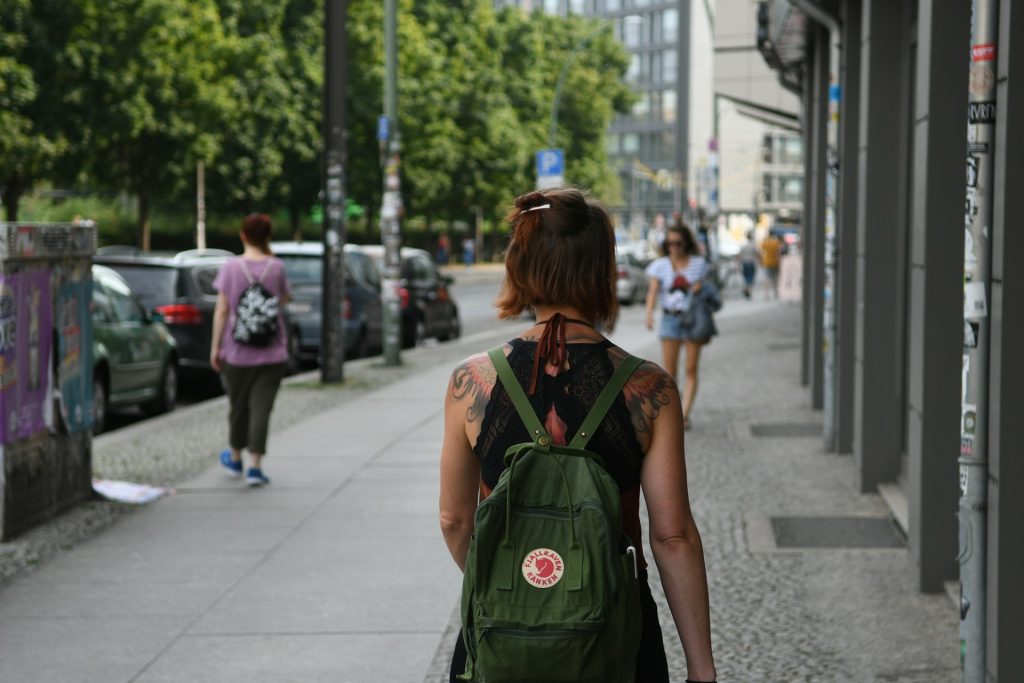
Solo travel still carries the same promise it always did: freedom, quiet, and the chance to move at a personal pace. But for many women in 2026, the emotional math behind that freedom has become more complicated than the photos suggest.
The shift is not about fear replacing curiosity. It is about effort, cost, and the growing amount of planning needed to protect the peace a solo trip is supposed to deliver.
Recent travel trend reporting still shows solo travel staying popular, and survey data also shows women and men often approach it differently. At the same time, women are more likely to name safety as a serious concern, which changes how every booking decision feels from the start.
What this really means is simple: women are not turning away from adventure. They are rethinking the conditions under which a solo trip actually feels worth it.
The Dream of Solo Travel Now Comes With More Invisible Work

A solo trip used to feel like a break from coordination. Now it often starts with a private checklist that looks a lot like project management.
Women are checking arrival times, transit routes, neighborhood safety, backup hotels, and local transport before they even book a flight. That planning can be smart and empowering, but it also takes time and mental energy.
The result is a strange tension. The trip is meant to create freedom, yet the preparation can feel heavier than a regular vacation with friends.
This is one reason some women say they are rethinking solo travel, not rejecting it. They are asking tougher questions about what kind of trip restores them instead of draining them before day one.
Border Rules Are Adding Friction Before the Trip Even Starts
Europe and the UK now have more digital border processes than many casual travelers were used to a few years ago. For solo travelers, that means more pre-trip admin and less room for sloppy planning.
The UK ETA system already affects many visitors, and the official guidance makes clear it is required for most eligible travelers before travel. The UK also states that an ETA does not guarantee entry, which adds another layer to trip prep.
The EU Entry/Exit System changed border procedures for Schengen travel, including biometric registration on arrival for many non-EU visitors. UK guidance also warns travelers to expect longer waits, especially during busy periods and phased rollout.
ETIAS is still not live, but EU authorities say it is expected to start in the last quarter of 2026. That means many women planning future solo trips are already trying to understand rules that are changing in real time.
This does not make Europe off-limits.
It just makes spontaneous travel harder.
For women who rely on calm routines while traveling alone, uncertainty at borders can affect the entire mood of a trip. Even a small delay feels bigger when there is no partner or friend standing beside them to split the stress.
The psychological effect matters as much as the paperwork. A trip can be technically possible and still feel less inviting if the entry process sounds confusing, crowded, or easy to get wrong.
The Cost of Going Alone Has Become Harder to Ignore

Solo travel has always carried a quiet price penalty. One person pays the full room, the full taxi, and often the higher per-person cost in places designed around pairs.
That financial pressure feels sharper in 2026 because travel budgets are already under strain. European tourism reporting has repeatedly highlighted rising costs and stronger demand for value-focused and off-peak choices, which means travelers are actively adjusting behavior.
Then there are the small fees and extra steps that stack up. A digital authorization may not be huge on its own, but it becomes part of a broader pattern of planning costs, processing time, and attention.
Women rethinking solo adventures are often responding to that pileup, not a single expensive booking. They are deciding whether the emotional reward of a solo trip still matches the amount of money and effort it now demands.
Crowds Have Changed the Feeling of Many Famous Sun and City Destinations
A lot of women once chose solo travel for calm, not intensity. But in many popular European destinations, the atmosphere now feels more crowded, more commercial, and less restorative during peak periods.
That change is not just anecdotal. Tourism coverage across Europe increasingly focuses on growth management, seasonal pressure, and the need to spread visitors beyond a few overloaded hotspots.
Even industry-facing reports now frame the issue less as attracting tourists and more as managing volume and impact. That shift says a lot about what travelers can expect on the ground in major destinations.
For a woman traveling alone, crowd pressure is not only about long lines. It affects hotel prices, transport delays, noise, and how easy it feels to move through a place without staying hyper-alert.
Reuters documented coordinated anti-overtourism protests across southern Europe in 2025, including demonstrations in Spain, Portugal, and Italy. Protesters explicitly linked heavy tourism pressure to housing costs and neighborhood disruption, which changed the social atmosphere around tourism in visible ways.
That kind of tension does not mean solo women should avoid Europe. It does mean the old fantasy of a carefree, sun-soaked, easygoing trip can feel less realistic in heavily visited areas during peak season.
Many women are responding by choosing shoulder seasons, smaller towns, or less obvious regions. That move is not a downgrade, and in many cases it creates a safer and more relaxed experience.
The deeper shift is emotional. Women are no longer chasing the most famous backdrop by default, because peace is becoming the real luxury.
Safety Planning Is No Longer Optional, Even for Experienced Travelers

Experienced solo travelers often look confident from the outside. What people do not see is how much of that confidence is built on systems, not luck.
Hostelworld’s 2025 solo travel data shows women report safety concerns at much higher rates than men, even while solo travel confidence remains high overall. That combination explains why many women still travel alone but plan with more caution than before.
Safety planning also changes the kind of trip that feels appealing. Late-night arrivals, isolated stays, and complicated transfers may look fine on paper, but they create friction when someone is managing every step alone.
This is why some women are rethinking solo adventure in 2026. They are not asking whether they can do it, but whether a specific itinerary respects their energy, sleep, and sense of control.
The Internet Makes Solo Travel Easier and More Exhausting at the Same Time
Travel planning tools are smarter now, and more travelers are using AI to research destinations, compare options, and build itineraries. Skyscanner says confidence in using AI for travel planning rose from 47% in 2024 to 54% in 2025 for 2026 travel.
That sounds helpful, and often it is. But the same Skyscanner report also shows travelers still worry about accuracy and overload, which is exactly the kind of stress that can derail solo planning.
More options should create freedom. In practice, they can create decision fatigue.
Women planning alone often carry the full burden of getting it right. If a recommendation is wrong, there is no shared blame and no easy handoff.
Social platforms add another layer. Skyscanner also notes how social search now drives travel inspiration, especially with strong demand for authentic advice rather than polished hype.
That sounds healthy, but it can still be exhausting. Women end up sorting through reels, threads, comment sections, and conflicting tips just to figure out what is actually safe, useful, and worth the money.
The result is a new kind of travel fatigue that starts long before takeoff. A solo trip can begin to feel like an endless chain of micro-decisions instead of an exciting escape.
So women are trimming the noise. They are choosing fewer stops, simpler routes, and destinations where they can trust local logistics without constant online research.
Women Are Not Canceling Adventure, They Are Redesigning It
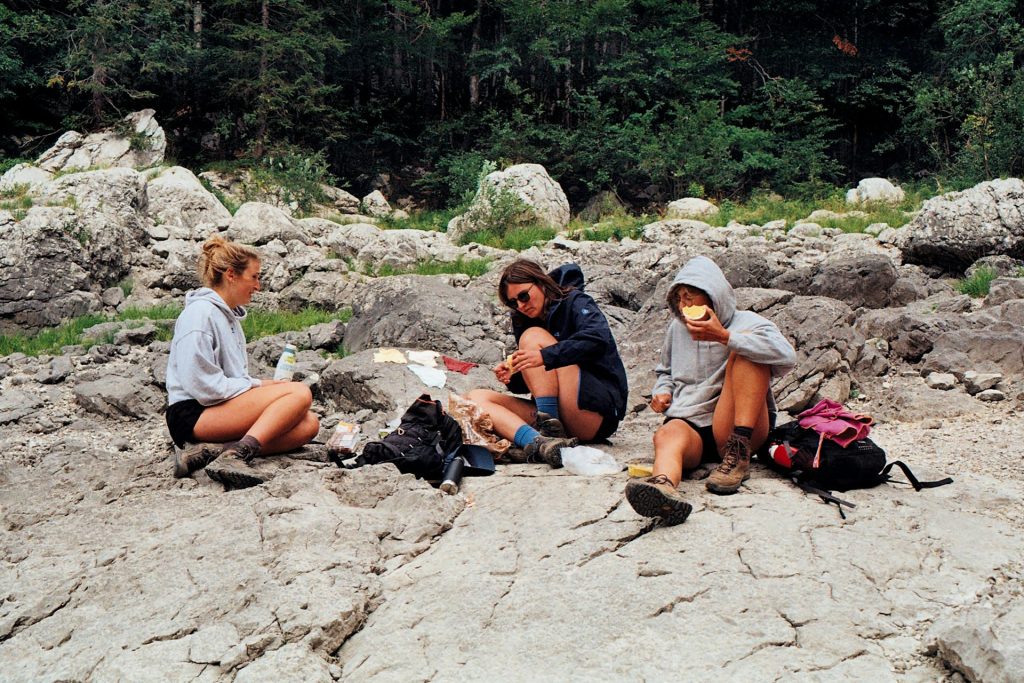
One major shift is format. Instead of long solo loops across multiple countries, many women are choosing one-city stays, slower itineraries, or short regional trips that feel easier to control.
Another shift is social structure. Some women want the independence of solo travel with the backup of a small group tour, a retreat, or a women-led travel community.
This hybrid style makes sense. It keeps the emotional benefits of independence while reducing the constant pressure of doing every hard part alone.
The most interesting part is that this change is not retreat. It is a smarter version of freedom, shaped by experience instead of fantasy.
In 2026, the Best Solo Trips Feel Calmer, Clearer, and More Intentional
Women who still love solo travel are getting sharper about what makes a trip truly restorative. They are choosing destinations and schedules that match their actual capacity, not an idealized version of themselves.
That often means saying no to famous places at the busiest time. It also means accepting that ease is not laziness, and comfort is not a lesser form of adventure.
Practicality has become part of the romance.
A well-planned solo trip can still feel spontaneous in the moments that matter.
The women rethinking solo adventures in 2026 are not less brave than before. They are simply less interested in proving anything to anyone.
They want trips that leave them steadier, not just impressed. They want stories, but they also want sleep, safety, and enough margin to enjoy where they are.
That is why the conversation around solo travel is changing. The old image celebrated movement at any cost, while the newer version values peace, clarity, and a better return on emotional energy.
In the end, solo travel is still alive and well. It is just maturing, and women are leading that shift with better instincts and better boundaries.