Why Women Feel Trapped at Home as Europe Visa Rules Get Tougher
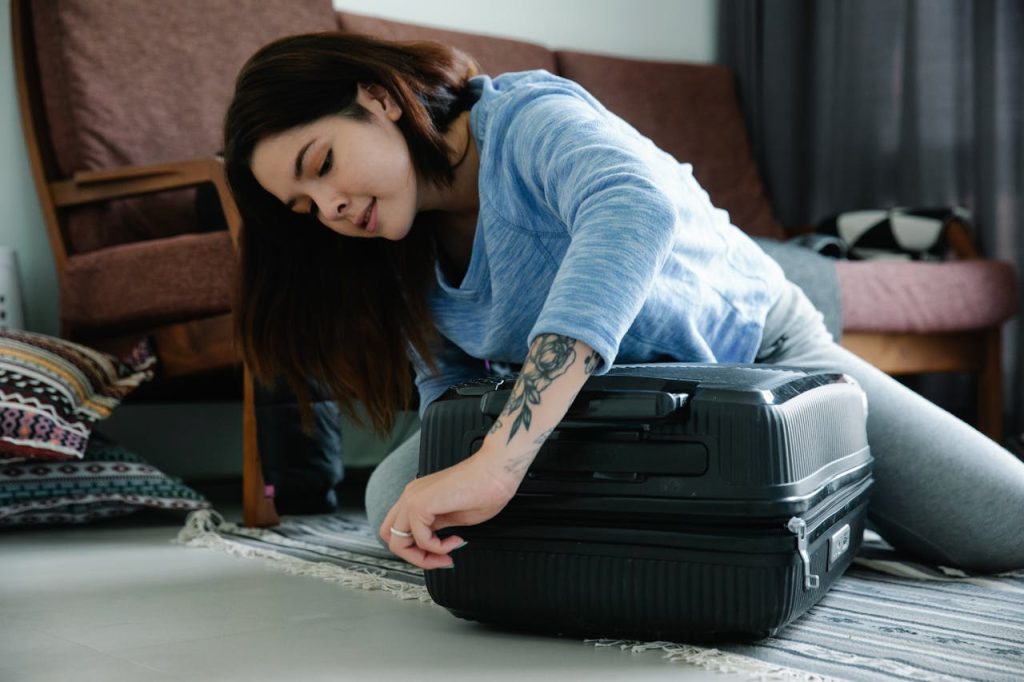
Europe still sits in many women’s minds as the easiest kind of escape. Not because it is perfect, but because it feels culturally familiar and emotionally roomy.
Lately, the path to get there feels heavier than the trip itself. Planning starts with rules, proof, and deadlines instead of excitement.
Women often travel with more safety math running in the background. They think about arrival times, neighborhoods, and backup routes because the world treats them differently.
When visa rules tighten, that careful planning can turn into a burden. The dream does not die, but it gets postponed again and again.
Paperwork Turns a Simple Trip Into a Full Case File
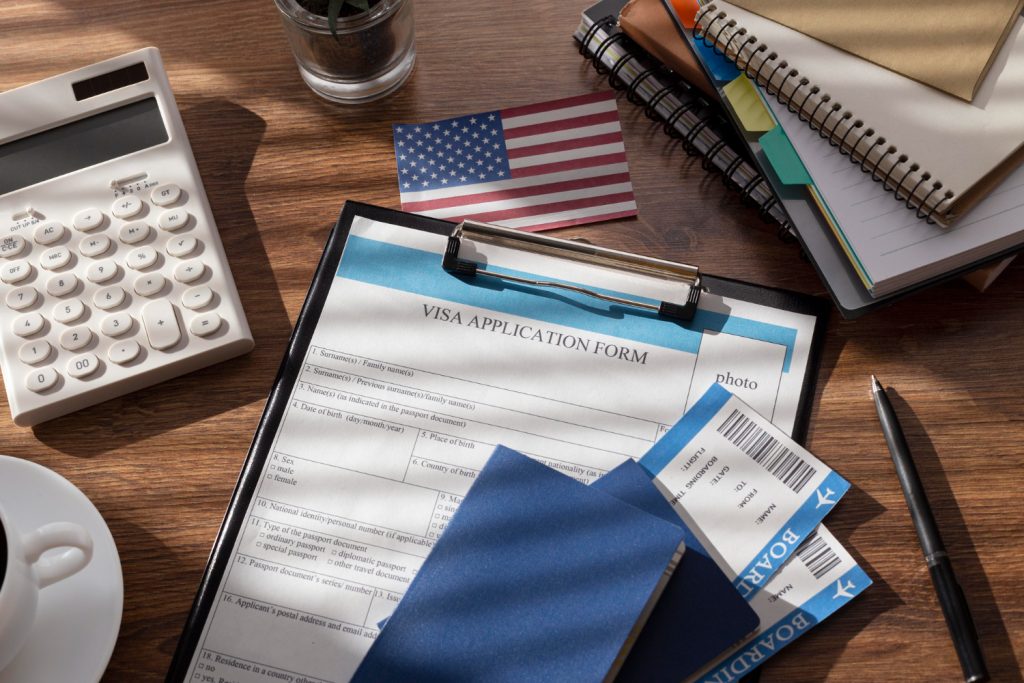
A visa application is no longer just a form and a photo. It can feel like building a clean narrative about your life with zero loose ends.
Every document has to agree with the next one. When dates or details clash, even by accident, confidence drops fast.
For women with shared finances, freelance income, or career breaks, proof can be complicated. It is not about irresponsibility, it is about life not fitting into neat boxes.
That mismatch creates a quiet sense of risk. Many women stop planning early because they cannot afford to be wrong.
Appointments Become the Real Gate
The hardest part is often getting a slot.
When appointments are scarce, everything else freezes.
Time becomes the main enemy.
A missed window can wipe out months of planning.
People start planning around consulate calendars instead of their own lives. That shift drains the joy before the trip even begins.
For women managing work deadlines and home responsibilities, reshuffling time is not simple. One appointment can require childcare, time off, and long travel across a city.
Uncertainty is exhausting because it keeps the mind on alert. If approval timing is unclear, booking anything feels risky, but waiting too long can also backfire.
After enough cycles of checking, waiting, and rescheduling, staying home starts to feel like relief. It is not the preferred choice, it is the easiest one to survive.
Costs and Rejection Fear Make Trying Feel Dangerous

Fees add up before a traveler ever boards a plane. Between applications, insurance, document prep, and transport to visa centers, the upfront spend can sting.
When money leaves the budget without guaranteed approval, anxiety grows. It is hard to stay hopeful when the process feels like a paid gamble.
Women often spend extra to feel safe, like choosing reliable lodging and predictable transport. Those choices are smart, but they raise the cost of even attempting a trip.
If a rejection happens, it can feel personal even when it is procedural. The emotional hit makes the next attempt feel twice as hard.
Digital Checks Change the Vibe of Travel
New systems make travel feel less casual.
More steps happen online now.
More data is collected and tracked.
More travelers worry about small errors.
Even when a digital step is routine, it adds a new point of failure. A typo, a glitch, or a confusing upload requirement can create days of stress.
Women who already plan for safety and timing feel that extra pressure sharply. If something delays entry or disrupts a connection, it can change where they land at night.
The mental load builds because the process lives in the background for weeks. Instead of daydreaming about the trip, people watch inboxes and track updates.
The result is a new kind of fatigue. Some women decide the trip is not worth the stress this season, even if the destination still calls them.
Safety Planning Collides With Rigid Itineraries

Many women plan travel around margin. They choose daytime arrivals, central neighborhoods, and flexible routes because safety is often about options.
Tougher rules can reward fixed bookings and tidy itineraries. That pushes women to lock plans earlier than they feel comfortable doing.
Flexibility is not indecision, it is protection. Yet the paperwork can make flexible travel look suspicious or unstable.
So women adjust in ways that shrink freedom. They wait for a companion, choose shorter trips, or cancel the idea altogether.
Work and Caregiving Make Compliance Harder
Time off is not evenly available.
Care duties do not pause for paperwork.
Work deadlines do not move for appointments.
Energy is not infinite.
For many women, the hardest part is not travel, it is the admin work required to qualify for travel. Forms, visits, print runs, and corrections all compete with daily responsibilities.
Caregiving adds uncertainty that strict timelines do not tolerate. One family issue can derail a carefully scheduled chain of steps.
This creates a feeling of being anchored at home. Not by lack of curiosity, but by the cost of stepping away.
Over time, women stop announcing their plans because it feels safer to keep them private. The dream becomes quieter, and quiet dreams are easier to abandon.
Social Pressure Turns Rules Into a Permission Problem

Rules tighten, and suddenly everyone has an opinion. Families may frame tougher requirements as danger, even when the real issue is bureaucracy.
Women also face extra scrutiny for solo travel. When the process becomes harder, that scrutiny can feel justified to outsiders, which adds pressure.
Even without direct resistance, social doubt changes behavior. It nudges women toward the least controversial option, which is often staying put.
That is how a policy shift becomes a personal cage. The trip starts feeling like something to defend instead of something to enjoy.
Small Strategy Shifts Can Put Travel Back Within Reach
Start earlier than feels necessary.
Keep documents organized year-round.
Choose one base city and simplify the story.
Build buffer days into the plan.
A repeatable system helps more than perfection. When a woman has a clean folder for finances, employment, and identity documents, the process stops feeling like chaos.
It also helps to plan for calm, not conquest. Fewer destinations, safer lodging, and realistic pacing can reduce both stress and contradictions in paperwork.
Support matters too, even in small forms. A friend who checks details, a community that shares accurate steps, or a professional review can prevent avoidable mistakes.
Most importantly, treat the process like preparation, not judgment. When the steps feel manageable, freedom starts to feel real again.