10 Canyon Cottages Cottaged With Coyote Calls
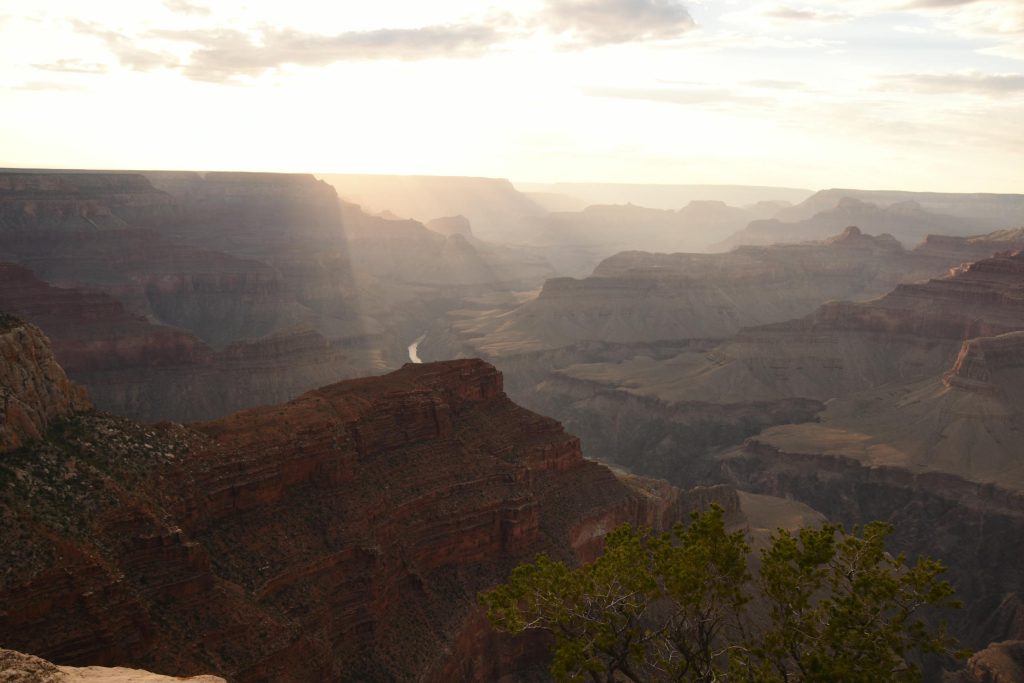
Wildlife biologists and acoustic ecologists frequently study canyons as natural amphitheaters that amplify the sounds of the wilderness. These geological formations capture and project audio frequencies, turning the nightly vocalizations of Canis latrans into a surround-sound experience for anyone staying within the canyon walls. Experts in animal behavior note that coyotes use these acoustic properties to communicate pack locations and territorial boundaries across vast distances.
Hospitality consultants and nature travel specialists identify specific canyon accommodations where this auditory phenomenon is a primary feature of the guest experience. These secluded cottages and cabins sit squarely in wildlife corridors where the nightly chorus of yips, barks, and howls serves as a reminder of the untamed ecosystem just outside the door. For travelers seeking immersion in the natural world, these locations offer a front-row seat to the nightly performance of the American song dog.
Zion Lodge Cabins In Utah
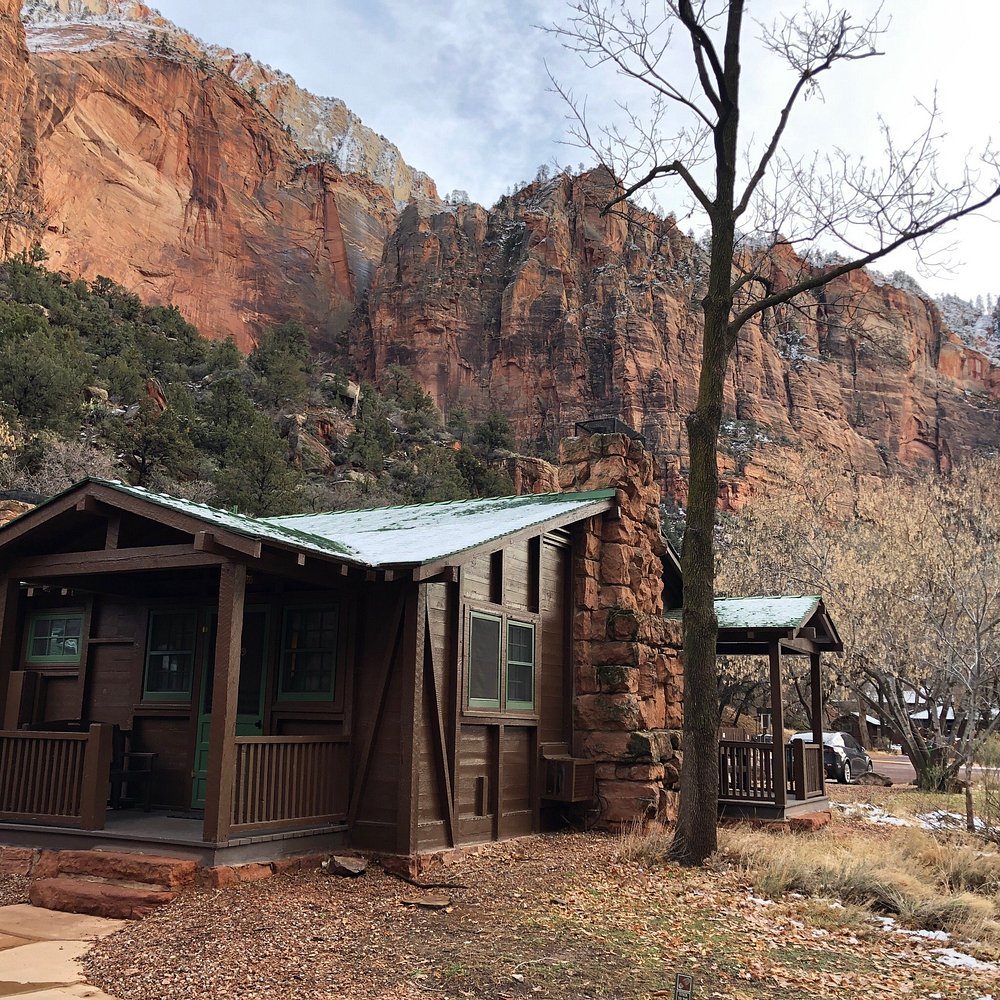
Park rangers and wildlife officials in Zion National Park emphasize that the main canyon floor serves as a critical travel corridor for local fauna after dark. The sheer sandstone walls of the canyon act as powerful acoustic reflectors that carry the sound of coyote packs hunting near the Virgin River. Guests staying in the historic cabins often report hearing the calls echoing off the cliffs, making a single animal sound like a dozen.
Acoustic ecologists explain that the narrowness of Zion Canyon creates a reverberation effect that preserves the clarity of wildlife calls over miles. The cabins place visitors in the center of this soundscape. Biologists note that the absence of heavy traffic at night allows the natural sounds of the park to dominate, creating an atmosphere where the howling of coyotes becomes the defining soundtrack of the evening.
Chisos Mountains Lodge In Texas
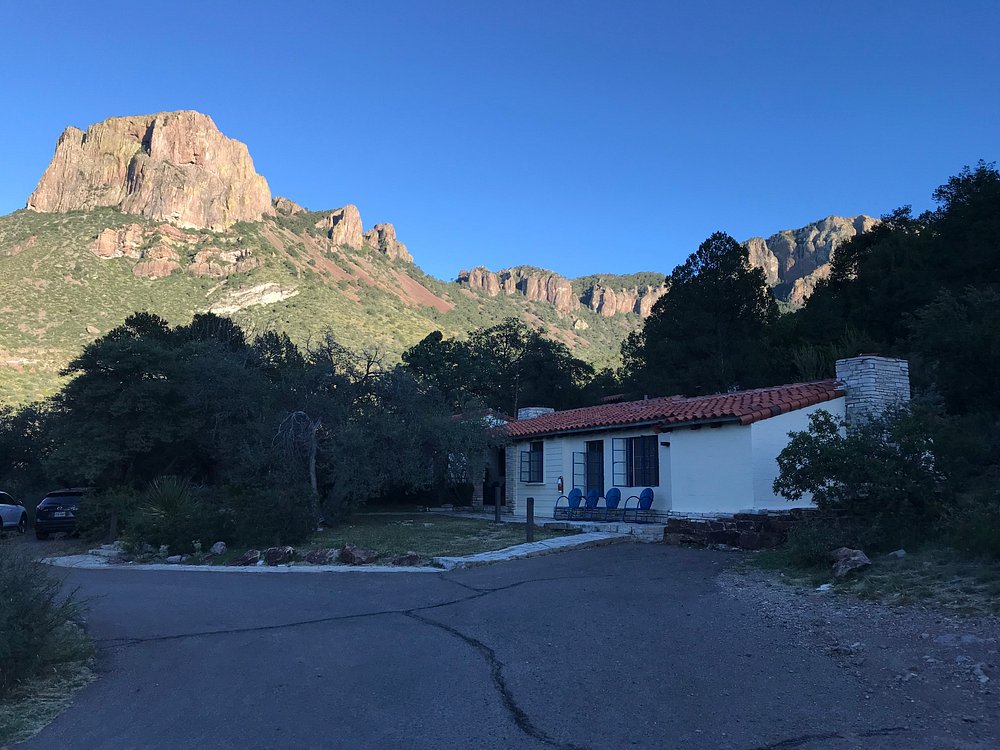
Desert ecologists and park superintendents at Big Bend National Park identify the Chisos Basin as a premier habitat for wildlife due to its cooler temperatures and water availability. The stone cottages located in this high-altitude bowl are surrounded by rugged peaks that trap sound within the basin. Wildlife observers frequently document coyotes moving through the cottage complex itself, often in pursuit of javelina or rabbits.
The isolation of the Chisos Mountains means that the background noise floor is incredibly low. Soundscape researchers point out that this silence allows the complex vocalizations of the coyote packs to be heard with startling definition. The stone structures offer a secure vantage point from which guests listen to the pack dynamics playing out on the surrounding trails and ridges under some of the darkest skies in North America.
Bright Angel Lodge Cabins In Arizona
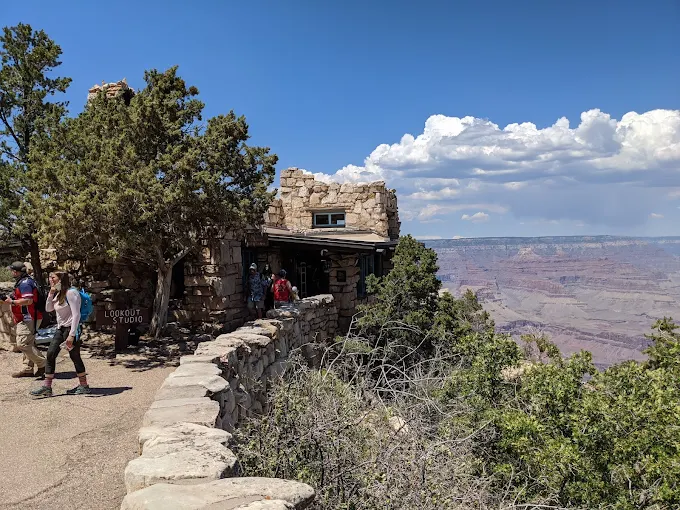
Grand Canyon historians and wildlife managers recognize the South Rim village as an area where human history and wildlife habitats intersect seamlessly. The cabins along the rim sit at the edge of one of the largest acoustic chambers on earth. Biologists explain that sound travels efficiently up from the canyon depths, allowing guests to hear coyotes communicating from the trails below as well as those patrolling the pinyon-juniper forests on the rim.
The layout of the separate cabins provides a sense of solitude that enhances the listening experience. Park naturalists note that the coyotes in this region are highly adaptable and often vocalize near the developed areas to establish territory. The echoes that rise from the canyon create a haunting and memorable auditory experience that underscores the immense scale of the landscape.
Doves Rest Cabins In Texas
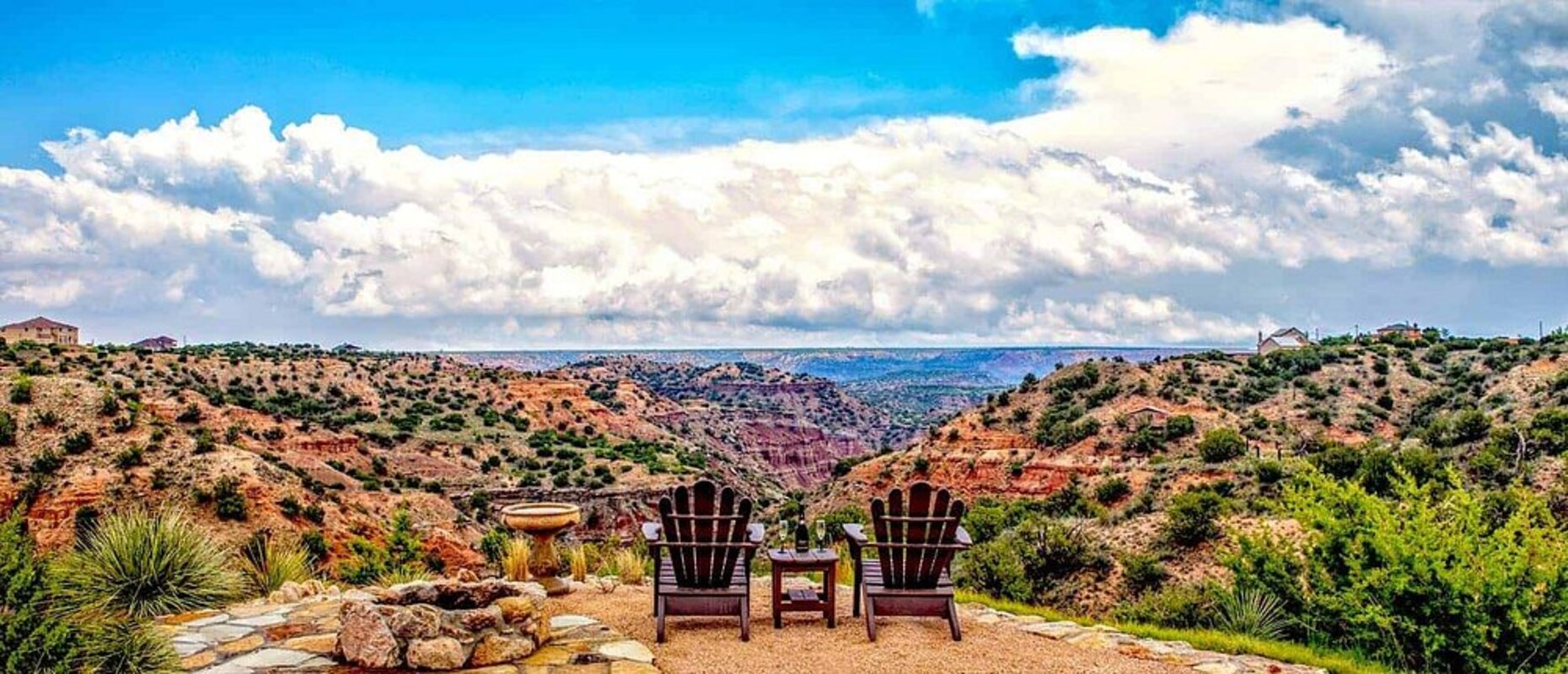
State park officials and Panhandle biologists describe Palo Duro Canyon as a biodiversity hotspot in the Great Plains. The cabins perched on the rim or nestled in the canyon floor offer direct exposure to the dense coyote populations that inhabit the red rock fortress. Wildlife experts note that the canyon provides essential cover and hunting grounds, leading to high activity levels at dusk and dawn.
The acoustics of the second-largest canyon in the United States function similarly to a concert hall. Local guides explain that the howl of a coyote can travel for miles along the canyon breeze. Visitors staying in these isolated structures often feel a deep connection to the pioneer history of the region as the nightly chorus begins, signaling the transition from the heat of the day to the activity of the nocturnal predator.
Ghost Ranch In New Mexico
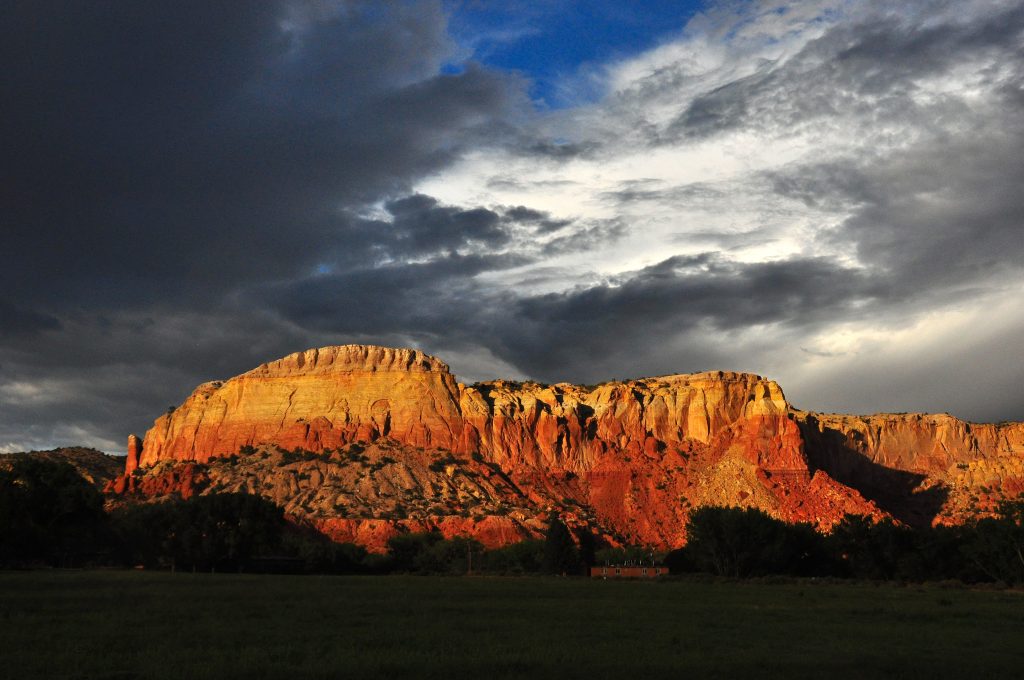
Art historians and high desert naturalists celebrate Ghost Ranch for the same raw beauty that captivated Georgia O’Keeffe. The cottages are situated in a box canyon surrounded by colorful cliffs that serve as a sanctuary for diverse wildlife. Ranch managers and biologists note that the resident coyote packs are a constant presence, their calls bouncing off the Kitchen Mesa and Chimney Rock formations.
The absence of urban development for miles ensures that the soundscape remains pure. Conservationists emphasize that the ranch manages its land to support native species, allowing the coyotes to thrive in their natural social structures. The nightly serenade here is considered an integral part of the retreat experience, grounding guests in the rugged reality of the New Mexico badlands.
L’Auberge de Sedona In Arizona
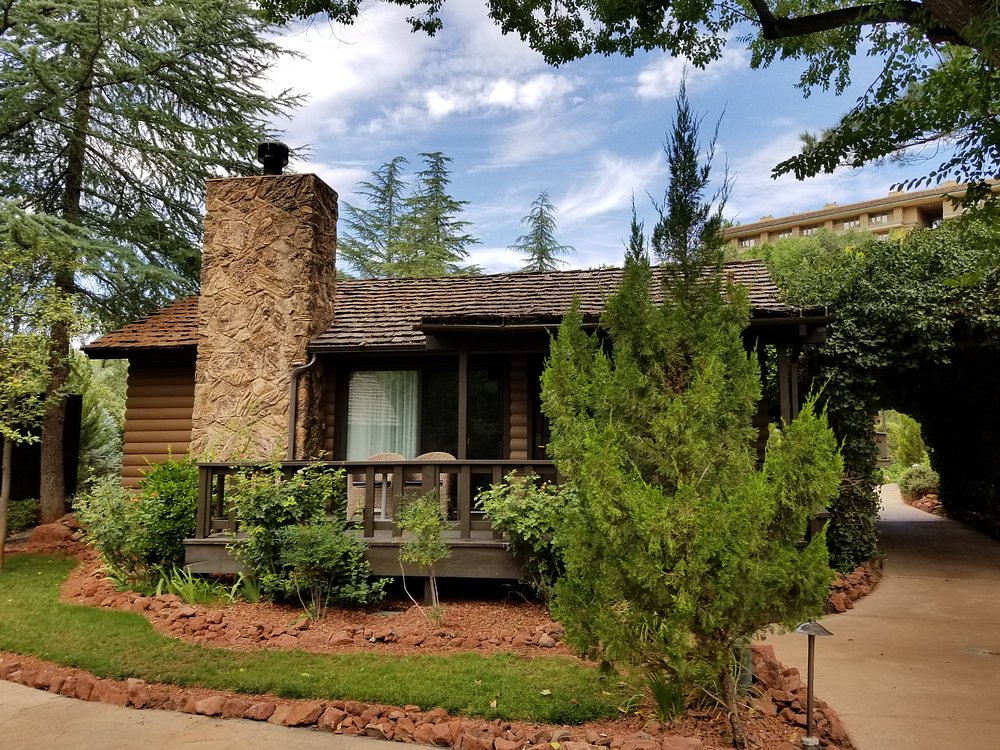
Geologists and luxury travel experts cite Oak Creek Canyon as a unique environment where riparian habitats meet red rock spires. The detached cottages at this property sit along the creek banks, a primary water source that attracts wildlife from the surrounding dry lands. Local trackers confirm that coyotes frequently traverse the creek bed, using the waterway as a stealthy highway through the canyon.
The walls of Oak Creek Canyon are steep and narrow, creating an intense echo chamber. Sound engineers note that the running water of the creek provides a base layer of white noise that highlights the sharp, staccato barks of the coyotes. Guests experience a blend of luxury and wildness, hearing the raw sounds of the predator just beyond the manicured grounds of the resort.
The Ranch at Laguna Beach In California
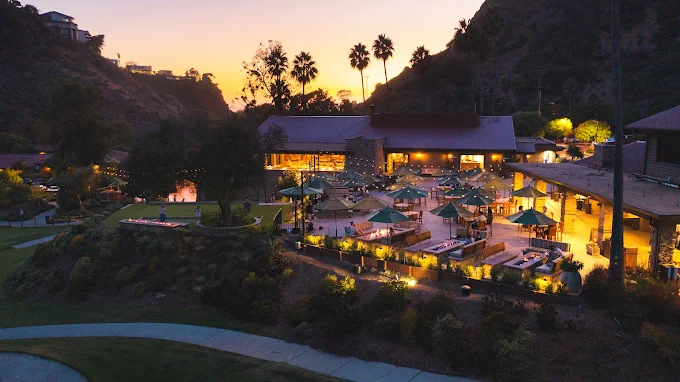
Urban ecologists and coastal conservators monitor Aliso Canyon as a vital wildlife corridor in Southern California. The resort is tucked deep within the canyon walls, providing a habitat link between the wilderness park and the ocean. Biologists observe that despite the proximity to populous coastal cities, the canyon maintains a healthy population of coyotes that are vocal throughout the night.
The steep canyon walls shield the property from the noise of the Pacific Coast Highway, creating a quiet pocket where nature sounds prevail. Resort staff and guests often hear the packs communicating from the golf course fairways and the surrounding brush. This juxtaposition of a high-end golf resort and active predator habitat highlights the resilience of coyotes in the urban-wildlife interface.
Dunton Hot Springs In Colorado
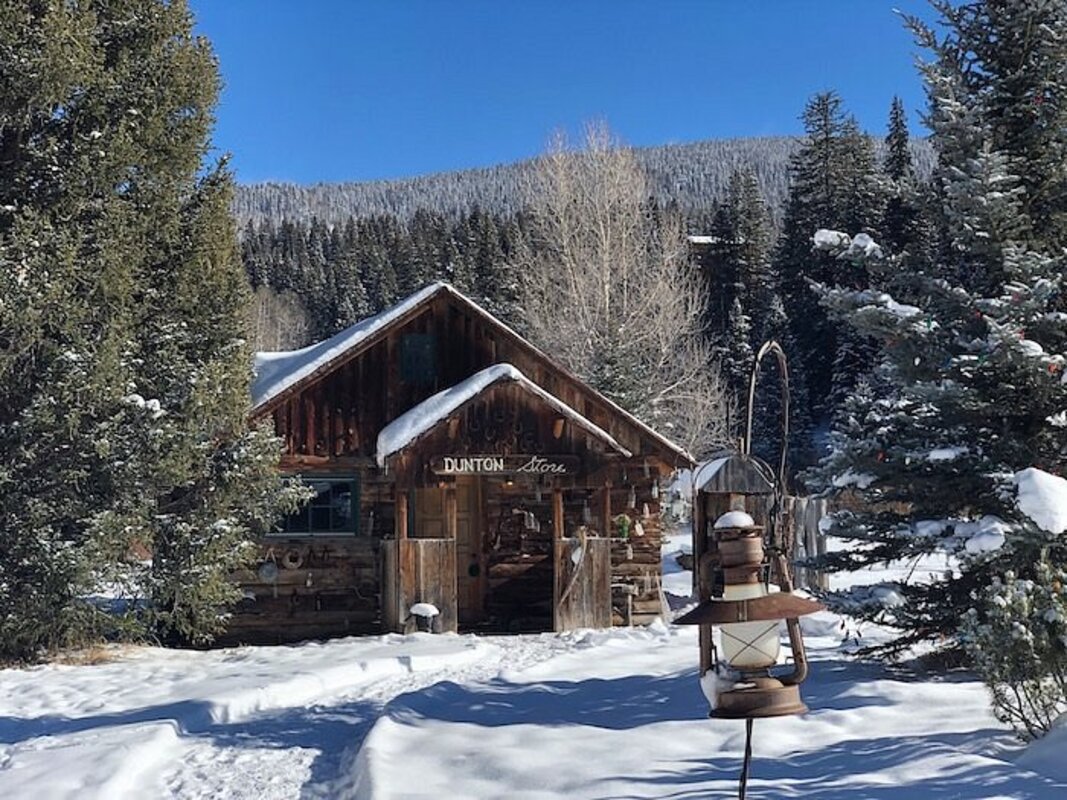
Wilderness guides and historians view this restored ghost town as a prime example of immersion in the San Juan Mountains. The cabins are clustered in a deep alpine valley along the West Fork of the Dolores River. Wildlife officials note that the remote location and high altitude create an environment where human presence is minimal and wildlife dominates the landscape.
The surrounding national forest land supports robust predator populations including coyotes, bears, and mountain lions. The stillness of the alpine air allows the howls to carry with crystal clarity across the meadows. Guests soaking in the hot springs at night often listen to the packs coordinating their movements on the surrounding slopes, a reminder of the isolation that defined the lives of the original miners.
Treebones Resort In California
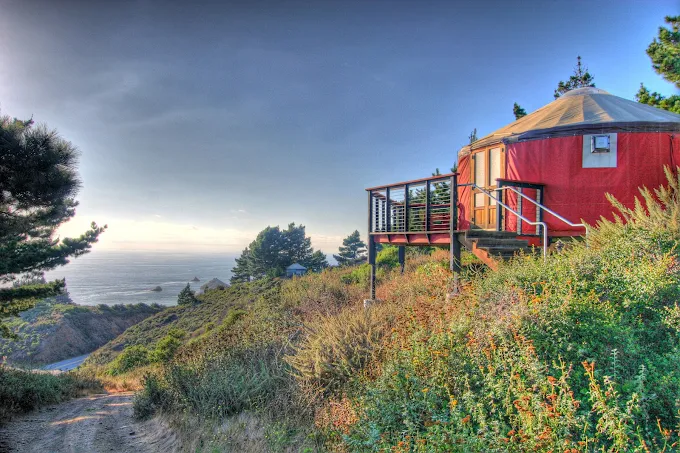
Marine biologists and terrestrial ecologists study the Big Sur coast for its dramatic interface between land and sea. The yurts and campsites here are perched on ridges overlooking the Pacific, backed by the steep canyons of the Santa Lucia Mountains. Park rangers emphasize that these coastal canyons are prime territory for coyotes scavenging along the shoreline and hunting in the scrub.
The topography of Big Sur amplifies sound in unique ways, with ocean waves providing a rhythmic backdrop to the land-based wildlife calls. Nature guides explain that the coyotes often vocalize to assert dominance over the rich resources found at the canyon edges. The experience of sleeping in a fabric structure allows the sounds of the pack to reach the sleeper without obstruction, creating a visceral connection to the wild coast.
Sundance Mountain Resort In Utah
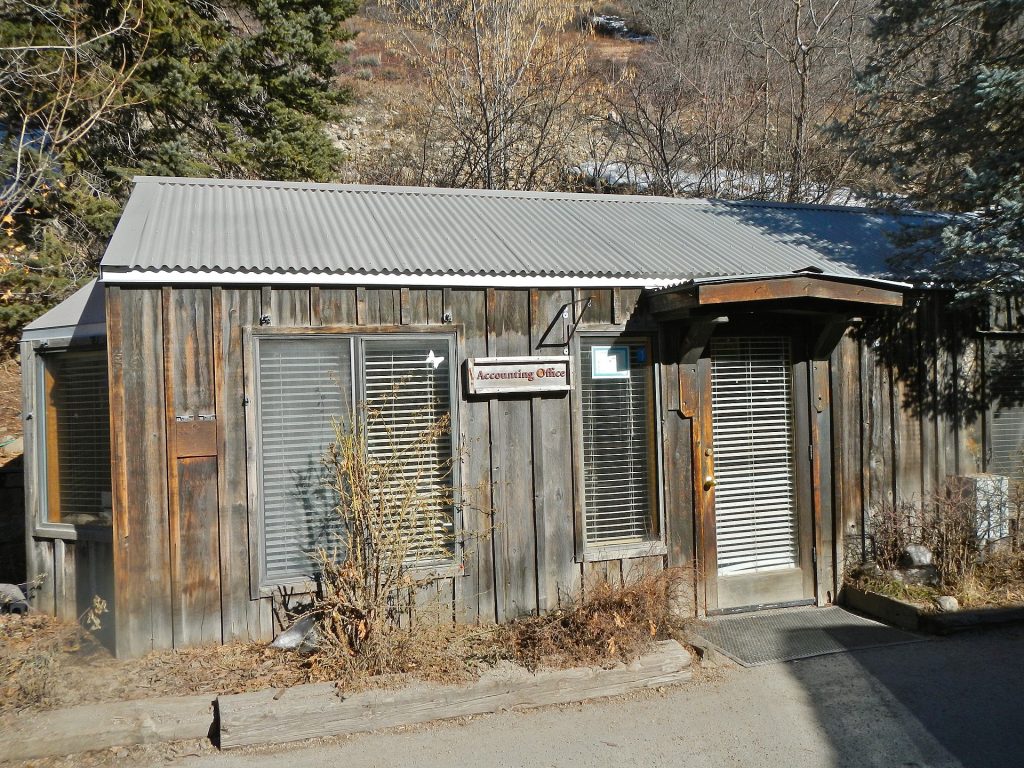
Conservationists and alpine researchers recognize majestic Mount Timpanogos and its canyons as a protected haven for mountain wildlife. The rustic cabins are nestled in the trees along the canyon stream, blending into the forest canopy. Wildlife managers note that the resort’s commitment to conservation has preserved essential habitat, allowing coyotes to roam freely through the ski slopes and forested gullies.
The shape of the canyon funnels sound down toward the resort area. Acoustic experts suggest that the heavy snowfall in winter creates a dampening effect that makes sudden sounds like howls seem even more piercing and immediate. Visitors find that the luxurious comfort of the cabins contrasts sharply with the primal sounds of the pack hunting in the frozen aspen groves just outside.