10 Caribbean Destinations With the Clearest Water in 2026
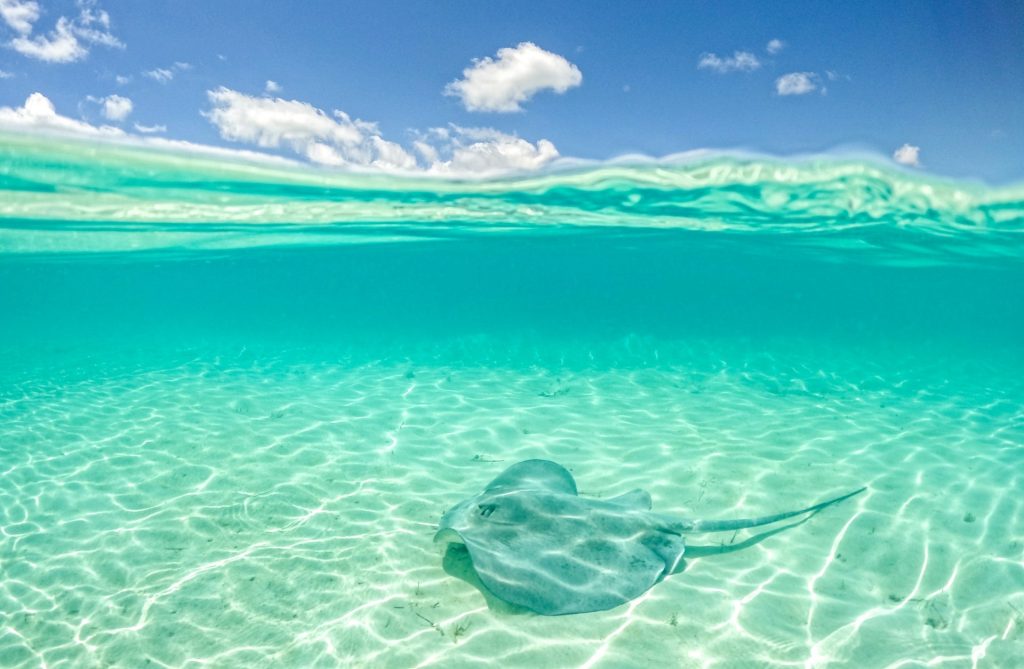
Some Caribbean water looks unreal in photos, but the clearest spots usually share one thing: protection. Reefs recover better where boat traffic is managed, fishing is limited, and nearshore runoff is kept in check. That is why older marine parks and carefully managed coastlines keep showing up in serious trip planning for 2026.
Nostalgia still drives plenty of beach choices, yet clarity is rarely about nostalgia alone. It comes from geography, policy, and local stewardship working together over time. The places below stand out not because they are trendy, but because their waters are consistently bright, shallow, and visibly alive.
1. Grace Bay, Turks And Caicos
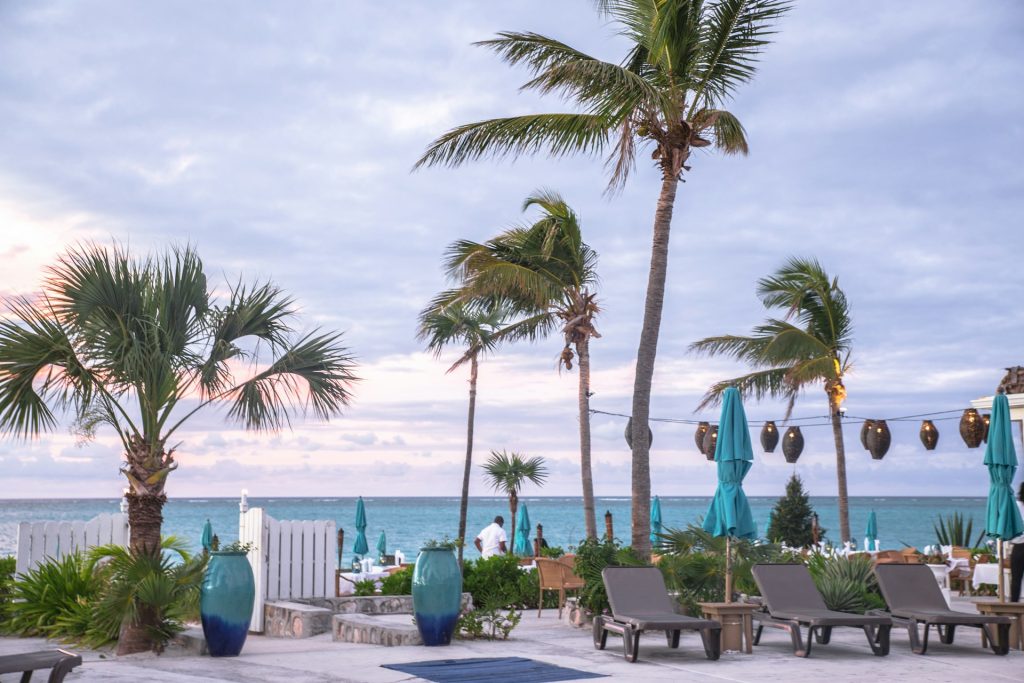
Grace Bay earns its reputation for gentle, glassy color, but the bigger story sits just offshore. Providenciales is buffered by reef structure that helps keep swell manageable on many days, which preserves that postcard look and makes surface visibility feel unusually clean near the sand line. Even crowded periods can still look striking at first light there.
The broader zone is tied to Princess Alexandra National Park, declared in 1992, covering major cays and marine habitat around the north coast. That protected footprint is a major reason the water keeps its luminous, layered blues instead of turning dull after heavy use.
2. Exuma Cays, The Bahamas
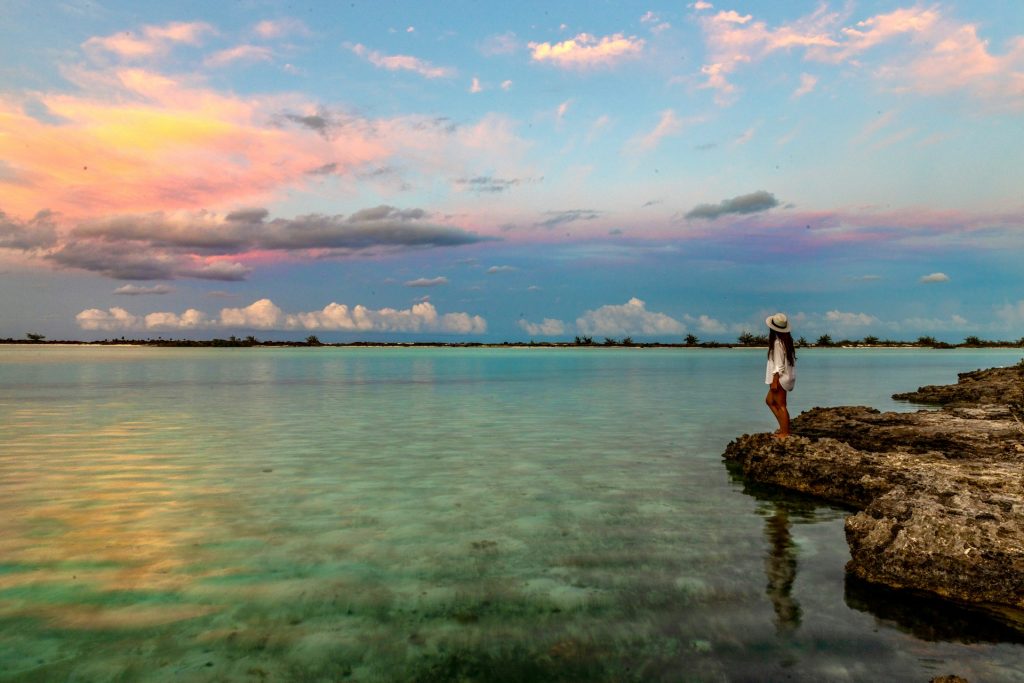
Exuma Cays has that electric clarity travelers remember for years, yet its appearance is not accidental. Tidal channels move clean ocean water through banks and cuts, and shallow sand flats reflect light upward, creating the bright turquoise tone that cameras rarely capture accurately. Even short boat rides reveal shifts from mint to blue.
Exuma Cays Land and Sea Park was established in 1958 and is widely recognized as one of the earliest large-scale protected sea-and-land systems of its kind. Longstanding no-take rules in core areas have helped keep reef zones and nursery habitat resilient, which supports clearer, healthier nearshore water.
3. Bonaire National Marine Park, Bonaire
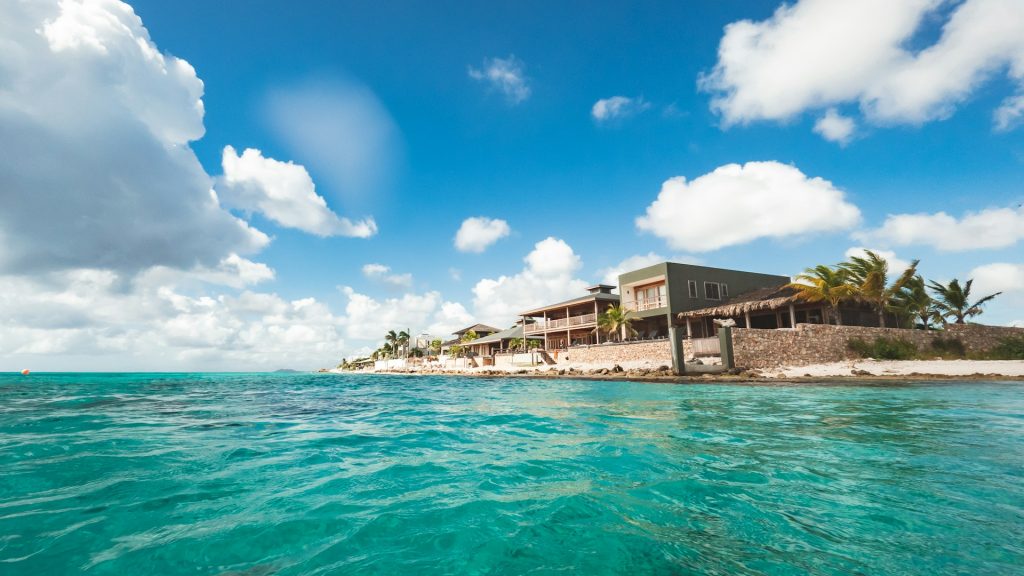
Bonaire has become a reference point for clear Caribbean water because use is controlled more tightly than at many beach-heavy islands. Reef structure sits close to shore, light sand reflects upward, and entry points avoid boat churn. The result is a clean color gradient that runs from pale aqua to deep blue within a short swim.
STINAPA states that the Bonaire National Marine Park includes the surrounding waters of Bonaire and Klein Bonaire, including reefs and shallow lagoon habitat. The required nature fee funds park work and year-round management, a practical reason clarity and reef condition tend to hold up even when travel demand rises.
4. Trunk Bay, St. John, U.S. Virgin Islands
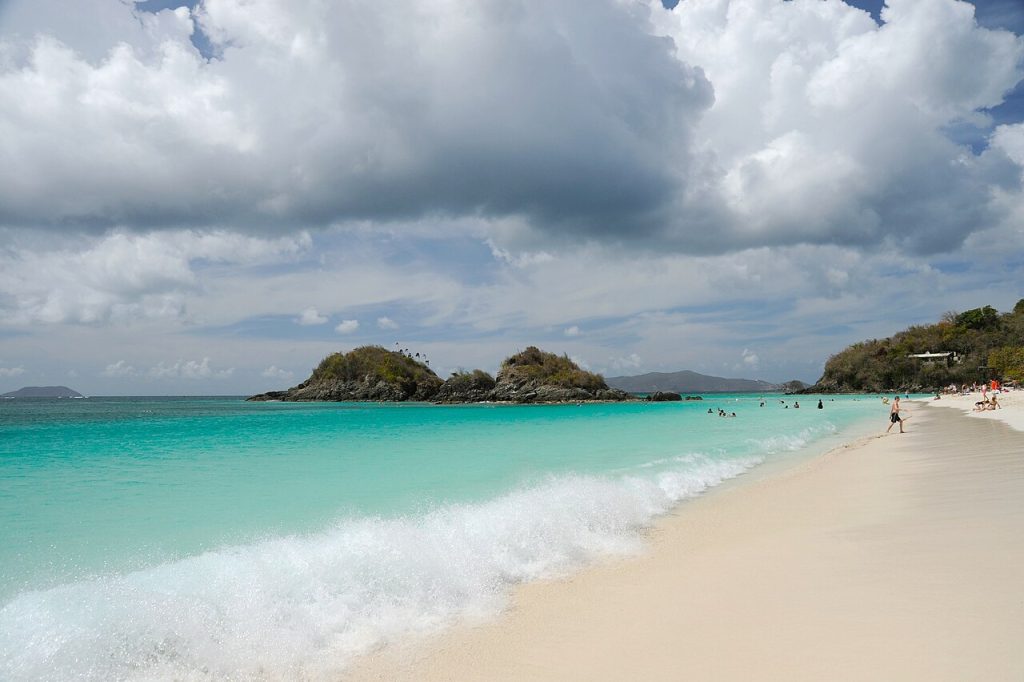
Trunk Bay looks almost engineered for clarity, but its appeal is largely ecological. The beach has a gentle profile, sheltered water, and fine sand that keeps the shoreline bright even when cloud cover moves in. Snorkelers often describe the water as easy to read, with reef patches and sandy channels visible from the surface.
The National Park Service highlights Trunk Bay for crystal-clear water and an underwater snorkel trail that runs a few hundred feet along Trunk Cay before turning back. It sits inside Virgin Islands National Park, where protected coastal management has helped preserve both access and underwater quality over time.
5. Buck Island Reef, St. Croix, U.S. Virgin Islands
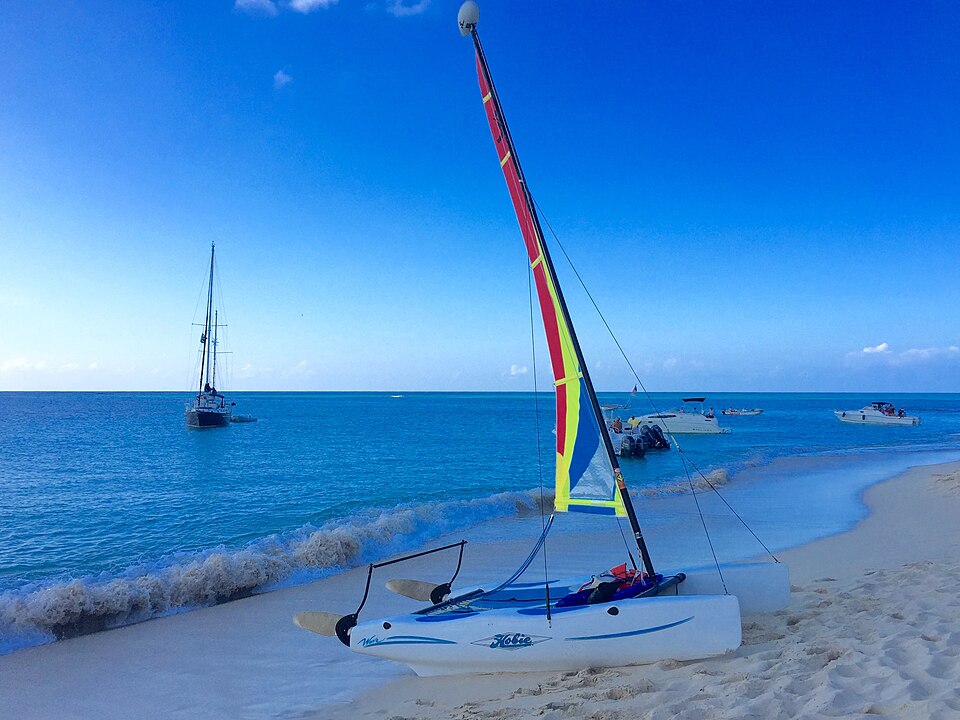
Buck Island Reef near St. Croix offers a different kind of clarity: less beach lounging, more reef immersion. The shallows are luminous, and boat-based visitors often see color bands before entering the water. Because the reef sits in a protected monument setting, there is less random shoreline pressure than at many open bays.
Buck Island Reef National Monument was established in 1961 by presidential proclamation and later expanded in 2001, with notable protection for elkhorn coral habitat. The National Park Service maintains an underwater trail there, reinforcing a model where guided use and conservation work together instead of competing.
6. Hol Chan Marine Reserve, Belize
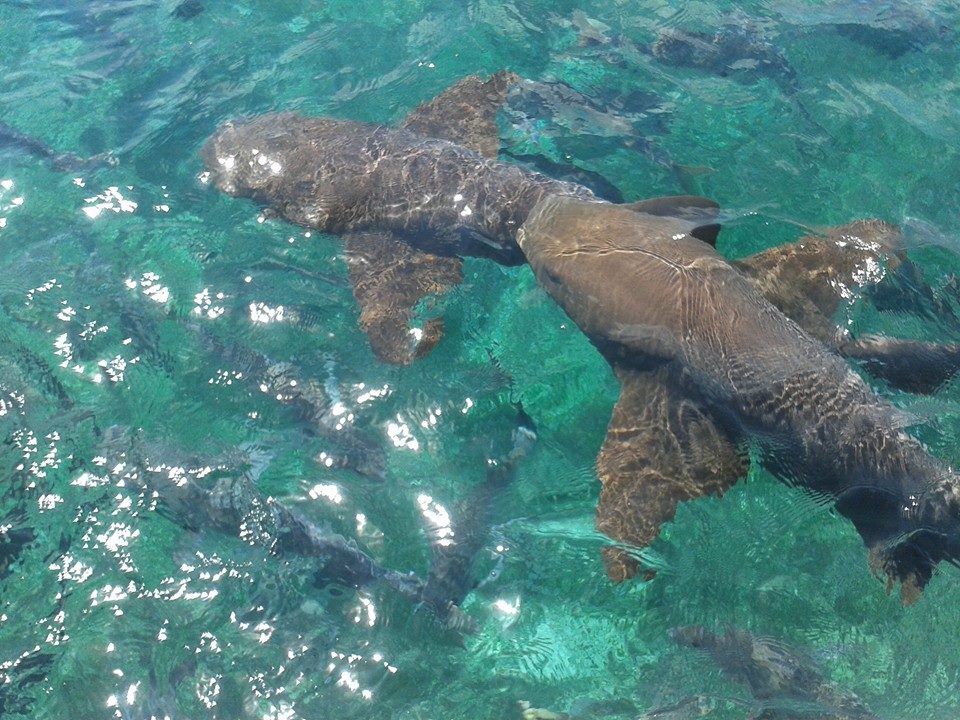
Hol Chan Marine Reserve is one of Belize’s clearest, most color-rich marine areas, especially where seagrass, reef edges and tidal flow meet. On calm mornings, the water can look layered, with sandy channels and coral heads visible through shifting turquoise. It feels less like a beach and more like a marine corridor.
The reserve was established in 1987 and is recognized as Belize’s first marine reserve, created to protect fisheries and habitats in a heavily used zone. That early policy choice still matters in 2026 planning, because places with long management histories tend to hold better water quality and stronger reef structure over time.
7. Saba National Marine Park, Saba
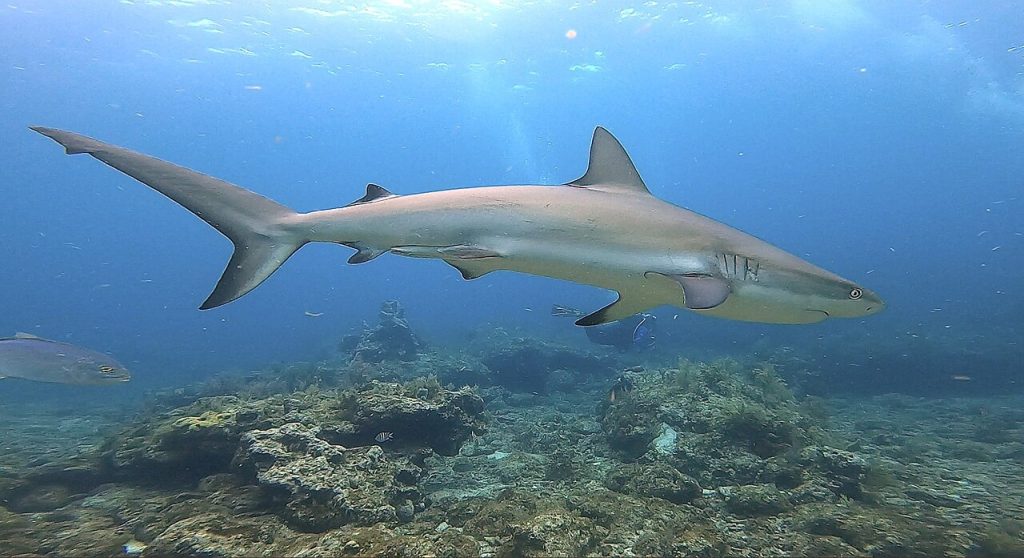
Saba’s water clarity has a rugged feel that differs from resort-heavy islands. The volcanic slopes drop quickly, currents can shift, and visibility opens into deep blue right beyond the mooring line. Divers value the contrast between reef structures and open water, while swimmers notice how sharply the color bands separate.
The Saba National Marine Park was established in 1987 and circles the island from the high-water mark to roughly 60 meters in depth, according to the Saba Conservation Foundation. Its zoning and permanent mooring system were designed to reduce coral damage, which supports the island’s reputation for clean, readable water.
8. Seven Mile Beach, Grand Cayman
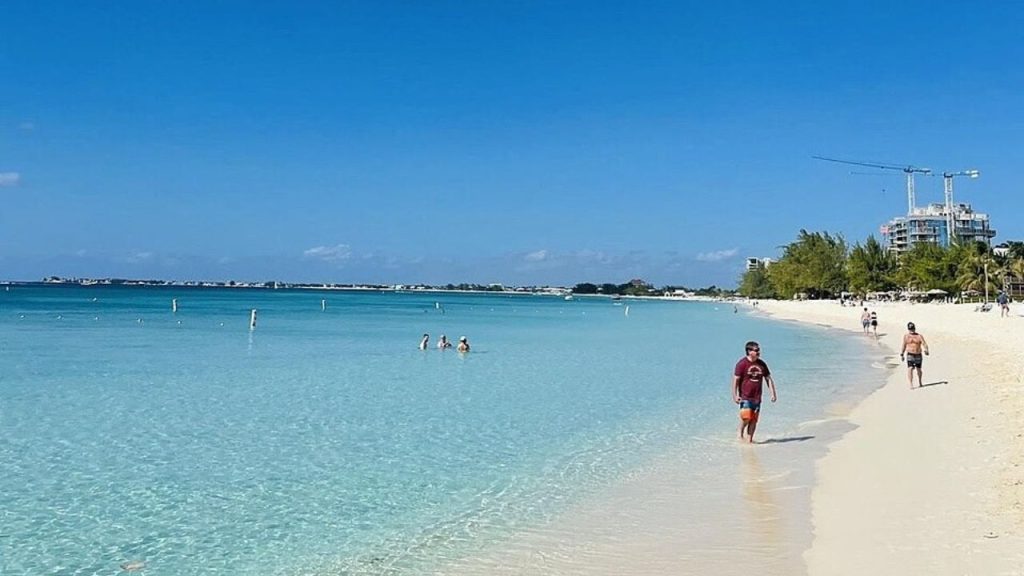
Seven Mile Beach in Grand Cayman is not always the quietest shore, yet it repeatedly makes shortlists for clear, swimmable water because conditions stay consistent. The coral-sand shelf reflects sunlight, and the western exposure often delivers long stretches of calm, transparent shallows for easy swims and paddle entries.
Cayman authorities note that marine parks first established in 1986 were later expanded, while tourism agencies emphasize crystal-clear visibility around the islands. That combination of formal protection and strong water-use culture helps keep Grand Cayman bright even as visitor volume stays high through peak seasons.
9. Little Cayman And Bloody Bay
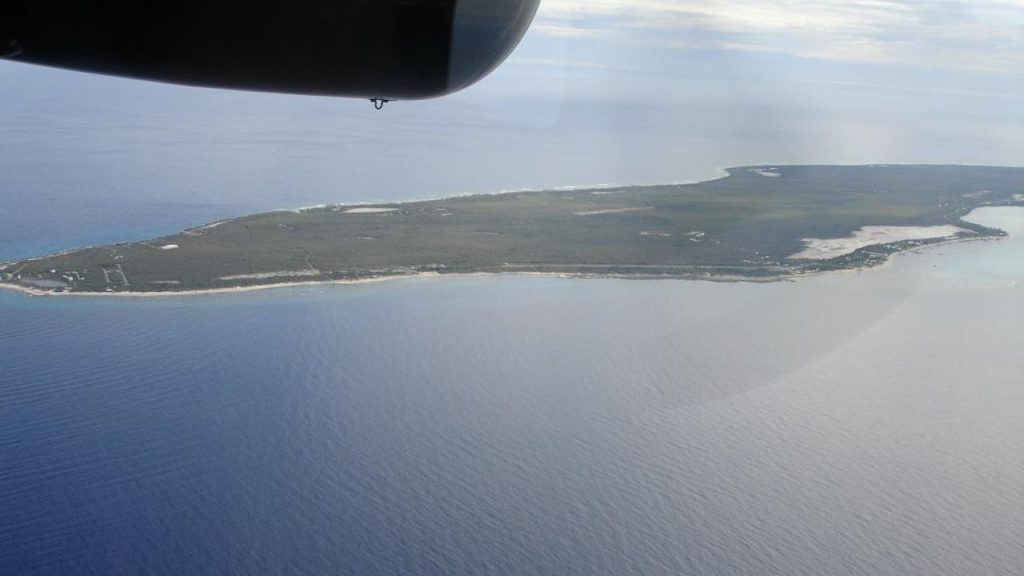
Little Cayman is where Caribbean clarity can feel dramatic: fewer buildings, less traffic, and a horizon that reads almost uninterrupted from beach to wall. Offshore sites around Bloody Bay are known for crisp visibility and steep reef profiles, creating that floating-over-blue sensation divers remember after trips.
Cayman’s marine parks framework includes specific protection measures for Bloody Bay in Little Cayman, including strict activity and take rules in designated zones. Those restrictions reduce pressure on reef systems and help preserve the clear-water character that made Little Cayman a serious dive destination in the first place.
10. Belize Barrier Reef Reserve System
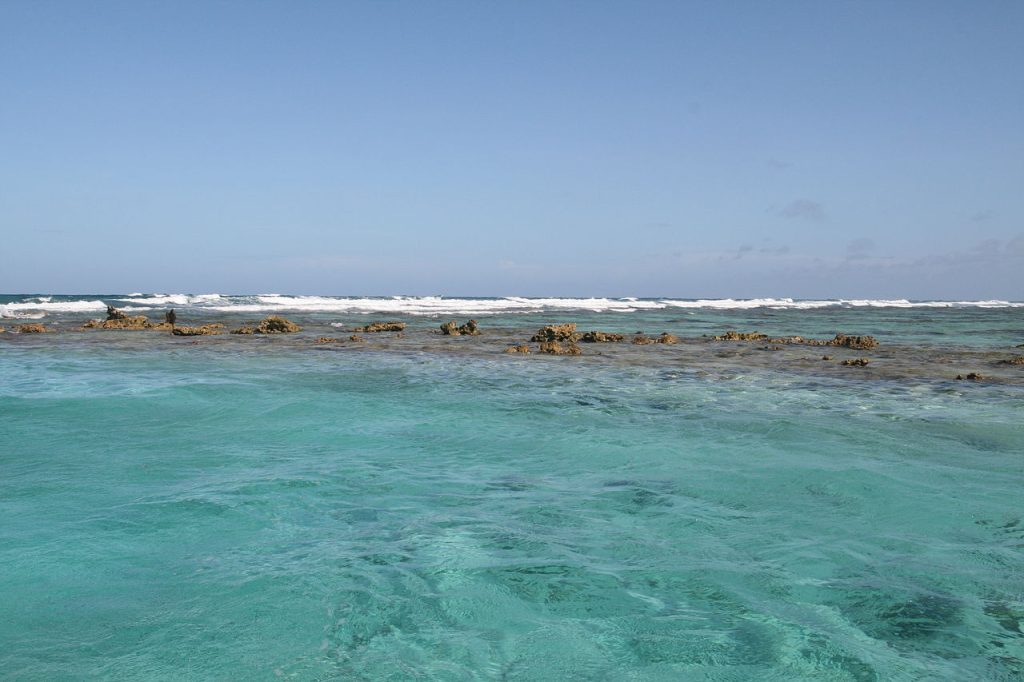
Belize’s offshore reef-and-caye network offers a different clarity profile from resort beaches. In many zones, mangroves, lagoon channels, and reef crests sit close together, so water color shifts quickly from pale jade to dark blue. That contrast gives the coast a vivid look from boats.
UNESCO describes the Belize Barrier Reef Reserve System as the largest barrier reef in the Northern Hemisphere, with protected areas that include reefs, cays, lagoons, and atolls. A system on that scale attracts divers and helps maintain ecological processes that support cleaner water and stronger habitat resilience across broad sections of coast.