10 Caribbean Islands Known for Natural Beauty, Not Crowds

Travel industry analysts and sustainable tourism consultants report a distinct shift in consumer preferences within the Caribbean market. While the mega-resorts of Punta Cana and Montego Bay continue to draw volume, a growing demographic of travelers actively seeks “negative space” destinations where nature dictates the itinerary rather than cruise ship schedules. Environmental scientists emphasize that these low-traffic islands offer more than just solitude. The lack of mass tourism infrastructure preserves fragile coral ecosystems and endemic wildlife populations that often vanish under the pressure of high-density development.
Conservation biologists and marine park managers note that visiting these quieter outposts requires a different mindset. The absence of crowds typically correlates with a lack of direct flights and all-inclusive chains. Experts suggest that the logistical effort required to reach these locations acts as a natural filter, ensuring that visitors are genuinely invested in the ecological and cultural integrity of the island. By prioritizing geography over convenience, travelers gain access to some of the most pristine tropical environments remaining in the Western Hemisphere.
Dominica

Forestry officials and trail guides frequently refer to Dominica as the Nature Island because its topography actively resists mass construction. The sheer volcanic slopes and dense rainforests have prevented the development of the sprawling beach resorts found elsewhere in the region. Botanists highlight the Waitukubuli National Trail as a premier example of eco-tourism infrastructure. This path spans the entire length of the island and offers hikers a direct connection to primary rainforests that remain largely untouched by modern machinery.
Geologists point to the Boiling Lake and the Valley of Desolation as evidence of the island’s raw geothermal power. Visiting these sites requires strenuous hiking with certified guides who understand the volatile terrain. The absence of white-sand beaches means the island attracts a specific type of visitor interested in canyoning, diving, and hiking. This self-selection process keeps the trails quiet and ensures that the natural soundscape of the jungle remains the dominant audio experience.
Saba
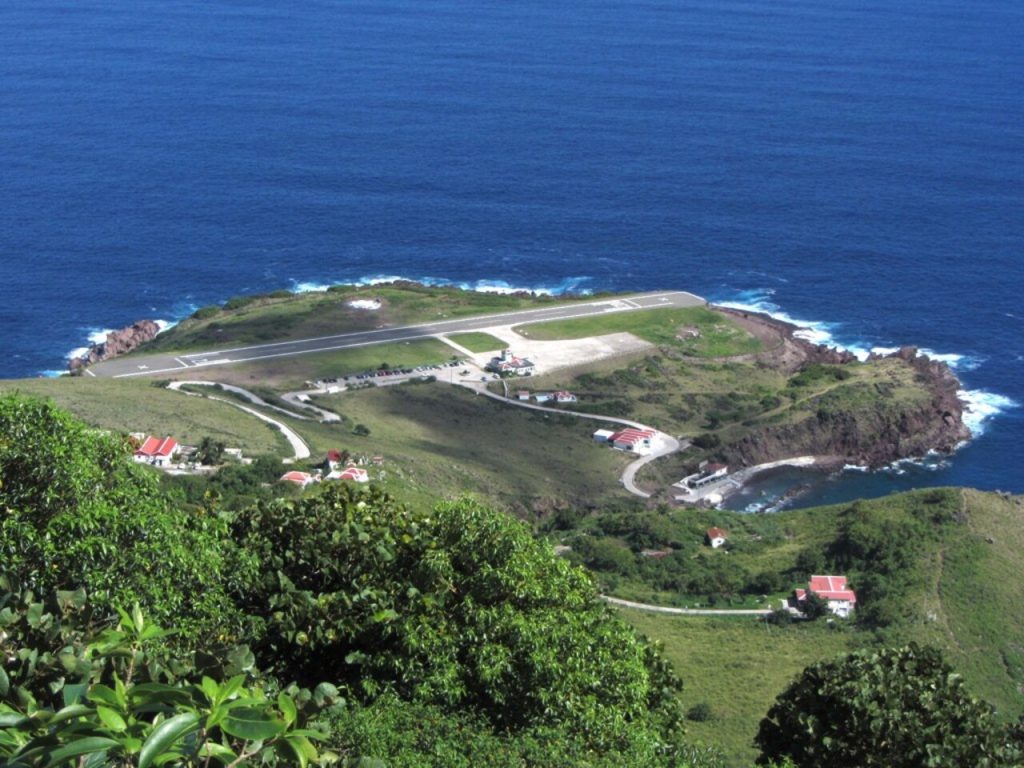
Civil engineers and aviation experts often discuss Saba in the context of its defy-the-odds infrastructure. The island is essentially the top of a dormant volcano rising steeply from the ocean, leaving no room for a natural runway or beaches. The Road That Couldn’t Be Built, carved by hand into the cliffs, serves as a testament to local engineering determination. Marine biologists prize the Saba National Marine Park which encircles the island. The park was established before diving became a global industry and protects spectacular underwater pinnacles that attract divers seeking healthy coral rather than beach bars.
Conservationists note that the lack of a cruise ship pier preserves the social and ecological balance of the five-square-mile island. The population remains small and the “Unspoiled Queen” nickname reflects a reality where everyone knows everyone. Visitors typically arrive via a short, thrilling flight from St. Maarten that lands on the shortest commercial runway in the world. This logistical hurdle ensures that Saba remains a sanctuary for those who value vertical terrain and underwater biodiversity over sunbathing.
Montserrat
Volcanologists and disaster tourism researchers view Montserrat as a unique case study in geological regeneration. The eruption of the Soufrière Hills volcano in the nineties rendered the southern half of the island an exclusion zone and buried the former capital of Plymouth in ash. Today, the island offers a rare opportunity to witness the power of nature from safe vantage points at the Jack Boy Hill facility. Scientists monitor the volcano constantly, and their work provides a fascinating backdrop for visitors interested in the dynamic forces that shape the Caribbean.
Ecologists working in the Centre Hills focus on the recovery of the northern forests and the protection of species like the critically endangered Montserrat oriole. The tourism sector here is small and focuses on the resilience of the local community and the stark beauty of the volcanic landscape. Travelers find a quiet, friendly atmosphere in the north where life continues with a deep respect for the mountain. The lack of mass tourism allows for intimate interactions with locals who share personal histories of the eruption and the subsequent rebuilding efforts.
Bonaire
Marine park rangers and dive safety officers regard Bonaire as the gold standard for shore diving management. The entire coastline is designated as a marine park, and strict regulations enforced by STINAPA ensure that the reef remains healthy despite decades of visitation. Experts emphasize that the “diver’s paradise” moniker is earned through a culture of conservation where gloves are prohibited and buoyancy control is rigorously monitored. The island’s geography allows divers to access the reef directly from the shore, eliminating the need for boat fleets that often crowd other dive destinations.
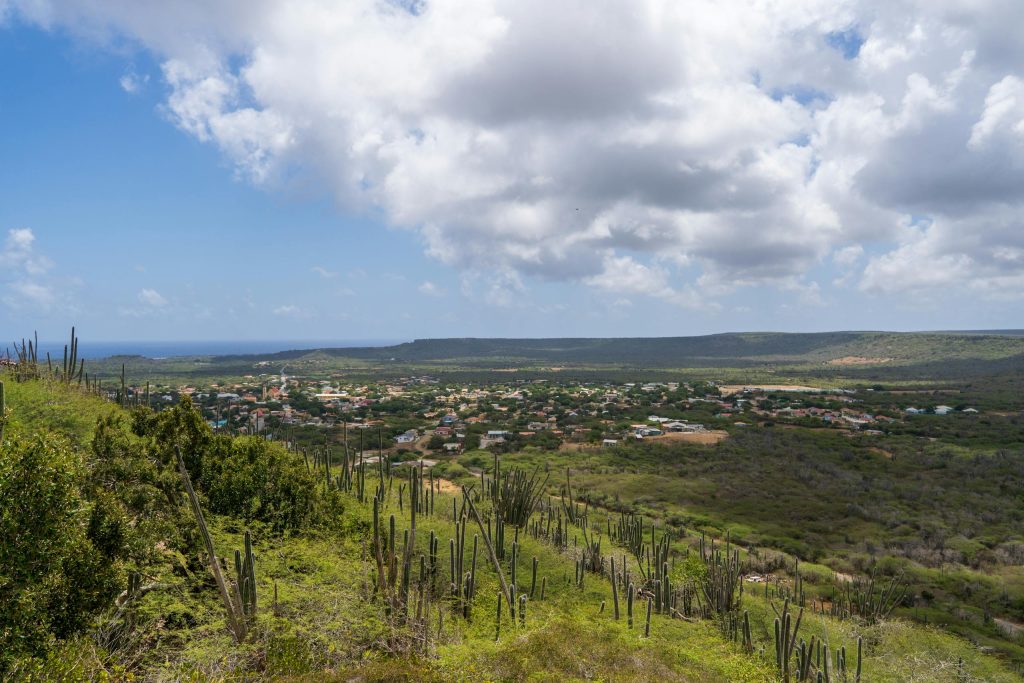
Ornithologists highlight the southern salt pans as a critical breeding ground for Caribbean flamingos. The industrial landscape of the salt works coexists with a sanctuary where thousands of pink birds wade in the hypersaline water. The island offers a desert-like terrain filled with cacti and iguanas, providing a stark contrast to the lush rainforests of the northern Caribbean. This arid beauty appeals to travelers who prioritize underwater exploration and dry, sunny weather over tropical foliage.
St. Eustatius

Historical archaeologists and heritage preservationists identify St. Eustatius, locally known as Statia, as a sleeping giant of Caribbean history. In the eighteenth century, the Golden Rock was a bustling trade hub, and the waters of Oranjestad Bay are still littered with the remnants of merchant ships and warehouses. Marine archaeologists consider the harbor a vast underwater museum where divers can explore centuries of maritime history without the interference of commercial boat traffic.
Hiking guides focus on The Quill, a dormant volcano with a perfectly formed crater that harbors a lush rainforest within its rim. Botanists note that the microclimate inside the crater supports towering silk cotton trees and orchids that differ significantly from the dry vegetation on the outer slopes. The island remains off the radar for most tourists, offering a quiet, small-town atmosphere where goats roam the streets and the pace of life follows the rhythm of the sun rather than the clock.
Anegada

Geologists distinguish Anegada from the rest of the British Virgin Islands due to its flat, coral limestone formation. While the other islands are volcanic and mountainous, Anegada barely rises above sea level. This geological difference creates massive, uninterrupted stretches of white sand and extensive reef systems. Marine surveyors point to the Horseshoe Reef as one of the largest barrier coral reefs in the Caribbean, acting as a graveyard for shipwrecks and a nursery for marine life.
Ecologists celebrate the successful reintroduction of the Anegada rock iguana, a species that was once on the brink of extinction. The island’s sparse population and vast open spaces allow these large reptiles to thrive in the scrubland. For visitors, the appeal lies in the isolation and the famous lobster feasts. The difficult navigation required to reach the island by boat keeps the day-tripping crowds at bay, preserving a sense of remote tranquility.
Little Cayman

Dive masters and oceanographers consistently rank Little Cayman as having some of the best wall diving in the world. Bloody Bay Wall starts just below the surface and drops vertically into the abyss, creating a dramatic underwater interface that teems with life. Marine biologists study the Nassau grouper spawning aggregations here, which are among the largest and most successful in the region thanks to strict protection measures.
The island itself supports a permanent population of fewer than two hundred people, ensuring that traffic jams and queues are nonexistent. Nature photographers flock to the Booby Pond Nature Reserve to capture images of the red-footed booby colony. The atmosphere is defined by a deep quiet where the primary activity involves observing nature above and below the waterline. It is a destination where the natural world completely dominates the human footprint.
Carriacou

Cultural anthropologists and ethnomusicologists value Carriacou for its retention of African traditions and its unique Scottish boat-building heritage. The island, a dependency of Grenada, is known as the Land of Reefs and maintains a distinct cultural identity. Researchers note that the Big Drum Dance and the Maroon festivals are authentic community events rather than performances staged for tourists. The wooden sloops built on the beaches of Windward serve as working vessels and symbols of a maritime lineage that dates back centuries.
Marine conservationists work to protect the Sandy Island/Oyster Bed Marine Protected Area, a quintessential spit of sand and palm trees surrounded by turquoise water. The absence of an international airport keeps the visitor numbers low, attracting mainly sailors and travelers island-hopping by ferry. This slow approach preserves the relaxed, community-focused vibe where visitors are welcomed as guests rather than processed as consumers.
Bequia

Maritime historians and sailing experts view Bequia as one of the last bastions of traditional Caribbean seafaring culture. The island has a long history of whaling and boat building that shapes its identity. While controversial, the limited traditional whaling practiced by locals is permitted by the International Whaling Commission under aboriginal subsistence regulations. This deep connection to the ocean is visible in the model boat shops and the busy harbor of Port Elizabeth.
Landscape architects admire the Belmont Walkway, a stone path that hugs the coastline and connects the town to pristine beaches like Princess Margaret Beach. The island lacks large chain hotels, relying instead on boutique guest houses and villas that blend into the hillsides. The social scene revolves around the sailing community, creating a cosmopolitan but unpretentious atmosphere. Travelers find a blend of old-world Caribbean charm and international sailing sophistication without the exclusionary gates of private islands.
Cat Island

Bahamian historians and folklore researchers identify Cat Island as a stronghold of Obeah traditions and the birthplace of Rake and Scrape music. The island remains largely undeveloped, offering a glimpse into the Out Island lifestyle of the past. Geography experts note that Mount Alvernia, the highest point in the Bahamas, rises here to a modest 206 feet. The miniature hermitage atop the hill, built by Father Jerome, offers a solitary retreat with 360-degree views of the Atlantic and the Exuma Sound.
The beaches on Cat Island stretch for miles without a footprint, a phenomenon that coastal geomorphologists attribute to the island’s length and low population density. The destination appeals to travelers seeking absolute privacy and a connection to Bahamian roots. The lack of casinos, cruise ports, or traffic lights ensures that the natural beauty of the rolling hills and pink sand beaches remains the primary attraction.