10 Cities Where Travel Requires Extra Awareness
Security consultants and international risk analysts emphasize that the global travel landscape in 2026 is defined by a sharp divide between secure zones and areas of fluctuating instability. While many traditional tourist hubs remain popular, experts say that shifting geopolitical tensions, rising petty crime rates, and the sophistication of digital fraud have fundamentally altered the safety profile of several major metropolises. Travel risk management firms and diplomatic offices now advise that situational awareness must be a proactive component of every itinerary, rather than a reactive measure.
Criminologists and urban safety experts note that high-volume tourism often attracts organized theft rings that utilize increasingly complex distraction techniques. In 2026, the risk is not just physical theft but also digital vulnerability, as travelers rely more heavily on mobile devices for everything from payments to navigation. Understanding the specific local risks—ranging from aggressive pickpocketing in European capitals to fraud in emerging Asian markets—allows visitors to navigate these vibrant cities with confidence while maintaining the necessary vigilance to protect their belongings and personal information.
Paris In France

Aviation security analysts and European law enforcement officials consistently rank Paris as a primary location where travelers must remain highly alert, particularly regarding petty theft. Statistics from 2025 and early 2026 show that the French capital remains a global hotspot for pickpocketing, with a significant percentage of theft-related traveler reviews referencing the city. Experts say that the concentration of millions of visitors in iconic zones like the Eiffel Tower, Montmartre, and the Louvre creates a target-rich environment for highly skilled professional thieves.
Security consultants warn that the methods used by local pickpockets have evolved to include sophisticated distraction scams, such as the dropped ring or the fake petition. These tactics are designed to break the focus of the traveler, allowing an accomplice to access bags or pockets unnoticed. Authorities advise that vigilance must be constant on the Paris Metro and at major transit hubs like Gare du Nord, where the density of the crowd provides the perfect cover for opportunistic crime.
Bangkok In Thailand
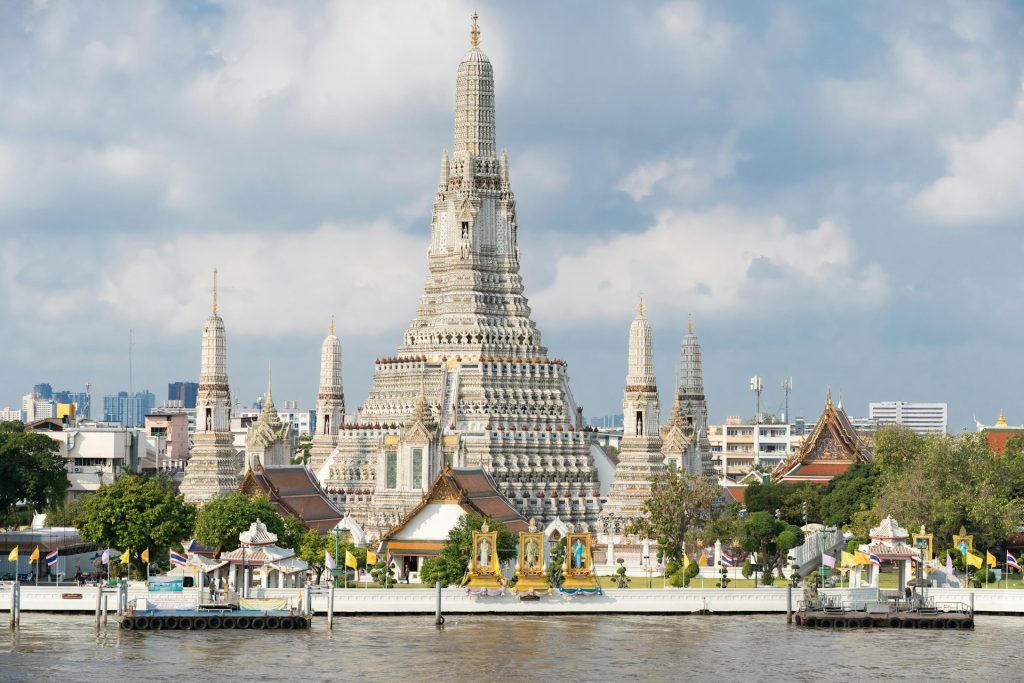
Travel safety researchers and Southeast Asian security experts identified Bangkok as a leading city for tourist-related scams in 2026. While the city is celebrated for its street food and cultural landmarks, analysts note a high frequency of “friendly” approaches from individuals offering unsolicited advice or claiming that major attractions are closed. These scams often funnel visitors toward high-priced jewelry shops or private boat tours where they are pressured into spending large sums of money.
Law enforcement officials in the Thai capital emphasize that the Grand Palace and the surrounding historic districts are high-risk zones for these deceptive practices. Experts suggest that travelers should only trust information from official kiosks or their hotel concierge rather than strangers on the street. Maintaining awareness of overcharging in taxis and tuk-tuks is also essential, as the lack of a running meter remains a common frustration for first-time visitors in the city’s bustling transport network.
Rome In Italy
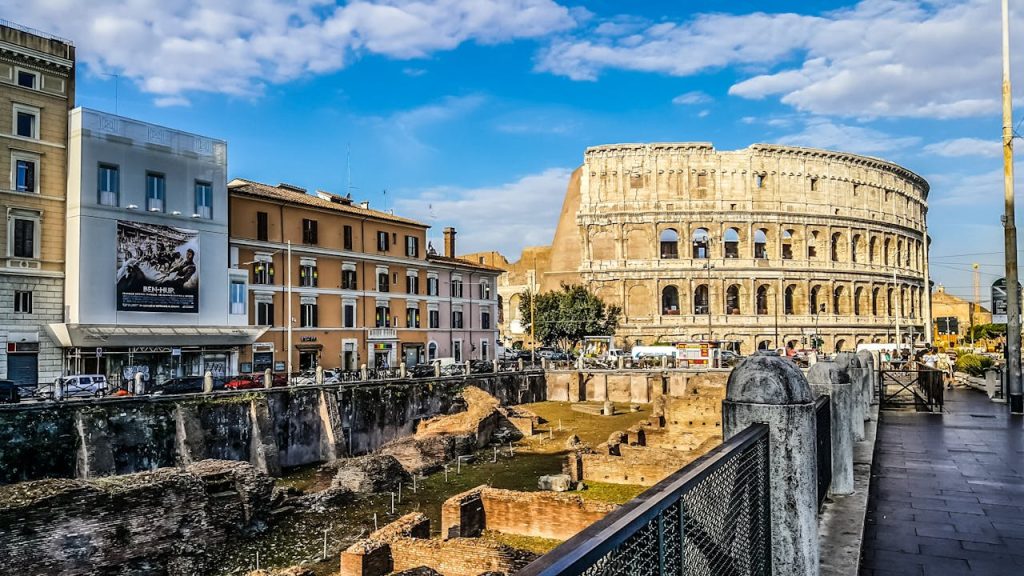
Italian urban safety officials and heritage preservationists manage a constant flow of visitors through the historic center of Rome, an area that risk analysts flag for its persistent pickpocketing scene. The narrow streets of the Trastevere district and the crowded platforms of the Termini station are identified as primary operation grounds for theft rings. Experts say that the beauty of the architecture often provides a distraction that thieves exploit, particularly when tourists are preoccupied with taking photographs or navigating via smartphone.
Police reports from 2026 highlight that public transportation, especially the metro lines and popular bus routes like the number 64, requires heightened awareness. Scammers in the city are also known to use the friendship bracelet trick near the Colosseum to initiate uncomfortable interactions that lead to demands for money. Authorities recommend keeping valuables in front-facing bags and avoiding flashy jewelry to blend more effectively into the local urban fabric.
Barcelona In Spain
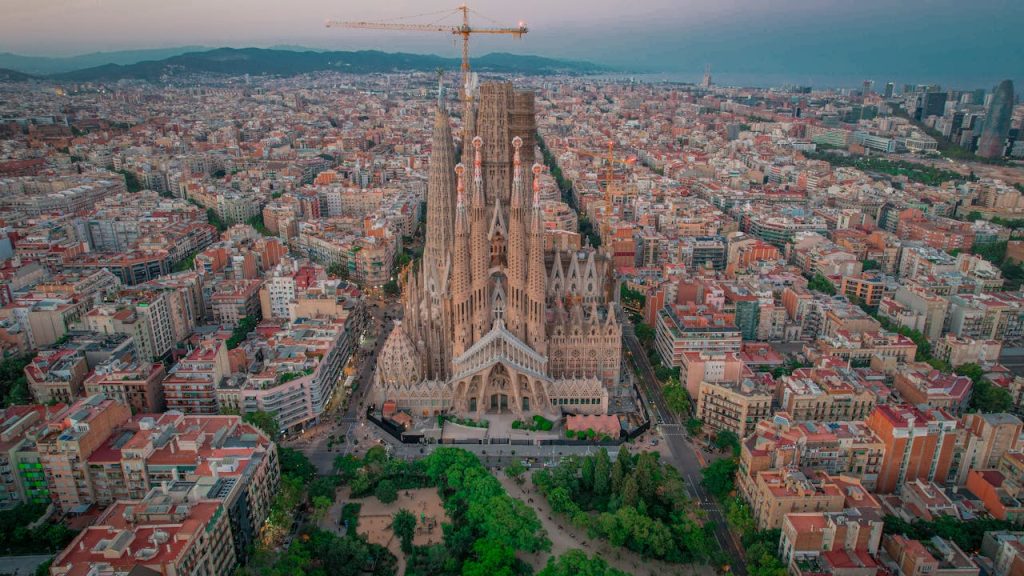
Criminologists and local security councils in Barcelona point to a lack of legal deterrents for petty crimes as a factor in the city’s reputation for high theft rates. Las Ramblas and the Gothic Quarter remain focal points where experts say visitors should never leave bags unattended, even for a moment at an outdoor cafe. The beach areas around Barceloneta are also high-risk zones where thieves often target the belongings of distracted swimmers and sunbathers.
Travel risk management firms observe that the “bird droppings” scam—where a stranger points out a stain on the traveler’s clothing and offers to help clean it—remains a common tactic in the city. During the cleanup process, a hidden accomplice typically swipes the victim’s wallet or phone. Safety officials advise that maintaining a purposeful stride and avoiding the appearance of being lost can significantly reduce the likelihood of being targeted by these opportunistic groups.
Prague In The Czech Republic
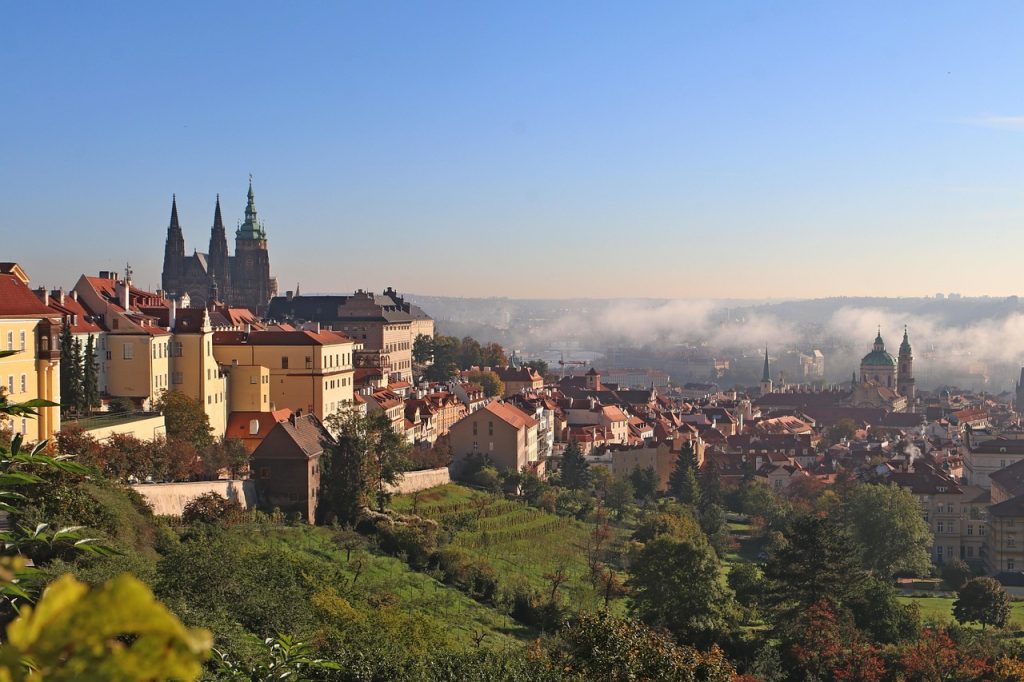
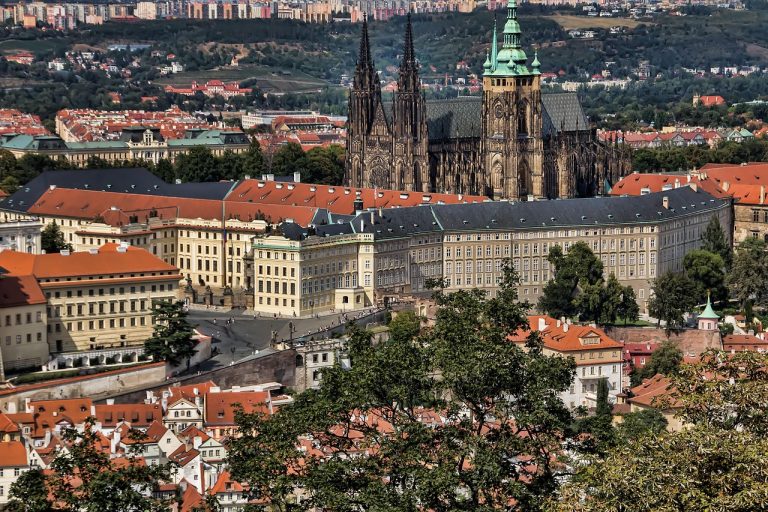
Municipal safety inspectors and European travel watchdogs categorize Prague as a city where the “fairytale” atmosphere can lull visitors into a false sense of security. The Old Town Square during the Astronomical Clock show is a notorious bottleneck where experts say pickpockets operate with extreme efficiency in the crushing crowd. Criminologists note that the physical density of the crowd during these peak moments makes it nearly impossible for a victim to feel a hand in their pocket or bag.
Authorities also warn against currency exchange fraud, which persists despite government efforts to regulate the industry. Scammers often approach tourists on the street offering “better” rates than the banks, only to provide counterfeit or obsolete currency. Experts advise using only reputable exchange offices with clearly posted rates and avoiding any individual offering financial services in public squares or near the Charles Bridge.
Delhi In India
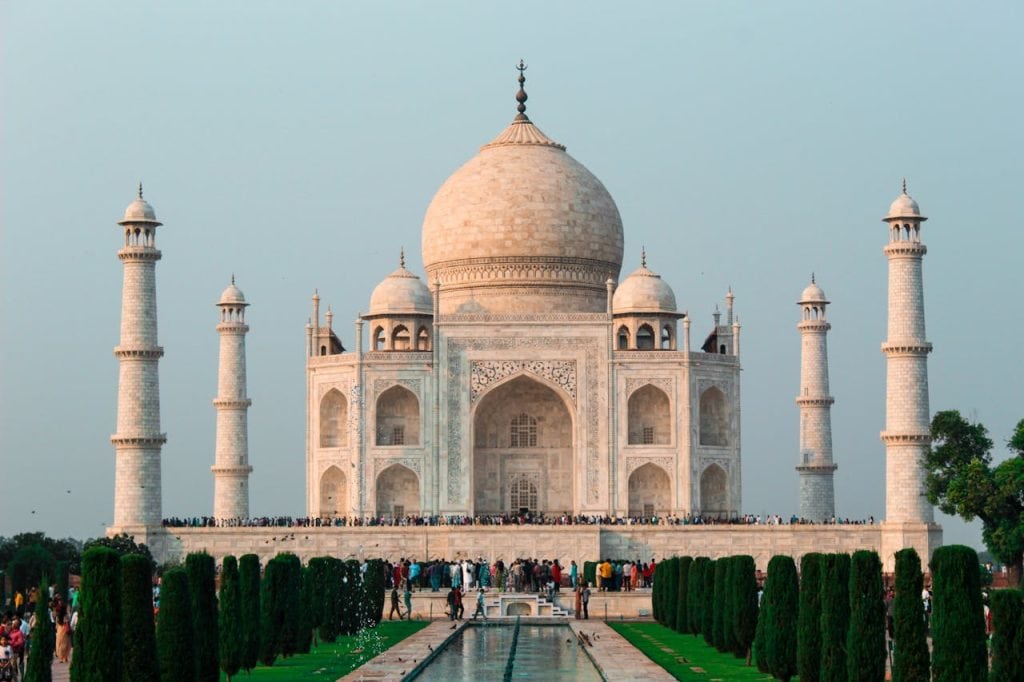
Tourism security analysts and local guides in Delhi report that while violent crime against tourists is rare, the city ranks high for fraud and overcharging. The dense markets of Old Delhi and major transport hubs like the New Delhi Railway Station are environments where experts say travelers are frequently approached by fake “tourist information” agents. These individuals often attempt to divert visitors to private travel agencies by claiming that their intended hotel or train is no longer available.
Financial risk consultants note that credit card skimming and digital payment fraud are emerging concerns in the city’s growing digital economy. Travelers are advised to use only well-lit, bank-affiliated ATMs and to monitor their accounts closely after transactions. The complexity of the city’s layout and the intensity of the crowds require a high degree of situational awareness to navigate the constant sensory input while protecting personal information.
Port-au-Prince In Haiti
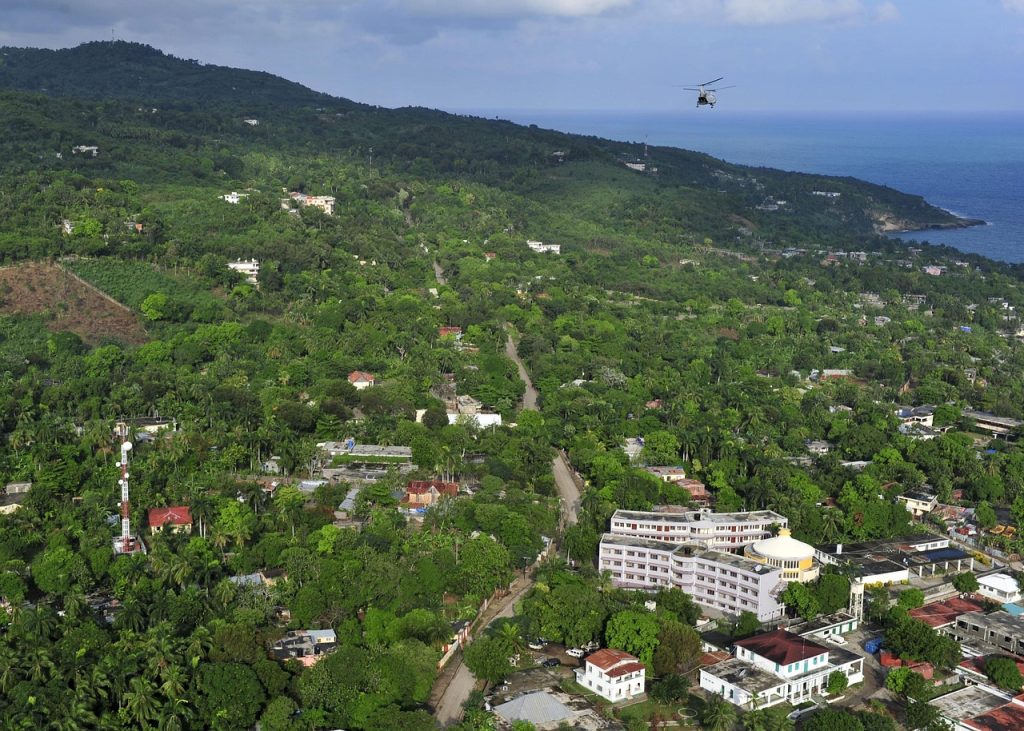
International security firms and the U.S. State Department have issued the highest level of travel warnings for Port-au-Prince in 2026 due to the collapse of state-led security. Conflict-driven volatility and widespread gang violence make the capital city extremely dangerous for foreigners. Security analysts emphasize that the government’s ability to provide emergency support or consular assistance is severely constrained, leaving travelers entirely vulnerable in high-risk environments.
Risk management experts advise that travel to Haiti should be avoided entirely under current conditions. For those who must visit for essential humanitarian or diplomatic reasons, armored transport and professional security escorts are non-negotiable requirements. Widespread lawlessness and the high risk of kidnapping for ransom fund organized crime groups, making every movement within the city a high-stakes security operation that requires expert coordination.
Kabul In Afghanistan
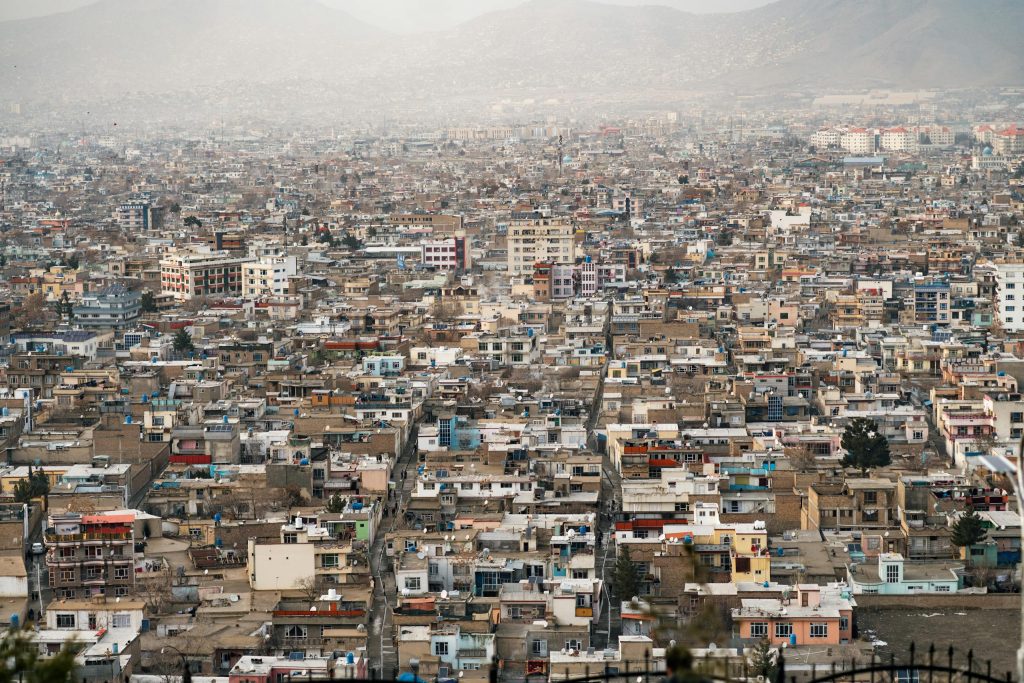
Military intelligence analysts and global risk assessors categorize Kabul as one of the least safe cities in the world for Western travelers in 2026. The city is heavily affected by militant activity, strict government control, and a total lack of consular access for many nationalities. Experts say that the unpredictable nature of internal conflict and the risk of arbitrary detention make travel to the capital a high-risk endeavor that should only be undertaken with extreme caution and professional vetting.
Security briefings for the region highlight that public services are frequently disrupted and healthcare infrastructure remains fragile. Travelers are warned that traditional safety protocols are often insufficient in an environment defined by border tensions and weak governance. The State Department continues to list Afghanistan under a Do Not Travel advisory, reflecting the life-threatening risks posed by ongoing instability and the absence of a functioning diplomatic safety net.
Caracas In Venezuela
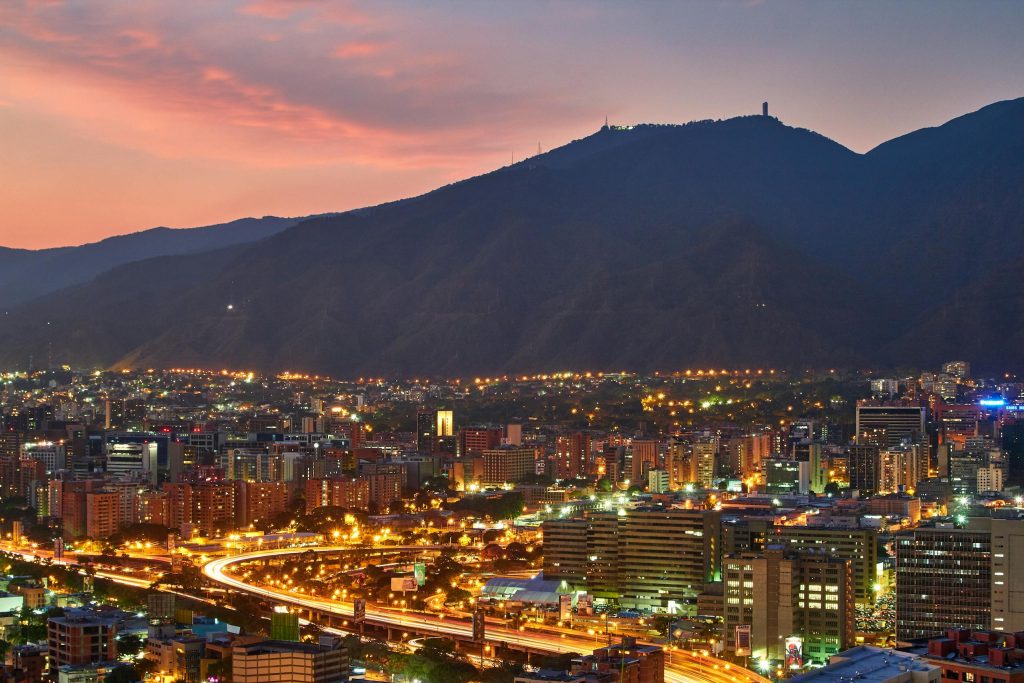
Diplomatic security consultants and regional analysts note that Caracas has seen a surge in risk following escalations in regional conflicts and ongoing economic instability. The city is heavily impacted by organized crime and civil unrest, with certain neighborhoods being off-limits even to local law enforcement. Experts say that the risk of violent crime, including armed robbery and carjacking, remains a primary concern for visitors and resident expatriates alike.
The fragility of the city’s healthcare system and the lack of essential services like power and water compound the security risks for travelers. Intelligence reports suggest that U.S. citizens are particularly vulnerable to arbitrary detention or harassment by authorities. Safety professionals advise that any travel to Venezuela requires a comprehensive security plan, including vetted ground transportation and constant communication with emergency contacts.
Mexico City In Mexico
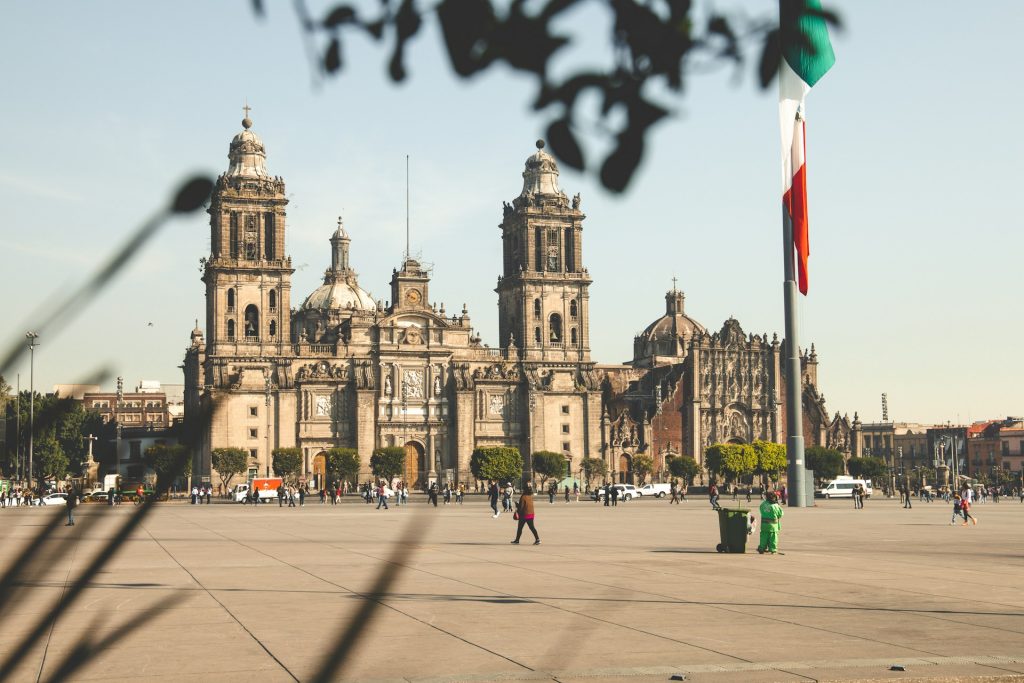
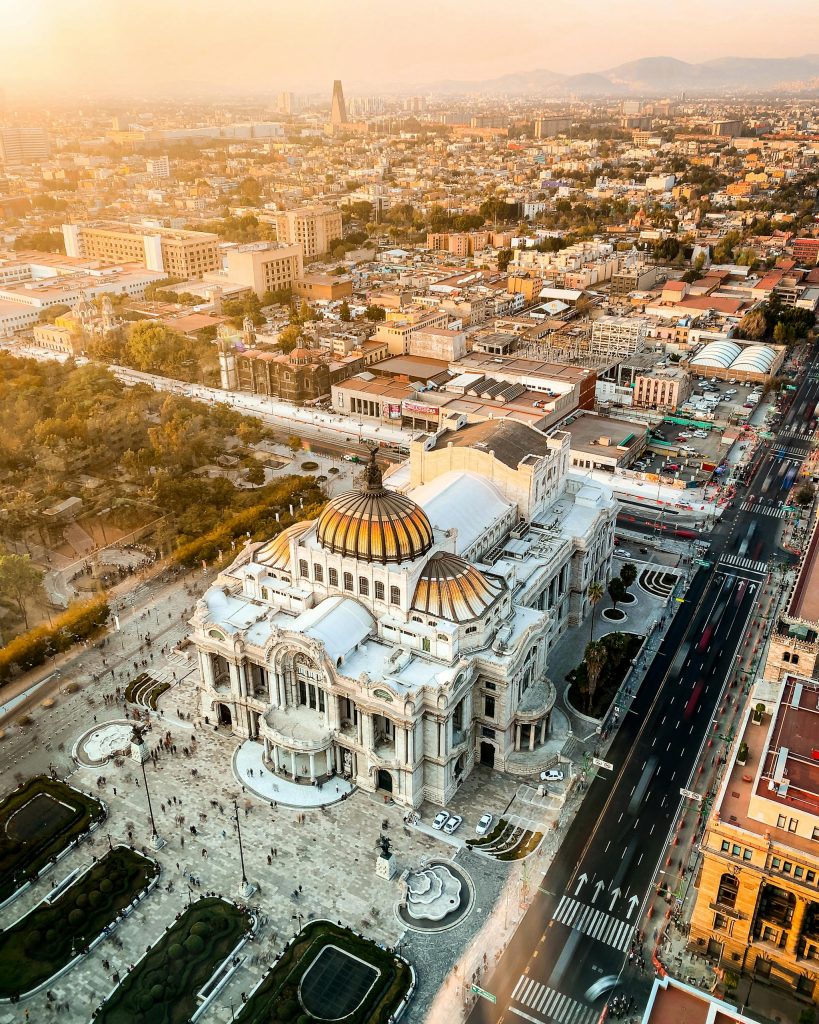
Urban planners and security consultants in Mexico City observe that while the city is a premier cultural capital, it requires extra awareness regarding express kidnappings and taxi scams. Travelers are strongly advised to use only authorized “sitio” taxis or reputable rideshare apps rather than hailing vehicles on the street. Experts say that the risk of being diverted to an ATM and forced to withdraw cash is a persistent threat in certain districts after dark.
Local safety officials also monitor a rise in cartel-related violence that, while often targeted, can impact public spaces. The U.S. State Department has expanded its warnings for several Mexican states, and travelers in the capital are urged to stick to well-lit, populated tourist zones like Polanco and Roma. Maintaining a low profile and avoiding ostentatious displays of wealth are standard expert recommendations for navigating the vibrant but complex social landscape of the city.