10 Classic Destinations Americans Say Feel Very Different Today
Some destinations sit in American memory like a well-worn postcard, familiar enough to feel timeless. Coming back can be jarring, not because the icons vanished, but because the pace around them changed.
Crowds arrive earlier, tickets sell by time slot, and security lines reshape what used to be a simple stroll. Prices climb, neighborhoods rebalance toward locals, and climate swings push plans into cooler mornings and softer evenings.
The places still deliver beauty and story, yet the experience is tighter and more planned, with fewer loose hours. These 10 classics show where the shift is most noticeable, and why it lands so clearly.
Paris
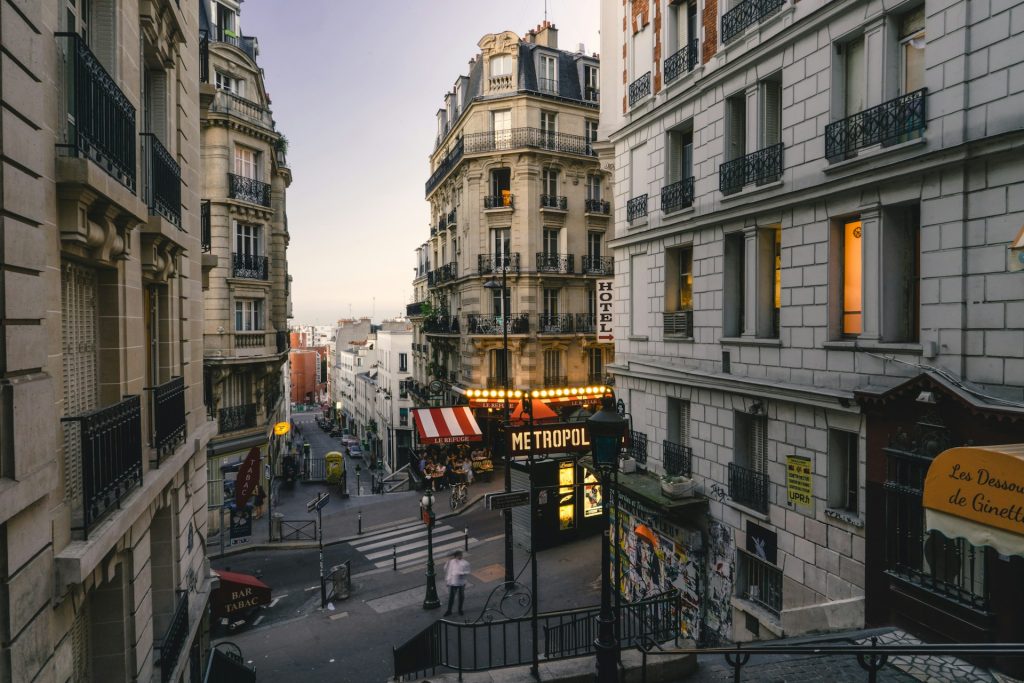
Paris still delivers river light, café chatter, and grand museum days, yet Americans often say it feels less improv now than it did years ago. Major sights lean harder on timed tickets, security screening, and capacity control, and the Louvre has required reservations for all visitors during peak holiday stretches.
That nudges the trip toward strategy: earlier starts, longer gaps between slots, and fewer casual detours in the center. Even simple wins, a bakery table or a sunset viewpoint, can involve queues and set hours, while prime-district prices push many stays outward and keep transit busy late in peak season.
Venice
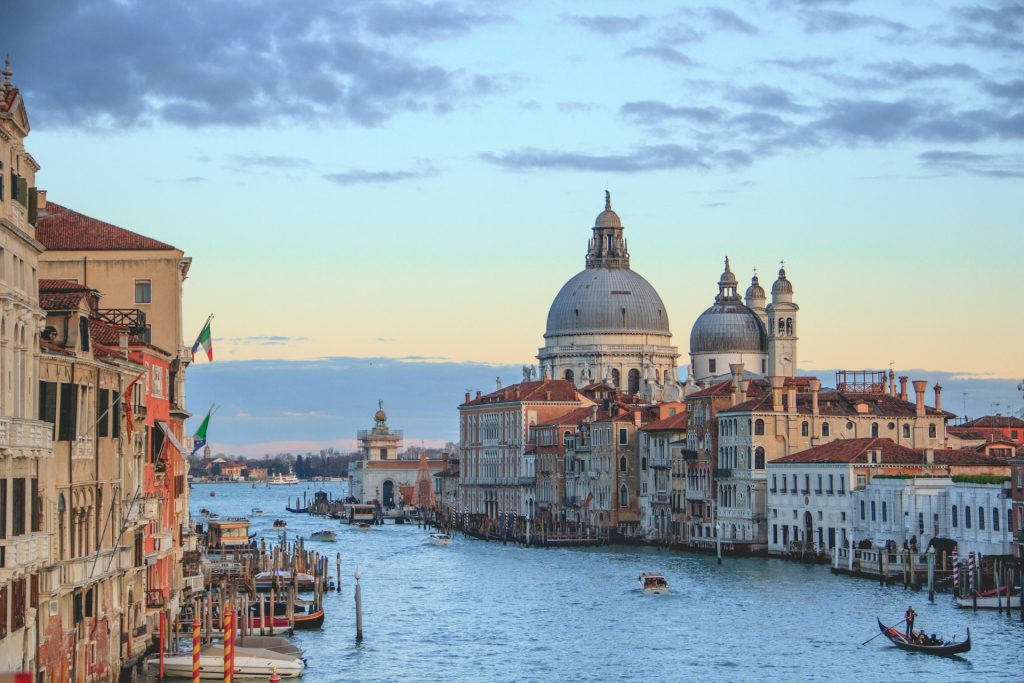
Venice still feels hushed at dawn, with echoing steps and lagoon air, but many Americans say the middle of the day now feels compressed by sheer volume. To manage it, the city has tightened crowd rules, including tour groups limited to 25 and no loudspeakers, and it has used a day-tripper access fee on peak dates to ease pressure.
The change shows up in motion: bridges become pinch points, vaporetto stops bunch, and a small pause can stall a whole lane. Repeat visitors chase the older Venice in early walks, quieter sestieri, and late evenings when the current of bodies finally loosens for a while.
Barcelona
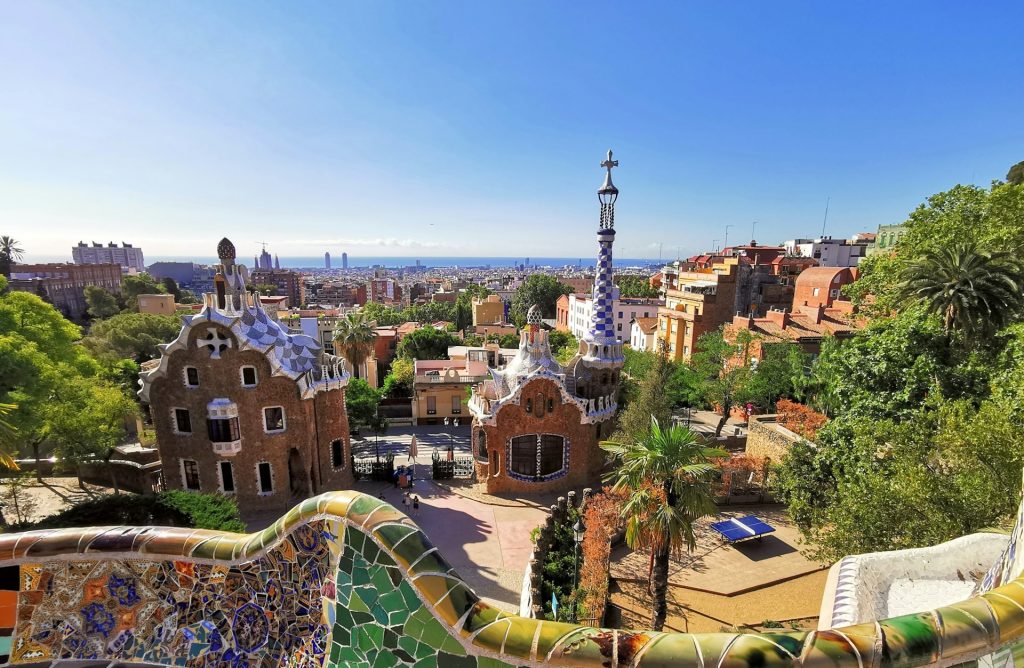
Barcelona still sparkles with Gaudí curves, sea air, and late dinners, yet Americans say the center feels more managed than before. In the oldest quarters, officials have tightened tour routing and rules to reduce standstills in tight lanes, and residents have pushed back on noise and crowd spillover.
The rhythm shifts: more planning around heat and peak hours, fewer long pauses on the narrowest streets, and a sharper line between visitor corridors and lived-in blocks. Many repeat travelers now build days around parks, markets, and barrios beyond the core, then dip into the center early, when the city still feels unforced.
Amsterdam
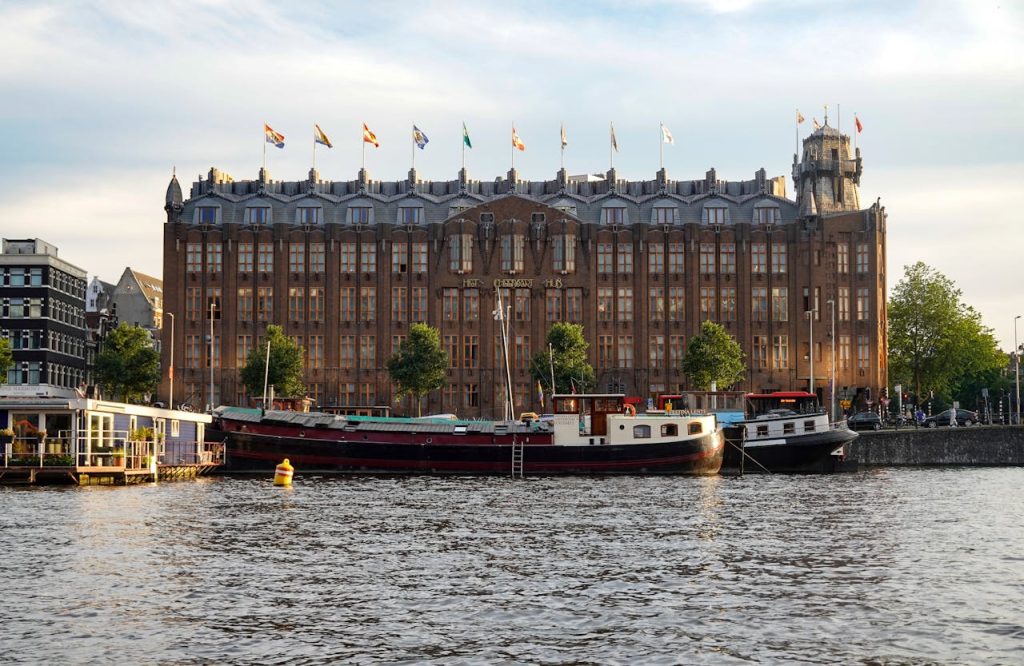
Amsterdam still charms with canal light and bike bells, but many Americans say the center runs on tighter etiquette now. Guided tours are capped at 15, larger groups need an exemption, and tours are no longer allowed along sex workers’ windows, a rule meant to reduce nuisance and protect privacy.
That changes the old core at night: fewer clustered explanations on bridges, less gridlock on tight lanes, and more sense that some spaces are not a stage. Repeat visitors linger elsewhere, in quieter canals, museums booked ahead, and neighborhoods where the everyday pace shows through, even on summer weekends.
Rome
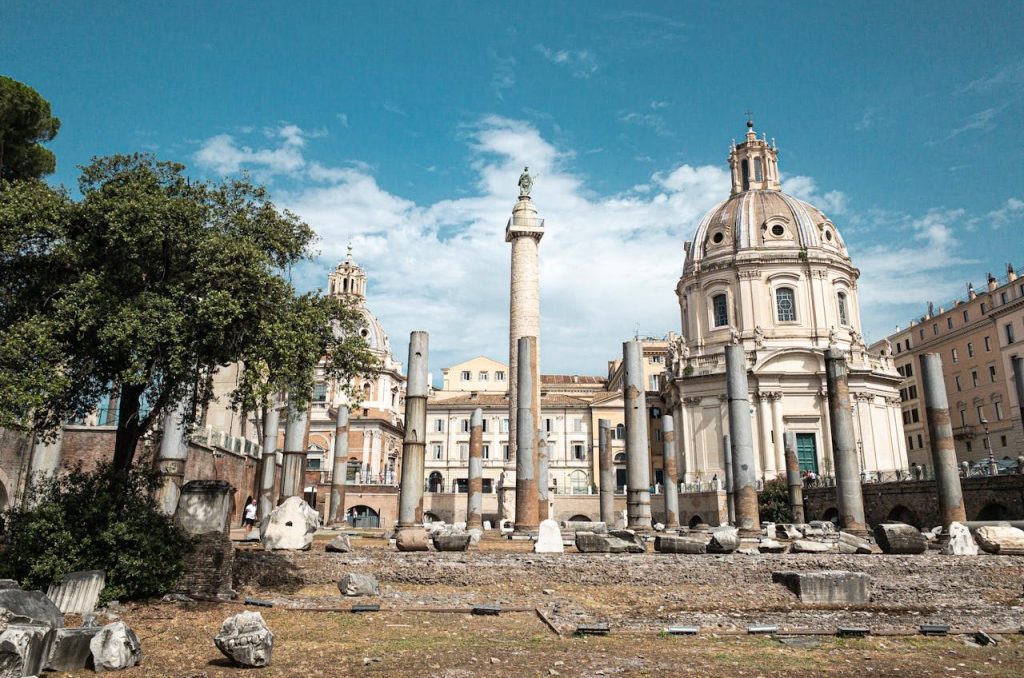
Rome still overwhelms in the best way, with ruins around corners and church bells sliding through traffic, yet Americans say it feels more queued than it used to. Timed tickets and security checks are common at major sites, and the lanes around the Trevi Fountain, the Pantheon, and the Colosseum can move in slow, dense waves.
Heat makes the change sharper: midafternoon feels less forgiving, so days get rebuilt around early starts, long breaks, and evening walks. Many repeat visitors now trade the central crush for outer neighborhoods, where a quick espresso, a bus ride, and a small piazza can still feel unplanned and calm.
London
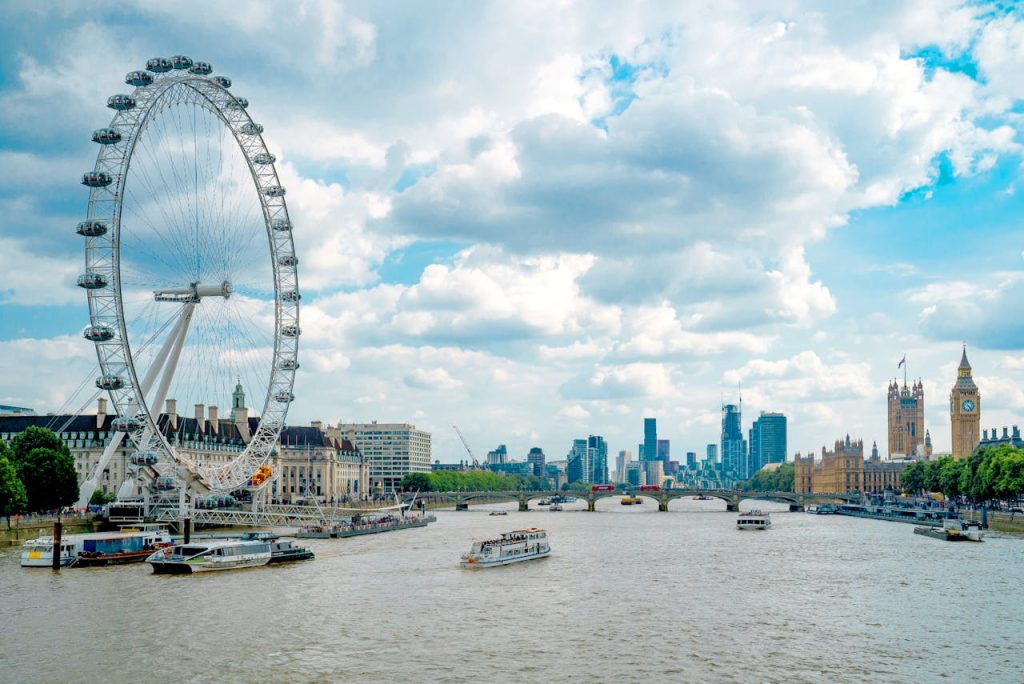
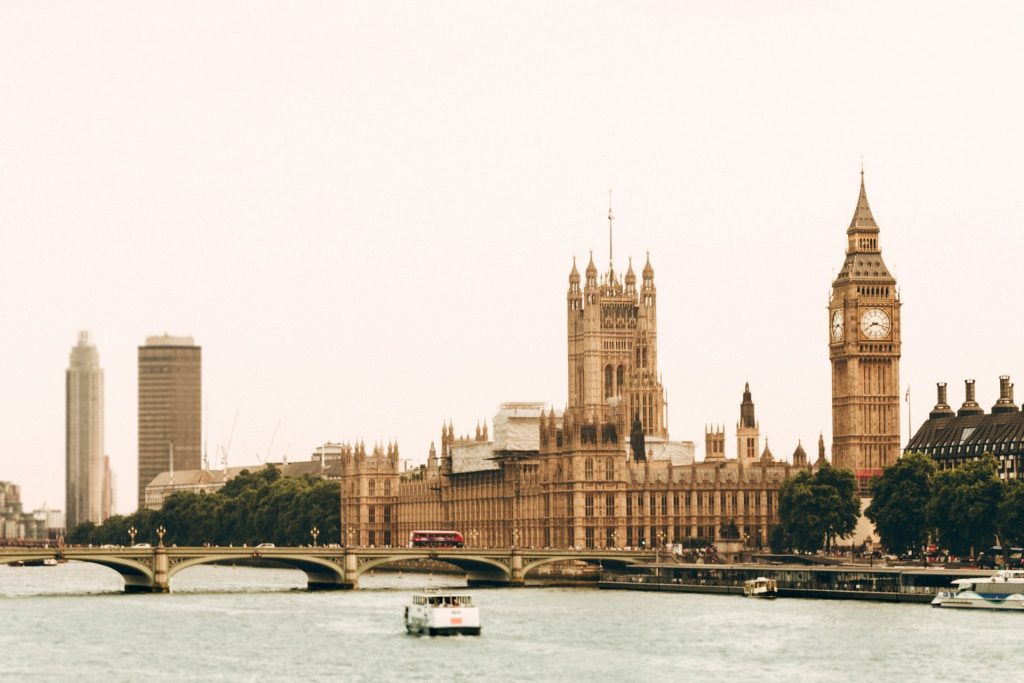
London still delivers theater lights, museum rooms, and pub warmth, yet many Americans say the city feels pricier and more scheduled. Popular attractions run on timed entry, security lines are routine, and central neighborhoods can feel packed from commute hours through late evenings, with contactless payments and app bookings now the default.
The visit rewards planning: booked hotels, reserved dinners, and longer rides to find value beyond the core. What still feels classic is the early day, when markets set up, parks open, and side streets carry that quieter London mood before the crowds turn everything brisk and expensive.
New York City
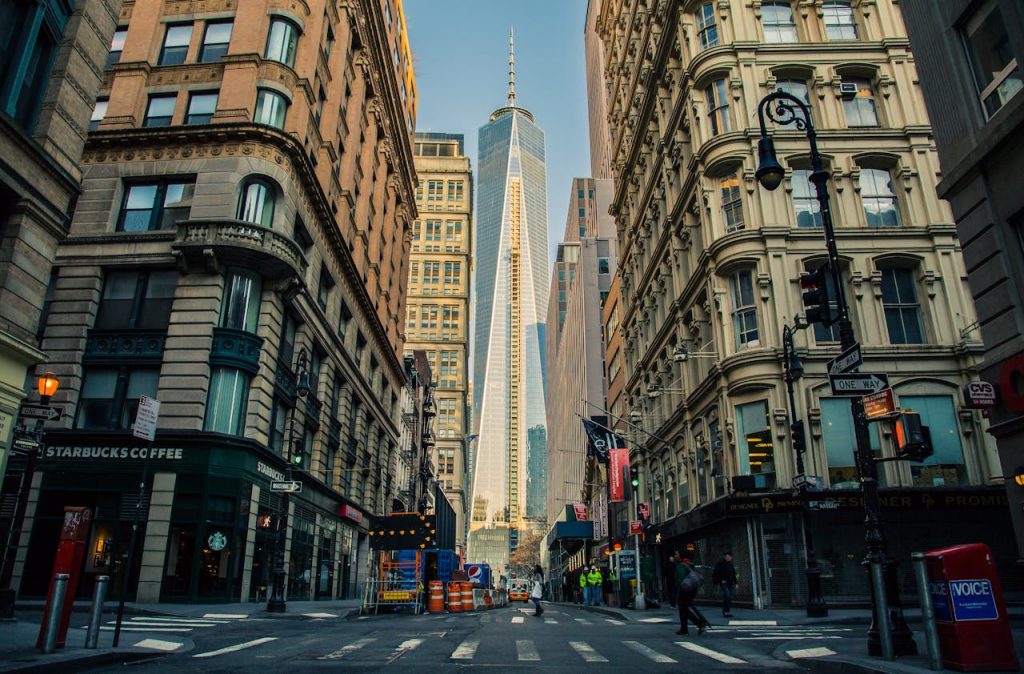
New York City still hits with skyline drama, corner-deli speed, and late-night energy, yet many Americans say the classic visit feels more managed. Midtown corridors move like controlled lanes during peak times, with timed tickets, bag checks, and street closures around big events shaping how people flow.
Costs shift the mood too: hotels, shows, and once-casual meals demand more planning and bigger budgets, and rooftops often run on reservations and security lines. Repeat visitors find the old New York in the margins, neighborhood parks, stoop talk, small museums, and quiet morning walks before the sidewalks turn into a steady stream.
Las Vegas
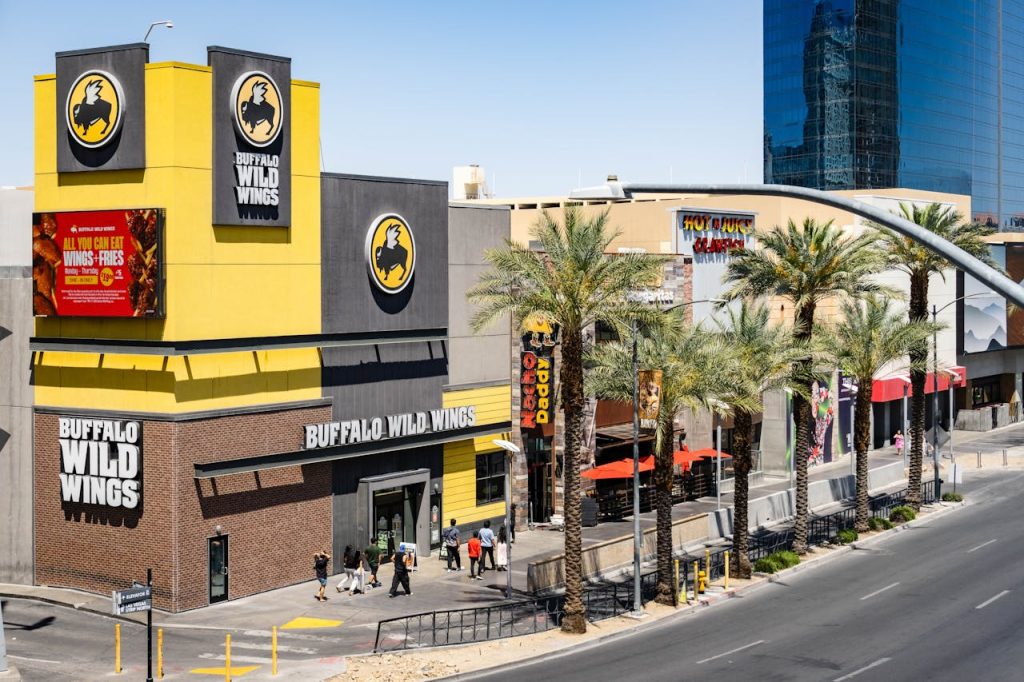
Las Vegas still does spectacle better than almost anywhere, yet many Americans say the Strip feels less like a carefree bargain now. Resort fees, paid parking, and higher menu prices change the math, and access to pools, clubs, and headline shows increasingly runs on reservations, mobile tickets, and long lines.
The vibe becomes more curated, with branded pop-ups and giant screens pushing the walkways into constant stimulation, plus rideshare queues that swell after midnight. Repeat visitors chase the easier version of the city off-Strip, where meals feel more normal, rules feel lighter, and the night still belongs to people, not schedules.
Waik?k?
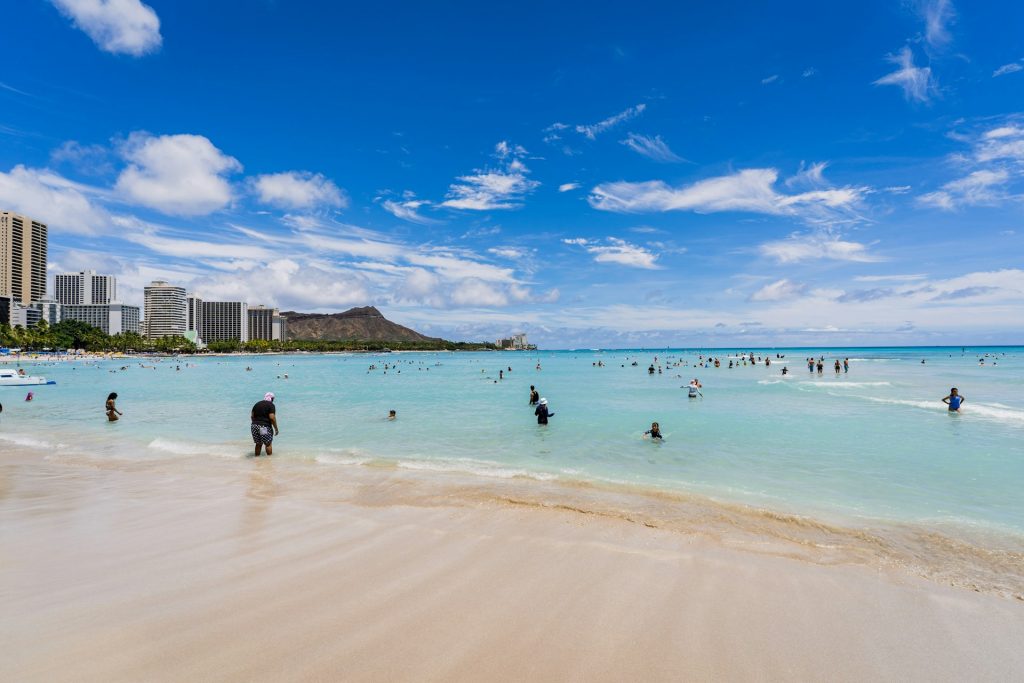
Waik?k? still looks like the postcard, with Diamond Head on the horizon and surf rolling in under hotel towers, yet Americans say it feels less mellow. Beach space fills early, bookings shape dinner and excursions, and the neighborhood carries more traffic, construction noise, and higher prices than many remember.
The ocean remains the anchor, but the day rewards timing: sunrise swims, shaded breaks, and calm walks before Kal?kaua Avenue crowds thicken. Repeat travelers often split time, using Waik?k? for convenience, then escaping to quieter beaches and local pockets where mornings feel slower and the shoreline feels less crowded.
Yellowstone National Park
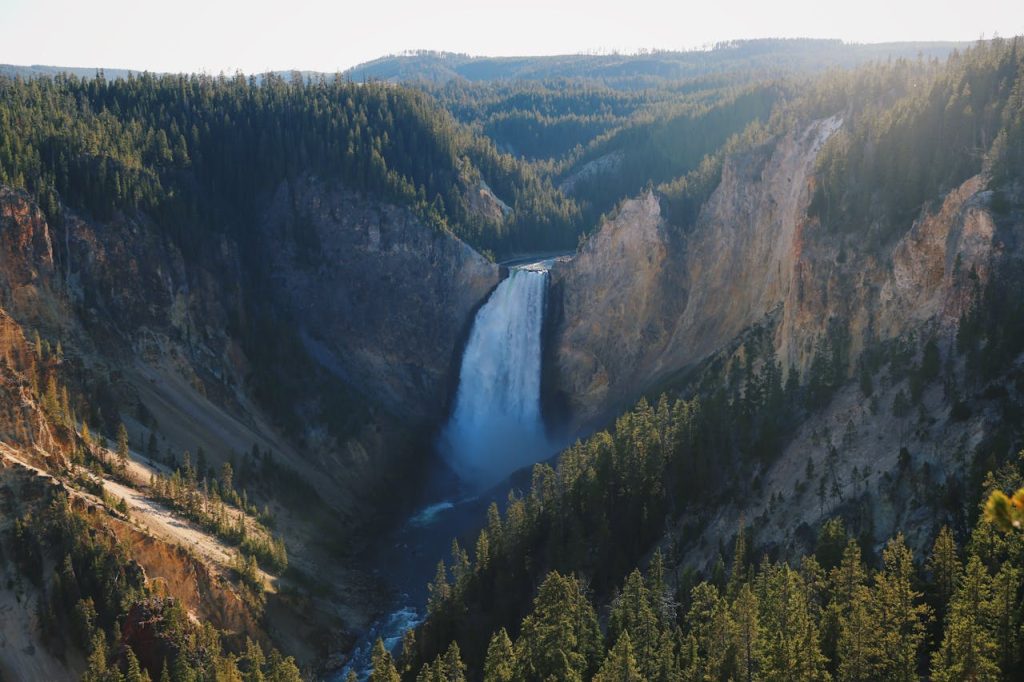
Yellowstone still feels like wild theater, with geyser steam and elk calls rising over open valleys, yet Americans say the visit now includes more friction. Parking fills early at major basins, stays book early, wildlife sightings can trigger long roadside holds, and visitation stays high, with June 2025 recording 928,250 visits.
Weather swings add another layer, from smoky summers to sudden storms that reroute drives on two-lane roads. Repeat visitors lean into dawn starts, picnic coolers, and shoulder-season timing, because the quiet moments still arrive, but they must be earned with patience and smart pacing.