10 Cozy U.S. Cabins Women Book When Hotels Feel Too Loud

Travel psychologists and hospitality industry analysts report a significant increase in the demand for isolated, small-scale accommodations as travelers seek to mitigate the sensory overload of traditional urban hotels. While luxury resorts offer amenities, the constant hum of elevators, hallway foot traffic, and mechanical ventilation systems can prevent true physiological rest. Experts say that the psychological transition from a structured hotel environment to a standalone cabin in the wilderness allows the nervous system to shift from a state of vigilance to one of deep relaxation.
Architectural designers and wilderness therapists emphasize that the most effective retreats for mental restoration are those that prioritize acoustic privacy and a direct connection to the natural landscape. According to solo travel safety consultants, women increasingly select these specific properties because they provide a controlled environment where the absence of strangers and shared walls creates a profound sense of peace. By focusing on regional heritage and sustainable construction, these ten cabin destinations offer a quiet sanctuary where the only sounds are the movement of wind through the trees and the crackle of a private hearth.
The Smoky Mountain A-Frame In Tennessee
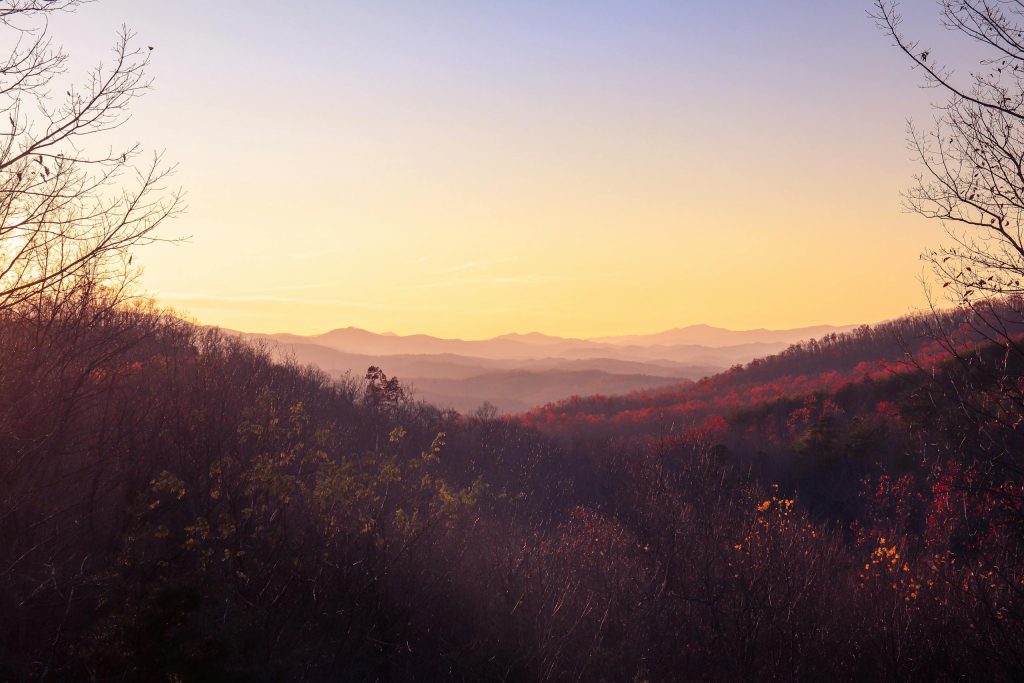
National park rangers and regional tourism boards often point to the classic A-frame structures surrounding Great Smoky Mountains National Park as the premier choice for mountain solitude. These cabins utilize a steep-angled roofline originally designed to shed heavy snow, but modern architectural critics praise them for creating a cozy, lofted interior that feels like a natural extension of the forest canopy. The expansive glass facades common in these designs allow for a constant visual connection to the ancient, mist-covered ridges without the need to leave the warmth of the living space.
Interior designers note that the minimalist footprint of an A-frame encourages a simplified lifestyle during the stay. The use of native cedar and pine in the construction provides a subtle, natural fragrance that experts say contributes to a calming atmosphere. These cabins are often situated on steep, private lots where the vertical topography ensures that neighboring structures remain out of sight and out of earshot. For a woman seeking a solo retreat, the structural simplicity and the focused views of the wilderness provide a grounding experience that traditional multi-story hotels cannot replicate.
The Driftless Modern Cabin In Wisconsin
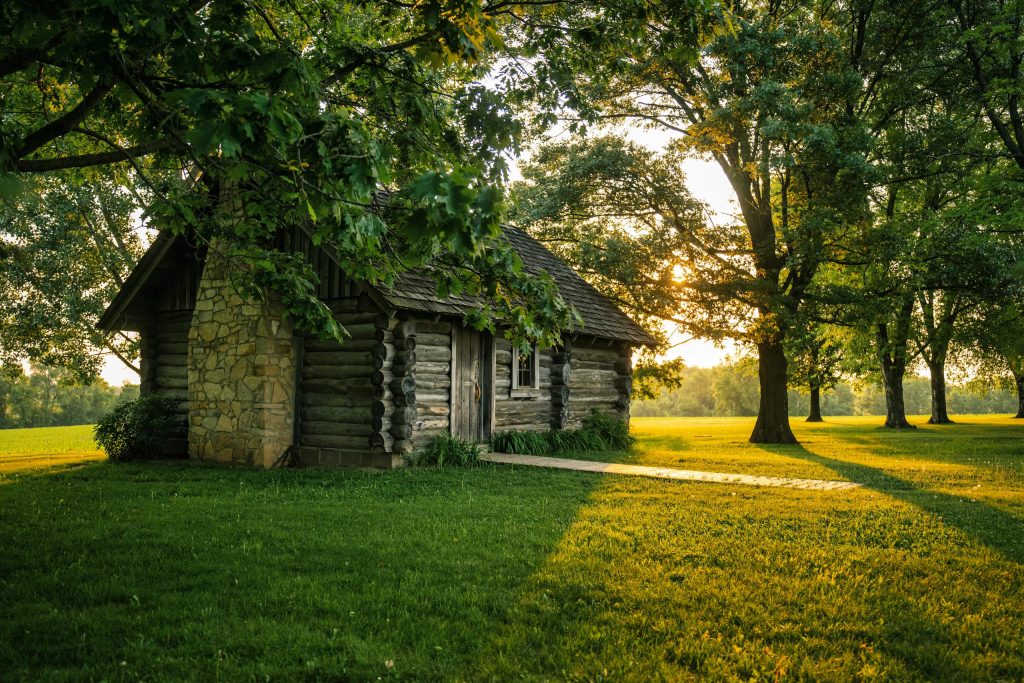
Geologists and regional planners describe the Driftless Area of Wisconsin as a unique island of rugged terrain that was missed by the last glacial retreat, leaving behind deep valleys and sheer limestone bluffs. Architectural consultants highlight the rise of modern, cantilevered cabins in this region that are designed to hang over the edges of these bluffs. These structures often feature floor-to-ceiling windows and wrap-around decks that provide an unobstructed view of the winding trout streams below.
Wilderness therapists suggest that the specific geography of the Driftless Area, with its lack of through-traffic and industrial noise, makes it one of the quietest regions in the Midwest. The cabins here often incorporate passive solar heating and reclaimed wood, appealing to those who prioritize environmental sustainability alongside personal comfort. The isolation of these properties allows for a level of stargazing that is impossible in the light-polluted corridors of nearby cities, offering a vast celestial display that serves as a powerful tool for perspective and reflection.
The Blue Ridge Timberframe In North Carolina
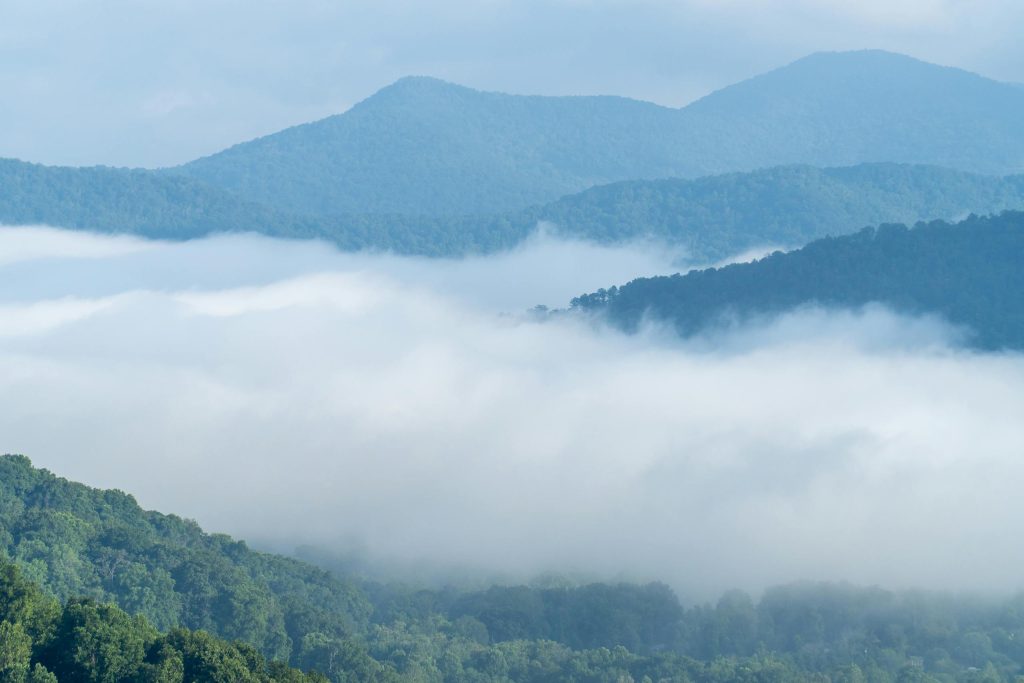
Historical preservationists and timber-frame experts recognize the handcrafted cabins of the Blue Ridge Mountains as a testament to Appalachian craftsmanship. Utilizing massive beams joined by wooden pegs, these cabins offer a structural integrity and a sense of permanence that resonates with travelers seeking a stable refuge. Experts explain that the thick timber walls provide exceptional acoustic insulation, effectively dampening the sound of mountain storms and creating a hushed, cathedral-like interior.
Forestry management officials observe that these properties are typically tucked into dense stands of hardwoods, providing a natural sound barrier from the outside world. Many of these cabins feature large stone fireplaces built from locally quarried granite, which act as the thermal and social heart of the home. For the traveler, the experience of sitting in a space built by hand from the surrounding forest creates a visceral sense of belonging and safety that is often missing from the sterile environment of a commercial hotel.
The Olympic Peninsula Rainforest Cabin In Washington
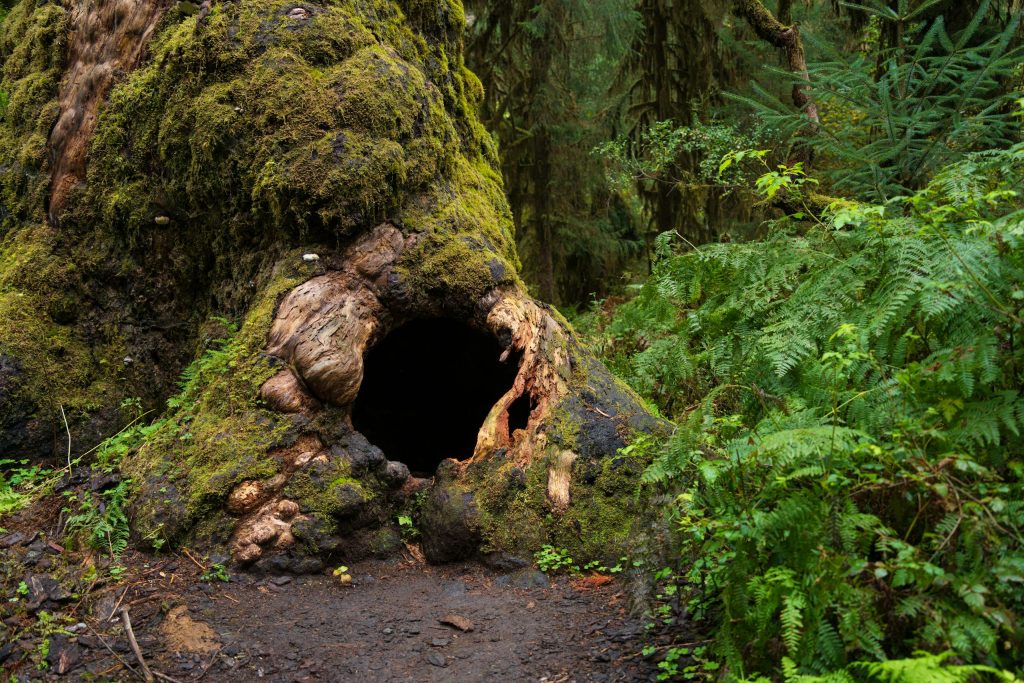
Ecology experts and park naturalists identify the temperate rainforests of the Olympic Peninsula as one of the most acoustically unique environments in the United States. The dense mosses and thick ferns that carpet the forest floor act as a natural acoustic treatment, absorbing sound and creating a profound, heavy silence. Cabins in this region are often small, cedar-clad structures situated near the Hoh or Quinault rivers, designed to withstand the high annual rainfall while keeping the interior dry and warm.
Travel safety consultants note that the extreme remoteness of these cabins is a primary draw for women who want to disappear into nature for several days. The constant, gentle sound of rain on a metal roof provides a rhythmic white noise that many find conducive to deep sleep and creative focus. These retreats often lack cellular service, forcing a digital detox that experts say is essential for breaking the cycle of constant notification anxiety. The experience of waking up to the sight of Roosevelt elk grazing in the mist outside the window is a quintessential Pacific Northwest reset.
The Catskill Mountains Scandinavian Cabin In New York
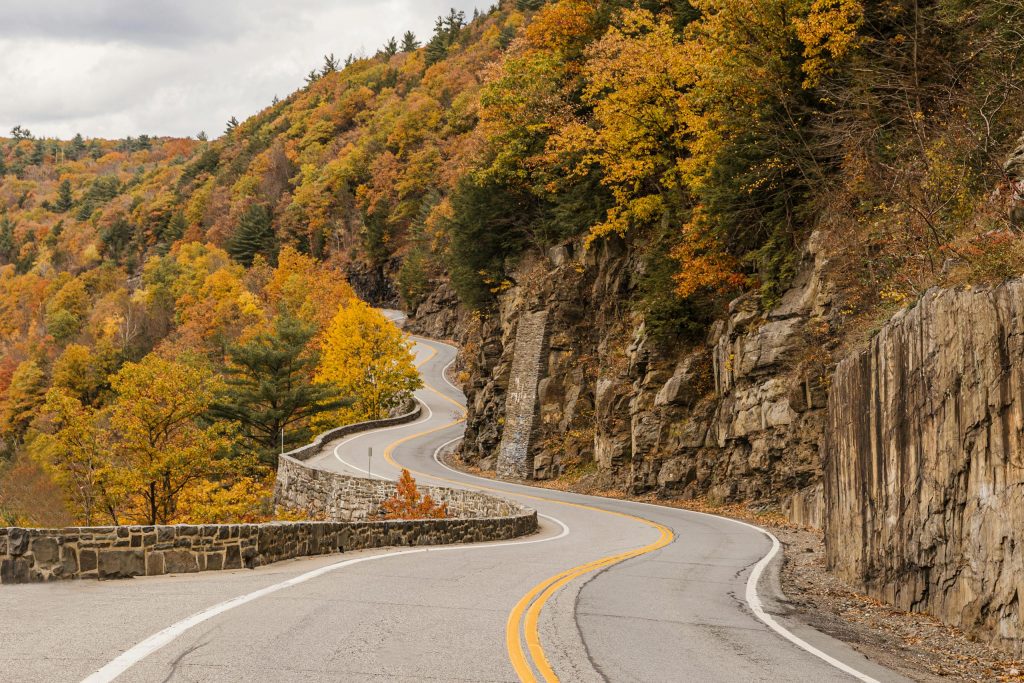
Hospitality trend watchers and urban planners have noted a surge in “hygge-inspired” Scandinavian cabins within the Catskill Mountains of New York. These designs prioritize light-colored woods, large windows, and clean lines, creating a bright and airy sanctuary that feels sophisticated yet unpretentious. Architectural historians note that this style has roots in the historic summer colonies of the region, where city dwellers have sought a cool mountain escape for over a century.
Interior organizers suggest that the clutter-free environment of a Scandinavian-style cabin helps to clear the mental fog associated with urban life. These properties often feature outdoor cedar saunas and cold-plunge tubs, encouraging a ritual of wellness and physical restoration. The proximity to the Hudson Valley art scene allows for a cultural connection, while the private, wooded lots ensure that the stay remains a solitary and quiet experience. It is a preferred choice for those who want the aesthetics of a boutique hotel without the communal noise of a shared lobby.
The Adirondack Great Camp Cabin In New York
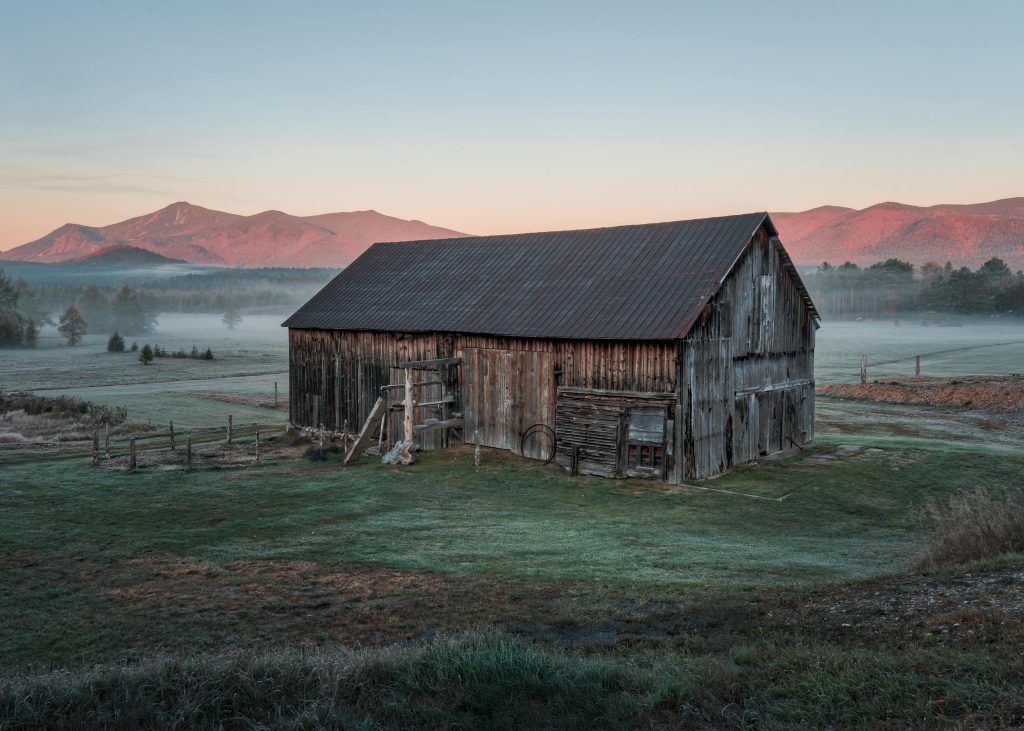
Regional historians and architectural critics describe the Adirondack style as a sophisticated blend of rustic materials and grand scale. While the original “Great Camps” were massive estates, many modern cabins in the region adopt the same use of bark-on logs, decorative twig work, and massive stone chimneys. Experts explain that the use of natural, unrefined materials helps the structure blend seamlessly into the rugged shoreline of the mountain lakes, creating a sense of total immersion in the wilderness.
Lake management officials emphasize that the strict motorboat regulations on many Adirondack lakes preserve a level of acoustic tranquility that is rare in recreational areas. This makes a cabin on the water’s edge a premier location for those who enjoy the sound of loons and the gentle lapping of waves against a private dock. The thick log walls and heavy insulation required for the harsh Northern winters ensure that the interior remains a quiet and warm fortress against the elements, providing a secure base for solo winter exploration.
The Sonoran Desert Rammed Earth Cabin In Arizona
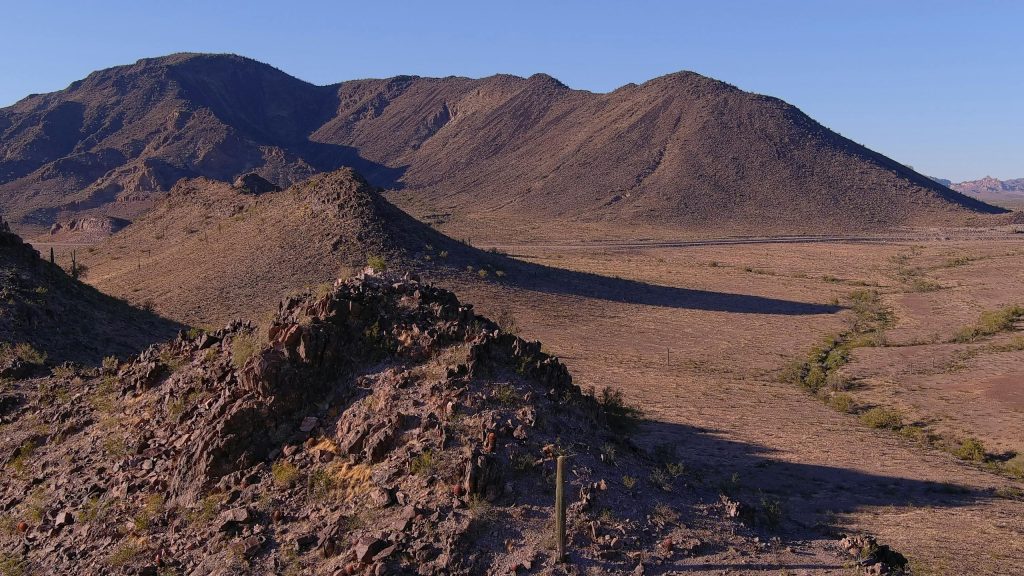
Desert ecologists and sustainable building experts highlight the use of rammed earth construction in the high deserts of Arizona as a masterclass in thermal and acoustic management. By compressing local soil and stabilizers into thick, dense walls, these cabins maintain a constant internal temperature despite the extreme shifts of the desert sun. Experts say that these walls are virtually soundproof, blocking the howling winds and creating a still, cool environment that feels like a natural cave.
Landscape architects note that these structures are often designed to be low-profile, blending into the surrounding saguaro and ocotillo forests. The minimalist, earth-toned interiors provide a visual rest for the eyes, while the private patios offer a front-row seat to the dramatic desert sunsets. For women seeking a quiet space for meditation or yoga, the absolute stillness of a rammed earth cabin provides a level of focus that is impossible to achieve in a bustling desert resort.
The Maine Coast Saltbox Cabin In Maine
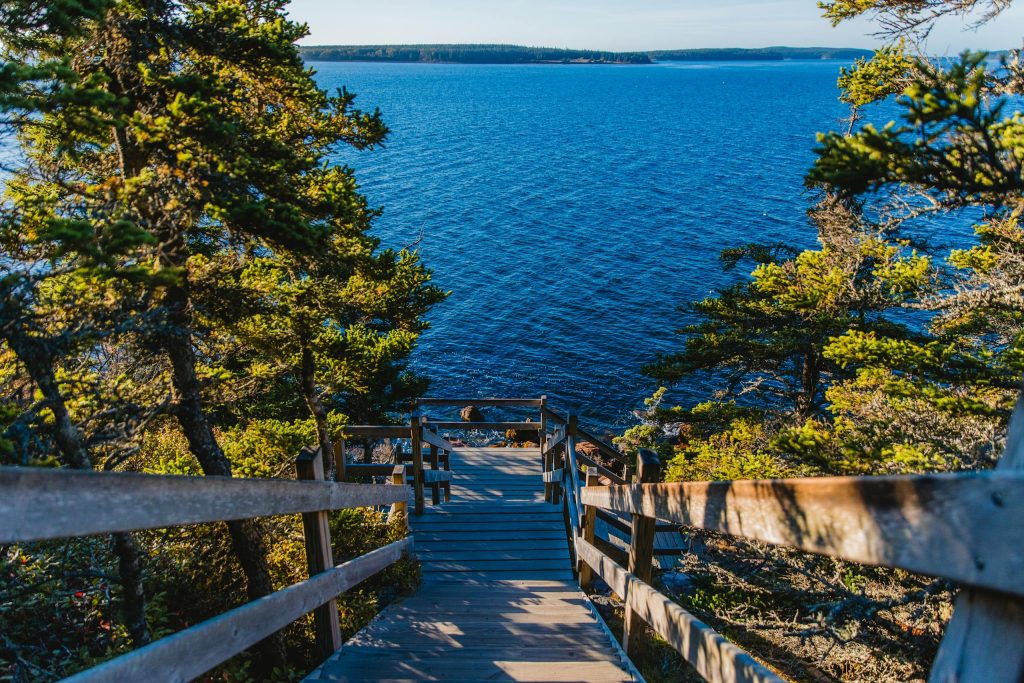
Maritime historians and coastal geographers identify the saltbox cabin as an iconic symbol of New England resilience. With a long, sloping roof designed to deflect the harsh Atlantic winds, these cabins are built to withstand the elements while providing a cozy and efficient living space. Experts explain that many of these properties are situated on rocky peninsulas or tucked into hidden coves where the sound of the ocean is the only constant.
Marine biologists note that the tidal movements and the calls of gulls provide a rhythmic and soothing background to a stay on the Maine coast. The interiors often feature nautical details and wood-burning stoves, creating a warm and inviting atmosphere for reading or writing. The isolation of the coastal lots ensures that the only visitors are the occasional deer or fox, offering a high degree of privacy and safety. The memory of the salt-tinged air and the sight of the morning fog lifting off the water is a lasting souvenir of a coastal retreat.
The Ozark Mountain Bluff Cabin In Arkansas
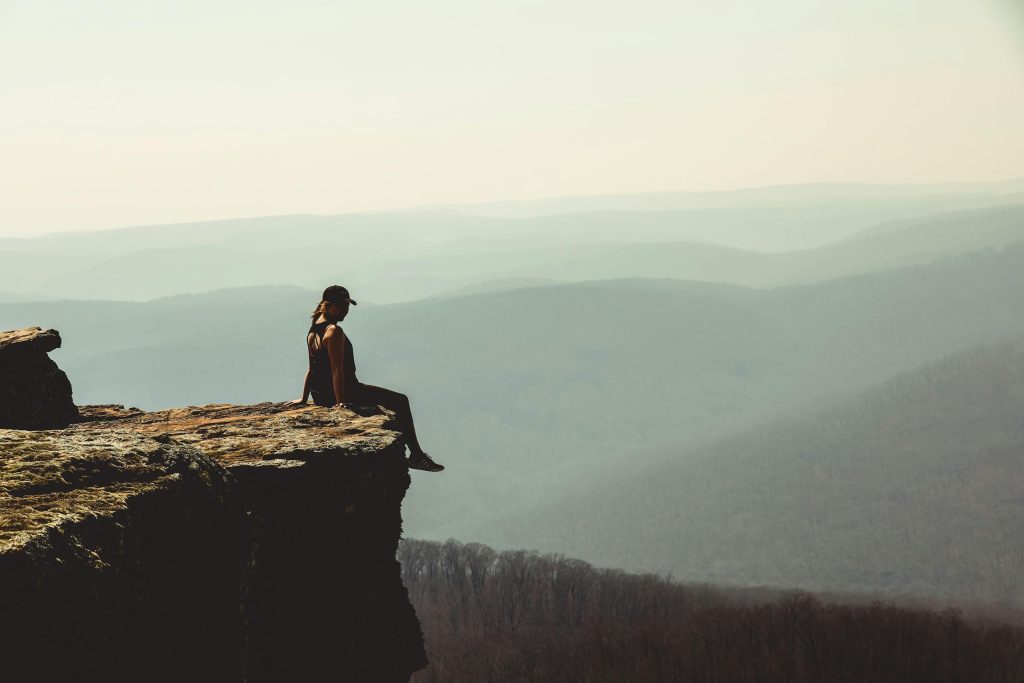
Geology professors and state park officials celebrate the Ozark Mountains for their ancient, eroded plateaus and intricate cave systems. Cabins in this region are frequently built directly into the side of limestone bluffs, offering a dramatic vantage point over the Buffalo National River or the surrounding hardwood forests. Experts note that the elevation provides a sense of oversight and security, while the surrounding canopy creates a natural screen from any nearby activity.
Wilderness guides emphasize that the Ozarks offer a specific type of quiet that is distinct from the high peaks of the West. The rolling hills and deep hollows muffle sound, creating pockets of absolute stillness that are ideal for birdwatching and nature photography. Many of these cabins are constructed with large screened-in porches, allowing travelers to experience the outdoors without the intrusion of insects. The slow pace of life in the Ozarks, combined with the dramatic vertical views, makes these bluff-side cabins a favorite for those seeking an unhurried and scenic escape.
The Sierra Nevada Granite Cabin In California
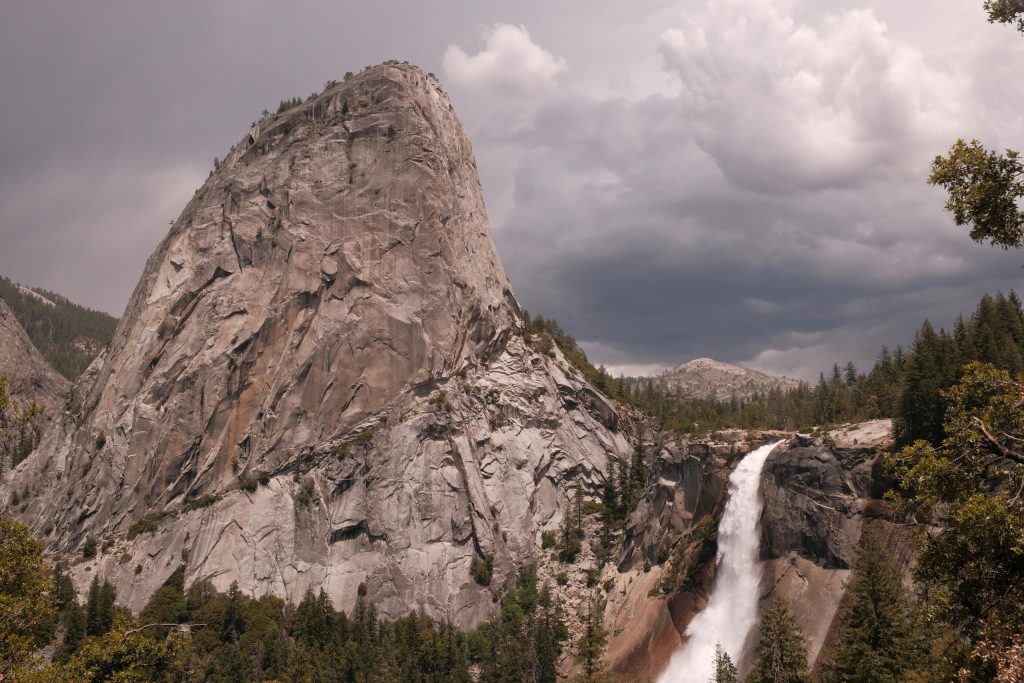
High-altitude ecologists and architectural historians describe the stone cabins of the Sierra Nevada as a rugged and beautiful response to the extreme mountain environment. Utilizing local granite and heavy timbers, these structures are designed to hold the weight of several feet of snow while providing a warm and secure sanctuary for the occupants. Experts explain that the thermal mass of the stone walls helps to regulate temperature, keeping the interior cool in the summer and warm in the winter.
Forest Service rangers observe that these cabins are often located near the ends of remote forest roads, providing a gateway to the high-country wilderness. The absence of light pollution at these elevations ensures that the night sky is a brilliant display of the Milky Way, offering a profound sense of scale and wonder. For a woman traveling alone, the sturdy construction and the remote location of a granite cabin provide a powerful sense of self-reliance and peace. The experience of watching the first light of dawn hit the granite peaks from the comfort of a private mountain home is a singular and unforgettable moment.