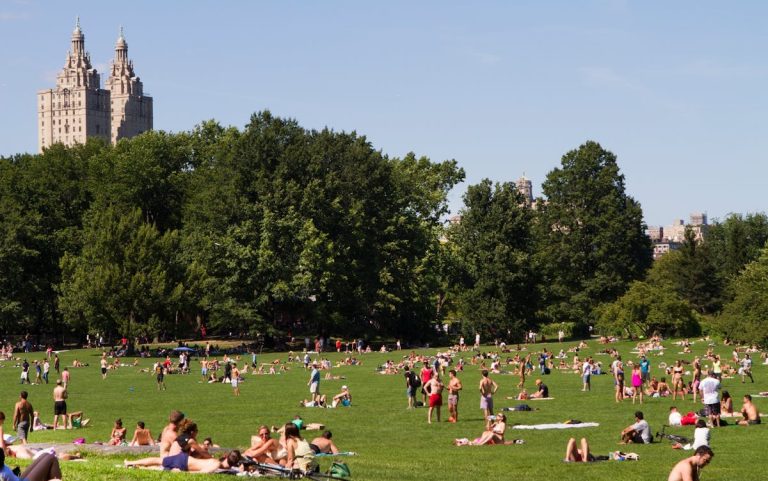
10 Destinations Where Fall Weather Changes the Travel Experience
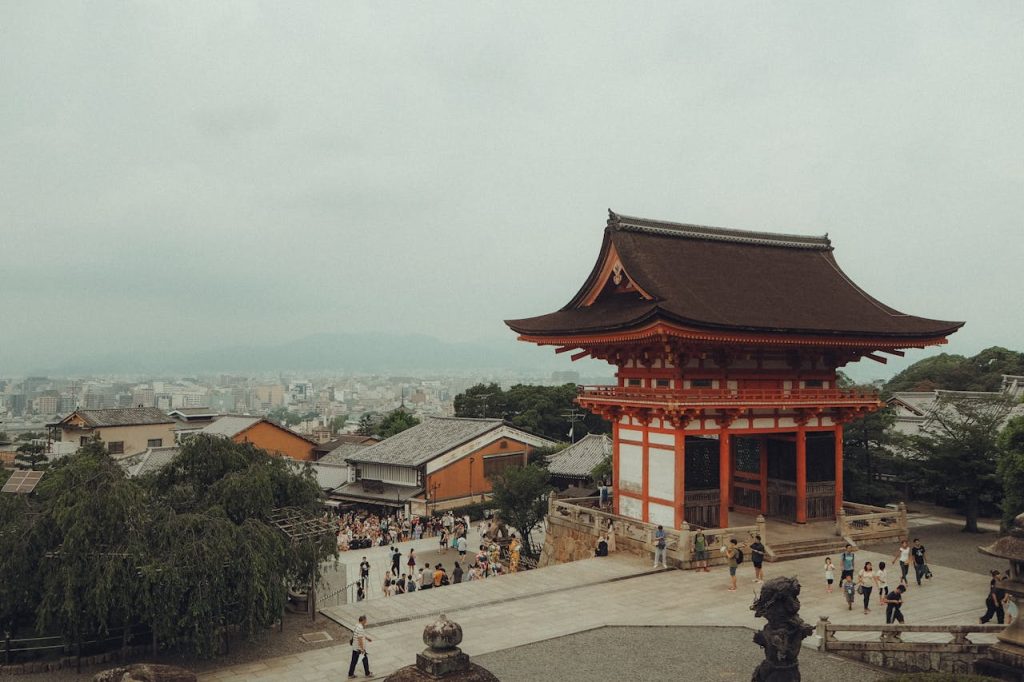
Fall reshapes travel in ways summer never allows. Temperatures cool, crowds thin, and landscapes shift color, altering how destinations feel. Outdoor exploration becomes easier, cities slow their pace, and natural scenery takes center. Seasonal traditions emerge, adding depth without overwhelming schedules. Fall weather often improves comfort while preserving activity. This transition influences everything from walking distances to daily routines. In certain places, autumn conditions fundamentally change the experience rather than simply enhancing it. These ten destinations show how fall weather redefines atmosphere, accessibility, and enjoyment, creating travel moments shaped as much by climate as culture, scenery, and timing itself.
New England
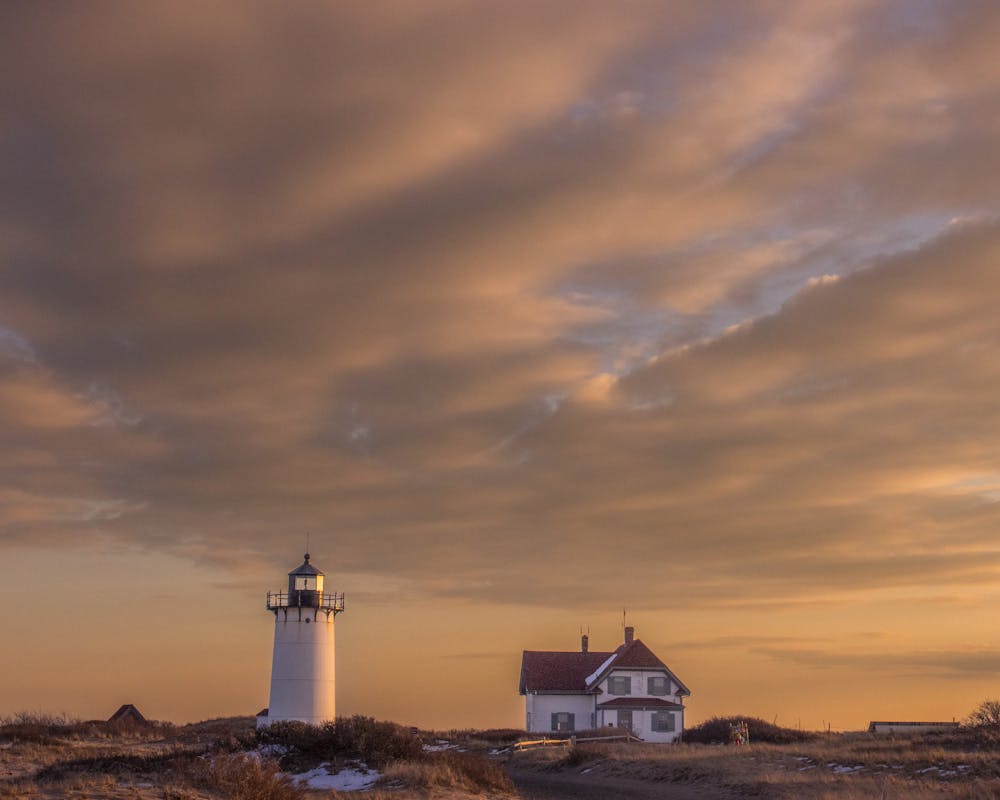
Fall transforms New England into a destination defined by seasonal change. Cooler temperatures make walking historic towns comfortable. Forests across Vermont, New Hampshire, and Maine display vivid foliage. Coastal areas remain accessible without summer congestion. Scenic drives replace beach focused itineraries. Crisp air sharpens visibility across rural landscapes. The season highlights small town rhythms rather than resort crowds. Fall weather reshapes New England travel from activity packed summer tourism to slower, observation driven experiences rooted in history, nature, and regional tradition, making timing central to how visitors engage with villages, countryside, and coastal communities throughout the region.
Kyoto
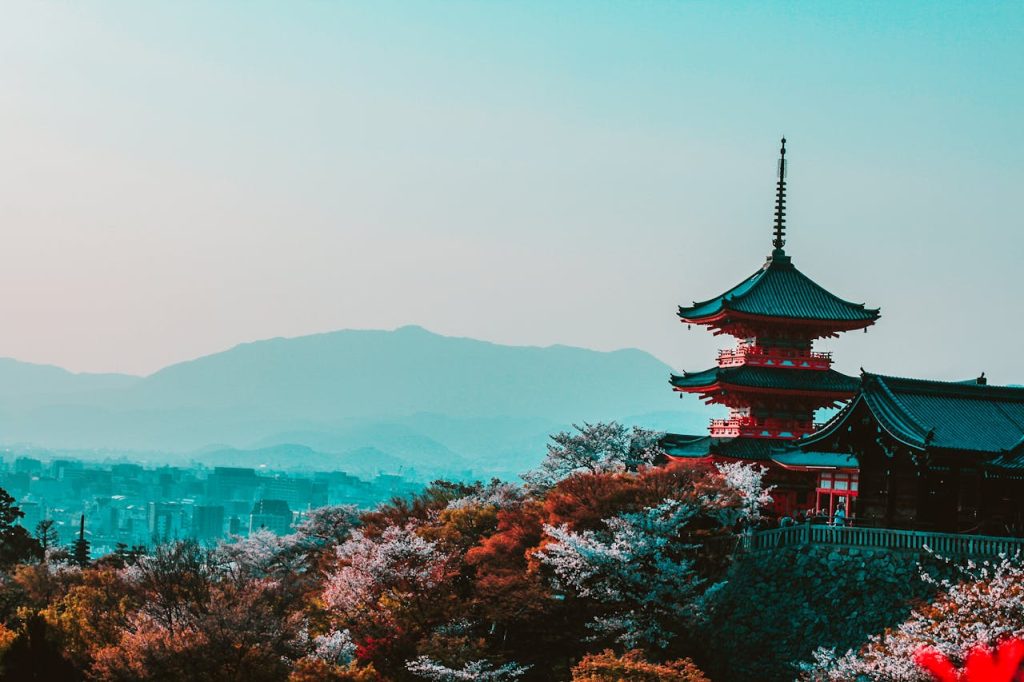
Fall weather alters Kyoto travel dramatically. Summer humidity fades, making temple visits comfortable. Maple trees begin turning red and gold across gardens and hillsides. Walking paths through historic districts feel calmer and more contemplative. Outdoor exploration replaces heat avoidance. The city rhythm slows, emphasizing reflection and visual detail. Fall light softens wooden architecture and stone walkways. Kyoto autumn climate transforms travel into an experience centered on scenery, movement, and tradition rather than endurance, allowing deeper engagement with shrines, neighborhoods, and cultural spaces shaped by seasonal awareness and long standing appreciation for natural cycles throughout the city.
Paris
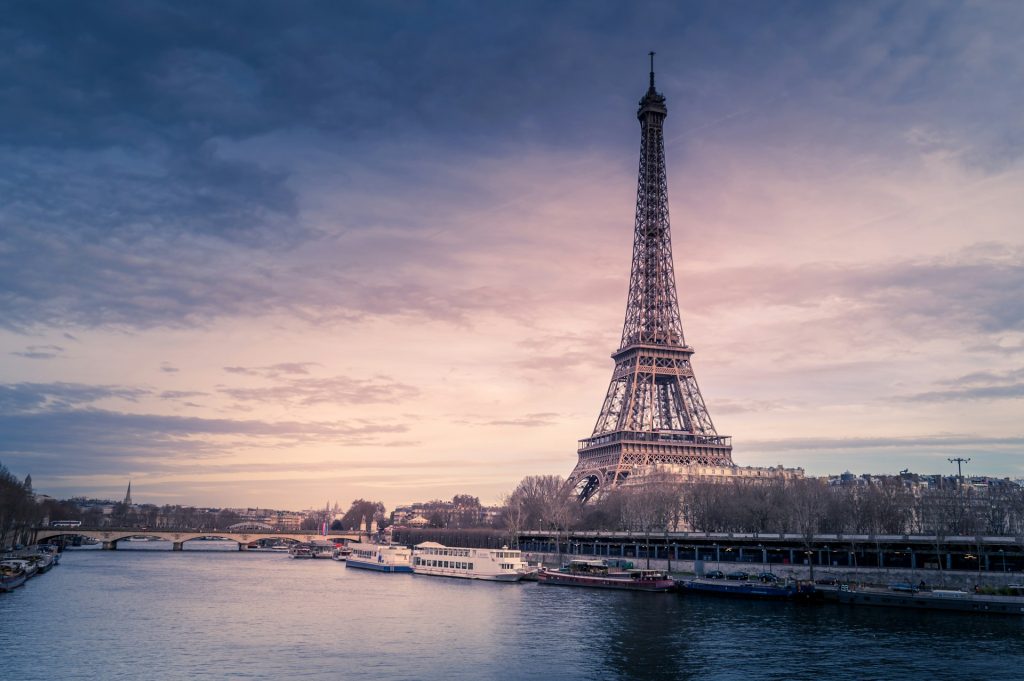
Fall changes how Paris feels and functions for travelers. Cooler temperatures encourage walking longer distances. Tree lined streets and parks shift into autumn colors. Sidewalk cafes adjust to crisp air, creating quieter scenes. Summer tourism declines, easing congestion near landmarks. Museums and cultural venues continue full programming. The city pace becomes more local and routine driven. Fall weather supports exploration without exhaustion. Paris transitions from peak spectacle to lived in elegance, where weather shapes daily movement, visual tone, and social habits, making the experience more intimate and grounded in everyday rhythms rather than seasonal crowds or heat driven schedules.
Tuscany
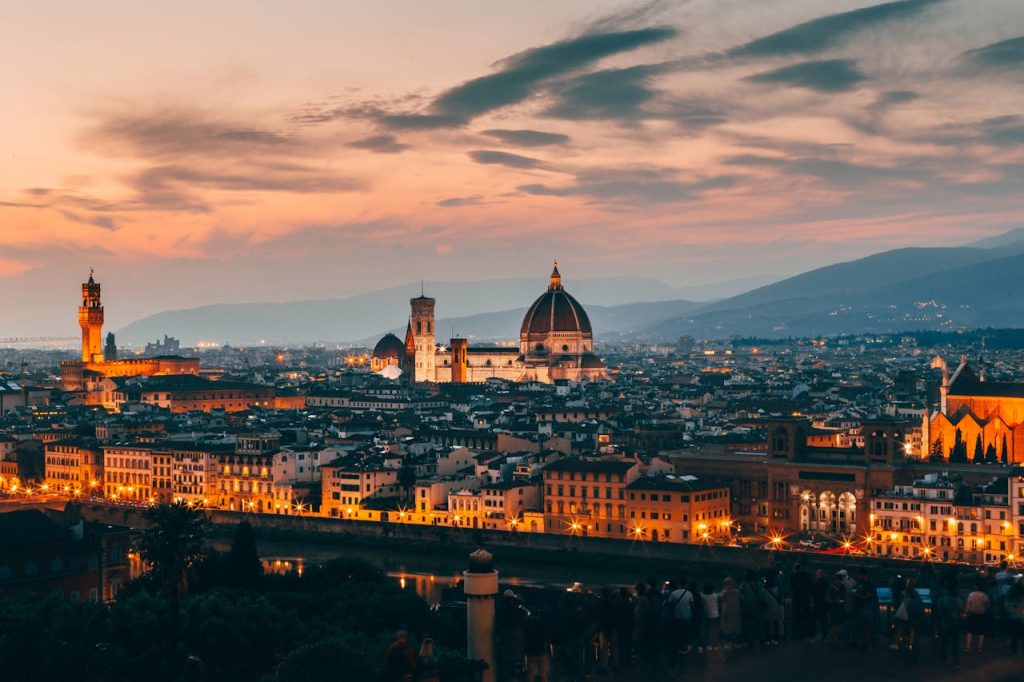
Fall weather reshapes travel across Tuscany countryside. Summer heat fades, making hill towns accessible on foot. Vineyards and olive groves enter harvest season. Landscapes shift into earthy tones under softer light. Agricultural routines become visible. Rural roads feel calmer. Outdoor dining becomes comfortable again. The season emphasizes farming cycles over tourism volume. Fall conditions transform Tuscany from a sun focused destination into a working landscape where food, land, and weather intersect. Travel becomes slower and more immersive, shaped by climate that invites exploration of villages, vineyards, and fields without the intensity of summer temperatures or peak season crowds.
Banff National Park
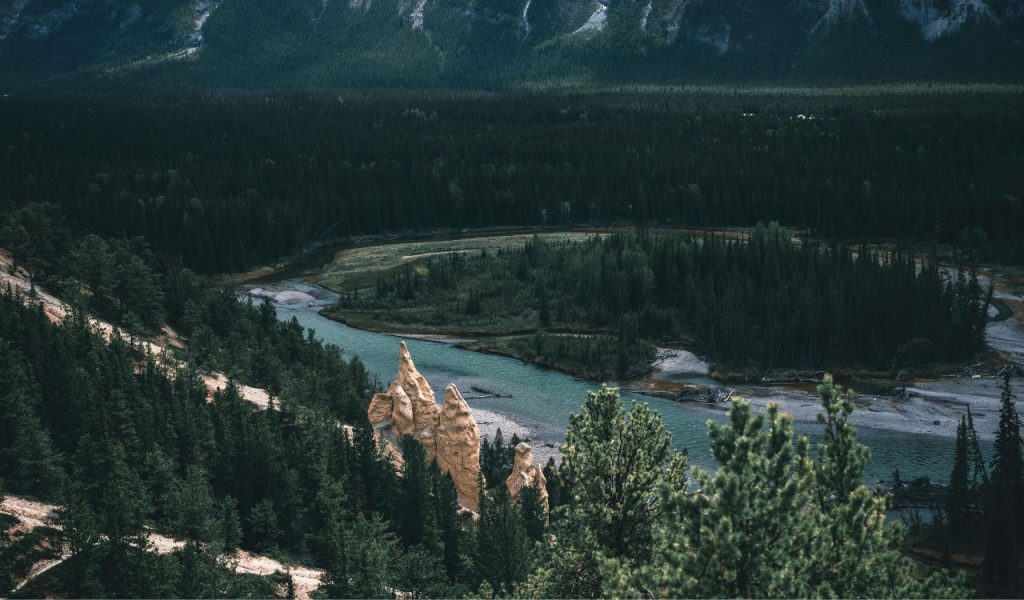
Fall weather dramatically changes the Banff National Park experience. Cooler air makes hiking more comfortable. Wildlife activity increases as summer crowds fade. Larch trees turn golden across mountain slopes. Lakes reflect deeper colors under clearer skies. Trails feel quieter and safer. Snow remains minimal early in the season. Scenic drives replace summer congestion. Fall conditions shift Banff from busy sightseeing hub to serene natural environment focused on observation and movement. Travel becomes more intentional, shaped by weather that reveals landscapes gradually while preserving accessibility before winter limits higher elevations and closes certain routes across the Canadian Rockies.
Barcelona
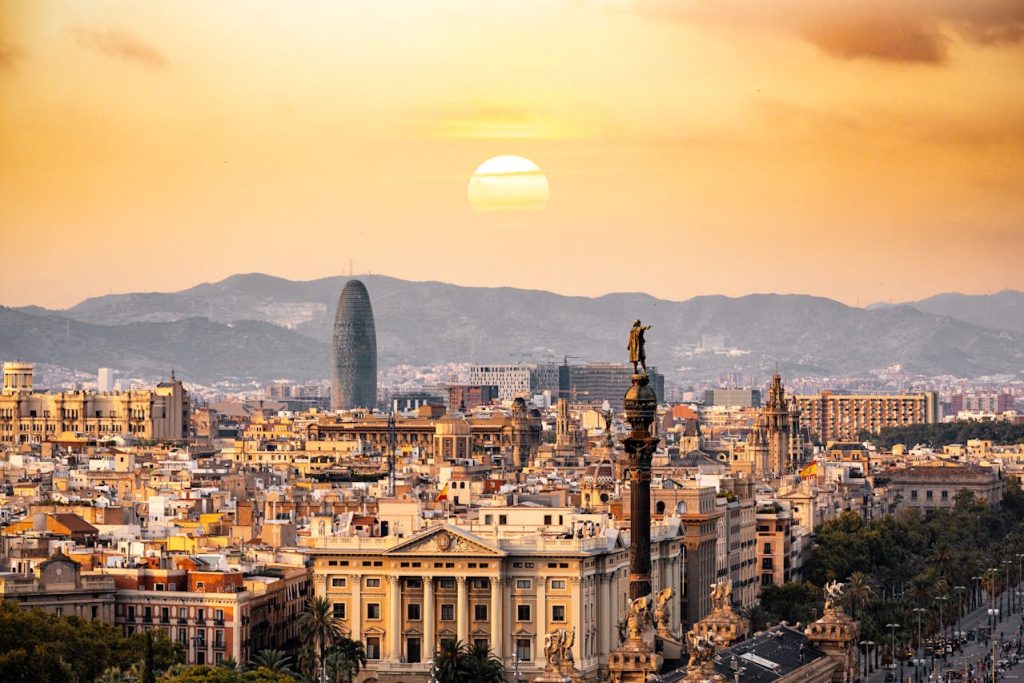
Fall alters Barcelona travel by restoring balance. Summer heat eases, improving comfort across the city. Beaches remain accessible without peak congestion. Cultural sites become easier to navigate. Neighborhood routines return. Outdoor dining continues under mild temperatures. Walking becomes the preferred mode again. Seasonal festivals maintain energy without crowd pressure. Fall weather shifts Barcelona from intense summer destination to livable city experience. Travel emphasizes daily life, architecture, and public spaces shaped by climate that encourages exploration without fatigue, allowing visitors to experience both coastal and urban environments in a more measured, authentic rhythm throughout the city.
New York City
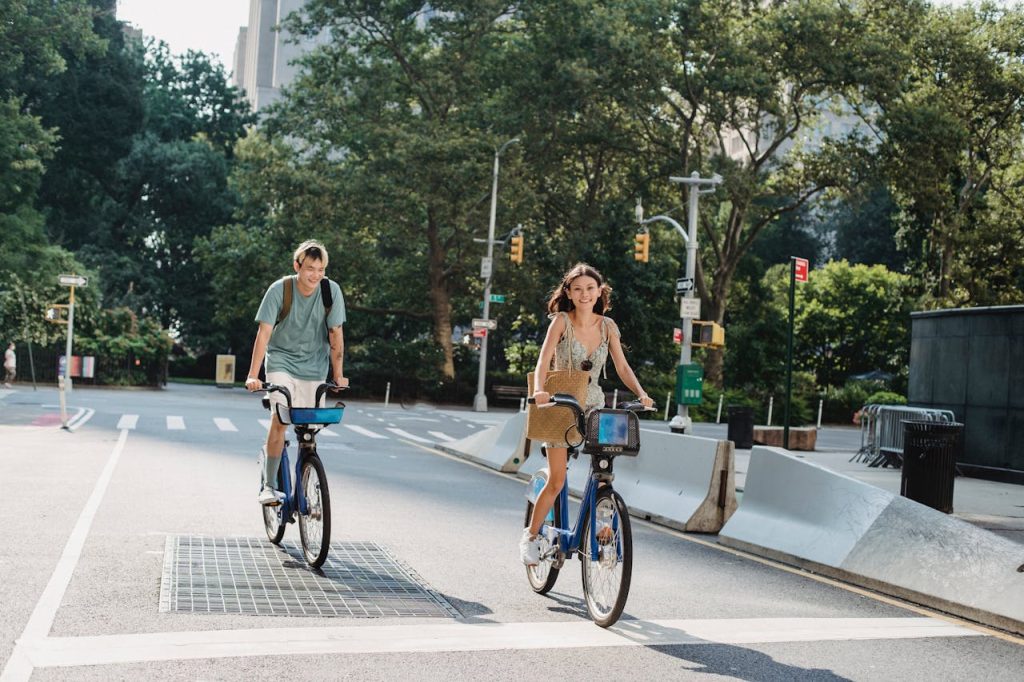
Fall weather transforms New York City travel significantly. Summer humidity disappears, making walking comfortable. Parks shift into autumn color, becoming destinations themselves. Tourist traffic decreases after peak season. Cultural calendars remain active. Outdoor activities regain appeal. Neighborhood streets feel more navigable. Clearer skies sharpen skyline views. The city pace becomes focused and functional. Fall conditions shift New York from endurance based sightseeing to immersive exploration shaped by movement and atmosphere. Travel centers on strolling, observation, and cultural participation rather than heat avoidance, allowing visitors to experience city life more fully through weather that supports longer days outdoors.
Patagonia
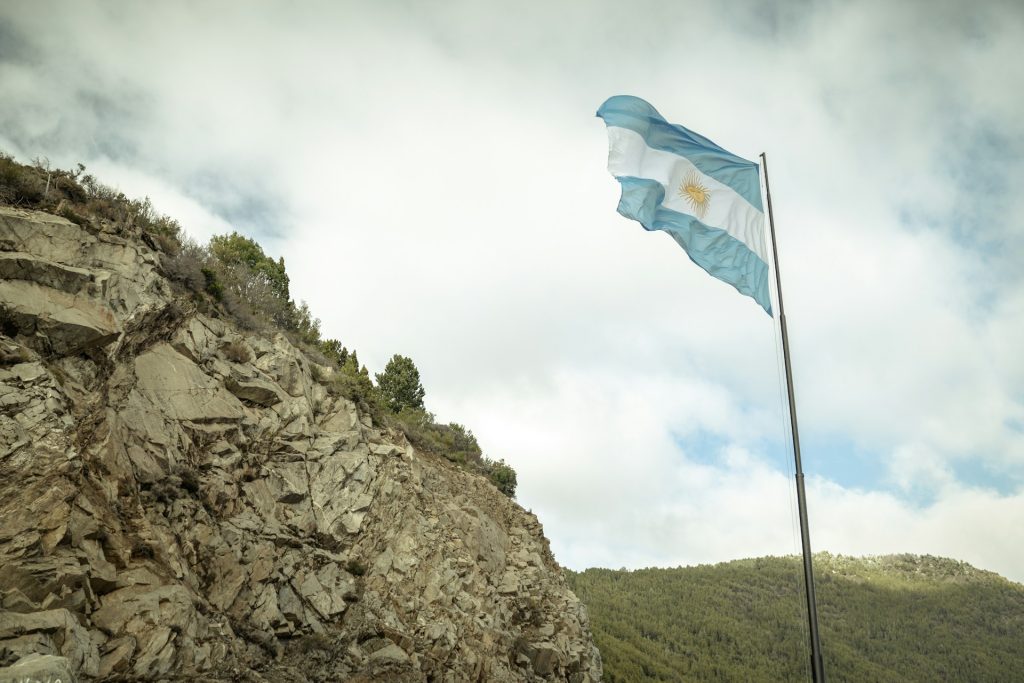
Fall weather redefines travel in Patagonia. Summer winds ease, improving hiking conditions. Temperatures cool without winter extremes. Tourist numbers decline sharply. Landscapes shift into muted reds and golds. Wildlife sightings improve. Trails feel more remote. Clear air enhances mountain visibility. The season emphasizes solitude and scale rather than activity density. Fall conditions transform Patagonia from adventurous summer destination into contemplative wilderness experience. Travel becomes shaped by climate that encourages patience, observation, and slower movement across vast spaces before winter snow restricts access and alters logistics throughout southern Argentina and Chile.
Bavaria
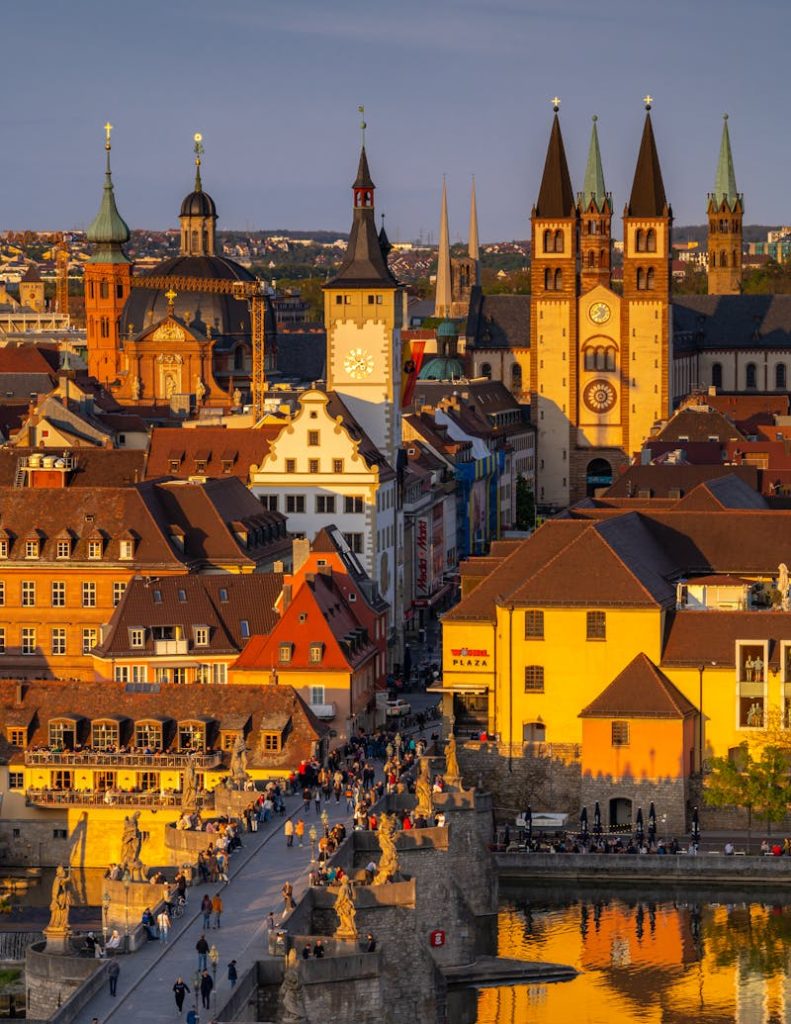
Fall weather reshapes Bavaria travel through climate and culture. Cooler temperatures make city exploration comfortable. Alpine scenery gains autumn color. Hiking becomes more accessible. Beer halls and festivals move activity indoors and outdoors comfortably. Summer tourism fades, revealing local routines. Clear air sharpens mountain views. Fall climate shifts Bavaria from scenic backdrop to seasonal experience rooted in tradition, landscape, and daily life. Travel focuses on villages, trails, and social spaces shaped by weather that encourages participation without extremes, allowing visitors to experience both urban centers and rural areas under conditions that highlight regional character and seasonal rhythms.
Quebec City
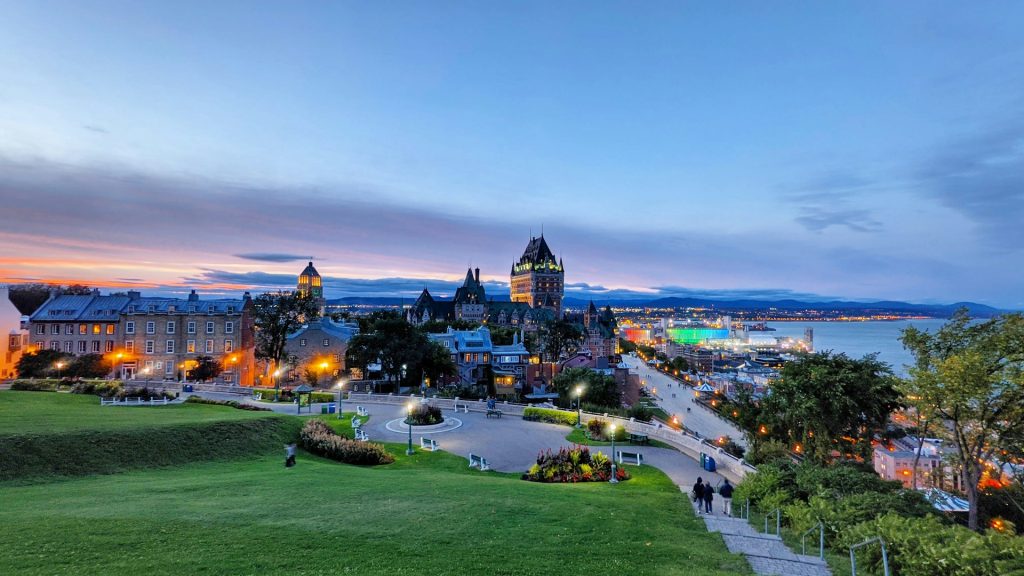
Fall weather changes Quebec City travel noticeably. Cooler air makes walking the historic district comfortable. Tree lined streets and fortifications gain autumn color. Cruise traffic declines. Cultural life continues with calmer pacing. Outdoor cafes adapt to crisp temperatures. Clear skies enhance views over the St Lawrence River. The season emphasizes history and scenery over volume. Fall conditions shift Quebec City from busy summer destination to atmospheric heritage setting where weather shapes movement, mood, and appreciation of architecture. Travel becomes centered on strolling, observation, and cultural immersion under conditions that feel intimate and reflective before winter transforms the city again.