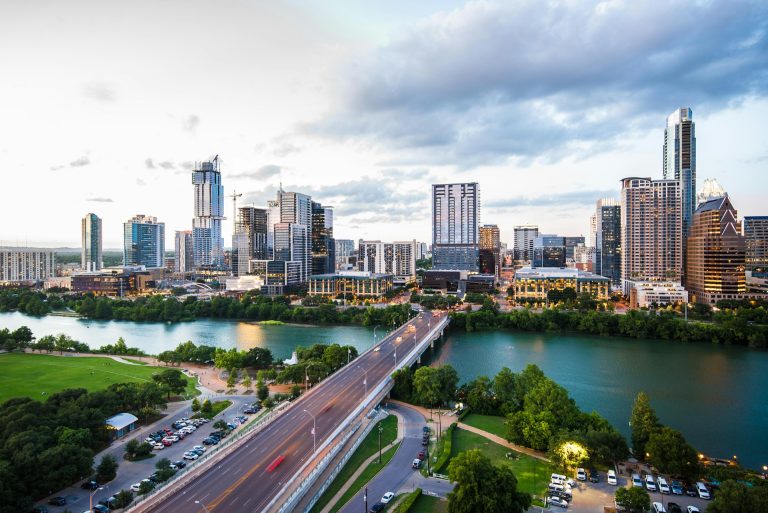
10 European Cities Using Permits To Control Tourist Crowds
Europe is done pretending crowds will sort themselves out.
Across major destinations, permits, vouchers, and timed-entry slots now decide who can show up, and when. Some systems target day-trippers, others regulate tour buses, and many protect a single landmark that can overwhelm a whole district in an hour.
These rules are not meant to punish travel. They spread arrivals, cut the worst choke points, and give residents back a normal morning. They also force better planning, which quietly weeds out the most rushed visits. When timing works, the city feels more like itself, and the famous sights stop feeling like a test of patience.
Amsterdam, Netherlands

Amsterdam treats ocean-cruise arrivals like something that needs permission, not momentum. City policy is set to cap sea-cruise calls at 100 a year from 2026, turning docking into a controlled schedule, with leaders also talking about an eventual end to ocean cruising later on.
One ship can drop thousands near Central Station in minutes, and the spillover hits trams, bridges, and the canal belt at once. Fewer approved calls means fewer surprise surges, less pressure on narrow streets, and quicker recovery after lunch. Even when it is lively, the busy hours are shorter, so cafés, bikes, and canal walks feel normal again by late evening.
Barcelona, Spain
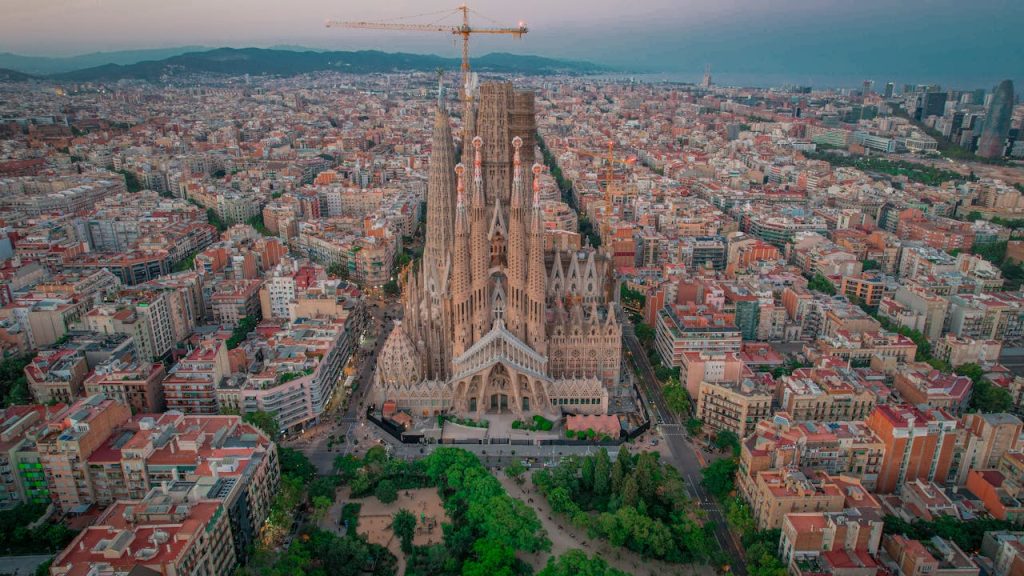
Barcelona uses timed entry at Park Güell as a clean permit system for its busiest corners. Access to the Monumental Zone is limited to 1,400 visitors per hour, and tickets are tied to a specific time band rather than an open-ended arrival.
That structure protects both the park and the neighborhood around it. Arrivals are staggered, viewpoints do not lock into one slow-moving jam, and staff can keep paths flowing without turning the place into a shuffle. It also preserves resident-only periods, so local access is not swallowed by demand. Outside the gates, nearby bus stops and cafés avoid the surge-and-collapse pattern that drains patience.
Salzburg, Austria
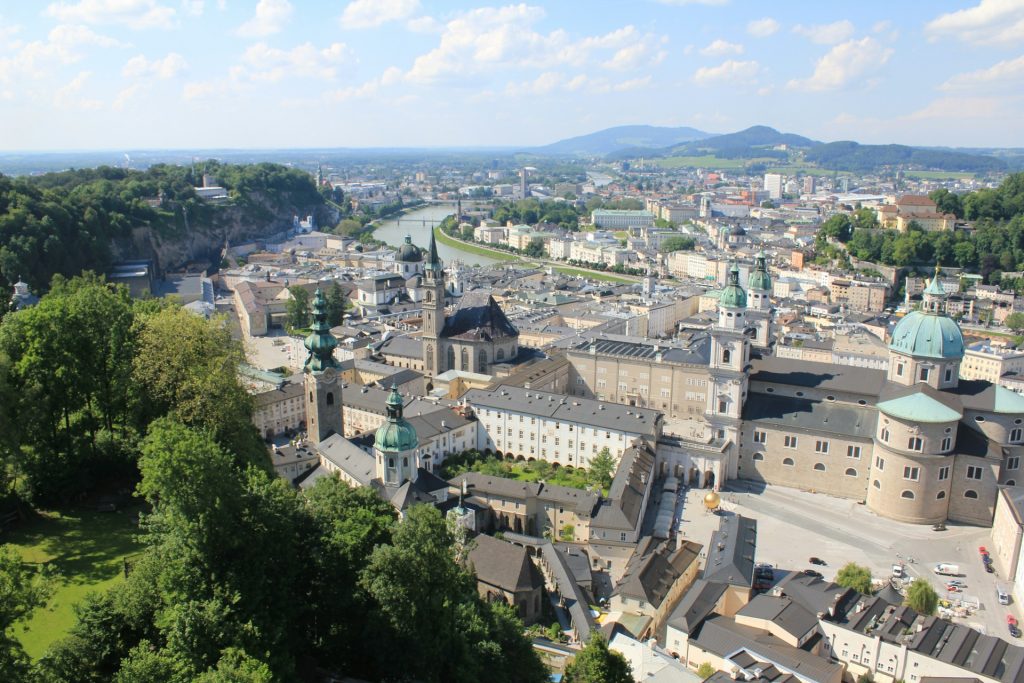
Salzburg controls coach tourism with an online booking system that works like a permit for Old Town access. Bus companies reserve drop-off and pick-up time slots at designated terminals, and the booking bundles in parking so coaches are not tempted to circle the center.
The price is about €90 per slot, which forces operators to plan instead of improvising curbside. That rule prevents convoys from stacking up, reduces idling on residential streets, and stops multiple groups from stepping off into the same narrow lanes at once. The historic core stays walkable at midday, when group traffic used to hit hardest, and locals feel the difference.
Lucerne, Switzerland
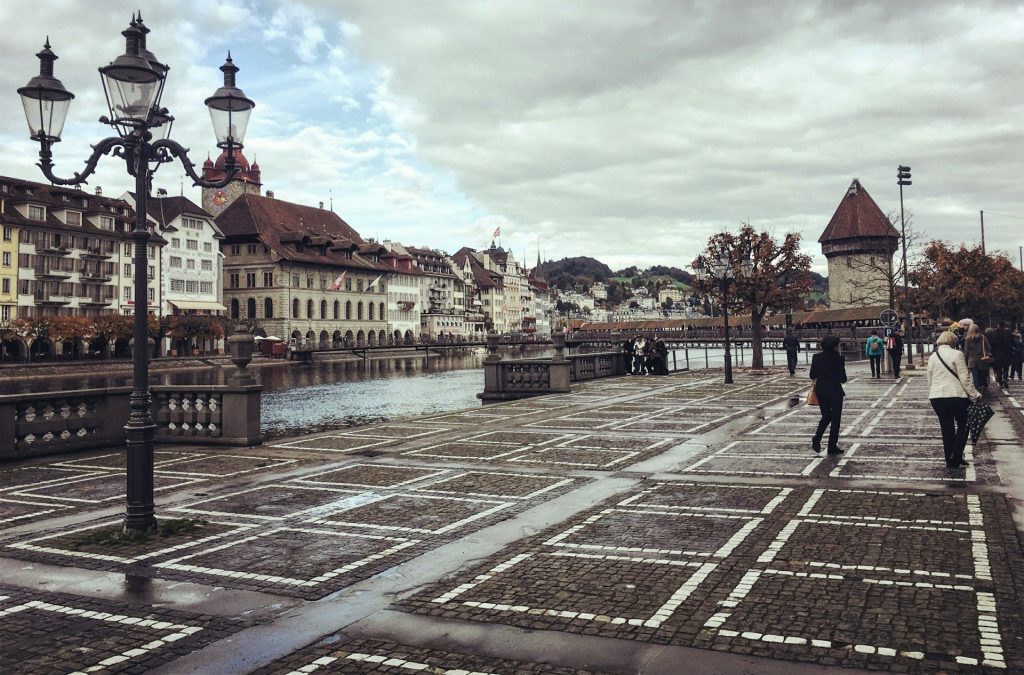
Lucerne is blunt about coach access: no voucher, no central stop. From Apr. 1, 2025, buses must book online and pay a CHF 100 stopping fee to use city-center drop-off and pick-up points, turning curb space into something that requires permission.
The voucher covers one drop-off and one pick-up, plus up to 24 hours of parking in designated spaces, so coaches do not loop through tight streets hunting for gaps. A CHF 75 single-stop option exists, but booking is still mandatory. By limiting how many groups unload near the lakefront, crosswalks clear faster and promenades stay walkable. The first view feels like Lucerne, not traffic, even at noon.
Hallstatt, Austria
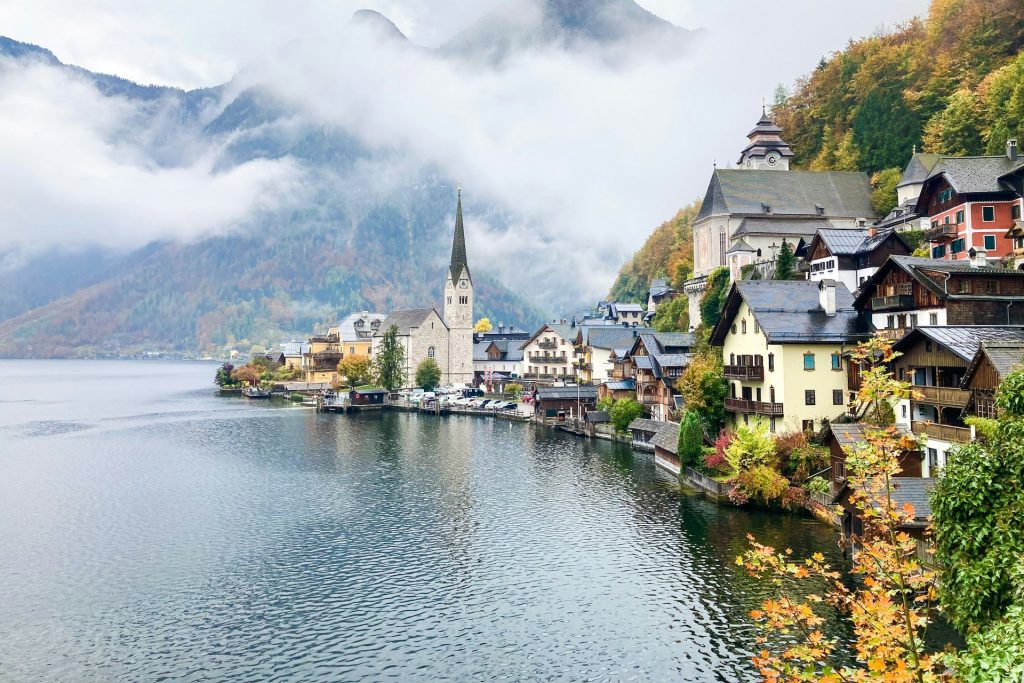
Hallstatt treats coach arrivals as reservation-only, because the village cannot absorb endless drop-offs. Tour operators register, then book entry and exit slots at the terminal, receiving a QR-code ticket that can be checked on arrival.
The exit slot must be at least 2 hours 20 minutes after entry, and terminal time is tightly limited, which discourages the quick, churn-and-leave visit. Slots also stop convoys from stacking on small roads and keep the lakefront from becoming a constant turnover zone. With flow paced, the promenade opens up, shops feel reachable, and the view has time to land before the next wave rolls in, too.
Vienna, Austria
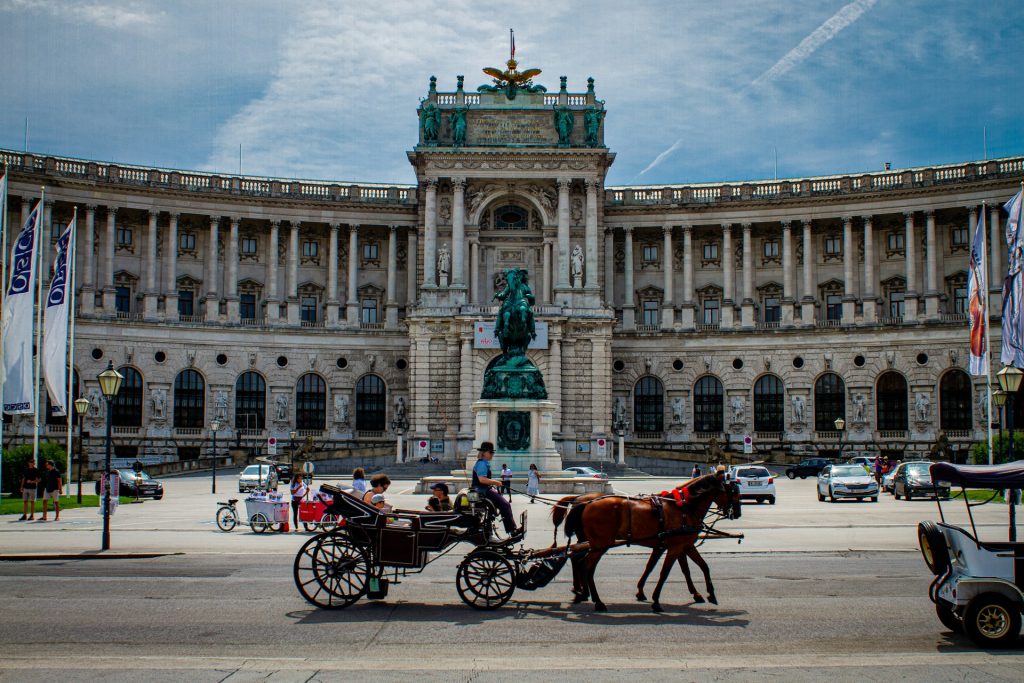
Vienna keeps Schönbrunn Palace from turning into a wall-to-wall queue by using fixed admission times. Tickets function like a permit for a specific slot, and securing that time in advance is the simplest way to avoid long waits at the gates.
Pacing protects the rooms and the mood. Staff can manage capacity, corridors do not clog into a slow shuffle, and courtyards stay pleasant instead of filling with frustrated waiting crowds. It also sharpens group behavior outside: meetups are cleaner, arrivals cluster less, and the gardens absorb visitors in steadier waves across the day. Even in July, the visit feels scheduled, not fought over.
Paris, France
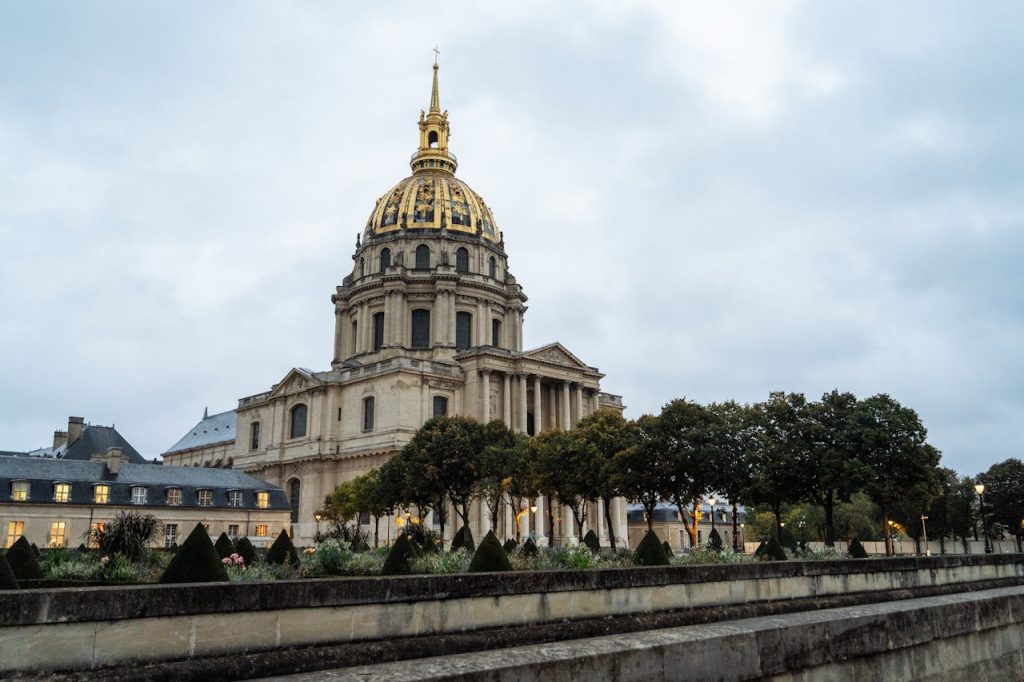
Paris applies permit logic at the Louvre through time-stamped tickets. The museum advises visitors, including those eligible for free entry, to book a specific slot online, so arrival becomes a reserved window instead of a chaotic free-for-all.
That matters because the Pyramid is a pressure point where crowds stack fast. Staggered entry keeps security lines more predictable, and the forecourt is less likely to lock into one slow-moving mass when tour groups hit at once. Inside, galleries feel less like corridors for shuffling feet, and more like rooms meant for looking, with staff able to manage pinch points before they swell.
Rome, Italy
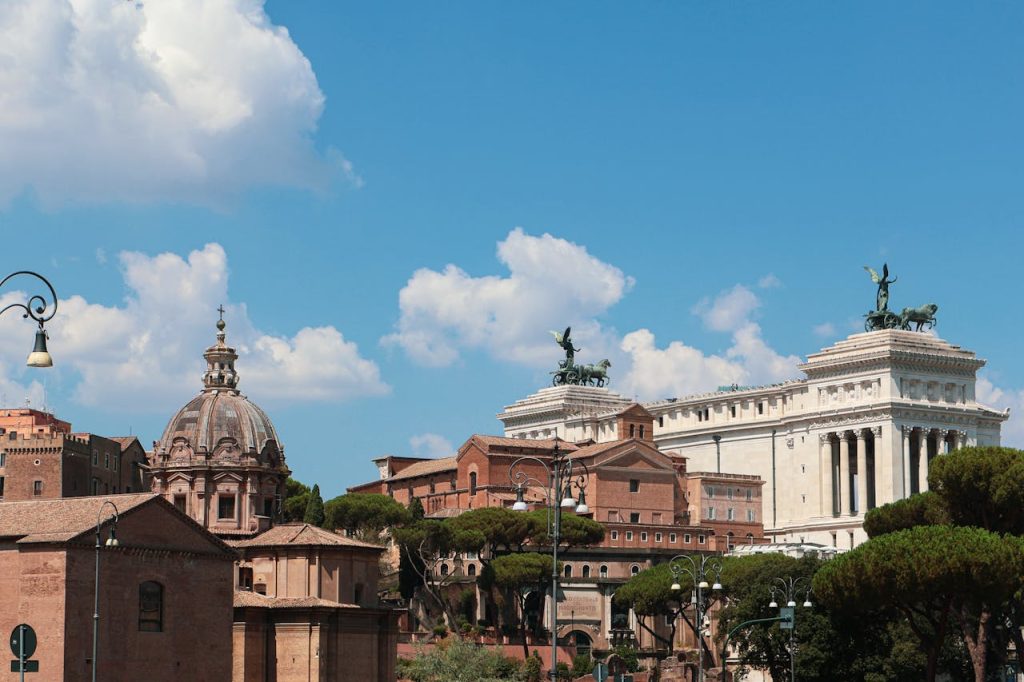
Rome treats the Colosseum like a controlled door. Official tickets are sold with a compulsory reserved entry time, so admission is permission for a specific moment, not a plan that invites a long queue to form outside.
The structure fits the problem: limited gates, massive demand, and a neighborhood that cannot handle hours of waiting crowds. Timed entry spreads arrivals through the day, reduces the sharpest surges at turnstiles, and makes security lines less likely to explode without warning. It also changes behavior on nearby streets, as guides stagger meetups and families time meals, so the area feels more orderly even when it stays busy.
Athens, Greece
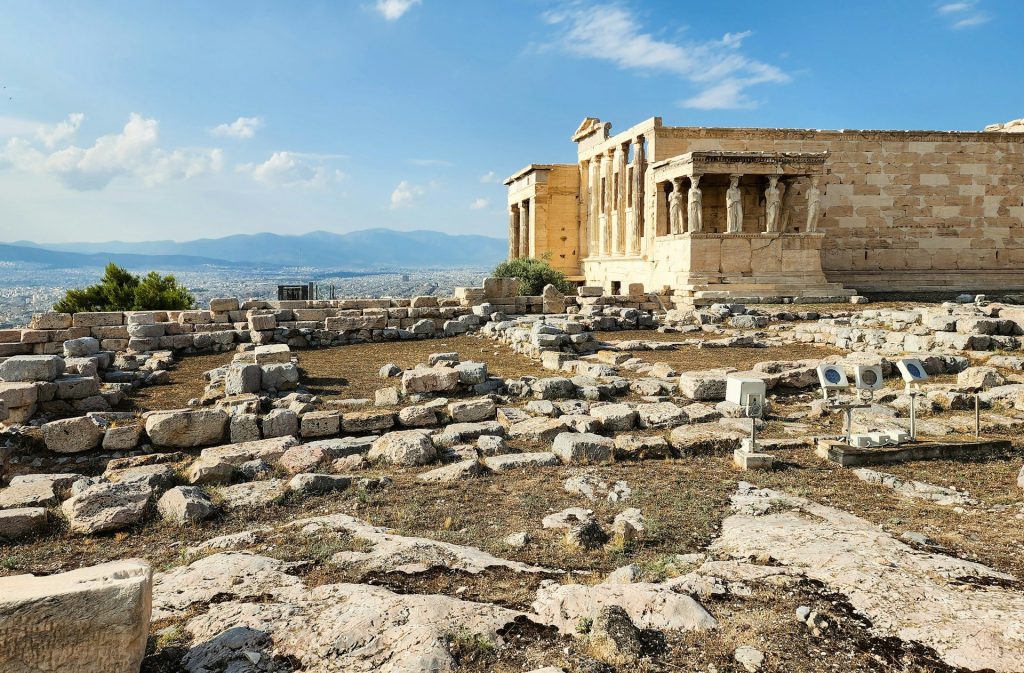
Athens uses timed entry for the Acropolis, and since Apr. 1, 2024, entry is only allowed during the selected slot. The ticket functions like a permit for a specific hour, with a 15-minute grace window on either side.
On hot, high-demand days, that pacing is practical. It spreads arrivals at the gates, reduces bottlenecks on narrow paths, and gives staff a better chance to manage flow near the Parthenon viewpoints. The summit is still popular, but it is less chaotic, and the climb feels steadier. Timing also makes planning simpler for guides and families, which cuts down on milling crowds below the entrance, especially at midday.
Vatican City
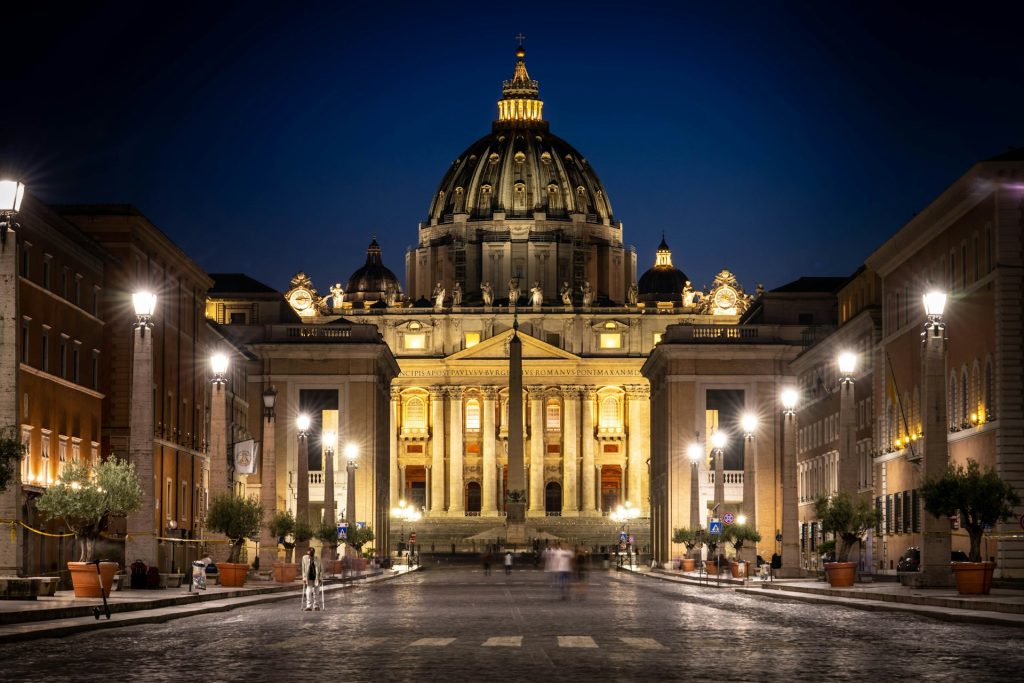
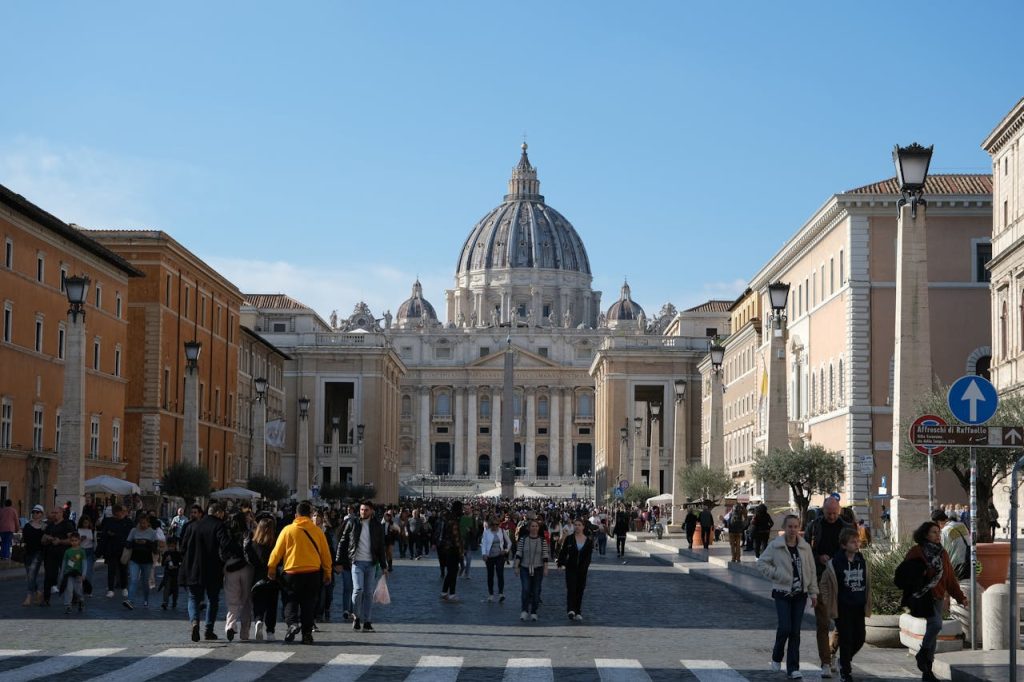
Vatican City relies on timed reservations at the Vatican Museums to keep one of Europe’s busiest museum entrances from turning into an all-day crush. Tickets are sold for a selected date and entry time, so arrival is tied to a slot rather than a gamble.
That time-based permission shapes the area outside the walls. Security lines stay more predictable, tour groups can be staggered, and the streets near the entrance are less likely to clog into a single queue. Inside, the flow through galleries and corridors is easier to manage, which protects both staff and visitors. The result is still busy, but far less chaotic than open entry.