10 Hidden U.S. Waterfalls Few Tourists Ever Find
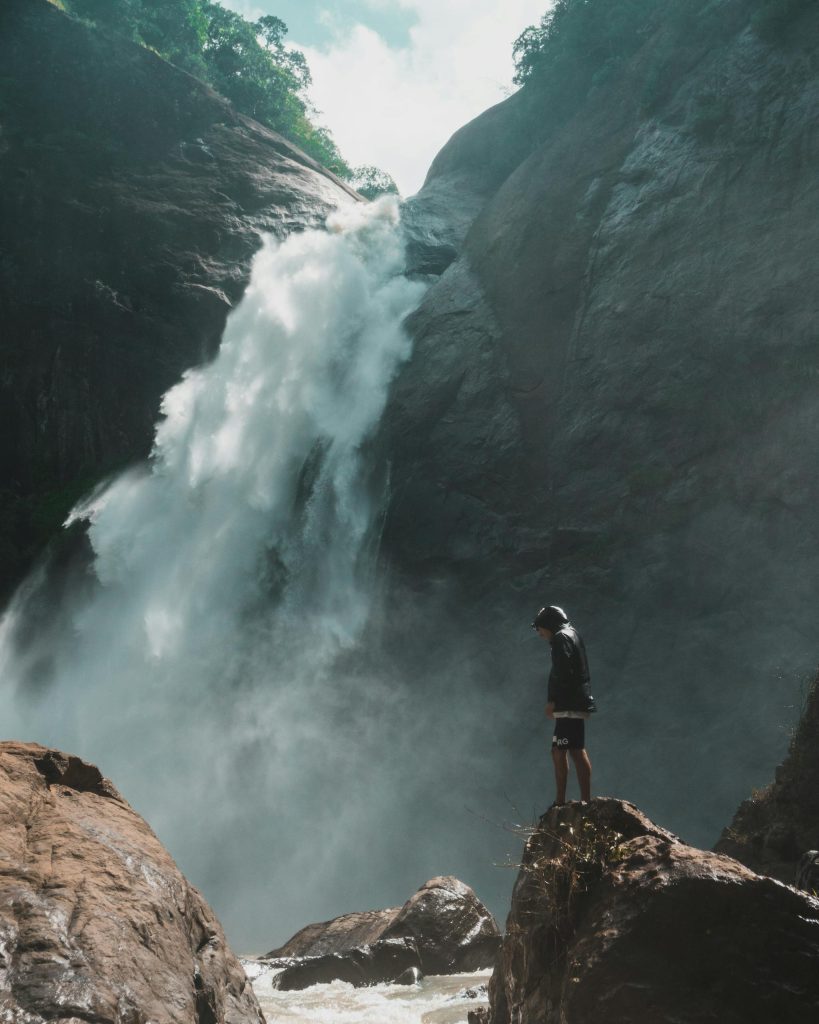
National Park Service rangers and backcountry guides report that while millions of visitors flock to iconic sites like Niagara and Yosemite Falls, the most spectacular hydrological features in the United States often remain virtually unvisited. Geology experts and hydrologists explain that the specific topography required to create these secluded cascades often necessitates difficult terrain or remote locations that naturally filter out the casual tourist. This creates a preservation effect where the ecosystem surrounding the falls remains pristine and the visitor experience is defined by solitude rather than crowd management.
Wilderness survival instructors and landscape photographers emphasize that finding these hidden gems requires more than just a GPS coordinate. Reaching them often involves navigating unsigned trails, understanding seasonal water flow patterns, and possessing a high degree of physical fitness. For those willing to put in the effort, these ten waterfalls offer a rare glimpse into the raw power of the American landscape as it existed before the era of paved overlooks and tour buses.
Union Falls In Wyoming
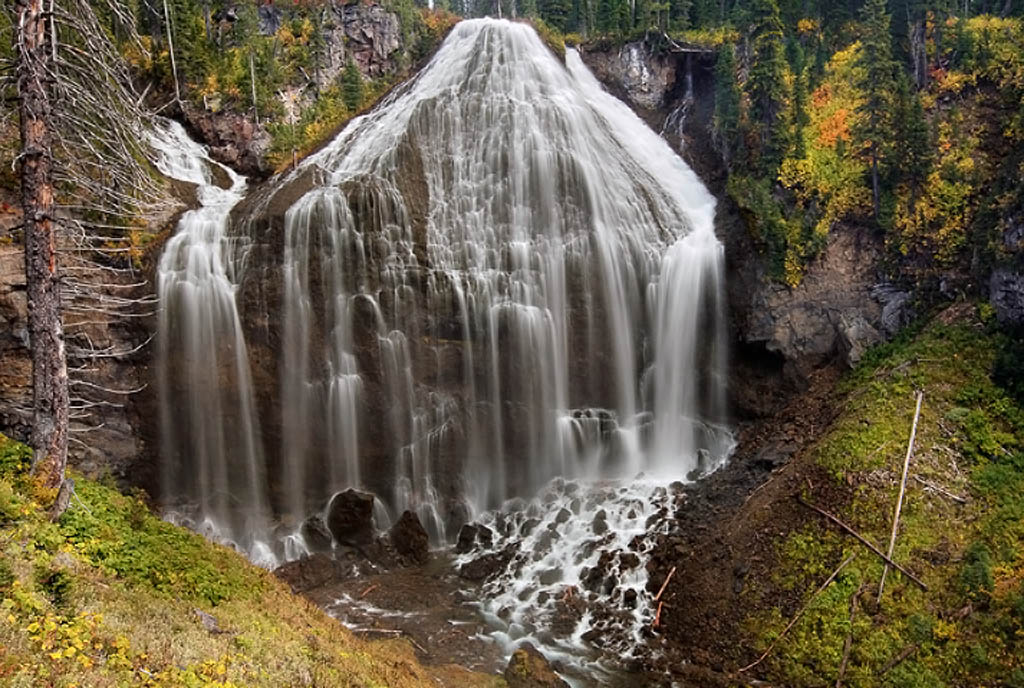
Yellowstone backcountry rangers consistently identify Union Falls as the park’s most impressive secret. Located deep in the Cascade Corner of the park, reaching this two hundred and fifty foot cascade requires a strenuous fifteen-mile round trip hike that deters all but the most committed backpackers. Geological surveyors note that the falls are unique not just for their height but for their width and the massive volume of water that tumbles over the volcanic rock face.
The journey involves fording the Falls River which requires careful timing and knowledge of river safety protocols. Park biologists highlight that the isolation of the area creates a prime habitat for grizzly bears and wolves meaning hikers must be well versed in bear safety. The reward for this logistical challenge is a view of a thunderous waterfall that rivals the Lower Falls in grandeur but is often viewed in complete silence without another human in sight.
Manawaiopuna Falls In Hawaii
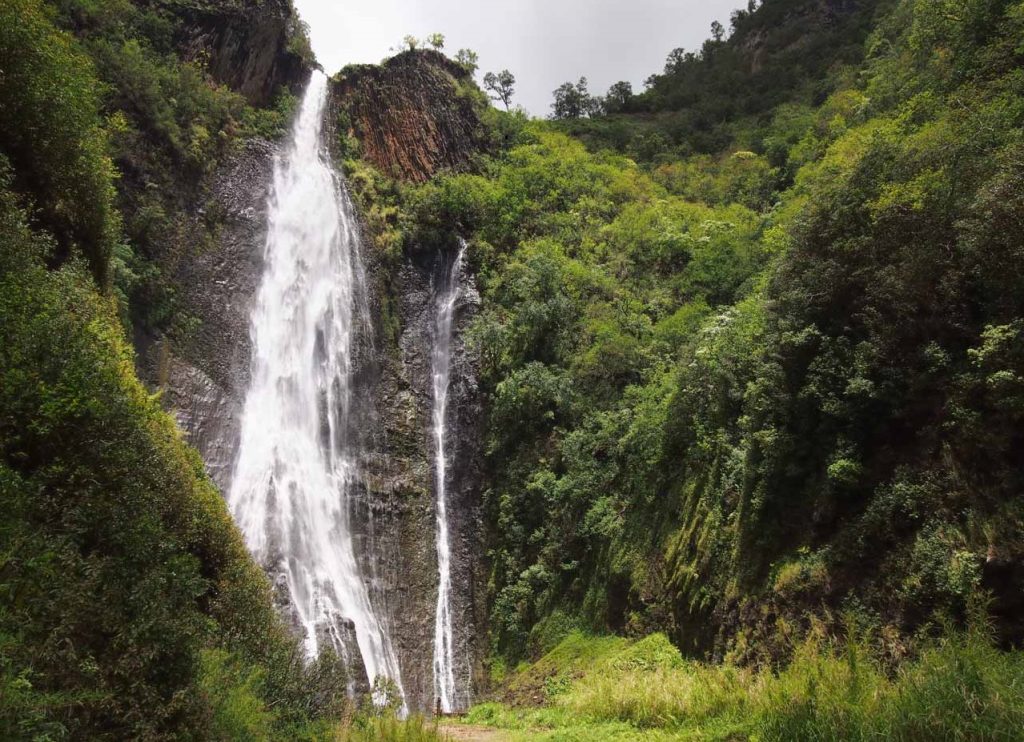
Aviation experts and island conservationists note that Manawaiopuna Falls on Kauai is one of the most recognized yet least visited waterfalls in the world. Famous for its appearance in the film Jurassic Park, the falls are located on private land deep within the Hanapepe Valley and are inaccessible by road or foot. Local land management officials explain that the only legal way to view the falls is via a helicopter tour that has specific landing permits.
This restricted access ensures that the delicate rainforest ecosystem surrounding the base of the falls remains undisturbed by foot traffic. Botanists value the area for its collection of native Hawaiian flora that thrives in the misty, protected environment of the canyon. For the few travelers who secure a landing, the experience offers a prehistoric sense of scale and isolation that is impossible to find on the island’s public beaches.
Grand Falls In Arizona
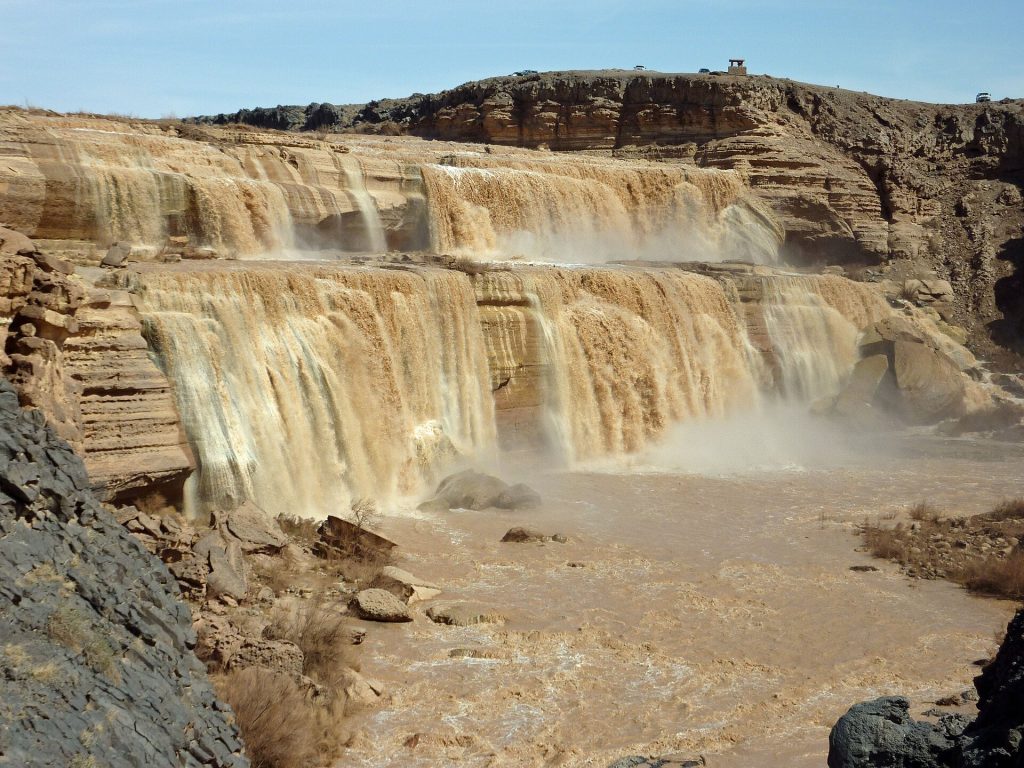
Navajo Nation tourism officials and geologists describe Grand Falls as a phantom wonder that exists only during specific windows of time. Located in the Painted Desert, the falls are higher than Niagara but remain dry for much of the year. Hydrologists advise that seeing the chocolate-colored water roar over the limestone terraces requires timing a visit with the spring snowmelt from the White Mountains or the summer monsoon rains.
The site is located off the paved road system and requires navigating rough dirt tracks that can become impassable in wet weather. Indigenous guides emphasize that the falls are a sacred site and visitors must respect the land and local regulations. The ephemeral nature of the falls means that many tourists arrive only to find a dry cliff ensuring that witnessing the water in full flow remains an exclusive experience reserved for those who diligently track weather patterns.
Hemmed-In-Hollow Falls In Arkansas
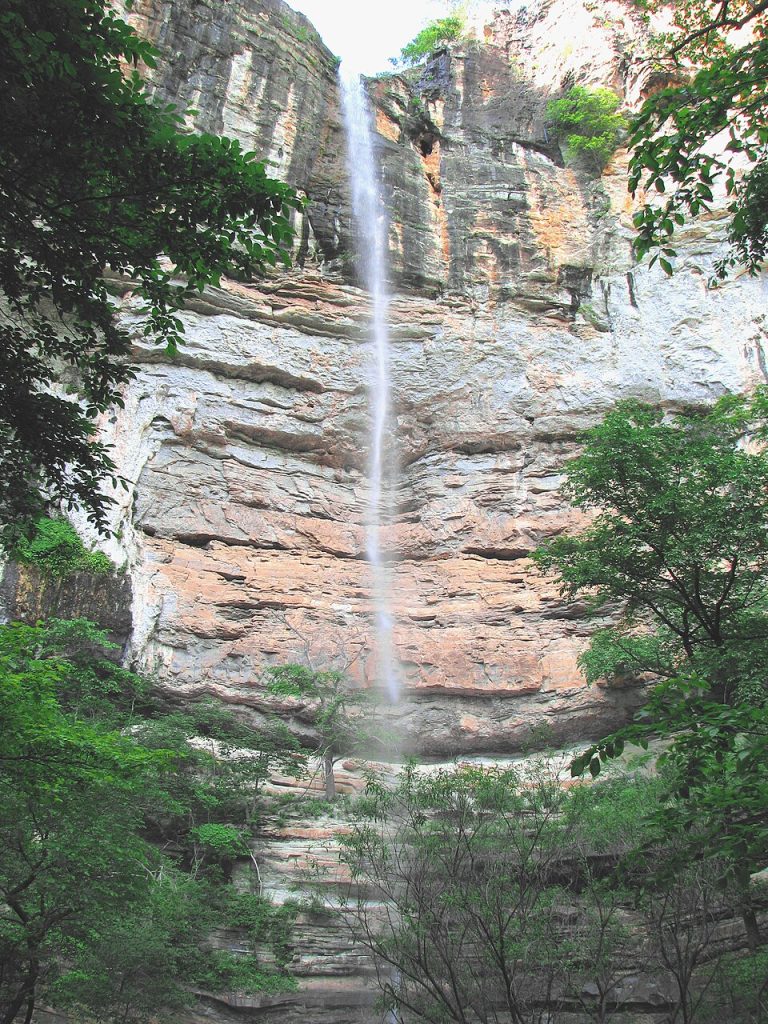
Buffalo National River rangers cite Hemmed-In-Hollow as the tallest waterfall between the Rockies and the Appalachians with a single drop of two hundred and nine feet. Despite its record-breaking height, the falls remain relatively obscure due to the grueling nature of the hike required to reach them. Trail maintenance crews warn that the hike out of the canyon involves a steep vertical ascent that catches many unprepared day hikers off guard.
The waterfall creates a natural amphitheater in the limestone bluffs that amplifies the sound of the water and the wind. Environmental scientists note that the flow is highly rainfall-dependent turning from a thunderous pour in the spring to a delicate mist in the summer. This variability means that the character of the destination changes weekly rewarding those who understand the local hydrology with a private audience with one of the Ozarks’ greatest geological features.
Spirit Falls In Oregon
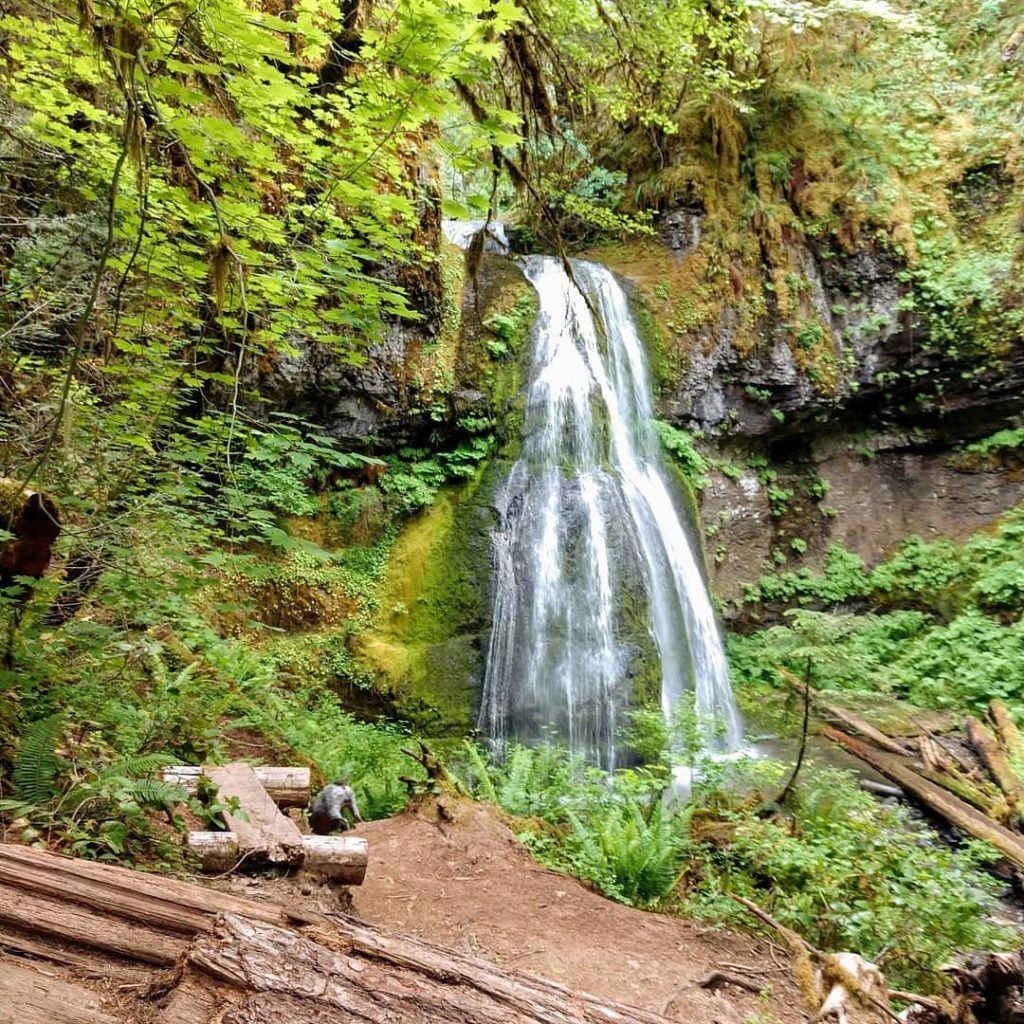
Local safety officials and landscape photographers frequently discuss Spirit Falls as a destination that demands respect for the terrain. Hidden within the Umpqua National Forest, the trail to the falls is an unmarked and steep scramble down a ravine that functions more like a controlled slide than a hike. Search and rescue teams emphasize that the lack of official signage and the difficult footing keep the crowds at bay.
The falls themselves drop over moss-covered basalt into a pool of stunning turquoise water creating a scene that looks almost tropical despite the temperate rainforest setting. Forestry experts note that the lush vegetation in the ravine is fragile and benefits from the low volume of visitors. Those who navigate the descent find a magical grotto where the only sound is the roar of Alex Creek meeting the stones.
Fall Creek Falls In Idaho
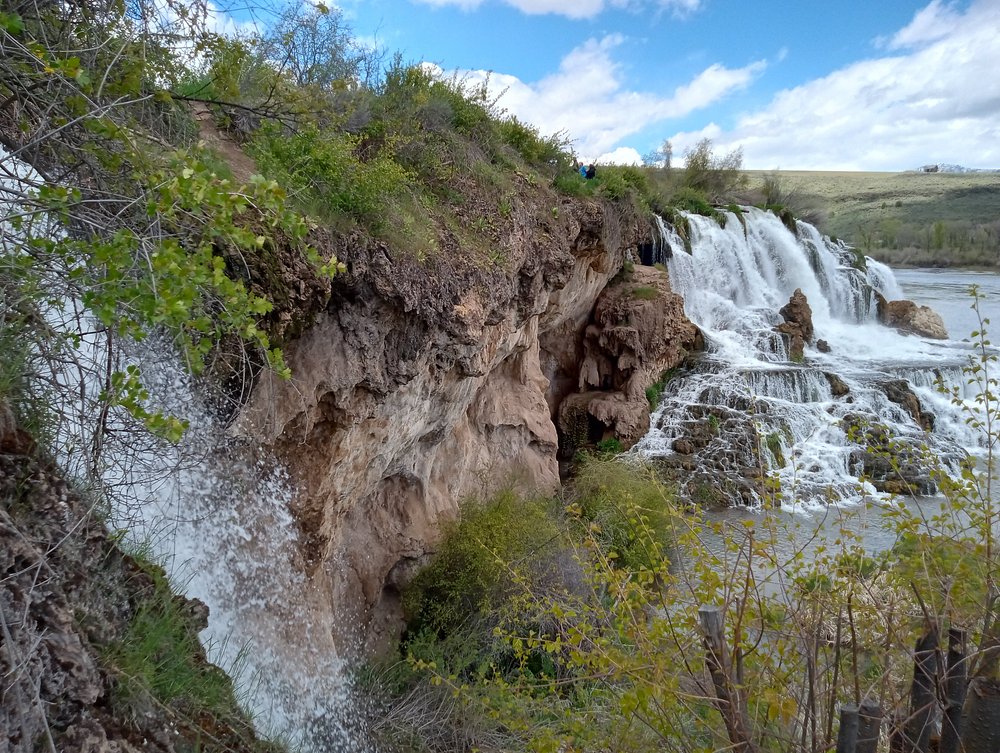
Boating safety experts and Snake River guides identify Fall Creek Falls as a spectacular sight that is often missed because the best view is from the water. While a rough trail leads to the top, the full grandeur of the water cascading directly into the river is best appreciated by kayak or boat. Hydrologists explain that the falls are fed by a complex aquifer system that ensures a consistent flow even during dry summers.
The location in the Swan Valley requires a deliberate detour from the main tourist routes leading to Jackson Hole or Yellowstone. Wildlife biologists value the riparian zone around the falls for its bird population including eagles and osprey that fish in the turbulent waters. The necessity of watercraft for the optimal view filters out the drive-by tourists preserving a sense of discovery for those who paddle to the base.
Bond Falls In Michigan
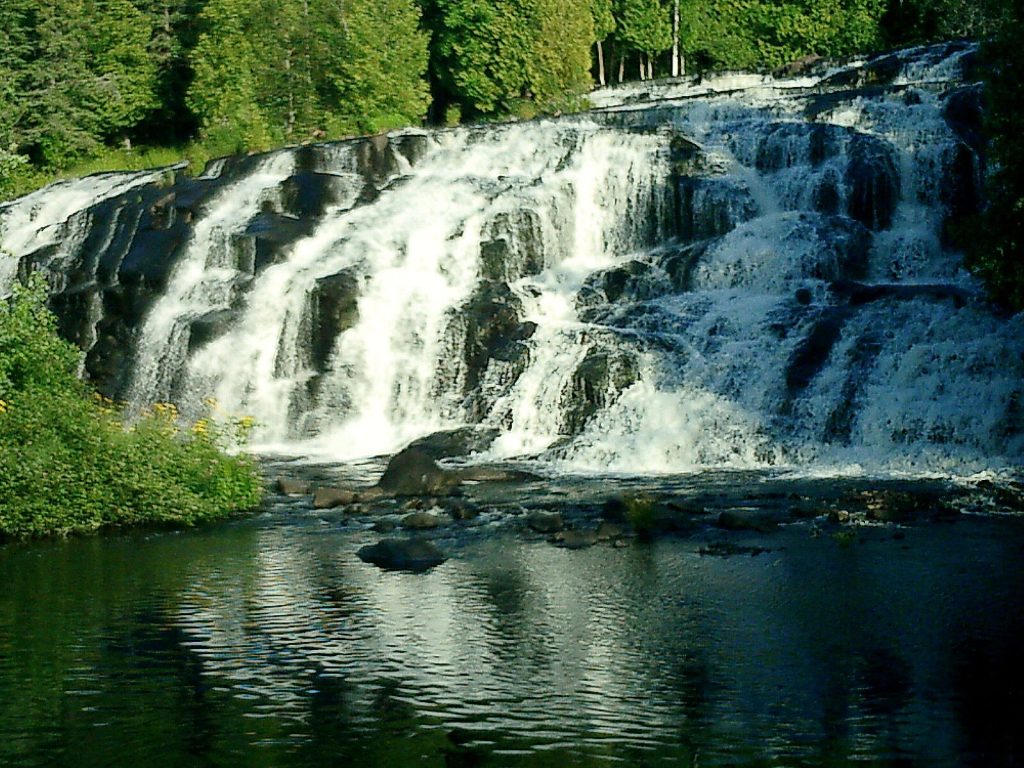
Power company officials and Upper Peninsula tourism boards recognize Bond Falls as a managed resource that offers a surprisingly wild experience. Located on the Middle Branch of the Ontonagon River, the flow is regulated by a dam but the water tumbles over a complex series of volcanic rock ledges creating a wide and intricate curtain of white water. Local guides note that while the site is accessible, its location in the remote western Upper Peninsula keeps it far from the heavy traffic of the Mackinac region.
The surrounding parkland features a boardwalk system that allows visitors to view the falls from multiple angles without damaging the riverbank. Conservationists praise this design for balancing access with environmental protection. The distance from major interstate highways ensures that Bond Falls remains a quiet retreat where the roar of the water is the dominant feature of the landscape.
Comet Falls In Washington
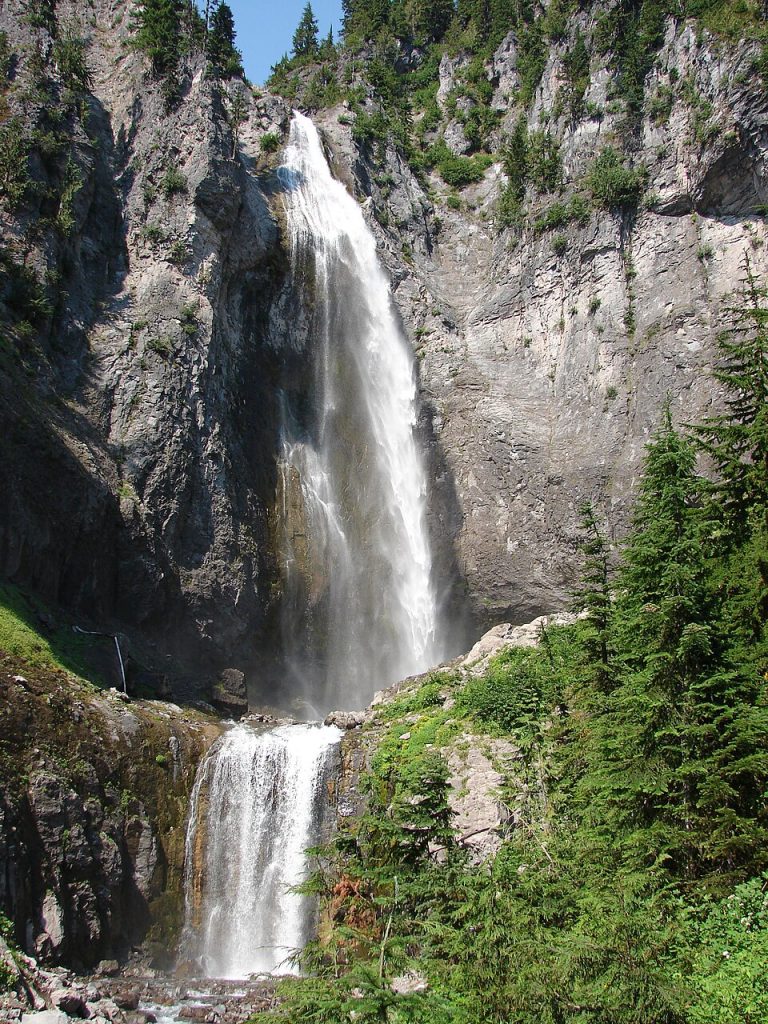
Mount Rainier climbing rangers describe Comet Falls as one of the park’s most impressive features that is protected by a punishing vertical gain. The trail climbs steadily for nearly four miles forcing hikers to earn the view of the three hundred and twenty foot drop. Park superintendents note that the steep grade thins out the crowds significantly leaving the upper trail to those with the stamina to persevere.
Glaciologists explain that the falls are fed by snowfields that linger late into the summer keeping the water icy cold and the flow robust. The mist from the falls supports a vibrant ecosystem of wildflowers and mosses that carpet the surrounding rocks. Standing at the base of the falls offers a visceral reminder of the mountain’s scale as the water plummets from a hanging valley created by ancient glacial activity.
Virginia Falls In Montana
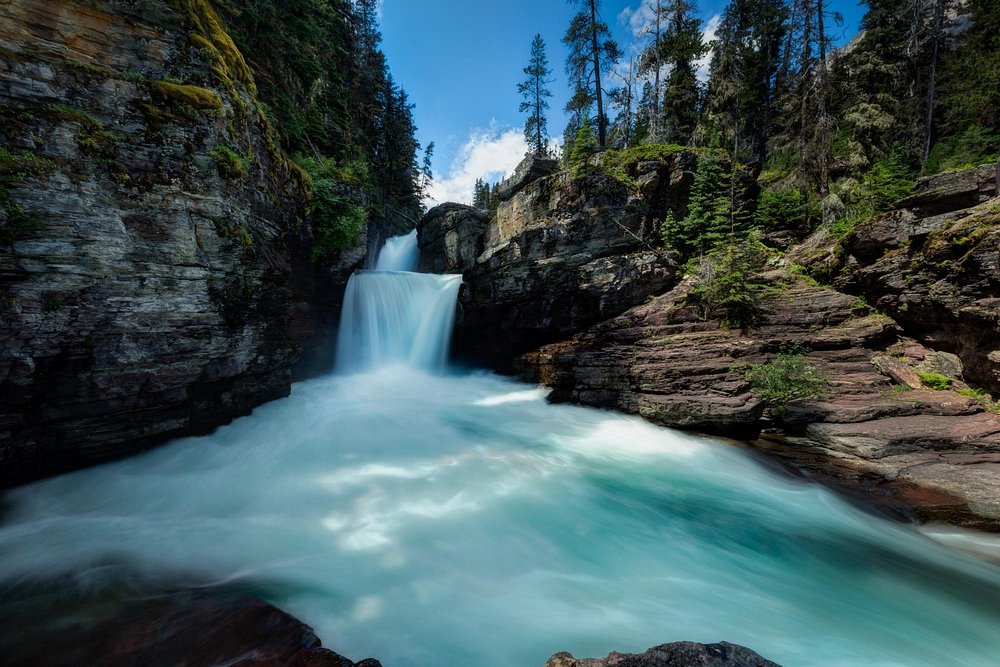
Glacier National Park conservationists and trail guides highlight Virginia Falls as a multi-tiered masterpiece hidden within the St. Mary Valley. While many visitors stop at the more accessible St. Mary Falls, fewer continue the hike to the upper Virginia Falls. Park naturalists explain that the extra effort reveals a much taller and more powerful cascade that drops dramatically amidst a forest of fire-ravaged snags and regenerating pines.
The trail offers a lesson in forest ecology showcasing the recovery of the landscape after wildfires. Water quality experts note that the glacial origin of the water gives it a pristine clarity and a piercing blue hue. The relative solitude of the upper falls allows hikers to observe the interplay of water and rock without the distraction of the crowds found on the Going-to-the-Sun Road.
Elakala Falls In West Virginia
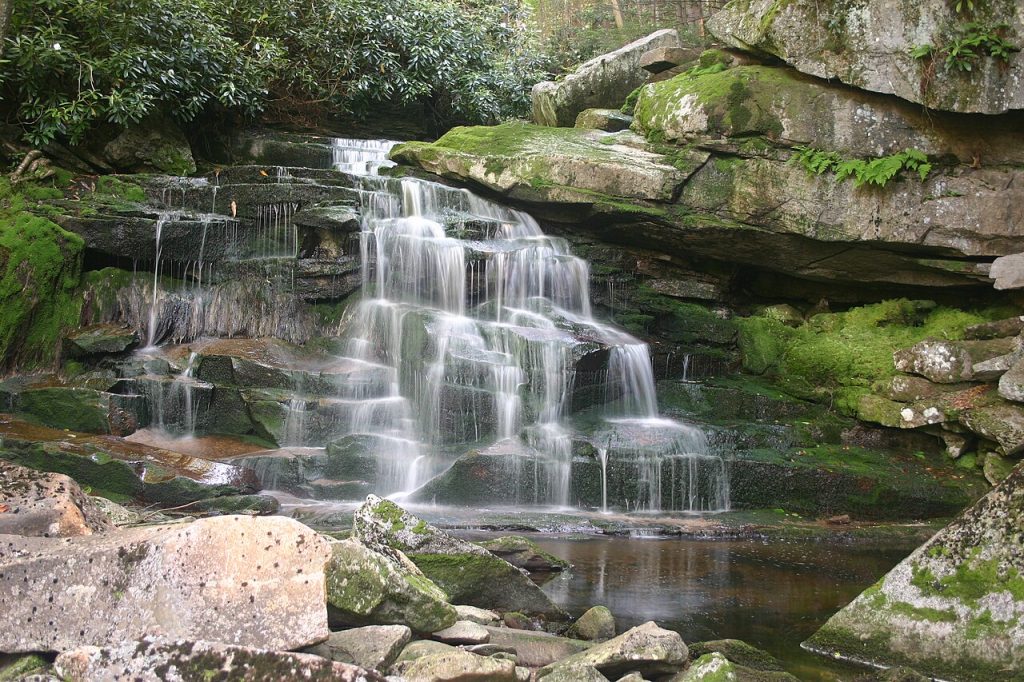
State park naturalists and photographers revere Elakala Falls in Blackwater Falls State Park for its unique swirling currents and dark tannic water. The water carries tannic acid from fallen hemlock and red spruce needles which gives it a distinct tea-like color. Landscape architects note that the first waterfall drops into the Blackwater Canyon in a way that creates a natural circular eddy popular for long-exposure photography.
Reaching the lower falls requires a scramble into the canyon that discourages the casual observer. Geology experts explain that the soft sandstone of the canyon floor is constantly being reshaped by the acidic water. The seclusion of the canyon floor offers a stark contrast to the busy overlooks above allowing intrepid visitors to experience the raw and moody atmosphere of the West Virginia highlands.