10 Iconic Bridges Where Selfie Sticks Lead to Falls
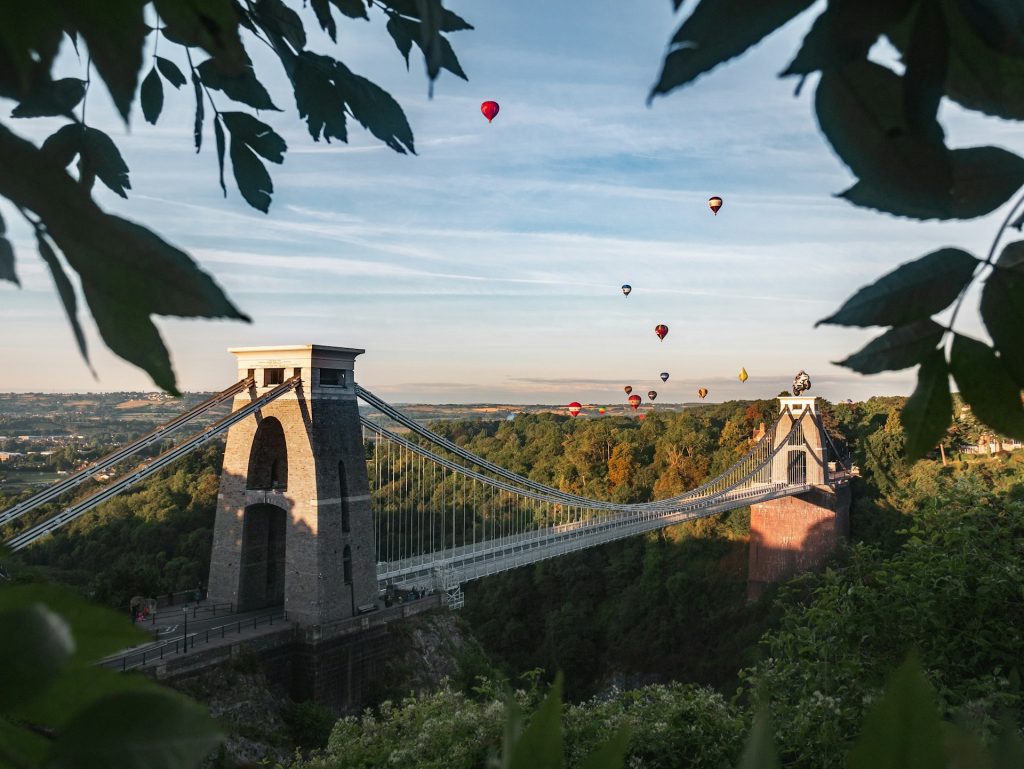
Iconic bridges invite cameras as much as footsteps. Trouble starts when wind, tight walkways, and heavy crowds meet a distracted pause, especially when a selfie stick widens someone’s space and interrupts the stream. Crowds rarely notice the pause until it becomes a problem.
Most spans were built for steady motion, not sudden stops. Open grating, worn stone and bike lanes punish a backward step taken while eyes stay on a screen. Railings feel trustworthy until someone leans for a cleaner angle. Safer photos come from a clear pocket, gear kept close, and attention returned to the deck before the frame is chased. Waiting beats a risky shuffle.
Golden Gate Bridge, San Francisco
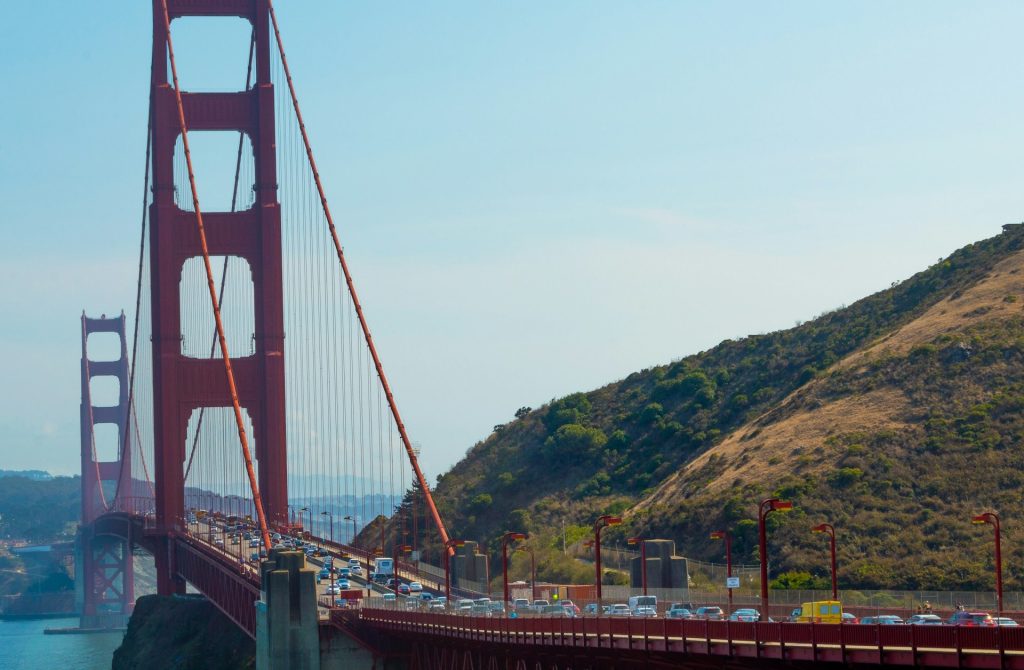
Golden Gate Bridge can feel roomy in photos, yet the pedestrian strip tightens near viewpoints, and ocean wind arrives in sharp bursts that nudge shoulders. Fog flattens depth, so the rail can look farther away than it is, and the cold air makes hands hurry while eyes chase the skyline.
The trouble spot is the sudden stop in a mixed-speed crowd. Walkers drift, cyclists pass close, and a selfie stick turns one person into a wider obstacle. Someone sidesteps, then glances down, and balance slips on a tiny misstep. Calm pacing helps more than grip strength. A brief pause in a wider pocket keeps the flow moving and bodies centered on the deck.
Brooklyn Bridge, New York City
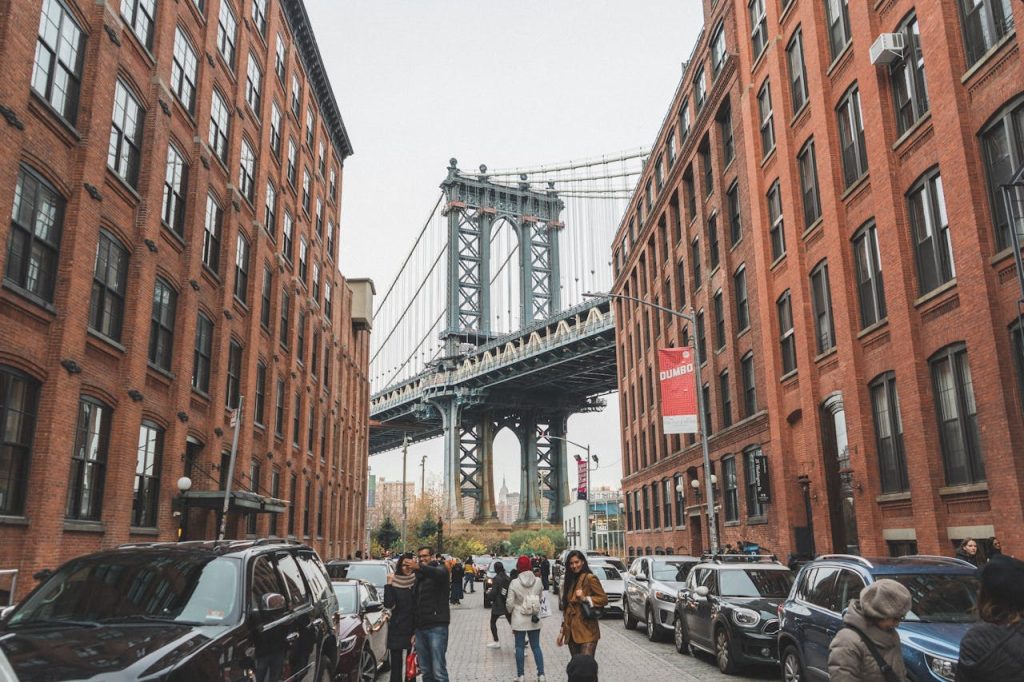
Brooklyn Bridge’s elevated walkway looks peaceful from below, but it behaves like a commuter corridor with sightseeing mixed in. Bottlenecks build near the towers, and the wooden planks can catch a wandering foot when attention shifts from footing to skyline.
Crowd rhythm is the real hazard. One group stops for a photo for seconds, others squeeze past, and cyclists thread by with less room than expected. A selfie stick sweeps across lanes and invites backward steps for a wider frame. Crowds erase the center line. Safer shots come from stepping fully aside, keeping gear close, and letting the stream pass before the phone goes up.
Tower Bridge, London
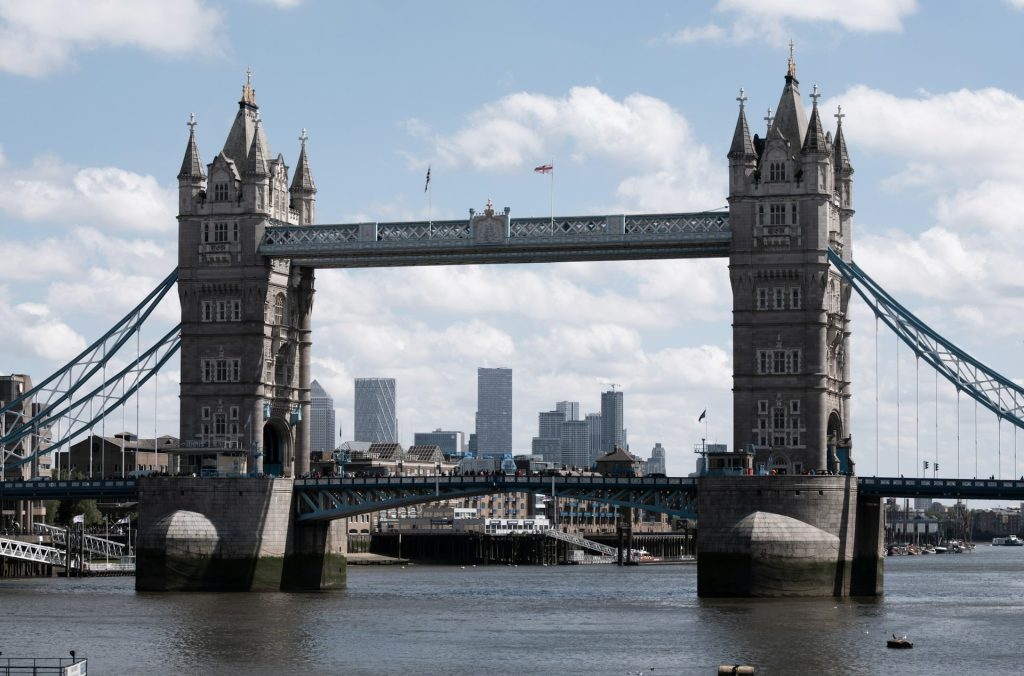
Tower Bridge draws people into the same frame, so the sidewalks turn stop-start without warning. River wind funnels between the towers, and tour groups pause near the best sightlines, turning passing space into a thin ribbon.
The risky moment is backing up for a wider angle while others squeeze through. A selfie stick adds reach, but it also adds width and blind spots, clipping bags and surprising passersby. Keeping it low until a clear pocket opens prevents jostling. A clean photo comes from a planted stance near the side, not a drifting step in the middle. When the flow resumes, it does so fast, and balance has to keep up.
Millennium Bridge, London
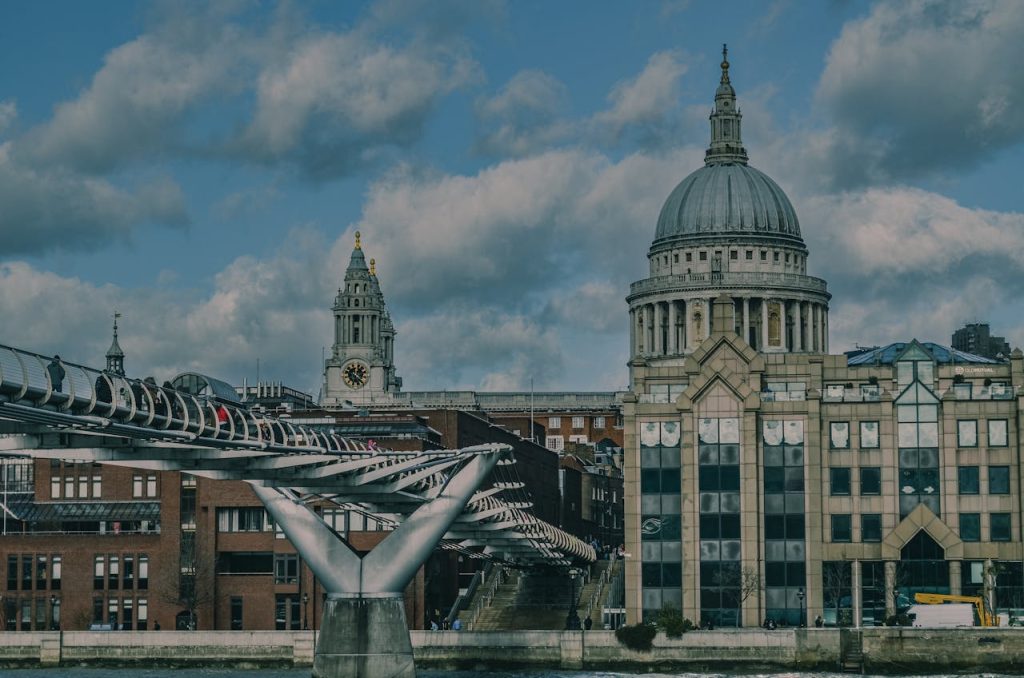
Millennium Bridge feels sleek and calm, which invites slow walking and skyline photos toward St. Paul’s. River breeze moves through the span, and the open deck leaves little visual clutter, so people drift into the center while watching screens instead of feet.
Its early wobble history is a reminder that crowds affect balance. When one group stops, the stream behind keeps moving, and small bumps travel forward. A selfie stick adds a sideways sweep that forces last-second dodges. Reverse steps are the usual mistake. The bridge stays easiest when pauses happen near the edge, with feet planted and gear kept close to the body, for a beat.
Pont des Arts, Paris
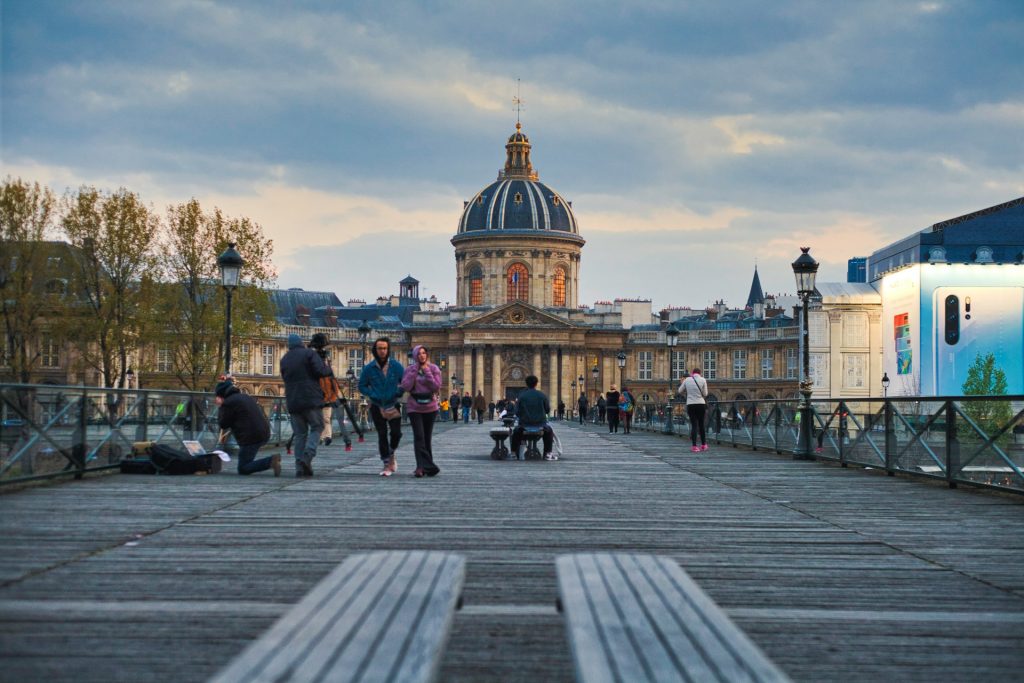
Pont des Arts looks gentle over the Seine, which encourages lingering and leaning for photos. The low lines make the river feel close, and at sunset the deck fills with slow walkers who stop wherever the light looks best.
Crowding matters here because the bridge is narrow and behavior clusters near the rail. The famous love-lock era showed how extra weight and crowds can stress a structure, and the lesson translates to simple footwork. A selfie stick widens personal space, nudges passing shoulders, and invites a backward shuffle for framing. The safest shots come from staying centered and stepping aside, not edging out at all.
Rialto Bridge, Venice
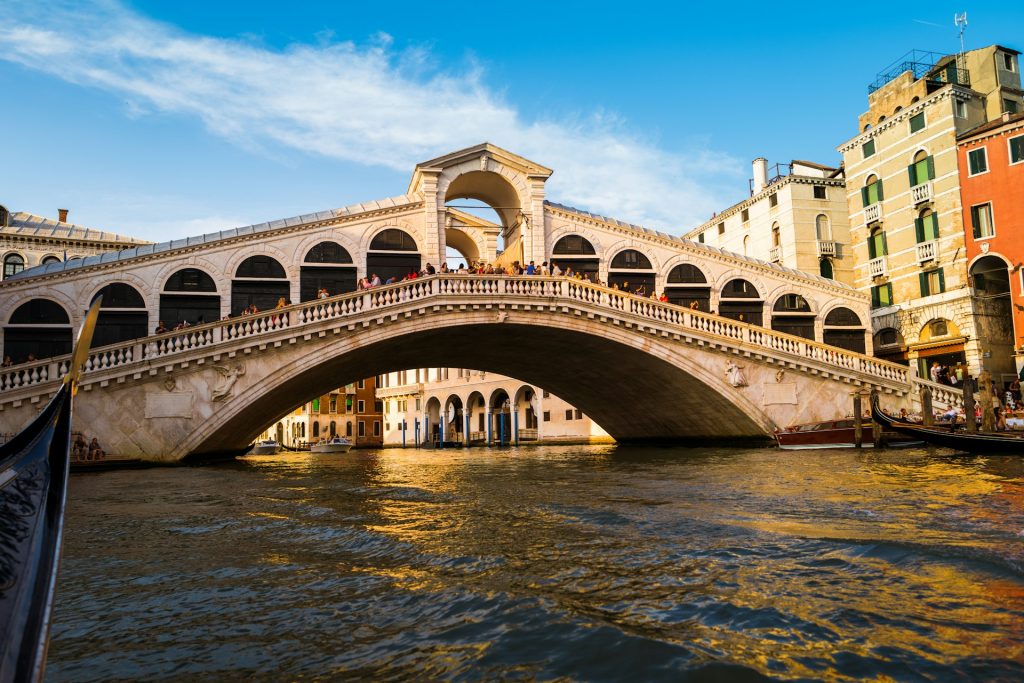
Venice’s Rialto Bridge is a pinch point by design, rising in a steep arch of worn stone steps. Crowds surge in waves, and the best canal view sits near the crest, so pauses happen right where passing space is thinnest. Light shifts can pull eyes off the stairs.
Stops on steps change everything. A selfie stick widens the footprint, blocks sightlines, and forces others to squeeze by. Worn edges can feel slick after damp weather or spray, and a backward step taken for framing is hard to correct. Safer photos happen from side landings, with both feet planted and hands free, letting a wave pass first before the phone comes up, even in summer.
Charles Bridge, Prague
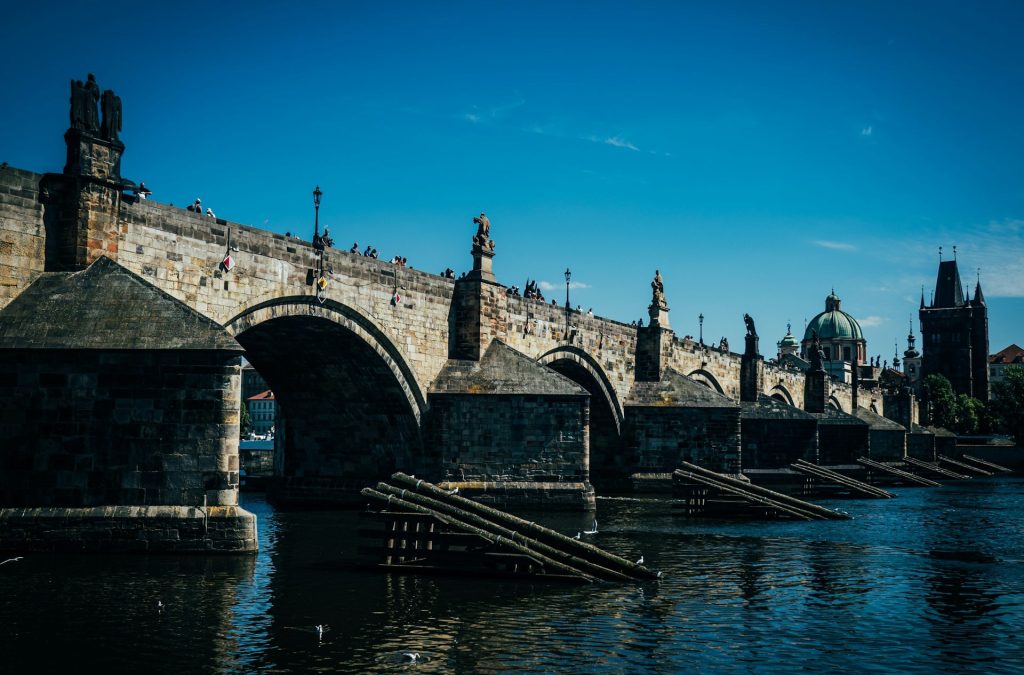
Prague’s Charles Bridge looks wide, yet it fills fast with musicians, statues, and slow-moving clusters that form around the best views. Dawn can feel calm, but midday turns the deck into a shuffle, and the stone surface becomes a detail that matters.
Cobblestones are uneven, and damp weather can make them feel slick, especially near pinch points. A selfie stick encourages backing up for a wider frame while others press forward, and bags swing in tight space. One light bump at the wrong moment can steal balance. Better photos come from stopping near the edge, keeping the pole short, and waiting for the crowd to thin before any reverse step.
Sydney Harbour Bridge, Sydney
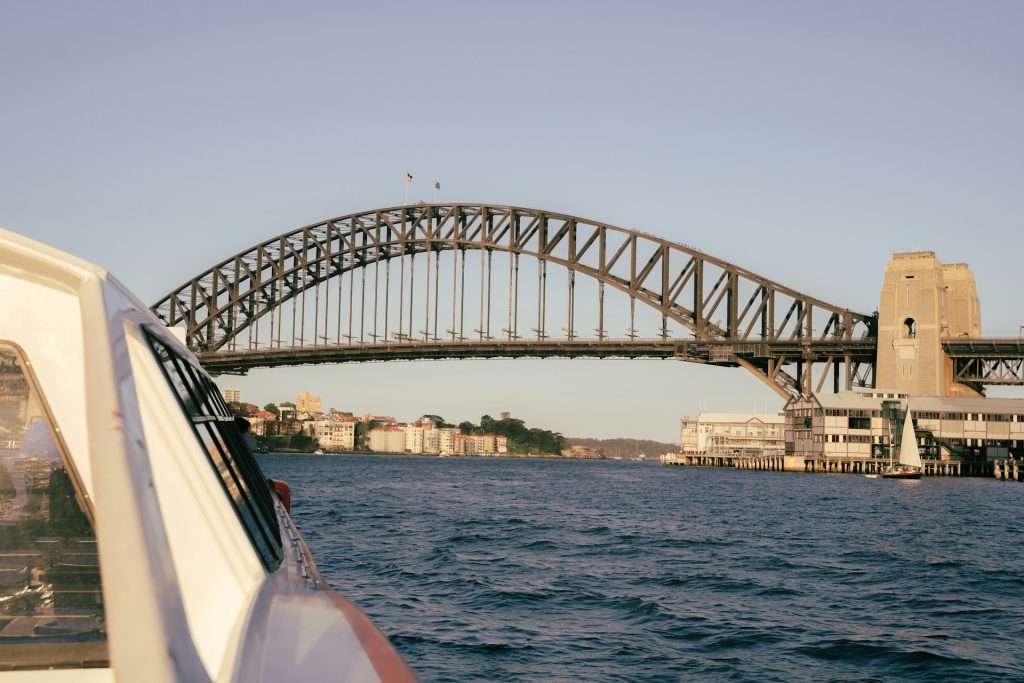
Sydney Harbour Bridge frames the Opera House and water so well that people stop without noticing how quickly the footpath can tighten. Wind off the harbor shifts in gusts, and the steel gridwork pulls eyes upward, away from the deck. Footsteps and bikes keep it busy most days.
That is when a selfie stick causes trouble. It extends into passing space, drags the body sideways, and invites a backward step for a wider skyline. In crowded moments, even a gentle bump can break rhythm and posture. The clean approach is waiting for a clear pocket, keeping gear close, and taking the shot with both feet planted, without reversing into traffic.
Capilano Suspension Bridge, North Vancouver
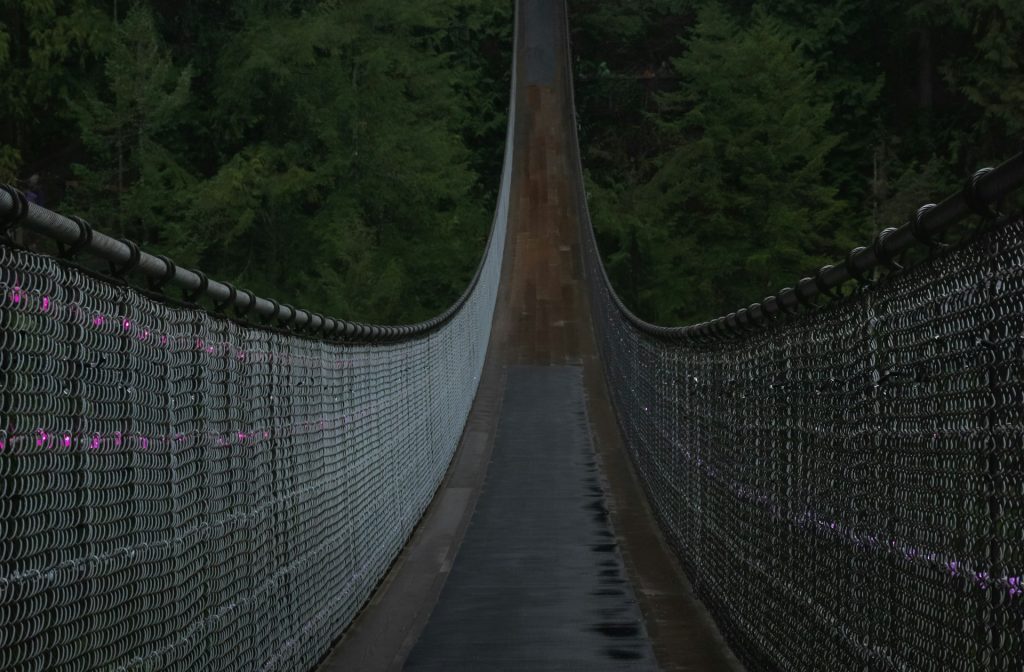
Capilano Suspension Bridge turns a forest crossing into a moving walkway. The deck sways under group footsteps, and the canyon view makes that gentle motion feel bigger, especially when people pause mid-span to lift phones. The planks thrum underfoot.
Movement changes the cost of distraction. A selfie stick bumps shoulders, catches railings, and invites shifting weight at the wrong time. When the crowd tightens, a small jolt can ripple through several people at once. Calm pacing helps: planted feet, brief photos, and pauses taken only after a group clears, with gear kept close and out of the passing line for everyone nearby.
Clifton Suspension Bridge, Bristol
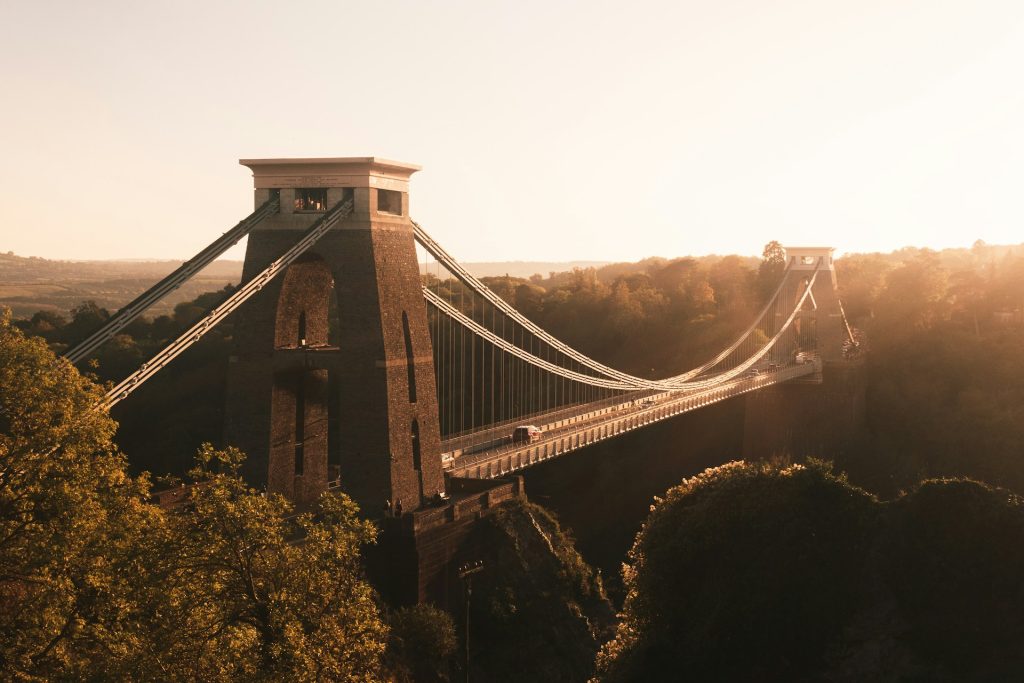
Clifton Suspension Bridge sits high above the Avon Gorge, and the openness makes small wobbles feel larger than they are. The footpath can tighten when sightseers cluster for the gorge view, and gusty wind encourages instinctive shifts in stance.
A selfie stick turns a narrow pass into a tangle of elbows and bags. It tempts a backward step to fit the span into frame, just as someone squeezes by. Suspension bridges can move subtly in wind, so posture needs to stay centered and calm. The smartest photos come from short pauses in wider spots, gear kept close, and both hands steady, with no reverse steps into moving traffic too.