10 Jet Ski Rentals Reckless With Collision Clusters
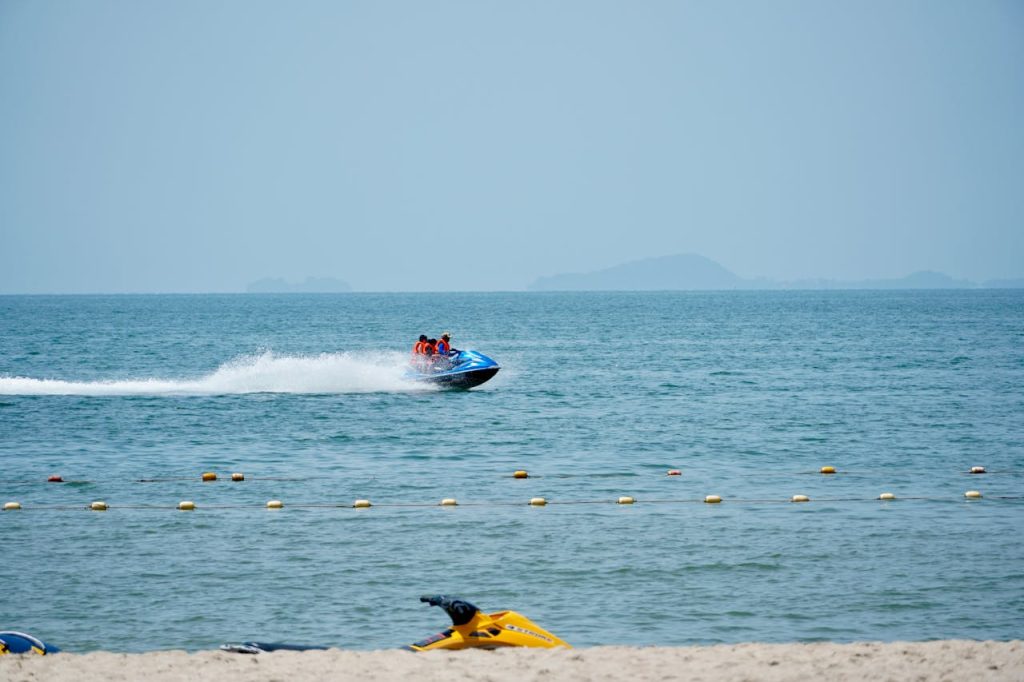
Jet ski rentals can turn a calm shoreline into instant motion, especially when the ramp sits near restaurants and a line of waiting riders.
On peak weekends, beginners share tight water with tour boats, anglers, and swimmers behind buoy lines. Glare, stacked wakes, and unclear travel lanes shrink reaction time, and a single wide turn can ripple into a chain of near-misses.
These ten high-traffic rental zones stay enjoyable when operators give strict briefings, set conservative routes, and treat spacing as the real skill. The safest crews slow the first five minutes, keep groups staggered, and make scanning left and right feel automatic.
Miami’s Biscayne Bay, Florida
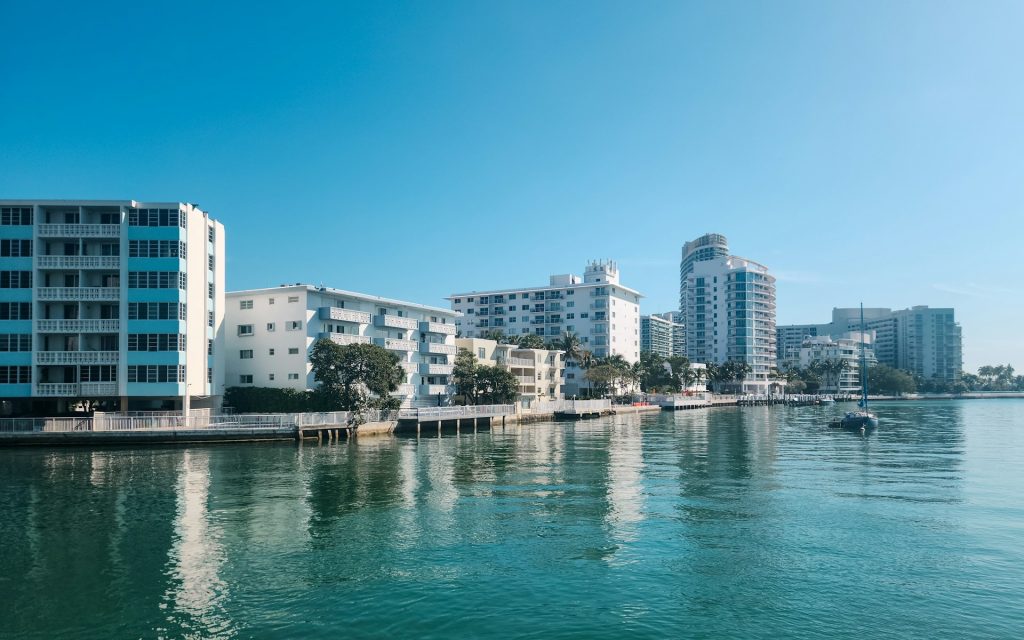
Rental docks on Biscayne Bay can send riders from skyline views to shallow flats in minutes, and weekend traffic builds early. Sandbar stops, buoyed swim areas, marked channels, and tour routes overlap, so the water feels busy even when it looks wide.
Close approaches cluster at channel mouths and marina exits, where wake bounce and glare hide closing speed. Afternoon breeze can push skis toward lane edges, tightening spacing fast. Disciplined operators run firm dock briefings on steady lines, wide passes, and slowing before turns. Group rides leave like a spaced convoy, and zigzags stay off the plan until open water clears.
Lake Havasu, Arizona-California
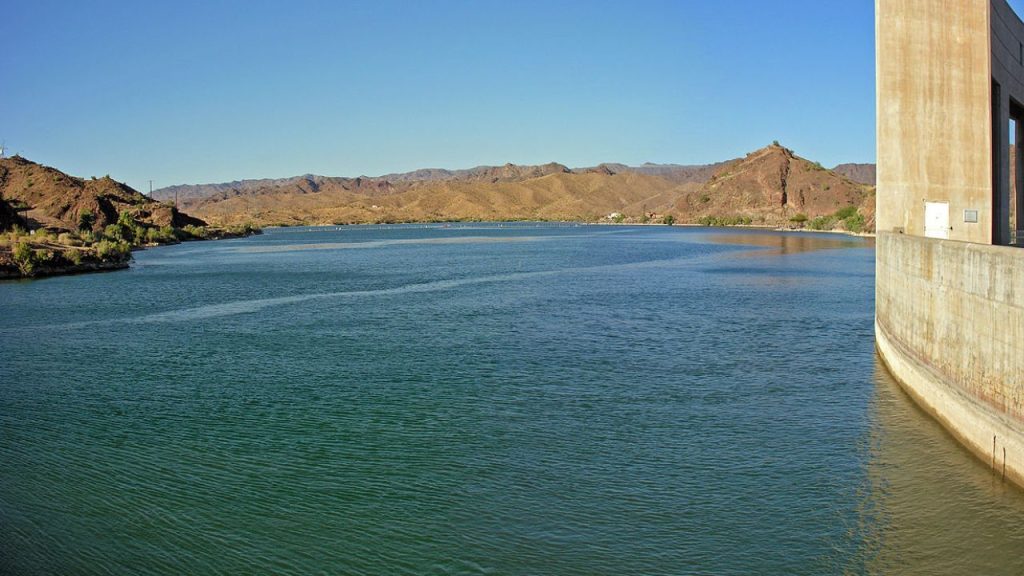
Lake Havasu turns festive in peak heat, with rentals launching near marinas and the London Bridge corridor. Open water invites speed, but popular coves compress riders into the same loops, especially on holiday afternoons when boats anchor close and music drifts across the channel.
Near-misses often start where no-wake zones meet faster water and where fuel docks pull everyone into tight turns. Glare flattens wave texture, so wakes appear late and nudge a ski wider than planned. Strong outfits map a simple route, require wide turns through bridge traffic, and keep passing rules clear before keys change hands at the ramp each time.
Lake Of The Ozarks, Missouri
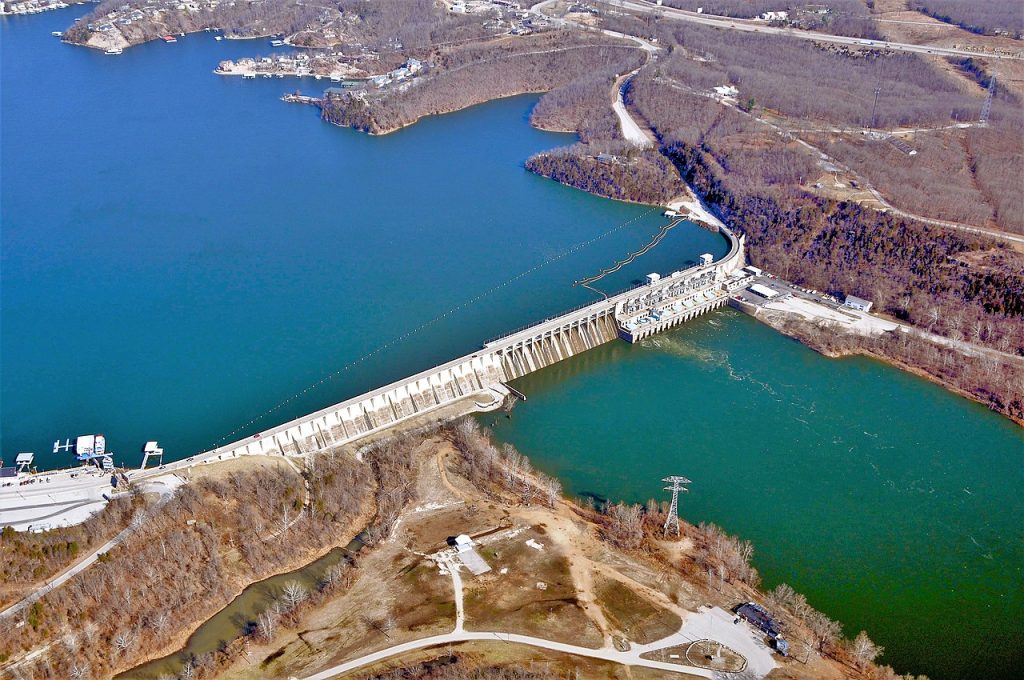
Lake of the Ozarks runs on big weekends and stacked wakes, and rentals near Osage Beach feed straight into that churn. New riders share water with cruisers, wake boats, and anglers who hold their lines, while docks and coves create constant turning traffic.
Close approaches spike where narrow channels spill into open water and where raft-ups create sudden crossing paths. Afternoon glare hides craft, and a ski can lift on a wake, land off line, and shrink spacing in seconds. The best rental crews mark a conservative play area, cap speeds near docks, and drill right-of-way basics, with a no-weaving rule around anchored boats and swim floats.
Destin And Crab Island, Florida
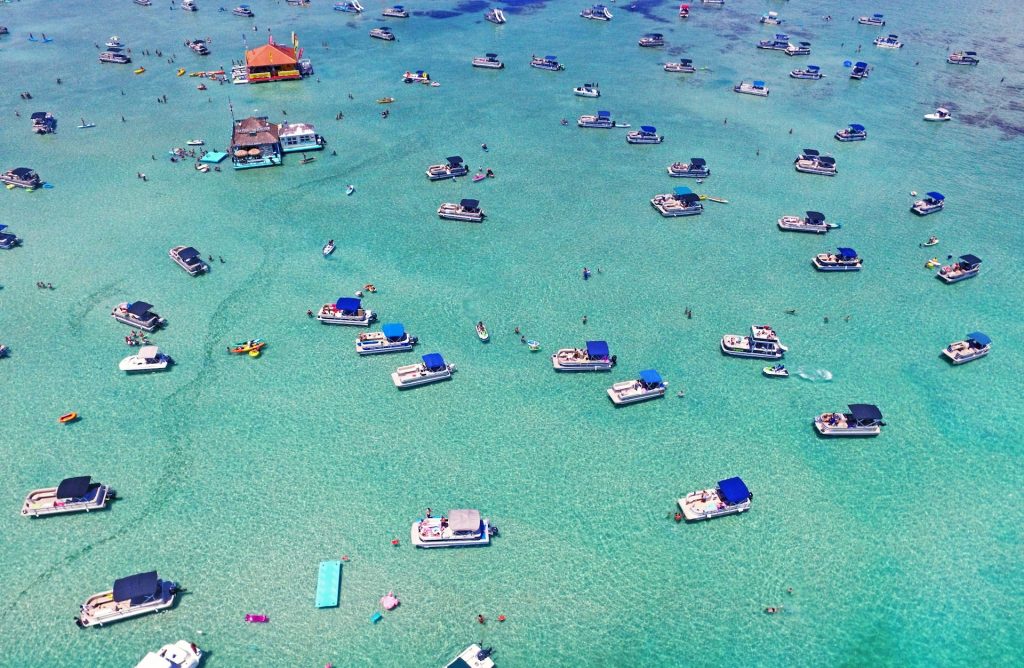
Destin rentals near Crab Island sell instant fun, but the sandbar scene crowds quickly. Anchored pontoons, buoy lines, and shallow flats compress traffic into short corridors, and the nearby East Pass adds current that nudges craft off course. By noon, the water can feel like a roundabout.
Near-misses tend to start when skis circle too close to swimmers or cut between boats that are swinging at anchor. In shallow water, wake bounce can skid a turn wider than expected, and one abrupt move forces everyone else to react. Responsible operators mark clear no-go lanes, require slow approaches, and keep tricks and towing out of mixed traffic.
Myrtle Beach Intracoastal Waterway, South Carolina
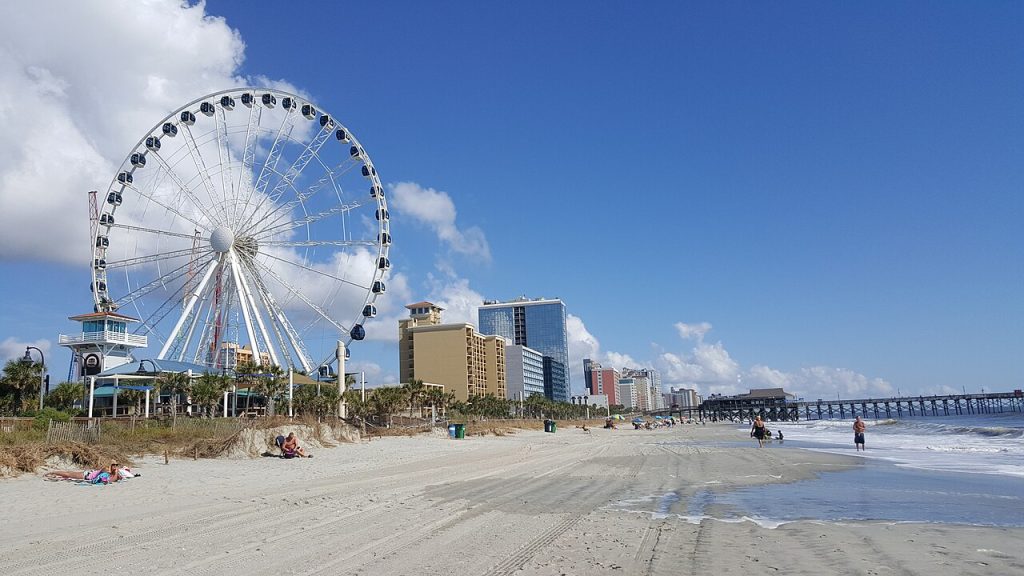
The Intracoastal Waterway near Myrtle Beach looks calm and straight, which tempts riders to open the throttle. Weekends add rental convoys, tour boats, and anglers sharing the same corridor, and bridges pinch traffic into tighter lanes. No-wake zones come and go; riders speed up early.
Close approaches cluster near bridge openings, marina mouths, and bends where sightlines shrink and wakes rebound off bulkheads. Sun glare can hide an oncoming craft, and a light crosswind can push a ski toward the edge just as a wake arrives. Better outfits teach steady right-side travel, cap speeds through pinch points, and space groups like a moving queue.
Lake Lanier, Georgia
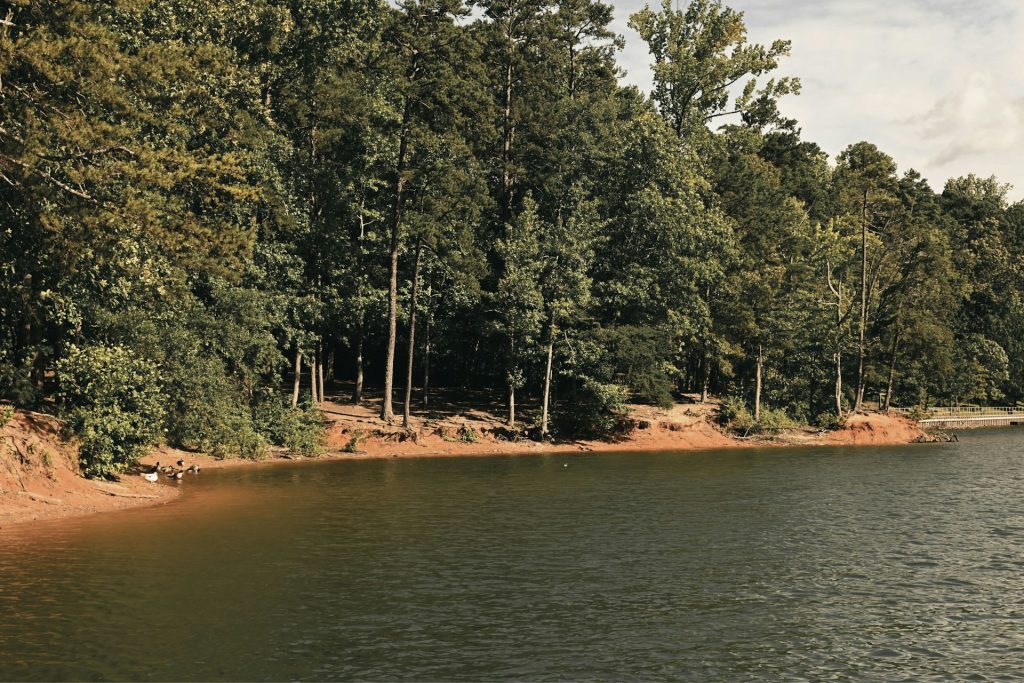
Lake Lanier pulls heavy summer crowds from Atlanta, so rental docks stay busy when temperatures climb. Broad water invites speed, yet the lake is cut with coves, docks, and tow boats that create sudden crossing lines and narrow exits. Popular party coves tighten spacing, even for careful riders.
Clusters form near marina entrances and creek mouths when traffic compresses and wakes stack. Beginners fixate forward, then overcorrect when another craft slides into view. Strong rentals keep briefings blunt: no sharp cutbacks, no side-by-side racing, and idle near swimmers and fishing lines. Routes favor open stretches, with wide turns baked in.
Galveston Bay, Texas
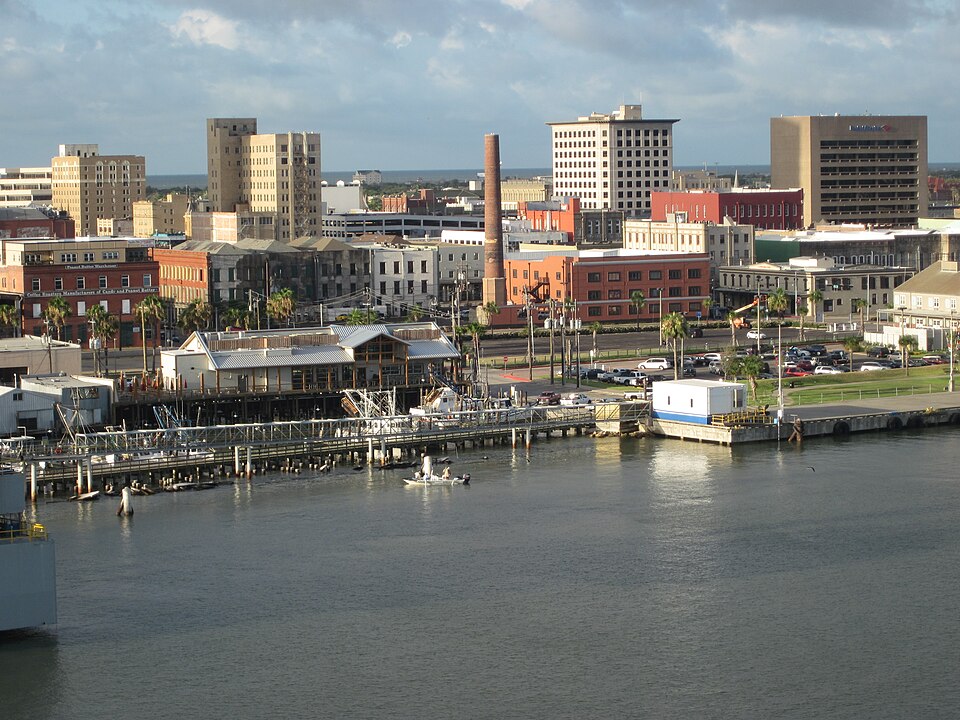
Galveston Bay mixes recreation with working-waterway traffic, so rentals share space with ferries, tugs, and marked ship channels. The bay looks wide, but currents, wind chop, and channel edges quickly narrow where play stays sensible. On weekends, launch areas stay packed.
Near-misses cluster near passes, bridge spans, and the margins of marked lanes where fast fun meets heavy traffic that cannot pivot quickly. Murky water reduces visual cues, making closing speed feel deceptive. Responsible operators drill a hard rule against cutting across channels, keep routes conservative, and push predictable lines until riders clear the busy core.
South Lake Tahoe, California-Nevada
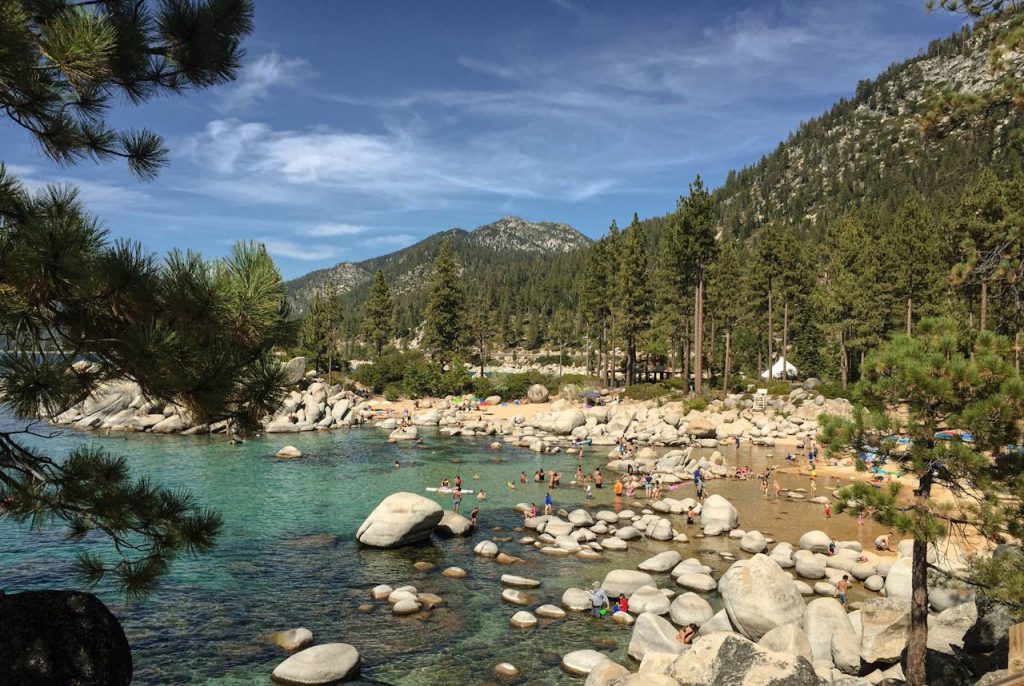
South Lake Tahoe rentals pair clear water with big scenery, which can make the first launch feel effortless. Then afternoon winds often build short, sharp chop that turns a smooth ride into constant correction, and beach corridors fill with mixed traffic. By 2 p.m., it tightens.
Close approaches start when a rider bounces off a wake and drifts into another line before noticing. Tight turns near buoys add pressure, and late-day glare reduces contrast on the water. Strong operators set firm boundaries, limit departures when whitecaps show, and repeat the basics: scan wide, slow for crossings, and keep generous distance as the default.
Chicago Lakefront Harbors, Illinois
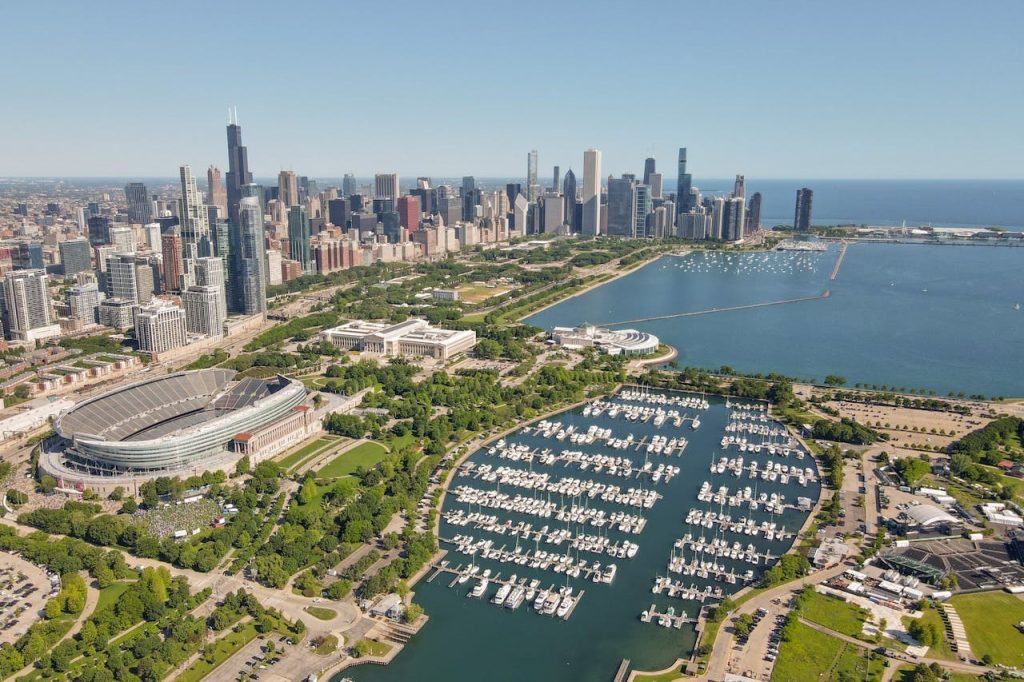
Chicago lakefront rentals feel dramatic because the skyline stays close, but harbor water is not open highway. Breakwalls, tour boats, and sail traffic funnel personal watercraft through narrow mouths where everyone is turning at once. Summer events add water taxis and sightseeing traffic.
Near-misses form when riders accelerate too early or cut across boats exiting a harbor. Chop rebounds off seawalls, and wakes arrive from odd angles that unsettle beginners and tighten spacing. Better outfits keep routes outside the busiest mouths, require idle-speed turns until clear, and teach simple right-of-way habits so every move stays predictable.
Mission Bay, San Diego, California
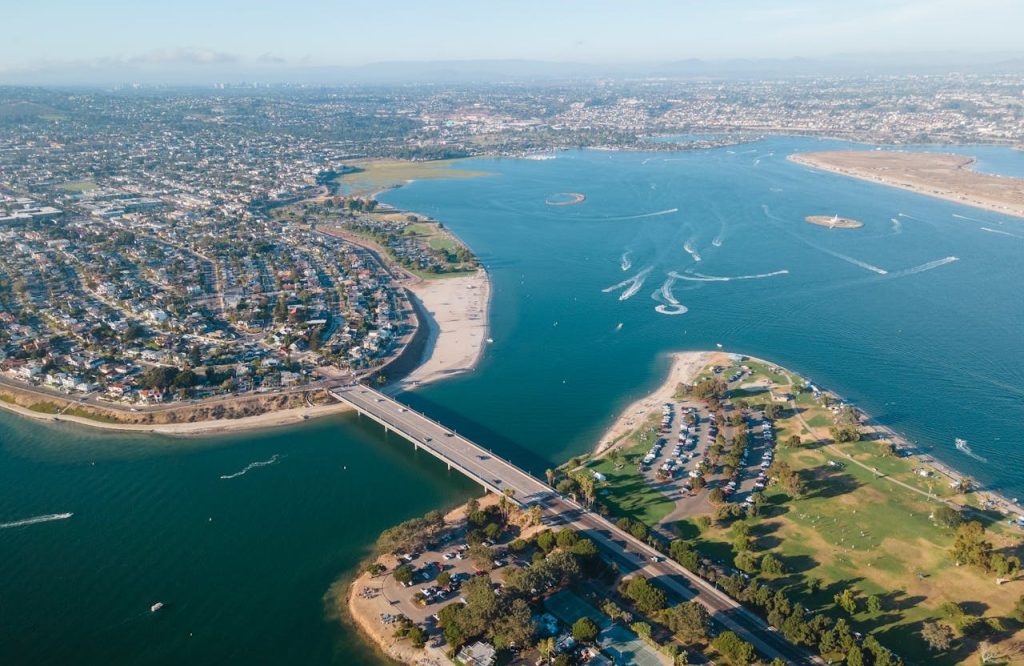
Mission Bay looks sheltered and friendly, which is why rentals stay popular with first-time riders and family groups. The bay still has channels, bridges, and sand edges that tighten room, especially on holiday afternoons when rentals queue at the same ramps.
Near-misses often start at bridge approaches and channel bends when riders stare forward and miss lateral movement. Kayaks and paddleboards cross quietly, and wakes rebound in enclosed basins, so a simple turn can slide wider than expected. Good operators cap speeds in the inner bay, mark clear transit lanes, and keep groups small enough to manage, so spacing stays comfortable.