10 Tour Companies Travelers Should Know Before Booking 2026 Trips
Choosing a tour company for 2026 is no longer just about destination photos. Travelers are comparing pace, group size, payment flexibility, and how clearly each operator explains what is included. One itinerary can feel energizing with the right structure, or draining with the wrong rhythm. The biggest differences often show up in small details: transfer handling, activity levels, support quality, and cancellation terms.
Smart planning starts with fit, not hype. The companies below are widely recognized, clearly positioned, and easier to compare side by side when expectations are set early and read carefully.
Intrepid Travel

Intrepid stands out for travelers who want smaller groups without giving up structure. On its official FAQs, the company says most trips run with 12 to 16 travelers and usually average around 10, which can make daily logistics smoother in crowded cities where timing matters. That format often helps keep movement efficient on transit-heavy itineraries.
Its purpose pages also note certified B Corporation status and a 2024 recertification score of 102.5. That gives planners one more lens beyond price, especially when evaluating values alongside operations, local leadership, and day-to-day trip design clarity.
G Adventures

G Adventures is often chosen by travelers who want social energy without oversized groups. Official materials repeatedly position its tours around small-group formats and on-ground leadership through Chief Experience Officers, which helps create a consistent travel style from one region to another. That consistency can matter more than marketing polish once a trip is underway.
The company also highlights community tourism links through Planeterra, which many travelers use as part of their ethical-travel comparison. For 2026 planning, the practical move is to compare pace, accommodations, and free-time balance before focusing on the lowest headline fare.
Road Scholar

Road Scholar fits travelers who want learning to be central, not optional. Its official site describes the organization as not-for-profit, founded in 1975, with educational travel designed for adults age 50+ and programming led by experts across many destinations. That structure appeals to travelers who want context, not just checklists and photo stops.
The educational focus can shape daily rhythm in meaningful ways, so reading mobility ratings and program intensity is important before booking. Trips with deeper lectures and interpretation can be highly rewarding, but they work best when stamina, interests, and expectations are aligned from the start.
Tauck
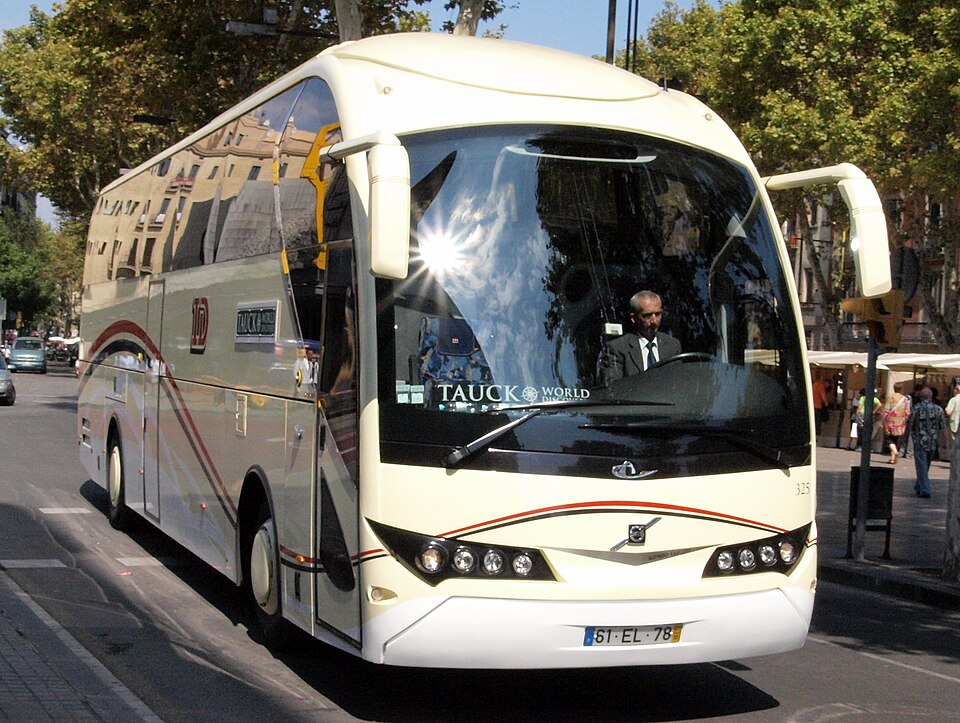
Tauck is a strong option for travelers who want premium coordination and fewer moving parts once travel begins. The company’s official story states it has operated since 1925 as a family-owned business, and its value pages emphasize one upfront price with no hidden costs. That framing can make budgeting cleaner on complex, multi-stop itineraries.
This model often reduces decision fatigue during the trip itself, especially when many logistics are pre-handled. Even so, smart planners still check exclusions, insurance choices, and final-payment timing by market, because clear branding does not remove the need to verify trip-specific terms carefully.
Collette

Collette is one of the oldest names in guided travel, and its official pages state the company has operated since 1918. For travelers who prefer smaller formats, Collette’s Explorations pages describe an average of 19 travelers with a maximum of 24. That middle size can support both structure and stronger access during cultural experiences.
Collette also promotes protection and cancellation terms in several markets, which can be useful when plans shift close to departure. The key is to read the exact regional policy shown during booking, because terms can differ by locale and product even under the same brand umbrella.
Trafalgar

Trafalgar is often selected by travelers who want classic escorted touring with recognizable signature experiences. On its official pages, the brand positions Be My Guest as part of every itinerary and also highlights MAKE TRAVEL MATTER experiences on every tour. That structure helps travelers assess how local connection is built into otherwise traditional guided routes.
For 2026 bookings, expectations are best managed by reviewing pace, optional add-ons, and payment deadlines in the applicable conditions. A familiar brand can simplify planning, but trip fit still depends on whether the itinerary tempo and inclusions match how travelers actually prefer to move.
National Geographic-Lindblad Expeditions
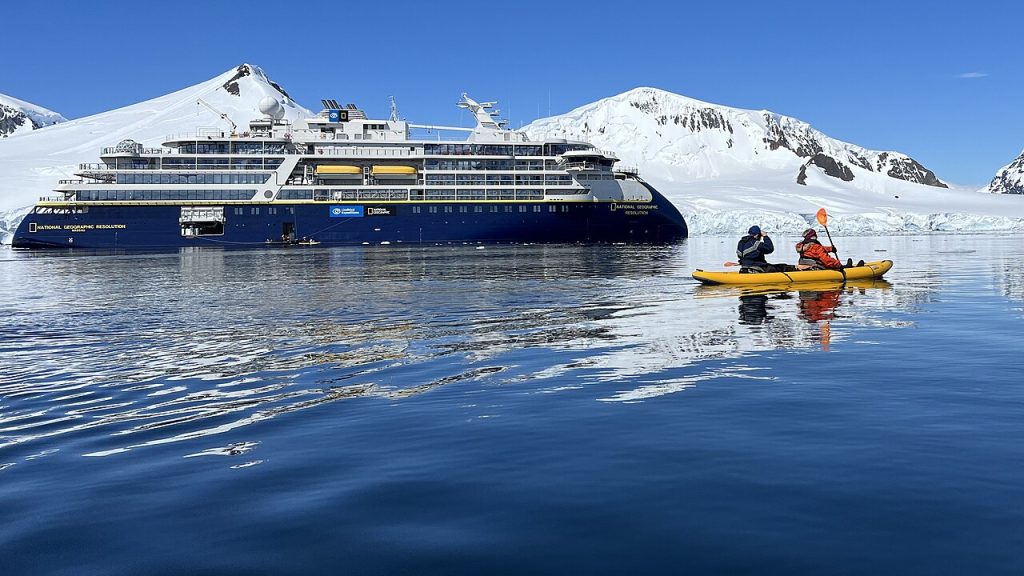
National Geographic-Lindblad Expeditions is built for travelers who view transit as discovery, not downtime between highlights. Official pages describe a long-running collaboration between National Geographic and Lindblad Expeditions, focused on expedition cruising and expert interpretation in remote regions. That positioning appeals to travelers who prioritize depth over speed.
These itineraries can be extraordinary for wildlife, geology, and cultural context, but they also require flexibility because weather and conditions can reshape daily plans. Practical screening for 2026 should start with activity demands, landing logistics, and cabin terms before price comparisons begin.
Backroads

Backroads is a clear choice for travelers who want activity to be the core of the trip. Its official site says the company has operated since 1979 and focuses on biking, hiking, walking, and multi-adventure travel. That identity is useful for travelers who want predictable active design rather than optional exercise around a standard sightseeing schedule.
Backroads also explains activity levels in detail and notes that daily route options are often available, which can help mixed-ability groups travel together with less friction. The key booking discipline is straightforward: choose based on current fitness and realistic recovery, not ideal training plans.
Rick Steves Europe

Rick Steves Europe remains a focused operator for travelers who want Europe-only guided trips with clear, practical expectations. The company already lists 2026 tours on its official site, which gives early planners useful timing and departure visibility. That early visibility can help with airfare strategy and leave-room for better budget sequencing.
Its published tour conditions and expectations material also clarifies travel style, including how structured days feel and what participants should plan for before departure. That transparency is one reason the brand remains popular among travelers who value clarity as much as destination appeal.
EF Go Ahead Tours

EF Go Ahead Tours is often considered by travelers who want packaged planning with financing flexibility. Official pages advertise AutoPay with $99 down, monthly payment options, and no-interest framing. The brand also provides dedicated on-tour support channels, which can reduce stress when issues appear during active travel days.
Its airfare pages highlight included planning support and transfer-related guidance when flights are booked through the company package. For 2026 bookings, the best practice is to confirm what is included, check timing windows, and read policy details carefully so convenience features remain genuinely useful.