10 Travel Destinations People Say Are Overcrowded
Tourism industry analysts and urban planning consultants report that the phenomenon known as overtourism has reached a critical tipping point in many of the world’s most iconic locations. While the resurgence of global travel has boosted economies, destination management organizations warn that the sheer volume of visitors in specific hotspots is degrading infrastructure and the quality of life for local residents. Sustainable tourism experts emphasize that social media virality often exacerbates these issues by concentrating millions of travelers into narrow geographic zones during peak seasons.
Heritage conservationists and environmental scientists note that the carrying capacity of historic sites and fragile ecosystems is frequently exceeded, leading to physical erosion and cultural commodification. Municipal authorities in affected regions have begun implementing strict countermeasures ranging from daily visitor caps and entry fees to physical barriers blocking popular photo spots. Understanding the logistical realities of these high-density destinations allows travelers to align their expectations with the crowded conditions often found on the ground.
Venice In Italy
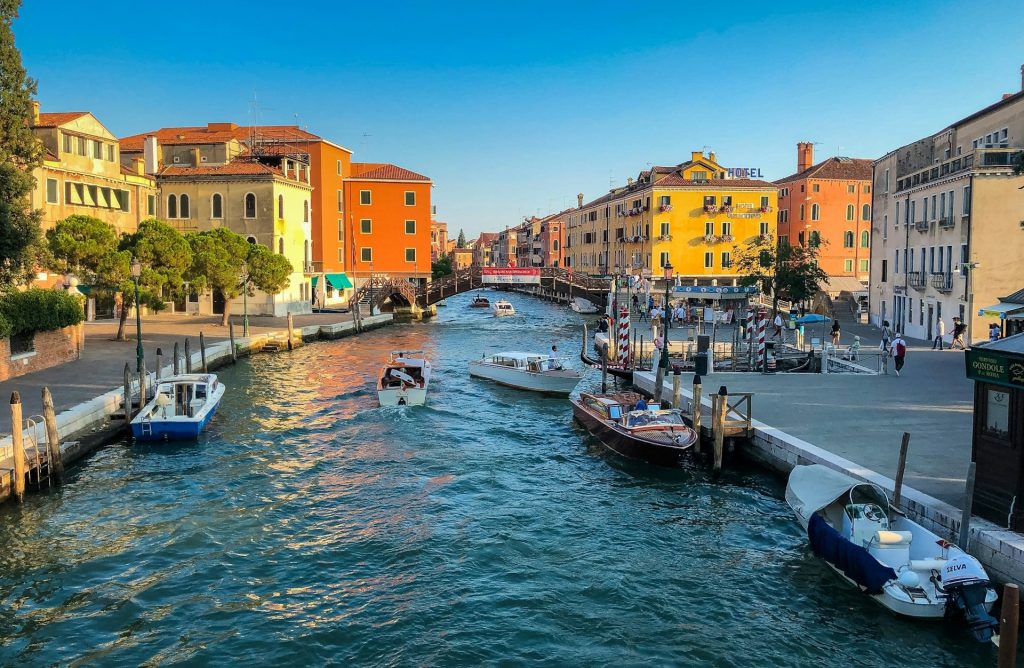
Urban preservationists and municipal authorities in Venice have declared the city the poster child for overtourism. The narrow calli and historic bridges frequently experience gridlock during the high season, making simple pedestrian movement a challenge. Heritage experts note that the influx of day-trippers and cruise ship passengers places immense strain on the ancient infrastructure which was never designed to handle tens of millions of visitors annually.
City officials recently introduced an access fee for day visitors on peak dates to mitigate the crushing density. This measure aims to discourage hit-and-run tourism that contributes little to the local economy while clogging the thoroughfares. Residents argue that the transformation of housing into short-term rentals has hollowed out the community, leaving the historic center feeling more like a theme park than a living city.
Santorini In Greece
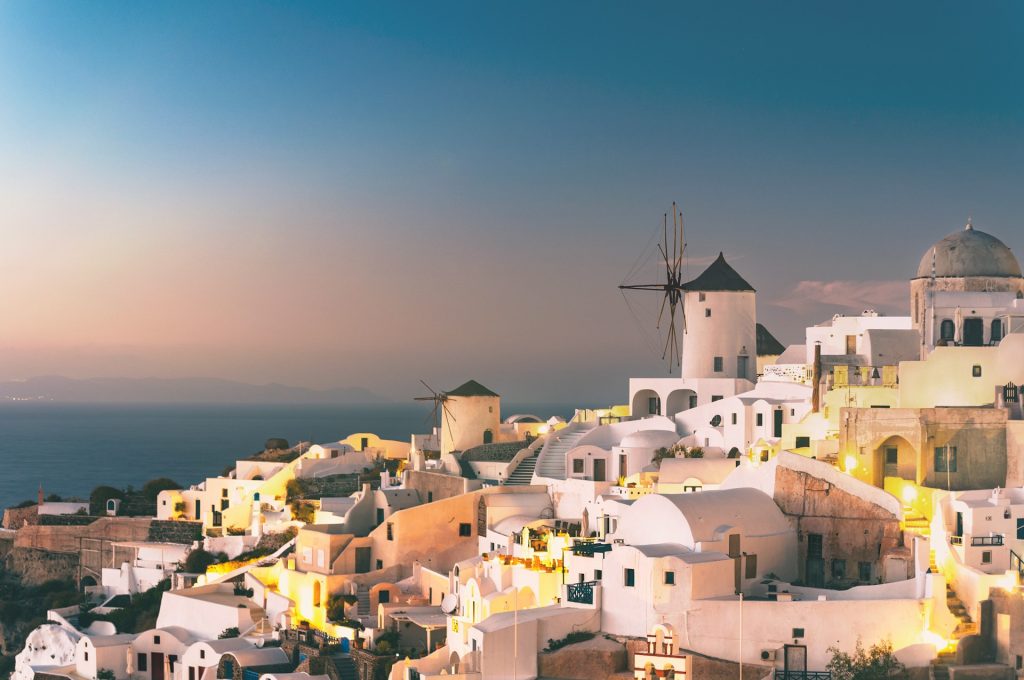
Destination management organizations and Greek tourism officials report that the sunset ritual in Oia has become a logistical nightmare due to severe overcrowding. The cliffside village features narrow pathways that are not designed to accommodate the thousands of visitors who descend upon the town every evening. The jostling for position to capture the perfect photo of the caldera creates a tense and aggressive atmosphere that starkly contrasts with the relaxing island image promoted in brochures.
Cruise ship schedules exacerbate the problem by dumping massive numbers of passengers into the town specifically for this window of time. The result is a gridlock where movement is virtually impossible and the beauty of the landscape is often obscured by a sea of recording devices. Infrastructure analysts warn that the island’s water and waste management systems are struggling to cope with the seasonal population explosion.
Kyoto In Japan
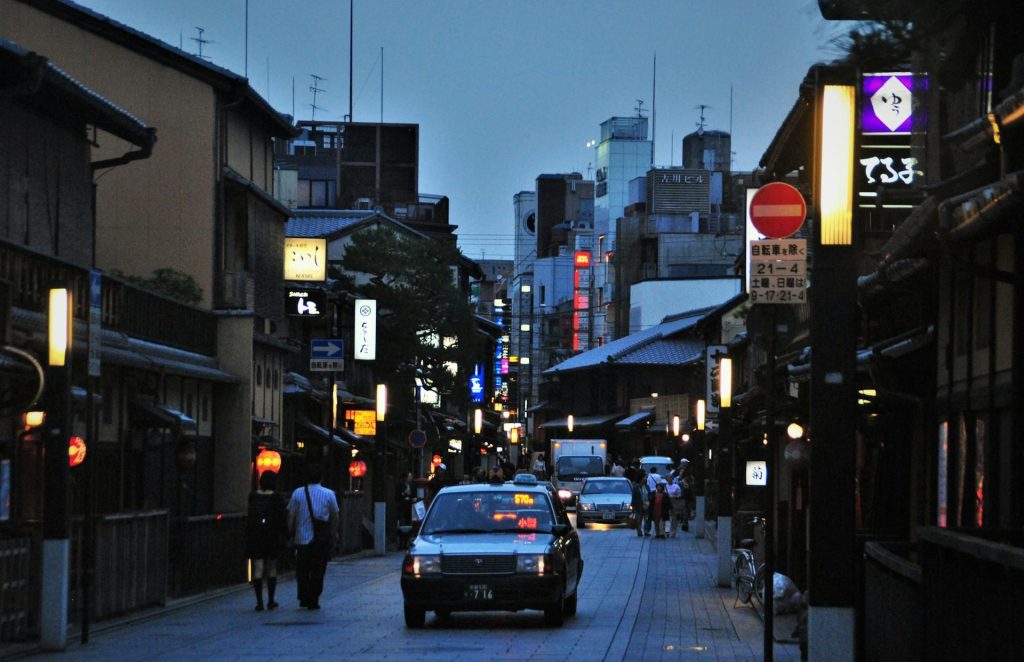
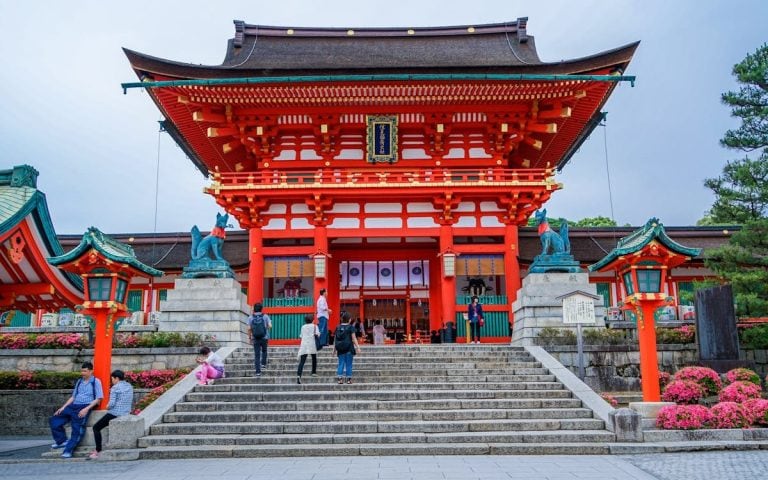
City officials and local neighborhood associations in Kyoto have struggled to maintain the balance between hospitality and cultural preservation. The surge in inbound tourism has led to significant congestion on public transport with locals finding it increasingly difficult to board buses during rush hour. Cultural preservationists emphasize that the Gion district has been particularly affected with tourists harassing geisha and maiko for photographs.
In response to these behavioral issues, local councils have banned photography in private alleys and restricted access to certain streets. Transportation planners are working to divert visitors away from the most famous temples during peak hours, but the concentration of UNESCO World Heritage sites ensures that crowds remain dense. The tranquility associated with Zen gardens is often elusive amidst the constant flow of tour groups.
Machu Picchu In Peru
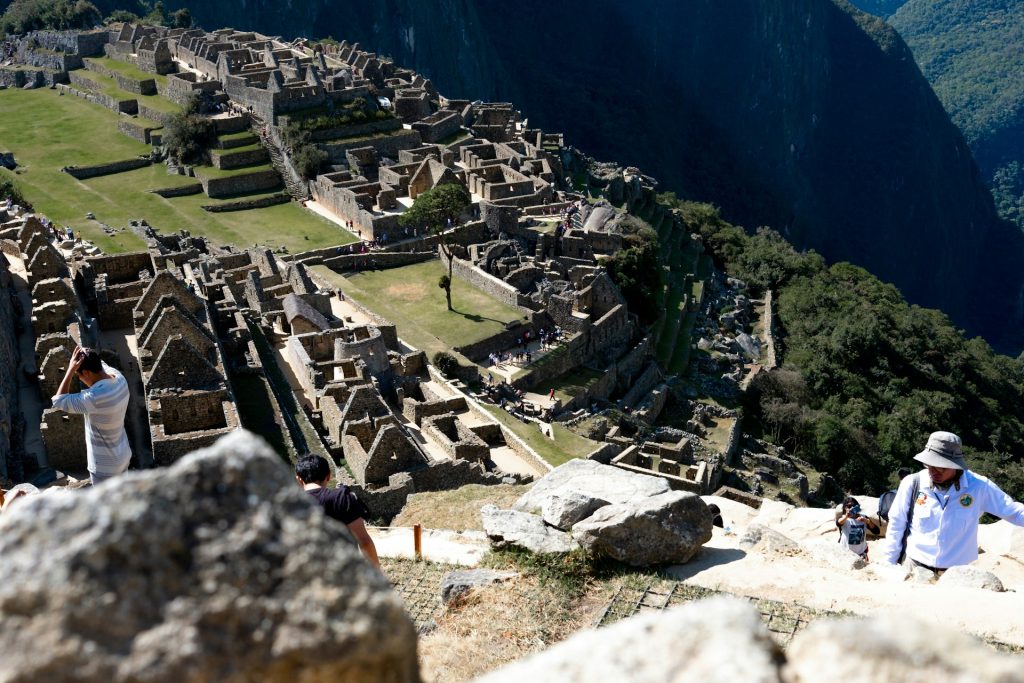
Ministry of Culture archaeologists and site managers have implemented a rigid circuit system to manage the immense physical strain of mass tourism on the Incan citadel. Heritage experts explain that the open access model of the past caused unsustainable erosion to the ancient stone pathways. Current regulations mandate that travelers select a specific one-way route and a precise entry time months in advance with tickets for the premier circuits selling out immediately.
Logistics coordinators warn that the complexity extends beyond the site entrance. Securing a train ticket to Aguas Calientes and a bus ticket to the ruins requires perfect synchronization with the entry slot. Travelers who fail to align these bookings risk being stranded as officials strictly enforce entry times and do not permit late arrivals to enter the archaeological park.
Amsterdam In The Netherlands
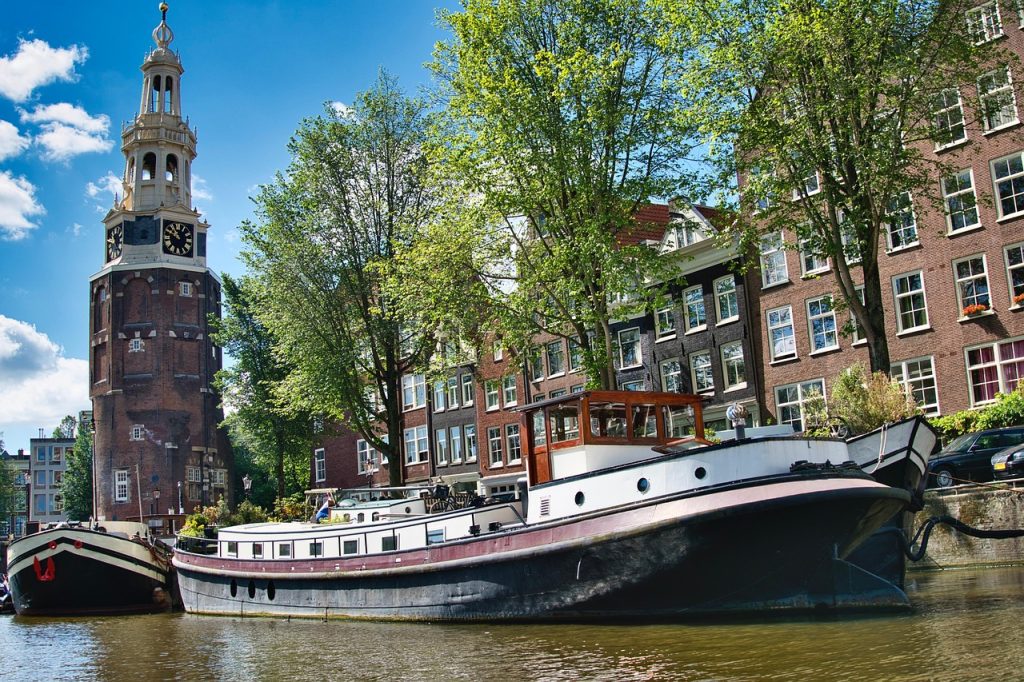
City planners and sustainable tourism directors have aggressively pursued a demarketing strategy that actively discourages certain types of visitors. The municipal government has capped the number of tourist overnight stays permitted annually and banned the construction of new hotels in the city center. Urban sociologists observe that these supply-side restrictions artificially limit the volume of tourism to maintain the livability of the city for residents.
Port authority officials have also moved to close the central cruise terminal to reduce the influx of day-trippers. By physically removing the docking infrastructure the city controls the means of arrival. Policy experts note that these measures represent a deliberate contraction of the tourism sector prioritizing the local housing market and social cohesion over the freedom of unlimited visitor growth.
Barcelona In Spain
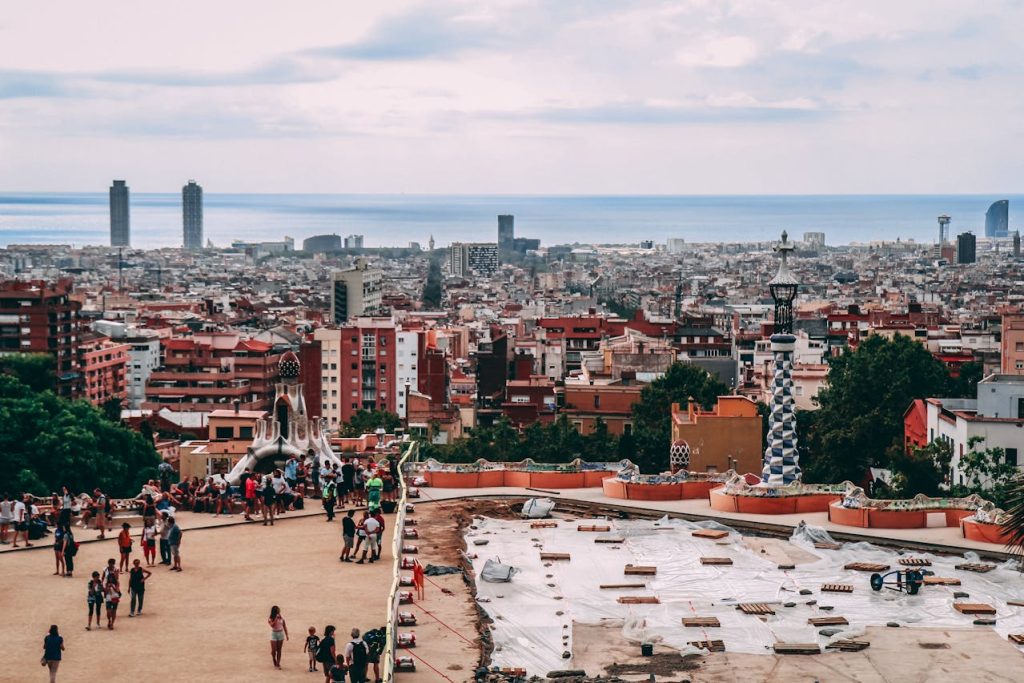
Housing activists and local government officials in Barcelona have been at the forefront of the global backlash against mass tourism. The proliferation of vacation rentals has driven up housing costs and displaced long-term residents leading to widespread protests. Urban planners highlight that the concentration of visitors in areas like Las Ramblas and the Gothic Quarter creates a monoculture of souvenir shops and tourist traps.
The city has responded by limiting the number of hotel beds and regulating the cruise ship industry. Environmental consultants note that the port generates significant pollution and congestion that affects the entire metropolitan area. The debate over the expansion of the airport reflects the broader conflict between economic growth and the sustainability of the urban environment.
Dubrovnik In Croatia
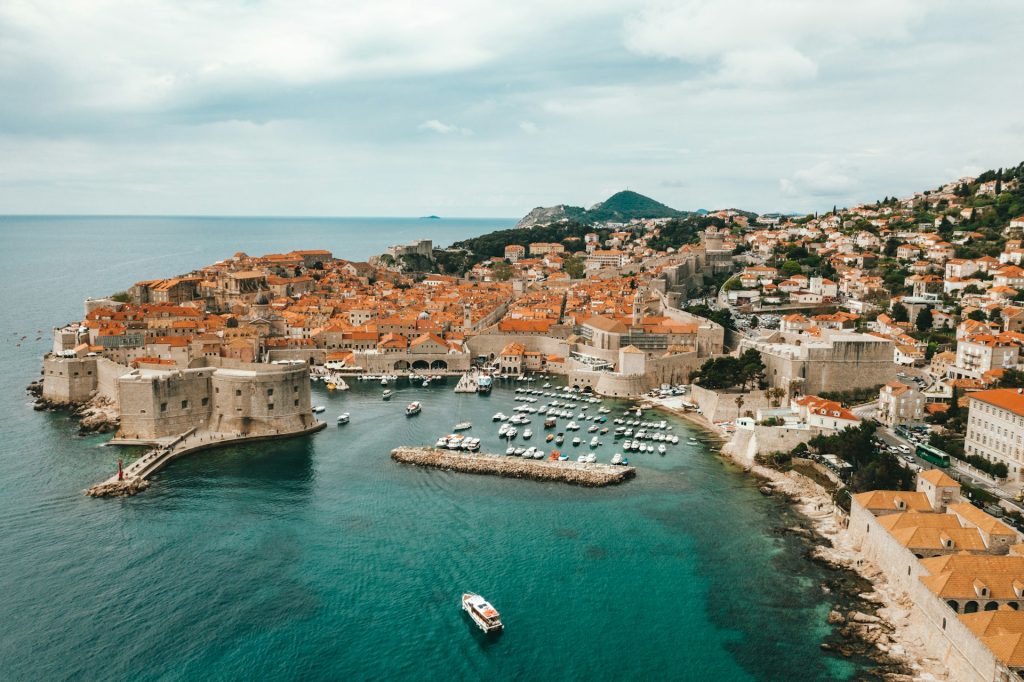
Heritage managers and UNESCO monitors have flagged the Old Town of Dubrovnik as a site at risk due to excessive visitor numbers. The popularity of the city as a filming location brought a wave of screen tourism that overwhelmed the medieval walled center. During peak summer months the pedestrian traffic on the Stradun becomes so dense that city officials have had to install counters to monitor the number of people entering the gates.
Tourism boards have attempted to stagger cruise ship arrivals to prevent the bottlenecks that occur when multiple vessels dock simultaneously. However, the physical constraints of the fortifications mean that the city fills up quickly. Local businesses struggle to operate normally when the streets are impassable leading to a seasonal exodus of residents who cannot navigate their own neighborhoods.
Mount Everest In Nepal
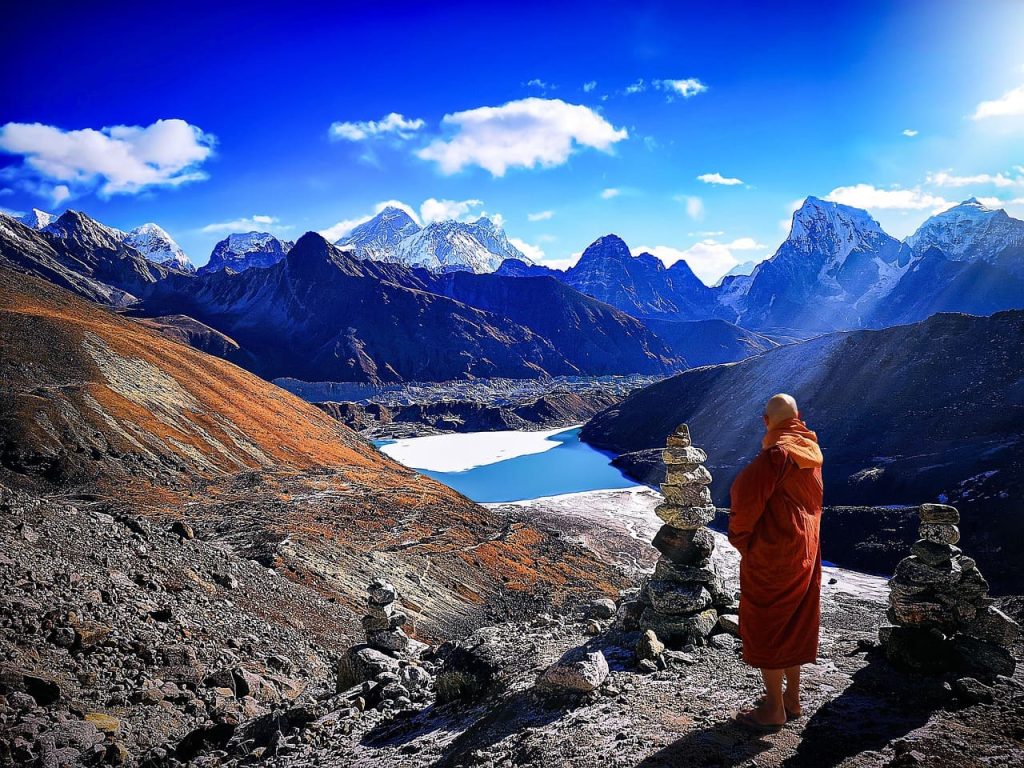
Mountaineering experts and safety analysts have raised alarms regarding the traffic jams that occur on the summit ridge of Mount Everest. The proliferation of budget expedition operators has opened the mountain to less experienced climbers leading to dangerous bottlenecks in the death zone. High-altitude guides report that climbers are often forced to wait for hours in freezing conditions while lines of people navigate technical sections like the Hillary Step.
Environmentalists point out that the sheer number of people at Base Camp creates significant waste management challenges. The government has attempted to regulate the number of permits but the economic reliance on climbing fees complicates these efforts. The image of a queue of climbers stretching to the summit has become a defining symbol of adventure tourism gone awry.
Bali In Indonesia

Environmental scientists and traffic management officials in Bali report that the island’s infrastructure is groaning under the weight of post-pandemic travel. The popular southern districts of Kuta, Seminyak, and Canggu are plagued by chronic traffic congestion that can turn short trips into hours-long ordeals. Urban planners note that the rapid development of villas and hotels has outpaced the capacity of roads and water systems.
Cultural anthropologists observe that the influx of digital nomads and influencers has altered the character of many neighborhoods pushing up prices and changing the local atmosphere. Waste management remains a critical issue with beaches often littered with plastic debris during the monsoon season. Government officials have introduced a tourist tax to fund preservation efforts but the volume of visitors continues to present a major challenge.
Hallstatt In Austria
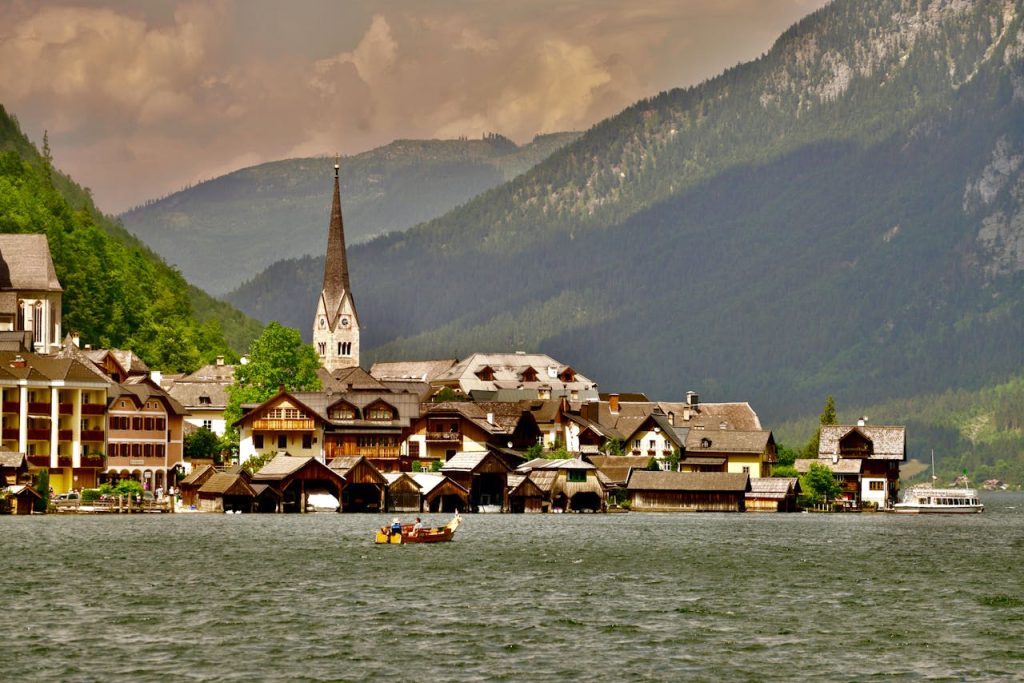
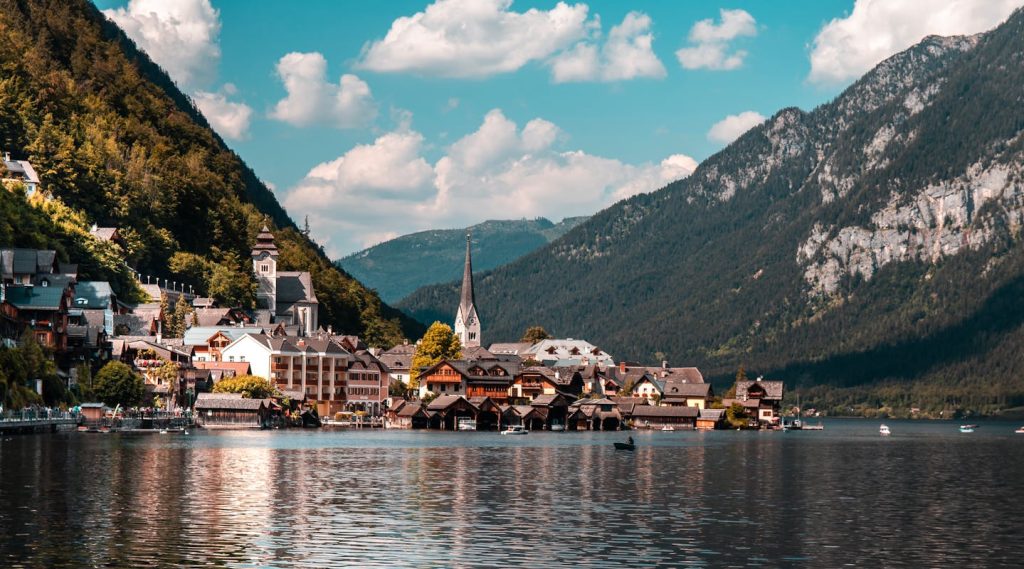
Village council members and Austrian tourism officials have expressed frustration with the transformation of Hallstatt into a backdrop for social media content. The tiny alpine village receives upwards of a million day-visitors annually despite having a population of less than eight hundred. Residents have erected privacy screens to stop tourists from peering into their living rooms and gardens.
Transportation planners have implemented limits on the number of tour buses allowed to enter the village each day. The focus has shifted from attracting more visitors to managing the flow of those who arrive. Heritage experts argue that the commodification of the village’s image has eroded the authentic alpine culture making it difficult for locals to live a normal life amidst the constant flash of cameras.