10 U.S. Cities Americans Say They’d Never Move To in 2025
Relocating can feel exciting, but you want your next move to make sense. Some cities look appealing at a distance, yet daily life tells a different story. High living costs, slow job growth, harsh climates, or long commutes can quietly wear you down. Recent Census estimates, real estate reports, and national surveys all point to places where people are leaving more than arriving. Here’s a closer look at ten U.S. cities you may want to weigh carefully before packing up and starting fresh.
1. New York City, New York
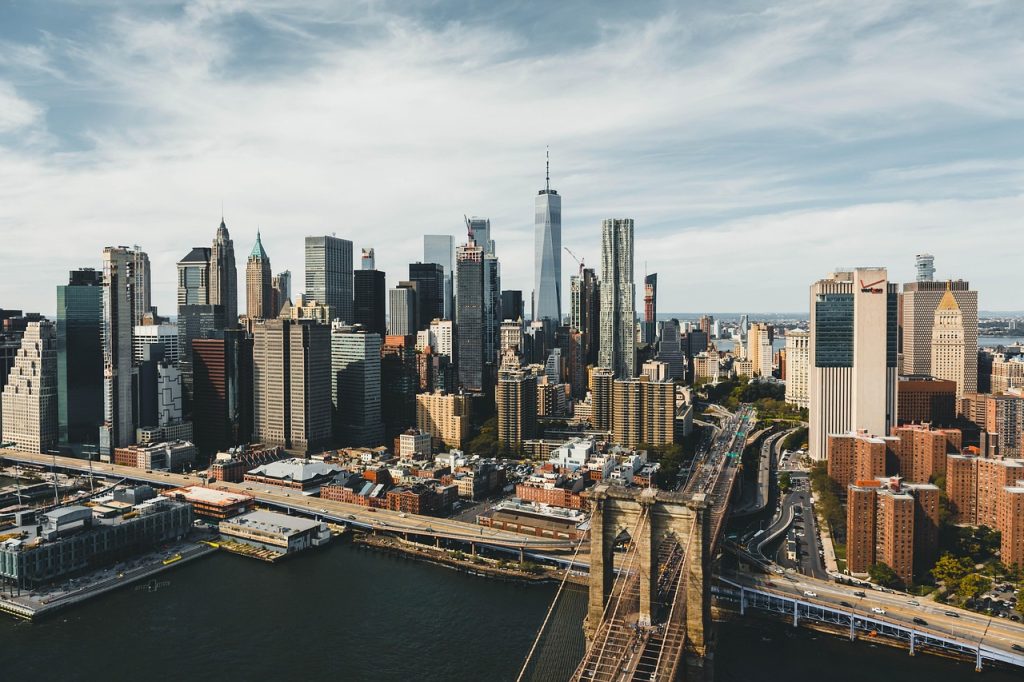
Living in New York asks a lot from your budget. Recent Zillow and Redfin data show one bedroom rents that often land in the upper four thousand range, and everyday costs keep climbing. You also deal with cramped apartments, crowded trains, and steady noise that never really fades. Census estimates still show more people leaving than arriving, which tracks with locals searching for more space and a calmer pace. If you want a place that gives you breathing room, this city makes you work for it.
2. Los Angeles, California
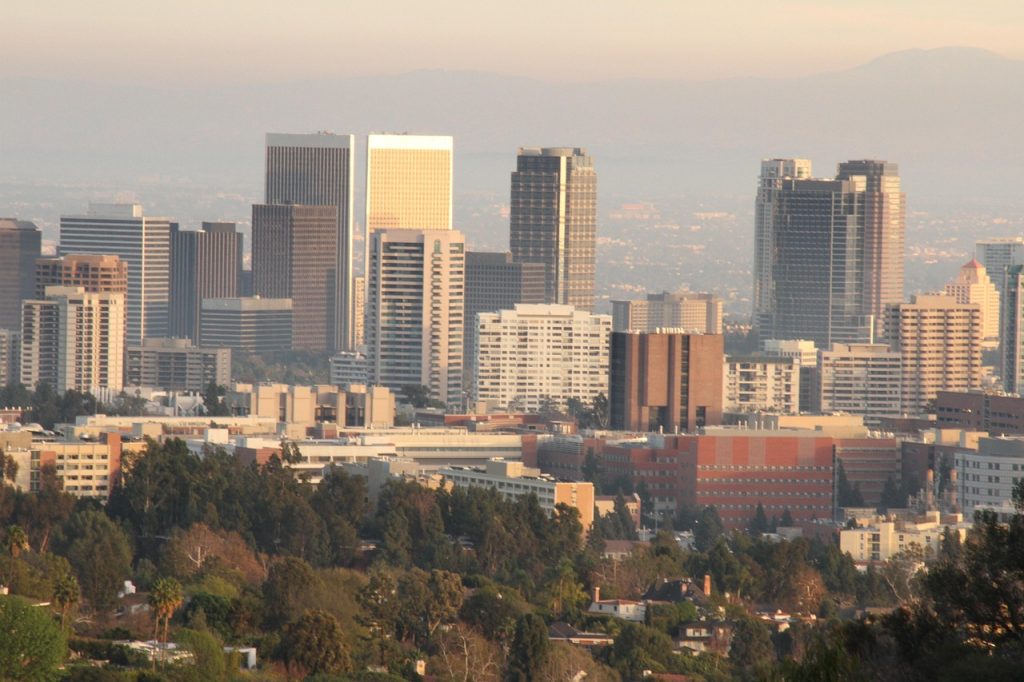
When you picture Los Angeles, you think sunshine and palm trees, but living here brings long commutes and high housing costs. Many workers sit in traffic for close to an hour at peak times, and one bedroom rents often hover in the upper two thousand range. Surveys also note concerns about air quality and neighborhood safety. Census data shows continued outflow as families look for cities where daily life feels more manageable. If you want balance and predictable expenses, LA can be a tough fit.
3. San Francisco, California

San Francisco still carries the weight of its tech boom years, even as many remote workers decide they don’t need to live there anymore. Rents remain high, often above three thousand for a one bedroom, despite some recent softening. Office vacancies, a visible homelessness crisis, and steep living costs continue to shape the city’s reputation. Census estimates show fewer new arrivals and more outbound moves. If you’re hoping for affordability or extra space, San Francisco rarely delivers it.
4. Chicago, Illinois
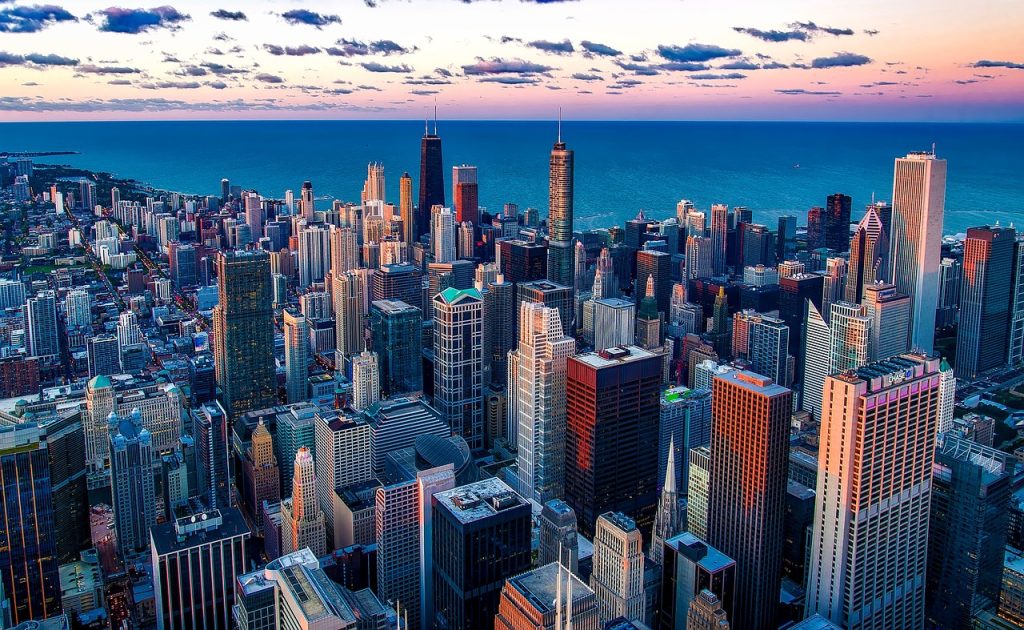
Chicago has incredible food and a rich cultural life, but the challenges are hard to ignore. Property taxes run high, winters demand patience, and public safety concerns show up often in local surveys. Census data points to ongoing population decline, mostly driven by families seeking stability and lower costs. The city still has loyal fans, yet newcomers sometimes feel the weight of big city issues without the financial upside. Chicago can be rewarding, but it asks you to adjust your expectations.
5. Detroit, Michigan
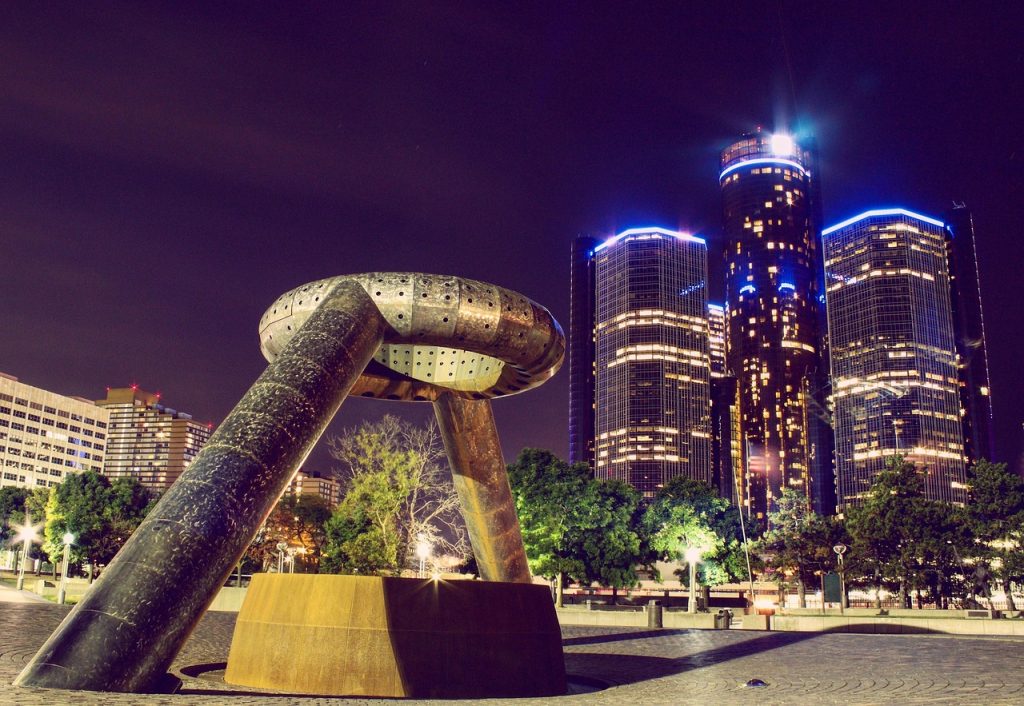
Detroit’s comeback is real in certain neighborhoods, but jobs outside the auto industry remain limited. National surveys show the lasting perception that economic growth is uneven. Some areas still struggle with school performance and public services, which affects confidence for new arrivals. Census estimates continue to show gradual population decline, even as housing stays surprisingly affordable. If you want long term job security and well funded services, you may feel uncertain settling here.
6. Phoenix, Arizona
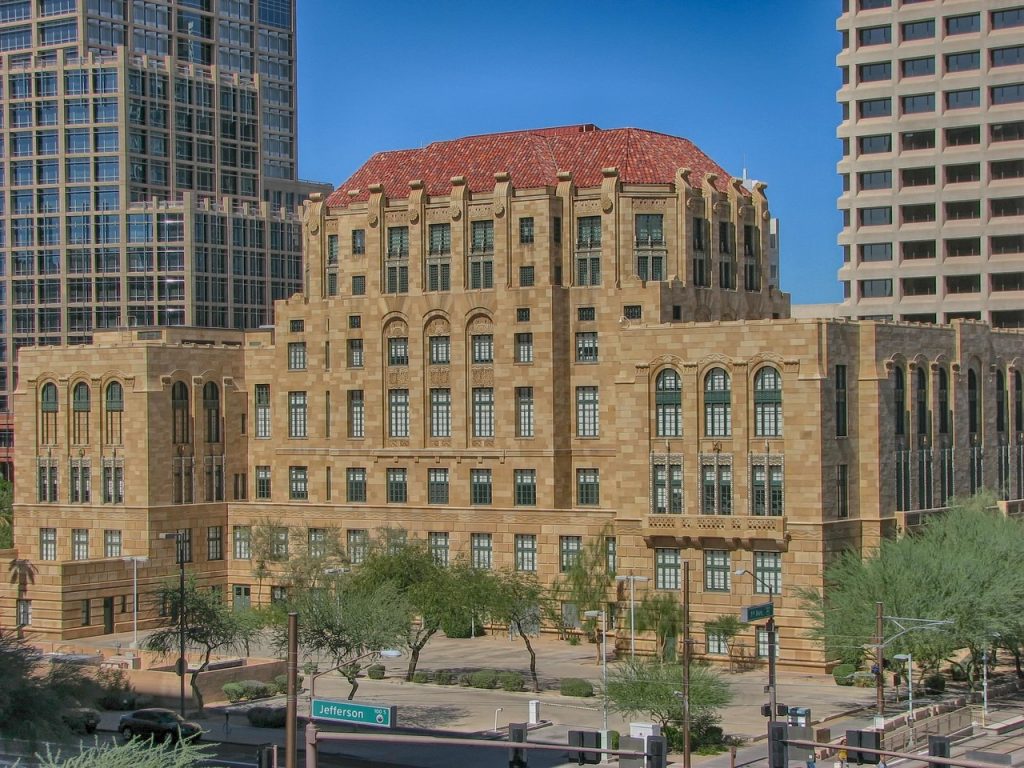
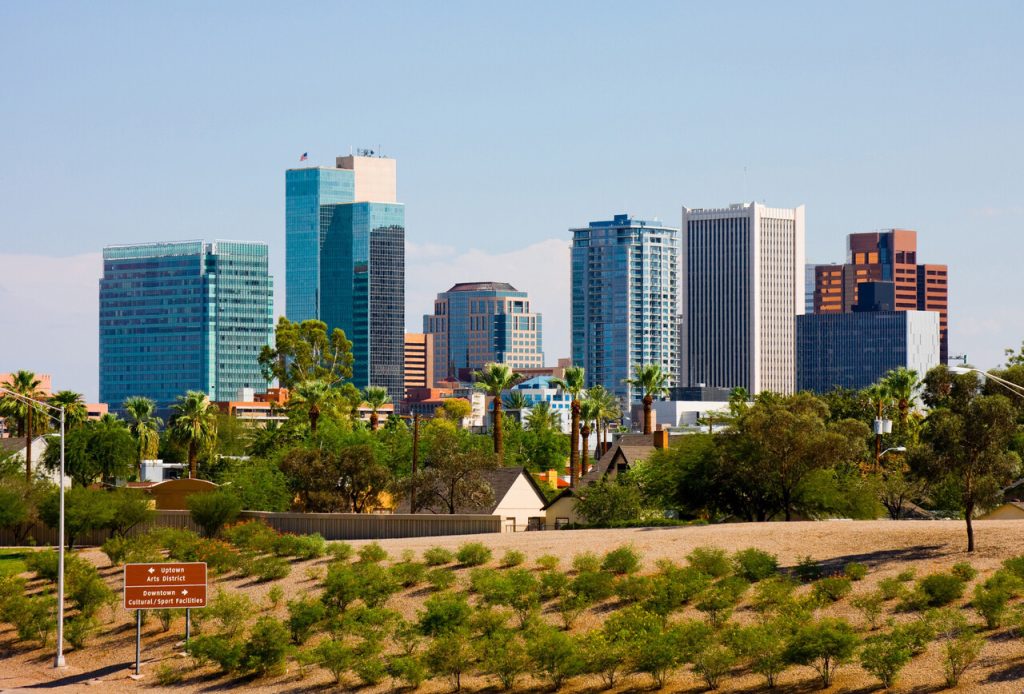
Phoenix has drawn huge numbers of new residents, but the rapid growth comes with real strain. Summers are breaking heat records, with stretches above 110 degrees becoming more common. Water discussions dominate local planning, and restrictions pop up during dry periods. Home prices have climbed quickly since 2022, putting pressure on budgets. While job opportunities are strong, the climate and infrastructure issues make some newcomers rethink long-term plans.
7. Miami, Florida
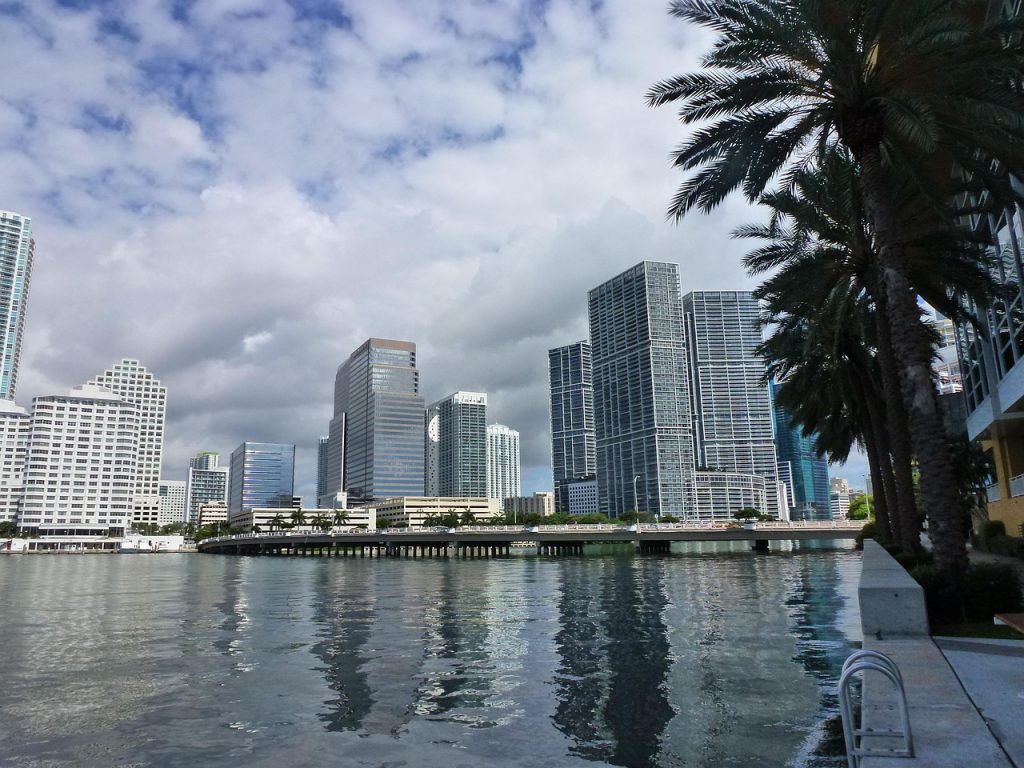
Miami gives you beaches and nightlife, but living here brings serious costs. Rents often land around three thousand for a one bedroom, and insurance premiums have jumped because of rising sea levels and stronger storms. Many longtime residents now look inland for affordability and stability. Even with its appeal as a vacation destination, Miami’s high expenses and unpredictable weather make relocation a risk for anyone seeking steady ground.
8. Las Vegas, Nevada
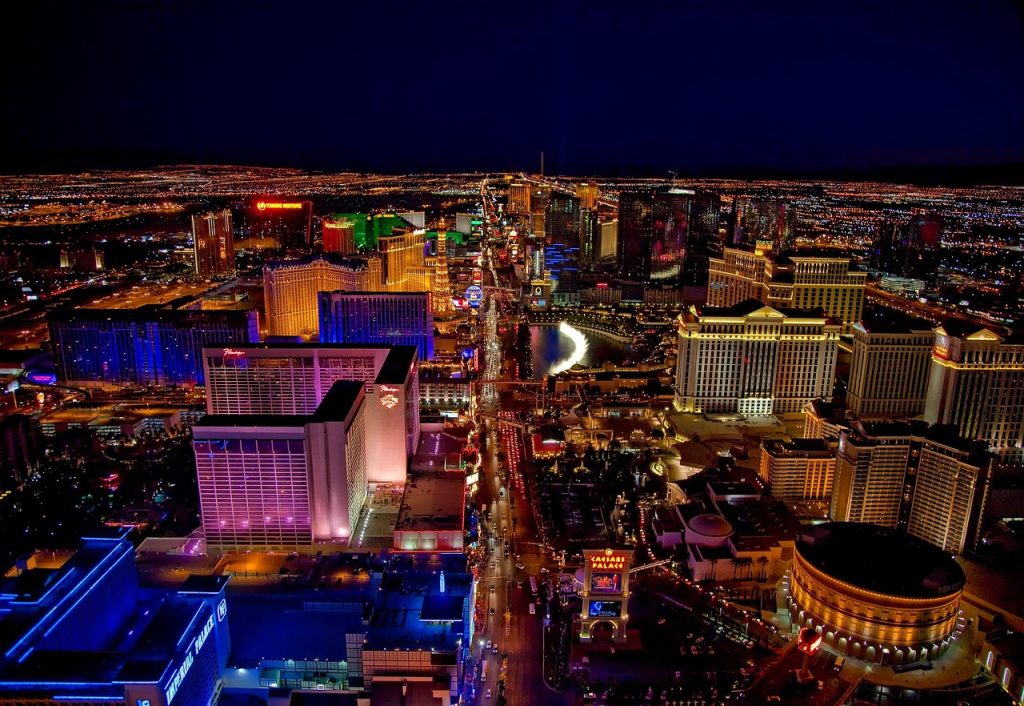
Las Vegas shines for visitors, yet everyday life looks different. Jobs outside tourism can be limited, and long heatwaves test your patience every summer. Drought concerns have led to repeated water restrictions across Clark County. Housing prices move up and down more than in other metros, which can be stressful if you’re hoping for stability. For many families, Vegas ends up feeling like a place that works for a weekend but not for planting roots.
9. Seattle, Washington
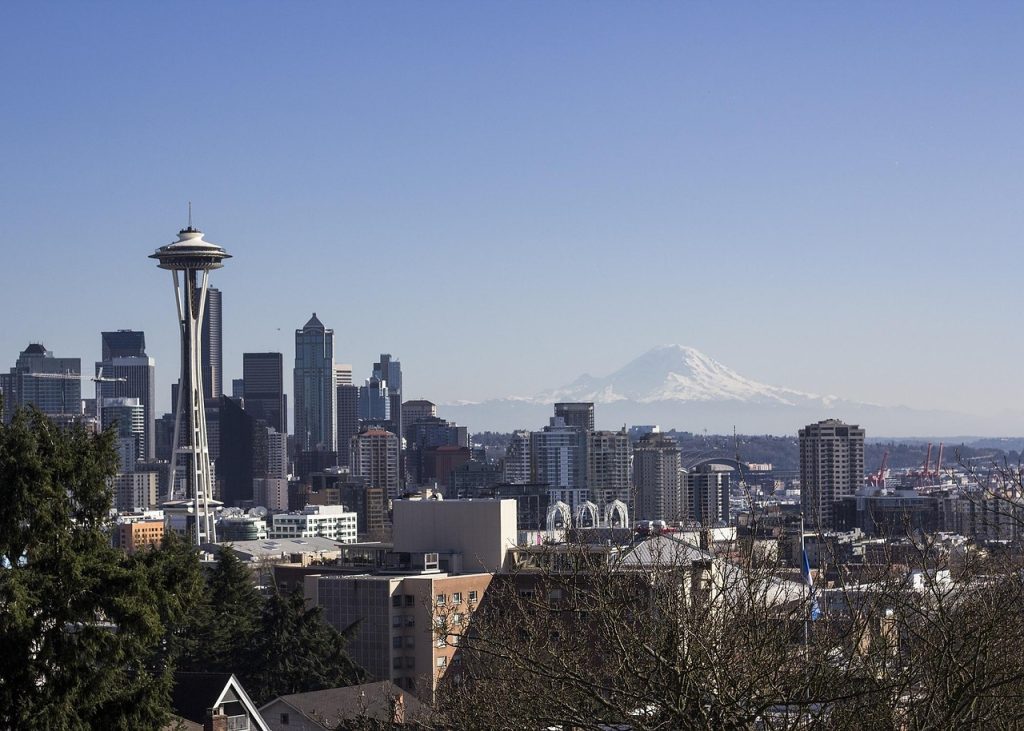
Seattle’s natural scenery pulls people in, but the cost of living pushes many right back out. One bedroom rents often reach the mid two thousands, and the city’s long gray seasons wear on newcomers. Traffic jams, rising homelessness, and high daily expenses all show up in surveys about why residents leave. Census estimates reveal slowing in migration, which wasn’t the case a decade ago. If weather and affordability matter to you, Seattle may feel heavier than expected.
10. New Orleans, Louisiana
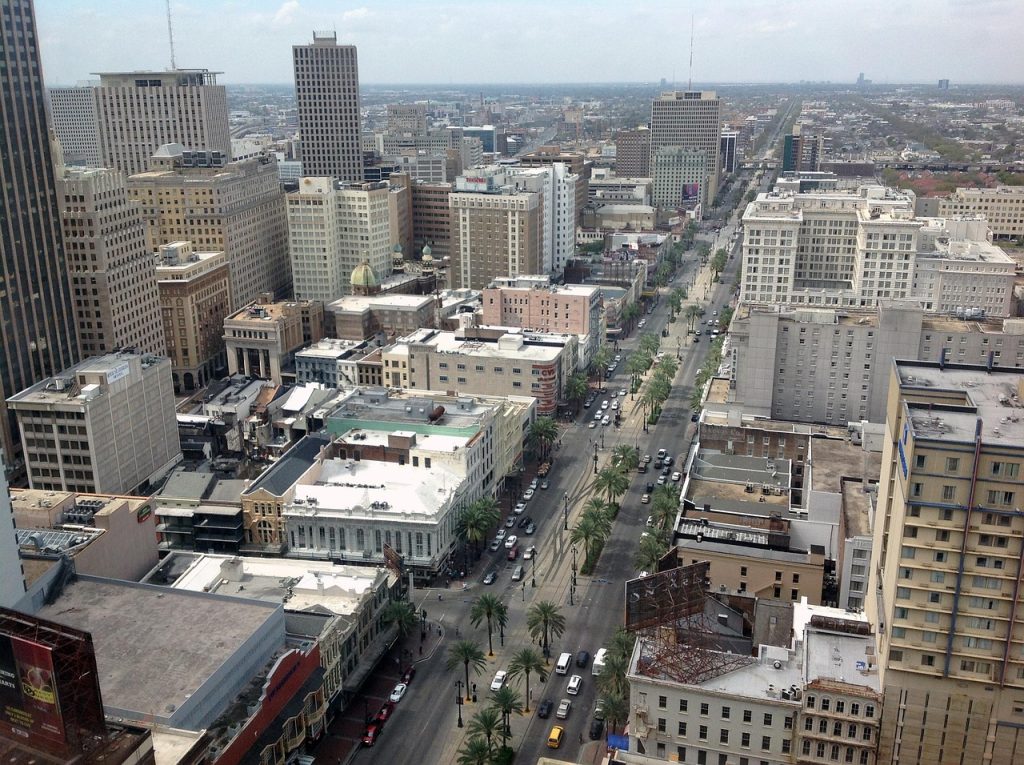
New Orleans has unmatched music, food, and culture, yet everyday life comes with real uncertainties. The risk of hurricanes keeps insurance costs high, and flooding concerns shape both housing and budgets. Job growth moves slower than in other southern cities, and some public services struggle to keep up. Recent migration data shows more people leaving than settling down long term. If you need dependable infrastructure and predictable expenses, you may think twice before choosing New Orleans.