10 U.S. Cities Where “Budget Travel” No Longer Exists

Budget travel once thrived in cities offering affordable lodging, inexpensive meals, and accessible transportation, but that reality changed rapidly. Rising housing costs, labor shortages, inflation, and sustained tourism demand reshaped pricing nationwide. Destinations once manageable for frugal travelers now require careful budgeting, advance reservations, and compromises. Hotel rates climbed, dining costs followed, and attraction fees increased. Even off peak seasons offer limited relief. This article explores ten U.S. cities where traditional budget travel largely disappeared, explaining how everyday expenses escalated and why affordability no longer defines these popular urban destinations for visitors today.
New York City, New York

New York City eliminated most budget travel options as hotel prices climbed across Manhattan and outer boroughs. Short term rental restrictions reduced alternatives, pushing visitors toward higher nightly rates. Dining costs increased as wages and food prices rose. Transit fares adjusted upward, adding daily expenses. Attractions introduced timed entry pricing and higher ticket costs. Even budget neighborhoods felt pressure from tourism demand. Visitors now plan carefully, prioritizing fewer activities and shorter stays. What once allowed flexible, affordable trips now requires strategic spending, reshaping expectations for travelers who once relied on timing and neighborhood choices to find value.
San Francisco, California

San Francisco shed its remaining budget travel reputation as lodging and dining costs surged. Limited hotel inventory and strong demand raised nightly rates citywide. Dining prices reflect higher labor and supply costs. Transportation expenses increased as parking and transit fees rose. Popular attractions adjusted pricing to manage crowds. Neighborhoods once considered affordable experienced rising rates due to tourism and housing pressure. The city’s appeal remains strong, but affordable spontaneity disappeared, turning trips into carefully planned experiences requiring larger budgets than many travelers once expected. These changes continue shaping planning decisions and travel expectations nationwide.
Los Angeles, California

Los Angeles no longer supports budget travel as accommodation prices climbed across coastal and central neighborhoods. Short term rental competition reduced low cost options. Dining expenses increased alongside wages and ingredient costs. Transportation adds expense due to car dependence, fuel, and parking. Attractions raised ticket prices to manage demand. Even traditionally affordable areas saw rising costs. Visitors now structure trips around limited zones to control spending. The sprawling city still attracts travelers, but inexpensive exploration faded as higher costs reshaped how visitors experience Southern California. These changes continue influencing planning decisions, spending priorities, and travel expectations nationwide.
Miami, Florida
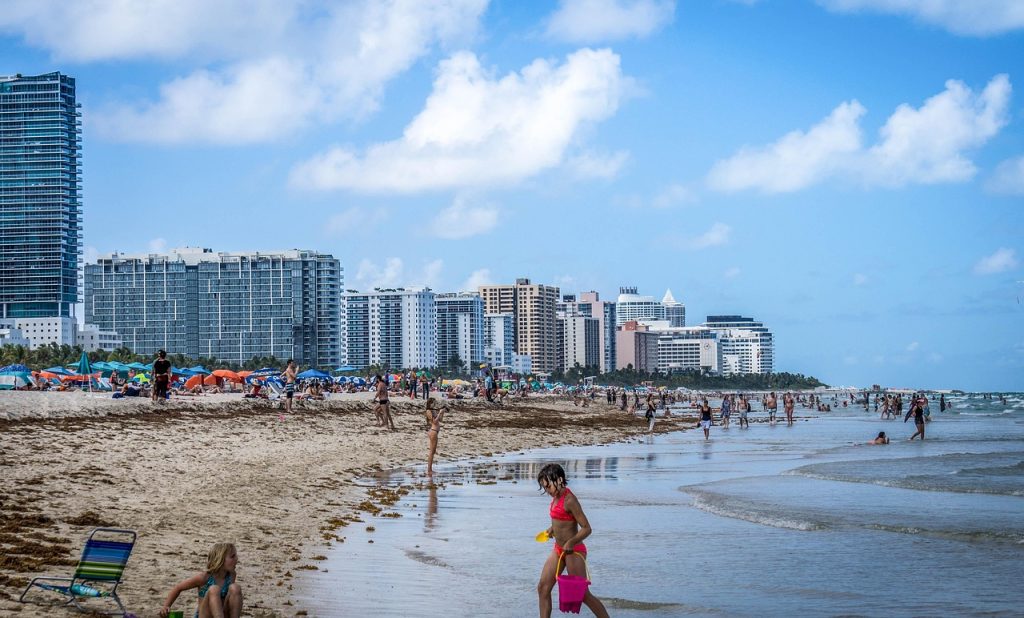
Miami transitioned away from budget travel as tourism demand and relocation increased prices. Hotel rates climbed year round, especially near beaches and cultural districts. Dining costs rose as restaurants adjusted to higher rents and labor expenses. Transportation fees, including parking and tolls, added daily costs. Seasonal relief narrowed as demand remained strong. Visitors increasingly budget for shorter stays and fewer activities. What once offered affordable coastal access now reflects premium pricing, limiting opportunities for low cost travel in South Florida’s most visited city. These shifts continue influencing visitor planning decisions, spending priorities, and travel expectations nationwide today steadily.
Boston, Massachusetts
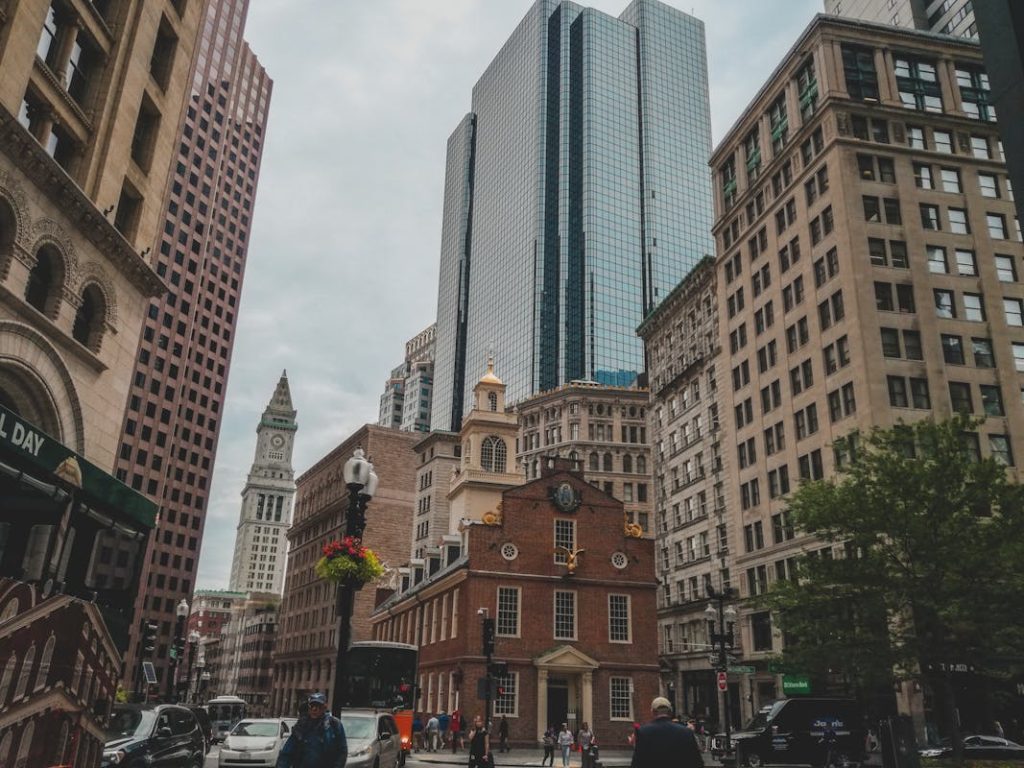
Boston’s travel affordability declined as hotel prices rose across downtown and surrounding neighborhoods. Limited inventory and strong academic, business, and tourism demand sustained high rates. Dining expenses increased with labor and supply costs. Transit fares adjusted upward, affecting daily budgets. Attractions implemented reservation systems and higher entry fees. Visitors now plan tightly structured itineraries to manage expenses. The city’s historic appeal remains, but traditional budget travel disappeared, replaced by higher baseline costs that challenge travelers seeking urban experiences. These shifts continue influencing visitor planning decisions, spending priorities, and travel expectations nationwide.
Seattle, Washington
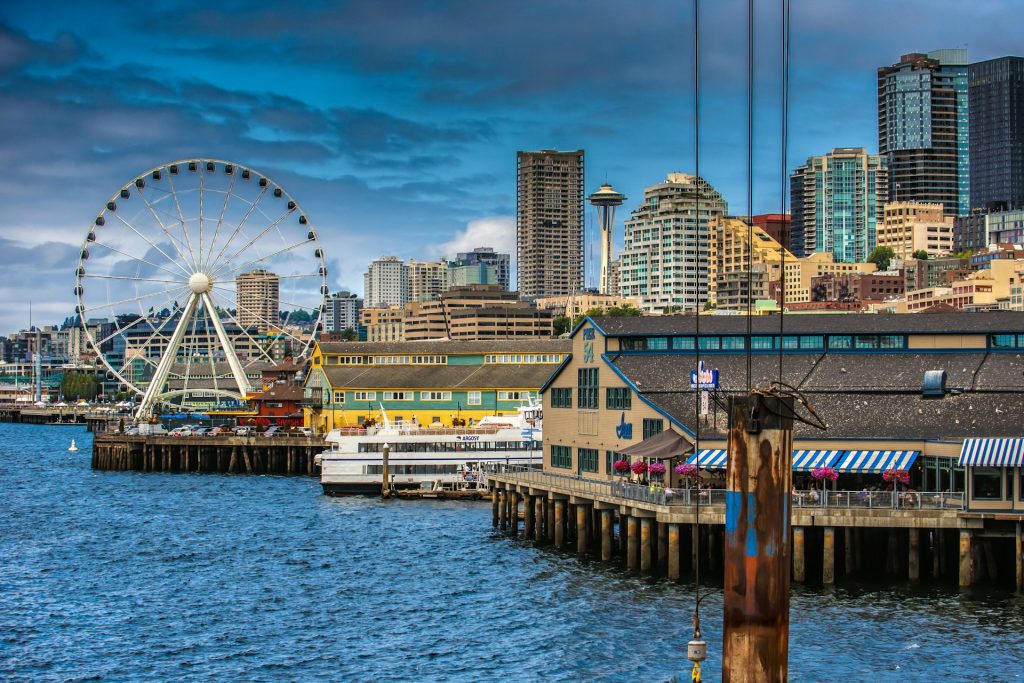
Seattle lost its budget friendly reputation as accommodation prices increased near downtown and waterfront areas. Tourism growth and limited hotel supply raised nightly rates. Dining costs climbed alongside wages and sourcing expenses. Transportation fees, including parking, added to daily spending. Popular attractions adjusted pricing to manage crowds. Neighborhoods once offering value experienced rising costs due to demand. Travelers now limit stays or activities to control budgets. While Seattle remains appealing for scenery and culture, affordable travel options diminished significantly for visitors. These shifts continue influencing visitor planning decisions, spending priorities, and travel expectations nationwide today steadily.
Austin, Texas
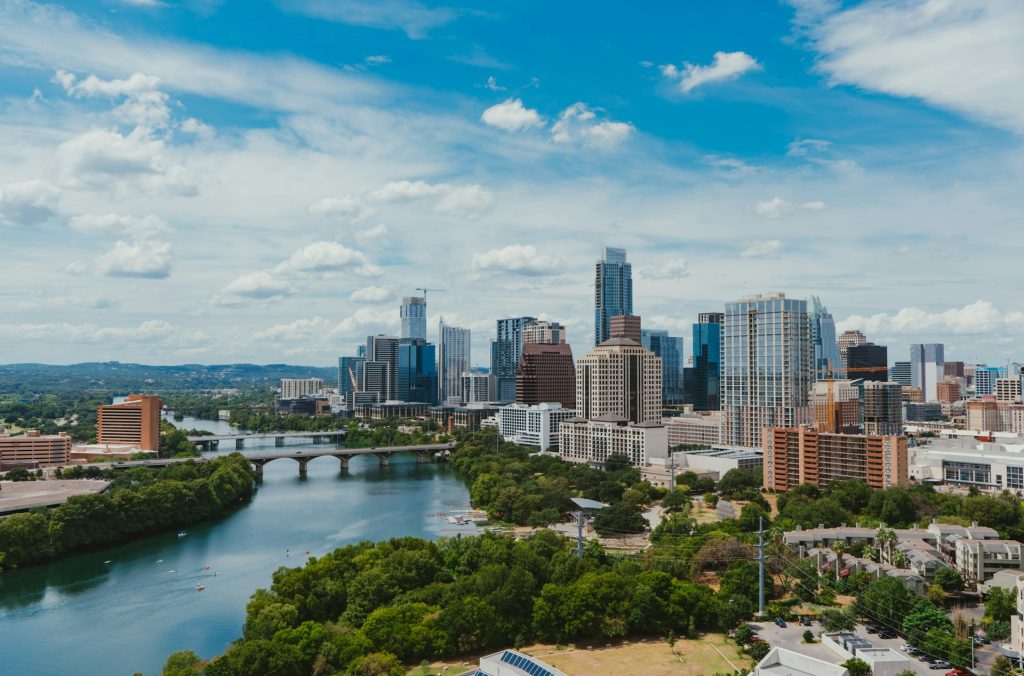
Austin’s rapid growth eliminated budget travel as hotel rates surged during festivals and remained elevated year round. Short term rentals reduced long term affordability. Dining prices increased as demand outpaced supply. Transportation costs rose due to limited public transit and parking fees. Attractions and live events adopted dynamic pricing models. Visitors now schedule trips carefully around events and availability. What once offered inexpensive cultural travel now requires larger budgets, signaling Austin’s shift from affordable destination to premium urban experience. These shifts continue influencing visitor planning decisions, spending priorities, and travel expectations nationwide today steadily.
Nashville, Tennessee
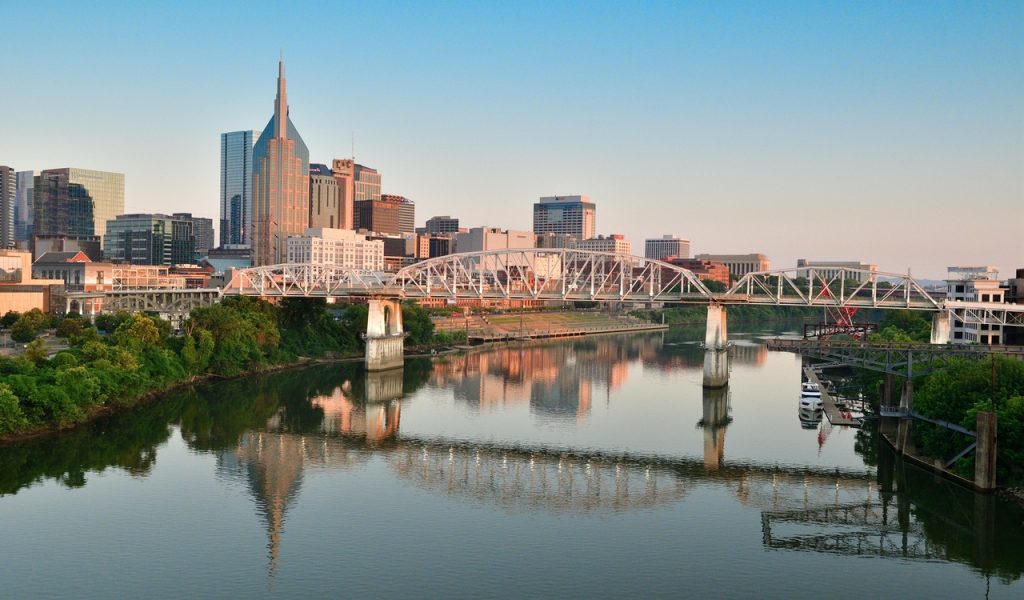
Nashville’s popularity transformed it from budget friendly to costly for visitors. Hotel prices increased sharply, especially downtown and near entertainment districts. Dining costs rose alongside staffing and supply expenses. Transportation fees added to budgets as ride services replaced limited public transit. Attractions and live music venues raised prices. Seasonal demand now stretches year round, limiting savings opportunities. Travelers increasingly shorten visits or reduce activities. Nashville remains vibrant, but the days of low cost music city getaways largely disappeared. These shifts continue influencing visitor planning decisions, spending priorities, and travel expectations nationwide today steadily.
Denver, Colorado
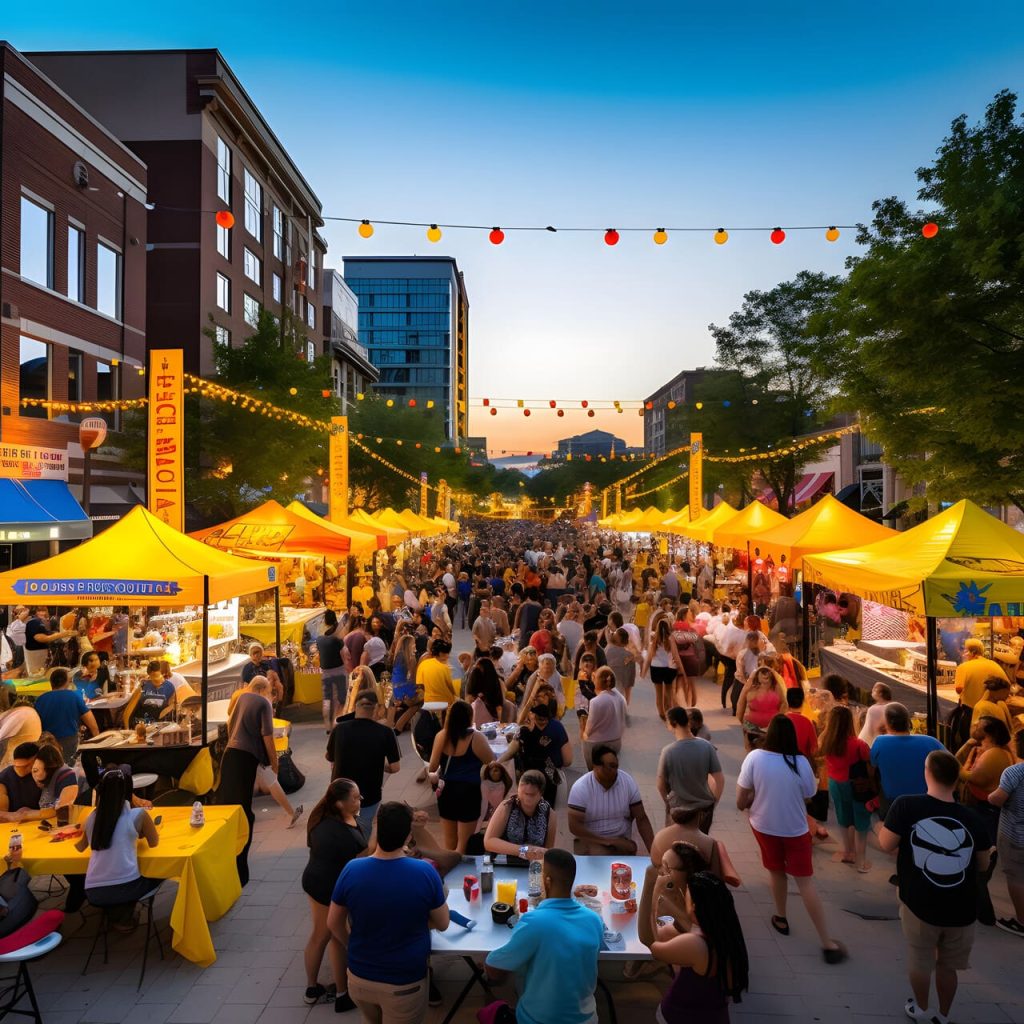
Denver’s affordability declined as tourism, relocation, and outdoor recreation demand increased costs. Hotel rates rose across central neighborhoods and nearby suburbs. Dining prices reflected higher wages and operating expenses. Transportation costs increased with parking fees and rental demand. Attractions and outdoor access introduced permits and higher entry costs. Seasonal price fluctuations narrowed. Visitors now budget carefully, focusing on fewer experiences. Denver’s access to nature remains attractive, but budget travel options faded as overall expenses climbed steadily. These shifts continue influencing visitor planning decisions, spending priorities, and travel expectations nationwide today steadily.
Honolulu, Hawaii
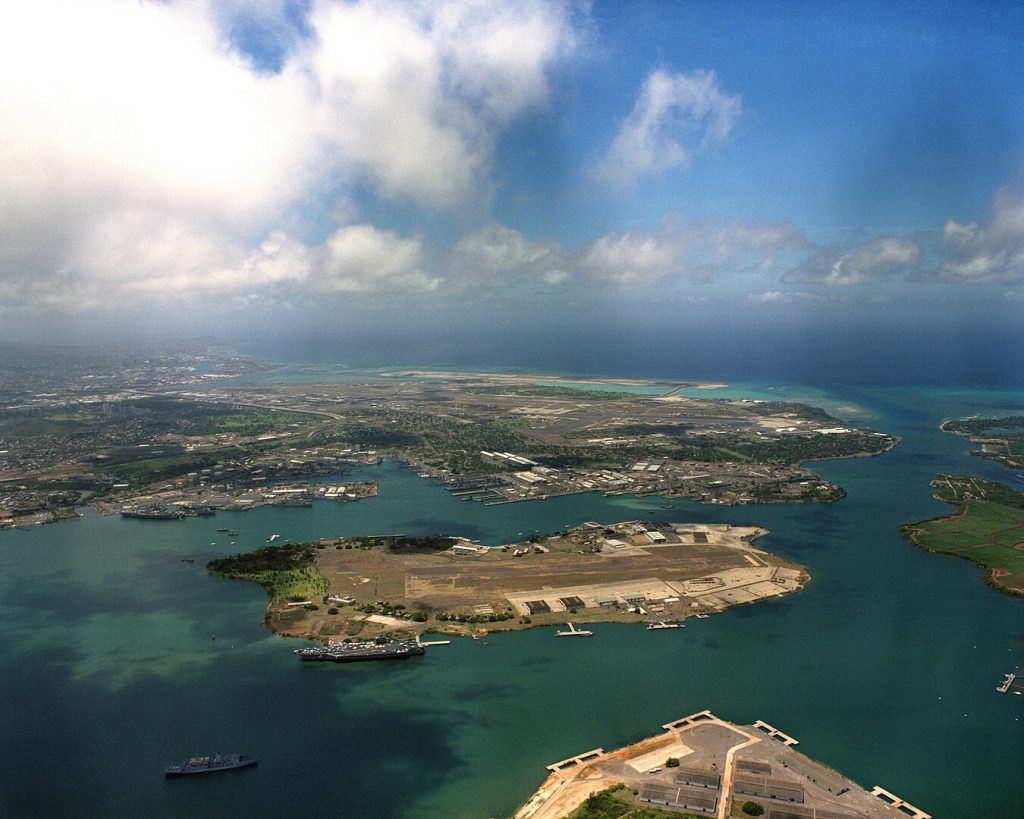
Honolulu firmly exited the budget travel category as accommodation prices rose sharply after sustained tourism recovery. Limited land and housing pressures reduced affordable lodging. Dining costs increased due to imports and labor expenses. Transportation, including rental cars and fuel, added significant cost. Attractions introduced reservation systems and higher fees. Seasonal relief diminished as demand stayed high. Visitors now plan shorter stays with higher daily budgets. While Honolulu’s appeal endures, affordable island travel largely disappeared for cost conscious travelers. These shifts continue influencing visitor planning decisions, spending priorities, and travel expectations nationwide today steadily.