10 Wakeboard Waters Wake-Washed With Weed Wraps
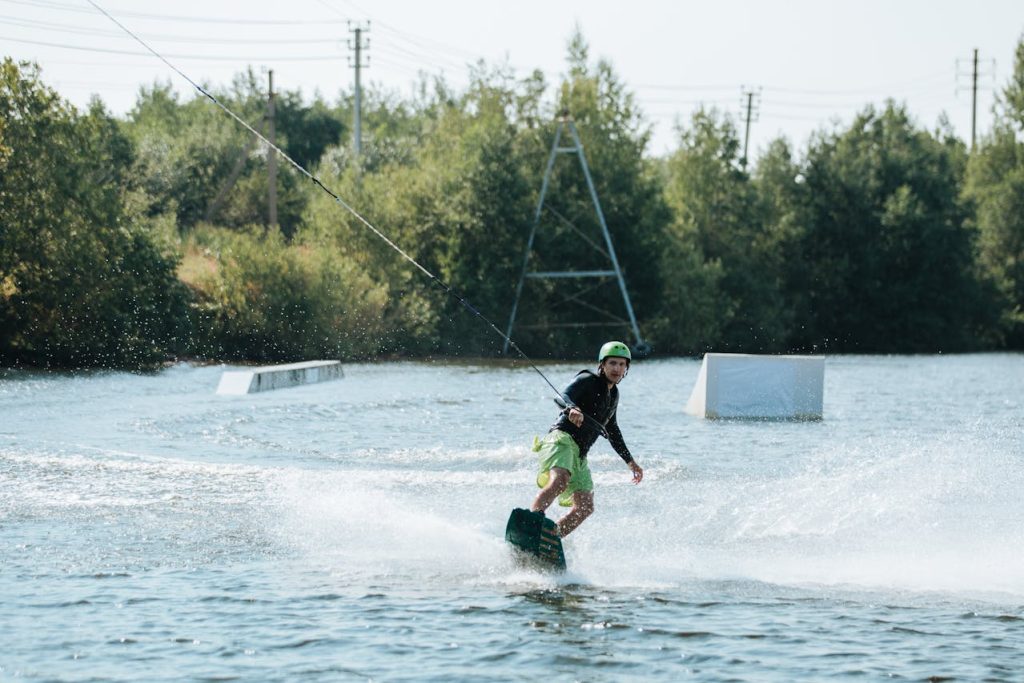
Wakeboarding looks effortless on clean water, but loose aquatic plants can turn a smooth pull into drag and chatter. In warm shallows, milfoil, hydrilla, and eelgrass break free and drift just under the shine, often invisible until the board feels dull.
Boat traffic and sharp turns shred those plants into long strands that gather in the wake trough like soft rope. Wraps cling to fins and bindings, stealing bite on the cut and adding wobble on landings. Wind, depth, and timing decide how fast debris stacks, so one bay rides fine while the next demands constant clears and quick resets. Each setting has clues that show up early, if noticed.
Shallow Reservoir Cove After a Heat Spell
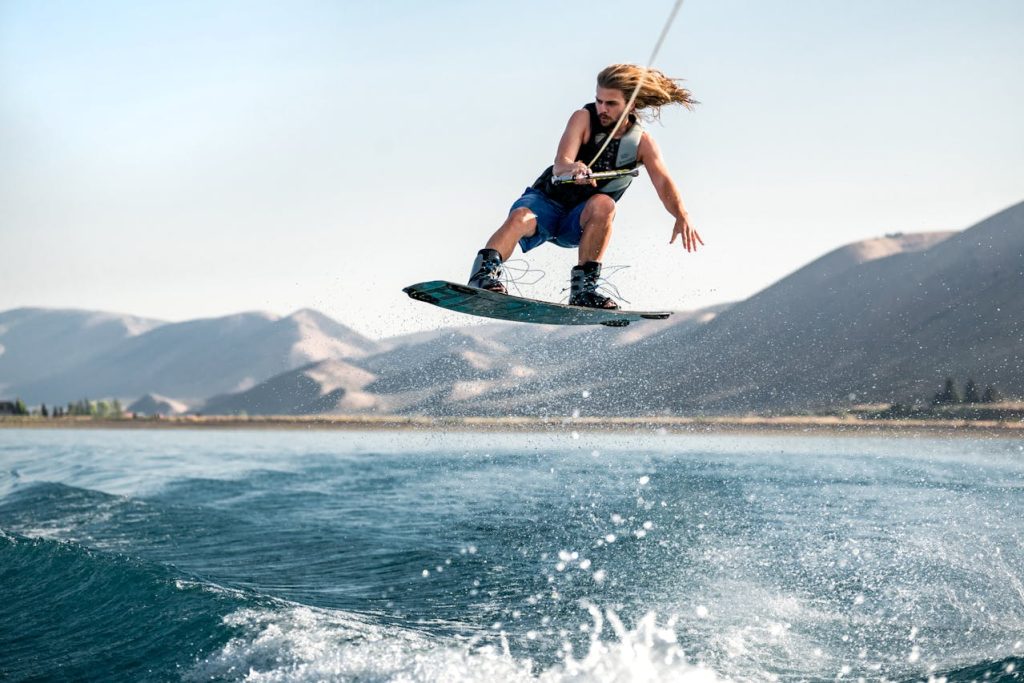
After several hot days, a reservoir cove can look flawless while weeds reach higher and start shedding strands. The surface stays glassy, yet thin green ribbons drift over the shallows and slide toward the riding line. Morning often rides cleaner, while late afternoon can feel strangely sticky.
Turns and idle circles push that debris into the wake trough, where it twists into a braid that clings to fins and bindings. Edge control shifts from crisp to muted, then a sudden grab breaks the rhythm. Most crews regain flow by moving the turnaround a little deeper and clearing fins between sets, before small snags become full wraps.
Spring-Fed Lake With Clear Water and Hidden Growth
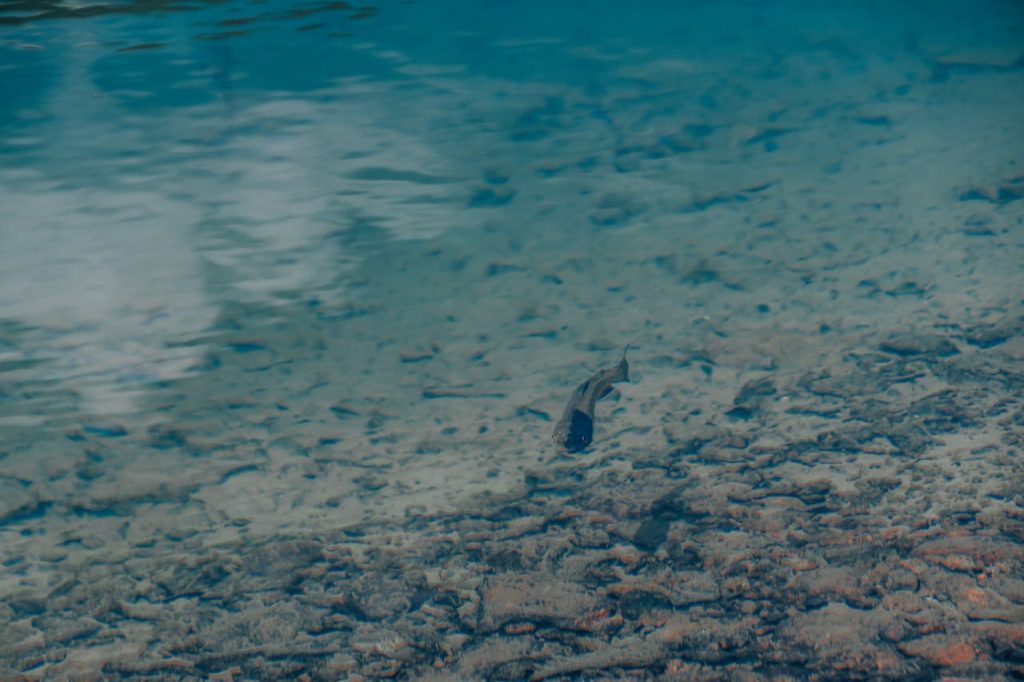
Spring-fed lakes look crystal clear, and that sunlight can feed thick plant beds all the way down. Milfoil and eelgrass sit like a soft lawn, nearly invisible until a tight turn or prop wash lifts strands into the lane. From the boat, the surface can still read clean, which makes the first snag feel unfair.
Once loose pieces rise, they ride the wake shoulder and curl around fins in seconds, adding drag that slowly steals bite on the cut. When the rope comes back speckled with green, the trough is already collecting more. Calm weather traps fragments in place, so moving the turnaround into deeper water is often the simplest fix.
Canal Loop With Hydrilla Edges
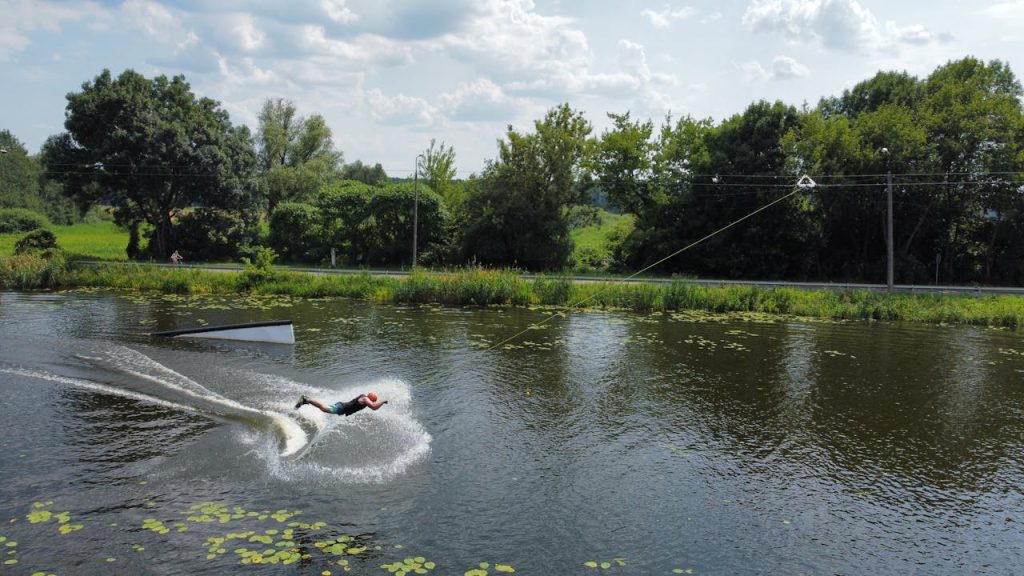
A straight canal loop feels made for steady passes, but hydrilla loves warm banks and breaks apart easily. The center may look clean while the edges shed stems that drift inward after each corner turn. On bright afternoons, a faint green line can trail the boat like a shadow.
Corners act like collection bowls. Wake wash compresses fragments into the trough, and the pieces twist into ropey wraps behind the boat. Speed can stay steady while the board starts to tug and fishtail as a braid tightens under one fin. Wide turns off the bank and a fresh lane after a few sets usually keep the session from turning into constant clears.
Late-Summer Recreation Lake With Heavy Boat Traffic
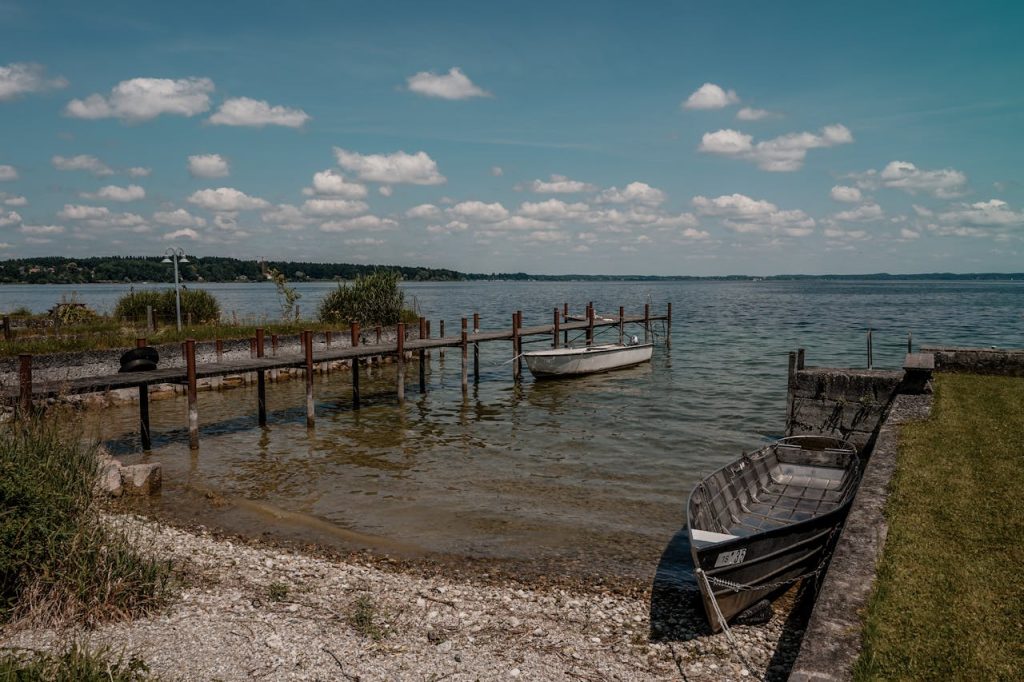
Late summer on a recreation lake mixes warm shallows with nonstop wakes, and the churn snaps plants into floating fragments. Milfoil clippings drift like confetti, then gather near ramps, coves, and any spot where boats keep looping. When the water carries a green film, fragments cling together, especially by midafternoon.
The wake trough acts like a net, pulling stems into a narrow line that wraps gear fast. A rider may start a strong cut, then feel wobble as drag builds and the edge stops biting cleanly. Green freckles on the platform and rope are early warnings, so crews rotate lanes and ride off the shelf where depth drops fast.
River Backwater Where Current Meets Still Water
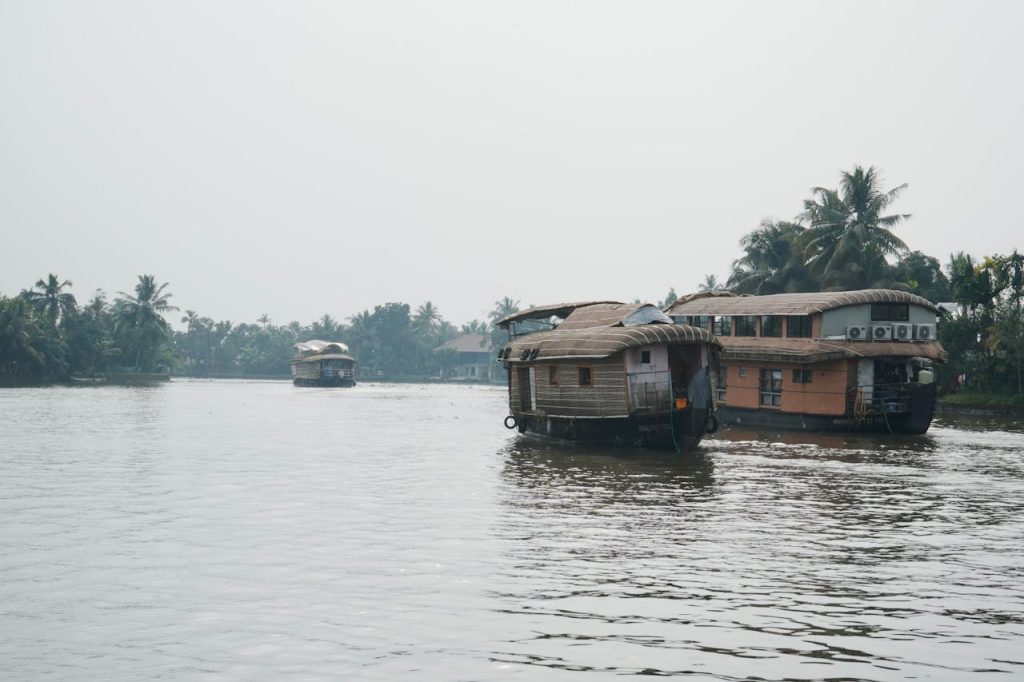
Backwaters feel sheltered and smooth, and that stillness makes them weed traps. Current drops vegetation into calm pockets, forming rafts along reeds, logs, and dock lines. The surface can still look clean, which hides the raft edges.
Rafts slide into the riding lane when a boat passes, then settle into the trough behind the wake. A clean pull turns muted as a wrap steals edge bite, and leaf bits can make the drag feel heavier. When the rope returns with green freckles, moving away from the current seam usually restores cleaner passes. Shifting the turnaround upstream and keeping turns wide reduces fresh shredding in calm weather.
Park Lake With Mowed Lanes and Floating Clippings
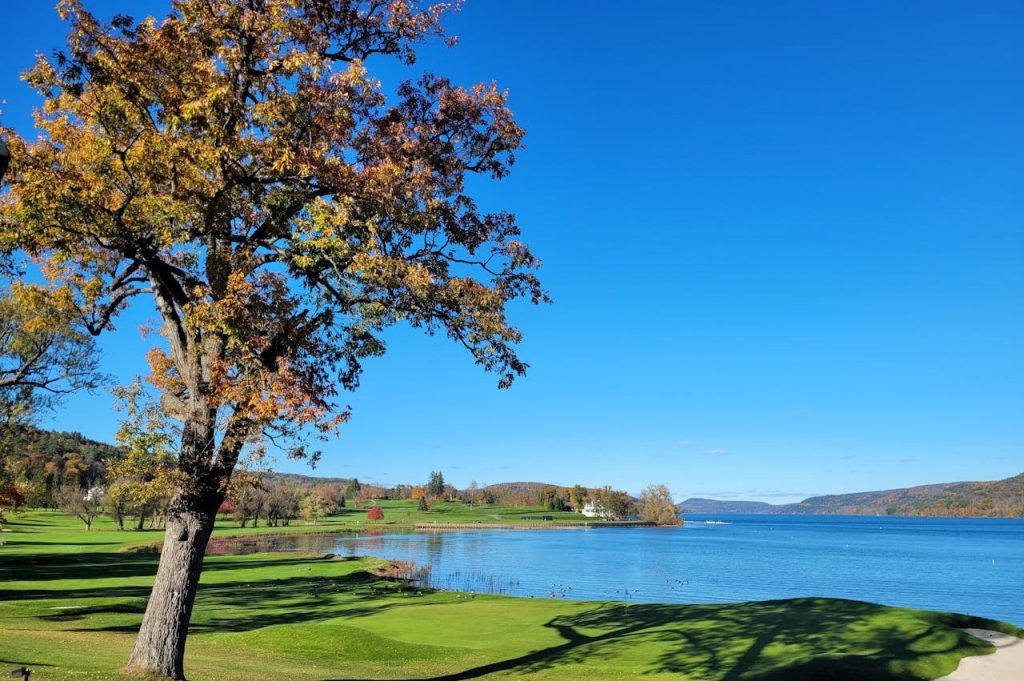
Some park lakes harvest weeds and carve neat corridors that look like a solved problem. Early sets can feel clean and fast, with the lane trimmed and the shoreline looking freshly cleared. The water can even smell sharper, like cut grass.
The catch is the clippings. Chopped pieces drift back within minutes, and the wake trough gathers them like lint into ropey wraps. A pass that starts smooth ends with a dull pull as a braid tightens under the board. On busy afternoons, wakes keep clippings suspended, so crews ride a little deeper than the cut edge and clear fins every set. A fresh lane rotation helps more than extra throttle.
Brackish Bay Flat With Sea Grass Streaks
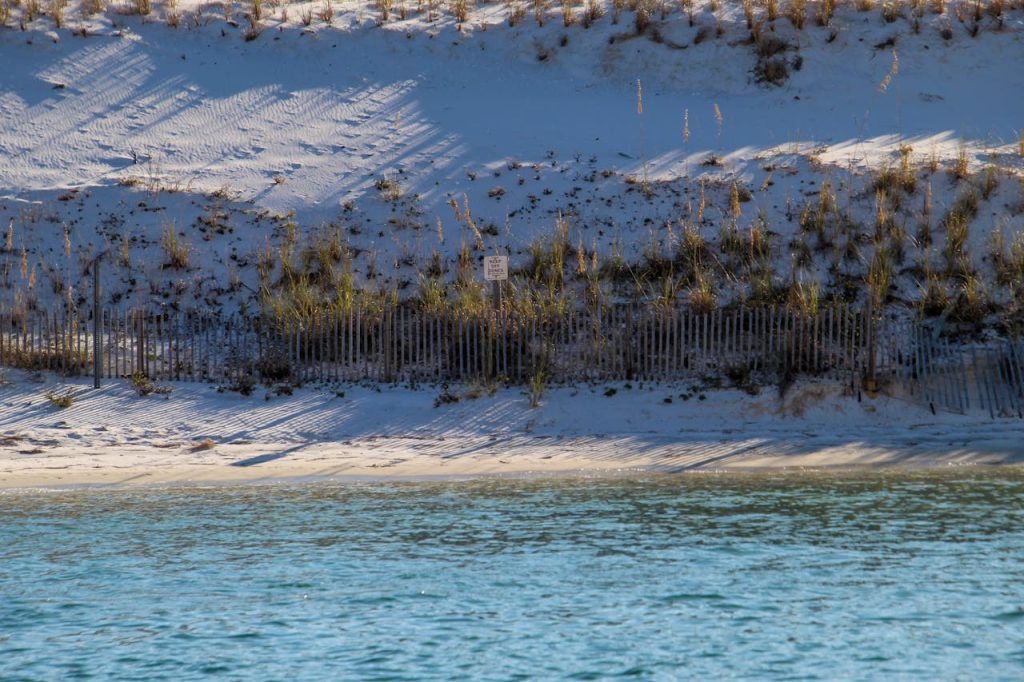
In brackish bays, sea grass meadows hold sand in place and support wildlife, but shallow flats sit close to boards. A mild tide lifts clippings into long streaks that ride the wake shoulder near channels and sandbars. Clear water can hide the streaks until the line starts collecting bits.
When a wrap forms, it often carries sand and shell grit, turning a simple tangle into scratchy drag that dulls fins over time. Edging feels softer, and landings can chatter as grit changes the slide. Because slicks move fast with wind and tide, crews shift into deeper lanes as soon as the rope starts plowing through green, then rinse hardware after.
Mountain Lake Pocket With Sudden Mid-Season Mats
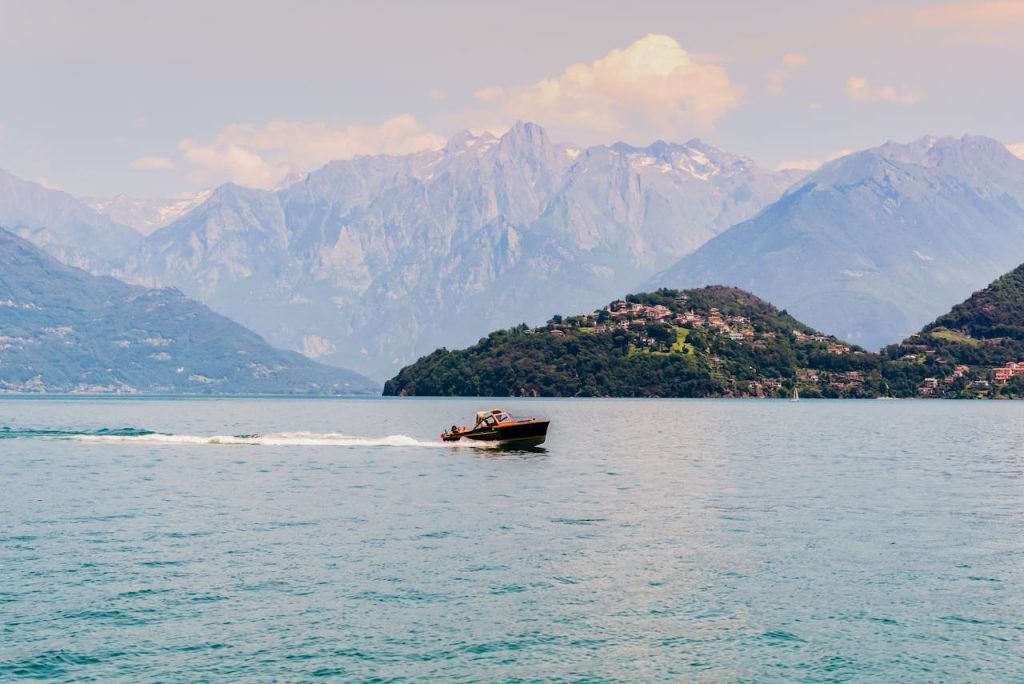
Mountain lakes can stay cold for months, then a short warm stretch sparks quick growth in protected pockets near marinas. Loose pieces collect where wind funnels into corners, and shade behind docks helps mats hold together. A faint slick often forms along the lee shore.
Early passes feel crisp, then the surface gathers more green each hour as wake wash tears off new fragments. Mats are hard to see until the rope drags through them, and a clean cut suddenly feels pinned. Because growth arrives fast, crews relocate sooner, choosing longer, straighter runs away from the pocket before the trough starts acting like a net near sundown.
Low-Water Reservoir With Exposed Weed Beds
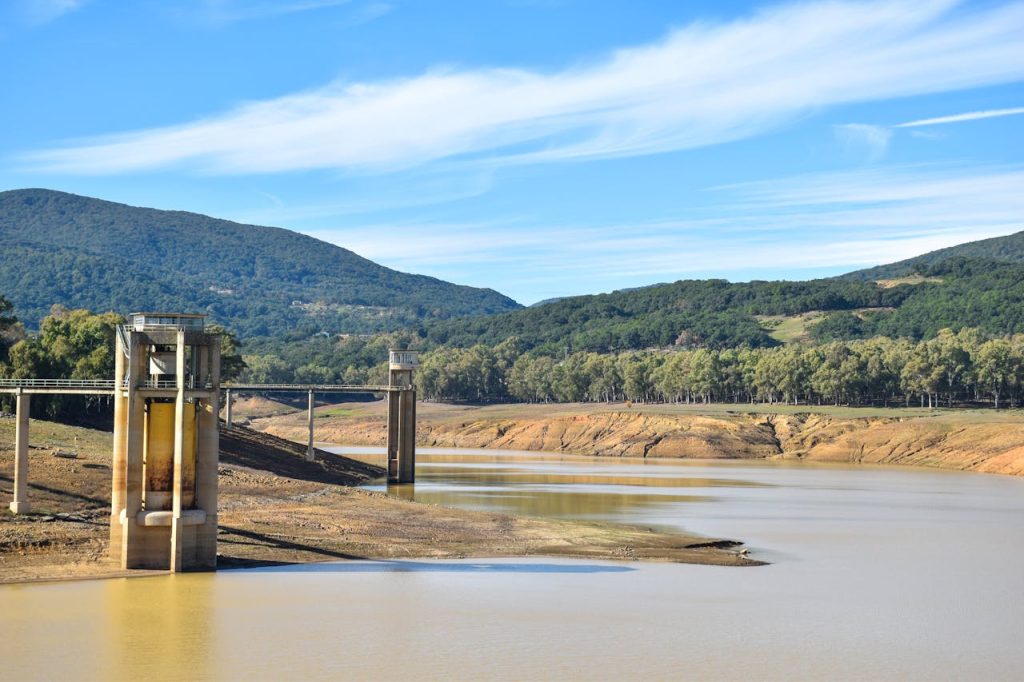
When reservoirs drop, old weed beds sit closer to the surface and familiar lines turn brushy. Shallow coves warm fast, loosening stems from the bottom and sending them drifting into the boat’s turn zone. Exposed shoreline adds sticks that hitchhike in the drift.
In thin water, wake push rips vegetation free and piles it into the trough behind the boat. Wraps feel heavier when stems mix with grit, and that mix can grind against fins and board bases. A board that suddenly pulls to one side is often the first warning. Most crews trade the cove for a deeper main-lake line, because cleaner water beats constant clears, even with some chop.
Urban Lake After Heavy Rain and Runoff
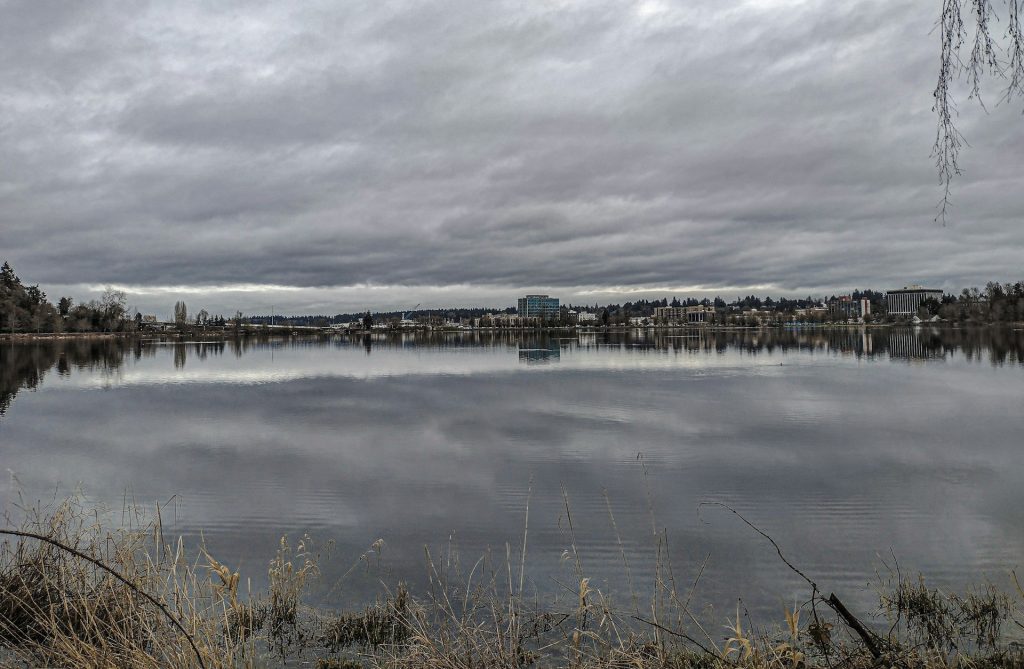
After heavy rain, an urban lake can shift overnight. Runoff stirs shoreline plants and adds nutrients, leaving floating streaks that look like ordinary sheen. Wind herds those streaks into one side, often near inlets and sheltered corners.
Streaks hide loose weeds mixed with leaves, so drag builds unevenly. A pass may start clean, then the edge goes soft as a braid tightens under the board and the rope starts plowing. Green specks on the platform are an early clue. Crews usually relocate upwind fast, and the next day often rides cleaner once the surge settles. Mid-lake lines and wide turns reduce what gets pulled into the trough.