10 Ways Inflation Is Changing the Classic American Road Trip

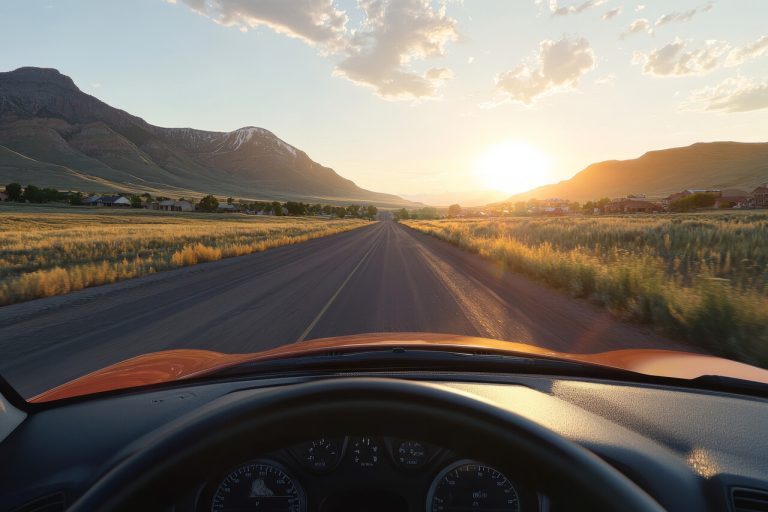
Inflation has not ended the American road trip, but it has changed the way people move through it. Small price jumps now shape big choices about when to leave, where to sleep, and how far to push in a day. Travelers who once improvised are planning tighter, watching fuel swings, and treating time as part of the budget. The classic stops remain, yet the habits around them look different, with more coolers, more points, and more careful splurges. What survives is the same promise: a long ribbon of road and the freedom to follow it.
Fuel Stops Get Planned Like Appointments
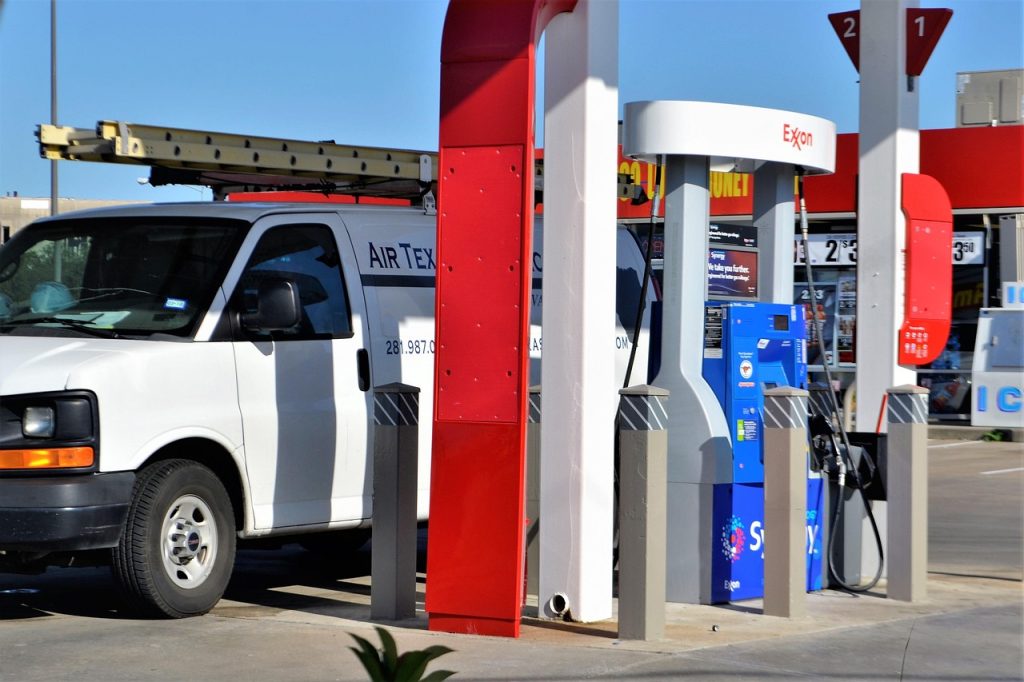
Fuel is no longer a background cost on the road trip; it sets the pace of the day. Drivers check price maps before leaving, time fill-ups around cheaper exits, and stack discounts from loyalty apps and grocery points, because small swings add up over 600 miles. Routes bend toward reliable stations with clean restrooms and predictable pricing, and departures shift earlier to avoid slow traffic that burns extra gas. Even driving style changes: steadier speeds, lighter cargo, and fewer idle minutes at stoplights become quiet ways to protect the budget without shrinking the trip. A simple pit stop becomes a small strategy.
Motels Lose To Mix-And-Match Nights
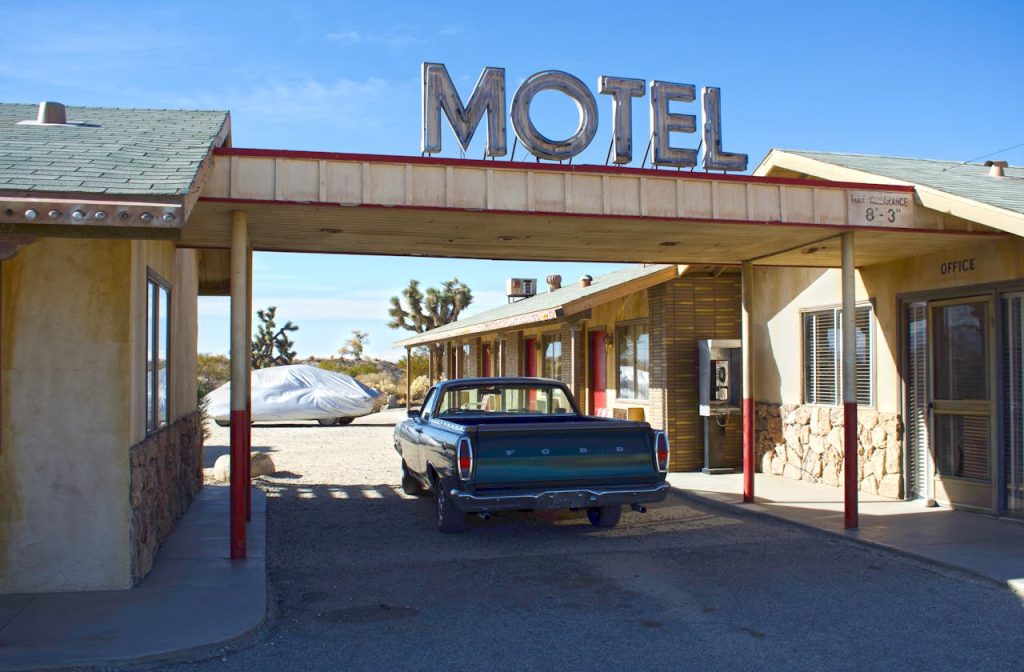
Nightly rates feel less predictable, so lodging is getting stitched together instead of booked as one clean run. A classic roadside motel might be paired with a points night, a cheaper chain outside town, or a midweek deal that nudges the route 20 miles farther. Longer driving days are used to cut one overnight, while a slower day is saved for a scenic stretch where rest matters. Comfort is still the goal, but flexibility is the skill, and last-minute booking apps act like a pressure release when a festival or game sends prices upward. The trip stays fun, just more engineered and less impulsive at midnight.
Coolers Replace Constant Diners

Repeated sit-down meals can swell a budget faster than miles, so food stops are turning into planned highlights. More cars carry a cooler with fruit, sandwiches, and drinks, making rest areas, scenic pullouts, and grocery parking lots part of the dining map. One local meal is saved for a place that feels truly special, while breakfast becomes simple, quick, and consistent. The road still tastes like the road trip, just with fewer receipts, fewer rushed decisions at 2 p.m., and more quiet picnics that stretch the day without draining it. Coffee runs happen, but refillable bottles keep stops cheaper.
Attractions Shift Toward Free And Low-Fee
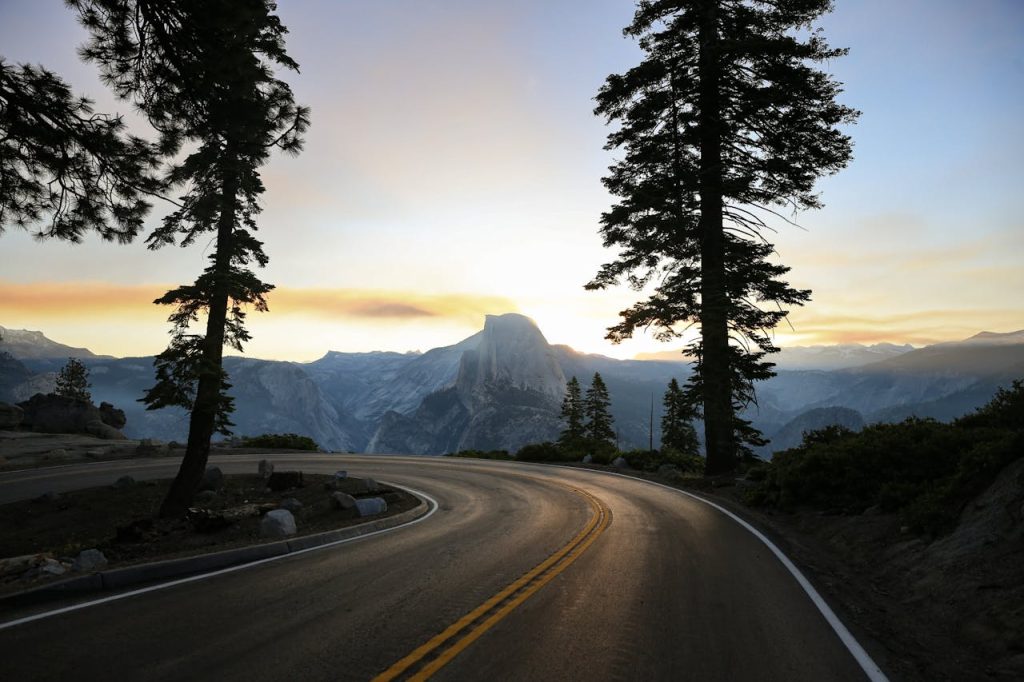
Inflation is pushing road trippers to mix paid attractions with stops that cost little but still feel rich. Scenic overlooks, waterfront walks, ranger talks, free museum hours, and historic downtown strolls now fill the spaces between one or two ticketed moments. Days get built from texture instead of admissions, and the best memory might be a courthouse tour, a sunset pullout, or a farmers market that appears at the right time. This shift also softens the pace, because lingering is easier when a clock is not attached to an entry fee, and it keeps the trip lively without constant swiping at every stop.
Trip Length Shrinks, Variety Stays

Long cross-country marathons are giving way to tighter loops, because each extra night compounds the total. A three- or four-day circuit can still deliver beaches, diners, small towns, and one landmark without stacking lodging costs. People are more likely to add a single day to a weekend than commit to a full week, then repeat the loop in a different season for a fresh version of the same drive. The tradition survives by compressing, not disappearing, and that makes it easier to fit between school schedules, PTO limits, and the rising price of everyday basics. The map gets smaller, but the stories stay big.
National Parks Need More Math
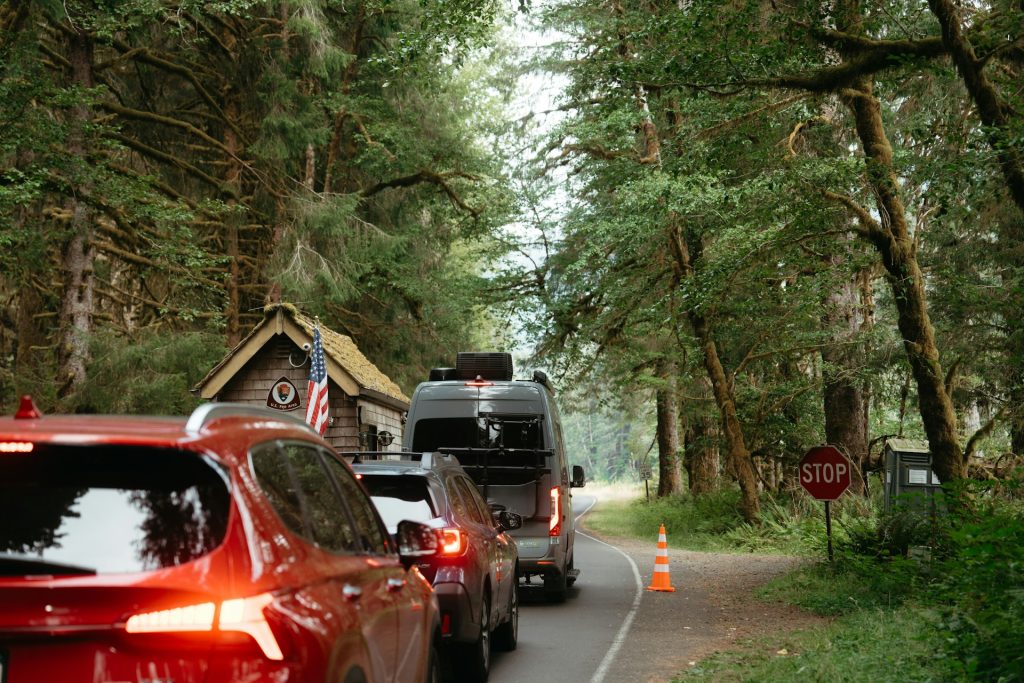
National park days now come with more math than spontaneity, especially when nearby lodging and reservations tighten the budget. Travelers compare annual passes to single-entry fees, book campsites early to avoid pricey gateway rooms, and target shoulder seasons when rates soften and crowds thin. Timed entry and preplanned arrival windows shape the morning, and early starts reduce parking stress and wasted fuel. Many choose one iconic park day as the centerpiece, then balance it with state parks and local trails that deliver wide views for less. The payoff is still the same quiet scale, just reached with more planning.
Cars Get Packed With Gear Again
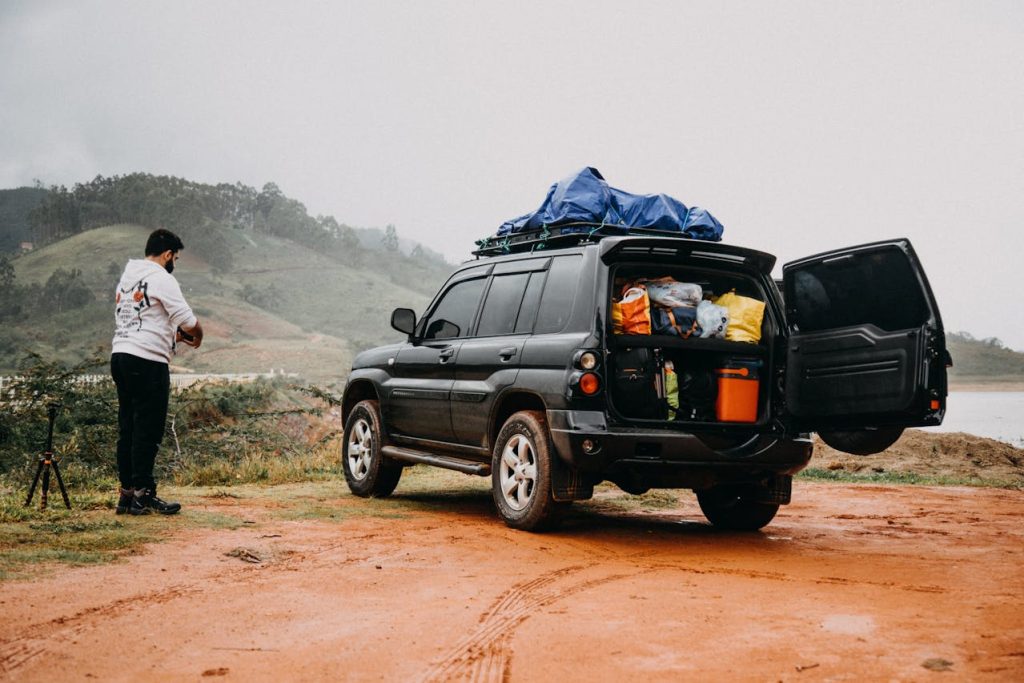
Inflation is reviving a more self-reliant road trip, with trunks packed to avoid overpriced replacements on the fly. Refillable bottles, pantry snacks, phone mounts, chargers, and a basic tool kit travel as standard, along with offline maps and downloaded playlists for dead-signal stretches. The car becomes a steady base, which cuts emergency store runs and keeps small hiccups from turning into budget problems. A blanket, extra water, and a spare cable can turn a long delay into an ordinary pause instead of a scramble. It is old-school preparedness with modern convenience, and it makes the day feel calmer.
Splurges Become More Deliberate
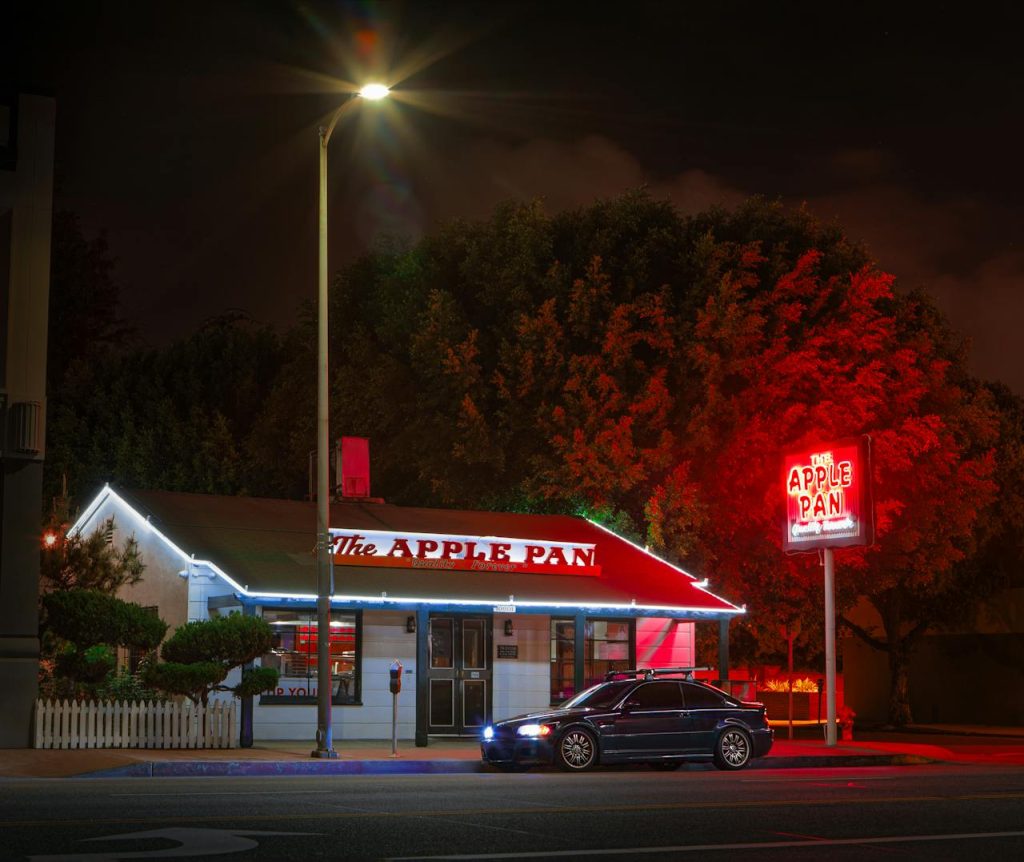
Rising prices have not removed joy from the road trip; they have edited it. Many travelers pick one or two splurges in advance, like a special hotel night, a famous meal, or a guided experience, then simplify everything else to protect that moment. Parking choices get smarter, souvenirs get lighter, and the budget gains a clear purpose instead of leaking through small, forgettable buys. That planned treat lifts the whole trip, because spending feels intentional rather than reactive. When the splurge is named early, the rest of the drive relaxes, and memories feel earned without the weight of regret at checkout.
Timing Shifts To Beat Price Peaks

Inflation is turning timing into strategy, not an afterthought. More families travel midweek, aim for May or Sept., and leave at dawn to cut traffic drag that wastes fuel and patience. Even small calendar shifts can mean cheaper rooms, easier parking, and shorter lines, so shoulder season feels less like compromise and more like a smarter version of the same trip. Meal timing changes, too: groceries cover breakfast and lunch, while one dinner lands at the place worth waiting for. With fewer peak-hour pressures, the drive feels quieter, and the same landscape suddenly has room to breathe again.
Small Town Detours Make More Sense
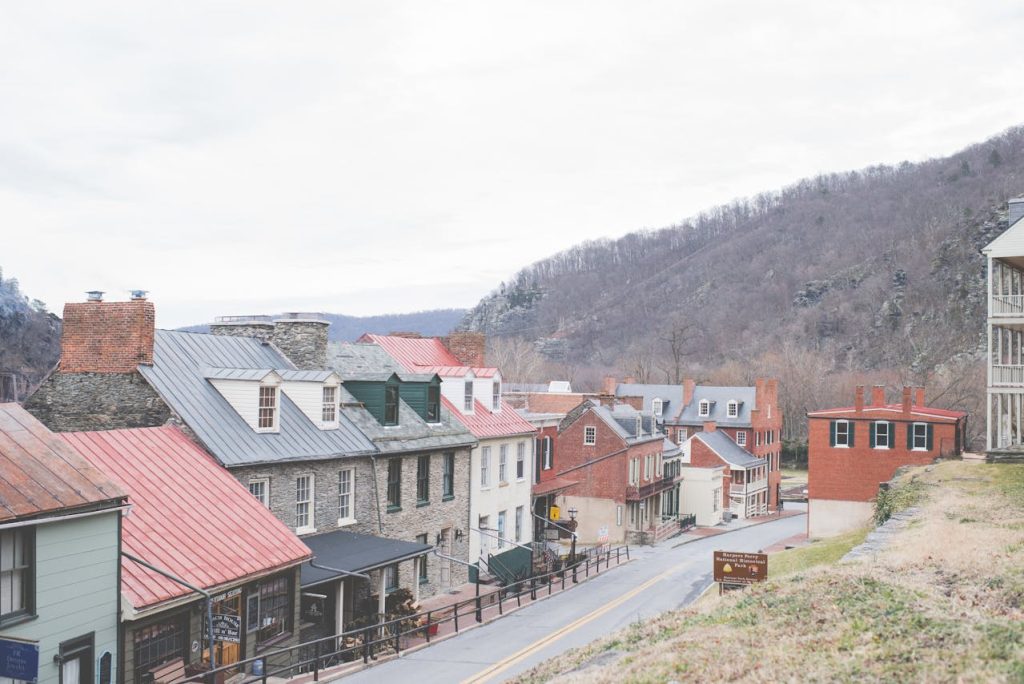
High parking fees, tolls, and big-city prices can stack quickly, so routes are tilting toward smaller towns where dollars stretch further. Main streets with local bakeries, county museums, river trails, and bookshops become anchors, and the slower pace invites conversation and surprise stops that do not require a ticket. Big highlights still appear, but they are cushioned by cheaper in-between days, which keeps the budget steady and the mood loose. These places also feel forgiving: free parking, shorter lines, and room to linger without feeling rushed. The road trip becomes less about famous pins and more about a chain of real places.