10 Ways Smart Travelers Are Beating Inflation on U.S. Road Trips
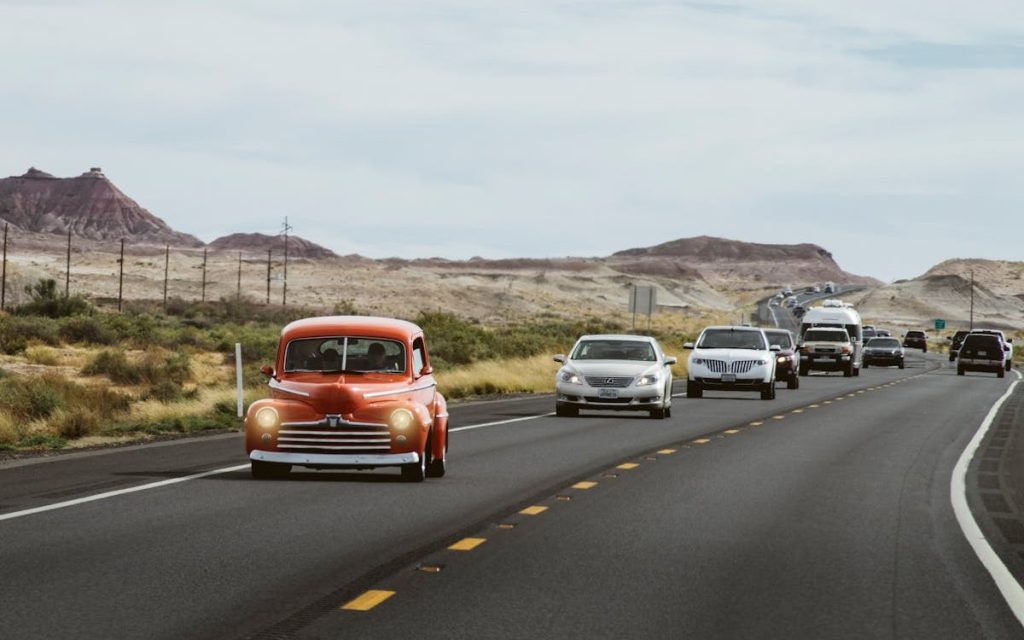
Inflation has encouraged many travelers to rethink how they approach road adventures, especially when rising fuel prices, lodging costs, and daily expenses add pressure to trip planning. Instead of reducing travel altogether, many drivers now rely on smarter habits that focus on efficiency, preparation, and flexible decision making. These strategies allow long trips to remain enjoyable while keeping budgets under control, even when popular destinations experience seasonal price increases. The shift toward more mindful planning works because it helps reduce unnecessary spending and turns travel into a more intentional experience. Understanding how these cost saving methods function highlights the practical ways travelers continue exploring the country despite economic challenges.
Choosing Fuel Efficient Routes
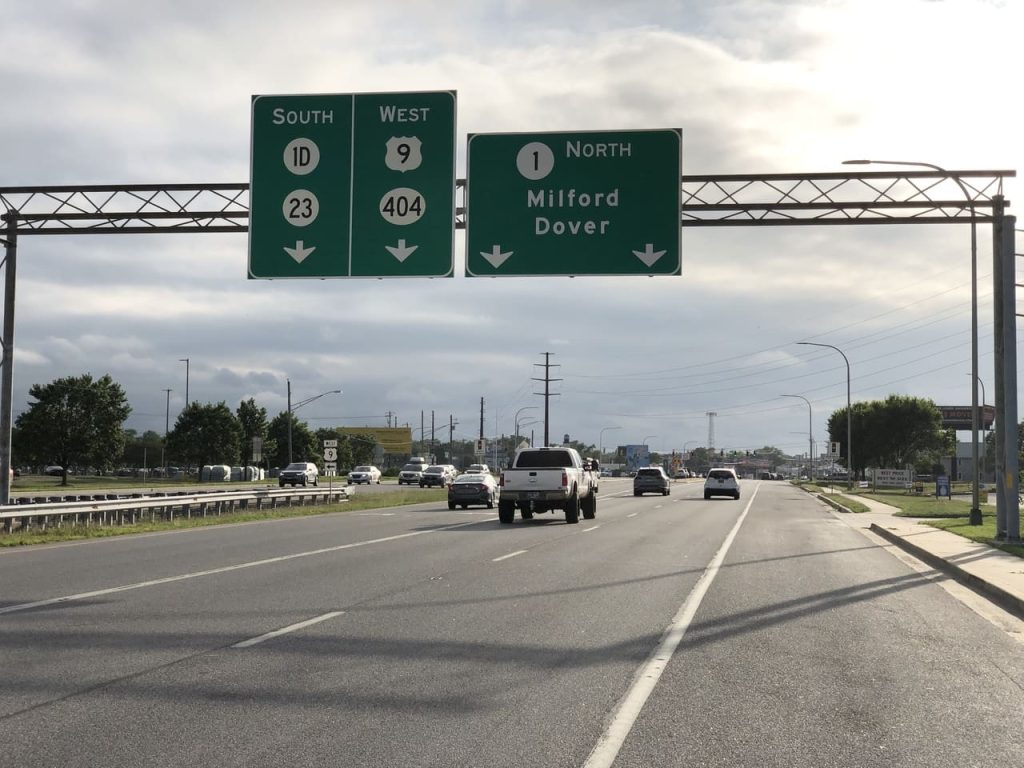
Choosing fuel efficient routes helps travelers stretch their budgets because it reduces unnecessary mileage and avoids conditions that cause engines to waste fuel. Many modern navigation apps highlight routes with fewer stoplights, smoother traffic patterns, and open stretches that support steady driving. Engines operate most efficiently when maintaining consistent speeds, so bypassing congested areas and steep detours creates measurable savings over long distances. This approach also limits idling, a common cause of fuel waste during weekend and holiday travel. The strategy works because it combines data driven planning with real world driving habits that contribute to lower gas consumption throughout the trip.
Traveling During Off Peak Seasons

Traveling during off peak seasons offers meaningful financial advantages because prices for lodging, activities, and certain guided experiences drop significantly when crowds thin. Many destinations across the United States adjust pricing based on seasonal demand, which allows travelers to enjoy the same landscapes and attractions for far less money. Cooler weather months and shoulder seasons provide milder temperatures and quieter roads, supporting smoother drives and fewer delays. This technique works because it aligns travel schedules with market trends that favor flexibility and cost awareness. Reduced competition also improves availability at popular sites, creating a more relaxed and affordable experience overall.
Packing Food Instead of Dining Out

Packing food for a road trip helps manage expenses because groceries cost far less than restaurant meals, especially in regions where tourism influences menu prices. Preparing snacks, simple lunches, and drinks in advance allows travelers to maintain energy throughout the day without multiple dining stops. This method works because it reduces impulse spending that often occurs during long stretches of driving when convenience stores become the default option. Portable meals also support flexible scheduling, letting travelers stop at scenic views rather than plan detours around food. The savings accumulate steadily over several days, making this a practical solution for anyone hoping to explore without straining a tight budget.
Booking Lodging Early

Booking lodging early provides predictability and savings because accommodations generally increase prices as travel dates approach, particularly near popular national parks or major cities. Early reservations secure access to a wider range of options, allowing travelers to choose the best combination of comfort, distance, and affordability. This technique works because hotels, motels, and short term rentals often offer lower rates to early planners before demand intensifies. Locking in prices weeks or months ahead helps avoid last minute spikes and prevents the stress of limited availability during busy weekends or holiday travel periods. This results in a smoother and more economical road trip experience.
Using Rewards Programs
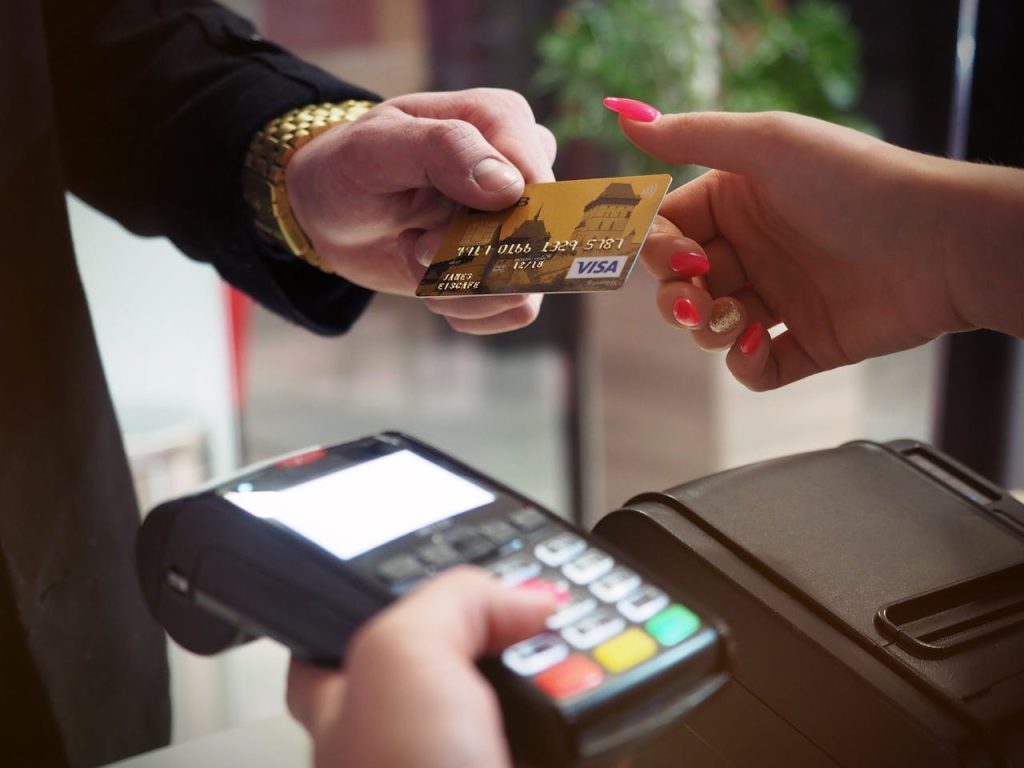
Using rewards programs helps reduce overall travel expenses because loyalty points from credit cards, hotel chains, and gas stations convert everyday purchases into future discounts. Travelers earn rewards quickly when covering long distances, especially when buying fuel or booking lodging. This strategy works because accumulated points directly offset costs that would otherwise chip away at the budget. Many programs also offer exclusive promotions or member only rates that provide additional value. Over time, consistent participation leads to meaningful savings, making rewards an effective tool for keeping road trip expenses under control while maintaining comfort and convenience.
Prioritizing Free or Low Cost Attractions

Prioritizing free or low cost attractions helps travelers stay within budget because many public lands, historic centers, nature trails, and coastal viewpoints offer memorable experiences without high admission fees. National forests, state parks, and scenic overlooks provide rich opportunities for exploration and photography at little to no cost. This approach works because it shifts focus toward natural beauty and cultural sites that require minimal spending while still offering depth and variety. Slower paced travel also encourages more meaningful engagement with each destination. These attractions help maintain an affordable journey without sacrificing enjoyment or discovery along the way.
Maintaining Proper Tire Pressure
Maintaining proper tire pressure creates savings during road trips because well inflated tires reduce rolling resistance and help the engine operate more efficiently. Even small drops in pressure can increase fuel consumption and cause unnecessary wear on tires. Regular checks before and during long distances support smoother handling, better braking, and overall vehicle stability. This method works because optimal tire pressure improves performance across highways, mountain passes, and rural backroads commonly found on extended trips. The combined effect reduces fuel costs and extends tire lifespan, making this simple maintenance step a reliable way to keep expenses manageable.
Sharing Costs With Friends

Sharing costs with friends lowers individual expenses because essential elements of road travel such as gas, dining, and lodging can be divided evenly across the group. When several people share a vehicle, fuel costs remain constant while the number of contributors increases, making long distances more affordable. This approach works because it distributes financial responsibility and allows travelers to enjoy larger accommodations that become cheaper per person. Group travel also opens access to shared meals and potential discounts at certain attractions. The social aspect adds enjoyment while helping everyone stay within budget, making this strategy a popular choice for inflation conscious road trippers.
Using Apps to Track Fuel Prices
Using apps to track fuel prices helps travelers make informed decisions because gas rates vary widely between towns, states, and regions, often shifting dramatically over just a few miles. Real time data allows drivers to plan refueling stops strategically rather than relying on guesswork during long stretches of highway where options may be limited. This approach works because even small price differences create substantial savings over the course of a multi day trip, especially for vehicles with larger tanks. Using these apps also highlights trends and averages that reveal where fuel tends to be cheapest along the route. With accurate information available at each stop, travelers avoid overpaying and maintain steady control over one of the trip’s highest recurring expenses.
Limiting Excess Weight in the Vehicle
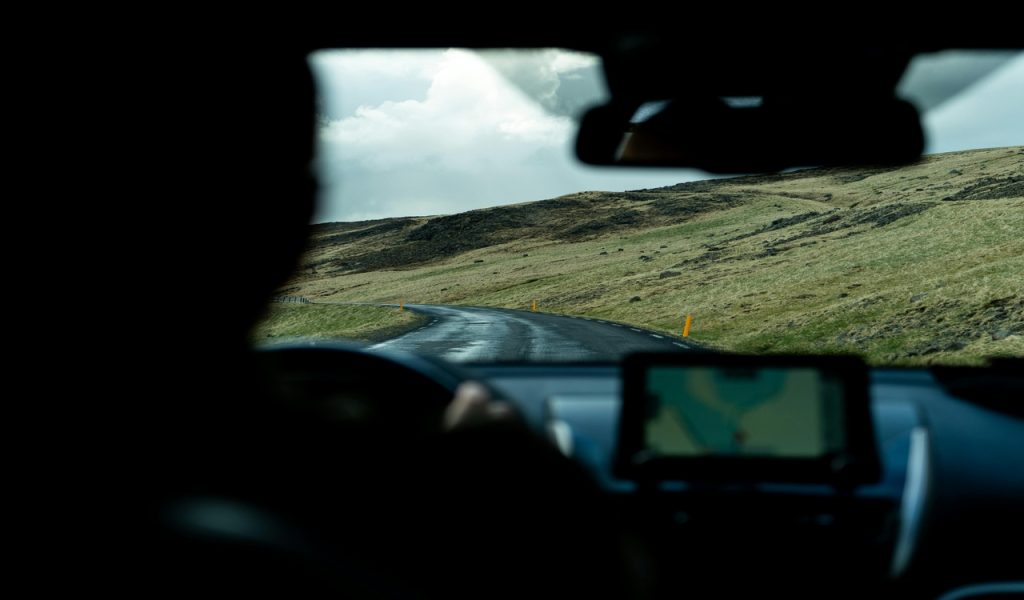
Limiting excess weight in the vehicle helps reduce fuel consumption because lighter loads require less power to maintain speed and accelerate, allowing the engine to operate more efficiently on both highways and rural backroads. Removing unnecessary bags, organizing essentials efficiently, and avoiding overpacking lessen the strain on critical components and improve overall vehicle responsiveness. This strategy works because reduced weight enhances aerodynamics and lowers the energy required for continuous movement, especially during long climbs or frequent stops. The benefits accumulate across extended distances, resulting in noticeable fuel savings and smoother handling on winding or elevated terrain. Travelers also preserve the lifespan of brakes, tires, and suspension parts, further reducing long term maintenance costs associated with regular road travel.