11 Caribbean Islands Best Known for Scenery, Not Resorts

Ecotourism consultants and sustainable travel analysts report a growing traveler demand for Caribbean destinations that prioritize raw geography over all-inclusive infrastructure. While major resort hubs continue to dominate visitor numbers, environmental scientists observe a shift toward islands where strict zoning laws and protected parklands limit commercial development. These locations appeal to a demographic that values biodiversity and topographical drama, moving away from the standardized luxury of chain hotels in favor of immersive natural experiences.
Marine biologists and forestry officials emphasize that these islands offer ecological assets that are often degraded in high-density tourist zones. By maintaining a lower human footprint, these destinations preserve complex rainforest systems and vibrant coral reefs that serve as the primary attraction. Visiting these locations requires a willingness to engage with the environment on its own terms, often involving hiking boots or dive gear rather than poolside loungers, but experts agree the reward is an unadulterated connection to the wildest landscapes in the region.
Dominica

Forestry officials and trail maintenance crews designate Dominica as the Nature Island because its rugged topography makes mass tourism infrastructure physically impossible to build. The island consists of steep volcanic peaks and deep river valleys that have prevented the construction of an international airport capable of handling large jets. Botanists highlight the Morne Trois Pitons National Park as a UNESCO World Heritage site where boiling lakes and thermal vents demonstrate the active geothermal power of the land.
Hiking guides on the Waitukubuli National Trail note that the route covers the entire length of the island and passes through primary rainforests that have remained unchanged for centuries. The absence of white sand beaches means the island attracts visitors specifically interested in canyoning and jungle trekking. Conservationists explain that this self-selecting tourist demographic ensures that the trails remain quiet and the waterfalls free from commercial overcrowding.
Saba
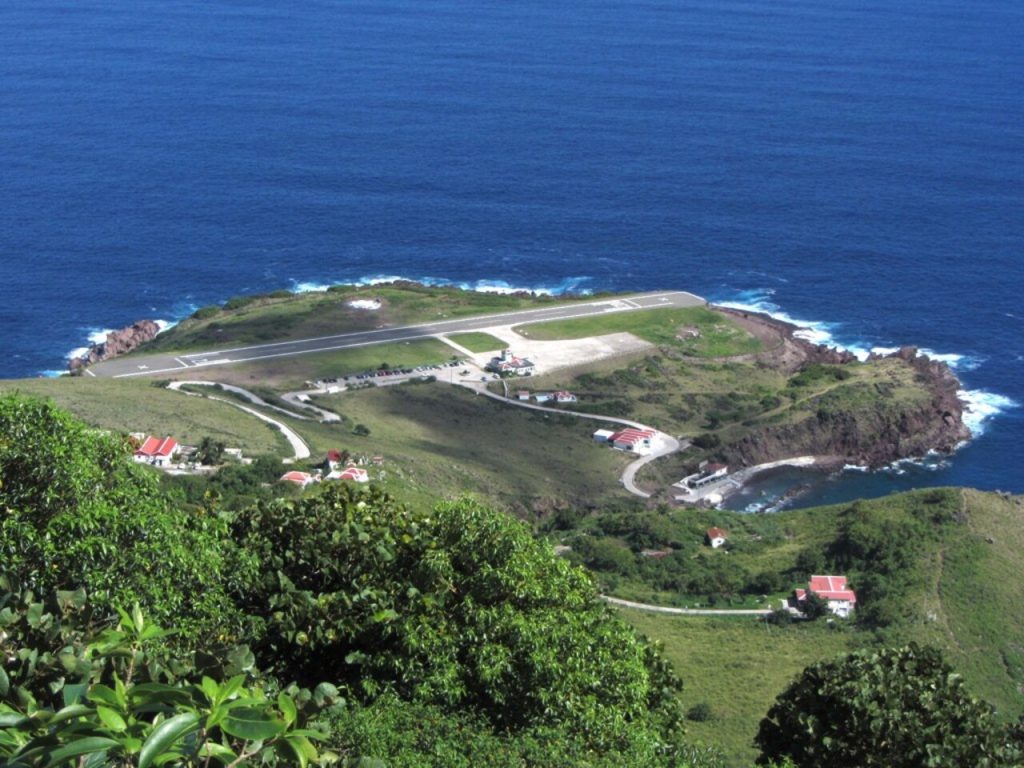
Civil engineers and aviation safety experts frequently cite Saba as a marvel of logistical defiance due to its status as a sheer volcanic peak rising from the ocean. The island lacks a natural harbor or flat land for a standard runway, resulting in the world’s shortest commercial landing strip flanking a steep cliff. Marine park managers enforce strict protection protocols around the island, where underwater pinnacles attract divers seeking pristine biodiversity rather than beach clubs.
Conservation biologists point out that the absence of large-scale resorts is a direct result of the terrain. The community resides in villages clinging to the mountainside, connected by a road that was hand-built by locals when engineers deemed it impossible. Travelers visiting Saba find a destination where the primary activity involves climbing Mount Scenery to stand in a cloud forest rather than sunbathing on the nonexistent shore.
Montserrat
Volcanologists and disaster recovery specialists view Montserrat as a living laboratory for geological activity following the eruptions that buried the former capital. The exclusion zone covering the southern half of the island remains off-limits, creating a modern Pompeii that can be viewed from safe distances. Scientists monitoring the Soufrière Hills volcano provide a context for visitors that transforms the trip into an educational expedition regarding the raw power of the earth.
Ecologists working in the Centre Hills focus on the regeneration of the northern forests and the protection of endemic species like the Montserrat oriole. The tourism sector is intentionally small and centered on the resilience of the local community and the stark beauty of the volcanic landscape. Visitors encounter a quiet atmosphere where the focus is on understanding the geological history and exploring the lush green hills that stand in contrast to the grey ash flows.
St. John
National Park Service rangers manage nearly two-thirds of St. John as a protected federal reserve, preventing the sprawling development seen on neighboring islands. Environmental advocates fought to establish the park in the mid-twentieth century, ensuring that the pristine beaches and subtropical forests remain accessible to the public rather than privatized by hotels. Park biologists monitor the health of the coral reefs and seagrass beds that border the island, offering some of the most accessible snorkeling in U.S. waters.
Real estate analysts note that the limited availability of private land keeps the island relatively undeveloped compared to St. Thomas. The accommodation landscape relies heavily on villas and campgrounds rather than high-rise resorts. Hiking experts recommend the Reef Bay Trail for its combination of natural history and Taino petroglyphs, providing a visitor experience that is rooted in physical activity and historical preservation.
Bonaire
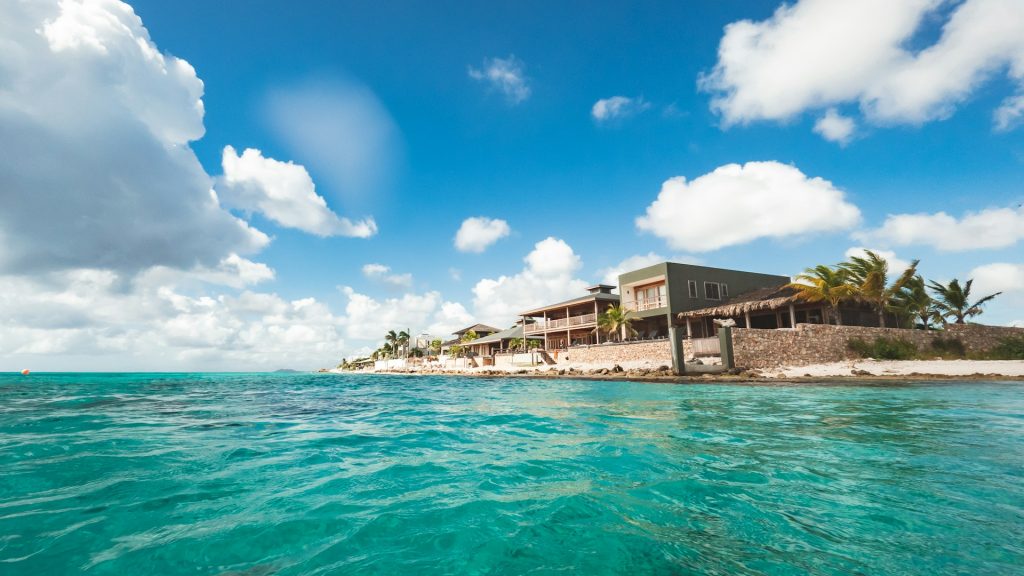
Marine park rangers and dive safety officers regard Bonaire as the global benchmark for shore diving management. The entire coastline is a designated marine park where strict regulations prohibit anchoring and glove use to protect the coral structures. Experts emphasize that the culture of the island revolves entirely around conservation, with every visitor required to purchase a nature tag that funds park operations.
Ornithologists highlight the southern salt pans as a critical habitat for thousands of Caribbean flamingos. The industrial landscape of the salt works coexists with the sanctuary, creating a surreal visual contrast of pink birds against blinding white salt pyramids. The arid, cactus-filled terrain offers a desert aesthetic that differs significantly from the lush tropics, appealing to travelers who prioritize underwater exploration and dry weather over rainforest hikes.
St. Eustatius
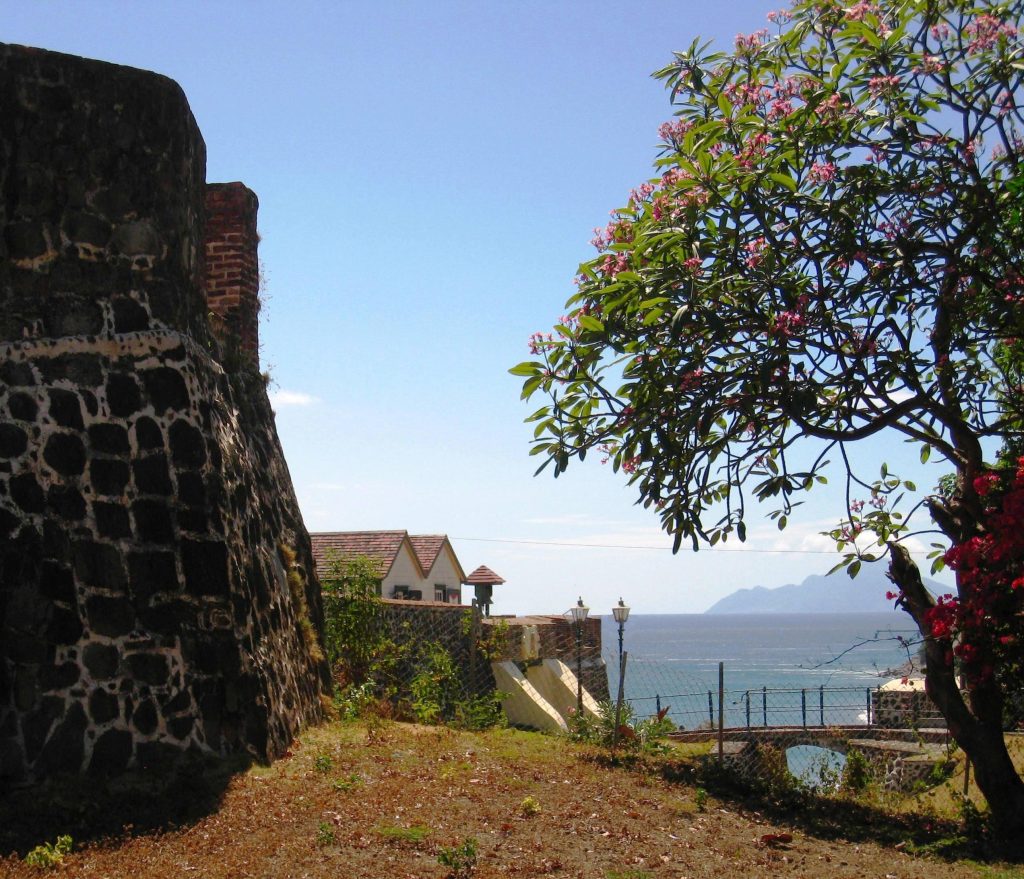
Historical archaeologists and heritage preservationists identify St. Eustatius as a destination where history and nature intertwine without the interference of mass tourism. The island was once a major trading hub known as the Golden Rock, and the waters of Oranjestad Bay contain extensive sunken ruins of warehouses and merchant ships. Marine archaeologists consider the harbor a vast underwater museum where divers explore centuries of maritime history in solitude.
Botanists note that the dormant volcano known as The Quill shelters a lush evergreen forest within its crater, a sharp contrast to the dry outer slopes. Hiking guides lead visitors into the crater rim to see towering silk cotton trees and orchids that thrive in the unique microclimate. The lack of a large cruise port ensures that the island maintains a sleepy, small-town atmosphere where goats roam the streets and locals know every visitor by name.
Little Cayman

Dive masters and oceanographers consistently rank Little Cayman as a premier destination for wall diving due to the dramatic vertical drop of the Bloody Bay Wall. The sheer cliff face underwater starts just below the surface and plunges thousands of feet, creating a habitat for diverse marine life. Biologists study the Nassau grouper spawning aggregations here, which are among the largest and most successful in the region thanks to rigorous protection.
The island supports a permanent population of fewer than two hundred people, ensuring that traffic and noise are nonexistent. Nature photographers flock to the Booby Pond Nature Reserve to capture images of the red-footed booby colony. The atmosphere is defined by a deep quiet where the primary activity involves observing nature above and below the waterline, making it a sanctuary for those seeking isolation.
Anegada
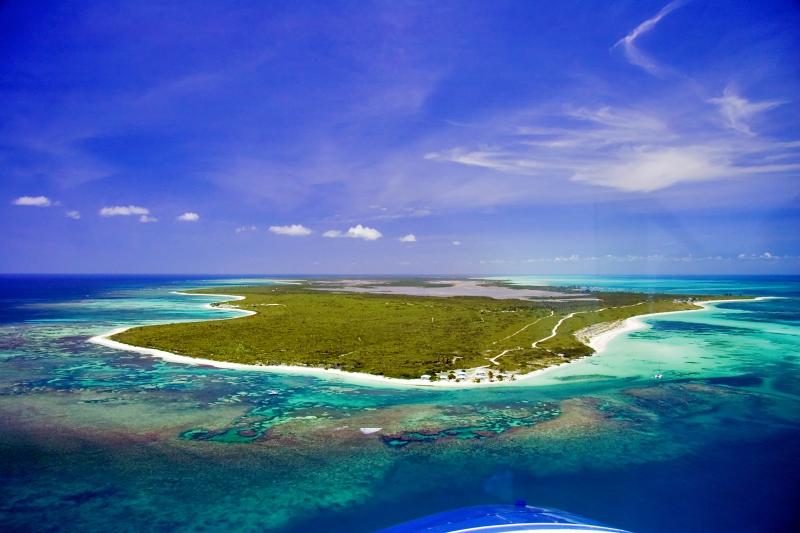
Geologists distinguish Anegada from the rest of the British Virgin Islands because it is a flat coral limestone atoll rather than a volcanic mountain. The low elevation creates massive, uninterrupted stretches of white sand and extensive reef systems that are dangerous for deep-draft vessels. Marine surveyors point to the Horseshoe Reef as one of the largest barrier coral reefs in the Caribbean, acting as a graveyard for shipwrecks and a nursery for marine life.
Ecologists celebrate the recovery of the Anegada rock iguana, a species that was once critically endangered. The sparse population and vast open spaces allow these large reptiles to thrive in the scrubland. For visitors, the appeal lies in the isolation and the famous lobster feasts, with the difficult navigation required to reach the island keeping day-tripping crowds at bay.
Tobago

Conservation biologists recognize the Main Ridge Forest Reserve in Tobago as the oldest legally protected forest in the Western Hemisphere, established in 1776. This legislative foresight preserved the rainforest spine of the island, which serves as a critical watershed and bird habitat. Ornithologists guide visitors through the Gilpin Trace to spot the rare white-tailed sabrewing hummingbird, emphasizing the global importance of this protected area.
Tourism officials note that while the south of the island has some development, the north remains wild and village-centric. The winding coastal roads connect small fishing communities like Castara and Charlotteville, where the rhythm of life is dictated by the catch of the day. Travelers here find small guesthouses and eco-lodges rather than sprawling resorts, allowing for an authentic interaction with the lush tropical environment.
Bequia
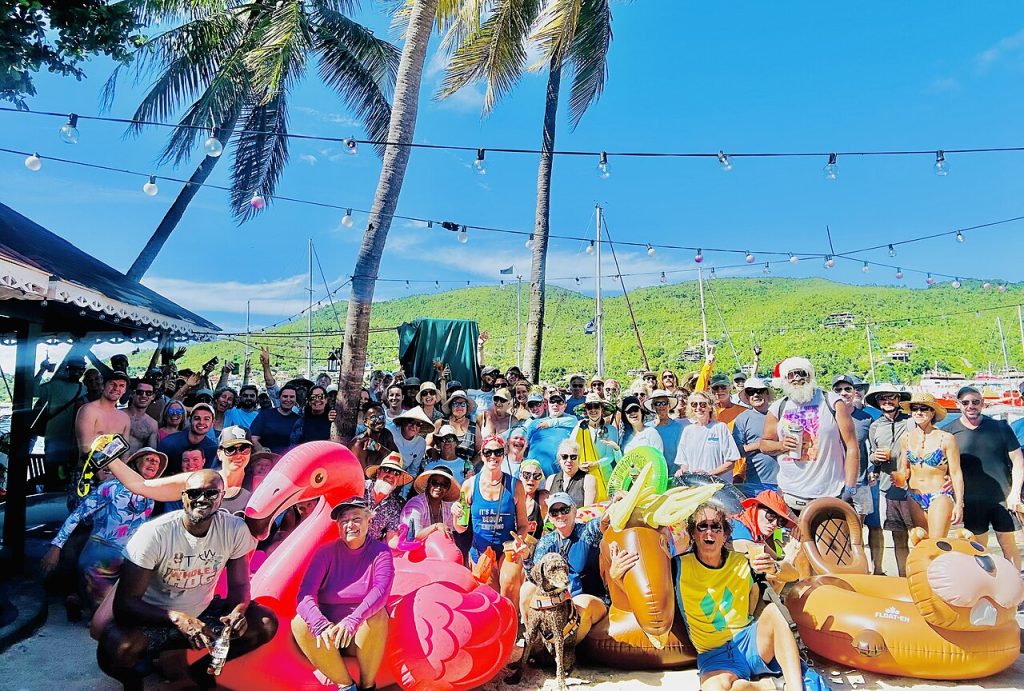
Maritime historians and sailing experts view Bequia as a stronghold of traditional Caribbean seafaring culture within the Grenadines. The island has a deep history of boat building and whaling that shapes its identity and community structure. While controversial, the limited traditional whaling practiced by locals is permitted under aboriginal subsistence regulations, and this connection to the ocean is visible in the busy harbor of Port Elizabeth.
Landscape architects admire the Belmont Walkway, a stone path that hugs the coastline and connects the town to pristine beaches like Princess Margaret Beach. The island lacks large chain hotels, relying instead on boutique villas that blend into the hillsides. The social scene revolves around the sailing community, creating a cosmopolitan but unpretentious atmosphere where travelers find a blend of old-world Caribbean charm and international sailing sophistication.
Cat Island
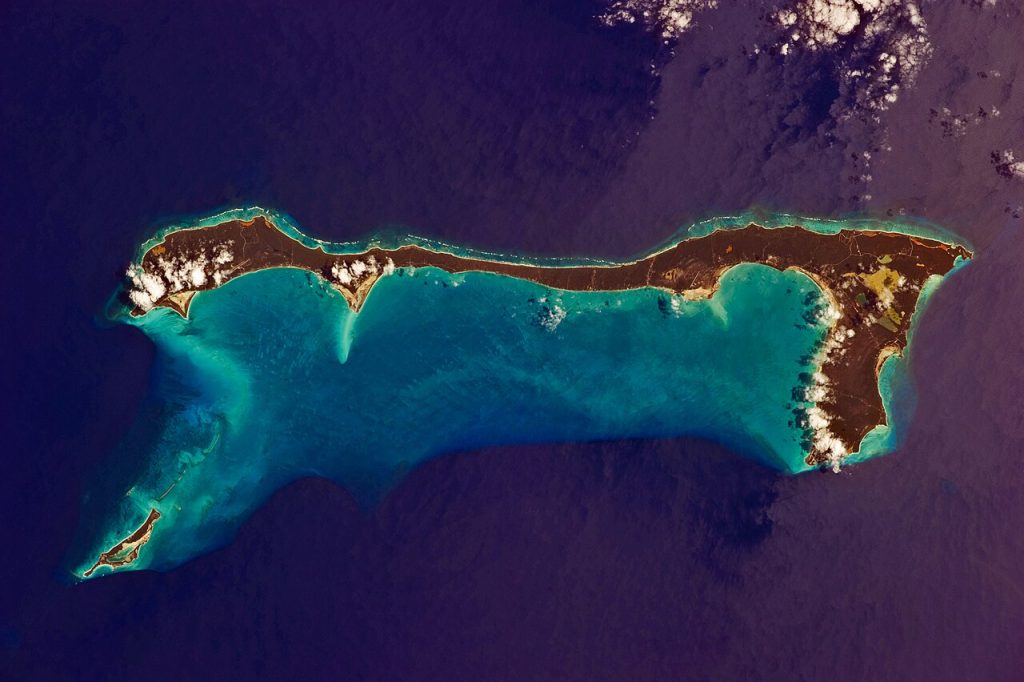
Bahamian historians and folklore researchers identify Cat Island as a cultural stronghold where Obeah traditions and Rake and Scrape music originated. The island remains largely undeveloped, offering a glimpse into the Out Island lifestyle of the past. Geography experts note that Mount Alvernia, the highest point in the Bahamas, rises here to a modest height and features a miniature hermitage built by Father Jerome.
The beaches on Cat Island stretch for miles without a footprint, a phenomenon that coastal geomorphologists attribute to the island’s length and low population density. The destination appeals to travelers seeking absolute privacy and a connection to Bahamian roots. The lack of casinos or cruise ports ensures that the natural beauty of the rolling hills and pink sand beaches remains the primary attraction.