11 Century-Old Buildings Still Used For Tourism
Some buildings never retired. They adapted, kept their doors open, and found new ways to welcome crowds without losing their original character. A palace can become a museum, a railway-era hotel can remain fully booked, and a hilltop abbey can still anchor a local economy centuries after its first stones were set.
These places are not preserved as silent shells. They are active tourism engines where people sleep, eat, learn, and spend money every day. That daily use is the real story: heritage survives best when it remains part of ordinary life. Across busy capitals and coastal towns alike, old walls still carry the present tense.
1. Raffles Hotel, Singapore
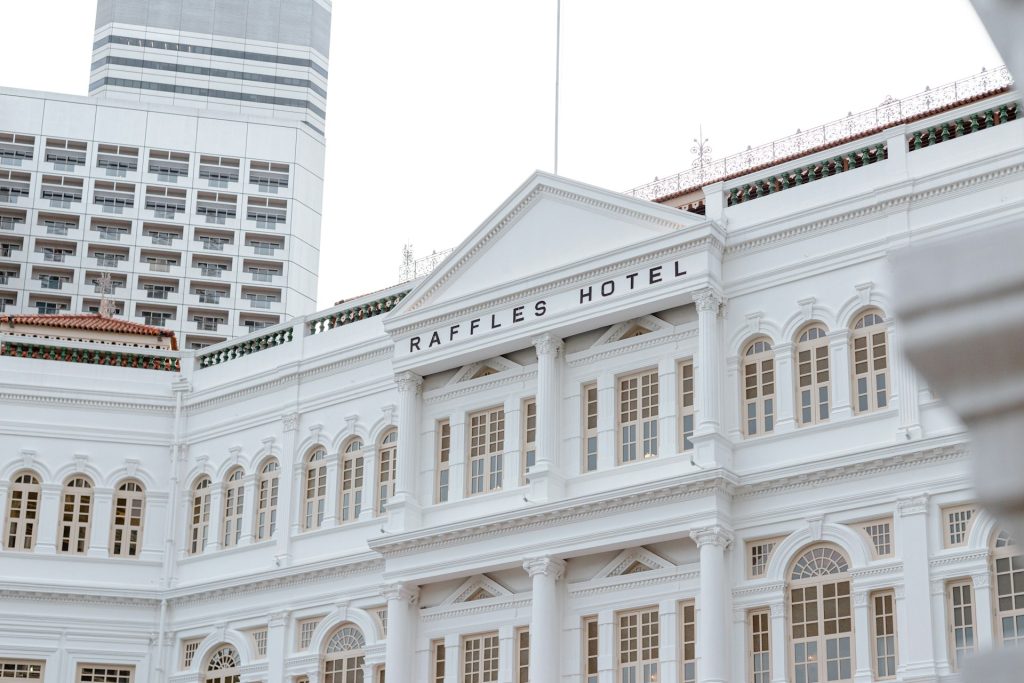
Raffles Hotel began in 1887 when the Sarkies brothers opened a modest 10-room property in Singapore. Over time, the building expanded into one of the city’s defining addresses, but the core identity stayed clear: refined hospitality rooted in place, climate, and craft rather than passing trends and fads.
It is still operating as a luxury hotel, not a ceremonial relic. Guests book suites, dine in restored spaces, and join heritage walks that connect the property to the city’s wider story. That mix of active service and careful preservation explains why Raffles remains both a landmark and a functioning part of Singapore tourism.
2. The Plaza Hotel, New York City
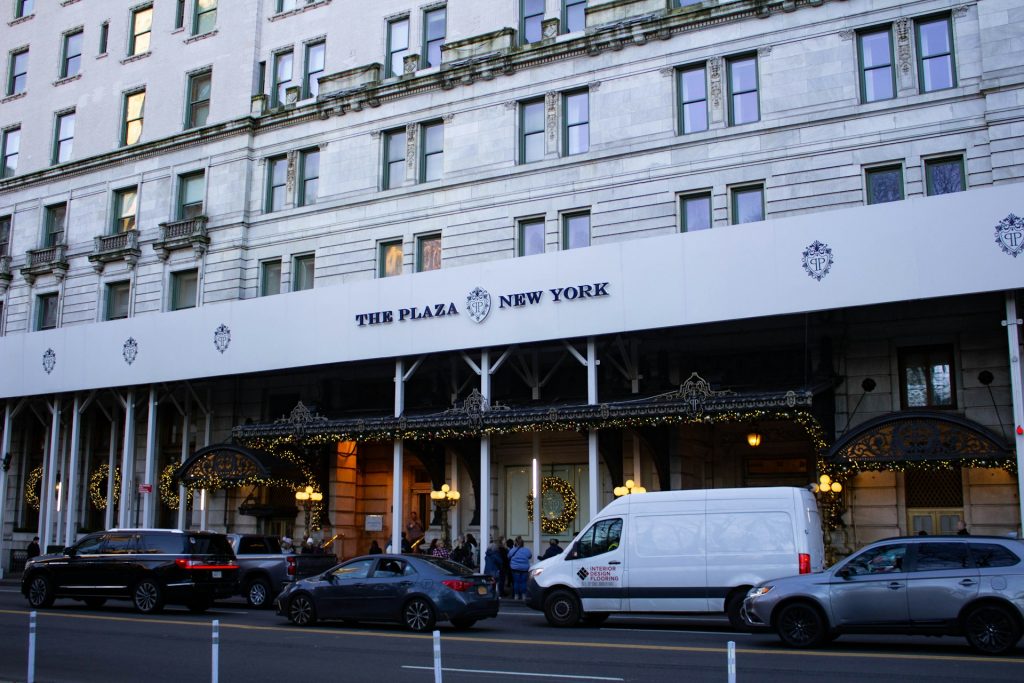
The Plaza opened on Oct. 1, 1907, at Fifth Avenue and Central Park South, and it quickly became part of New York’s social map. Its French Renaissance profile still commands the corner, but what keeps it relevant is not the façade alone. The property continues to reinvent interiors and visitor experiences without cutting ties to its original stature and legacy.
Today, travelers still stay, dine, and gather there as part of a full Manhattan itinerary. The building works as a living hotel inside an active urban district, which is exactly why it remains a tourism force. History gives it prestige, but daily use gives it staying power.
3. The Taj Mahal Palace, Mumbai
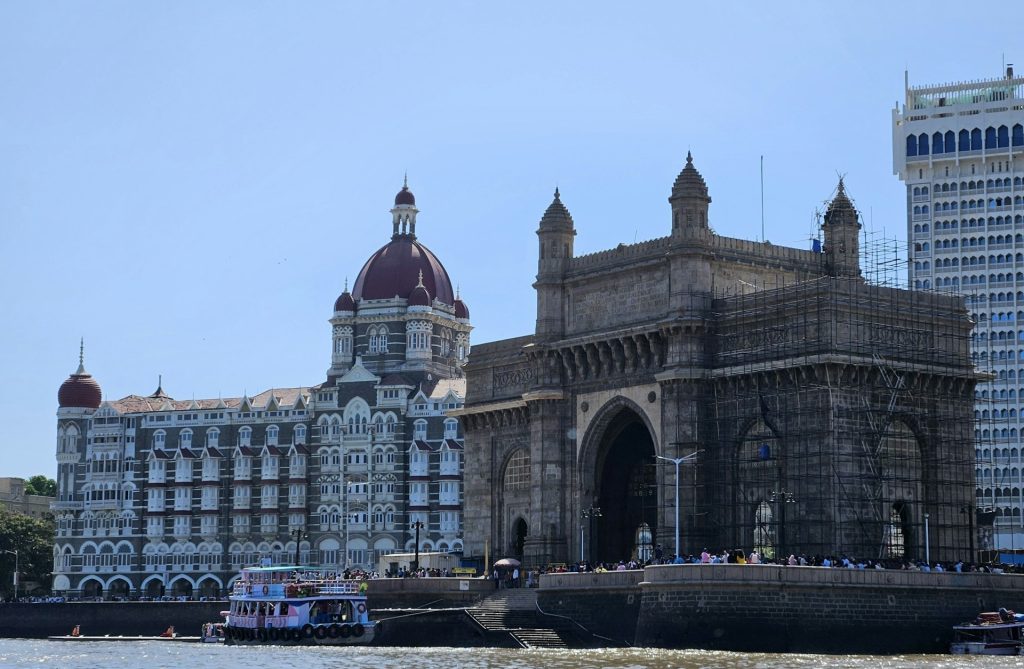
The Taj Mahal Palace has welcomed guests since 1903, facing the harbor beside the Gateway of India. Its Indo-Saracenic architecture made it an immediate landmark, but its larger significance came from continuity. Through changing eras, it remained a central hospitality address in one of the region’s busiest urban corridors.
The property still functions as a major hotel destination, drawing international visitors for stays, dining, and events under the same historic roofline. That constant flow keeps the building culturally visible and economically useful. It is not visited only for memory; it is used in real time by the tourism economy.
4. Pera Palace Hotel, Istanbul
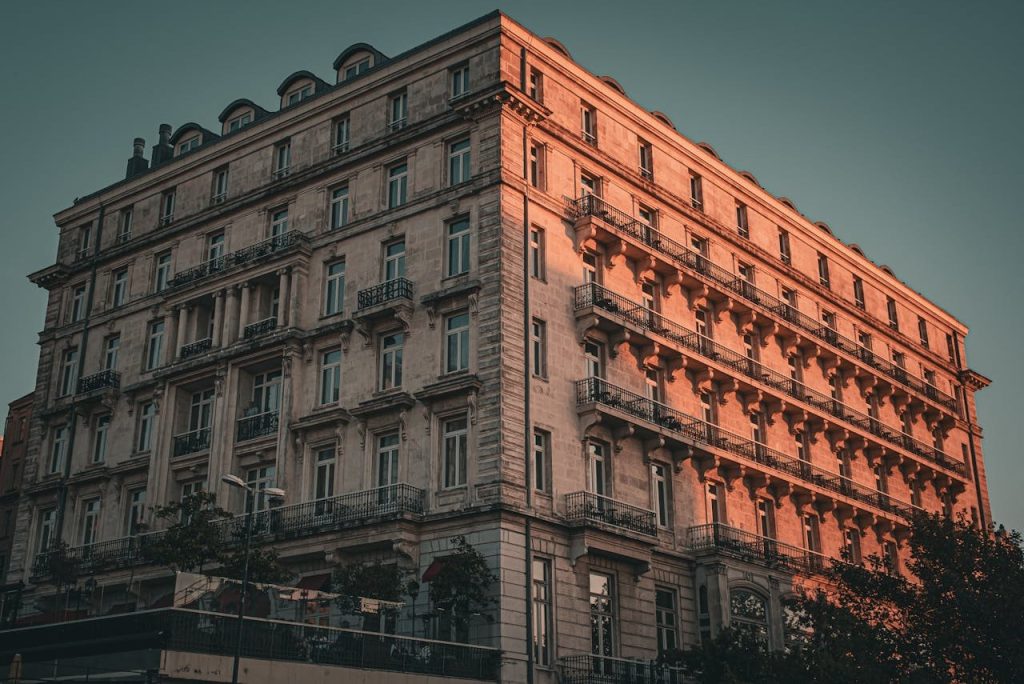
Pera Palace was conceived in the 1890s to host passengers arriving on the Orient Express, with construction beginning in 1892 and opening in 1895. Its location in Beyo?lu linked rail-era glamour with Istanbul’s cosmopolitan trade and cultural life, giving the building a role that was practical as well as symbolic.
That role still exists. The hotel remains open and actively hosts travelers, while its period rooms and public spaces keep the late-19th-century atmosphere legible without turning the place into a static museum. Tourism works here because visitors get both comfort and context in the same stay, right inside a historic neighborhood.
5. Hotel del Coronado, California
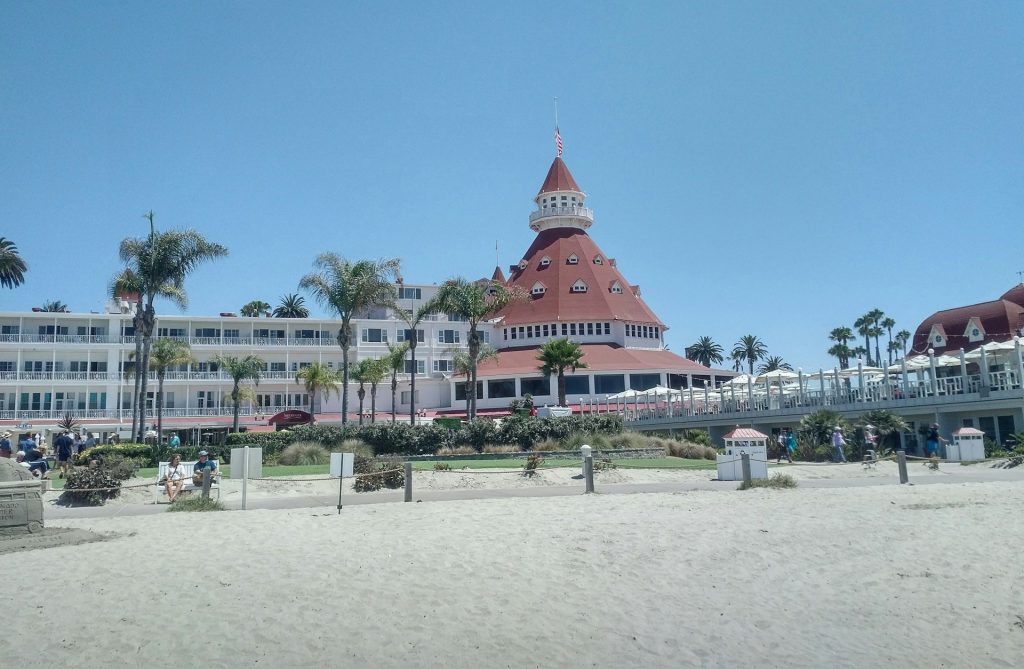
Hotel del Coronado opened in 1888 and quickly became a signature address on the Southern California coast. Its Victorian timber profile and beachfront setting gave it instant visibility, while decades of steady operation made it more than a postcard image. The property was later designated a National Historic Landmark, reinforcing its heritage value.
It is still a working resort, with guests arriving for stays, dining, and coastal leisure throughout the year. Restoration has kept historic areas usable rather than sealed off. That balance is the key point: preservation supports the experience, and the experience funds preservation in return.
6. Fairmont Le Château Frontenac, Québec City
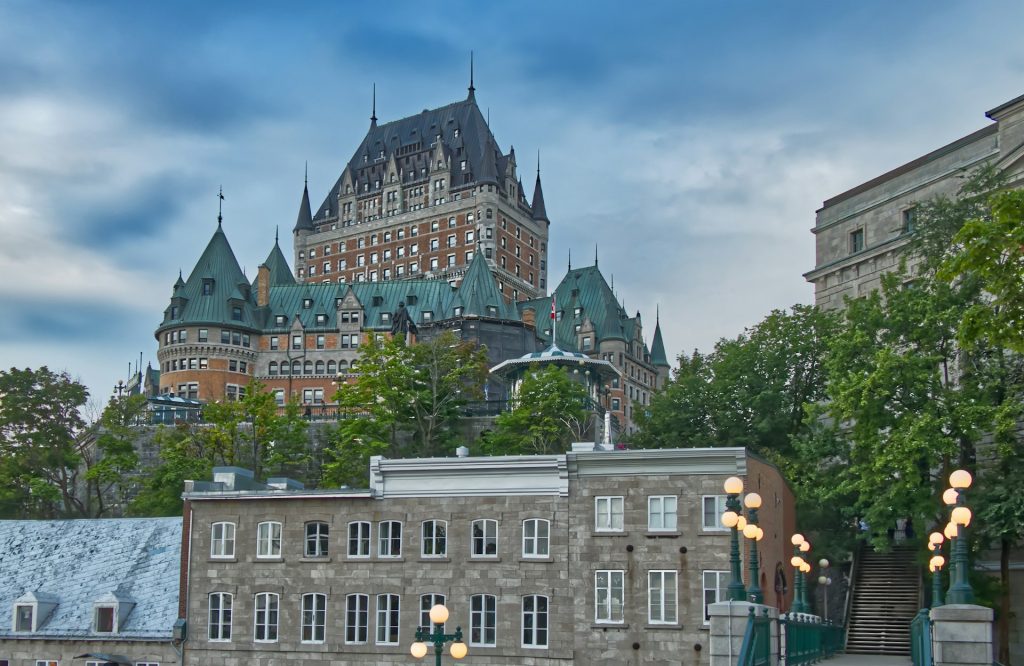
Le Château Frontenac inaugurated its first wing on Dec. 18, 1893, with 170 rooms, including 93 with bathrooms and fireplaces, rare luxuries at the time. Built high above the St. Lawrence in Old Québec, it became an architectural emblem long before modern destination branding existed.
It still operates as a full-service hotel inside one of Canada’s busiest heritage districts. Travelers do not only photograph the skyline; they sleep, dine, and celebrate inside the building itself. That steady, year-round use keeps the structure woven into city life. The result is a landmark that remains both symbolic and economically active.
7. The Savoy, London
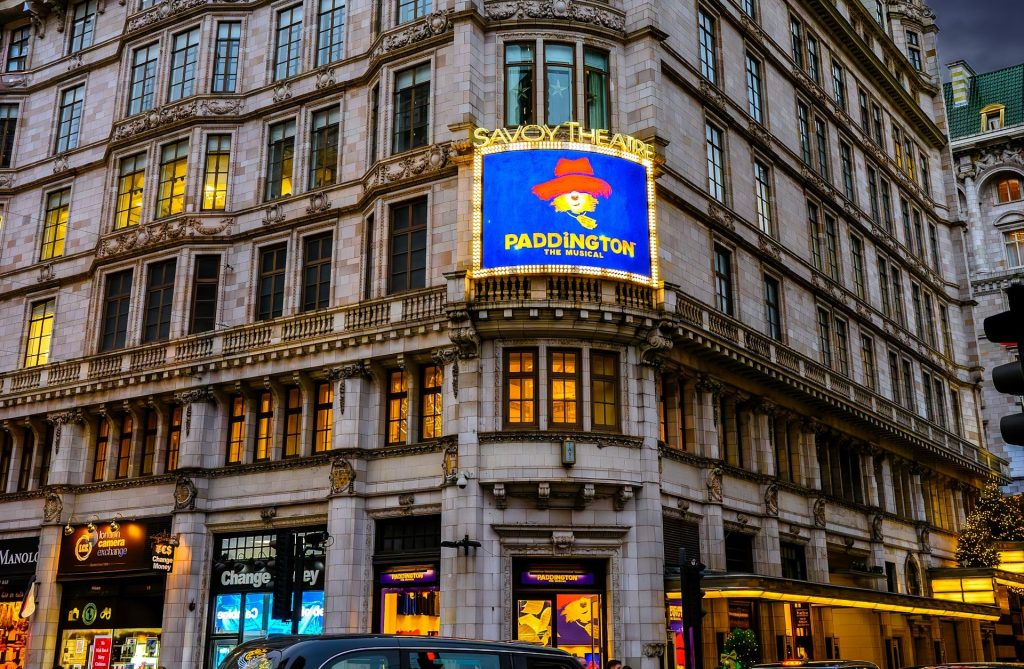
The Savoy opened in 1889 and quickly stood out for modern comforts, including extensive electric lighting that felt revolutionary in its day. Its Strand location tied it to theater, music, and public life, so the building’s identity formed through everyday use, not isolated grandeur.
More than a century later, it is still a functioning hotel and a recognized stop in London’s visitor economy. Guests use it for rooms, dining, and cultural proximity to the West End. Because operations never became purely commemorative, the site still feels alive. Heritage is visible, but it shares space with present-day hospitality and commerce.
8. Rijksmuseum Building, Amsterdam
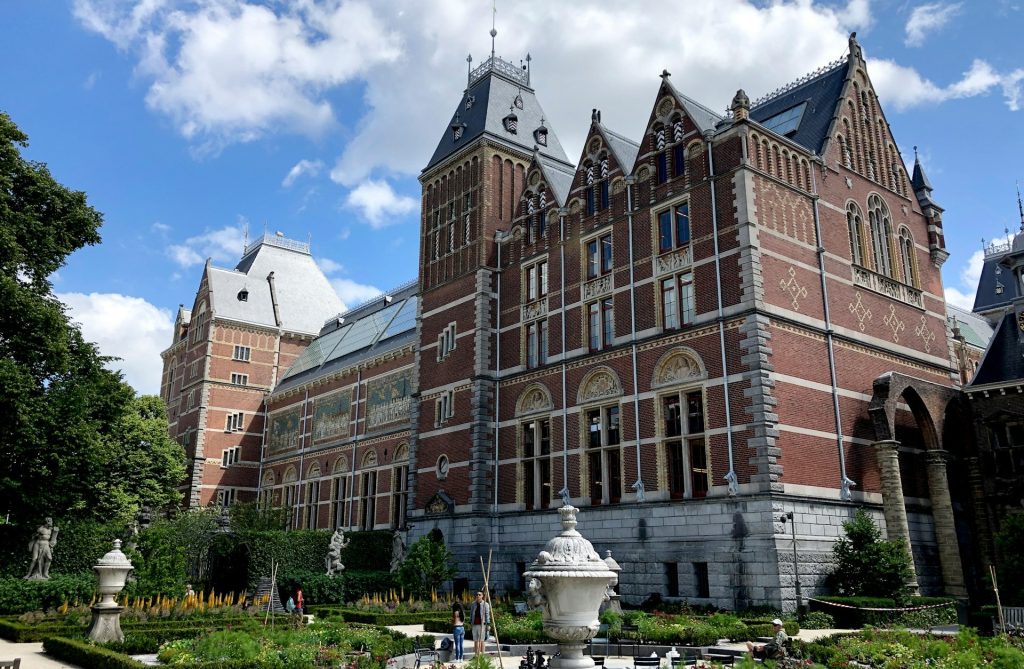
The Rijksmuseum’s current building opened in 1885 after years of national debate and construction that began in 1876. Its architecture was designed to present Dutch art as civic memory, not private treasure, and the structure itself became part of the visitor experience from the beginning.
That public function remains intact. The museum still draws large international and domestic crowds, and its galleries continue to anchor Amsterdam itineraries across seasons. Renovation improved access while preserving character, showing how old cultural infrastructure can stay current. The building endures because it does the job it was built to do.
9. Biltmore House, Asheville
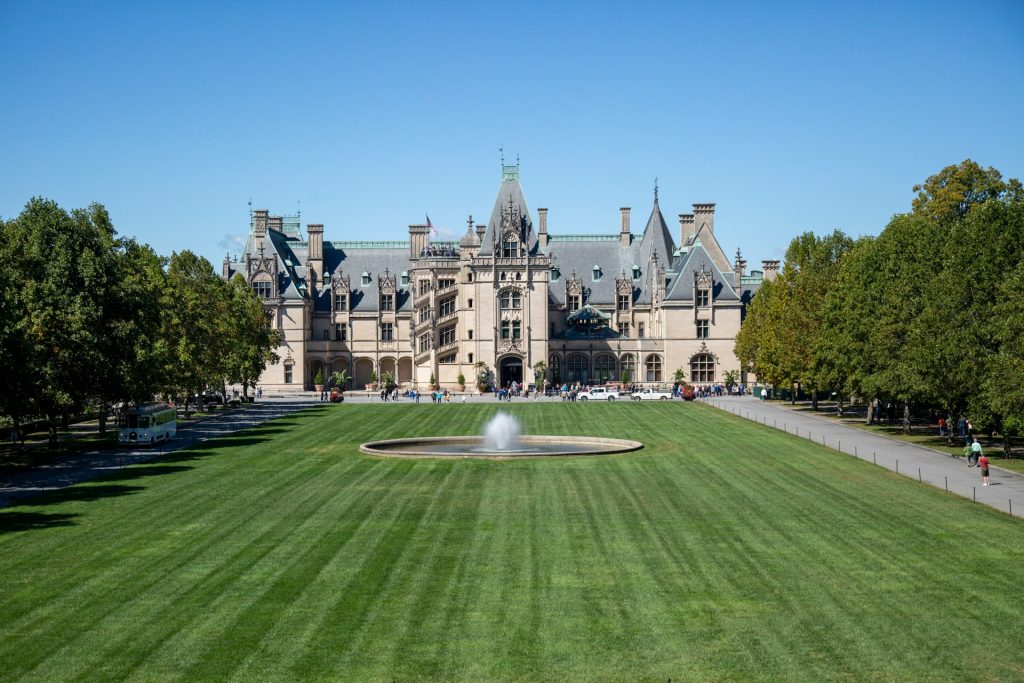
Biltmore House was opened by George Vanderbilt on Christmas Eve of 1895, and the estate quickly became known for extraordinary scale, craftsmanship, and landscape planning. Over time, it shifted from private retreat to public destination, but it retained the same architectural presence that first defined it.
Today the estate is still run as an active tourism campus, with house entry, gardens, trails, and winery experiences drawing visitors across the year. That breadth matters. The building is not a stand-alone monument; it is the center of a functioning ecosystem of travel activity, jobs, and conservation work in the region.
10. Hawa Mahal, Jaipur
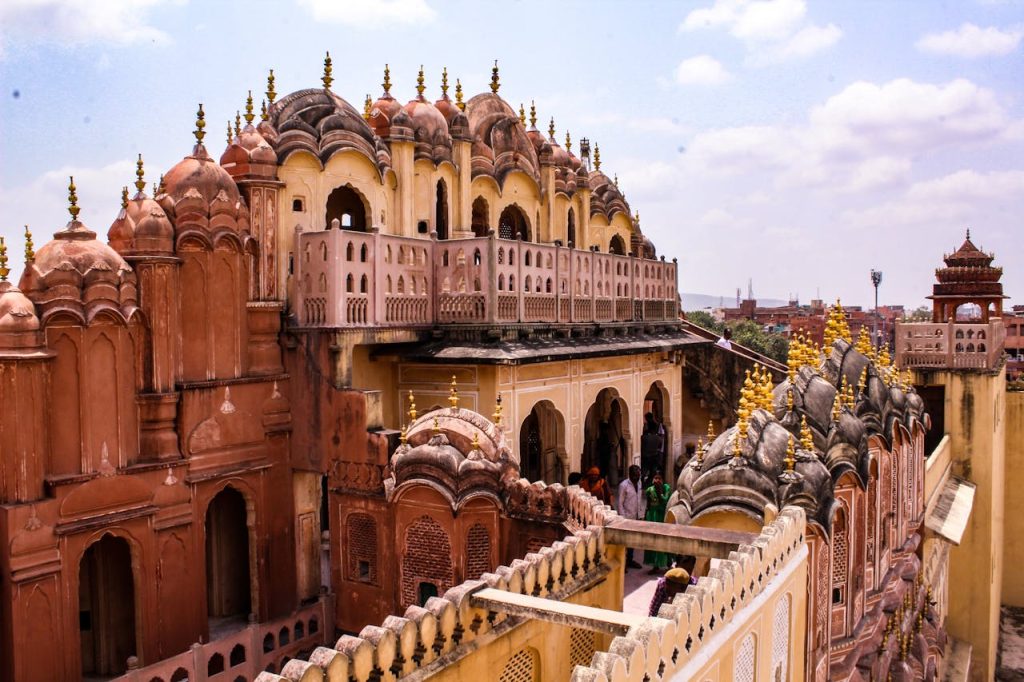
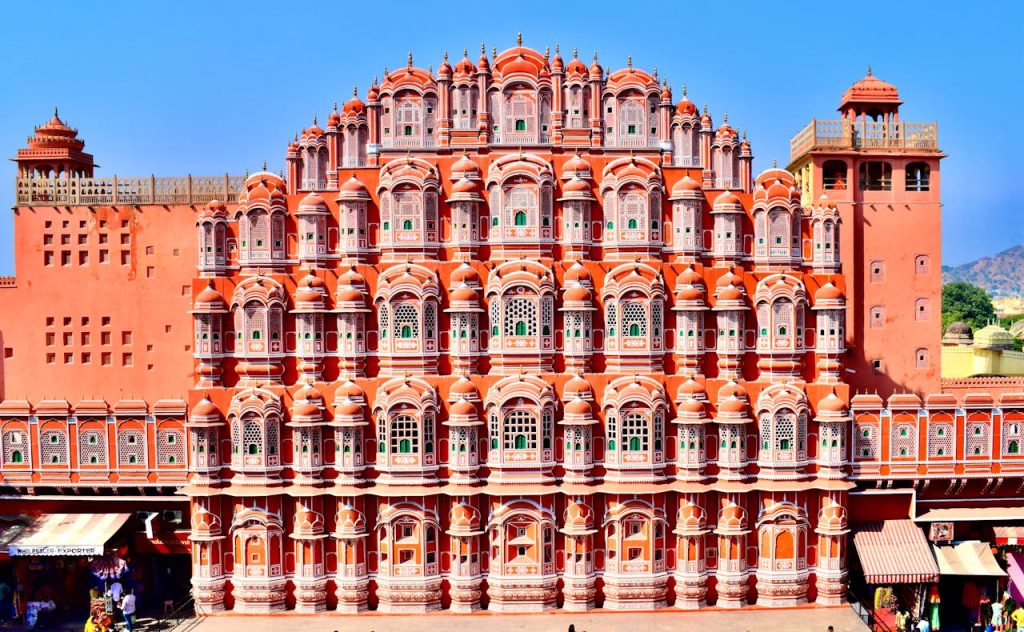
Hawa Mahal was built in 1799 by Maharaja Sawai Pratap Singh and remains one of Jaipur’s most recognizable structures. Its five-story façade, shaped with dense rows of windows and jharokhas, was designed for ventilation and discreet viewing, making climate response and social design part of the architecture itself.
It still operates as a major tourism draw in the old city, where visitors pair the monument with nearby bazaars, museums, and walking routes. The building’s appeal comes from lived urban context as much as beauty. It is encountered amid daily local rhythms, which keeps heritage connected to present civic life today.
11. Mont-Saint-Michel Abbey, France
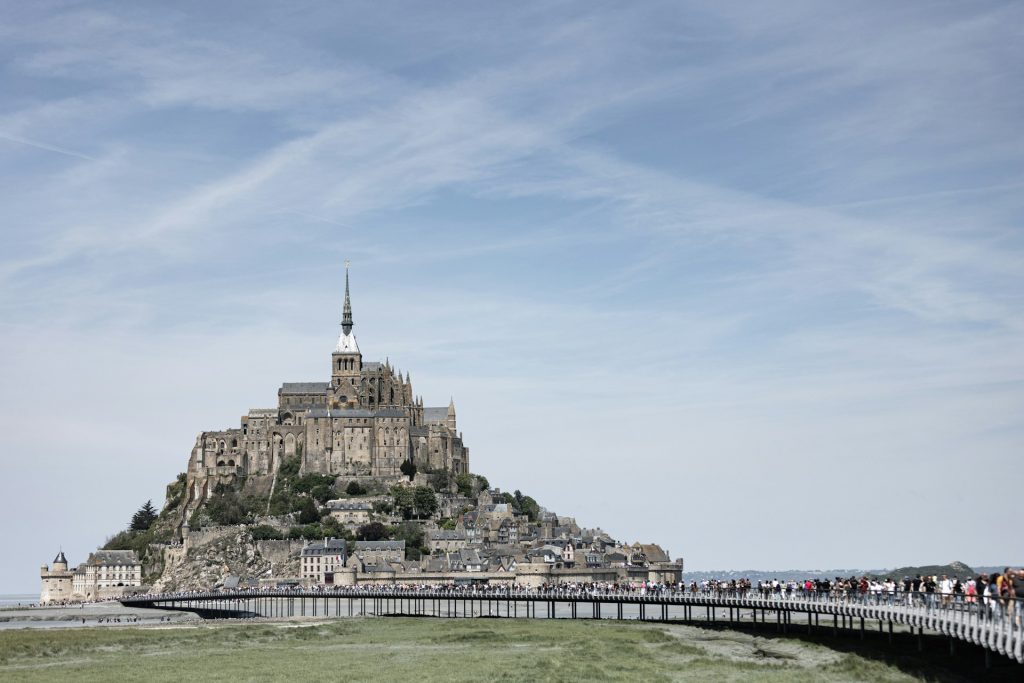
Mont-Saint-Michel’s abbey was built between the 11th and 16th centuries on a tidal islet between Normandy and Brittany, then inscribed by UNESCO in 1979. Its engineering had to respond to difficult terrain and extreme tides, which is why the site still feels dramatic even before anyone steps inside.
The village is freely accessible, and the abbey remains open for visits under managed entry rules, keeping the monument active within contemporary tourism flows. That practical accessibility matters as much as symbolism. The place endures not as distant scenery, but as a lived destination where movement, ritual, and landscape still meet.