11 Countries Where Fall Is the Best Time to Visit
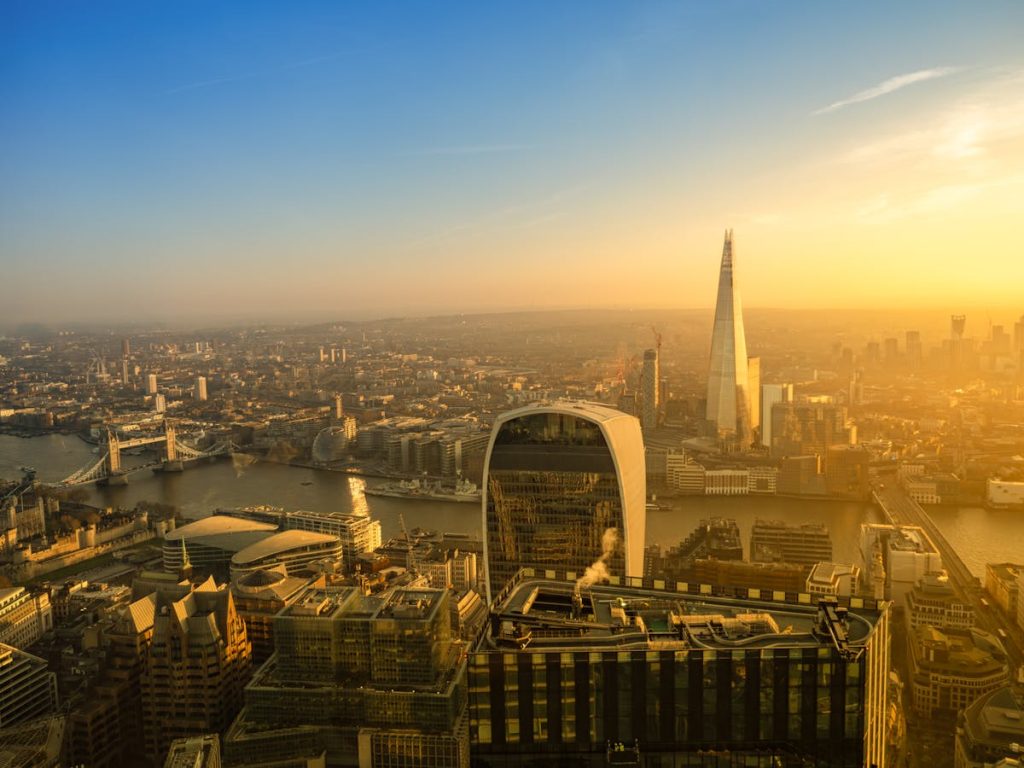
Fall often delivers the most balanced travel experiences, combining comfortable weather, lighter crowds, and seasonal character. As summer demand fades, destinations settle into authentic rhythms shaped by harvests, cultural calendars, and everyday life. Landscapes change color, cities feel more navigable, and prices frequently soften. Outdoor exploration becomes easier, while museums, food traditions, and regional festivals gain prominence. Certain countries benefit especially from this transition, offering richer experiences without peak season strain. These destinations stand out for how autumn enhances scenery, culture, and accessibility, making fall the most rewarding and practical time to visit globally today.
Italy
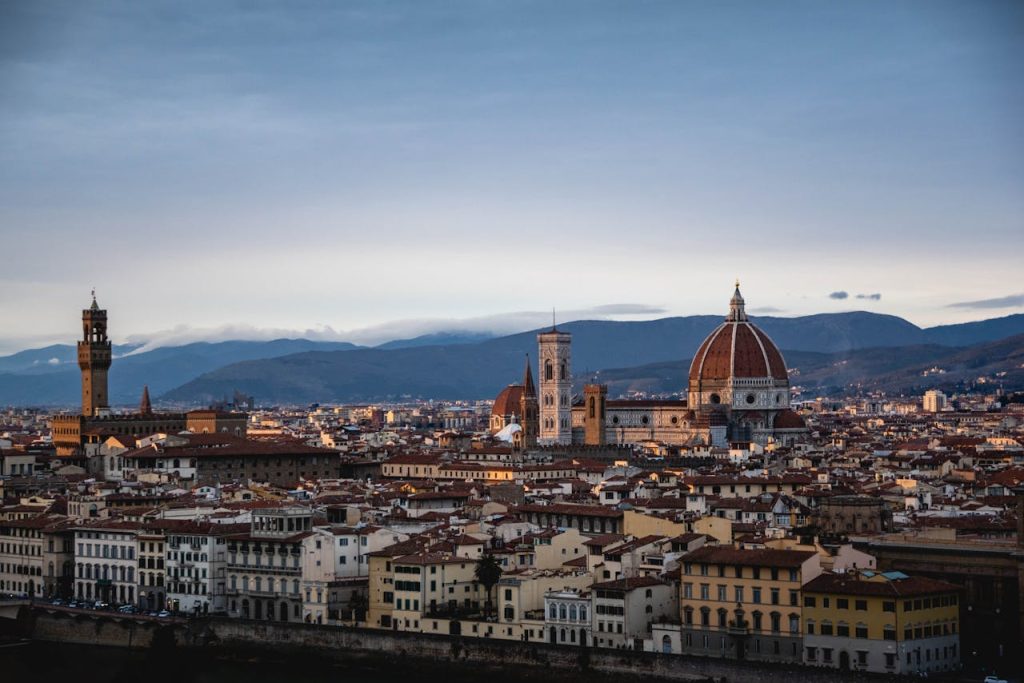
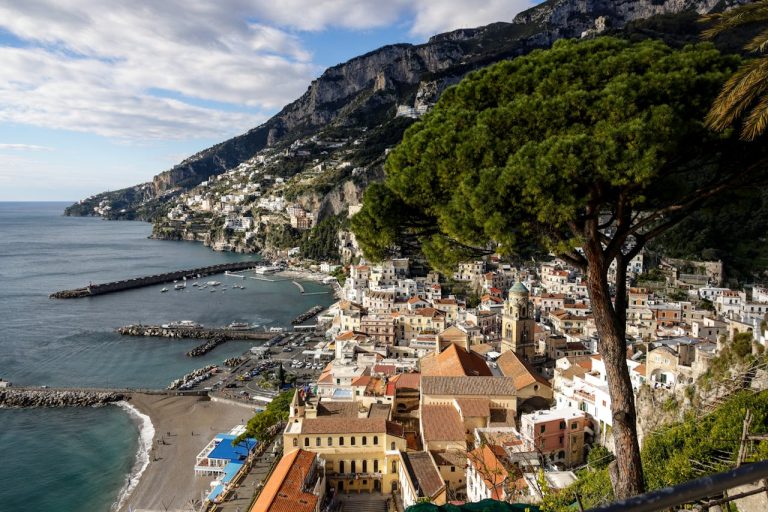
Italy shines in fall as summer heat and crowds recede across the country. Cities like Rome, Florence, and Venice feel calmer, while coastal areas remain pleasant. Harvest season brings wine, olive oil, and regional dishes into focus. Cultural sites stay open, but lines shorten significantly. Cooler temperatures support walking and sightseeing without discomfort. Local routines return after August holidays, creating a more authentic atmosphere. Fall travel in Italy balances history, food, and scenery, allowing deeper engagement with everyday life while avoiding peak season pressure found during midsummer months across many regions nationwide each year consistently. This season rewards travelers with calmer pacing, and memorable moments.
Japan
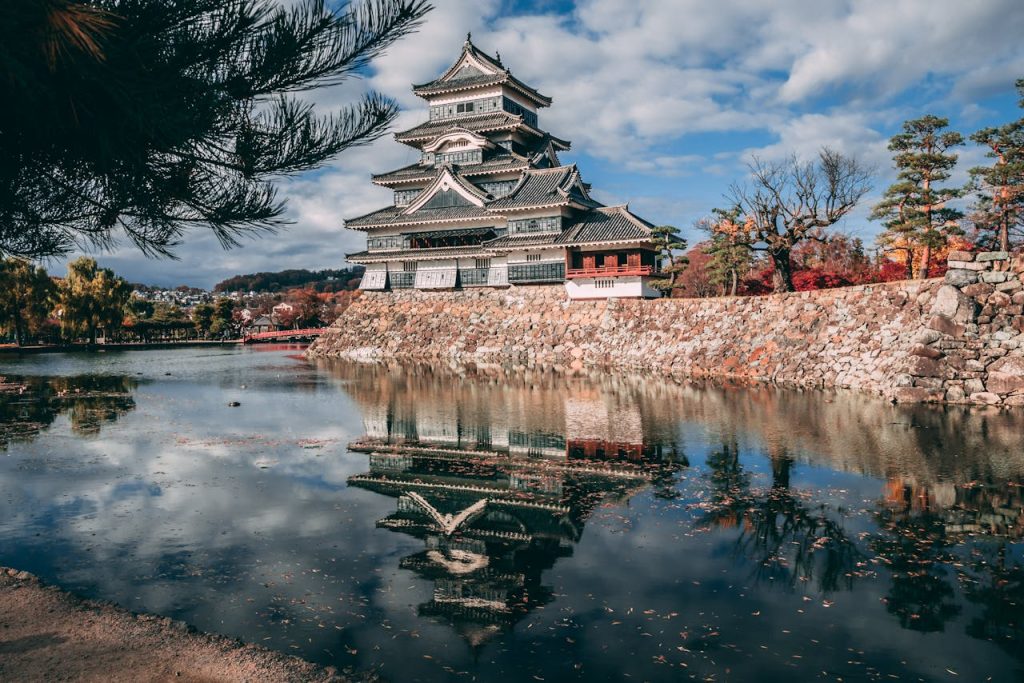
Japan offers one of its most enjoyable travel seasons during fall. Humidity drops, typhoon risks decrease, and temperatures become comfortable nationwide. Autumn foliage transforms temples, parks, and mountains, especially in Kyoto and Nikko. Cultural festivals, seasonal foods, and outdoor activities gain prominence. Cities remain fully operational without summer congestion. Transportation runs smoothly, and accommodation availability improves before peak foliage weeks. Fall travel in Japan blends natural beauty with cultural rhythm, providing clarity, balance, and accessibility that feels absent during hotter, busier summer months across much of the country annually for visitors seeking calm seasonal experiences.
Canada
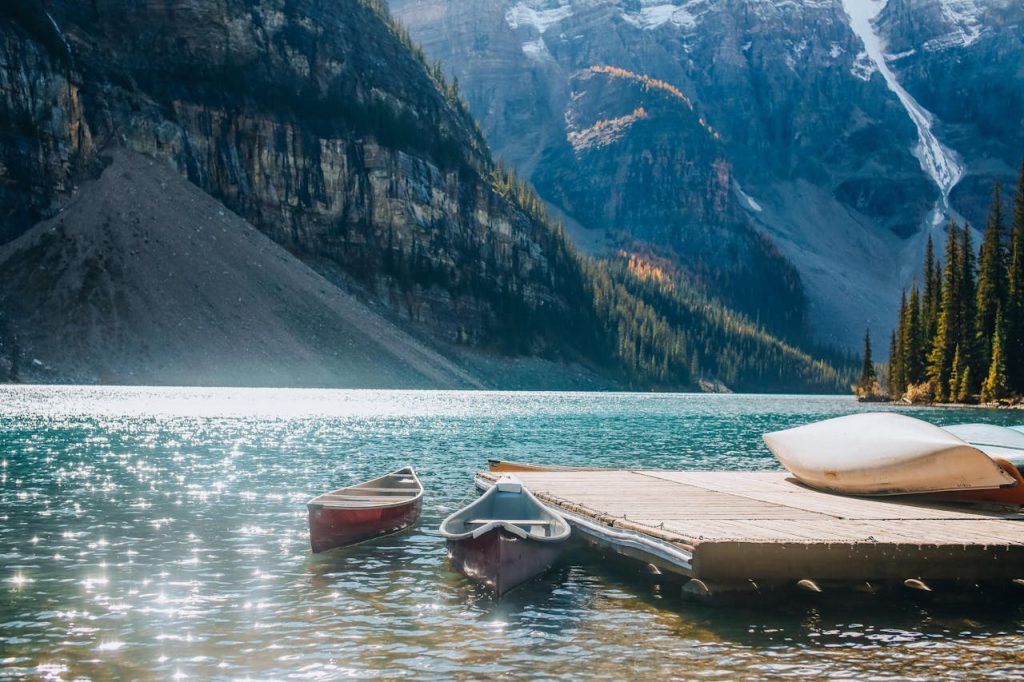
Canada becomes especially appealing in fall as landscapes shift color and summer crowds disappear. National parks showcase foliage, wildlife activity increases, and cities feel calmer. Temperatures remain comfortable for hiking and urban exploration. Cultural calendars stay active with festivals and exhibitions. Travel costs often decline after peak season. Regions like Quebec, Ontario, and British Columbia offer strong seasonal contrast. Fall travel in Canada highlights nature and culture together, providing spacious environments, reliable services, and scenic variety before winter conditions limit access across much of the country during transitional autumn months nationwide each year reliably again.
Germany
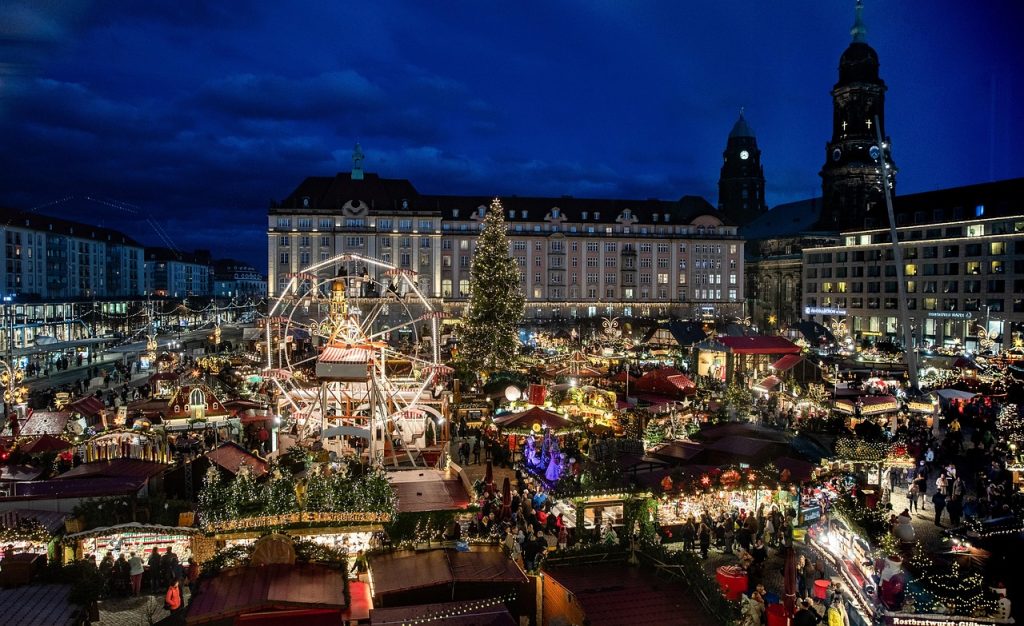
Germany is well suited for fall travel as temperatures cool and tourism eases. Cities like Berlin and Munich feel less crowded, while countryside regions host harvest traditions. Oktoberfest season extends cultural interest beyond summer. Forests and river valleys change color, enhancing scenic routes. Transportation remains efficient, and attractions stay open. Accommodation prices soften after peak months. Fall travel in Germany balances history, food culture, and outdoor scenery, offering manageable crowds and authentic experiences shaped by local routines and seasonal events across towns, cities, and rural landscapes nationwide during September, October, and November each year consistently.
France
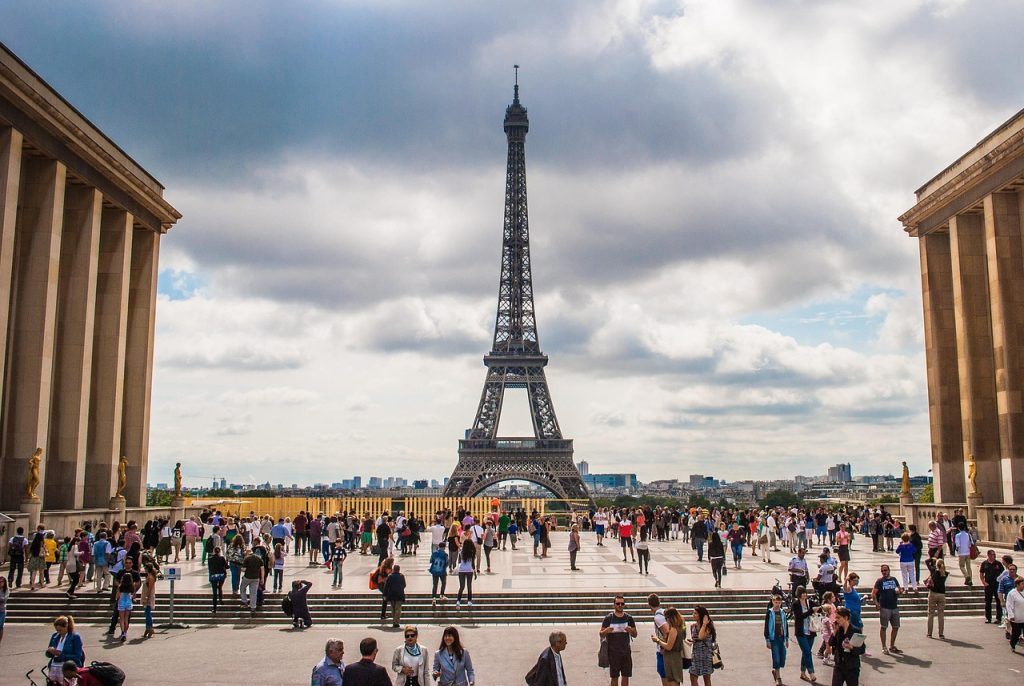
France feels more accessible in fall as summer tourism slows and routines normalize. Cities regain local rhythm, and rural regions enter harvest season. Vineyards, markets, and regional kitchens become central experiences. Museums and landmarks remain open with shorter lines. Weather stays mild for walking and countryside travel. Transportation operates reliably outside holiday peaks. Fall travel in France emphasizes everyday culture, regional identity, and seasonal food, offering a more balanced experience than crowded summer months dominated by tourism pressure across cities, villages, coastlines, and wine regions nationwide each autumn season for travelers seeking authenticity and calm.
Spain
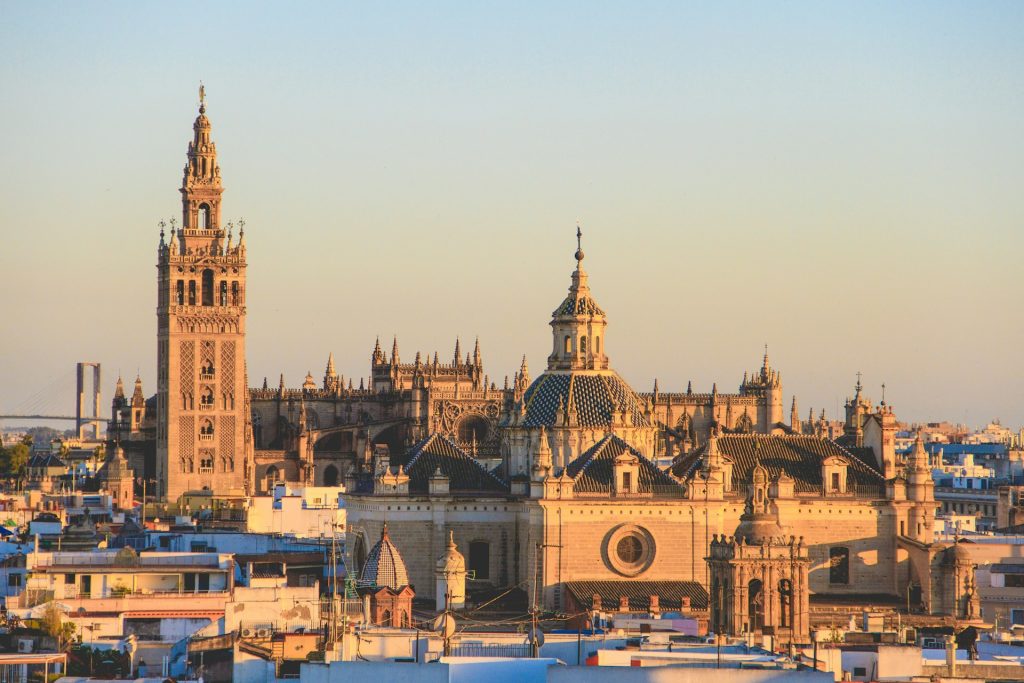
Spain benefits from fall travel as intense summer heat fades and visitor numbers drop. Cities like Madrid and Seville become easier to explore on foot. Coastal areas remain warm without peak congestion. Cultural festivals, food traditions, and outdoor life continue. Transportation networks remain active and reliable. Fall travel in Spain offers comfort, affordability, and access, allowing travelers to experience regional diversity without the exhaustion often associated with summer tourism seasons across inland cities, islands, and coastal regions nationwide during autumn months each year consistently again for many visitors. This season rewards travelers with calmer pacing, deeper context, and memorable moments.
Portugal
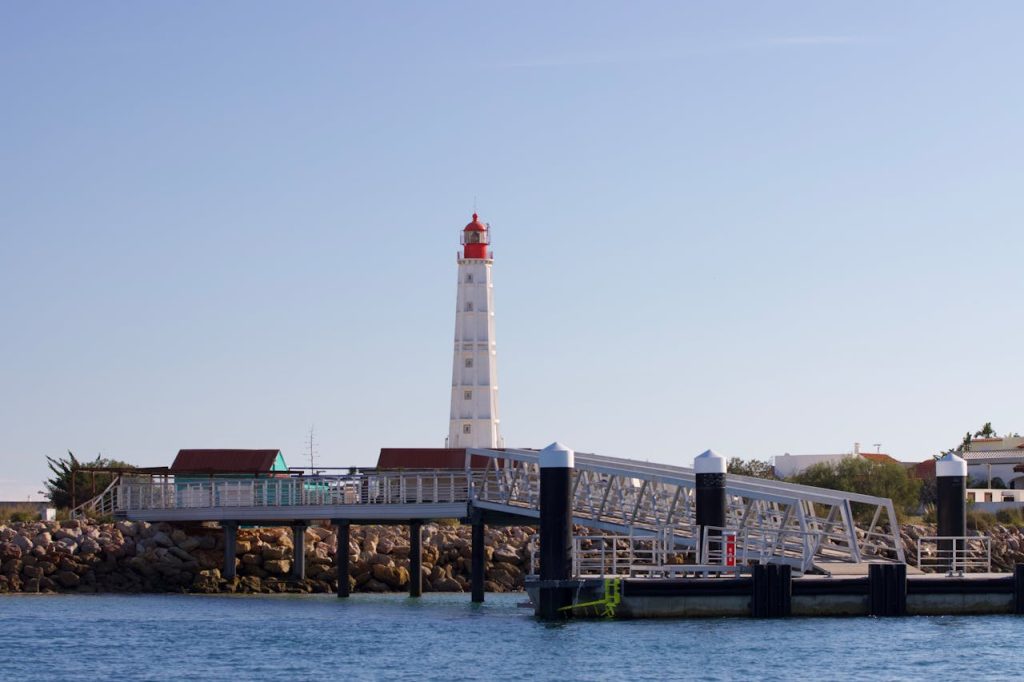
Portugal becomes especially inviting in fall as summer crowds depart. Lisbon and Porto feel more navigable, while the Algarve remains sunny. Temperatures stay comfortable for sightseeing and coastal walks. Wine harvest season adds cultural interest inland. Travel prices often decrease after August. Attractions remain fully operational. Fall travel in Portugal highlights relaxed pacing, strong food culture, and scenic variety, creating an experience shaped by everyday life rather than peak season tourism pressure across cities, villages, vineyards, beaches, and countryside regions nationwide during autumn months each year for visitors seeking balance, comfort, and accessibility consistently again.
United States
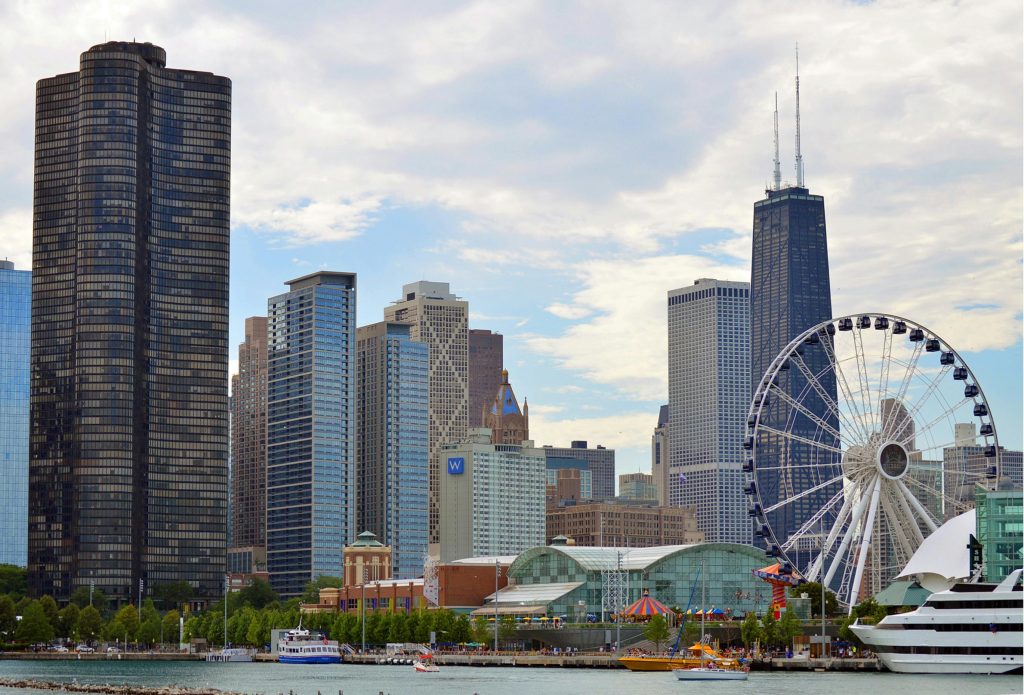
The United States offers varied fall travel experiences as seasons change nationwide. National parks display foliage, cities cool, and summer tourism fades. Cultural calendars remain active with sports and festivals. Weather becomes ideal for road trips and outdoor exploration. Travel costs often drop after peak vacation months. Regional diversity allows tailored experiences. Fall travel in the United States balances scenery, culture, and accessibility, providing comfortable conditions and fewer crowds across both urban centers and natural landscapes during September, October, and November, when seasonal transitions support relaxed travel planning nationwide for families, couples, and solo explorers.
New Zealand
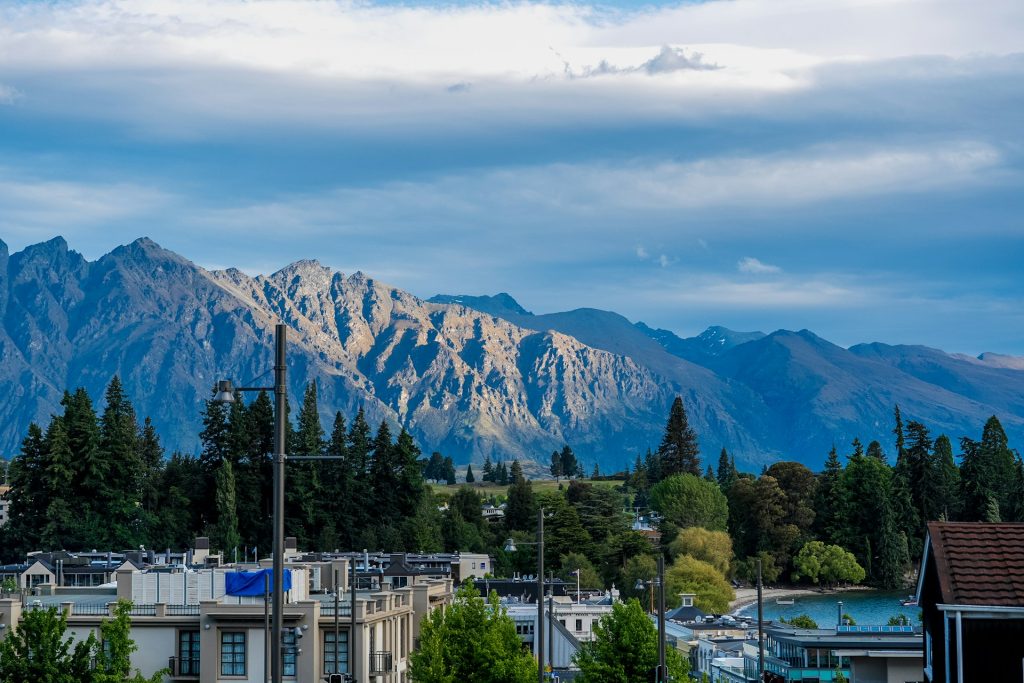
New Zealand enters spring during fall months elsewhere, creating favorable travel conditions. Landscapes appear vibrant, and visitor numbers remain moderate. Weather supports outdoor activities without peak summer demand. Roads, parks, and cities feel accessible. Wildlife activity increases in certain regions. Travel infrastructure operates smoothly. Fall travel in New Zealand offers balance between scenery and availability, allowing exploration of coastlines, mountains, and cities without the congestion associated with high season tourism across both North and South Island destinations during shoulder season travel periods each year for international visitors seeking calm, space, and flexibility in itineraries consistently.
South Korea
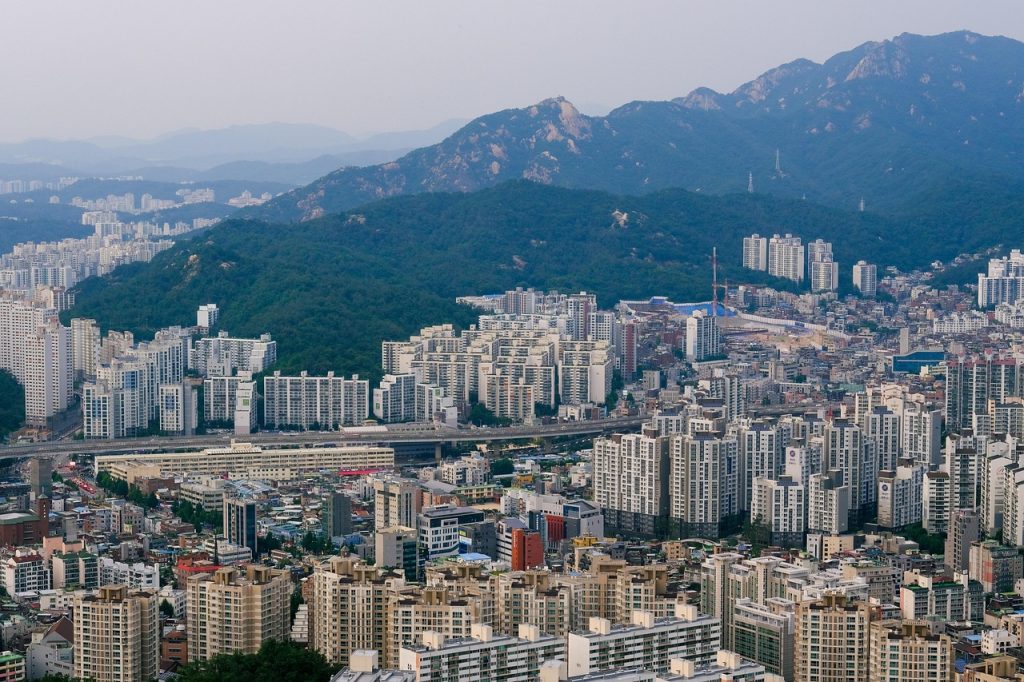
South Korea is widely regarded as ideal in fall due to mild weather and foliage. Cities like Seoul feel comfortable for walking. Mountains and parks display autumn color. Cultural festivals and food traditions peak. Summer humidity disappears, improving comfort. Transportation remains efficient nationwide. Attractions stay open without summer congestion. Fall travel in South Korea blends urban life and nature, offering clear skies, seasonal cuisine, and manageable crowds that enhance everyday exploration across cities, temples, hiking areas, and countryside regions nationwide during September, October, and November each year consistently for travelers seeking balance, color, and cultural depth.
Argentina
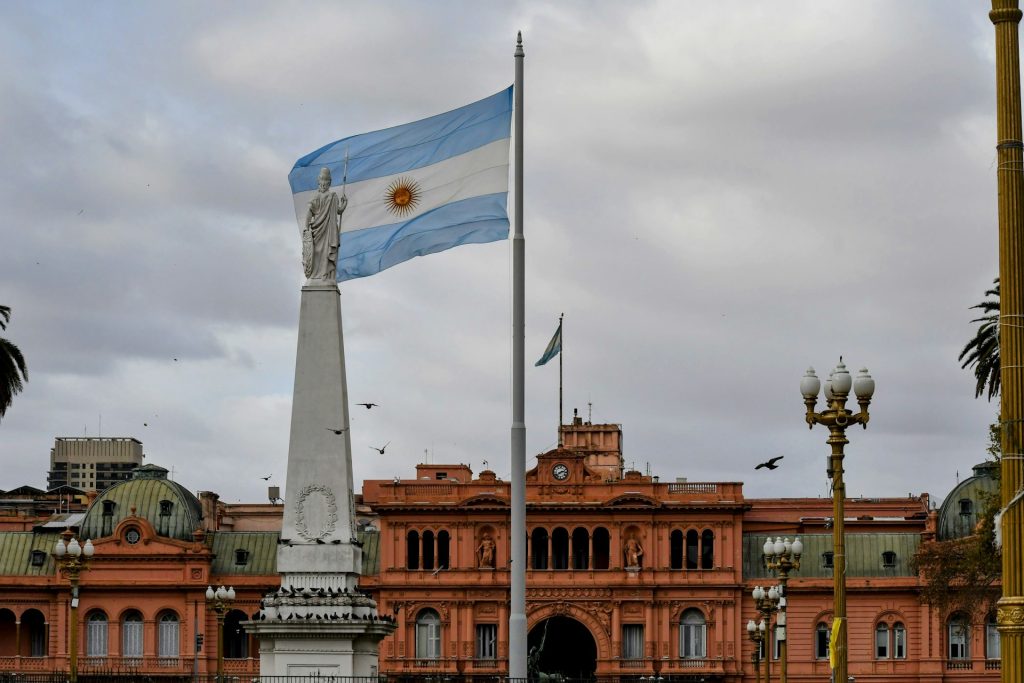
Argentina benefits from fall travel as temperatures cool and tourism eases. Buenos Aires feels less crowded, while wine regions enter harvest season. Patagonia becomes quieter before winter. Cultural life continues without peak demand. Travel costs often soften after summer. Outdoor activities remain accessible in many regions. Fall travel in Argentina offers seasonal variety, combining city culture, landscapes, and food traditions under calmer conditions than high summer tourism across diverse regions, including mountains, plains, vineyards, and coastlines, nationwide during transitional autumn months each year for visitors seeking comfort, value, and authenticity in experiences consistently again today.