11 Destinations That Are Calm Because They Don’t Ask Much of You
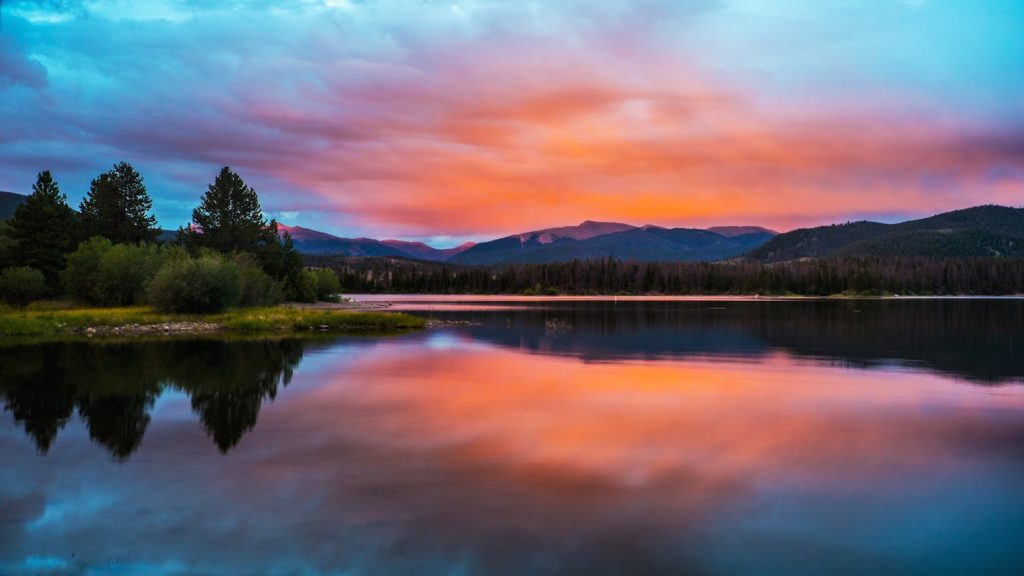
Some destinations feel calming not because they are empty or remote, but because they place few demands on attention, energy, or planning. These places allow days to unfold naturally, without packed itineraries or constant decision making. Transportation feels manageable, surroundings feel intuitive, and the pace encourages observation rather than urgency. Calm emerges through simplicity, familiarity, and environments that support rest without boredom. The following destinations are known for offering gentle experiences where movement feels easy, expectations stay low, and enjoyment comes from presence rather than performance, making them especially appealing for travelers seeking quiet satisfaction over constant stimulation.
Kyoto, Japan
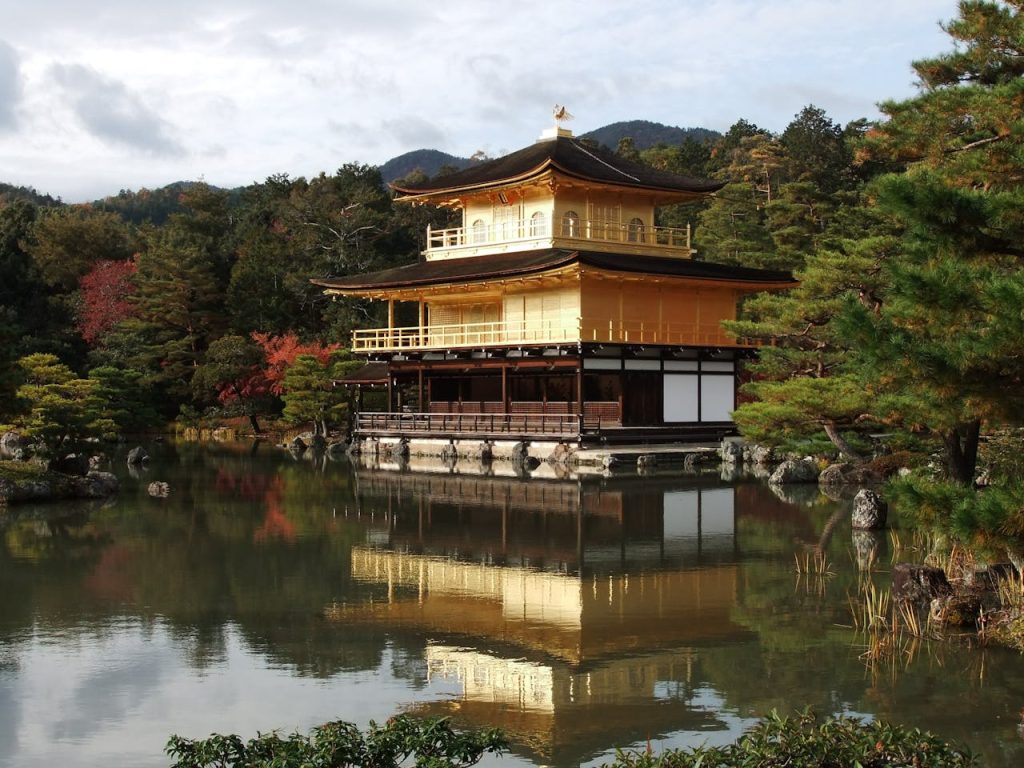
Kyoto feels calm because its rhythms encourage patience and observation rather than urgency. Neighborhoods unfold gradually, with temples, gardens, and residential streets arranged for walking at an unhurried pace. Public transportation remains reliable and straightforward, reducing logistical stress. Many experiences involve sitting, strolling, or quietly watching seasonal changes, whether through temple grounds or along narrow lanes. Cultural norms emphasize respect and quiet behavior, shaping a naturally subdued atmosphere. Kyoto does not demand constant movement or entertainment. Instead, it offers gentle structure, predictable flow, and spaces that reward stillness, making calm feel built into daily life.
Copenhagen, Denmark
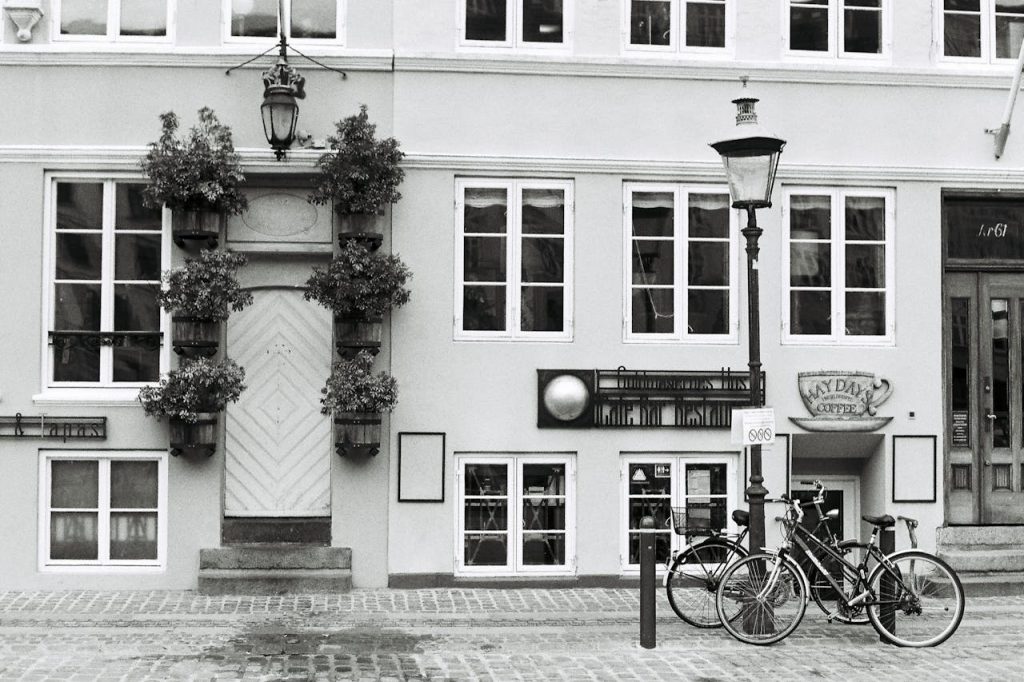
Copenhagen offers calm through thoughtful urban design and manageable scale. Streets prioritize cyclists and pedestrians, creating a sense of order and ease. Neighborhoods feel distinct yet connected, allowing exploration without complex planning. Cafes, parks, and waterfront areas encourage lingering rather than rushing. The city values balance between work and leisure, which shapes daily rhythms that feel steady and predictable. Even busy areas maintain a composed tone. Copenhagen does not overwhelm with choices or crowds. Its calm comes from consistency, accessibility, and an environment designed to support everyday comfort rather than constant excitement. This approach allows visitors to settle into routines easily daily.
Luang Prabang, Laos
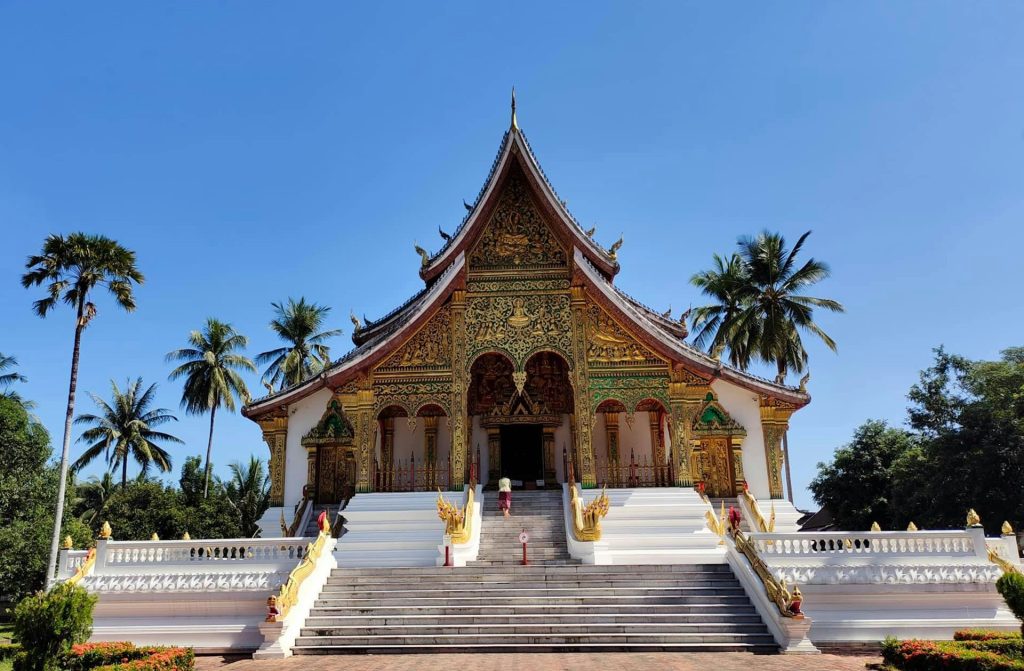
Luang Prabang feels calm because daily life follows gentle routines shaped by tradition and geography. The town sits between rivers, limiting sprawl and encouraging walkable exploration. Temples, markets, and cafes operate at an unhurried pace, with few distractions competing for attention. Mornings begin quietly, evenings settle early, and social spaces remain relaxed. Tourism exists but rarely dominates the atmosphere. Transportation options are simple, and schedules feel flexible. Luang Prabang does not ask visitors to multitask or plan extensively. Its calm emerges from simplicity, cultural continuity, and an overall sense of ease. Days unfold slowly, guided by rituals, river rhythms, and routines.
Reykjavik, Iceland
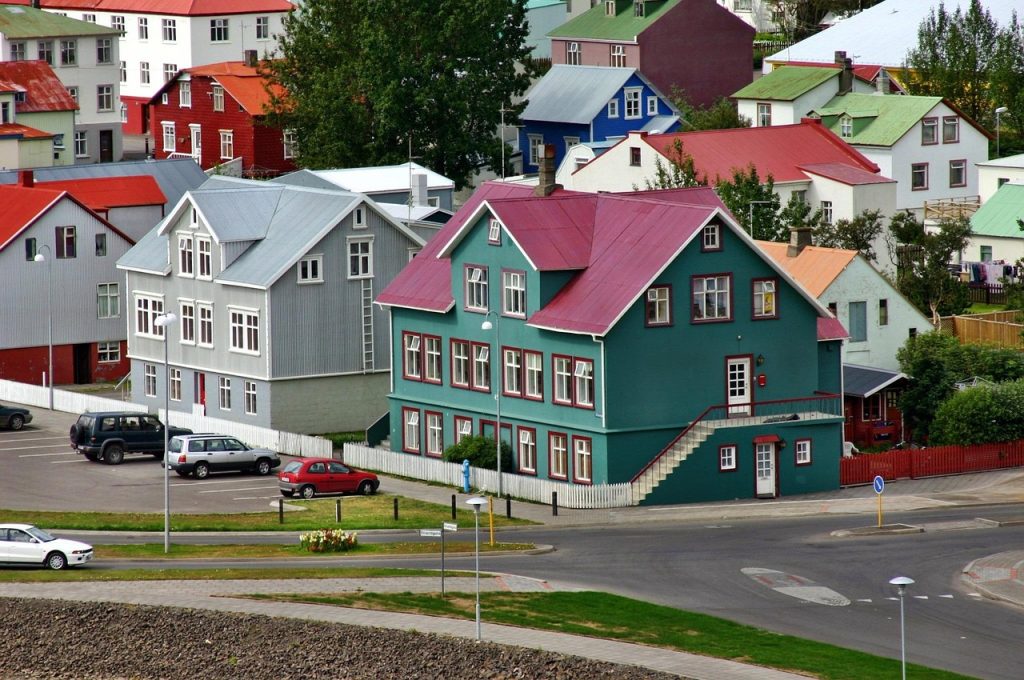
Reykjavik offers calm by keeping experiences concentrated and manageable. The compact city center allows easy movement between cafes, museums, and waterfront paths without pressure. Public spaces feel orderly, and crowds rarely feel overwhelming. Even popular attractions operate smoothly and predictably. The surrounding natural environment encourages appreciation without demanding effort, with views accessible close to town. Indoor culture plays a strong role, supporting relaxed evenings regardless of weather. Reykjavik does not rely on constant stimulation. Its calm comes from scale, clarity, and a culture that values balance between activity and rest. This balance helps days feel organized, flexible, and restorative.
Sedona, Arizona
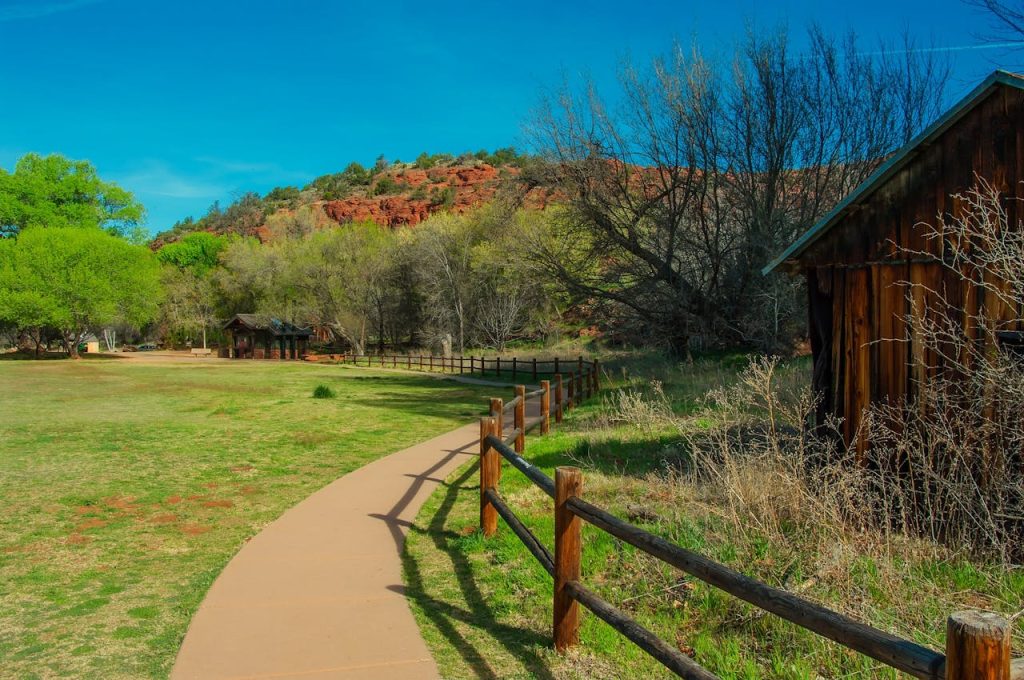
Sedona feels calm because the landscape sets the tone for slower movement and reflection. Red rock formations surround the town, creating a visual presence that encourages pause rather than urgency. Roads remain easy to navigate, and distances between sites stay manageable. Many activities involve short walks, scenic drives, or quiet viewpoints. Commercial areas remain limited in scale, reducing sensory overload. Sedona does not require constant decision making. The environment itself provides focus, allowing calm to emerge naturally through scenery, space, and a pace shaped by the desert rather than schedules. Visitors often adjust expectations, letting light, weather, and terrain guide plans.
Bergen, Norway
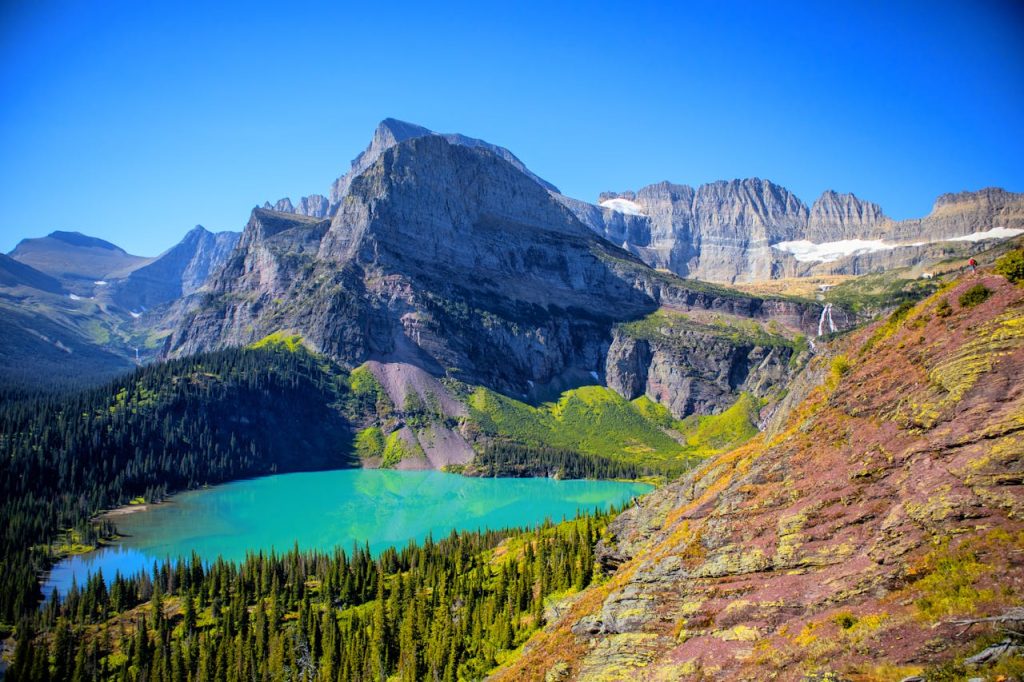
The Bergen offers calm through a combination of natural boundaries and orderly city life. Surrounded by mountains and water, the city feels contained and navigable. Public transportation works efficiently, and the historic center supports easy walking. The weather often encourages slower movement and indoor pauses, shaping a reflective rhythm. Cultural institutions and cafes provide steady, low pressure options throughout the day. Bergen does not push constant activity. Its calm comes from predictability, natural scenery close to daily life, and an atmosphere where routine feels comfortable rather than restrictive. Residents and visitors adapt easily, letting weather guide unhurried plans.
Chiang Mai, Thailand
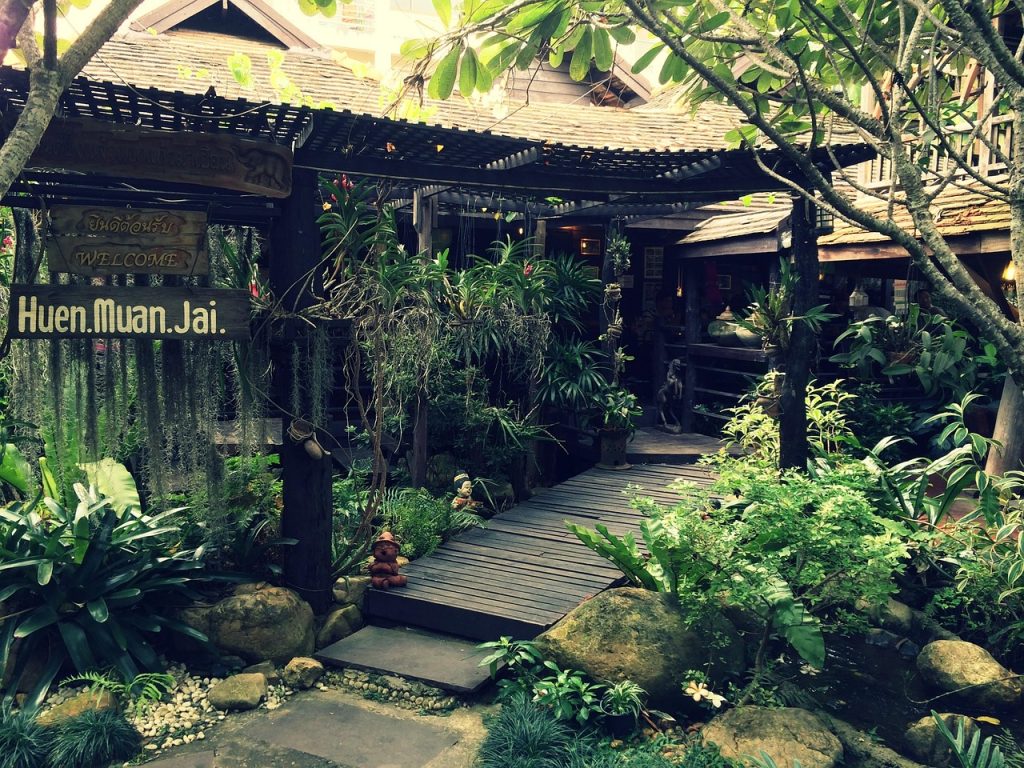
Chiang Mai feels calm because it balances urban life with manageable scale and cultural continuity. The old city remains compact, with temples, markets, and cafes clustered closely together. Transportation stays simple, and many experiences require little advance planning. Daily rhythms follow predictable patterns, shaped by meals, markets, and evening strolls. Even popular areas maintain a relaxed tone compared to larger cities. Chiang Mai does not demand constant attention or fast decisions. Calm emerges through routine, accessibility, and a social environment that values ease over intensity. This steadiness allows days to feel unhurried, familiar, and gently structured throughout visits.
Hobart, Tasmania
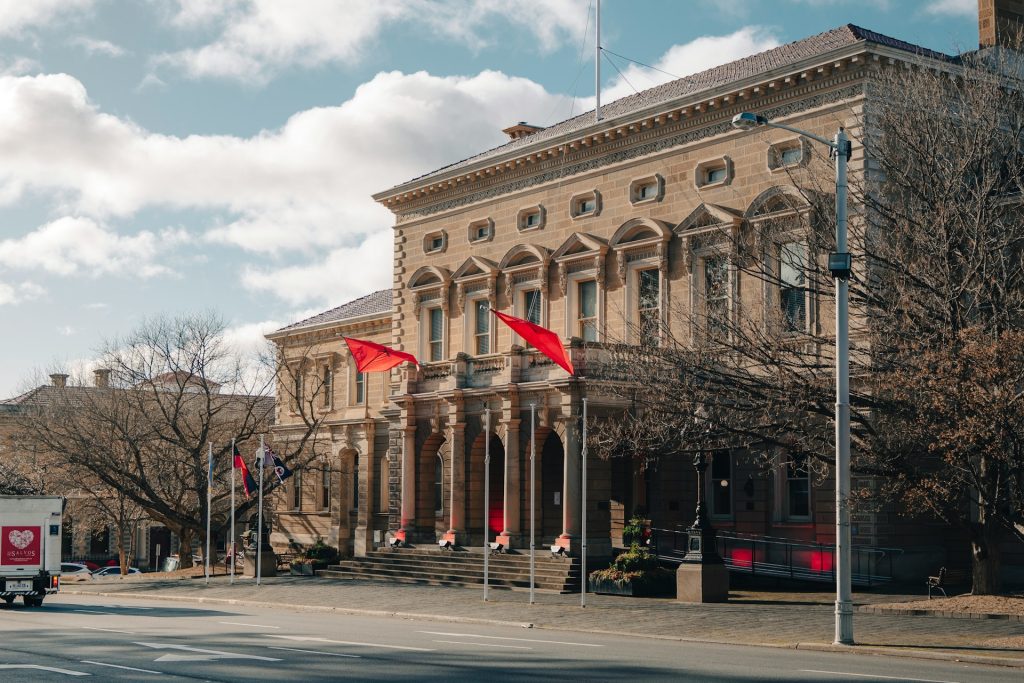
Hobart offers calm through its small size and clear sense of place. The city sits between harbor and hills, creating a natural structure that limits sprawl. Distances remain short, and navigation feels intuitive. Cultural attractions, markets, and walking paths unfold without pressure. The pace of daily life feels steady, shaped by local routines rather than tourism demands. Hobart does not overwhelm with options. Its calm comes from familiarity, gentle scenery, and an environment where days can remain open without feeling empty. This openness allows visitors to follow weather, appetite, and curiosity rather than rigid plans or constant scheduling pressures. Such flexibility encourages slower mornings, spontaneous walks, lingering meals daily.
Annecy, France
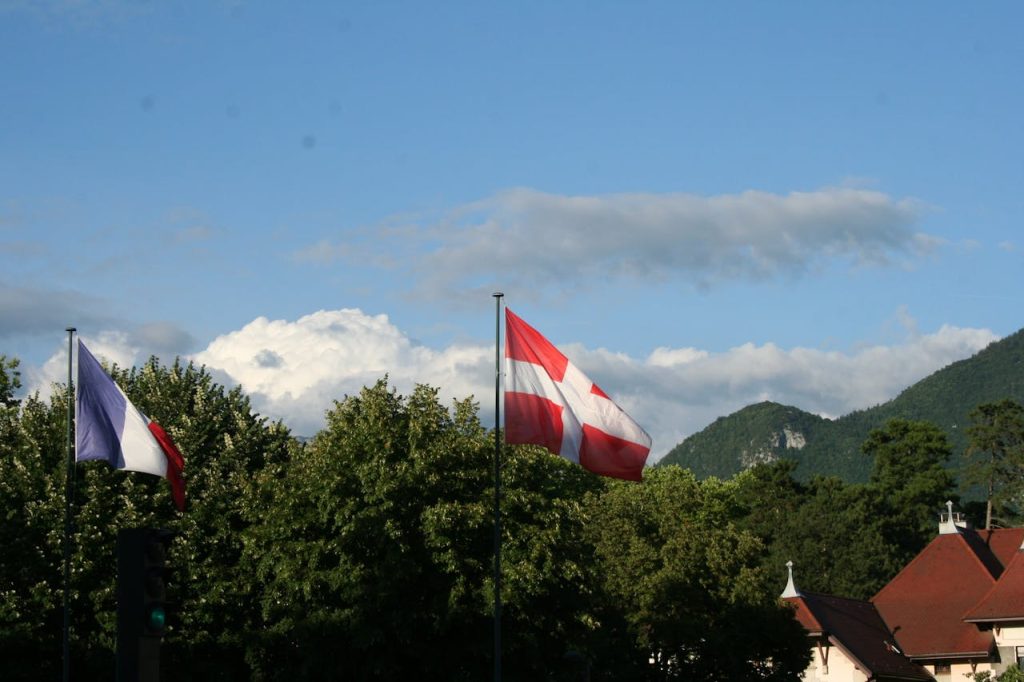
Annecy feels calm because water, history, and daily life blend seamlessly. The old town remains walkable and contained, with canals guiding movement naturally. Lake Annecy provides visual openness without requiring effort to enjoy. Cafes, shops, and paths encourage slow wandering rather than structured sightseeing. Transportation and signage remain clear, reducing friction. Annecy does not ask visitors to rush or prioritize. Calm develops through balance, where scenery, routine, and accessibility align to create an experience that feels complete without demanding constant engagement. Locals and visitors share public spaces comfortably, reinforcing a rhythm shaped by water, seasons, and everyday life rather than tourism pressure.
Santa Fe, New Mexico
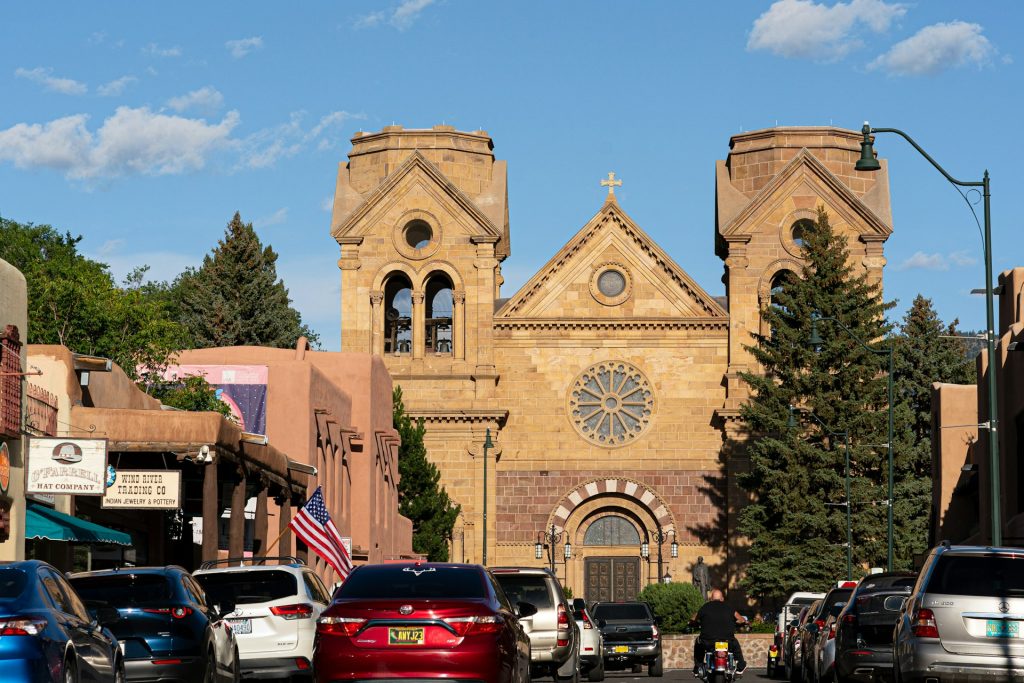
Santa Fe offers calm through consistency in architecture, culture, and pace. The city center remains compact, with plazas, galleries, and restaurants arranged for easy exploration. Earth toned buildings and open skies shape a grounded atmosphere. Cultural experiences encourage reflection rather than urgency, whether through art spaces or historic sites. Traffic and crowds stay manageable, supporting a sense of control. Santa Fe does not pressure visitors to do more. Calm comes from coherence, where environment, history, and daily life align without excess stimulation. This steadiness allows days to unfold naturally, guided by light, art, weather, and familiar routines rather than packed schedules or expectations.
Ljubljana, Slovenia
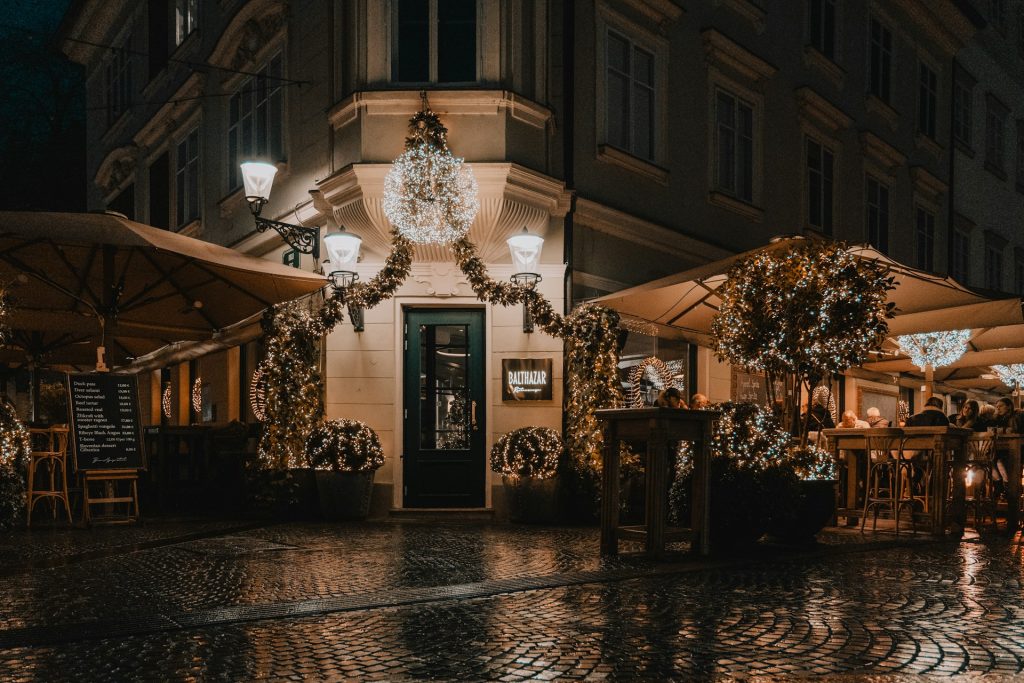
Ljubljana feels calm because the city prioritizes human scale and accessibility. The car free center supports relaxed walking along the river and through historic streets. Green spaces appear frequently, offering natural pauses throughout the day. Public transportation and signage remain clear, reducing uncertainty. Cultural life exists without overwhelming schedules or crowds. Ljubljana does not demand constant planning or movement. Its calm comes from thoughtful design, predictable flow, and an atmosphere that supports enjoyment through simplicity rather than intensity. Visitors often notice how cafés, markets, and riverbanks encourage lingering without pressure throughout ordinary days in the compact historic center.