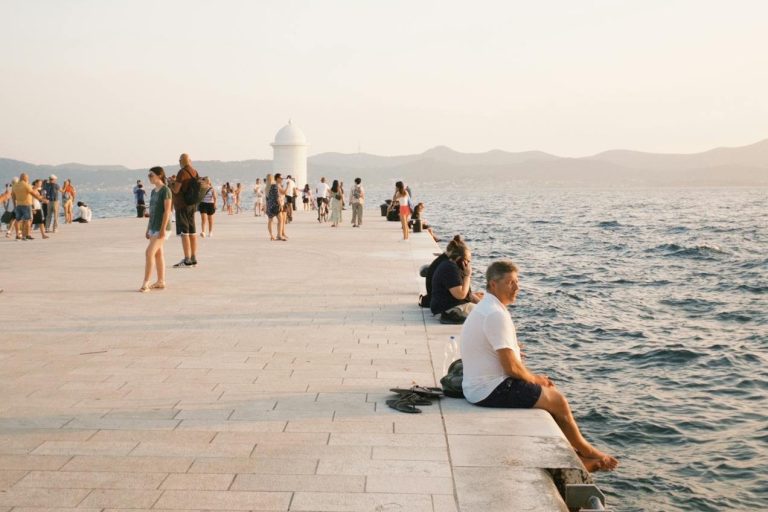
11 US Destinations That Feel More Controlled After the Holiday Rush Ends
When the holiday calendar flips, travel changes tone. Airports loosen, hotels exhale, and cities that were braced for crowds return to their normal cadence. In the weeks after, many places feel more managed in a good way: timed entries are easier to secure, transit runs cleaner, and popular streets leave room for locals again. Cooler air sharpens details, from stonework to food stalls, and quieter nights encourage simpler, better paced days. The payoff shows up in the small moments: check-ins, queues, and walks that do not demand constant dodging. Even familiar landmarks feel easier to read when the city is not shouting.
Venice, Italy
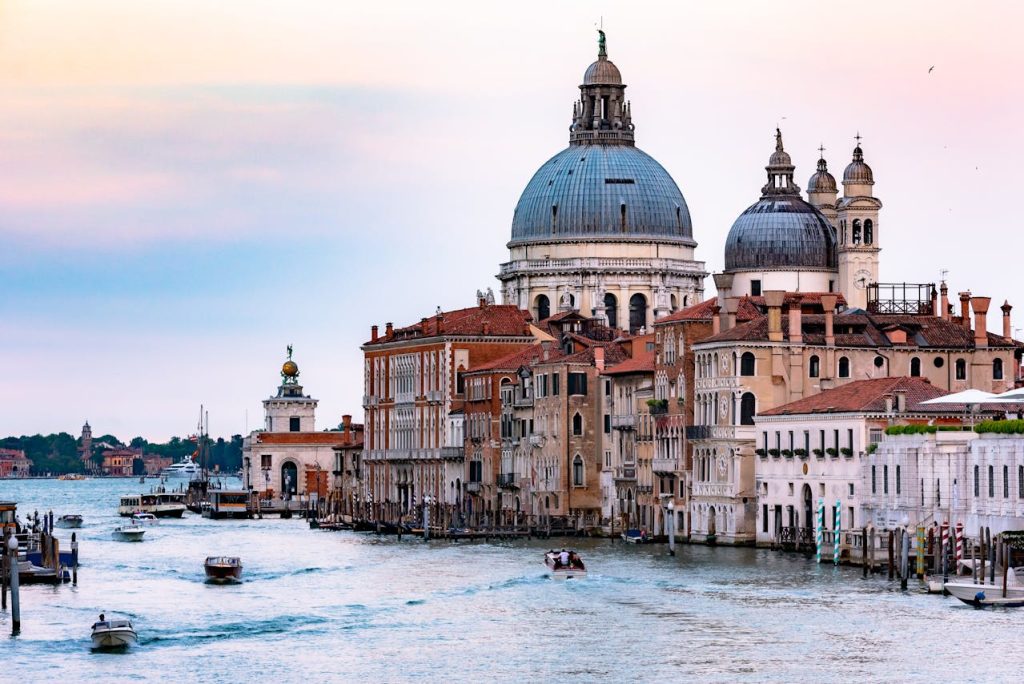
Early winter in Venice feels like the city has reclaimed its pace. With fewer day visitors, vaporetto lines and museum entry checks move steadily, and reservations for St. Mark’s Basilica or the Doge’s Palace stop feeling scarce. Lagoon air softens sound in Cannaregio and Dorsoduro, so bridges and campos feel like small destinations, not just connectors. Coffee bars have space to linger, and shop hours are easier to follow. In that calmer rhythm, time slots and posted rules act like guardrails, keeping the day orderly without dulling the joy of wandering. Even short ferry rides feel unhurried, like the city is pacing everyone.
Barcelona, Spain
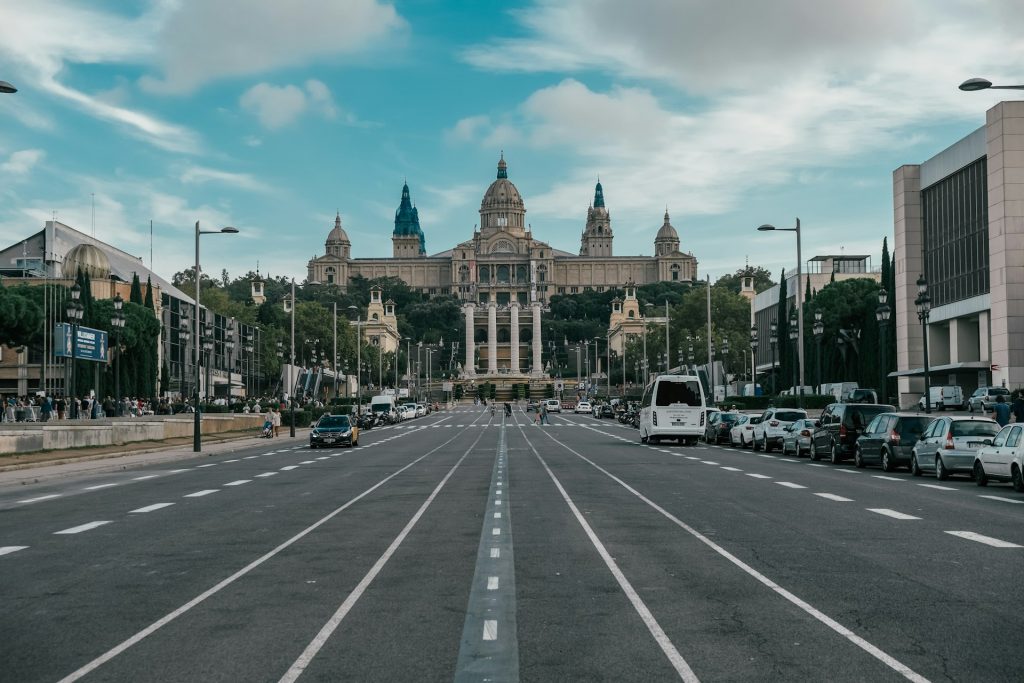
After the year end swell, Barcelona’s busiest corridors regain balance, and crowd management feels like guidance instead of a squeeze. Timed entries for Sagrada Familia and Park Guell are easier to book, and the Metro runs with more breathing room, even near Placa de Catalunya. Softer winter light makes the Gothic Quarter’s stone and Eixample’s geometry stand out, while Montjuic paths feel less compressed. With fewer tour clusters at corners, signage and street flow do their job, and cafés settle into normal pacing. An evening walk along Barceloneta reads as calm and clean. Dinner reservations also feel flexible, not a race.
Amsterdam, Netherlands
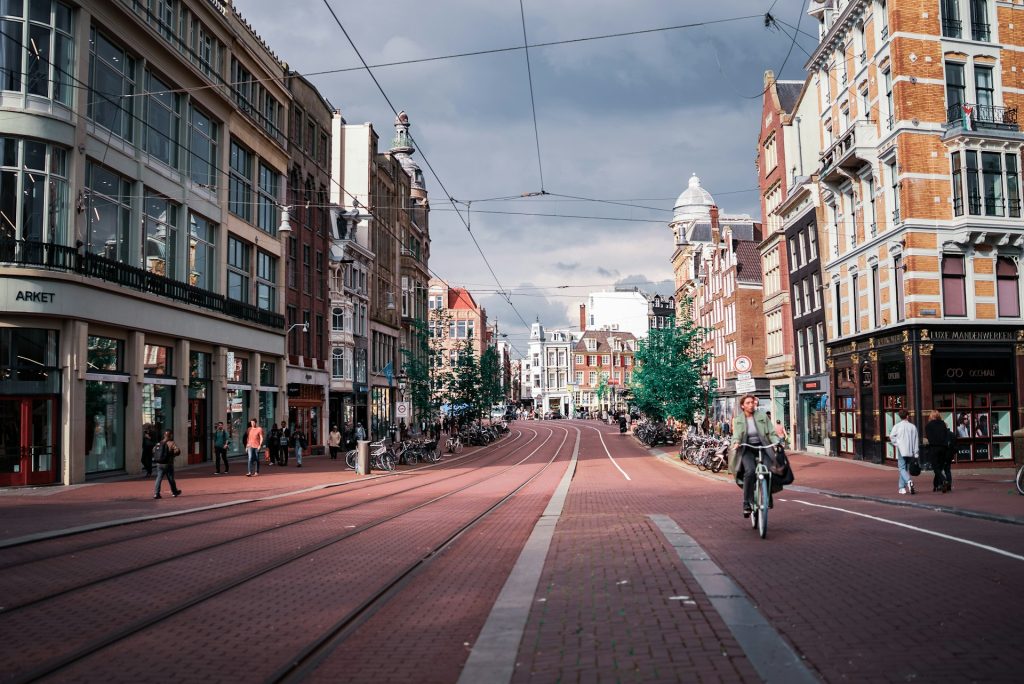
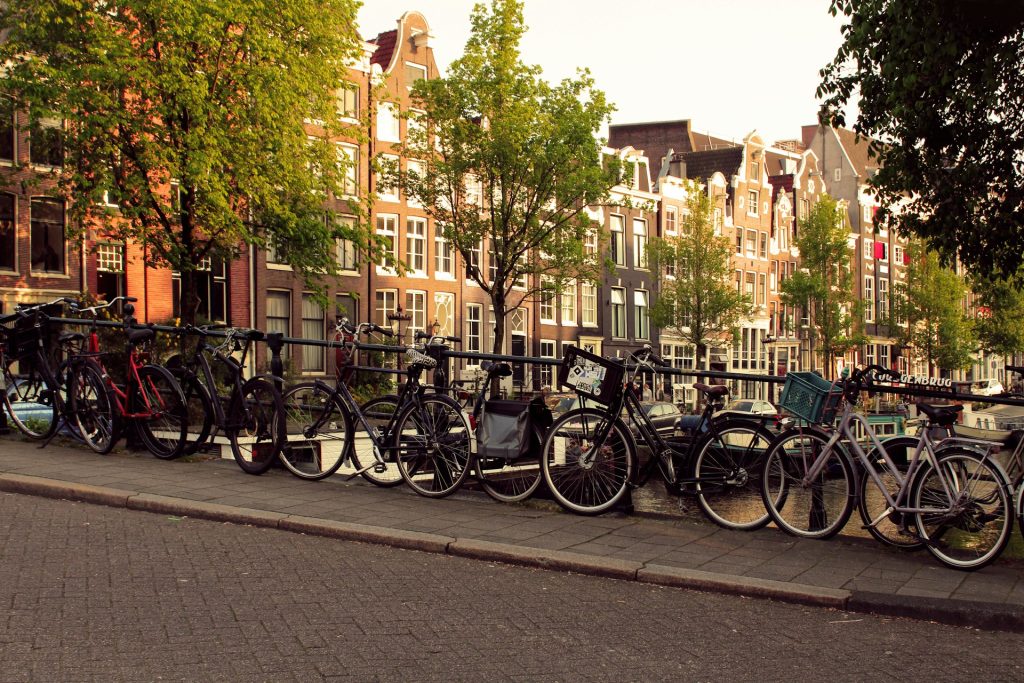
Amsterdam’s post holiday lull turns its reservation culture into something easy to live with. Museum time slots still matter, but they are more available, so plans can build around a morning canal walk instead of constant refreshing. Trams glide through the center with less crowding at doors, and bike lanes feel less pressured at peak hours. In the Jordaan and De Pijp, cafés and small galleries settle into steady service, while winter reflections keep the water vivid. The city’s order feels comforting, not strict, and afternoons click neatly into place, from markets to museums to a quiet brown café.
Kyoto, Japan
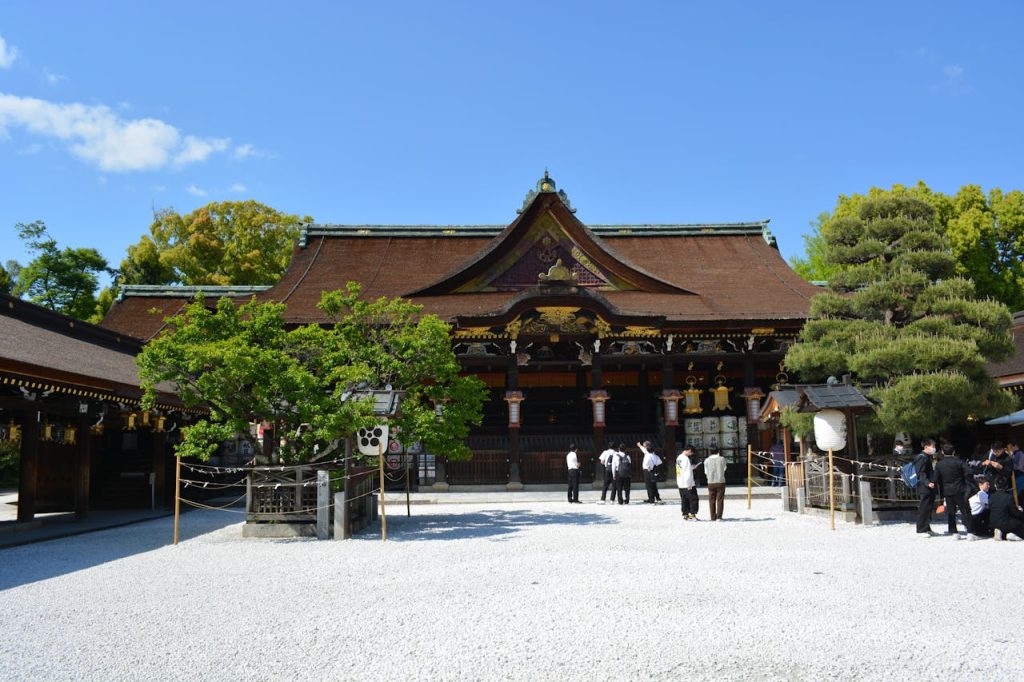
Kyoto runs on quiet rules, and the weeks after New Year’s make that structure feel clearer. Temple grounds and shrine paths stay popular, yet the flow spreads out, so gates and photo points do not bunch as tightly. Buses and trains keep their usual precision, but platforms feel calmer, which helps the day stay on schedule. In Arashiyama and on the climb through Fushimi Inari’s torii, winter air sharpens cedar scent and stone detail. Tea houses, gardens, and side streets welcome slower pauses, and evenings land softly with warm bowls and steady routines. Reservations for a kaiseki seat or a small museum are often easier to find.
Paris, France
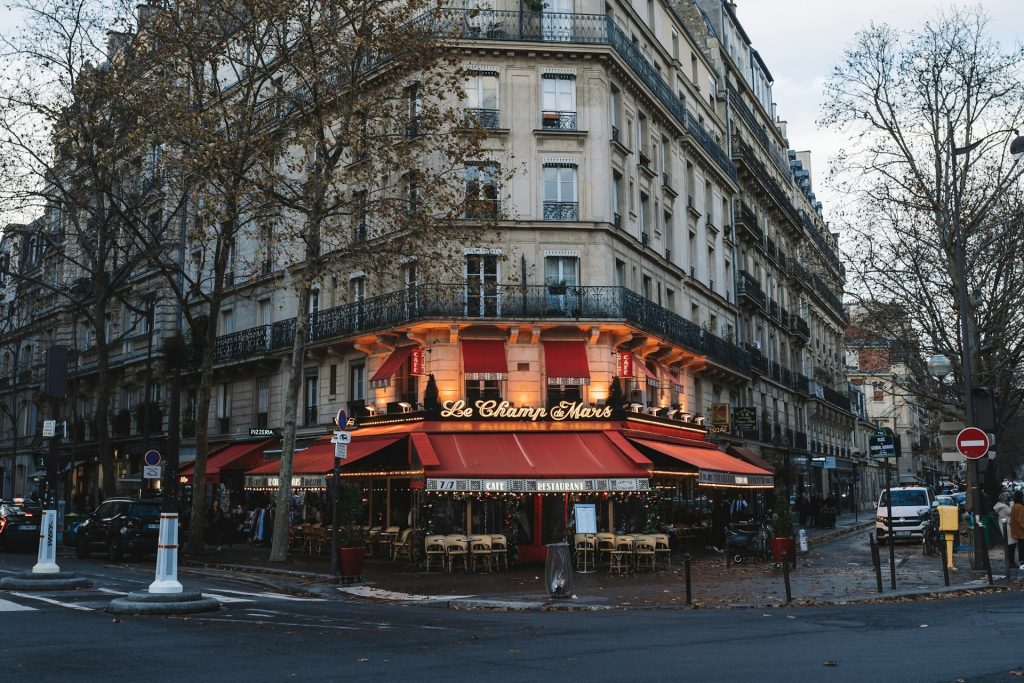
Paris in January trades spectacle for steady rhythm. Major museums and monuments still use timed tickets, yet security lines tend to move cleanly, and entry windows are easier to match with a real plan. The Seine quays feel less congested, and familiar routes between the Louvre area, the Marais, and Saint Germain regain their everyday pace. Cool weather nudges the city indoors, so bookshops, small exhibitions, and long lunches become anchors, not quick stops. With fewer packed sidewalks, the Metro and cafés feel more predictable, and evenings open up for reservations that are not booked out weeks ahead.
Rome, Italy
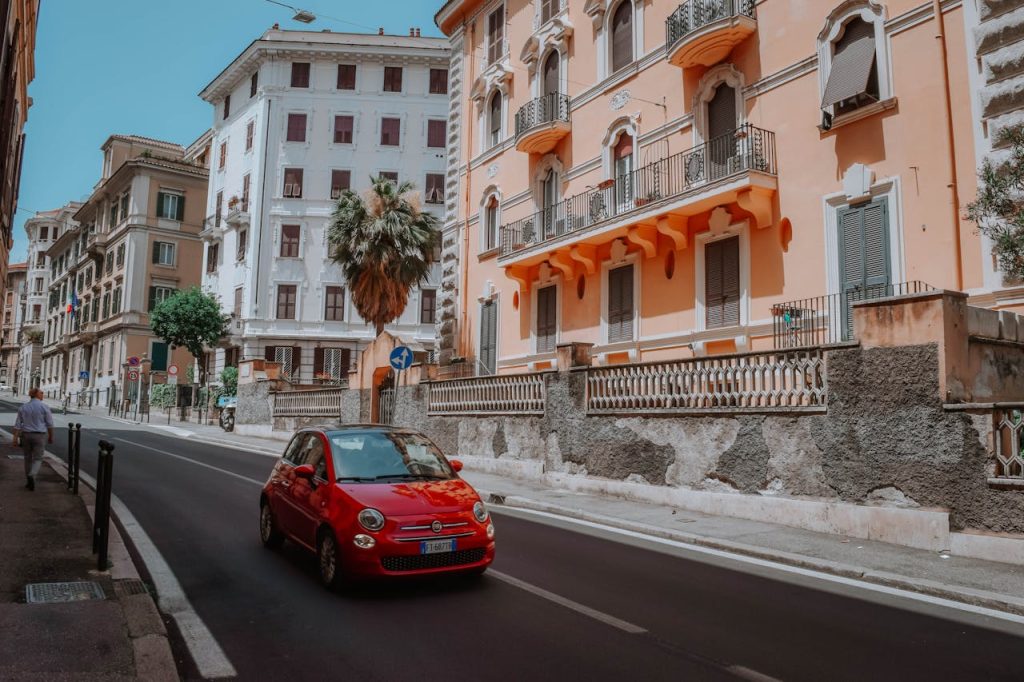
Rome rarely goes quiet, but after the holidays it becomes easier to move without constant stop and go foot traffic. Big sights such as the Colosseum and the Vatican Museums still reward booking ahead, yet openings are often less scarce, which loosens the day. Cooler temperatures make long walks between piazzas practical, and smaller churches and neighborhood museums feel more accessible. Coffee counters, bus stops, and ticket desks run with more breathing room, so plans hold together better. The city stays grand, but the logistics feel calmer, with smoother transitions from morning espresso to an unhurried dinner table.
Reykjavik, Iceland
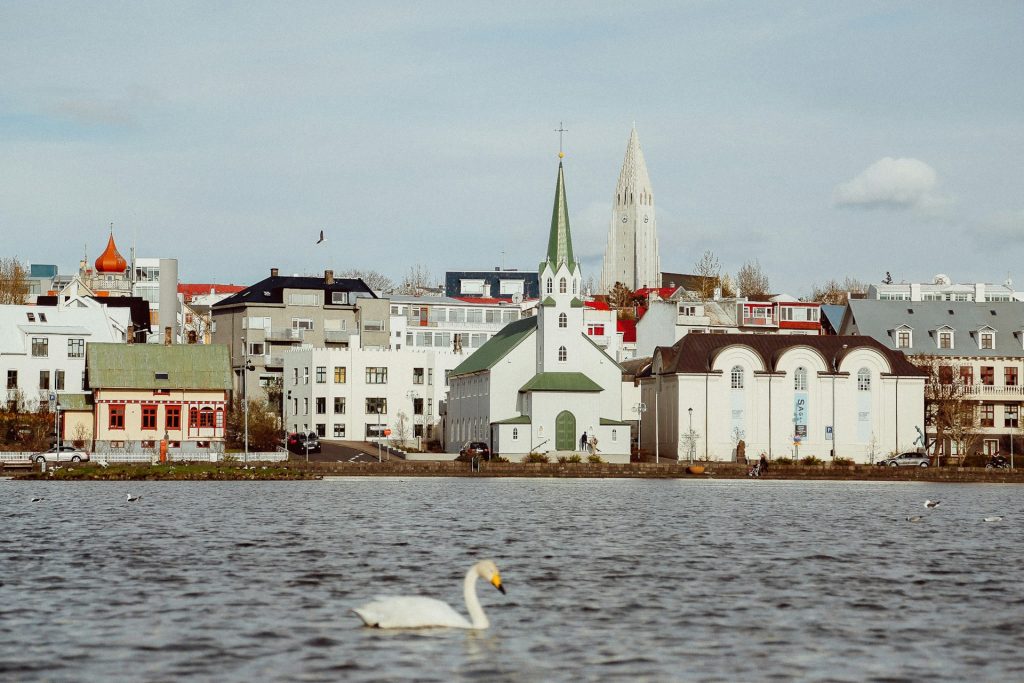
Reykjavik fits the post holiday dip because much of Iceland’s travel already runs on reservations and group limits. Popular geothermal baths, guided drives, and aurora outings follow set schedules, and with fewer visitors competing for the same departures, bookings feel less tight. The Golden Circle and nearby coastal stops can be spaced with intention, not rushed checklists. Winter weather can reshape a plan, but local advice, road updates, and a culture of preparation keep the experience organized. Even when conditions shift, the day tends to stay coherent, warm, and well managed, with backup stops ready.
Banff and Lake Louise, Canada
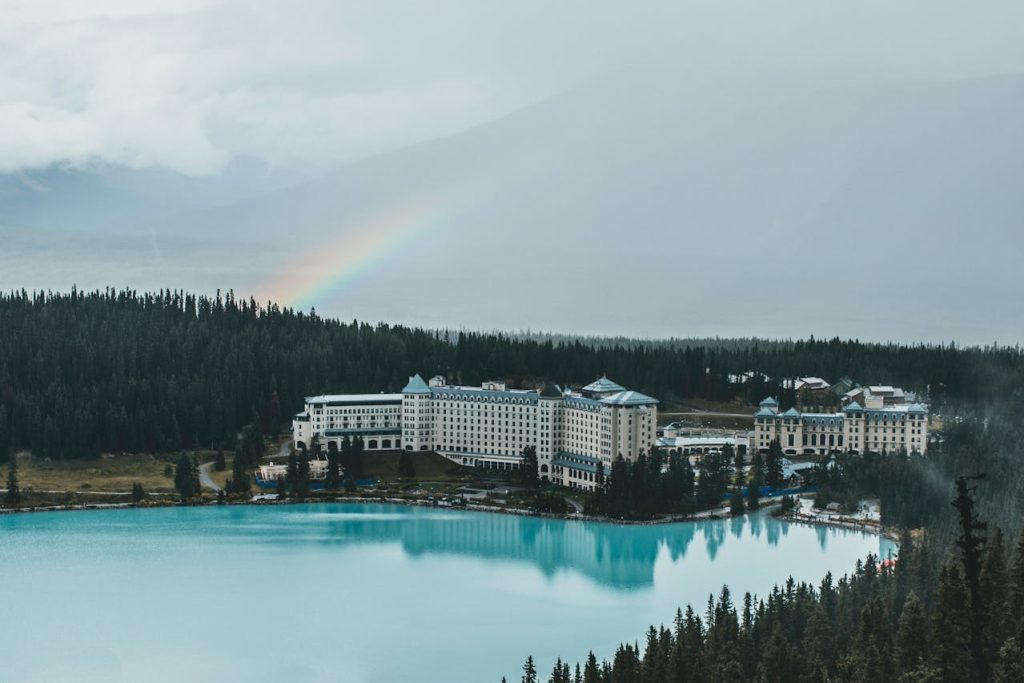
In Banff and Lake Louise, the quieter stretch after the holidays makes the region’s visitor systems feel like they have room to work. Shuttles, parking limits, and trailhead guidance still shape access, but there is less circling for a spot and fewer packed viewpoints. Snowy days encourage a practical rhythm: a short hike, a scenic drive, and a warm break in town, all without being pushed along. With crowds thinned, rangers and signs are easier to notice, and the rules read as planning tools, not obstacles. The mountains stay dramatic, yet the overall pace feels calm, orderly, and surprisingly restful for such a famous place.
Mexico City, Mexico
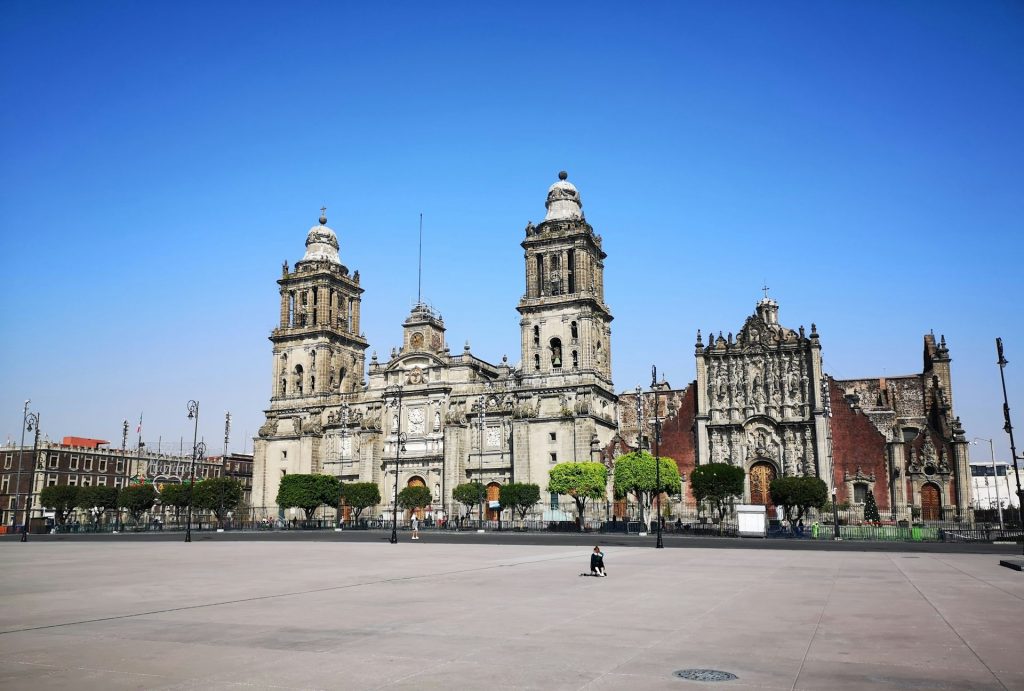
Mexico City settles into a smoother tempo after the festive weeks, especially in neighborhoods that can feel compressed in peak season. In Coyoacan and the historic center, museum tickets and organized queues are easier to manage, so a morning can include murals, markets, and a long coffee without delays piling up. With fewer visitors arriving in the same windows, traffic around parks and galleries often feels more predictable, which helps plans stay realistic. The city keeps its energy, but it spreads out, letting street food, design shops, and plazas feel welcoming rather than crowded, and making transit hops feel straightforward.
Marrakech, Morocco
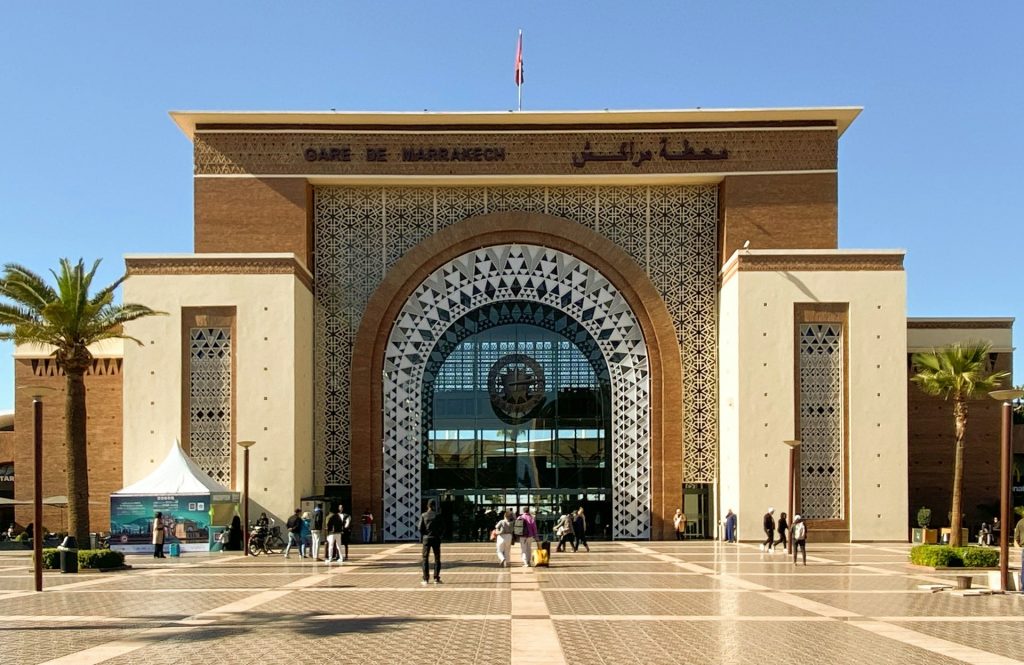
Marrakech feels more composed once holiday travel fades, even though the medina always stays lively. In the souks, foot traffic thins just enough for guided routes to move with clearer direction, and for shop conversations to last longer than a quick transaction. Riads often run on steadier routines, and day trips to the Atlas foothills are easier to coordinate without hunting for seats or departure times. Cool evenings change the soundscape, turning lantern lit lanes into a calmer hum. With fewer clogs at popular corners, the maze becomes easier to read, one turn at a time, and the day feels neatly paced.
Singapore
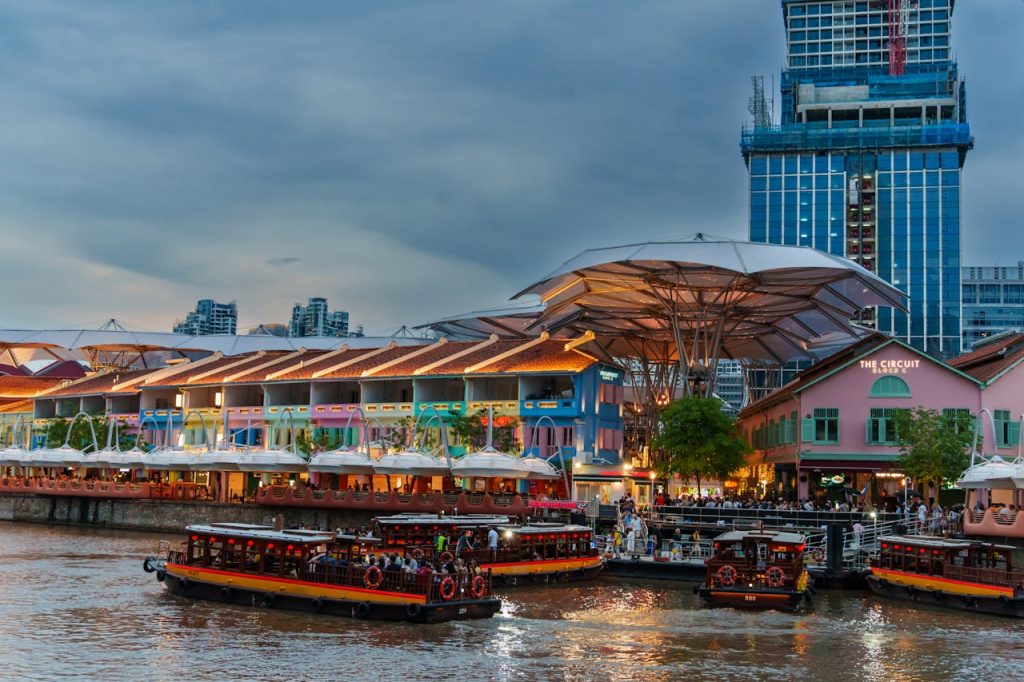
Singapore is built for clarity, and after the holiday rush that design becomes even more noticeable. Attractions that rely on timed entry or reserved sessions are easier to place on a schedule, while the MRT keeps its steady cadence without packed platforms. Hawker centers still buzz, but lines move with less waiting at peak meal times, so meals feel relaxed and unforced. With public spaces less crowded, gardens, museums, and waterfront walks feel spacious while staying lively. Clear signage, clean connections, and predictable hours make the whole city feel calmly managed from morning to night, with little effort.