11 European Landmarks With New Entry Rules Travelers Should Know
Europe’s iconic landmarks still welcome huge crowds, but the entry experience now runs on structure instead of spontaneity. Timed windows, named tickets, daily caps, and official booking channels are becoming standard from Italy to the Netherlands.
These rules are not random friction. They are practical tools to protect fragile architecture, reduce dangerous crowd compression, and keep movement manageable in places built long before modern tourism volumes.
Travelers who adapt early usually move with less stress, shorter delays, and better focus once inside. Good planning now starts before arrival, not at the gate.
Sagrada Família, Barcelona, Spain
Sagrada Família now works on a strict timed-entry model, and same-day flexibility is much lower than many travelers expect. Admission is tied to a selected slot, and peak dates often sell out early, especially during school breaks and holiday weeks.
The rule is practical, not decorative. Controlled windows keep circulation steady inside a monument with narrow movement points and very high demand. Visitors who book early through official channels and arrive with buffer time usually avoid entry stress and keep the visit focused on the basilica itself. That simple planning shift protects the full day from avoidable delays at the gate.
Pompeii Archaeological Park, Italy
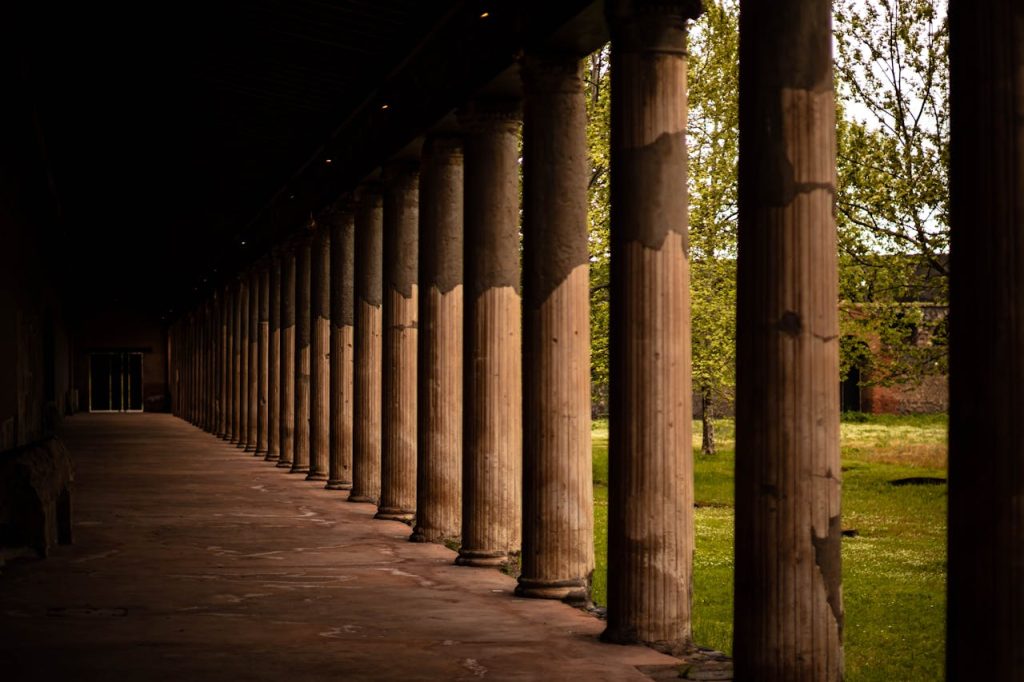
Pompeii now operates with a daily visitor cap and nominative tickets, with timed distribution during heavier periods. The rule is designed to reduce pressure on ancient paving and narrow routes that were struggling under modern crowd volume. This is a meaningful shift from the older walk-up mindset that once worked more often.
Today, name accuracy and early booking are core entry requirements, not minor details. On high-demand dates, late planning can mean limited options or failed access at control points. Visitors who treat Pompeii as a fixed schedule anchor, rather than a flexible stop, usually get a calmer route, better pacing, and more room to absorb the site’s scale and detail.
Acropolis Of Athens, Greece
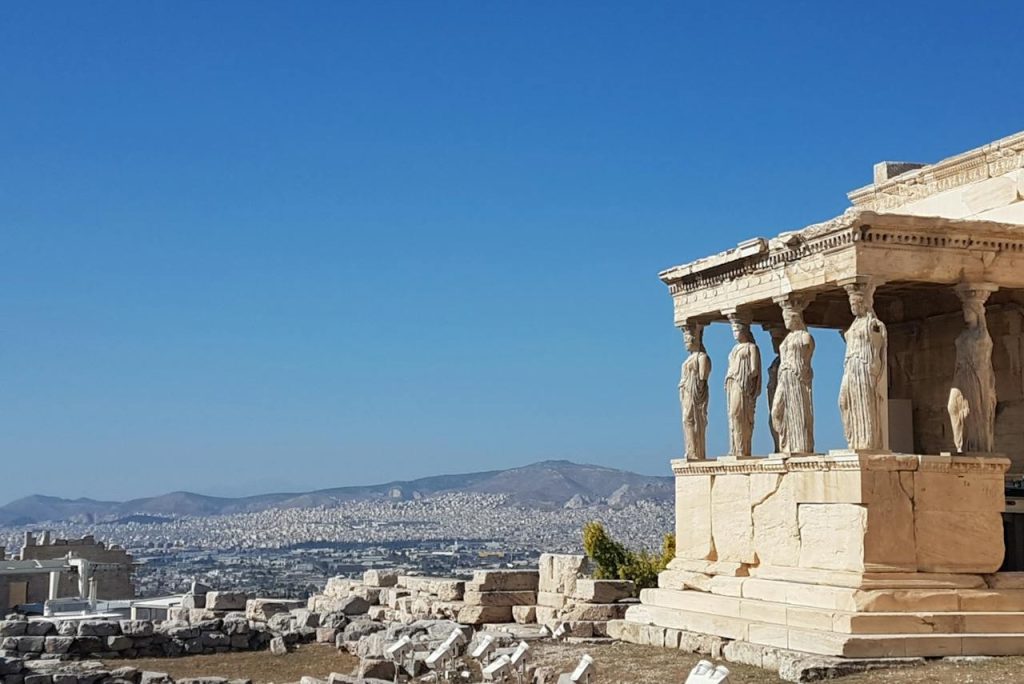
The Acropolis now runs with stricter timed-entry behavior, and admission is tied to a selected slot rather than broad same-day flexibility. That matters because this is not a flat urban queue. The approach includes slopes, heat exposure, and narrow movement corridors that magnify delay and crowd pressure quickly.
A small timing miss can compress the full visit and push people into denser gate lines at exactly the wrong hour. The most reliable strategy is simple: plan transport and uphill approach around the booked window with real buffer, not optimistic estimates. When timing is respected, entry feels smoother, and attention can stay on the monument instead of the bottleneck.
Colosseum, Rome, Italy
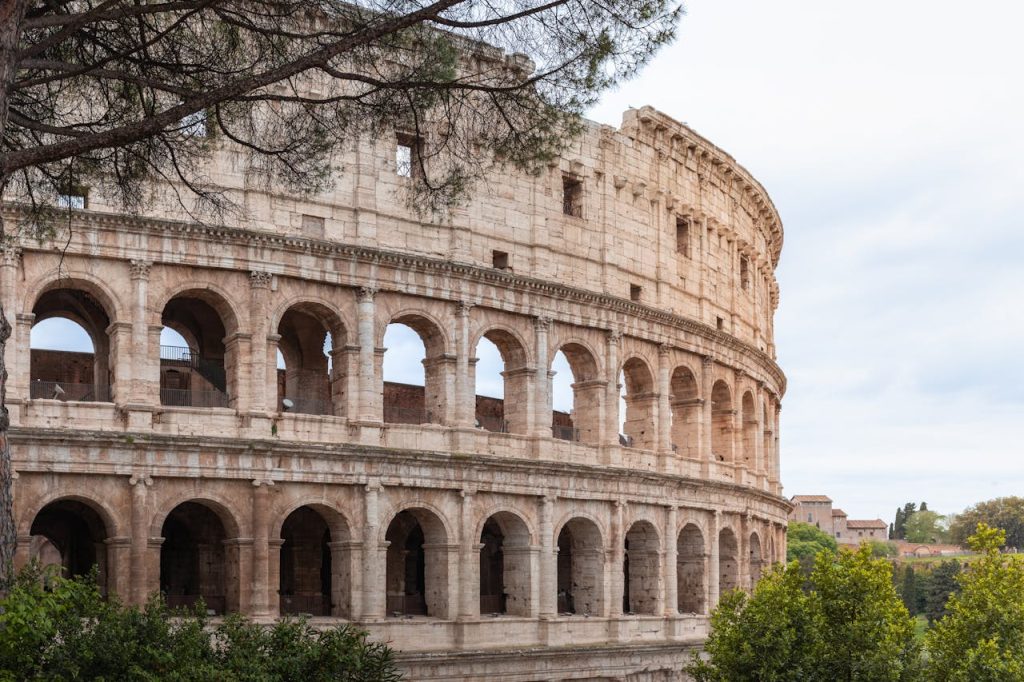
The Colosseum now requires reserved time-slot entry for major ticket types, and the visit is increasingly sequence-driven. In practical terms, it behaves like scheduled infrastructure, not a flexible show-up line. That change matters even more because many itineraries connect Colosseum access with Forum and Palatine movement.
One late arrival can cascade through the entire archaeological block and force rushed decisions for the rest of the day. The strongest approach is to treat the booked hour as non-negotiable, then add cushion for transit, security checks, and walking time between zones. With that structure in place, the site feels organized instead of frantic, even during crowded seasons.
Alhambra, Granada, Spain
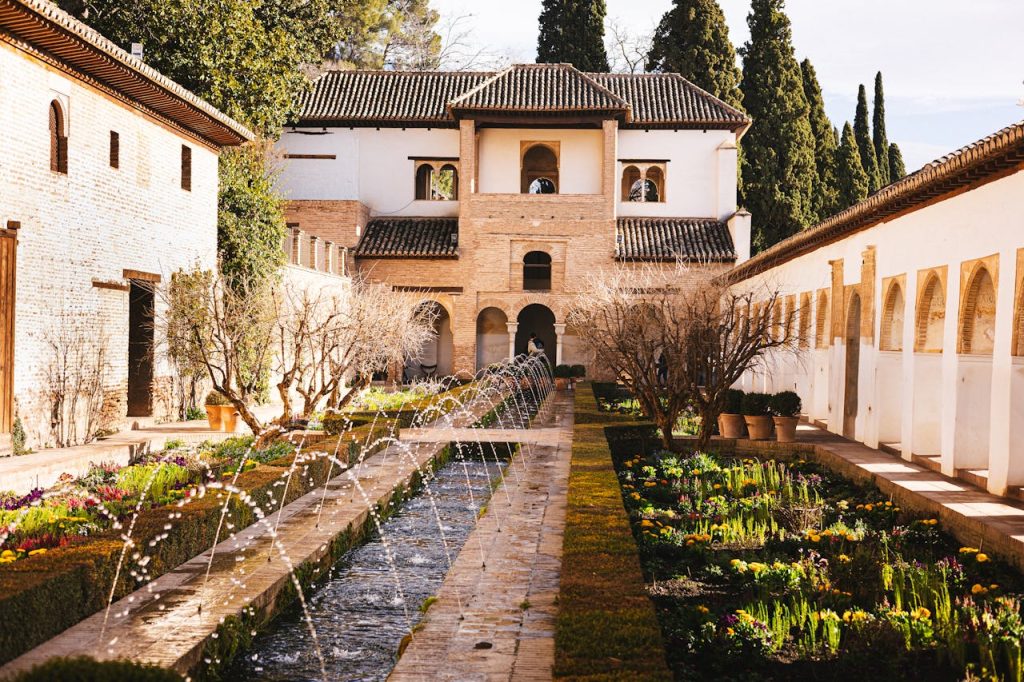
Alhambra entry is built around personal, non-transferable tickets and identity checks, which makes booking precision essential. This is one of Europe’s clearest examples of strict name-to-document control at a heritage landmark, and even small data mismatches can create real gate issues despite valid payment.
Because timing and identity are both enforced, accuracy must be handled at purchase, not corrected on arrival. Travelers who verify every name field against travel documents and arrive with reasonable margin usually avoid entry friction. Once those fundamentals are solid, the visit can stay focused on architecture, light, and gardens rather than paperwork stress at control points.
Notre-Dame Cathedral, Paris, France
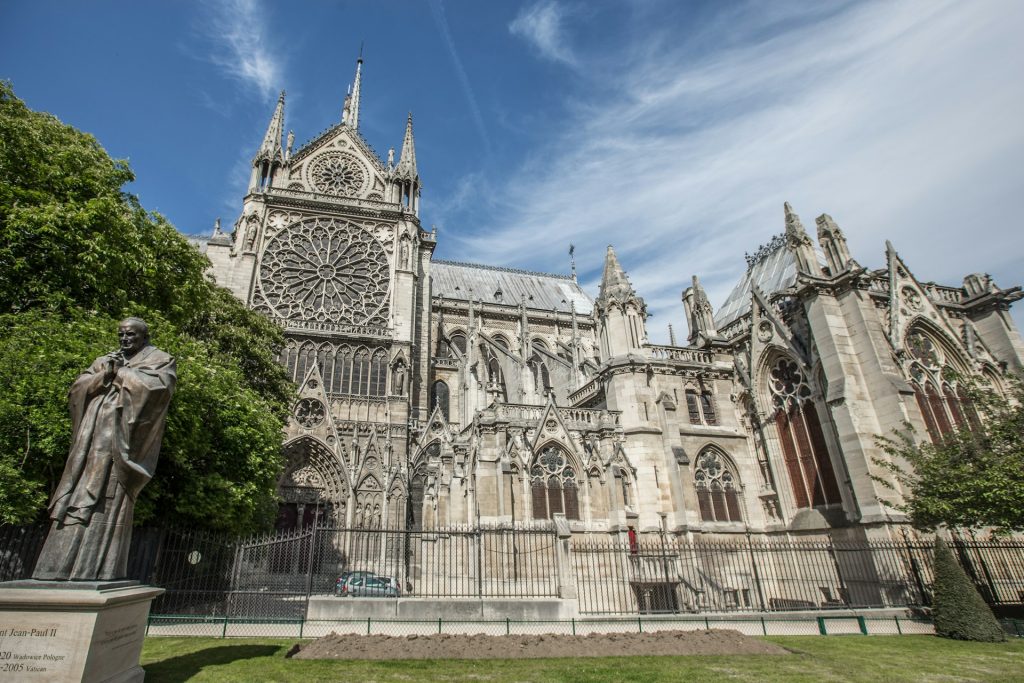
Notre-Dame remains free to enter, and official free reservation tools are used to improve queue flow during high demand. The new reality is about process clarity and controlled admission rhythm, not paid general entry. That distinction is important in a busy area where unofficial offers can create confusion fast.
The safest approach is to rely on official channels only and treat third-party ordinary-entry claims with caution. When reservation windows are available, using them can reduce waiting uncertainty and smooth arrival near one of Paris’s busiest landmarks. The benefit is simple but real: less friction at the door, and more mental space for the cathedral itself.
Louvre Museum, Paris, France
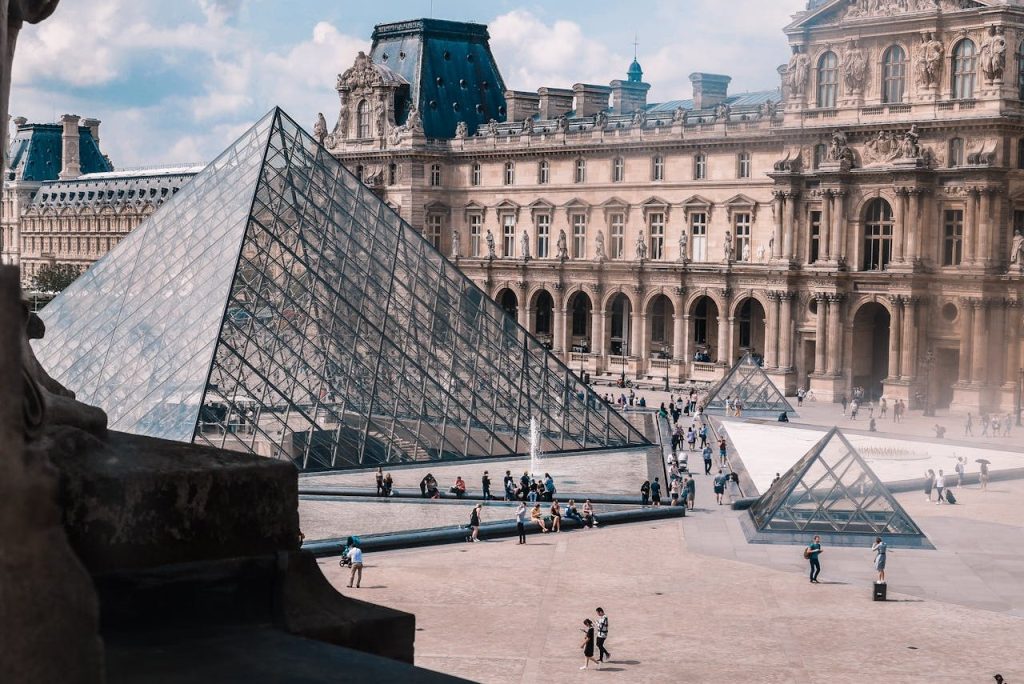
The Louvre now strongly favors timed reservation behavior, including situations where free-admission eligibility still requires advance booking. The old assumption that free access equals flexible same-day entry is far less reliable than many travelers expect, especially during peak flow windows.
Treating the museum as slot-first planning solves most avoidable problems. When the time window is secured early, the rest of the day can be built around it with realistic movement and meal breaks. That structure reduces uncertainty at security and validation points and protects the visit from long, unpredictable line exposure near one of the world’s busiest museum entrances.
Park Güell, Barcelona, Spain
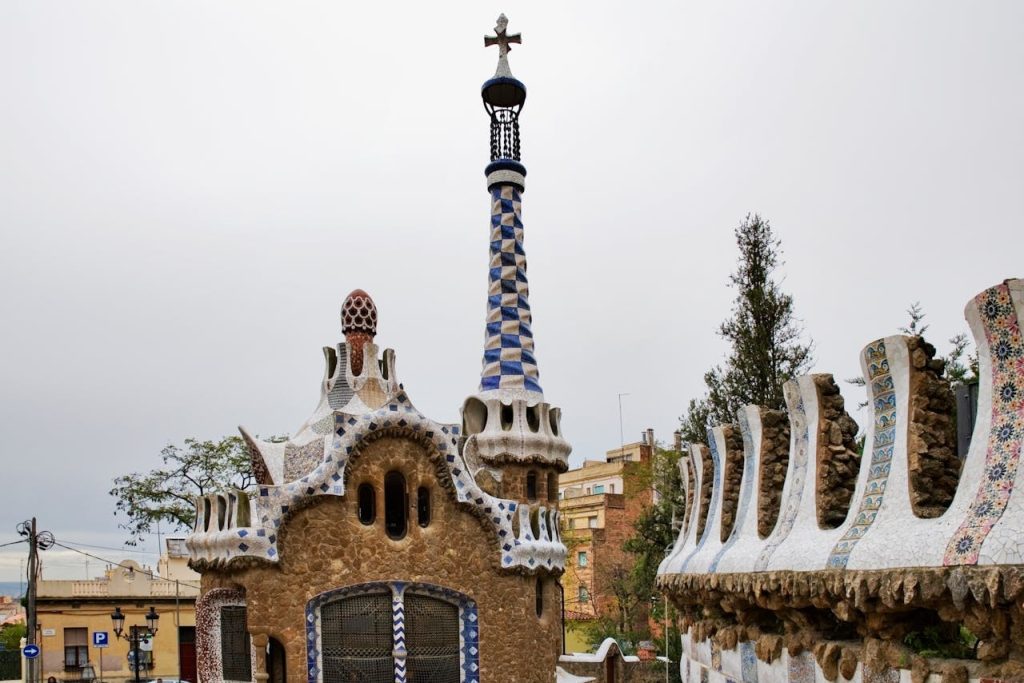
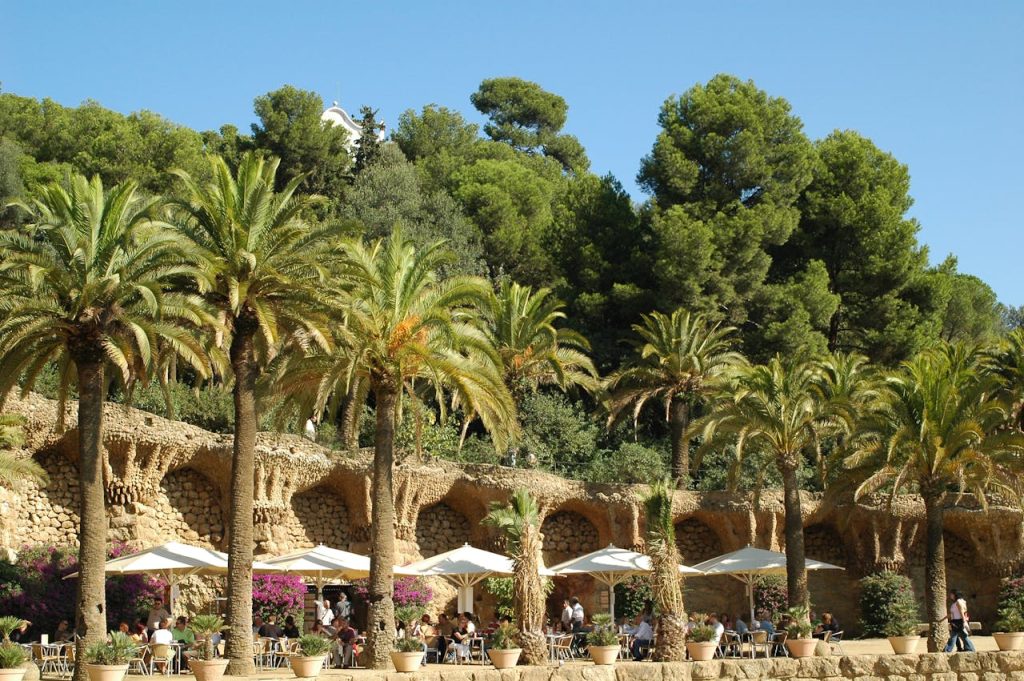
Park Güell uses capacity-limited slots and a narrow grace period after the booked start time. If arrival drifts too far beyond that window, entry can be denied even with a paid ticket, which makes punctuality a genuine access condition rather than a courtesy expectation.
The site’s uphill location adds transit variability, and that is where many plans fail. A small delay on the way in can erase the margin needed to protect the slot. The practical fix is straightforward: choose route and gate in advance, then target early arrival. That extra buffer usually protects admission and prevents avoidable stress at the entrance.
Anne Frank House, Amsterdam, Netherlands
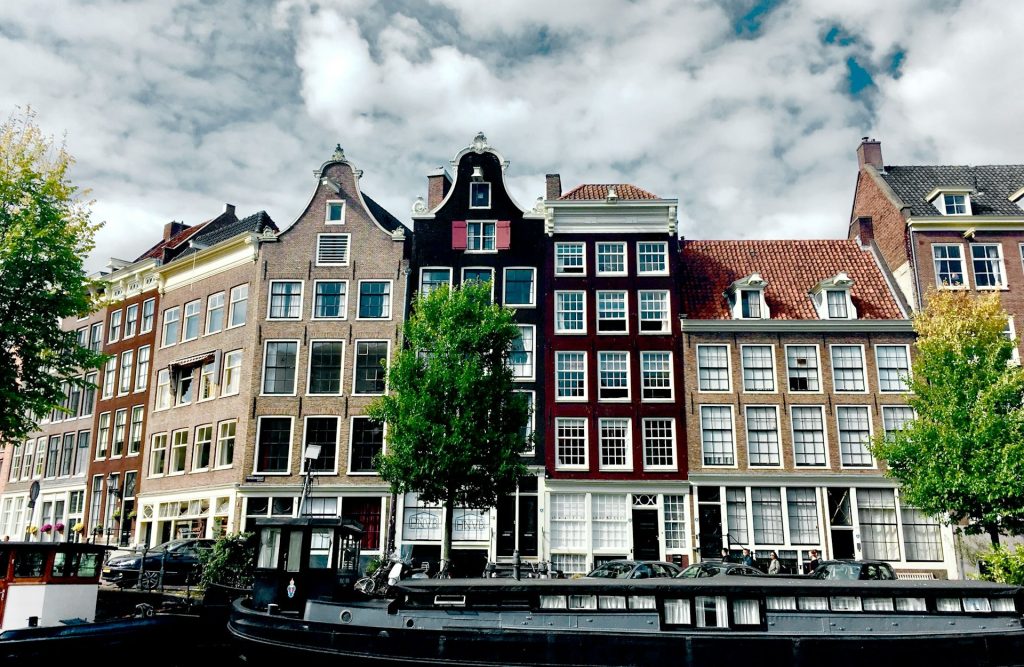
The Anne Frank House uses online-only tickets with specific start times, and walk-up flexibility is minimal. Access depends on advance purchase through official channels, which means timing discipline starts long before arrival day. This model is deliberate, and demand can tighten quickly around weekends and school holidays.
Travelers who treat the visit as a fixed reservation, not a same-day option, usually avoid disappointment. Early planning protects both access and schedule stability, especially when multiple city activities are stacked in one day. With ticket uncertainty removed, the experience can remain focused on historical context and reflection rather than logistics and last-minute alternatives.
Neuschwanstein Castle, Germany

Neuschwanstein operates on scheduled admissions and guided flow, with timing now central to entry reliability. This is not only a ticket issue. The castle’s mountain approach introduces transfer variables that can consume margin quickly if planning is loose, especially during heavy daytime demand.
The strongest method is reverse planning from ticket time. Set the entry window first, then map shuttle, walking, and buffer backward from that point. This sequence absorbs minor delays before they become failed access. When handled well, arrival feels controlled, and the castle experience begins with perspective and calm rather than a rushed climb against the clock.
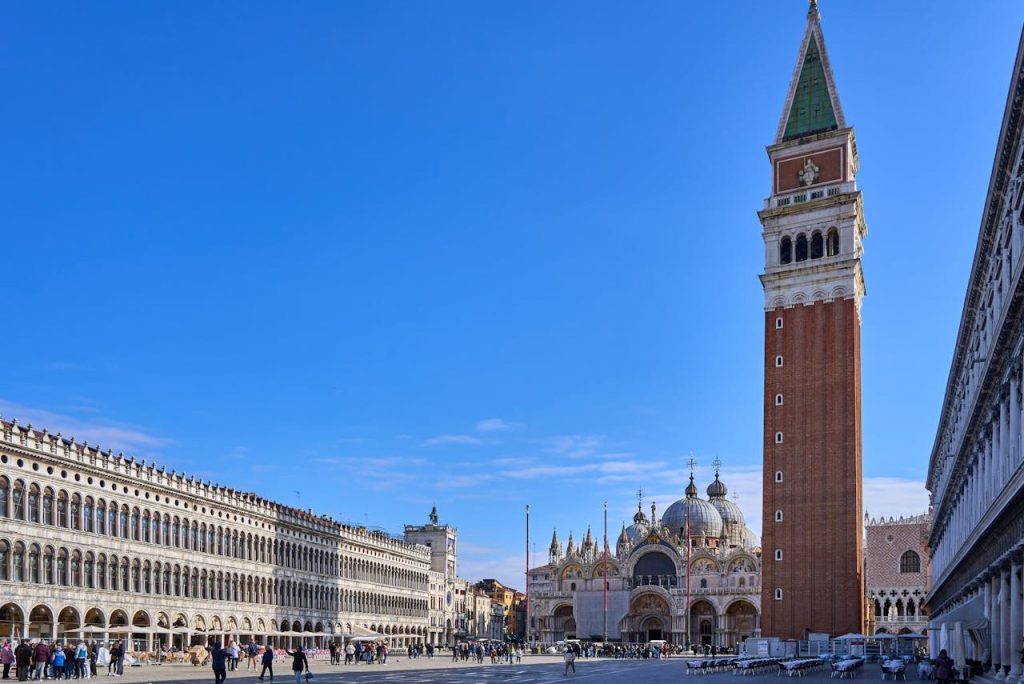
St. Mark’s Basilica, Venice, Italy
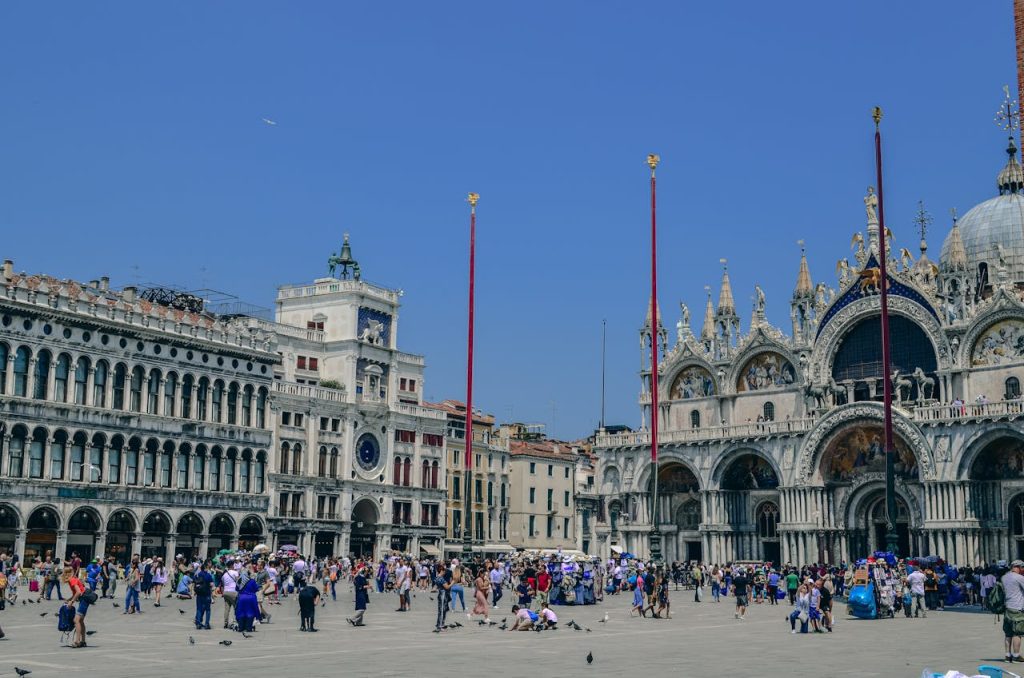
St. Mark’s Basilica now depends heavily on organized pre-booking pathways, especially in high-pressure periods around Piazza San Marco. In practice, entry quality is strongly shaped by preparation level, and the gap between pre-booked visitors and uncertain walk-up lines can be substantial during crowded hours.
The practical rule is simple: use official channels early and confirm current conditions before arrival. That step reduces confusion around the square and lowers the chance of losing time to unclear queue choices. With timing settled in advance, the visit feels more deliberate, and attention can stay on the basilica’s interior and history rather than entry uncertainty.