11 Mexican Cenotes Tainted by Tourist Pollution
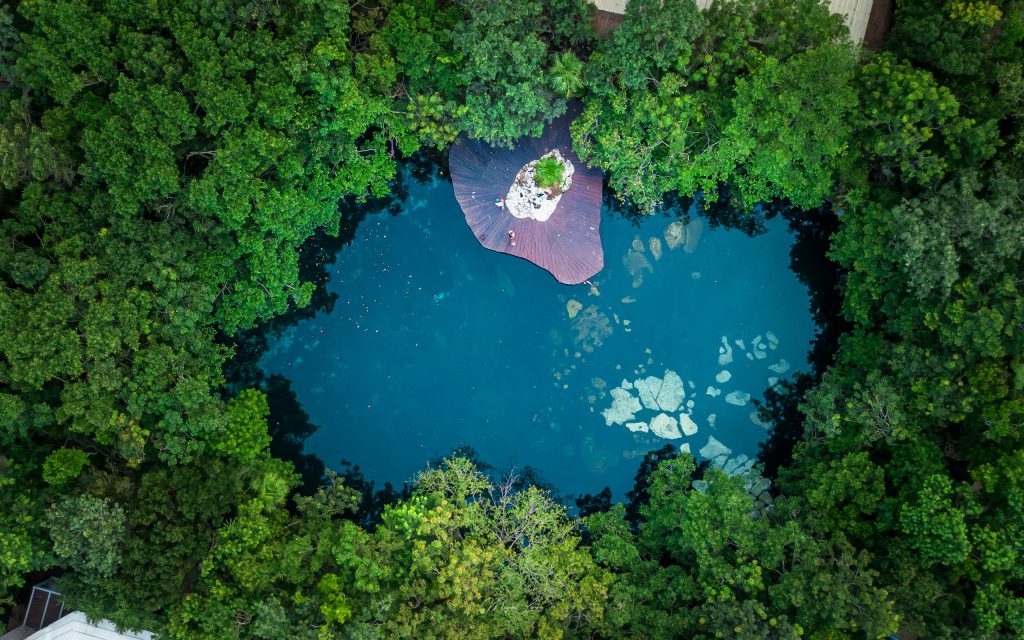
Environmental geochemists and cave researchers have spent years documenting the invisible shift in the water quality of the Yucatan Peninsula. These experts point to the porous nature of the limestone bedrock which allows surface contaminants to reach the subterranean aquifer with alarming speed. While the turquoise waters appear pristine to the casual observer, scientific testing reveals a rising concentration of pharmaceuticals, fecal bacteria, and chemical residues from personal care products that threaten this fragile freshwater network.
Marine biologists and state environmental officials emphasize that the rapid expansion of tourism infrastructure has outpaced the development of adequate wastewater treatment. According to researchers at the National Autonomous University of Mexico, the sheer volume of swimmers introduces high levels of nitrogen and phosphorus that disrupt the delicate balance of these ancestral wells. Protecting these ecosystems requires a shift toward more stringent regulations and a greater public understanding of how human presence directly impacts the purity of the Great Mayan Aquifer.
Cenote Zaci In Valladolid
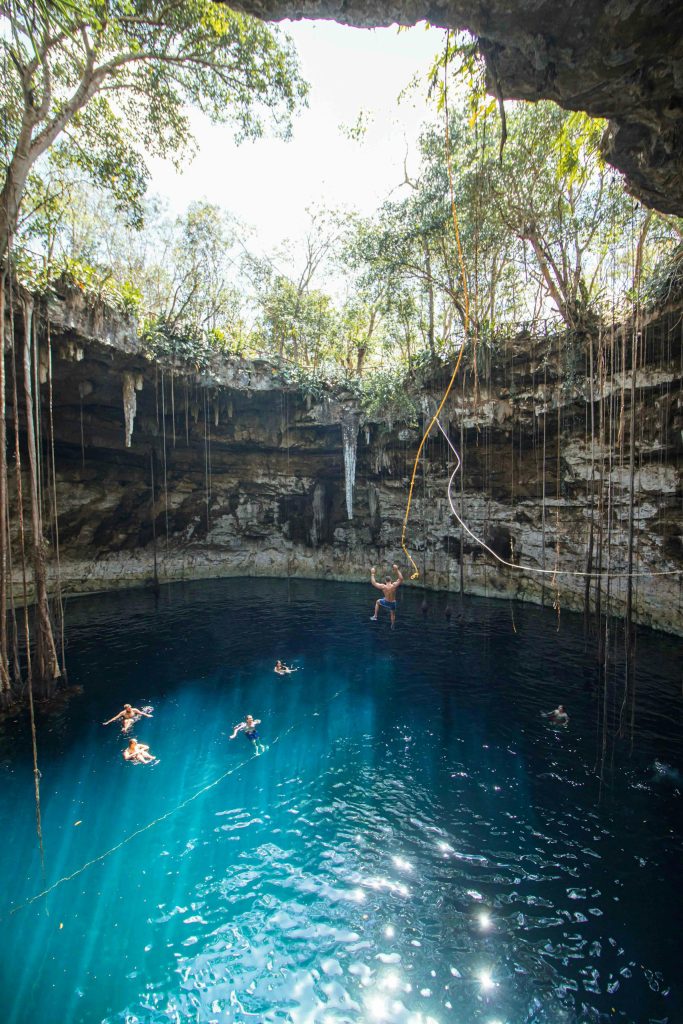
Urban planners and local health officials frequently monitor this cenote due to its location in the heart of a bustling city. Because the sinkhole sits in a topographical low point, it naturally collects runoff from the surrounding streets during heavy rainfall. Researchers note that the proximity of aging sewer pipes and the lack of a centralized drainage system in the older parts of the city increase the risk of fecal coliform contamination within the water column.
Water quality experts suggest that the urban environment creates a unique set of challenges for this particular site. The presence of algae blooms on the rock walls often indicates an overabundance of nutrients which can be traced back to residential wastewater. While the cenote remains a popular recreational spot, periodic testing by state authorities often reveals levels of bacteria that necessitate temporary closures to protect public health and prevent the spread of waterborne pathogens.
Cenote Ik Kil Near Chichen Itza
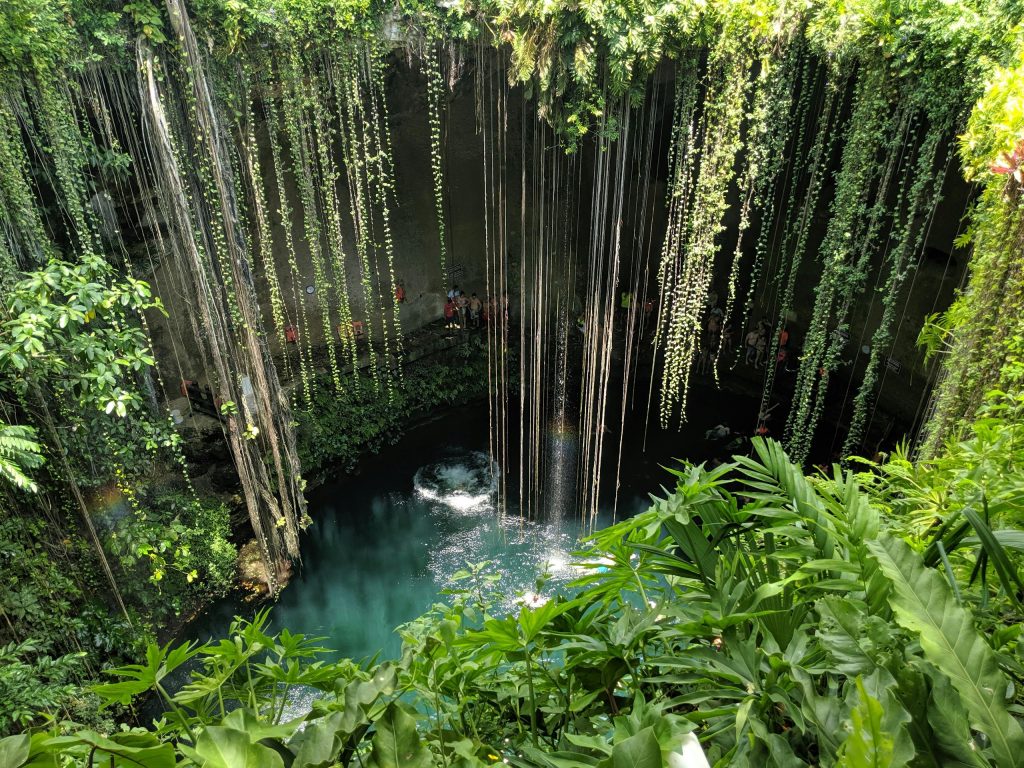
Tourism analysts and environmental scientists cite this location as one of the most heavily visited natural sites in Mexico. The massive influx of thousands of daily swimmers introduces a significant load of organic matter including sweat, skin oils, and residues from non-biodegradable sunscreens. Environmental geochemists have found that these substances accumulate in the stagnant upper layers of the water, creating a film that can inhibit the natural exchange of gases and harm local aquatic life.
According to studies on tourist behavior and chemical discharge, even products labeled as reef-safe can leave behind traces of zinc oxide and titanium dioxide. These minerals eventually settle into the sediment where they persist for years. Experts in sustainable travel recommend that visitors use the onsite showers to rinse off all personal care products before entering the water, as this simple step significantly reduces the chemical burden on the ecosystem.
Cenote Dos Ojos In Tulum

Cave divers and hydrogeologists highlight this extensive underwater system as a critical drainage point for the regional aquifer. Recent research into hydrocarbon contamination patterns shows that cenotes with high tourist traffic, such as this one, exhibit elevated levels of polycyclic aromatic hydrocarbons. These compounds often originate from the heavy use of diesel and gasoline vehicles that transport visitors along the unpaved access roads leading to the cavern entrances.
The infiltration of these chemicals poses a long-term threat to the specialized cave fauna that has adapted to nutrient-poor conditions. Biologists who study blind cavefish and stygobitic shrimp note that even minute changes in water chemistry can disrupt reproductive cycles and food chains. Experts argue that managing the number of vehicles allowed near the cavern openings is essential for maintaining the clarity and chemical integrity of the vast underground river networks.
Cenote Angelita In Tulum
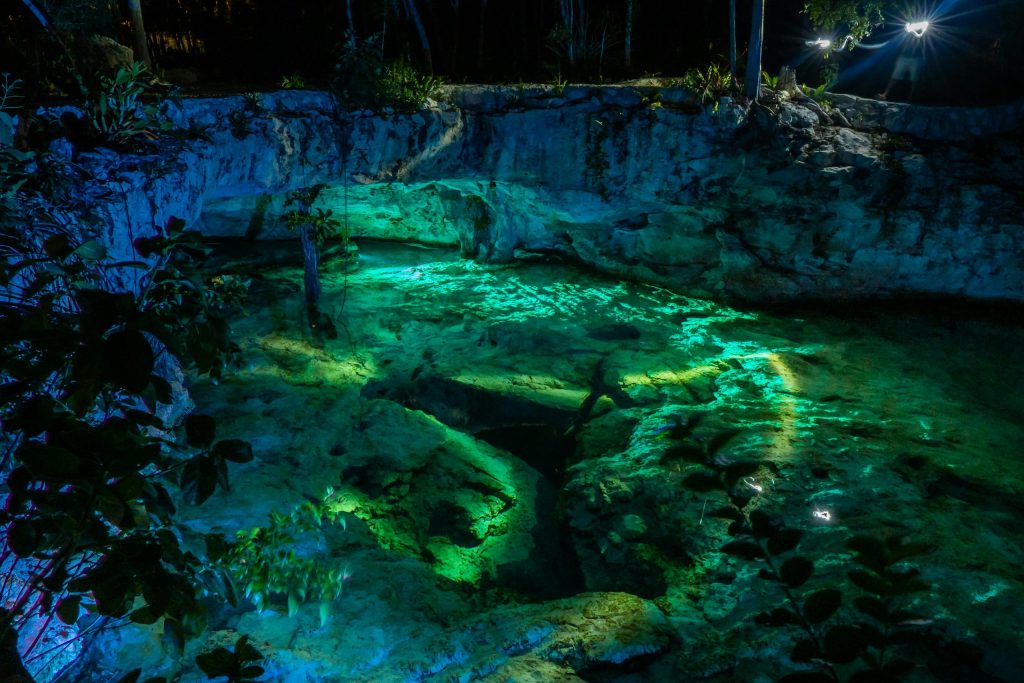
Deep-sea divers and geologists often discuss this cenote for its mesmerizing layer of hydrogen sulfide which resembles a ghostly underwater river. While this gas occurs naturally through the decomposition of organic matter, researchers have observed that human activity can exacerbate the process. The introduction of external organic waste and the disturbance of the halocline layer by high volumes of divers can increase the density of this toxic cloud, affecting the visibility and health of the surrounding freshwater.
Environmental monitoring at this site focuses on the stability of the chemical layers that define the experience. Experts explain that the delicate balance between the fresh and salt water is easily disrupted by excessive movement. Maintaining a low-impact approach to diving in this location helps preserve the unique stratification that makes the cenote a significant site for both geological study and technical diving.
Cenote Calavera In Tulum

This semi-open sinkhole is a focal point for researchers studying the impact of rapid urban development on groundwater quality. Scientists have identified rising levels of nitrates and phosphates in the water which they attribute to the leakage from nearby septic tanks and the clearing of jungle for new hotels. These nutrients act as fertilizers, promoting the growth of invasive algae that can choke out the native aquatic vegetation and reduce the oxygen levels available for fish.
Professional cave mappers and environmental advocates emphasize that the connectivity of the Tulum area makes every local pollution source a regional problem. Contaminants introduced at one site quickly travel through the underground conduits to neighboring cenotes and eventually out to the Mesoamerican Barrier Reef. Experts advocate for the implementation of advanced water treatment technologies in the surrounding developments to prevent the continued degradation of this sacred resource.
Cenote Cristalino In Playa Del Carmen
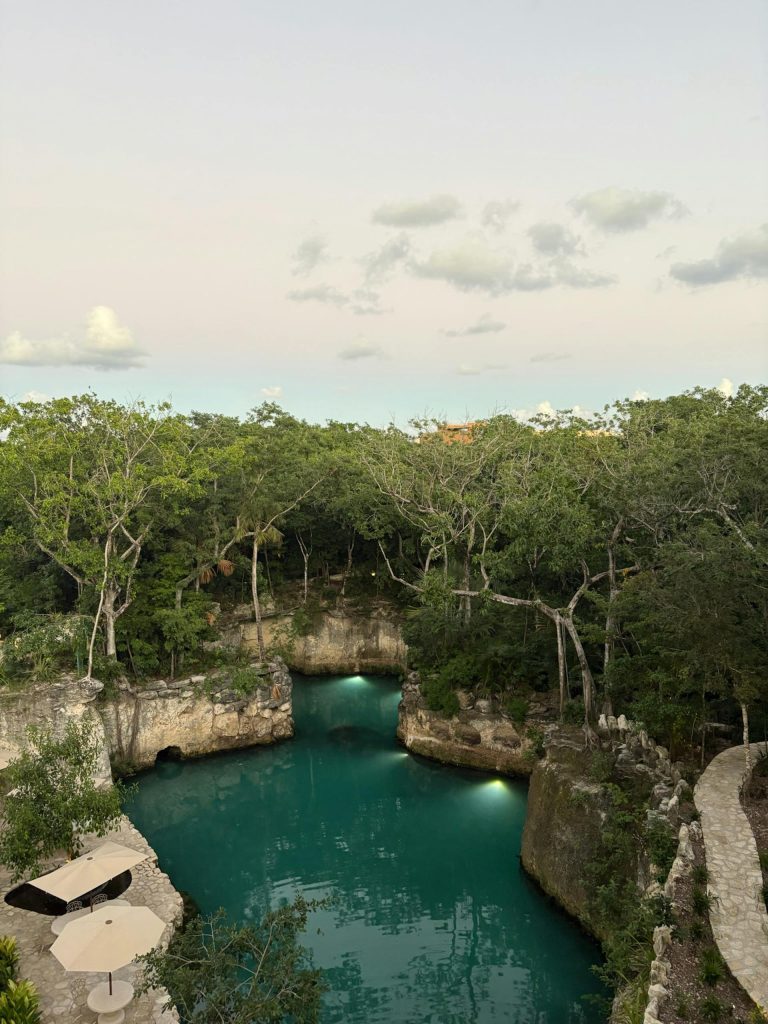
Resort management experts and conservationists frequently discuss the pressure placed on this cenote due to its accessibility from the main highway. The high turnover of visitors creates a continuous cycle of sediment disturbance and the introduction of bacteria. Water quality surveys have documented a direct correlation between peak holiday seasons and the spike in emerging contaminants, including traces of pharmaceuticals and caffeine that enter the system through groundwater seepage.
Biological researchers point out that the clarity of the water can be deceptive, as many of the most harmful pollutants are colorless and odorless. The presence of these substances highlights the vulnerability of the karst landscape where the earth acts more like a funnel than a filter. Protective measures at this site often include mandatory showering and restrictions on food consumption near the water to minimize the amount of external waste entering the pool.
Cenote Azul In Riviera Maya

Health inspectors and environmental geologists note that this shallow, sunlit cenote is particularly susceptible to the effects of high visitor density. The warmth of the water combined with the constant presence of swimmers can lead to the rapid multiplication of bacteria. Studies conducted by environmental agencies have found that fecal indicator bacteria occasionally exceed the recommended limits for recreational use during periods of heavy tourism.
Experts in aquatic ecology explain that the sunlight promotes the growth of photosynthetic organisms that can be affected by the chemical residues left by visitors. The accumulation of these substances in the shallow basins can create a hostile environment for the small fish and invertebrates that call the cenote home. Ensuring that the site has a chance to recover through scheduled closures or visitor caps is a strategy often recommended by conservation professionals.
Cenote Suytun In Valladolid

Cultural heritage experts and tourism researchers observe that this cenote has become a global icon of travel photography, leading to intense overcrowding. The stone platform in the center often hosts a constant line of people whose presence introduces dust and debris from the surface. According to site managers, the stirring of bottom sediments by swimmers can take hours to settle, significantly reducing the natural transparency that defines the location.
Water researchers suggest that the high volume of human traffic in a confined underground space increases the risk of cross-contamination. The lack of natural light in the deeper parts of the cavern means that the water does not benefit from the disinfecting properties of ultraviolet rays. Experts recommend that photography-focused tourism be balanced with strict ecological guidelines to prevent the permanent clouding of the water and the buildup of surface films.
Cenote Carwash Near Tulum

Historically known as Aktun Ha, this site earned its nickname because local drivers once used it to clean their vehicles, leaving a legacy of heavy metal and oil contamination. While those practices have long since ended, modern environmental scientists now focus on the new threat of high-impact diving and swimming. The cenote is famous for its vibrant water lilies and submerged gardens, but these delicate plants are highly sensitive to the chemical changes brought by thousands of visitors.
Botanists and park officials have noted that the lilies are susceptible to the nutrients found in human sweat and the residues of personal care products. These pollutants can trigger the growth of epiphytic algae that smothers the lilies, eventually leading to their decline. Protecting the botanical diversity of this site requires a concerted effort to limit the chemical footprint of every person who enters the water.
Cenote Jardin Del Eden In Puerto Aventuras
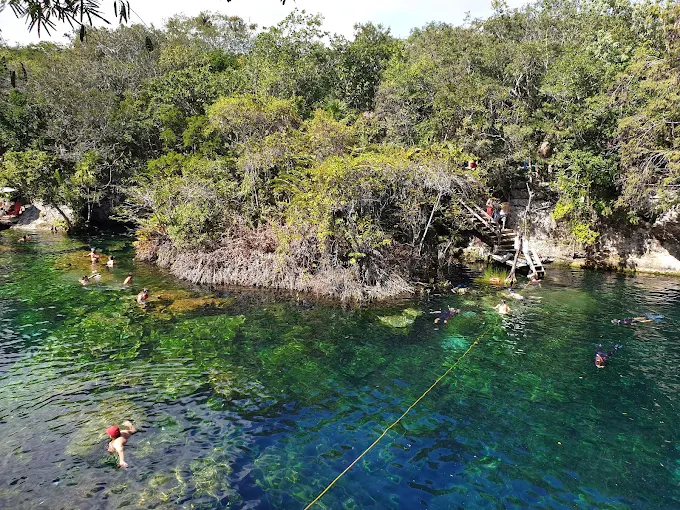
Diving instructors and environmental researchers identify this large open cenote as a site where the nutrient load from swimmers has reached critical levels. The decomposition of organic matter, accelerated by the warm tropical climate, creates a layer of tannins that can turn the water dark and acidic during certain times of year. Experts explain that while tannins are natural, the addition of human-derived nitrogen can intensify these effects and lead to oxygen depletion in the deeper sections.
Groundwater specialists have found that the high frequency of use by large tour groups leads to a persistent cloud of fine particles that can take days to clear. This turbidity interferes with the ability of underwater plants to photosynthesize and disrupts the vision of predatory fish. Professional guides recommend that smaller group sizes and longer intervals between visits would allow the natural filtration system of the limestone to function more effectively.
Cenote The Pit In Dos Ojos Park
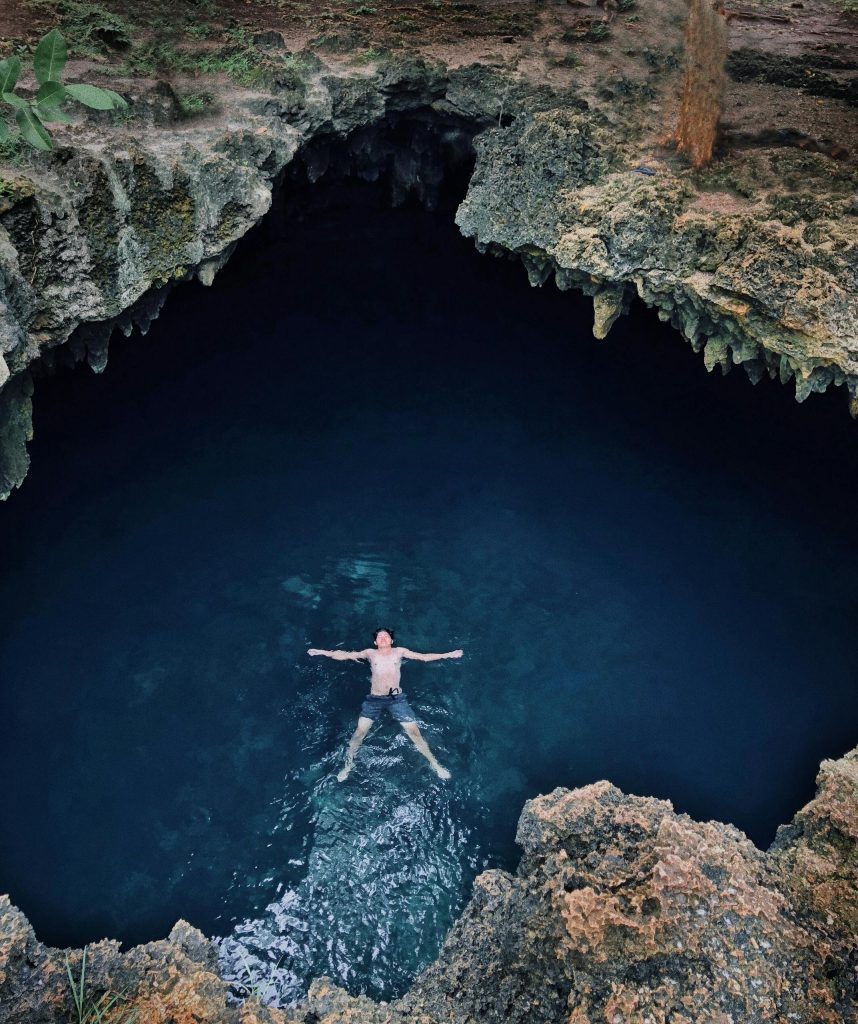
Exploration divers and environmental geochemists have raised concerns about the impact of nearby infrastructure projects on this deep and iconic sinkhole. The construction of the Tren Maya rail line has involved the installation of thousands of concrete and steel pillars throughout the region, some of which have punctured cavern ceilings. Researchers have documented iron oxide leaching from these supports, which can cause toxic algae blooms and alter the chemical signature of the water.
Experts in karst hydrology explain that the Sac Actun system, to which this cenote belongs, is a highly interconnected network where any structural damage can have far-reaching consequences. The debris from drilling and the vibration from construction equipment can destabilize the limestone and introduce massive amounts of particulate matter. Protecting this site requires a rigorous environmental oversight process that prioritizes the long-term health of the aquifer over rapid infrastructure development.