11 Places Where “Tipping Fatigue” Has Led to Automatic Service Charges
Tipping culture in the United States continues to shift as many customers express fatigue over increasingly frequent tip prompts across a wide range of everyday services. Businesses have responded in different ways, and one of the most notable changes involves the adoption of automatic service charges in settings where gratuities were once optional or discretionary. These added fees often stem from rising labor costs, higher operating expenses, and the need to provide consistent wages for service staff without relying solely on voluntary tipping. While reactions vary, many diners and travelers now encounter built-in charges that streamline compensation but also generate confusion about when additional tipping is appropriate. This shift highlights the evolving relationship between customer expectations, business sustainability, and the cultural norms that influence hospitality experiences. Understanding where and why these charges appear offers a clearer sense of how establishments adapt to economic pressures and navigate the delicate balance between fairness, transparency, and customer comfort.
Full-Service Restaurants in Major Cities
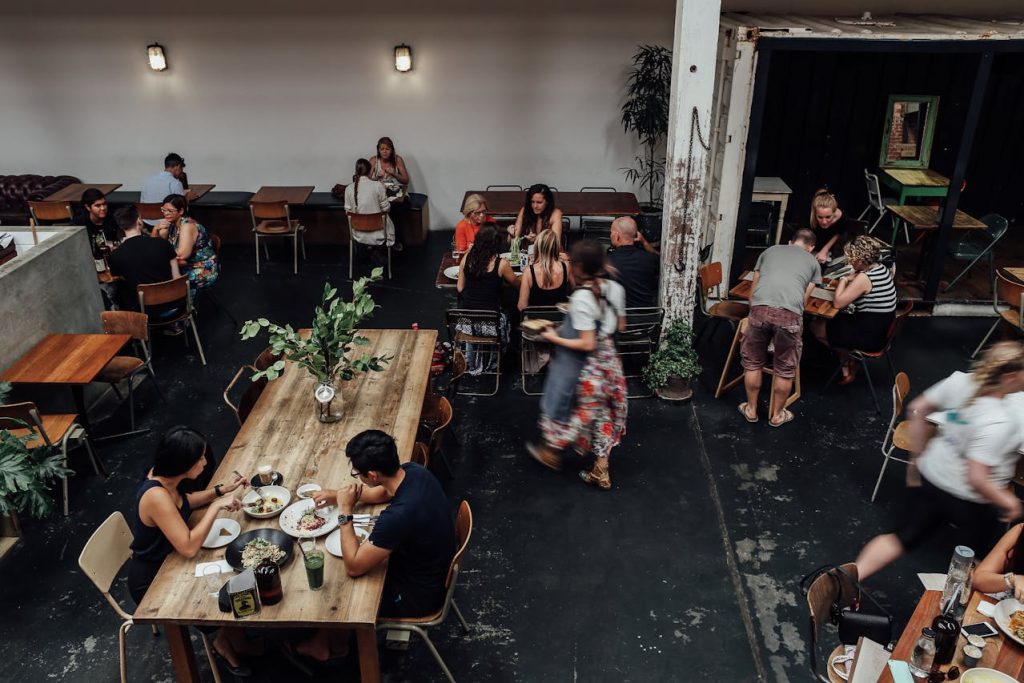
Full-service restaurants in major cities such as New York, San Francisco, and Chicago have increasingly adopted automatic service charges as tipping fatigue grows among patrons who feel overwhelmed by rising expectations. Many restaurants state that these charges support fair wages, employee benefits, or kitchen staff compensation, addressing long-standing disparities within the industry. Urban restaurants often face higher rent, insurance, and staffing costs, prompting them to shift away from traditional tipping structures. The added fee appears on bills as a standard percentage, creating consistency for both diners and workers. Although some guests appreciate clear pricing, others express frustration when unsure whether the service charge replaces or supplements customary gratuities. This ongoing adjustment reflects broader economic challenges and the evolving values of urban dining culture.
Hotel Room Service Across the U.S.

Hotel room service increasingly includes automatic service fees due to staffing shortages, rising labor costs, and the unpredictable nature of tipping behavior. Many hotels incorporate these charges into the bill before food arrives, ensuring that workers receive consistent earnings regardless of guest decisions. This practice appears in both luxury properties and mid-range chains, where operational costs continue to rise. Travelers often discover the fee listed separately from delivery charges or administrative costs, creating confusion about whether further tipping is expected. The shift aims to stabilize wages for employees handling in-room dining logistics, which require coordination, time, and additional steps beyond standard restaurant service. This growing trend illustrates how hotels adapt to shifting expectations and economic realities within hospitality.
Airport Restaurants and Bars
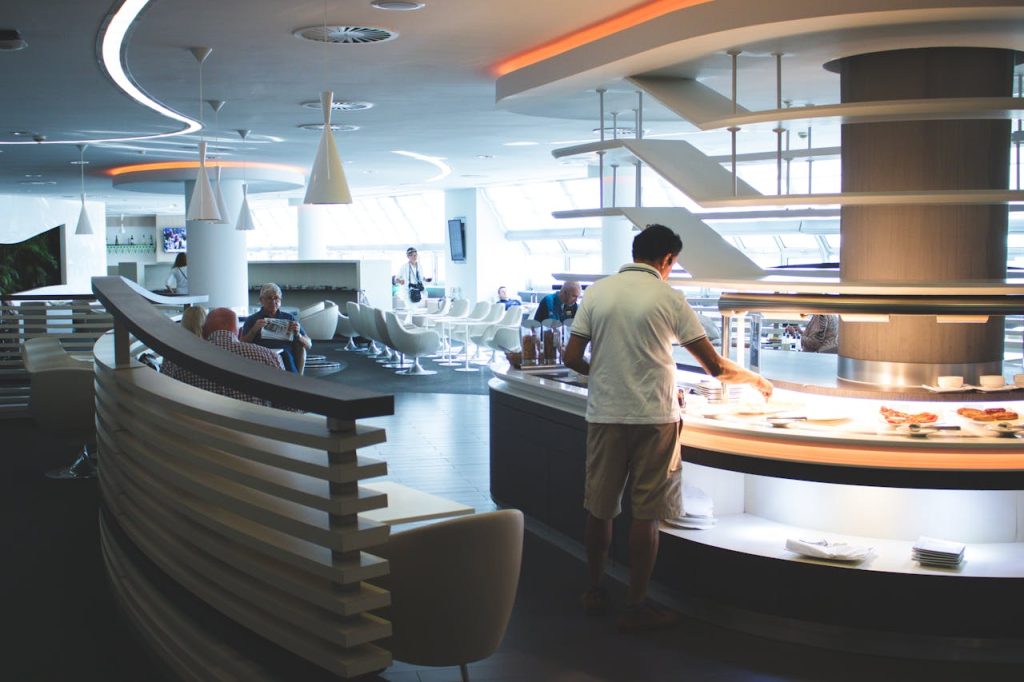
Airport restaurants and bars frequently apply automatic service charges as travelers experience tipping fatigue in environments already marked by high prices and rushed service. Operators within airports face unique challenges, including extended operating hours, strict staffing requirements, and elevated vendor fees that increase overall costs. As a result, many establishments implement percentage-based gratuities on all checks to ensure reliable compensation for servers who manage fast-paced, high-turnover traffic. Visitors often encounter these charges without prior notice, leading to questions about tipping guidelines. Airports across the country have seen this model expand as businesses attempt to balance efficient service with fair wages. The trend continues to grow as travelers seek simplicity in settings where time and clarity matter most.
Large-Group Dining and Banquet Halls
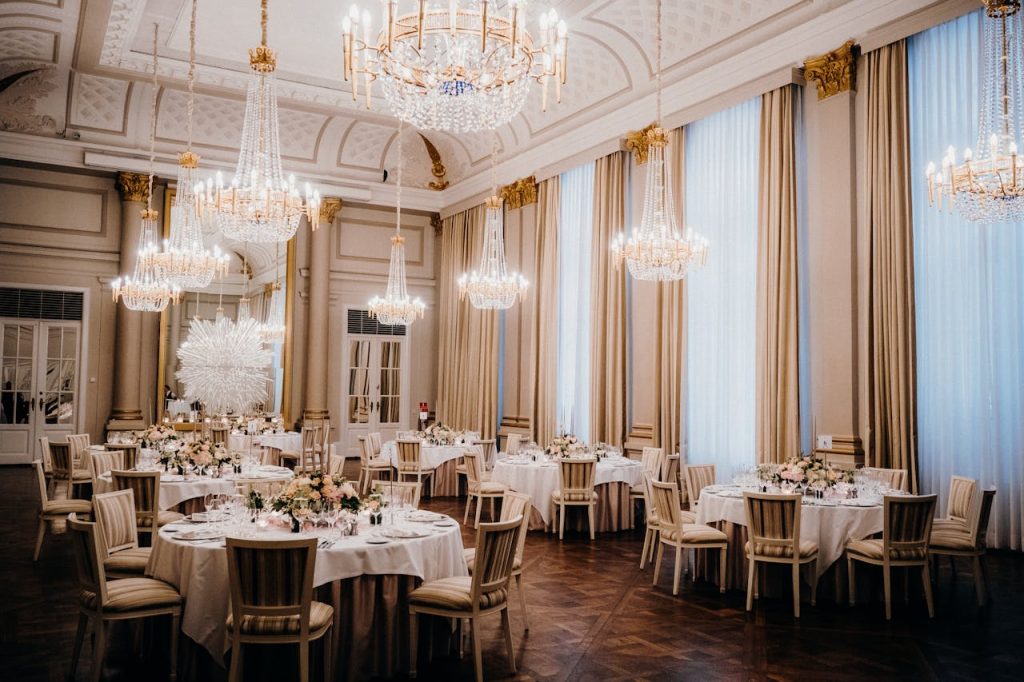
Large-group dining and banquet halls have long included mandatory service charges, yet tipping fatigue has accelerated the practice and expanded its usage. These events require intensive coordination, significant staff involvement, and precise timing, making automatic charges a stable way to ensure equitable pay for servers, bartenders, and support teams. Weddings, corporate gatherings, and special celebrations often include large guest counts, creating logistical demands not typically present in smaller dining settings. Rising labor costs further reinforce the need for predictable compensation structures. Although most customers expect such fees for events, some remain surprised by additional administrative or staffing surcharges. This environment highlights how service charges function as both practical tools and responses to shifting cultural attitudes.
Cruise Ship Dining and Onboard Services
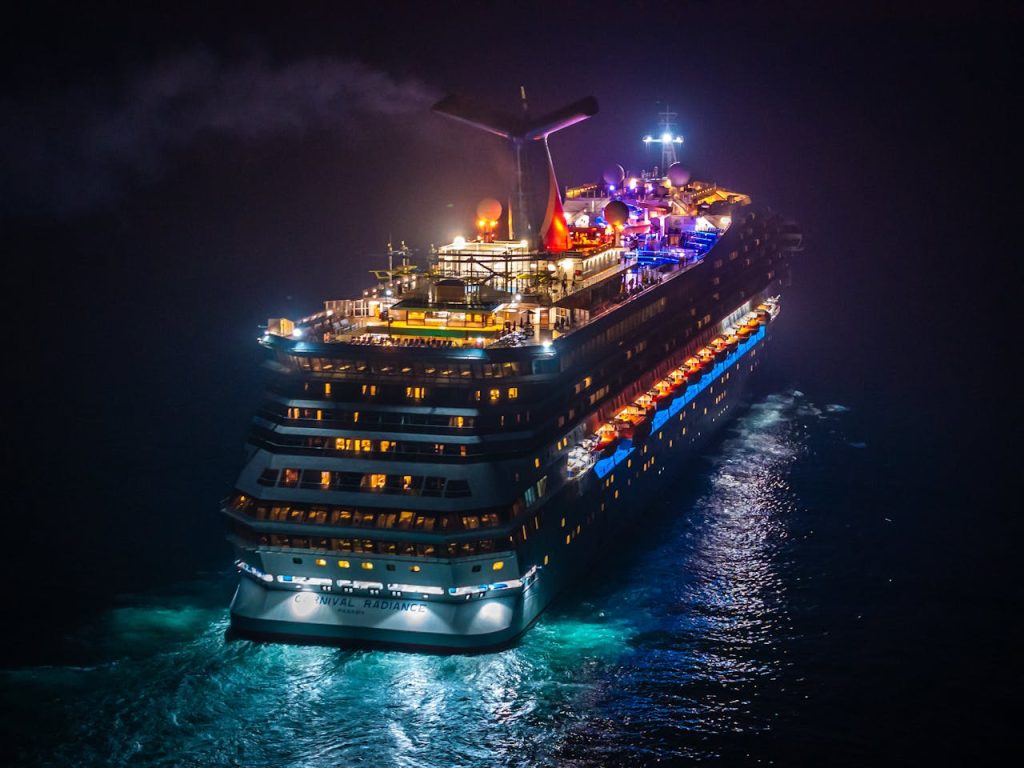
Cruise ship operators commonly apply automatic service charges for dining, housekeeping, and onboard experiences, partly due to growing tipping fatigue among guests who prefer simplicity during vacation. These fees help ensure consistent wages for employees from various countries working long hours throughout the voyage. Cruise companies list daily charges for each passenger, framing them as contributions toward shared service teams. While guests can sometimes adjust these amounts, most accept the built-in structure that replaces individual tipping. Rising operational expenses and global staffing challenges have strengthened the reliance on these charges. The model creates clarity for travelers while providing predictable income for workers supporting the complex operations of modern cruise experiences.
Resorts in Tourist-Heavy Destinations

Resorts in destinations such as Hawaii, Florida, and Nevada often include automatic service charges due to increased operational costs and growing fatigue surrounding tipping prompts in leisure environments. Guests visiting these resorts frequently encounter service fees applied to poolside dining, spa treatments, and restaurant bills. The charges support staff wages in areas where labor and housing expenses continue to rise. Many resorts embrace transparent pricing to reduce confusion, though some travelers remain uncertain about whether additional tipping is appropriate. The practice reflects a shift toward comprehensive service models that emphasize stability for employees while acknowledging the complexities of hospitality in high-demand vacation regions.
Bars and Breweries in Metropolitan Areas
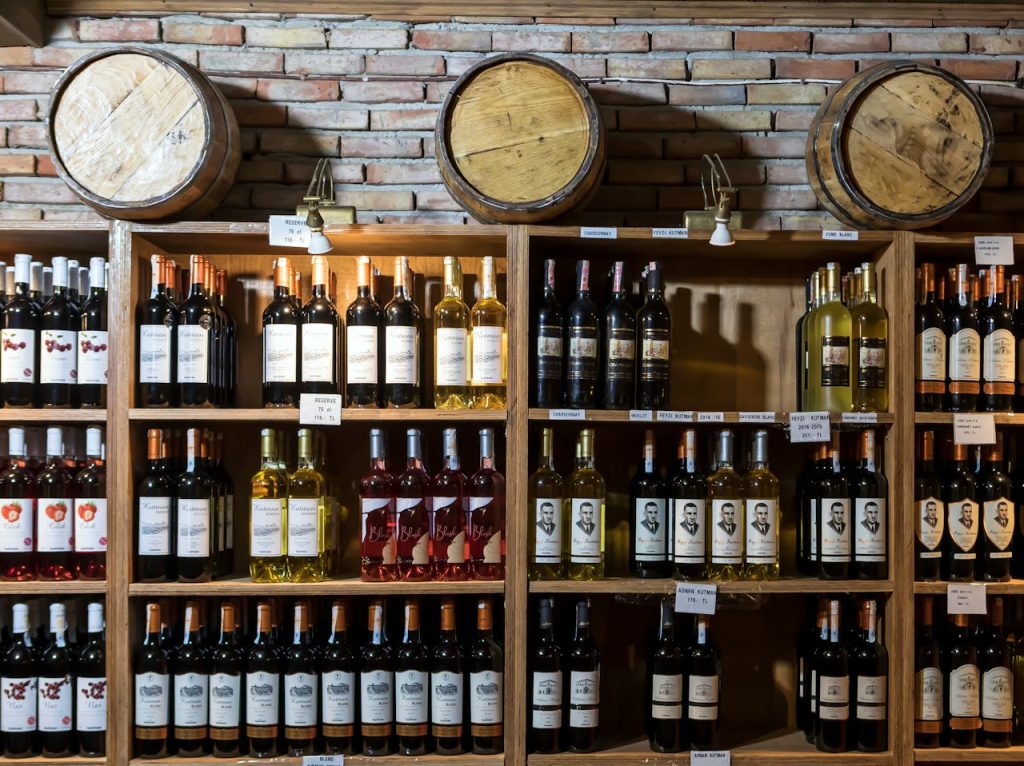
Bars and breweries in metropolitan areas have adopted automatic service charges to respond to tipping fatigue among patrons tired of frequent prompts for simple transactions. Establishments cite rising labor costs, increased supply prices, and the desire to provide fair wages for bartenders and support staff as key reasons for implementing the fees. Busy taprooms and cocktail bars often rely on a fast-paced service model where equitable compensation becomes harder to achieve through traditional tipping alone. Although some customers appreciate consistent pricing, others express concern about unexpected charges. This practice continues to expand as urban nightlife venues experiment with pay structures that reduce reliance on voluntary tipping.
Tourist Restaurants Near Major Attractions

Tourist restaurants near major attractions increasingly apply automatic service charges due to unpredictable tipping patterns and the financial challenges of operating in high-cost, high-traffic areas. Establishments located near landmarks like Times Square, the Las Vegas Strip, and theme park corridors often hire large teams to accommodate fluctuating demand. Automatic charges help ensure that workers receive consistent earnings regardless of visitor behavior. The fees also compensate for heightened operational expenses such as extended hours, maintenance, and elevated commercial rents. Guests sometimes encounter these charges without realizing that they are standard practice in tourist zones, creating conversation among travelers about fairness and clarity. This environment demonstrates how tourism dynamics influence service structures.
Stadiums and Entertainment Venues
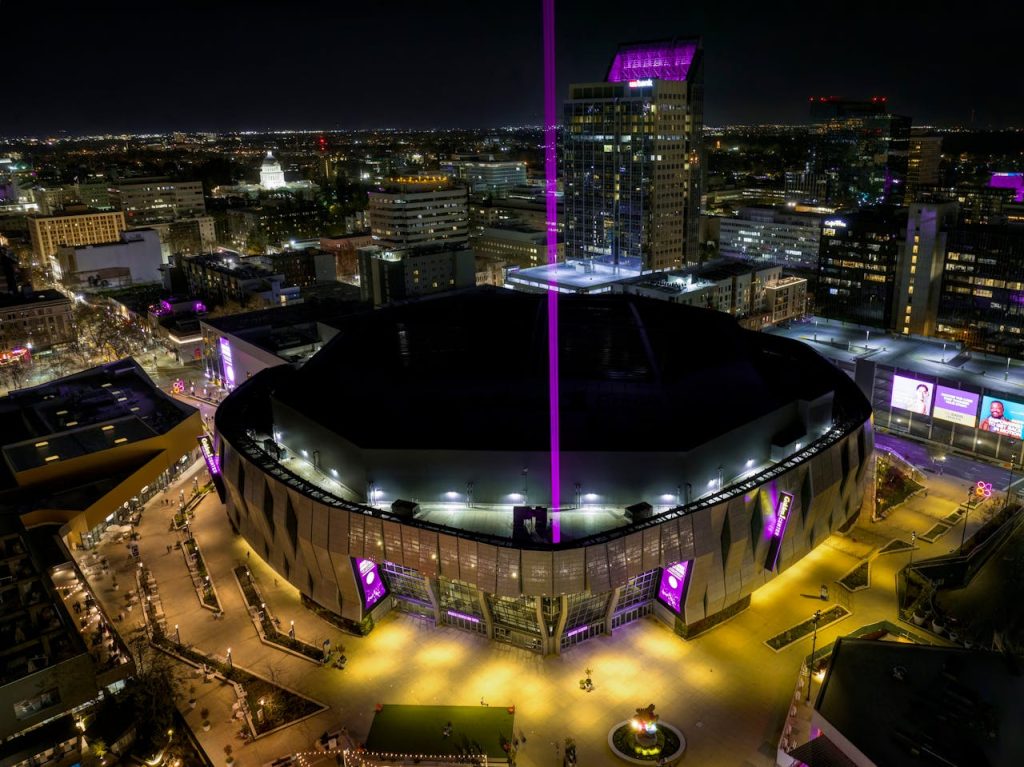
Stadiums and entertainment venues now use automatic service charges for food and beverage purchases as part of broader efforts to stabilize labor costs and simplify transactions. Workers serving large crowds during concerts, sporting events, and special performances often face intense demand requiring rapid service and careful coordination. Automatic fees provide predictable compensation for these employees while reducing the number of small tipping decisions guests must make throughout an event. Many venues list the charge directly on receipts, though some visitors overlook the notation during busy moments. This practice reflects changing expectations surrounding convenience and fairness in environments where speed and efficiency remain essential.
All-Inclusive Restaurants and Buffets

All-inclusive restaurants and buffets frequently incorporate automatic service charges as a way to support employees whose responsibilities extend beyond traditional table service. Workers maintain dining areas, replenish food stations, and assist guests with a range of requests, making a built-in charge a practical approach to compensation. Tipping fatigue has played a role in reinforcing this structure, as customers visiting all-inclusive venues often expect simplified billing without repeated decisions about gratuities. The service charge ensures that wages remain stable, especially in resorts or large hotels where turnover and guest volume fluctuate regularly. This model continues to expand as operators prioritize clarity and fairness in guest pricing.
Spa and Wellness Facilities
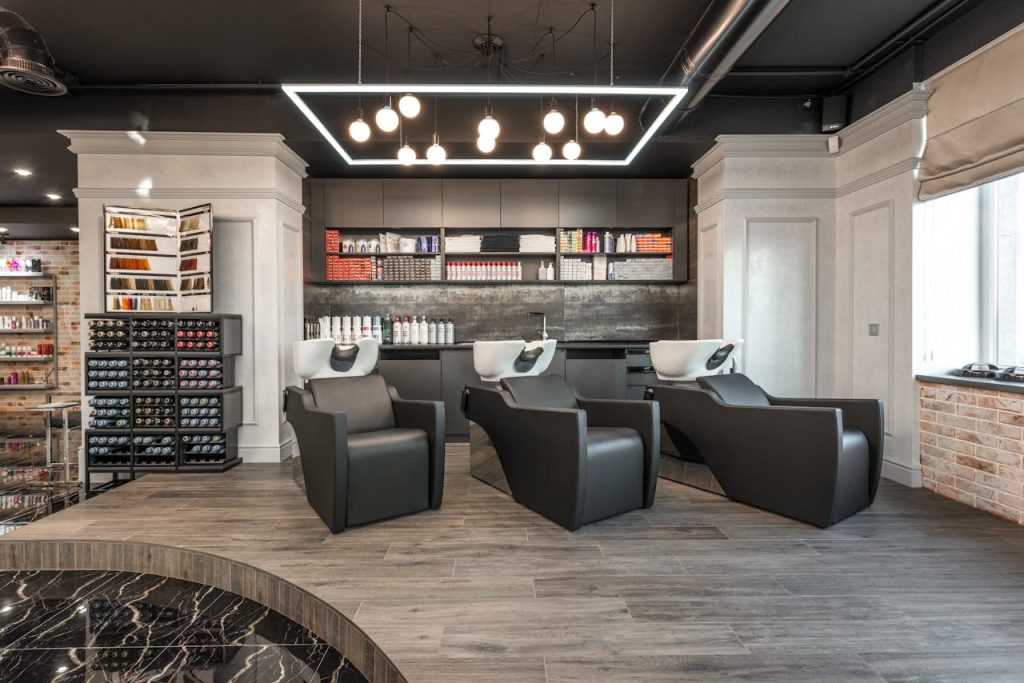
Spa and wellness facilities increasingly implement automatic service fees due to the rising costs of skilled labor, specialized products, and maintenance needs. Massage therapists, estheticians, and support staff play vital roles in creating restorative experiences, yet tipping fatigue has made gratuity-based compensation less predictable. Automatic charges guarantee consistent earnings while removing pressure from guests who may feel uncertain about appropriate tipping amounts. These fees appear on invoices for treatments ranging from massages to facials, and staff members rely on them as part of their overall income structure. The trend highlights how wellness industries adapt to economic pressures and shifting cultural attitudes toward tipping.