11 Places Where Tourism Has Slowed Noticeably
Travel industry analysts and hospitality economists report that the era of “revenge travel” has officially cooled in specific global markets, leading to noticeable dips in visitor numbers. While overall global mobility remains high, experts observe that inflation, geopolitical instability, and shifting consumer preferences have caused travelers to abandon formerly guaranteed hotspots. Data from destination management organizations reveals that pricing fatigue is a primary driver, with tourists increasingly rejecting locations where the cost of goods and services has outpaced the perceived value.
Market researchers also highlight that safety perceptions and environmental recovery timelines play a significant role in this slowdown. Destinations recovering from natural disasters or reputational crises are seeing a lag in bookings as travelers opt for safer, more predictable alternatives. This redistribution of tourist footfall has left hotels and restaurants in these once-crowded locales with unexpected vacancies, forcing a recalibration of pricing strategies and marketing efforts to woo back the hesitant traveler.
Mykonos In Greece

Hospitality data analysts and Greek tourism officials have documented a sharp decline in international arrivals to this Cycladic island famously associated with luxury partying. Reports indicate that a significant drop in bookings during the peak summer months stems directly from “price gouging fatigue.” Industry observers note that the exorbitant costs for sunbeds, dining, and accommodation have alienated the island’s traditional aspirational base, driving them toward more affordable Mediterranean competitors like Albania or Turkey.
Local business owners and hoteliers admit that the island priced itself out of the market during the post-pandemic boom. The visible vacancies in high-end villas and restaurants during July and August served as a stark correction to the aggressive pricing models previously employed. Travel agents emphasize that visitors are actively seeking value and authenticity, qualities that many feel have eroded in Mykonos in favor of hyper-commercialization.
Maui In Hawaii

Hawaii Tourism Authority officials and local economic development boards report that visitation numbers to Maui remain significantly below pre-fire levels following the devastation in Lahaina. Despite aggressive marketing campaigns welcoming visitors back to the rest of the island, confused messaging regarding “respectful travel” created a hesitation among mainland Americans. Economists note that the fear of being intrusive or consuming limited resources caused many potential tourists to divert their vacations to other Hawaiian islands or Mexico.
State planners highlight that the recovery of the tourism sector is proving slower than anticipated as the island struggles to rebuild its image alongside its infrastructure. The loss of historic Lahaina removed a central cultural and commercial hub that anchored the visitor experience. Travel advisors suggest that the current atmosphere on the island is quieter and more somber, appealing to those seeking volunteerism or low-impact stays rather than the bustling resort experience of the past.
San Francisco In California

City tourism bureaus and convention planners acknowledge that San Francisco faces a prolonged recovery period compared to other major United States gateways. While domestic leisure travel has seen some rebound, international arrival statistics lag behind 2019 benchmarks. Urban analysts attribute this slowness to a persistent global narrative regarding public safety, homelessness, and cost of living, which has deterred families and convention organizers from committing to the city.
Hotel occupancy data reflects this struggle, with revenue per available room growing at a slower pace than in competitor cities like Las Vegas or San Diego. Convention officials are working to counteract the “doom loop” media coverage, but reputational damage requires years to repair. Security consultants observe that while the actual safety metrics in tourist zones are manageable, the perception of disorder remains a powerful barrier preventing a full return of mass tourism.
Miami In Florida

Hotel performance monitors and travel industry economists observed a normalization in Miami tourism following the historic highs of the post-pandemic rush. Data suggests that the strengthening US dollar and high domestic inflation have pushed American travelers to seek cheaper beach vacations abroad in places like the Dominican Republic or Mexico. Hospitality consultants point out that Miami hotels, which maintained record-high rates for several years, are now seeing resistance from consumers unwilling to pay premium prices for standard domestic stays.
International arrival numbers have also softened as European and South American visitors face unfavorable exchange rates. The local hospitality sector is adjusting to a reality where occupancy is no longer guaranteed by pent-up demand. Analysts emphasize that the city is transitioning from a period of effortless growth to a competitive market where value propositions and service quality must justify the high price point.
Napa Valley In California

Wine industry analysts and regional tourism boards report a “tasting room recession” as visitor numbers to the famous viticultural region soften. Financial experts at Silicon Valley Bank have tracked a decline in direct-to-consumer sales and tasting room visits, attributing the trend to the rising costs of travel and a generational shift away from alcohol consumption. The “sober curious” movement among younger demographics, combined with the high price of luxury wine tastings, has reduced the flow of casual weekenders.
Local vintners note that the exorbitant cost of hotels and dining in the valley has made the region less accessible to the middle-class wine enthusiast. Economic forecasters warn that the region faces a structural reset as the reliable boomer demographic ages out of travel. The slowdown has prompted wineries to rethink their hospitality models, moving away from exclusive, high-dollar experiences to more approachable offerings to attract a dwindling pool of visitors.
Beijing In China
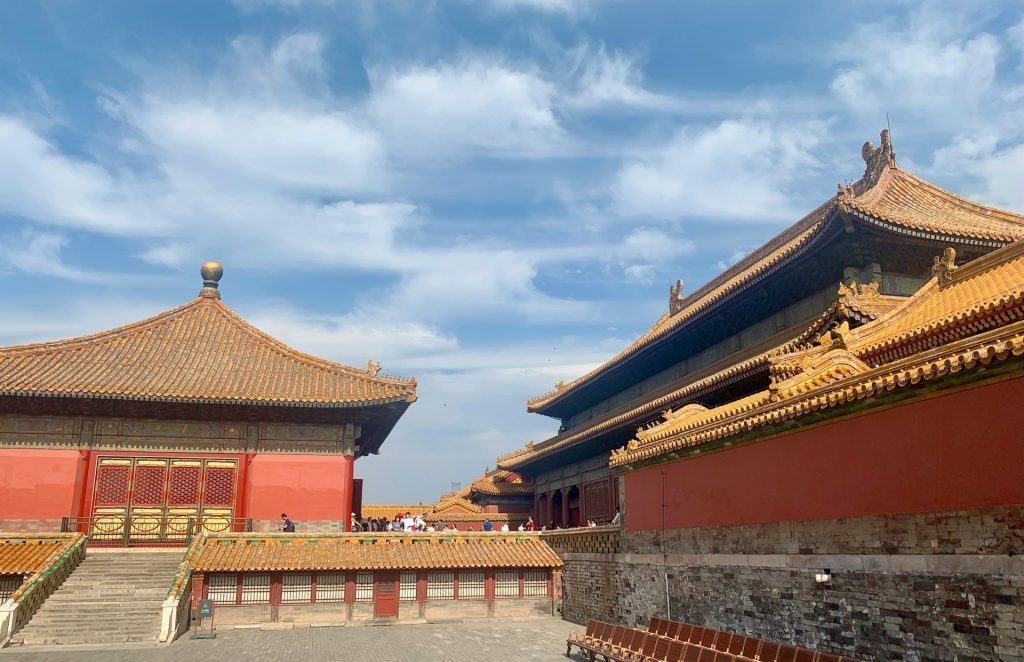
Aviation authorities and international tour operators report that inbound tourism to China remains a fraction of its pre-2019 volume. Despite the government’s recent implementation of visa-free policies for several European and Asian nations, the return of Western leisure travelers has been sluggish. Geopolitical risk analysts cite strained diplomatic relations, lack of direct flight capacity, and payment barrier issues for foreigners as primary deterrents keeping the capital city relatively empty of international sightseers.
Travel logic experts explain that the complex digital ecosystem in China, which requires specific apps for everything from payments to booking entry tickets, acts as a friction point for independent travelers. The disappearance of the casual business traveler, who previously extended trips for sightseeing, has also impacted visitor numbers at major sites like the Forbidden City. The tourism landscape is currently dominated by domestic travelers, leaving international hotels and tour agencies facing a protracted recovery.
Orlando In Florida
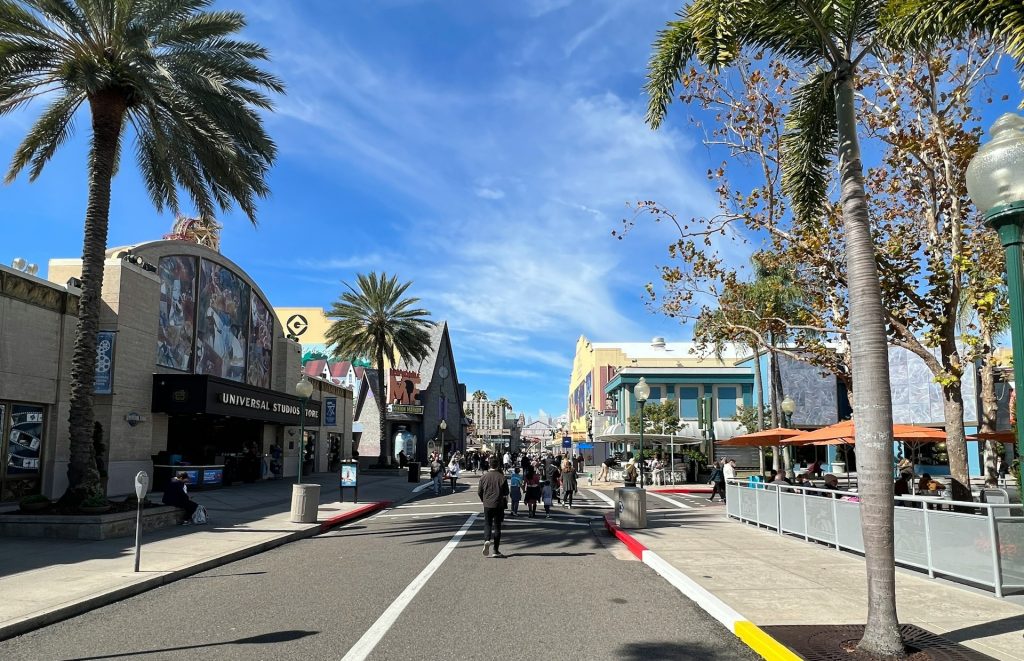
Theme park analysts and financial reporters have noted a moderation in attendance at major Orlando attractions following years of price hikes. Earnings calls from major park operators have referenced a cooling in consumer demand as families reach their spending limits. Economists explain that the cumulative cost of park tickets, Genie+ add-ons, and inflated food prices has made a week-long Disney or Universal vacation financially unviable for many average households.
Travel planners observe that the “post-COVID bump” has fully dissipated, leaving a market sensitive to economic uncertainty. Vacation rental owners in the surrounding Kissimmee area have reported lower occupancy rates and shorter booking windows. The slowdown indicates a broader consumer trend where middle-income families are trading down to regional amusement parks or cruises rather than committing to the high-cost logistical marathon of an Orlando theme park trip.
Acapulco In Mexico
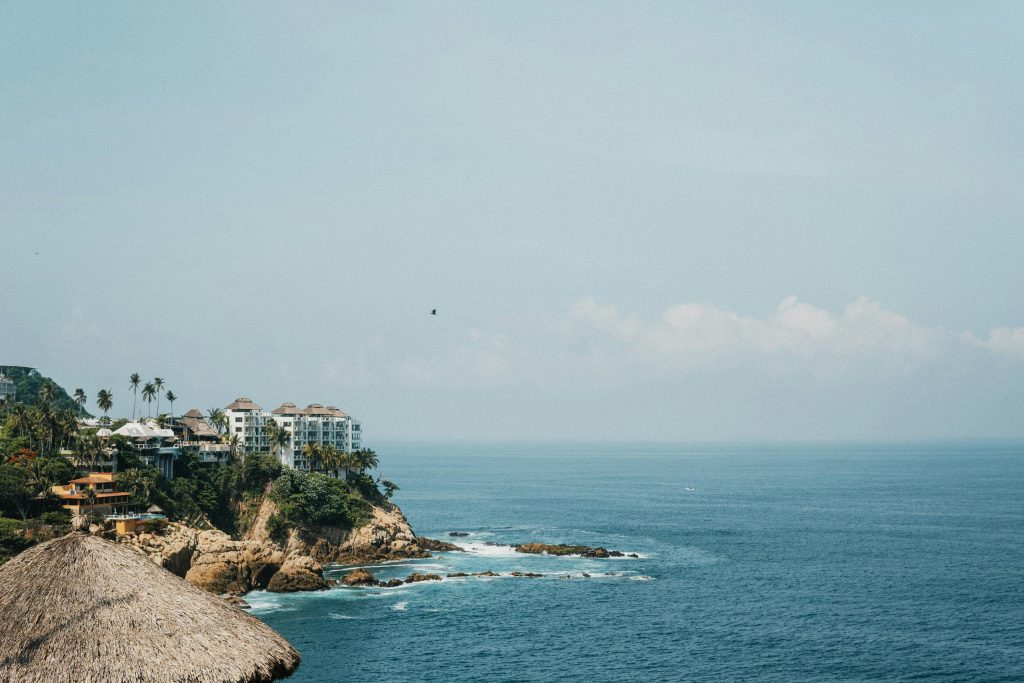
Disaster recovery officials and Mexican tourism agencies report that Acapulco is struggling to attract visitors following the catastrophic impact of Hurricane Otis. While the government has prioritized the reconstruction of the hotel zone, the visual reminders of the destruction and the closure of many support businesses have kept tourists away. Security analysts note that persistent concerns regarding cartel violence in the state of Guerrero further complicate the recovery efforts.
Real estate data shows that the inventory of available hotel rooms is still rebuilding, limiting the city’s capacity to host large conventions or mass tourism events. Travel insurers advise that the destination remains in a reconstruction phase, which deters the leisure traveler seeking a seamless resort experience. The city, once the jewel of Mexican tourism, now faces a long road to regain the confidence and volume of international and domestic sun-seekers.
Bodrum In Turkey
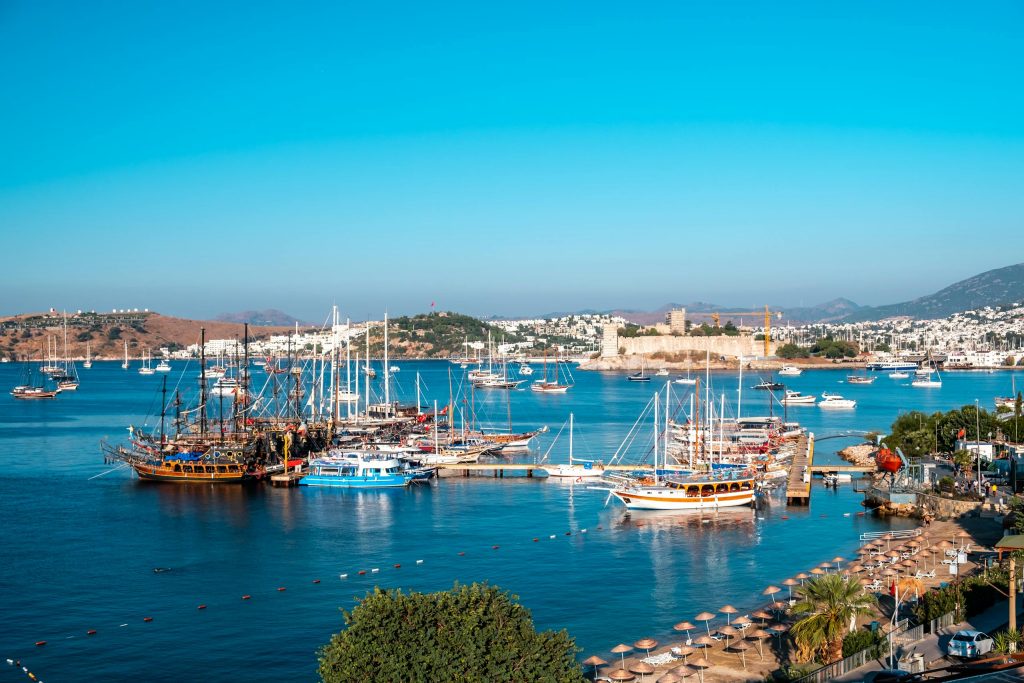
Restaurateurs and tourism representatives in this Aegean resort town have voiced concerns over a stark drop in domestic and international patronage. Economic analysts attribute the empty tables and sun loungers to Turkey’s hyper-inflation, which has driven prices in resort towns to levels comparable with the French Riviera. Reports indicate that Turkish citizens are increasingly vacationing on nearby Greek islands, where the cost of dining and accommodation is perceived as significantly lower.
Hospitality associations note that the aggressive pricing strategies adopted to counter inflation have backfired, resulting in a “loss of appetite” for the destination. Social media has amplified the backlash, with viral receipts of overpriced meals discouraging potential visitors. The slowdown serves as a real-time economic case study on price elasticity in the tourism sector, where even loyal visitors eventually seek alternatives when costs disconnect from value.
Ecuador
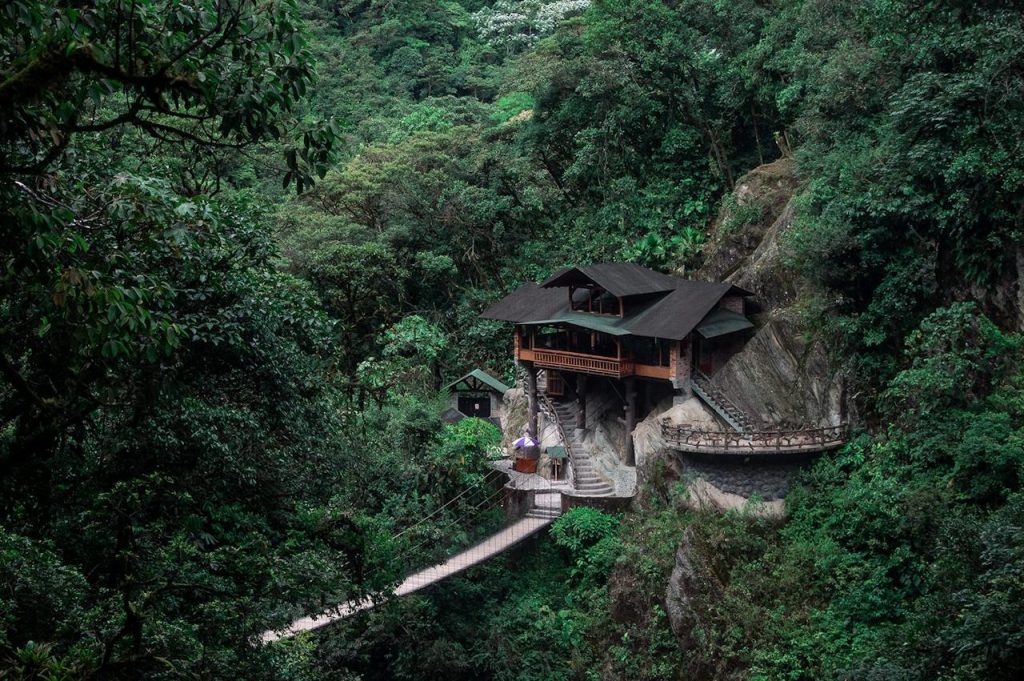
Travel risk management firms and tour operators highlight a significant contraction in tourism to Ecuador due to the declared state of internal armed conflict. Security consultants explain that violent unrest and high-profile incidents in major cities have overshadowed the country’s appeal as a nature and heritage destination. The US State Department advisories urging increased caution have led to widespread cancellations of tours to the Galapagos Islands and the Amazon basin.
Local guides report that the flow of international backpackers and adventure travelers has dried up as insurance companies restrict coverage for travel to conflict zones. The perception of instability has caused a diversion of the lucrative ecotourism market to safer competitors like Costa Rica or Peru. Destination marketing organizations face the difficult task of convincing travelers that tourist corridors remain secure amidst a national security crisis.
Goa In India
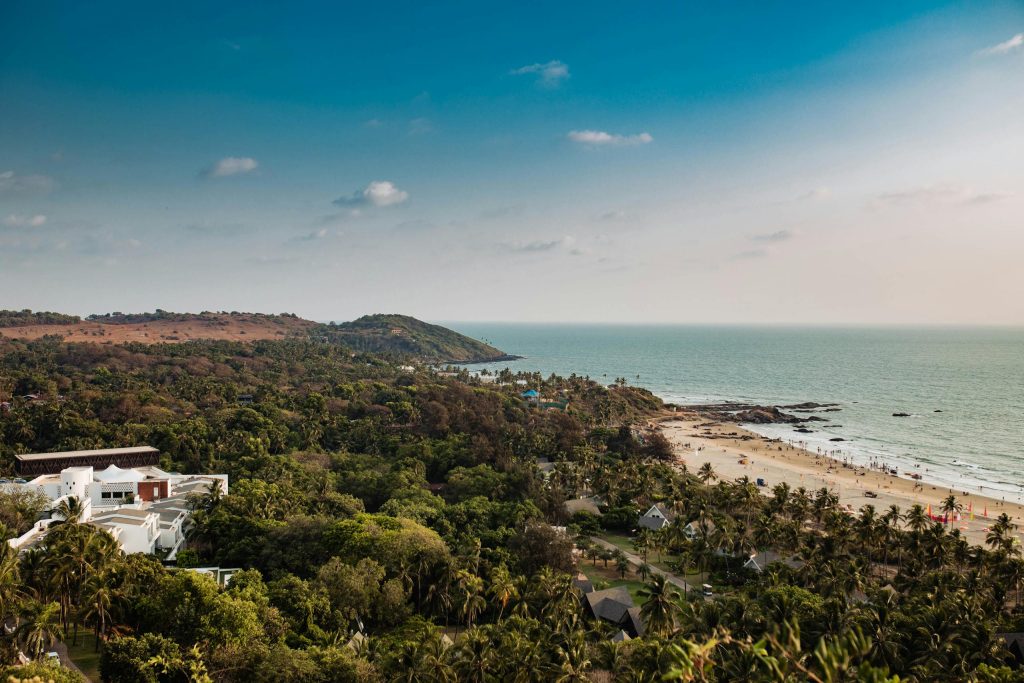
Indian travel agents and industry data reveal a noticeable shift of domestic tourists away from Goa in favor of Southeast Asian destinations like Thailand and Vietnam. Consumer analysts point to the “taxi mafia” and high local transport costs in Goa as key friction points driving this exodus. Travelers report that for the price of a flight and hotel in Goa, they can experience a more luxurious and hassle-free international vacation with visa-free entry policies.
Hospitality stakeholders in the region acknowledge that the destination has become complacent, relying on its reputation while infrastructure and service levels stagnated. The drain of the premium domestic segment has left hotels with lower occupancy during traditionally busy weekends. This trend highlights the growing competitiveness of the Asian beach market, where ease of travel and value for money dictate the flow of the massive Indian middle-class tourist demographic.