11 Scooter Rentals in Hills Slippery With Brake Fails
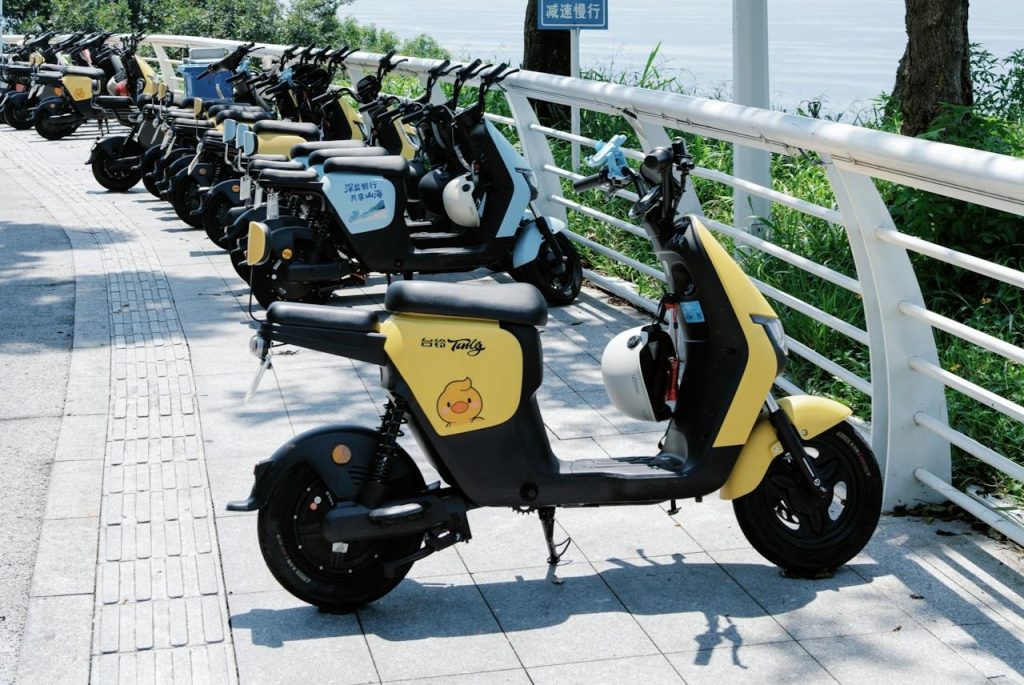
Hill streets make scooter rentals feel effortless until the road tilts and the surface turns slick. A calm climb becomes a different ride on the way down, when speed builds quietly and brakes have to work continuously. On steep grades, even a small delay at the lever can feel bigger.
Mist, leaf film, and polished stone cut traction without looking dramatic, and small wheels skip seams that bikes roll over. Rental fleets live hard lives, so pad wear, cable stretch, and tire pressure drift are common. These scenes track where steep terrain and rental wear collide, and what helps most: slower entries, earlier braking, and cleaner lines.
The Wet Switchback Descent
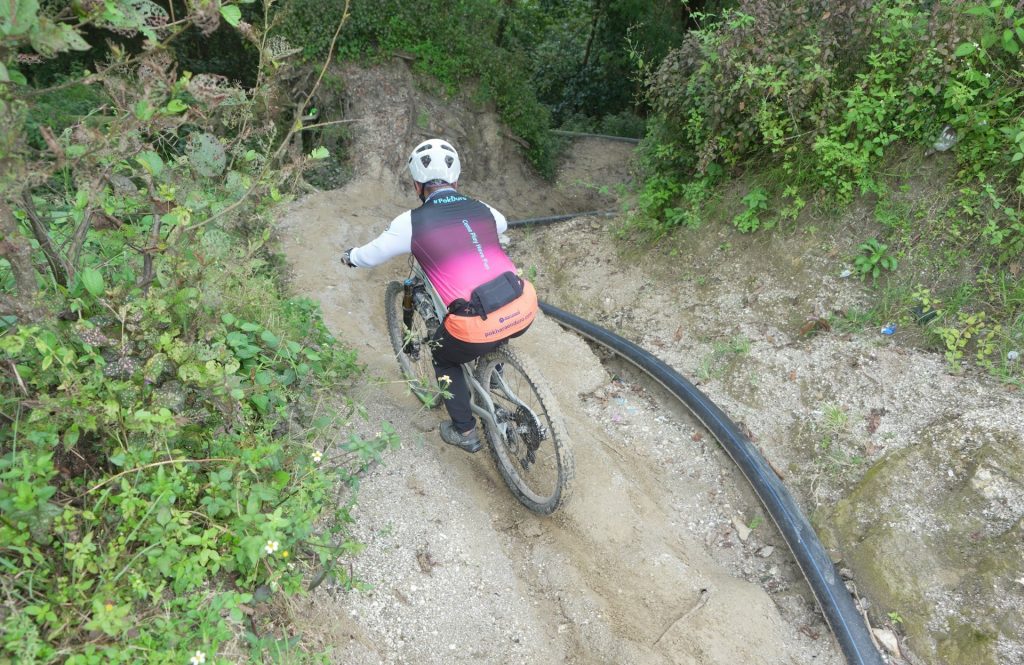
Switchbacks look forgiving from above, then tighten as tires meet damp grit, paint stripes, and gravel swept into the inside edge. A rental that climbed calmly can feel twitchy once weight shifts forward and the hill keeps feeding speed into each bend.
Brake levers often pull farther when pads are thin or cables have stretched, and that extra travel shows up right at a hairpin. Light dragging can warm and glaze pads, so the lever feels active while slowing stays modest.
Drainage often crosses the apex, and wet camber can tug the scooter wide. A slower entry and a short pause between corners keep steering simple and calm.
Cobblestone Alleys After Rain
After rain, cobblestone alleys shine, and rounded stones shed grip in pulses that make small wheels chatter. The scooter can hop from seam to seam, so braking strength rises and falls each time the tire loses contact. That vibration can make the bars feel loose.
A gentle squeeze may glaze pads and lengthen stopping distance, while a hard squeeze can lock a wheel on the slickest stones. Manhole covers, drain cuts, and painted crossings add sudden low grip patches inside a narrow lane.
In old quarters, foot traffic steps out quickly from doorways, and corners hide what comes next. Keeping speed near walking pace lets braking stay predictable.
Promenade Hills With Ocean Mist

Coastal promenades feel easy on the flat, then the climb back into town becomes a long descent in reverse, asking for steady braking. Ocean mist lays down a thin film that looks harmless, especially in shade near sea walls and planters.
Salt air and sand work into cables and calipers, and rentals see heavy stop and go use that eats pads quickly. Some models add electronic braking, but traction sets the limit on wet pavement. A brake that bites in dry weather can feel muted once grit dulls the surface and moisture cools the metal.
On a long grade, stopping early for a moment resets both speed and heat, which keeps control feeling normal.
Park Paths Littered With Leaves
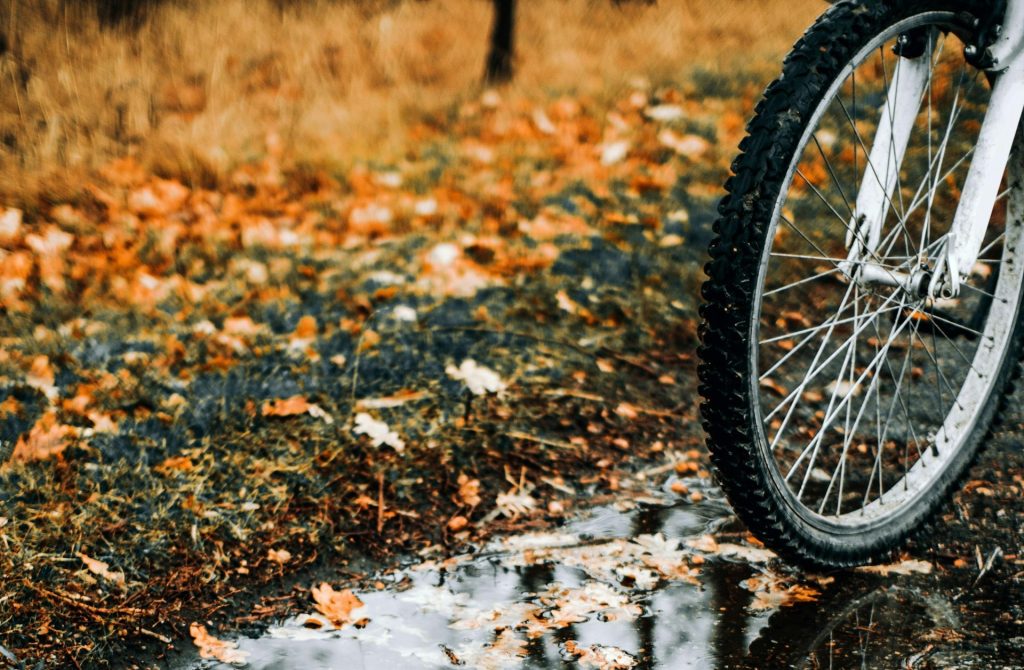
Park hills hide slick patches under leaves and damp mulch that gather along the path edges after wind or lawn crews. Small tires ride on top of that film, so traction can change within a few feet as wheels move from clean concrete to leaf stain. Shade can keep it wet long after the sun returns.
Leaf tannins mixed with moisture create a dark gloss near drains and shaded bends, and twigs can roll under the wheel. Braking becomes a grip test first, so a light squeeze to read the surface matters more than force.
Shared paths add sudden stops when joggers or strollers appear around a bend, so extra spacing keeps everything calm.
Brick Streets Polished By Foot Traffic
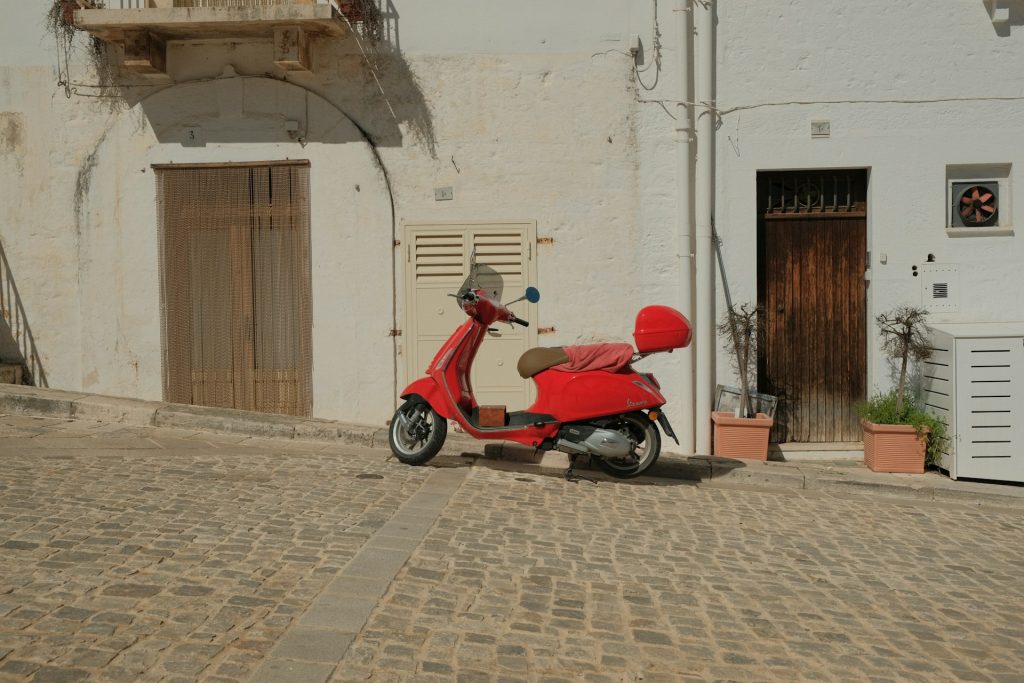
Brick streets look grippy, yet years of footsteps and tires can polish certain lanes to a faint sheen, especially on steep blocks. A scooter buzzes over seams, then the descent loads a tiny contact patch and every gap nudges the wheel sideways.
Some rentals lean on a strong front brake plus electronic help, which can feel abrupt on slick brick and then weak when the wheel skips. Low tire pressure adds another variable, changing the contact patch and making the same pull feel inconsistent.
Grip can shift within one block, so early braking and steady speed keep the ride predictable even when the street still looks dry at noon.
Steep Campus Roads Between Classes
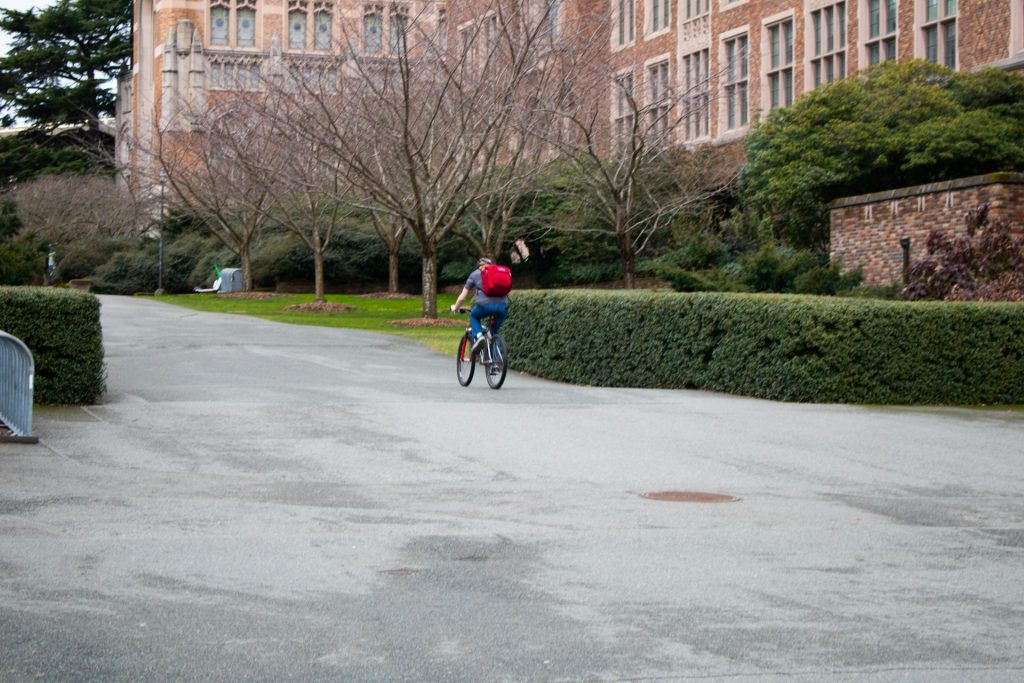
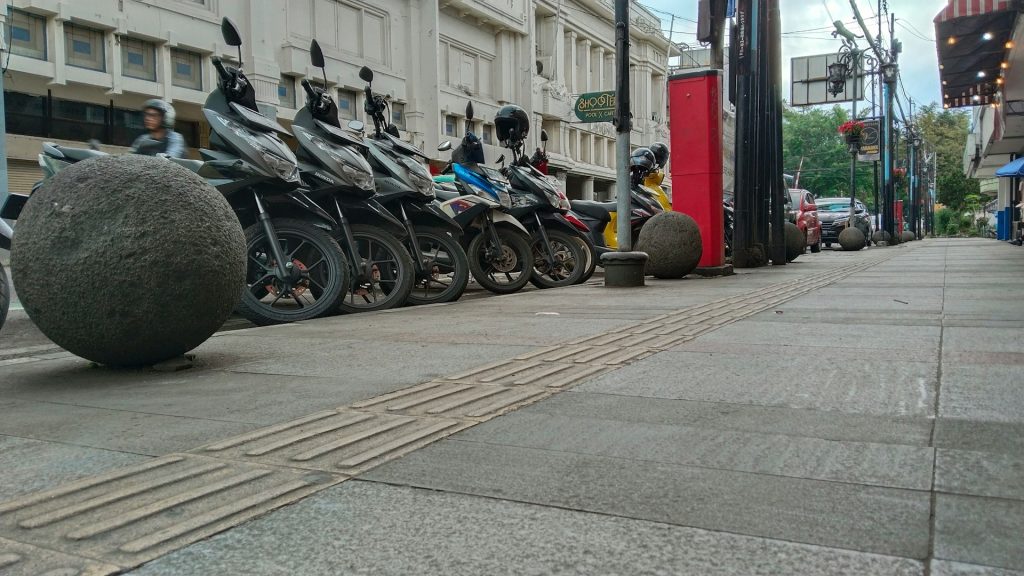
Campus hills compress traffic into short bursts, with scooters, bikes, buses, and delivery carts sharing narrow lanes near class changes. Downhill speed creeps up fast between crosswalks, and patched asphalt makes small wheels vibrate at the worst moments. Bus pullouts add quick merges.
Repeated stops on a steep grade warm the brakes and can dull bite, especially if pads are already thin from heavy rentals. A slightly warped rotor or a rubbing pad can also steal braking power, turning a small issue into a noticeable delay.
Crowds leave little room for correction, so earlier braking and extra spacing reduce the need for sudden moves.
Tourist Lookouts With Sudden Drop Offs
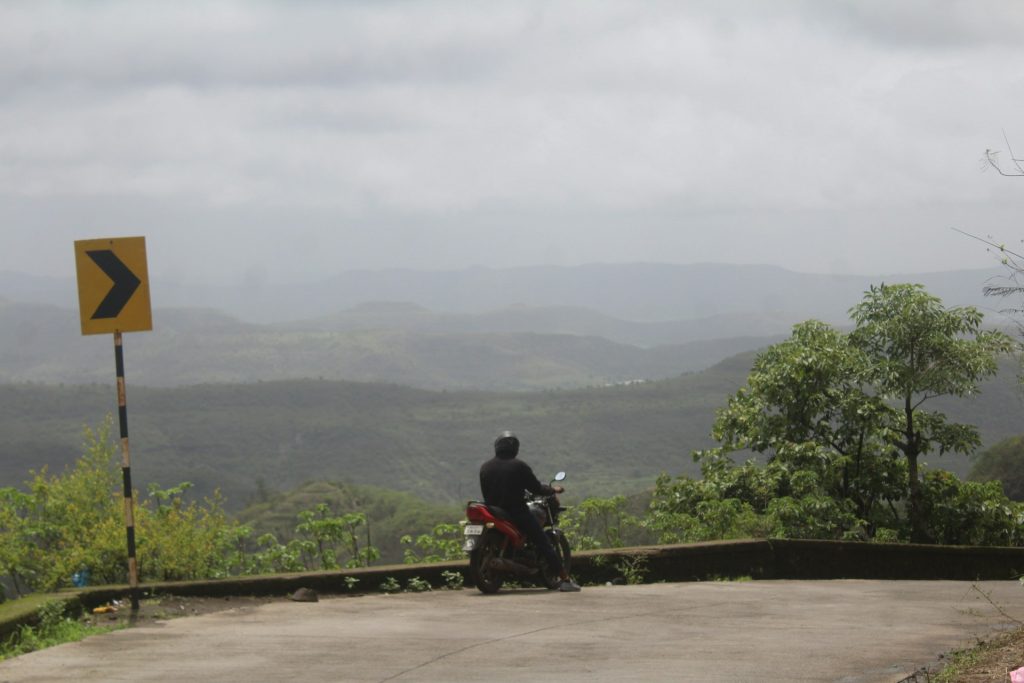
Scenic lookouts sit at the end of a climb, and the return begins with a straight drop that builds momentum fast. Riders pause for photos, then roll out relaxed, only to learn the first safe pullout is farther than it looks. Turnout gravel often spills onto the lane.
Loose stems, wobbly handlebars, or slightly low tire pressure can amplify vibration near parking bays and rough shoulders. Braking feels less stable when the scooter chatters, and that shakiness can mask how quickly stopping distance is stretching.
A quick check at the overlook, plus a slower first block, keeps control steady while attention is still on the view.
Ferry Piers And Slanted Access Ramps
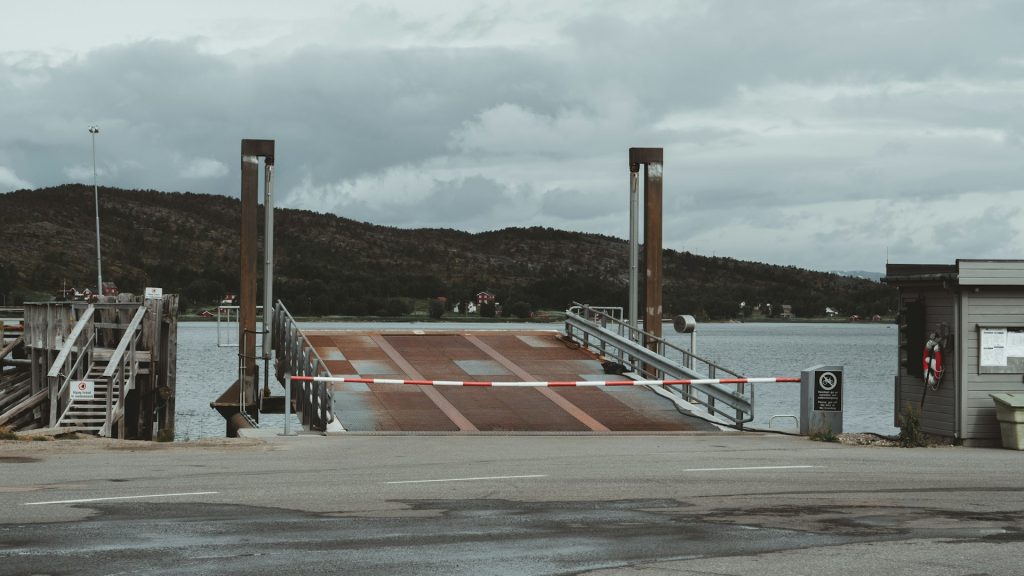
Ferry terminals link to streets through slanted ramps built for carts and luggage, not small wheels that need steady grip. The shift from flat pier to angled ramp moves weight forward, and metal plates and paint markings turn slick with spray and sand.
Many ramps have a hinge bump where deck meets road, briefly unloading a wheel and weakening braking as speed starts to build. If the brakes already feel soft, that short slip can stretch the stopping zone into the busiest part of the terminal.
Slow entry, generous spacing, or walking the ramp keeps control simple when lines, bags, and tight turns crowd the path at peak times.
Mountain Village Roads With Gravel Shoulders
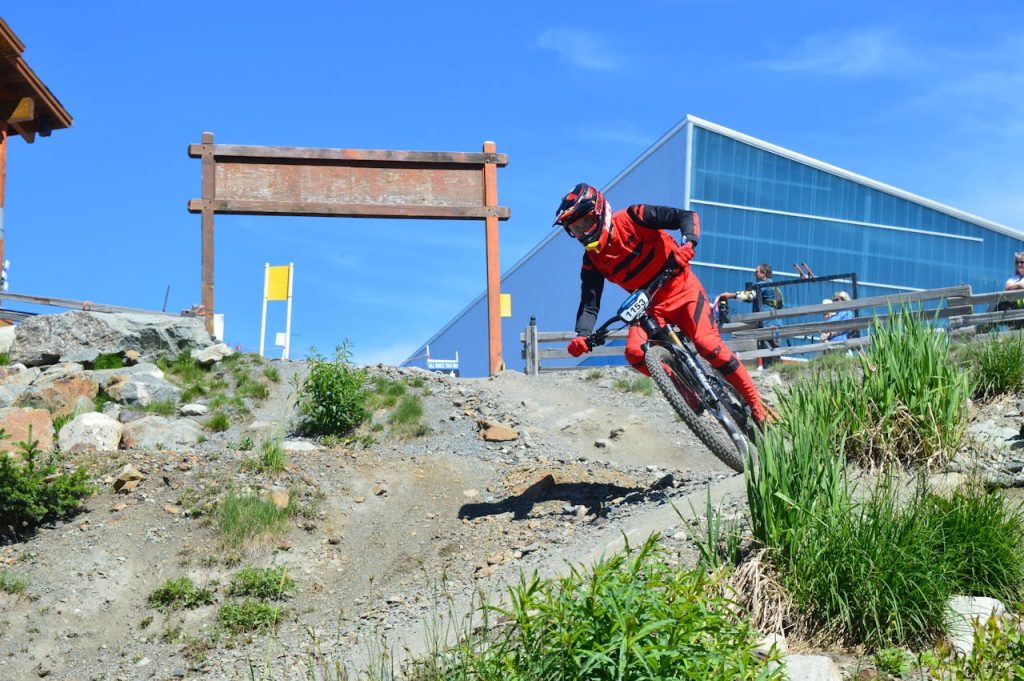
In mountain villages, asphalt often meets gravel shoulders that creep into the lane after storms, plows, or quick roadwork. Pebbles collect like marbles at the outside of turns, where a scooter naturally drifts on a descent. Even a thin scatter changes bite.
Braking on gravel behaves nothing like braking on clean pavement, even with a steady hand at the lever. The rear wheel may slide early, while the front wheel plows and resists tracking straight on small tires. When that happens, steering feels heavy.
Choosing cleaner pavement and wider lanes trades speed for steadiness, and that bargain feels good on a long downhill.
Historic Stair Streets And Shared Lanes
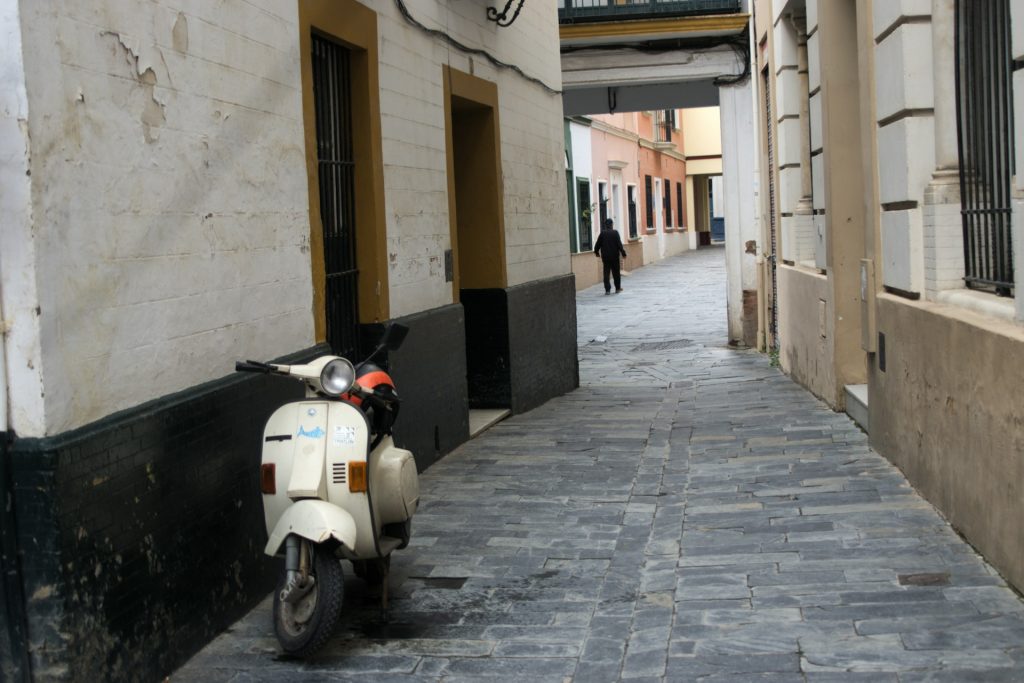
Some hillside districts mix steps, ramps, and shared lanes in a patchwork built long before scooters existed. A route that looks direct can hide steep stone ramps beside stairs, tight corners, and curb cuts that jar wheels at speed.
Hard impacts can nudge calipers or shift pads slightly, creating rub, noise, or reduced lever travel without a clear warning. The scooter may roll fine on flats, then feel different the moment the slope steepens and braking starts to load the front wheel.
In dense pedestrian zones, steady pacing and occasional dismounting keep control simple, especially where stone stays slick in shade all day.
Night Descents Under Soft Streetlights
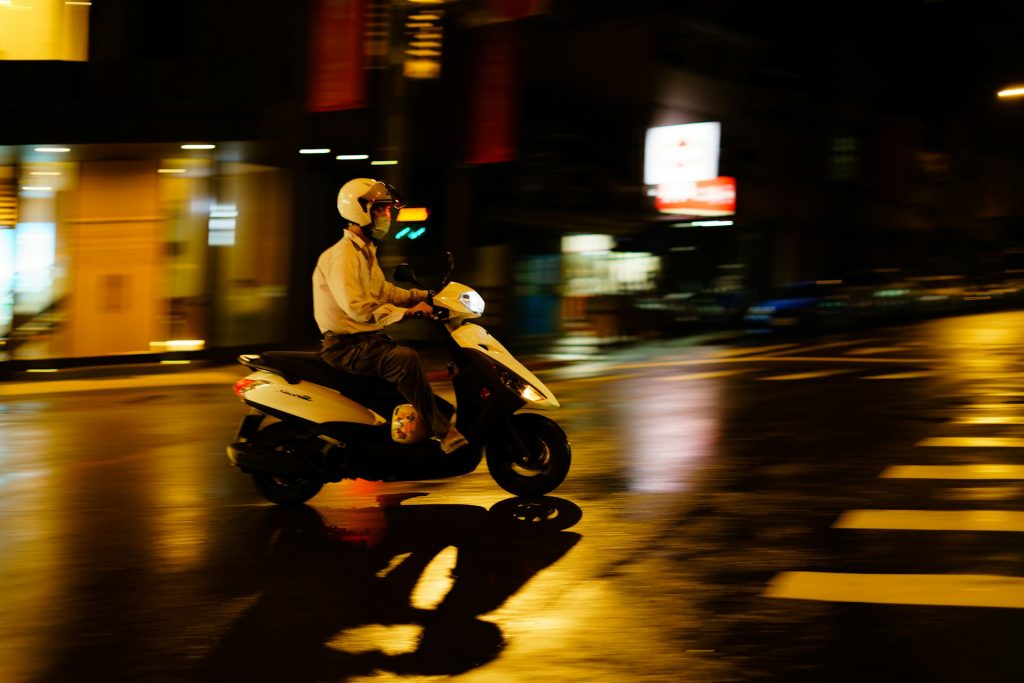
Night descents feel quieter, but visibility shrinks and surfaces cool, inviting dew in shaded hollows under trees and walls. A street that felt predictable at noon can feel different after dark, when texture and slope are harder to read.
Dim light hides potholes, slick patches, and fresh paint, and reflective markings can be the slickest strip on the block. Headlight glare flattens depth, so braking points arrive later than expected, even for cautious riders.
Balanced braking helps keep wheels settled on uneven pavement. Lower speed and earlier turns restore margin, and a stop to reset focus can make the rest of the hill feel manageable.