11 Tourist Complaints That Appear in Reviews Again and Again

Travel reviews often read like quick notes typed while a suitcase is half-zipped. Across cities and coastlines, the same complaints show up because travel squeezes people into unfamiliar routines, where small friction feels bigger than it would at home. Most of the time it is not one dramatic failure. It is a chain of little surprises, like fees, noise, or unclear instructions, that chips away at the mood. When expectations and reality line up, travelers sound generous. When they do not, the review becomes a public receipt.
Hidden Fees That Feel Like a Setup

Reviews flare when the final total looks nothing like the nightly rate. Resort fees, city taxes, parking, towel deposits, and extra-cleaning charges make guests feel misled, even if the details are buried in fine print. The complaint is not only about money, it is about trust, because travelers plan around one number and then watch it climb at checkout. After that, every add-on feels questionable, from the minibar to the late checkout policy. When the surprise appears at the front desk, the mood shifts instantly. Properties that show an honest, all-in price up front usually get calmer feedback and far fewer angry follow-ups.
Noise That Steals Sleep

Noise is the fastest way to sour a stay, because it follows guests into the night. Thin walls, hallway chatter at 1 a.m., doors slamming, traffic, or a lively bar above the room show up in reviews from motels to luxury hotels. The sting is the surprise: travelers can accept city sounds, but not a listing that promises quiet and delivers nonstop disruption. One poor night makes everything feel heavier the next day, from driving to sightseeing. Reviews often beg for simple fixes like better seals, soft-close doors, and clearer quiet hours. Places that manage sound well earn loyalty, because rest is the foundation of a good trip.
The Room Looks Bigger Online

Photo disappointment repeats for a reason. Wide-angle shots and careful cropping can make a tight room look airy, then guests arrive to find a bed pressed against a wall, a window facing a blank building, or a bathroom so small the door clips the sink. The frustration is not size alone, it is expectation. Many travelers are fine with compact rooms in great locations; they just want honesty. Reviews mention outdated photos, missing storage, too few outlets, and nowhere to set down a laptop. When a suitcase cannot open without blocking the walkway, people feel cornered. Clear dimensions and current photos prevent most of these reviews.
Surprise Construction Next Door

Construction complaints land hard because they steal calm at the exact moment travelers need it. Reviews describe drilling at 8 a.m., scaffolding blocking the view, dust drifting onto balconies, and entrances rerouted through temporary corridors. The upset usually comes from silence before booking, not the work itself. People understand cities change, but they want a clear warning so they can choose a different date, floor, or room type. It matters even more for short trips, where one disrupted morning feels like a lost day. When staff says it will be quiet tomorrow and it is not, the stay starts to feel like a drawn-out negotiation.
Staff That Feels Dismissive
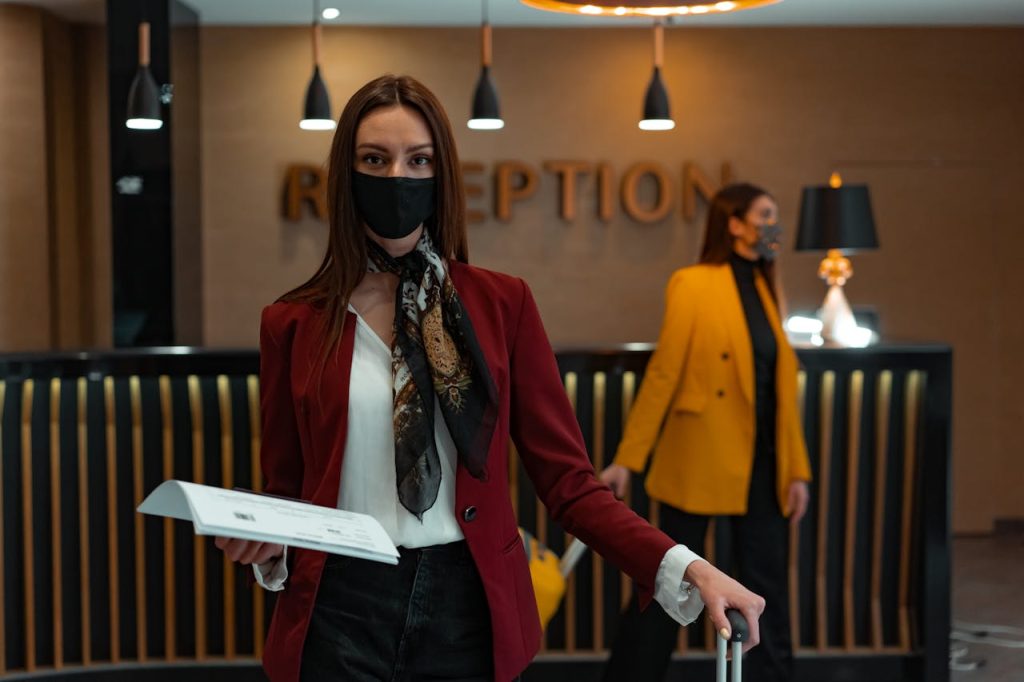
Service complaints repeat because travelers arrive tired, out of routine, and unusually sensitive to tone. Reviews mention slow check-in, clipped answers, and a sense that questions are an inconvenience. It is rarely about perfection. Guests forgive mistakes when staff is direct, kind, and willing to try. They struggle when a broken key, a room mix-up, or a delayed repair is met with shrugs and vague promises. Fast, clear problem-solving changes everything, even if the fix is simple. A warm response can rescue a rough day. A cold one makes every later interaction feel tense, and the review becomes about respect rather than amenities.
Wi-Fi That Cannot Handle Basics

Unreliable Wi-Fi shows up again and again because travel still runs on connectivity. Guests complain about weak signals, dead zones, login pages that fail, and speeds that cannot support maps, ticket downloads, or a call home. The frustration grows when Wi-Fi is listed as an amenity, then works inconsistently room to room. Reviews also mention paid upgrades that do not help, or rules that limit devices. In many areas, cell service is not a backup, so bad Wi-Fi can isolate guests. Even leisure travelers rely on the internet for rides, translations, reservations, and backup plans. When the connection fails, the whole stay feels less usable.
Breakfast That Feels Uncared For
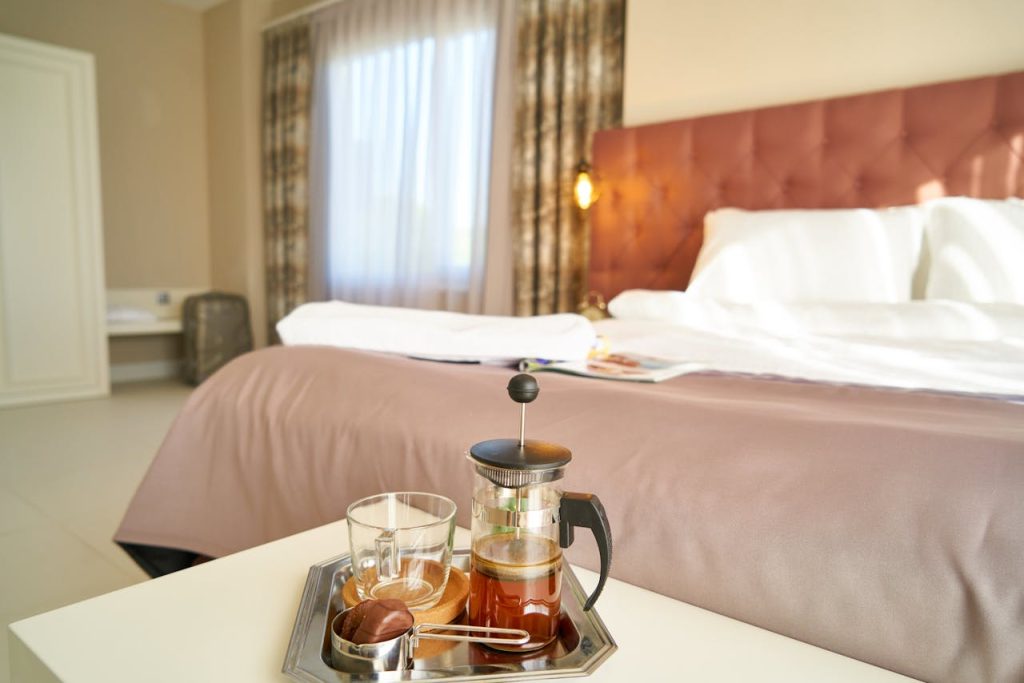
Breakfast complaints repeat because morning sets the tone for the day. Reviews describe stale pastries, watery eggs, limited options, cramped seating, and food that runs out early, leaving late risers with slim pickings. The deeper issue is value. If breakfast is included, guests expect it to feel intentional and cleanly managed. If it costs extra, they want quality that matches the price. Dietary basics matter, too, like fruit, oatmeal, and clear labels for allergens. Confusing hours and long lines show up because they steal sightseeing time. A simple, well-run breakfast earns outsized goodwill; a sloppy one creates instant doubt.
The Location Is Not What It Implied
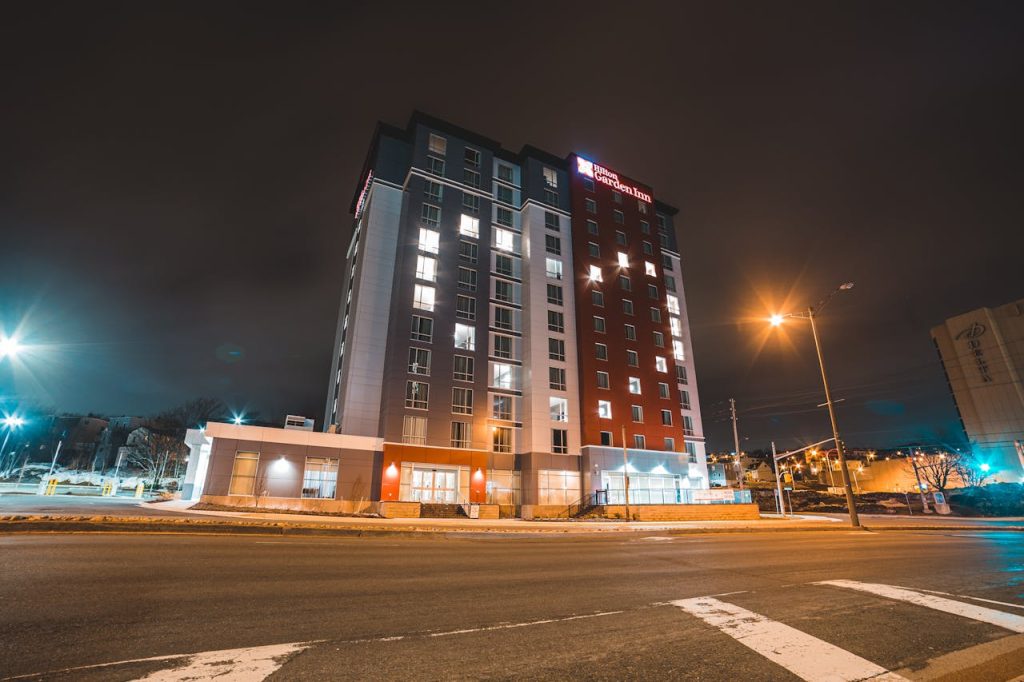
Location reviews often read like corrections to marketing language. Minutes from downtown might mean 20 minutes by car, not a walk. Near the beach might mean a long trek across busy roads. Guests arrive and realize the area feels isolated, inconvenient for transit, or uncomfortable late at night. The problem is rarely the neighborhood itself, it is the framing. Travelers accept tradeoffs when they are clear up front, because they can plan meals, rides, and timing. When a description hints at one lifestyle and delivers another, people feel boxed in, and the review becomes a map for the next guest.
Cleanliness Gaps That Break Comfort

Cleanliness complaints repeat because they trigger an immediate reaction. Dust on surfaces, hair in the bathroom, stained linens, sticky floors, and musty smells appear in reviews even when the lobby looks polished. The issue is not only hygiene, it is care. Once a guest thinks a room was rushed, they start scanning for other misses, and small flaws feel larger. Reviews often say it looked fine at first, then details appeared after unpacking. The response matters: quick re-cleaning and apology can calm the tone, while defensiveness escalates it. In travel, cleanliness signals safety and respect. When that signal wobbles, comfort fades fast.
Climate Control That Will Not Cooperate
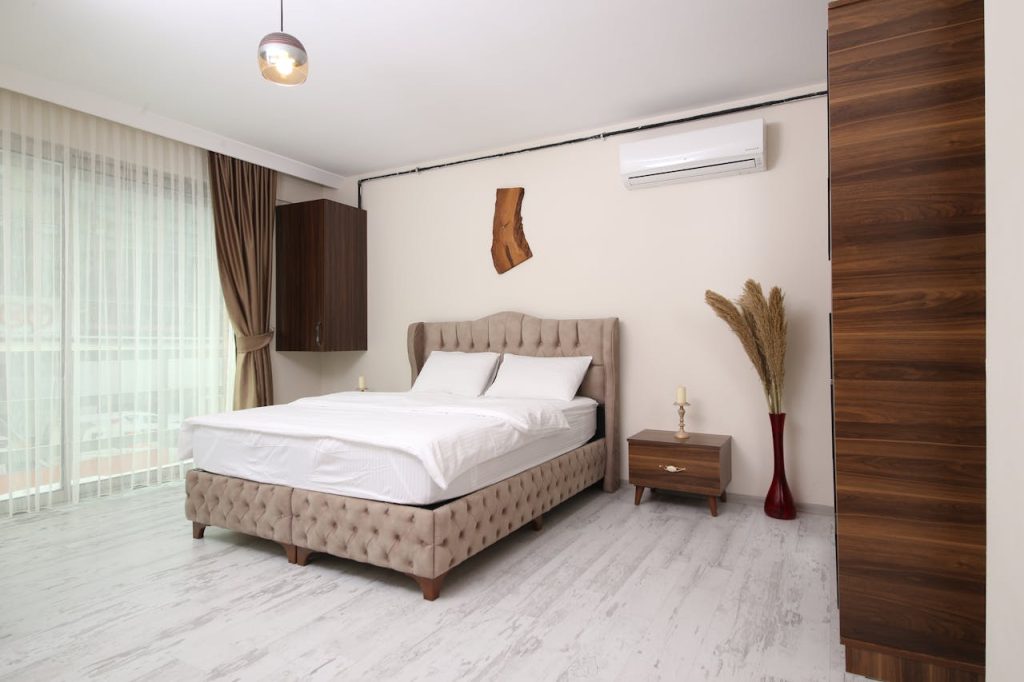
Temperature problems show up everywhere because comfort depends on sleep, and sleep depends on air. Guests describe rooms that never cool down, heaters that blast and then stop, and thermostats that are locked or limited. Others mention systems that shut off when they leave, so the room turns stuffy by the time they return. Weather swings make this sharper, especially during heat waves or snaps. Staff may offer a fan or a room switch, but availability is not always there. The result is a restless night followed by a day that feels longer than planned. When climate control works quietly, nobody writes about it; when it fails, everyone does.
Crowds That Make Everything Slower

Crowd complaints appear in reviews of tours, attractions, and even whole destinations, especially when the experience was sold as relaxed. Travelers describe long lines, packed viewpoints, rushed guides, and a feeling of being moved along without time to look. The issue is not crowds alone, it is weak crowd management and unclear expectations. People can handle busy places when timing and capacity are explained honestly. They get upset when a small-group tour turns into a large cluster, or when ticketing funnels everyone into the same hour. A little transparency can turn crowding from frustration into a manageable tradeoff.