11 Travel Destinations People Love Online but Not in Person

A trip can look effortless online: a perfect view, a quiet street, a glowing sunrise, a table set at golden hour. Then real travel adds what short clips skip, such as permits, timed entries, seasonal rules, local fees, and access windows that reshape the day before it begins.
Across iconic destinations, travelers often find logistics matter as much as beauty. What feels spontaneous on a feed can require planning weeks ahead, and the gap between expectation and reality can feel wider than the map itself. The swing is rarely about beauty failing; it is about practical friction arriving too late and stealing the mood. That gap stings.
Venice, Italy
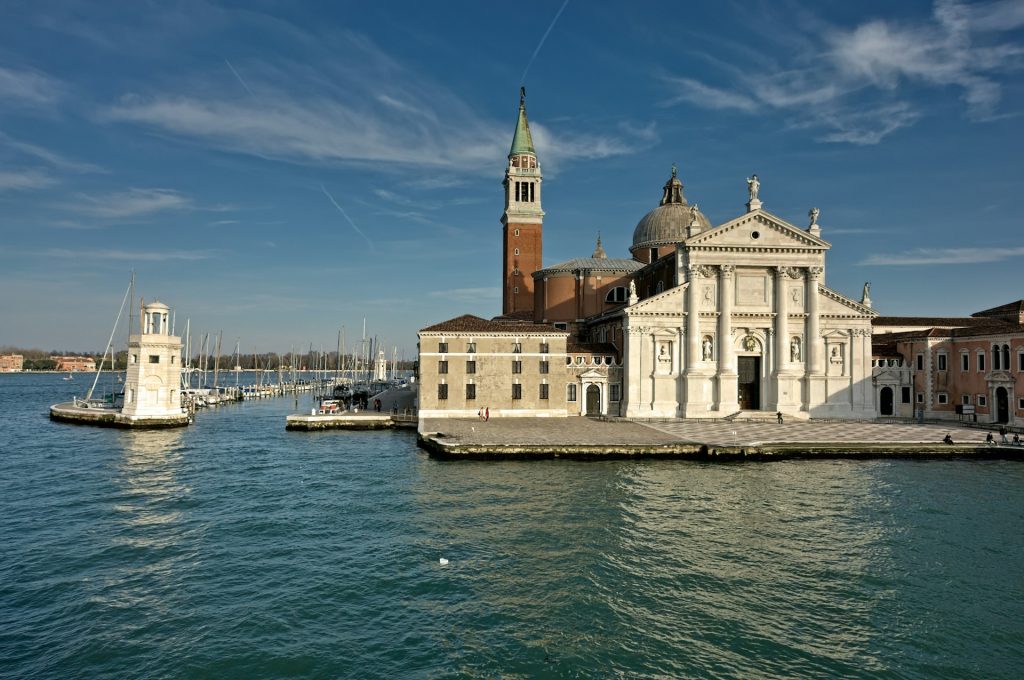
Venice still looks cinematic in every frame, but day visitors now face a structured entry system on peak dates. The city expanded its access-fee program, and last-minute bookings can cost more than advance ones, with enforcement tied to digital registration and checks in major entry zones.
That shift changes the mood for many first-time visitors. Instead of drifting in on impulse, people now plan around fee days, registration timing, and exemption rules, which can make a short visit feel more procedural than romantic during crowded months. The canals stay magical, yet the schedule around them is now part of the story. That surprise catches.
Amsterdam, Netherlands

Amsterdam’s canals and row houses remain photogenic, yet overnight visitors are folded into a tax structure that is higher than many expect at checkout. The city lists a tourist tax of 12.5% of the overnight price, and cruise day visitors face a separate per-passenger levy.
For budget-minded trips, that extra layer can reshape decisions about neighborhood, hotel category, and trip length. The letdown is rarely about the city itself; it is about how quickly total cost rises after service charges and local taxes are added to base rates. Beautiful evenings happen, but spending flexibility narrows sooner than expected. Sticker shock lingers.
Bali, Indonesia

Bali continues to dominate travel feeds, but arrivals now include a mandatory foreign tourist levy handled through the island’s official payment system. The fee is modest on paper, yet it marks a shift: the destination that once felt frictionless now asks for one more formal step.
That checkpoint can feel bigger when flights are delayed, transfer windows are tight, or mobile setup fails on arrival. The island still delivers culture and coastline, but many travelers now describe a more managed rhythm, where payment proof and timing decisions shape day one. Expectations stay high, while spontaneity shrinks a little. That change is noticeable.
Mount Fuji Trails, Japan
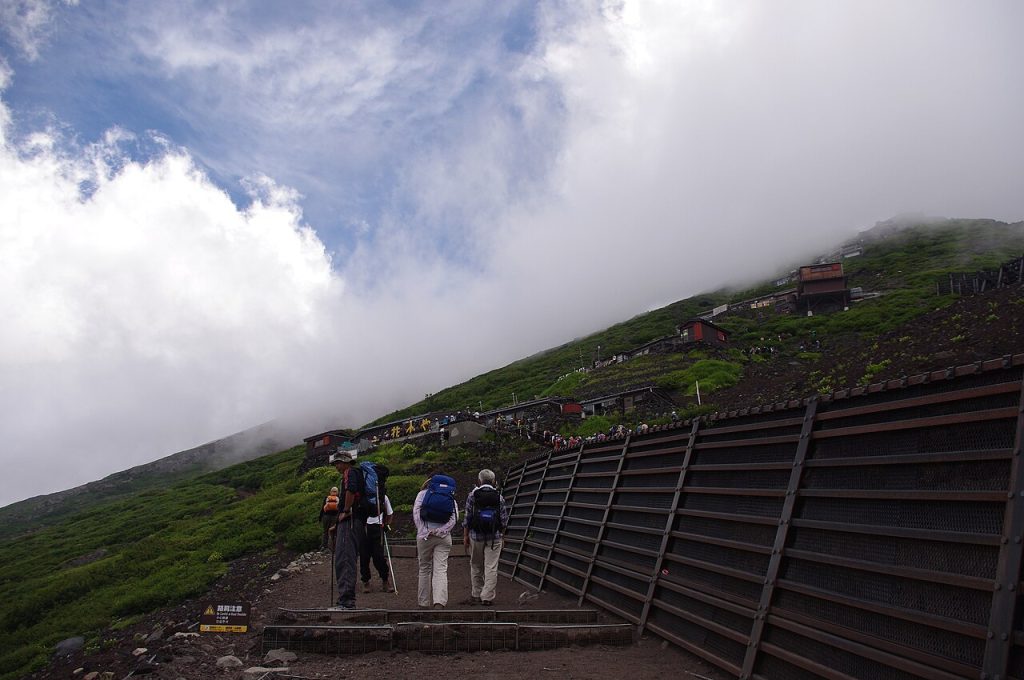
Mount Fuji remains one of the world’s most shared summit goals, but climbing has moved into a stricter framework than many older guides suggest. Official guidance notes updated rules, including a 4,000 yen fee and gate-hour controls on key routes.
The mountain is still extraordinary, yet the old image of a casual overnight push no longer matches current reality. Many hikers now need tighter pacing, earlier route choices, and clearer prep windows, so the challenge begins long before the trail at the planning stage itself. Online inspiration still works, but execution now demands daily discipline and closer timing coordination.
Machu Picchu, Peru
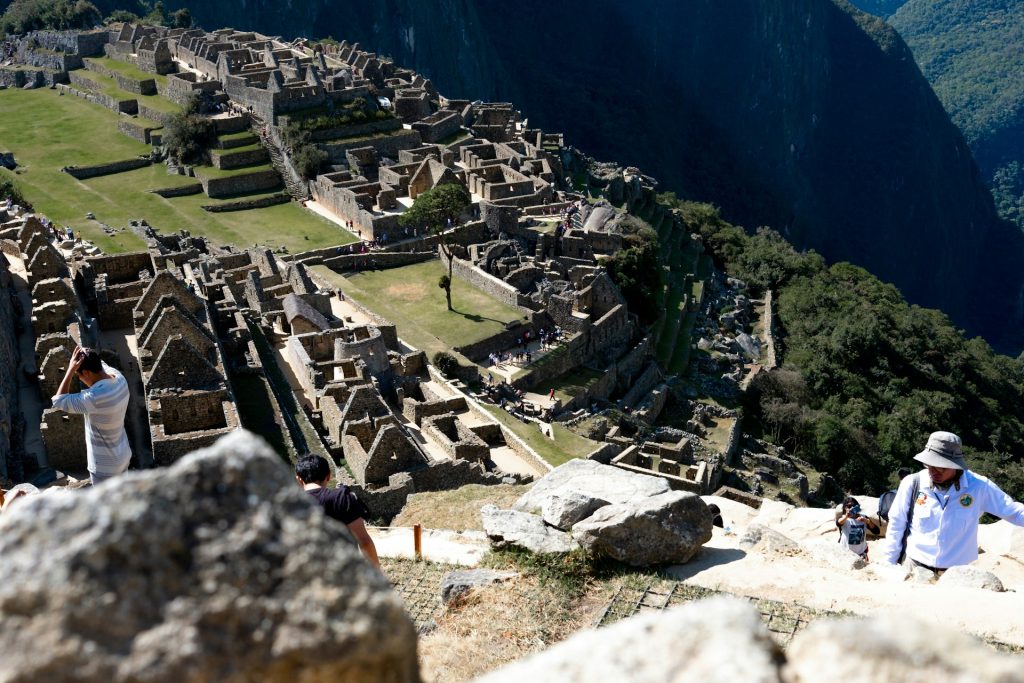
Machu Picchu images often suggest open movement through a vast stone citadel, yet entry is now organized through defined circuits and timed tickets. Peru’s official ticket platforms separate visits into route options with limited availability before arrival.
That structure protects the sanctuary, but it can frustrate travelers who expected freer movement once inside. Instead of deciding in the moment, many must commit to a circuit in advance, and missing a preferred slot can reshape the day around Aguas Calientes, bus lines, and rail timing. The wonder is real, but flexibility is narrower than photos imply, especially in busy months.
Arches National Park, Utah
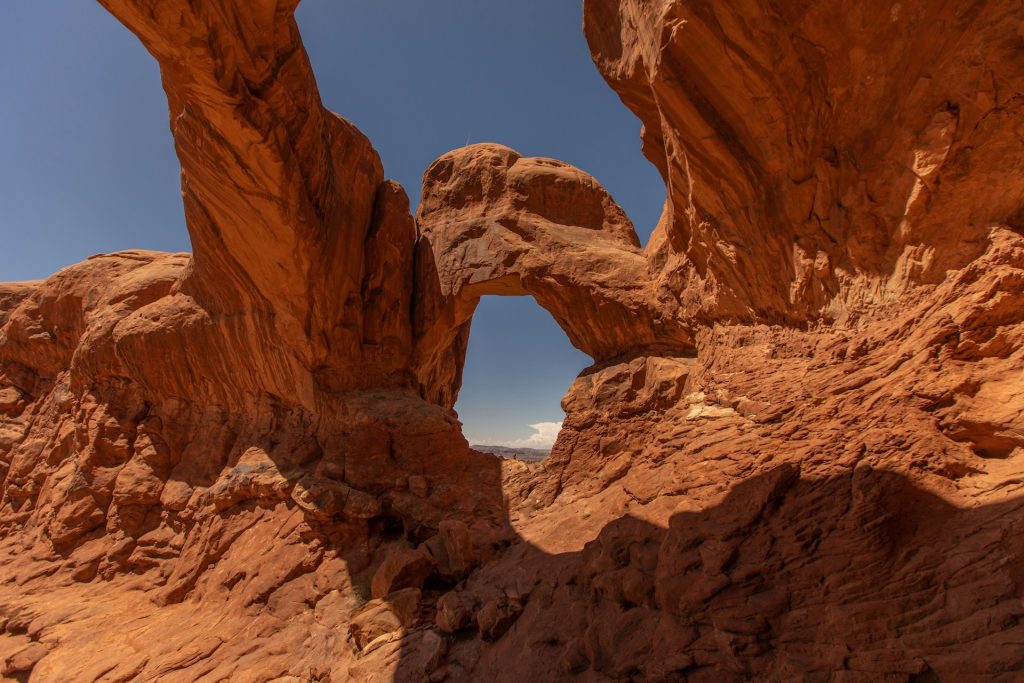
Arches National Park is famous for effortless desert horizons on social media, but real-world entry can depend on reservation policy during busy windows. The park’s official page notes that timed entry may be required and reservations are handled online.
For travelers driving through Utah on flexible schedules, that rule can feel like a pause in an otherwise fluid road trip. The landscape still delivers red-rock drama, yet access now rewards people who lock plans early instead of relying on sunrise spontaneity or last-minute detours. The arch is timeless; the logistics around it are not, and that contrast surprises first-time visitors.
Angels Landing in Zion, Utah
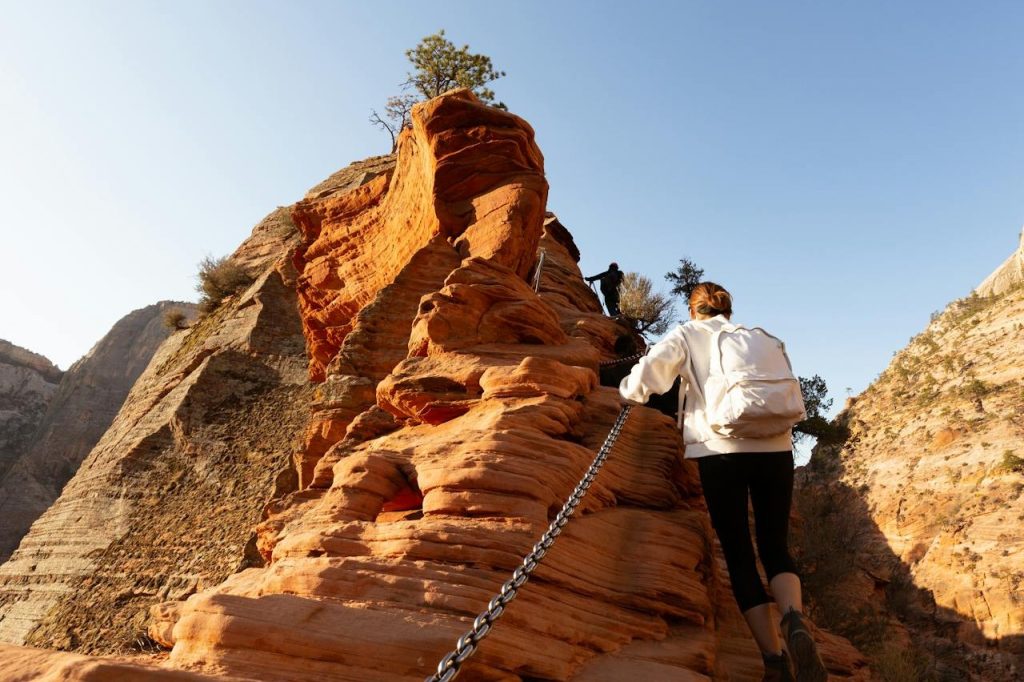
Angels Landing is one of Zion’s most iconic visuals online, but the hike beyond Scout Lookout requires a permit. The National Park Service and Recreation.gov outline seasonal lotteries, application windows, and fees for awarded permits.
That mismatch between viral imagery and limited access is where frustration starts. A trip can be carefully planned and still miss the trail section people traveled for, simply because permit odds, timing windows, or lottery dates did not align with the calendar. The canyon still impresses at every turn, but the signature photo spot is no longer guaranteed there, even with strong preparation.
Cadillac Summit Road, Maine
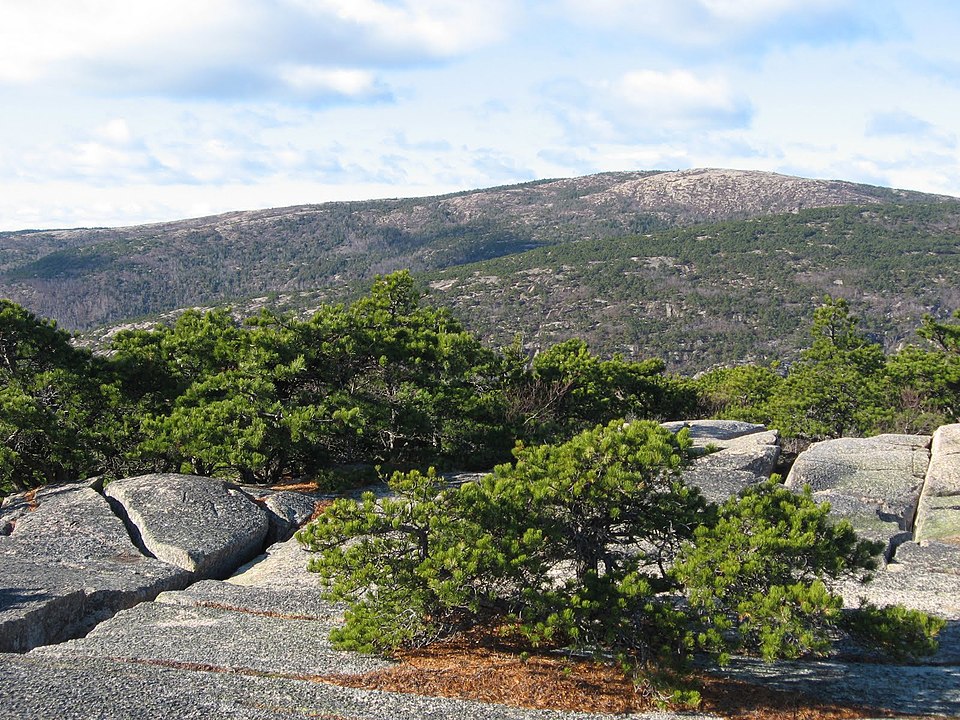
Cadillac Summit sunrise in Acadia appears effortless in short videos, yet vehicle access on popular dates is reservation-based. Park guidance states that a booking is required for the summit road during the active season, and slots tighten quickly around holidays.
The result is a familiar travel letdown: the viewpoint exists, the weather cooperates, but the reservation is gone. Visitors who expected a simple predawn drive often discover that the most photographed moment in the park depends on advance planning that starts days earlier. The reward remains exceptional, but the route now runs through an online calendar first.
Haleakala Summit, Hawaii

Haleakala sunrise looks quiet and expansive online, but before-dawn entry is managed through a vehicle reservation system. Recreation.gov states that reservations are required for entry between 3:00 a.m. and 7:00 a.m., with limited, nonrefundable access.
That policy protects a fragile summit environment, yet it also changes the emotional script of the visit. Instead of spontaneous wonder, many travelers face alarms, booking windows, and strict check-in expectations, turning a poetic sunrise into a timed logistical exercise. The view still delivers, but preparation now carries almost as much weight as the moment itself, every single visit.
Antelope Canyon, Arizona

Antelope Canyon appears in endless reels with glowing sandstone light, but access is not open for independent wandering. Navajo Nation Parks states that Antelope Canyon locations are accessible only through guided tours with mandatory guides and separate entry plus operator costs.
For many visitors, the experience is beautiful but more structured than expected. Group timing, operator rules, and photography pacing shape every minute, so the real visit feels less like private discovery and more like a managed cultural and safety-centered route. Expectations built on solitary visuals often soften once people see how tightly access is organized.
The Wave, Arizona-Utah Border
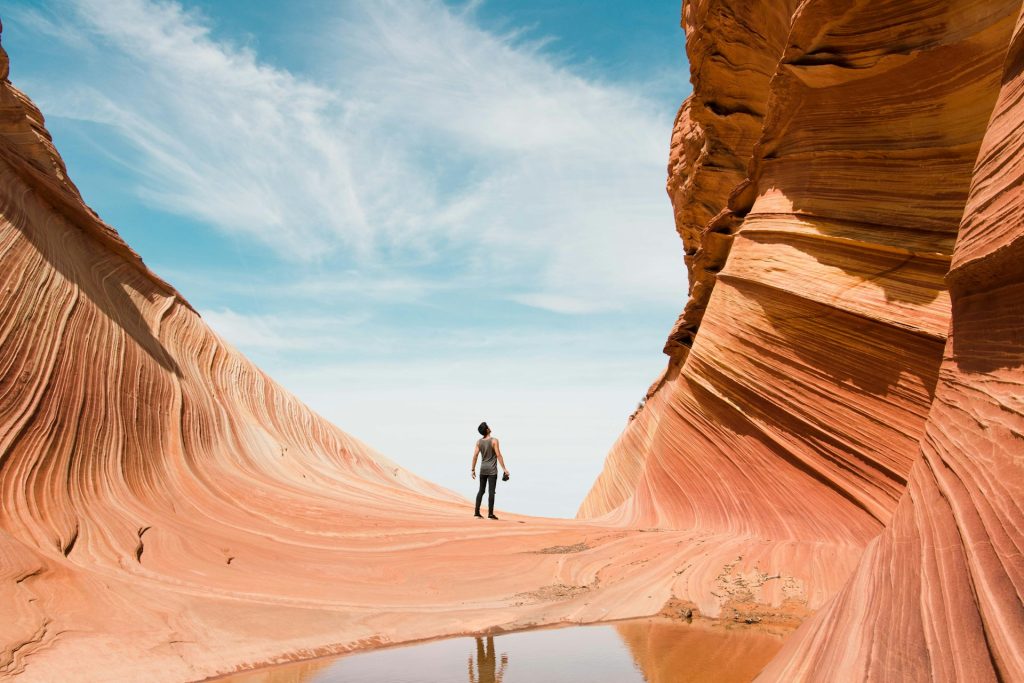
The Wave is one of the internet’s favorite dream landscapes, yet entry is governed by a permit lottery with strict quotas. Recreation.gov details monthly lotteries, fees, small group limits, and a capped daily total for Coyote Buttes North.
Even successful applicants face a strenuous, unmarked route where weather and road conditions can quickly change outcomes. That gap between postcard simplicity and field reality explains why many people admire the destination online but postpone or abandon in-person plans after reviewing rules, terrain, and timing risk. The image is serene; preparation is demanding, technical, and weather-sensitive.