11 Trips That Leave Room to Rest
Some trips feel restorative because they allow space for rest rather than constant movement. These journeys are shaped by pace, setting, and structure that do not demand packed schedules or early starts. They emphasize rhythm over urgency, making room for sleep, reflection, and unplanned moments. Rest focused trips often rely on geography, transportation ease, or cultural habits that value slower days. Instead of checking lists, they invite pauses built naturally into the experience. Each of these trips offers opportunities to recharge physically and mentally, proving that meaningful travel does not require exhaustion or nonstop activity to feel complete. This approach encourages balance, presence, and long term enjoyment.
Slow Train Travel Through Switzerland
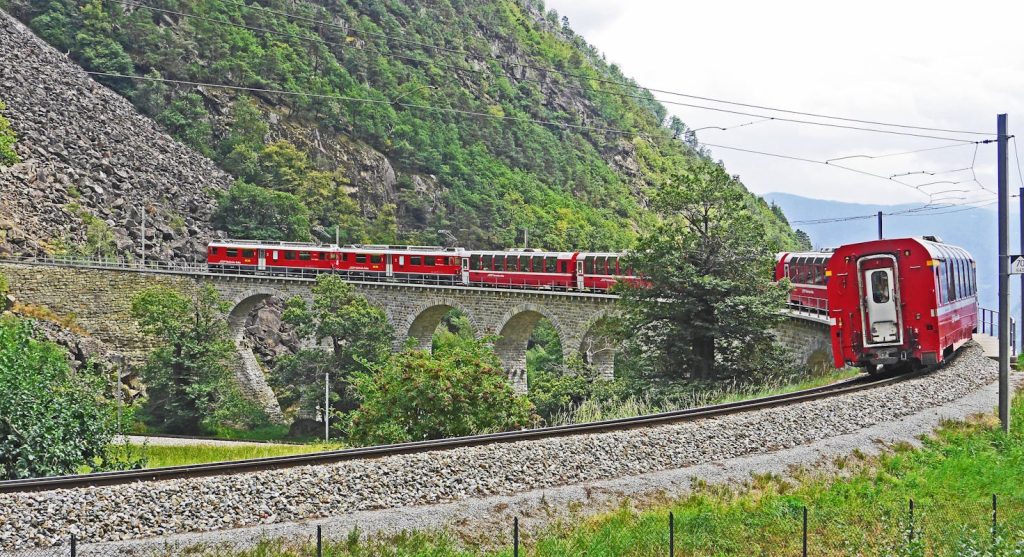
Slow train travel through Switzerland leaves room to rest by combining efficiency with comfort. Trains run frequently, on time, and through scenic routes that reduce the need for constant planning. Large windows encourage observation without effort. Stations connect easily to towns, limiting transfers and stress. Seating remains comfortable for long stretches, allowing reading or sleep. Movement happens smoothly rather than abruptly. There is no need to rush between destinations. The journey itself becomes restful, blending motion with stillness. Swiss rail culture prioritizes reliability and calm, creating travel days that feel balanced rather than draining or compressed by unnecessary urgency.
Countryside Stay In Provence
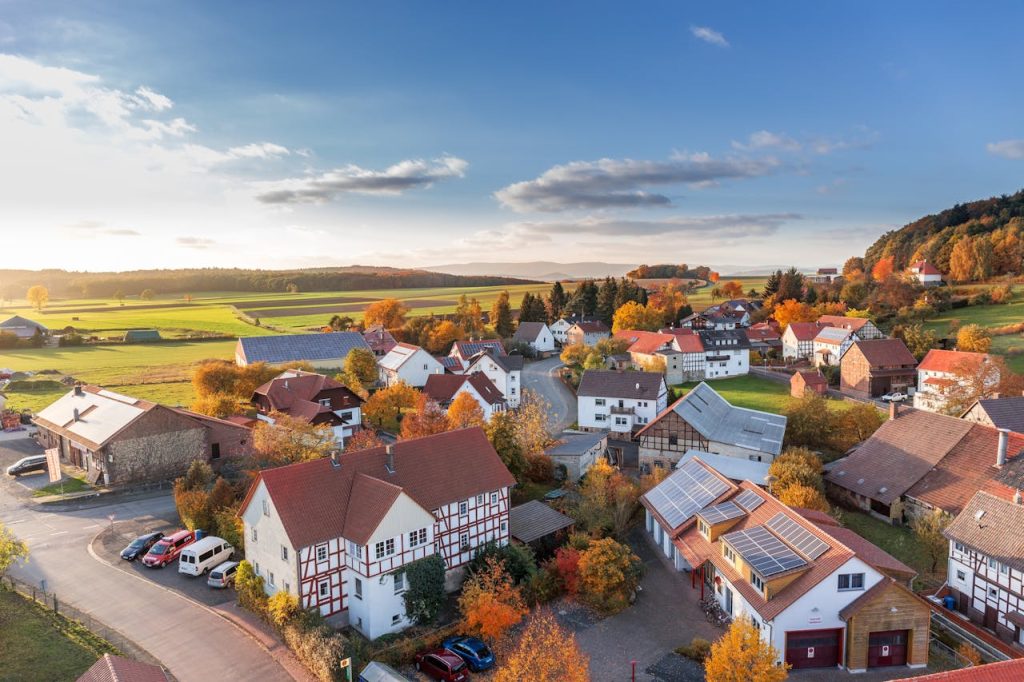
A countryside stay in Provence allows rest through its unhurried rural rhythm. Small villages operate on predictable schedules shaped by meals, markets, and daylight. Roads remain quiet, and distances between activities are manageable. Mornings start gently, often without strict itineraries. Afternoons slow naturally as temperatures rise. Evenings center on shared meals rather than entertainment. The landscape encourages sitting, walking, or observing rather than rushing. Local culture values lingering over food and conversation. This environment supports restorative travel by aligning daily pace with natural cycles, offering space to pause without feeling unproductive or disconnected from place.
Coastal Towns In Southern Portugal
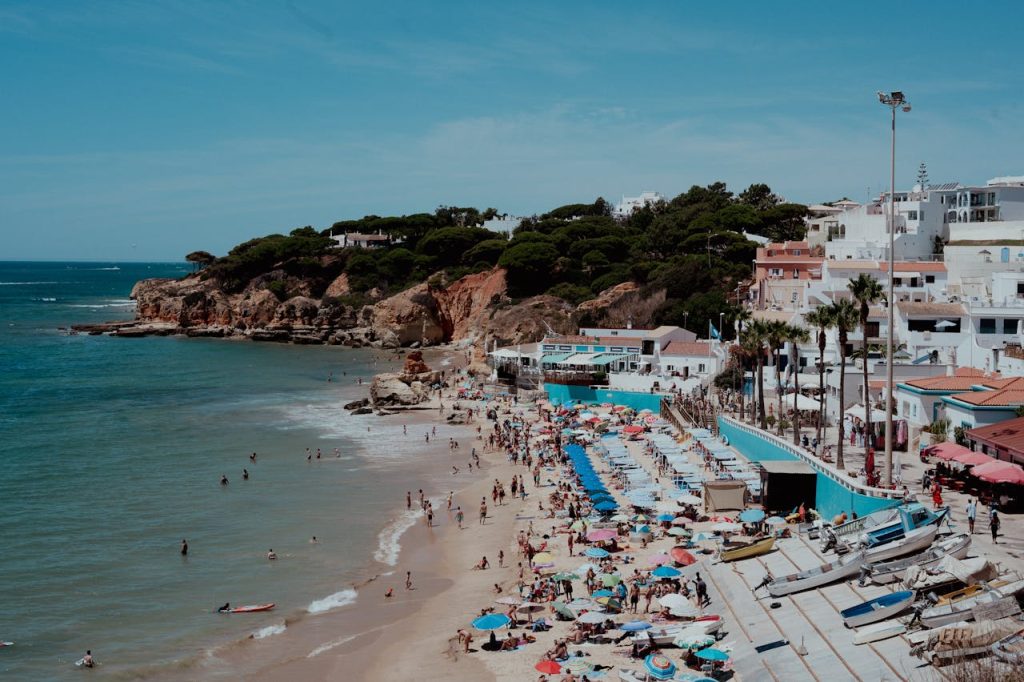
Southern Portugal’s coastal towns leave room to rest through consistent climate and relaxed routines. Outside brief summer peaks, daily life moves calmly. Beaches stretch long, reducing crowd pressure. Cafes and promenades invite lingering rather than quick stops. Walking distances remain short, minimizing strain. Public transportation connects towns without urgency. Evenings begin late, allowing slow afternoons. The ocean sets a steady rhythm that shapes days naturally. These towns prioritize simple pleasures like light meals and conversation. Travel here feels spacious because time is not tightly scheduled, allowing rest to integrate naturally into exploration without sacrificing engagement.
River Cruising In Europe
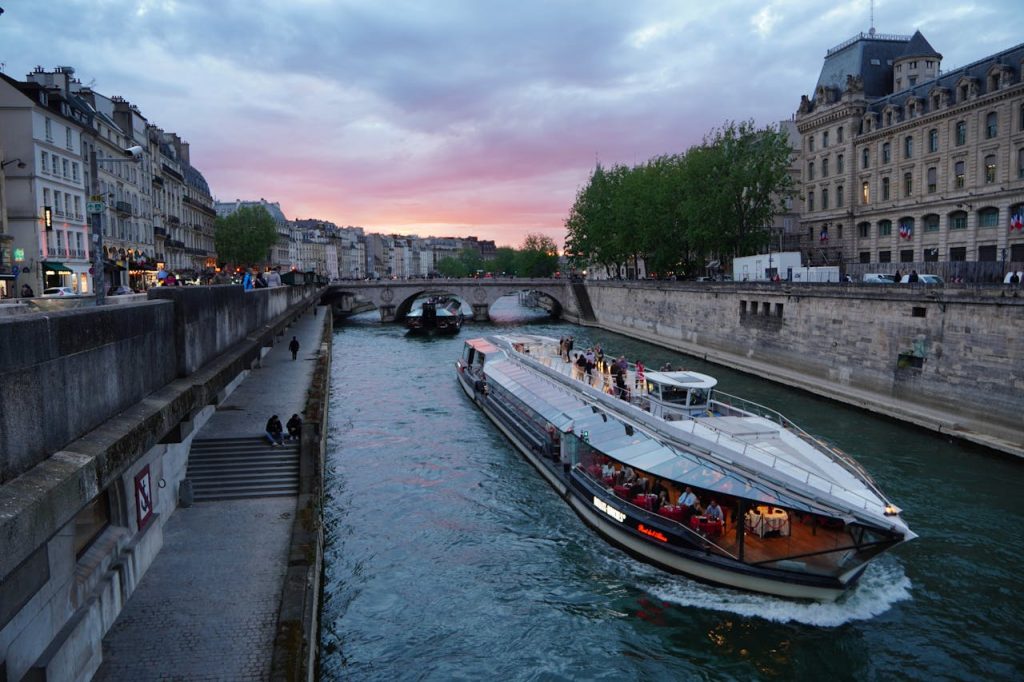
River cruising in Europe creates rest by removing daily logistical decisions. Accommodation, meals, and transport remain consistent throughout the journey. The cabins provide private space for downtime between stops. Excursions tend to be short and optional. Movement happens overnight or gradually during the day. There is no packing and unpacking between locations. Viewing landscapes from the deck requires no physical effort. This structure reduces fatigue while still offering cultural exposure. River cruises balance activity with rest by design, making them suitable for travelers who value comfort and predictability alongside discovery without feeling pressured to maximize every hour of their time.
New Zealand South Island By Campervan
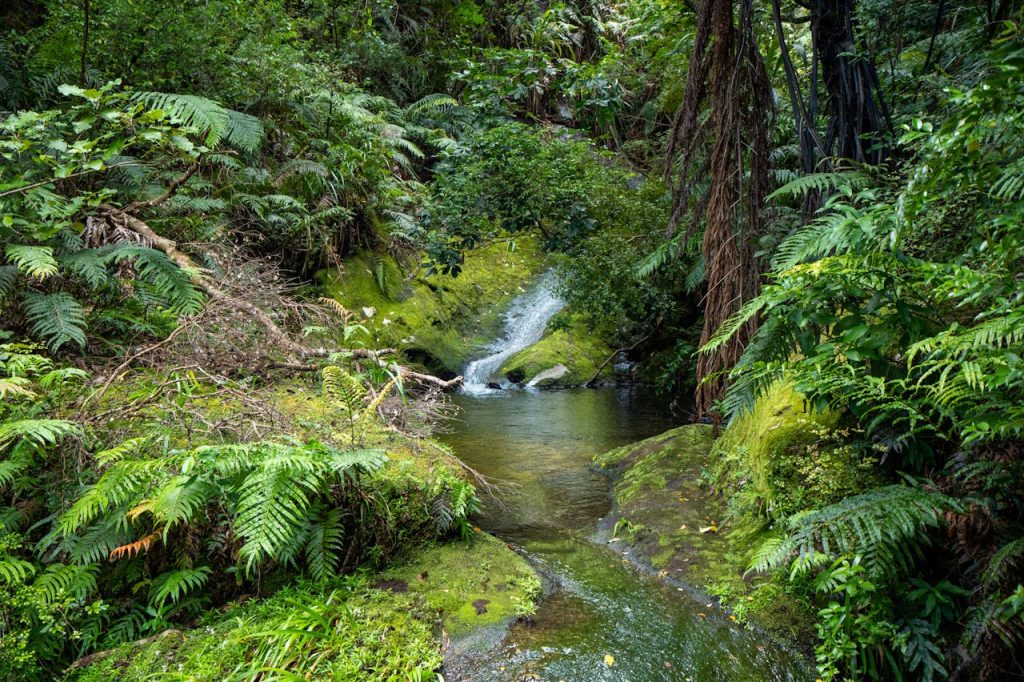
Exploring New Zealand’s South Island by campervan leaves room to rest through flexible pacing. The distances between destinations encourage fewer stops rather than constant movement. The campsites integrate views directly into rest spaces. Driving schedules remain adjustable based on weather or energy levels. Activities like lakeside walks or scenic overlooks require minimal effort. Infrastructure supports overnight stays without complex planning. The landscape itself invites stillness through scale and quiet. This style of travel allows days to unfold organically, balancing driving with downtime. Rest becomes part of the journey rather than a recovery phase after overly ambitious plans.
Japanese Hot Spring Towns
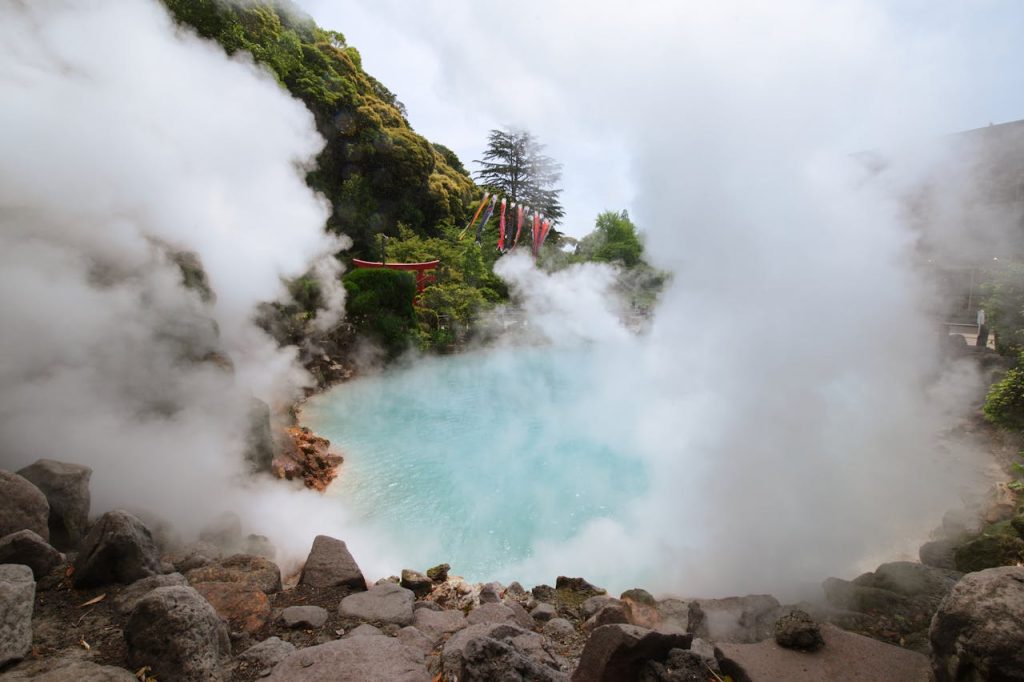
Japanese hot spring towns support rest through cultural emphasis on relaxation and routine. Onsen visits structure days gently, encouraging slow movement and reflection. Accommodations often include meals, reducing planning demands. Streets remain walkable and calm, especially in the evening. Silence and etiquette reinforce restful behavior. Natural settings enhance quiet. Travel between towns uses efficient rail systems, limiting stress. These towns exist specifically for restoration, not spectacle. The experience prioritizes soaking, eating, and sleeping in balance. Rest is not incidental but central, making these destinations ideal for travelers seeking renewal through tradition and simplicity.
Canadian Lakeside Cabins
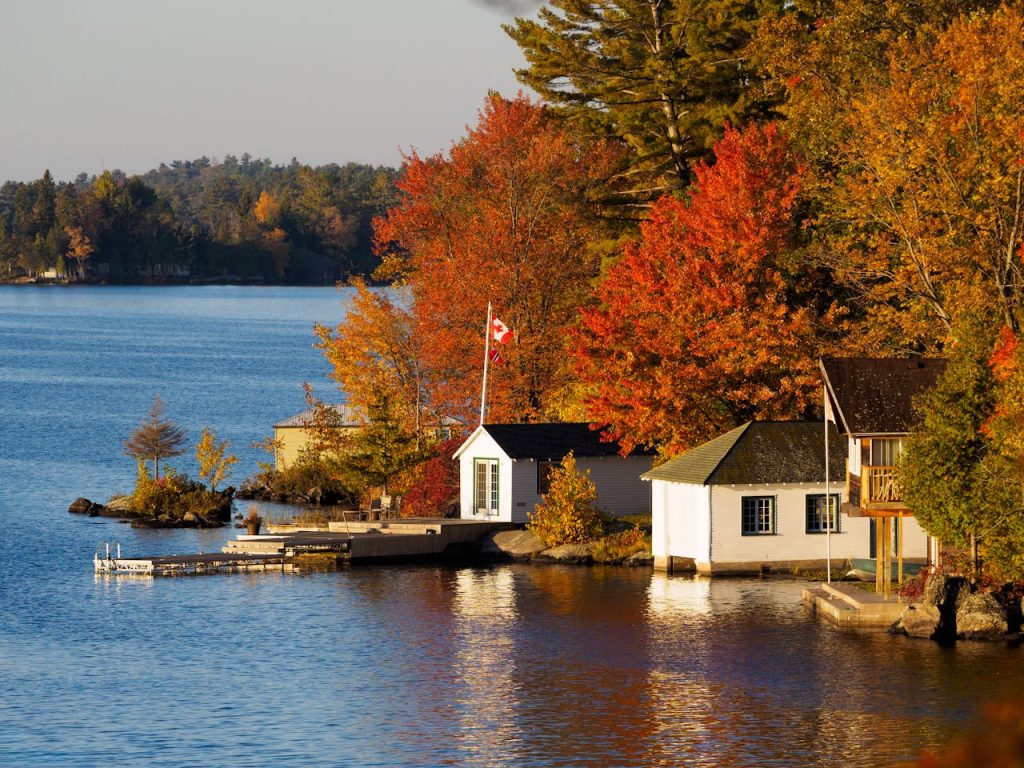
The Canadian lakeside cabins leave room to rest by removing urban urgency. Days revolve around light, weather, and water rather than schedules. Activities remain optional and low impact, such as paddling or reading. Cabins provide contained comfort without constant stimulation. The distances between locations reduce temptation to overplan. Silence dominates soundscapes, encouraging deeper rest. Evenings slow naturally as daylight fades. The environment supports mental quiet through repetition and predictability. Travel here emphasizes presence rather than movement. Lakeside stays allow recovery by offering structure without demand, making rest an integral part of the overall experience.
Tuscany Without A Fixed Itinerary
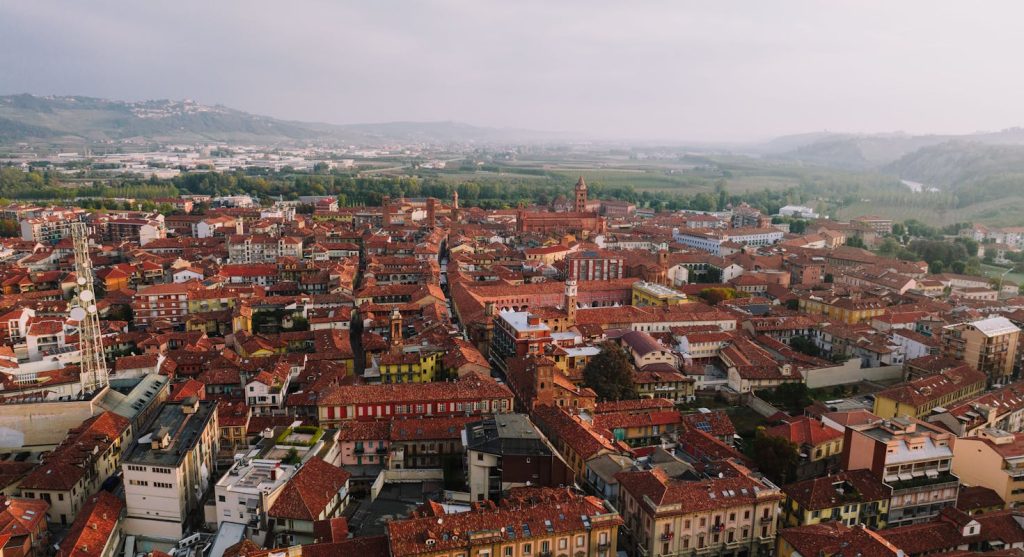
Traveling through Tuscany without a fixed itinerary creates rest through flexibility. Short distances between towns reduce travel fatigue. Meals anchor the day, providing natural pauses. Countryside landscapes invite lingering rather than rushing. Roads support wandering without pressure to reach specific sites. Lodging often encourages longer stays. Cultural norms favor slow dining and conversation. Removing rigid plans allows energy to guide choices. This approach reduces decision fatigue and stress. Tuscany’s rhythm rewards unstructured time, making rest feel intentional rather than accidental. Travel becomes adaptive, allowing both exploration and stillness to coexist comfortably.
Iceland With Extended Base Stays
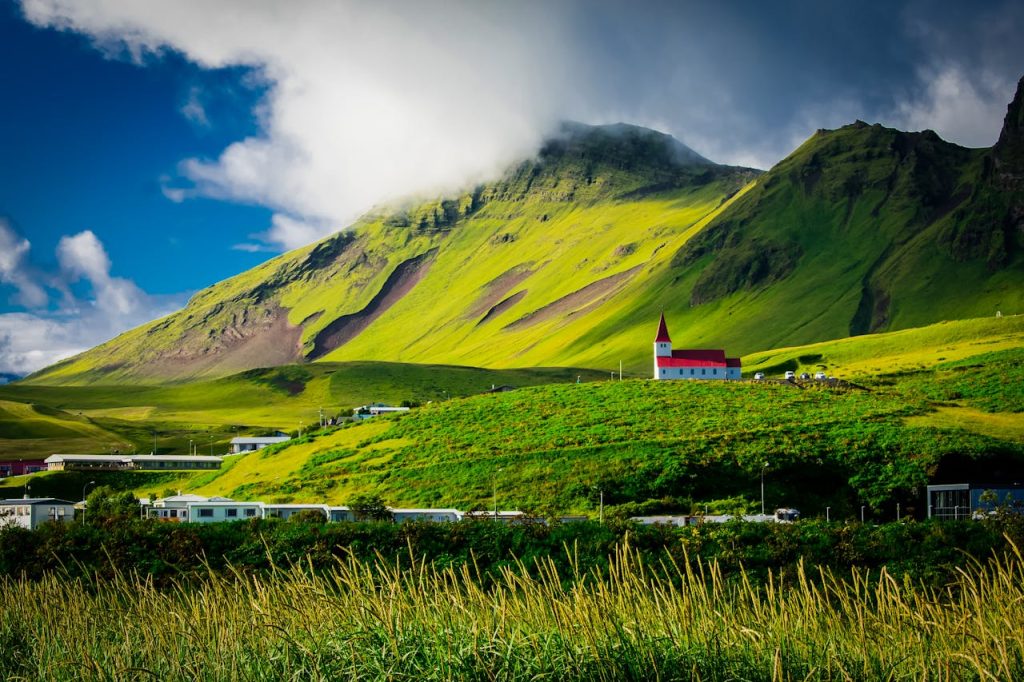
Iceland with extended base stays leaves room to rest by limiting constant relocation. Choosing one area for several nights reduces packing and driving fatigue. Day trips remain optional and manageable. Natural attractions often require minimal walking. Weather variability encourages flexibility rather than obligation. Even downtime offers scenic value. Lodging tends to be quiet and insulated. Long daylight hours allow gentle pacing without urgency. This structure balances exploration with recovery. Staying put allows deeper familiarity and rest between outings. Iceland’s vastness becomes less demanding when movement slows, making the trip restorative rather than exhausting. This approach supports sustainable, relaxed travel.
Inland Japan Rural Stays
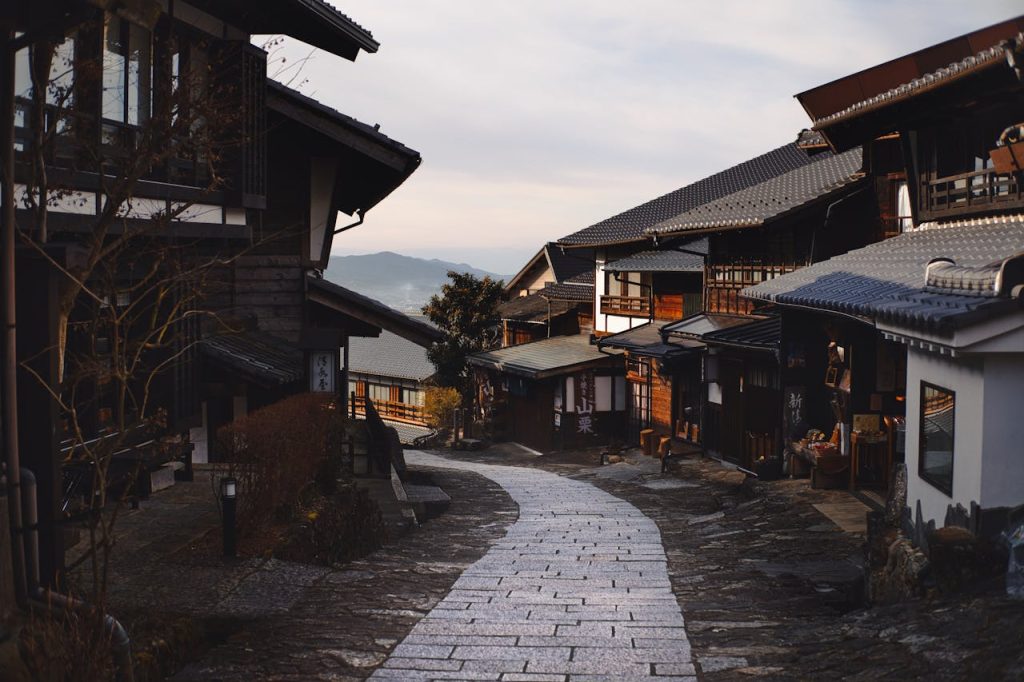
Inland Japan rural stays create space for rest through simplicity and routine. Villages operate quietly, with limited nightlife or crowds. Their daily schedules center on meals, walks, and observation. Transportation connections remain reliable but infrequent, discouraging rushing. Lodging often emphasizes minimalism and comfort. Surroundings promote silence and reflection. There is little pressure to see multiple attractions. Instead, time expands through repetition. Rural settings offer calm without isolation. Rest emerges naturally from predictability and reduced choice. These stays demonstrate how limited stimulation can deepen recovery while still providing cultural immersion.
Scandinavian Summer Cottage Trips
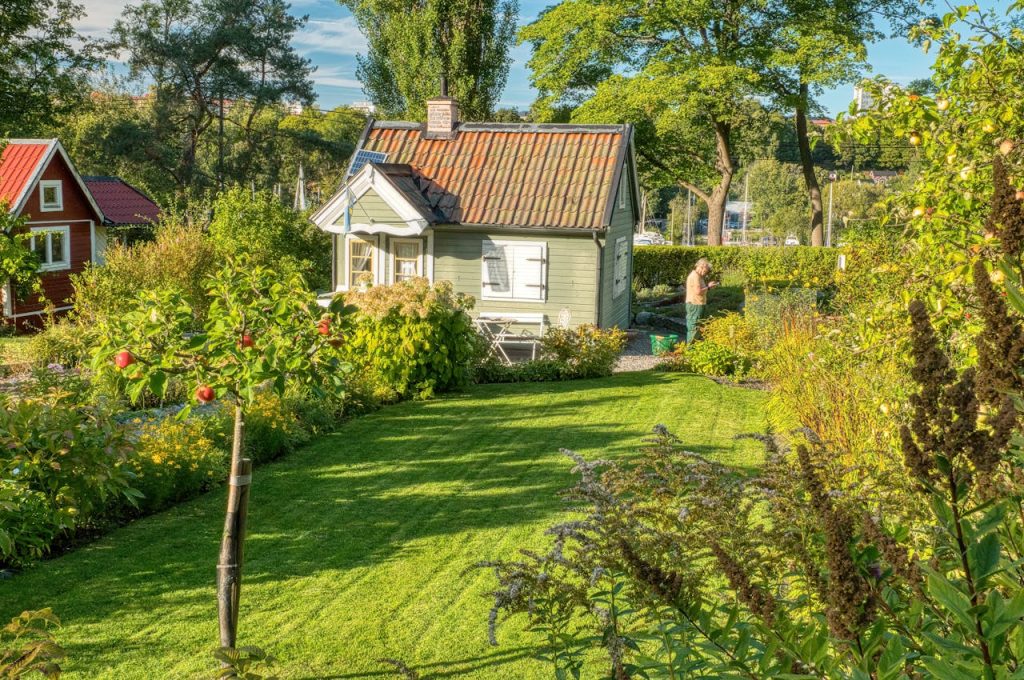
Scandinavian summer cottage trips leave room to rest by design. Days revolve around light, weather, and simple activities. Cottages prioritize comfort over entertainment. Lakes, forests, and open space reduce noise and distraction. Social expectations emphasize calm togetherness rather than activity. There is no urgency to move between sites. Travel distances are short once settled. Meals are simple and unhurried. This style of travel values balance and restoration. Rest becomes the purpose rather than a side effect. Scandinavian cottage culture shows how slowing down enhances well being without sacrificing connection to place. Quiet routines foster mental clarity, deeper sleep, and sustained relaxation.