11 U.S. Cities Americans Are Starting Over In

My original relocation plan for 2025 focused on the obvious choices. I envisioned moving to a high-growth Sunbelt metropolis like Austin or Phoenix, chasing the promise of endless sunshine, a booming tech sector, and a modern apartment with a pool. It was the standard playbook for millions of Americans over the last decade. But as I crunched the numbers for 2026, the math no longer worked. Skyrocketing insurance premiums, heat-driven utility costs, and median home prices that have outpaced wages forced a hard pivot. The dream of the trendy migration hub has been replaced by a search for stability, genuine affordability, and communities where the cost of entry does not require leveraging a financial future.
This shift represents a broader national trend where value is becoming the ultimate luxury. Urban planners and demographic researchers note that the migration map is redrawing itself away from the overheated markets of the 2010s toward cities that offer functional infrastructure and lower climate risk. The appeal of the “it city” is fading as Americans prioritize long-term solvency over hype. I realized that starting over now means finding a place where a paycheck actually builds wealth rather than just covering the rent.
Tulsa, Oklahoma
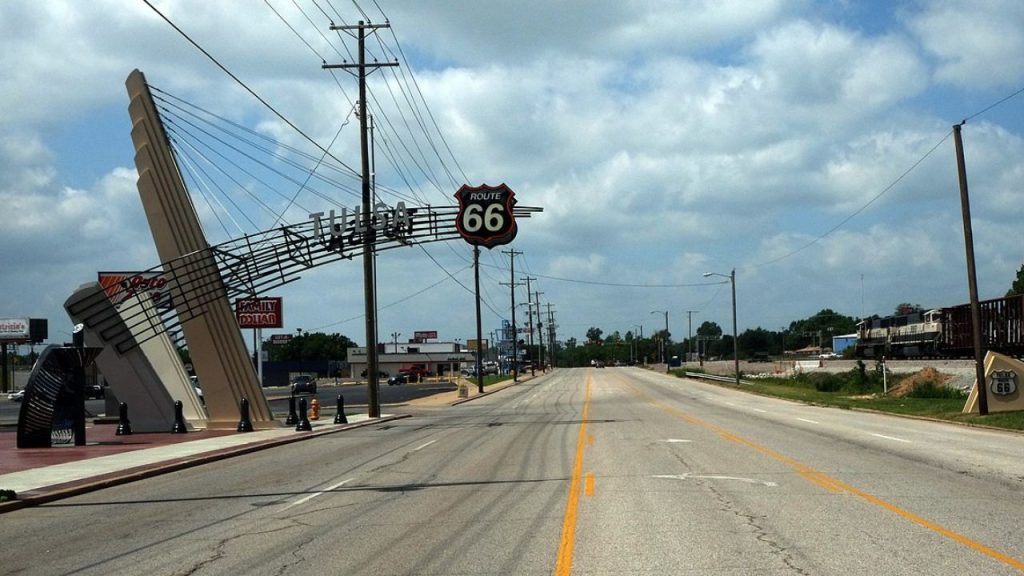
Tulsa has aggressively positioned itself as the antidote to the coastal affordability crisis through direct financial incentives. Economic developers and remote work analysts cite the Tulsa Remote program, which pays qualifying workers to relocate, as a primary driver for the city’s demographic shift. Beyond the cash grant, the program connects newcomers with a built-in community, solving the social isolation that often accompanies a cross-country move. Real estate data shows that a median income here can still secure a historic home in a walkable neighborhood, a mathematical impossibility in the high-demand Sunbelt markets.
Housing economists report that the low cost of living allows residents to maximize savings and travel budgets. The city has invested heavily in public parks like the Gathering Place, which urban designers often rank among the best in the nation. This investment signals a municipal commitment to quality of life that rivals much larger metros without the associated price tag. That is the shift from struggling to survive in a tier-one city to thriving in a tier-two hub.
This city is defined by Art Deco architecture, a rich musical heritage, and a distinct prairie cosmopolitanism.
A significant tradeoff involves the political and cultural adjustment for those coming from deep blue coastal centers. Political analysts note that while the city center is diversifying, state-level policies on education and reproductive health may conflict with the values of some transplants. The weather also carries risk, as meteorological data confirms the region is prone to severe storms and tornadoes in the spring.
Buffalo, New York
Buffalo is emerging as a leading destination for those seeking climate resilience and architectural grandeur at a fraction of the national price. Climate scientists and urban adaptation experts frequently identify the Great Lakes region as a future haven due to its abundant fresh water and cooler average temperatures compared to the frying South. The city is leveraging this “climate refuge” status to attract residents fleeing heat stress and water scarcity in the West.
Historic preservationists note that the housing stock includes Gilded Age mansions and solid Victorian homes that sell for prices unseen in major markets. The city has pivoted from its Rust Belt decline to a medical and education-based economy. Regional planners highlight the Buffalo Niagara Medical Campus as an economic engine that provides stable, high-wage employment unrelated to the volatile tech sector. That tradeoff matters when stability is the goal.
The city offers a lakefront location, a passionate sports culture, and an established winter lifestyle.
The tradeoff is the severity of the winter season. Meteorological records show that lake-effect snow can bury the city in feet of accumulation within hours, requiring a level of physical hardiness and logistical preparation that creates a steep learning curve for newcomers. High property taxes also eat into the savings on the mortgage principal.
Huntsville, Alabama
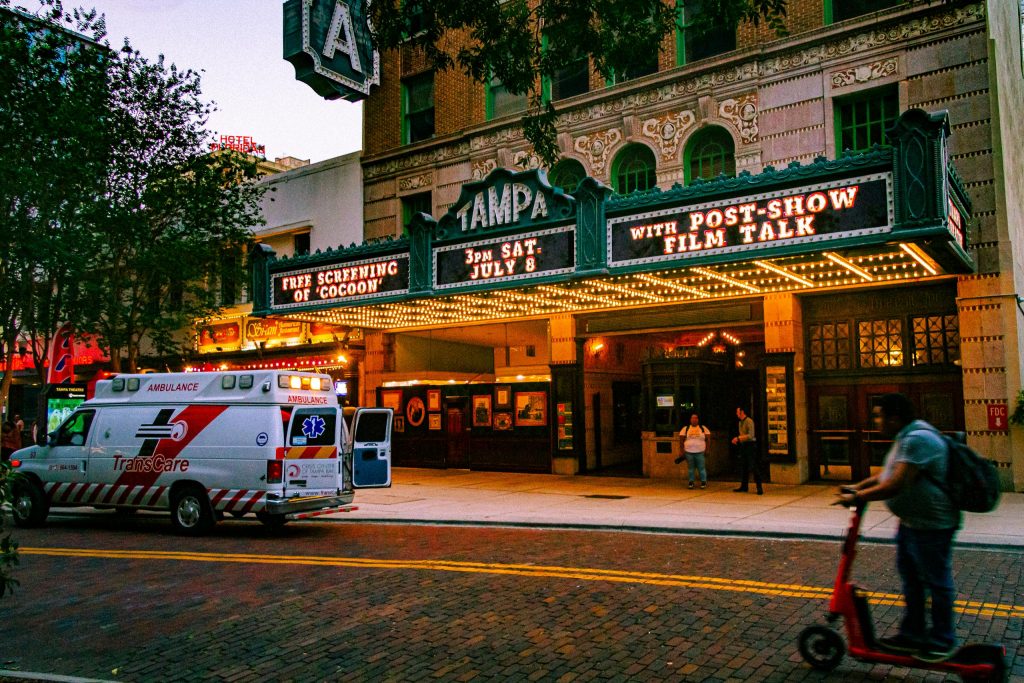
Huntsville has quietly become the premier destination for STEM professionals seeking high wages without the crushing costs of Silicon Valley or Seattle. Defense analysts and aerospace recruiters explain that the massive presence of NASA and the Redstone Arsenal creates a recession-resistant job market. This concentration of engineering talent has fostered a highly educated population and a demand for high-quality amenities, shifting the perception of what an Alabama city looks like.
Real estate researchers point out that while prices are rising, they remain significantly below the national average for a city with such high median incomes. The disparity between earning potential and cost of living creates a surplus that allows families to build equity rapidly. Unlike the overheated Sunbelt metro where rent consumes half a paycheck, Huntsville offers a path to rapid homeownership.
This city is characterized by rocket science history, sprawling greenways, and a distinct mix of Southern pace and high-tech ambition.
A tradeoff involves the lack of traditional urban density. Urban planners describe the city as sprawling and car-dependent, with limited public transit options compared to legacy cities. Transplants may find the cultural landscape more conservative and less varied than in major coastal hubs, and the summer humidity is intense.
Pittsburgh, Pennsylvania
Pittsburgh has successfully transitioned from a steel giant to a hub of robotics, healthcare, and higher education. Economic historians cite the city as a model for post-industrial reinvention, driven by the intellectual capital of Carnegie Mellon University and the University of Pittsburgh. This “eds and meds” foundation provides a stable economic floor that protects residents from the boom-and-bust cycles that plague tourism-dependent economies.
Housing analysts emphasize the sheer value of the real estate market here. Sturdy brick homes in hilly, distinct neighborhoods are available at price points that allow for a single-income household to operate comfortably. The geography of rivers and hills creates natural boundaries that foster tight-knit community identities. That is why the math changes for young families looking for a permanent base.
The city is defined by its dramatic topography, hundreds of bridges, and a deep-rooted neighborhood pride.
The tradeoff is the air quality and cloud cover. Environmental monitors report that while vastly improved since the industrial era, the region still struggles with pollution levels higher than some rural areas. Furthermore, climate data indicates the city is one of the cloudiest in the nation, which can impact mental health for those accustomed to constant sunshine.
Knoxville, Tennessee
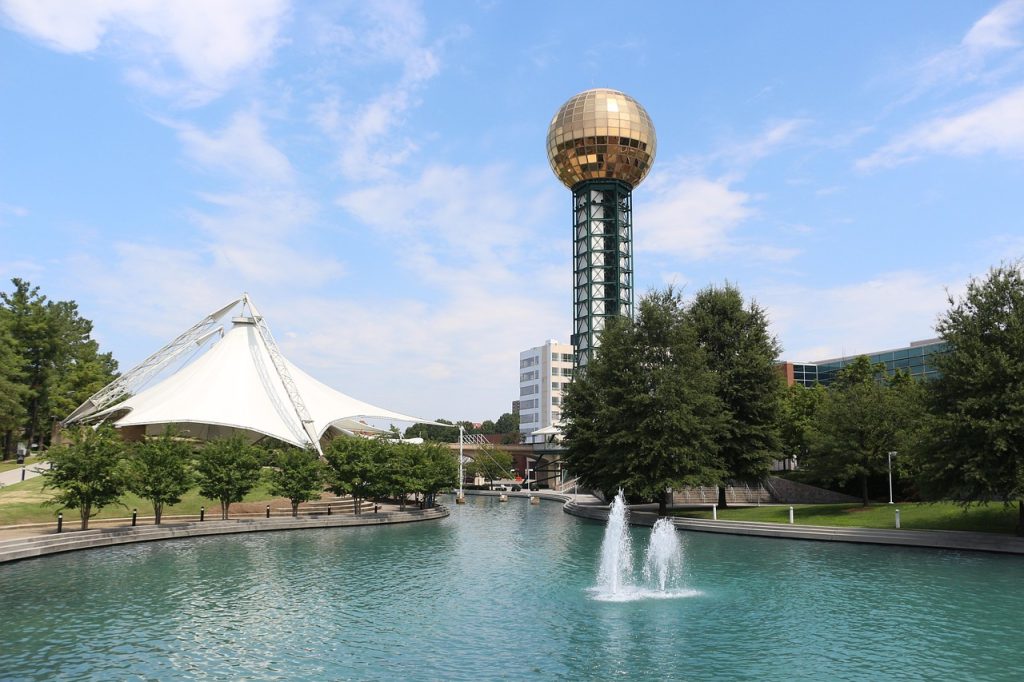
Knoxville draws residents with a combination of tax benefits and mountain access. Financial planners note that Tennessee’s lack of a state income tax is a massive draw for remote workers and retirees looking to stretch their earnings. Unlike the saturated markets of Nashville, Knoxville retains a manageable scale while offering direct access to the Great Smoky Mountains National Park.
Tourism and outdoor industry experts explain that the city has branded itself as a gateway to adventure. This appeals to active professionals who want hiking and boating to be part of their Tuesday evening, not just a once-a-year vacation. The University of Tennessee anchors the local economy, providing cultural events and sports entertainment that outpunch the city’s mid-sized weight.
This location offers a riverfront university town vibe, rolling foothills, and a growing craft culture.
The tradeoff is the rapid increase in traffic and housing competition. Local real estate agents warn that the secret is out, and inventory shortages are driving up prices, potentially eroding the affordability advantage. Additionally, public transportation is limited, making a car essential for daily life.
Madison, Wisconsin
Madison consistently ranks as one of the most livable cities in the country due to its stability and civic engagement. Sociologists and quality-of-life researchers attribute this to the stabilizing presence of the state government and a massive flagship university. These institutions insulate the local economy from national downturns and foster a highly engaged, progressive community.
Urban designers praise the city’s layout on an isthmus between two lakes, which forces a density that encourages biking and walking. The commitment to public spaces and farmer’s markets creates a strong sense of social cohesion. For those exhausted by the transient nature of the default expat hub, Madison offers a sense of permanence and civic roots.
The city is known for its lake culture, bicycle infrastructure, and a politically active population.
The tradeoff is a competitive housing market that is expensive relative to the rest of the Midwest. Housing advocates note that the geographic constraints of the isthmus limit development, keeping vacancy rates low and rents high. The winter climate is also long and harsh, requiring a significant tolerance for freezing temperatures.
Cleveland, Ohio
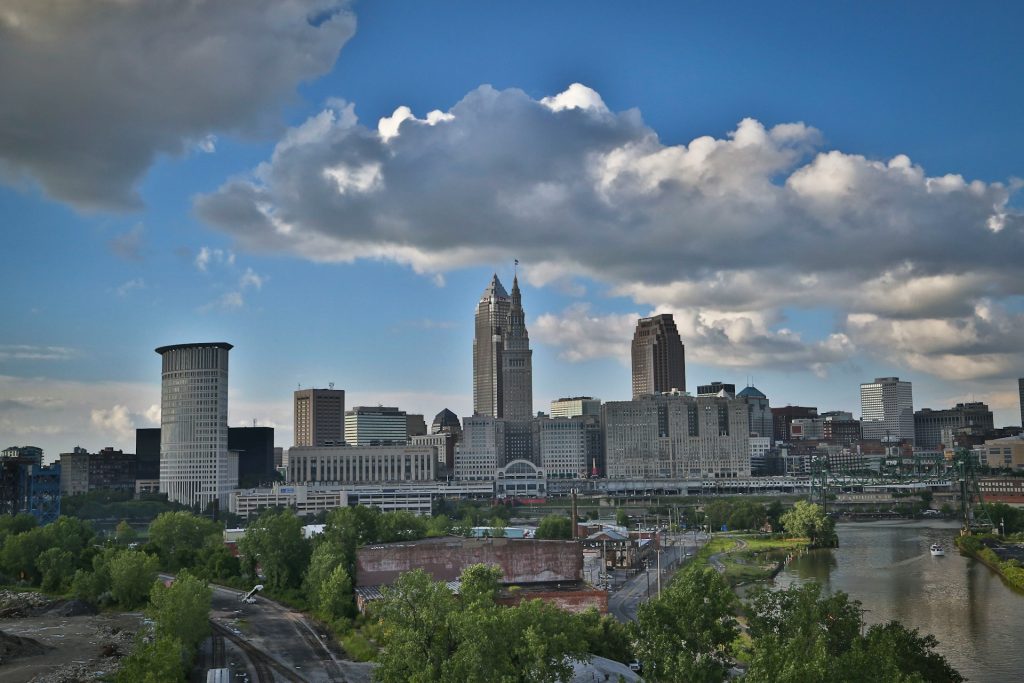
Cleveland offers world-class cultural and medical institutions at a price point that is virtually extinct elsewhere. Healthcare recruiters highlight the Cleveland Clinic as a global draw that brings international talent and steady employment to the region. This economic anchor supports a cultural ecosystem, including a renowned orchestra and art museum, that was built during the city’s industrial peak and remains accessible today.
Real estate investors report that the rental yields and entry prices in Cleveland are among the most attractive in the nation. It is possible to buy a renovated home near cultural amenities for less than a down payment in the overheating coastal cities. This financial freedom allows residents to take risks on new businesses or creative pursuits.
This city offers a Great Lakes waterfront, a legacy of philanthropic wealth, and a gritty resilience.
The tradeoff includes navigating visible economic disparity and pockets of urban blight. Socioeconomic researchers point out that the recovery has been uneven, with some neighborhoods thriving while others face significant challenges. The winter weather is also influenced by the lake, bringing heavy snow and persistent gray skies.
Fayetteville, Arkansas
Fayetteville and the broader Northwest Arkansas region have exploded into a major economic hub driven by corporate investment. Retail and logistics analysts point to the headquarters of massive global companies as the catalyst for a rapid accumulation of wealth and amenities. To attract top talent, these corporations and local foundations have funded world-class mountain biking trails, museums, and arts centers.
Urban planners cite the region as a unique experiment in building a metropolis from scratch in the 21st century. The investment in cycling infrastructure specifically has branded the city as a haven for outdoor enthusiasts who want a career in corporate America without the concrete jungle. That tradeoff matters for lifestyle-focused professionals.
The area is characterized by Ozark topography, a university atmosphere, and a fusion of corporate and counterculture vibes.
A tradeoff is the rapid suburban sprawl and infrastructure strain. Traffic engineers note that the road network has struggled to keep pace with population growth, leading to congestion. The region also lacks the deep historical roots and diversity of older American cities, which can make it feel somewhat manufactured to some newcomers.
Omaha, Nebraska
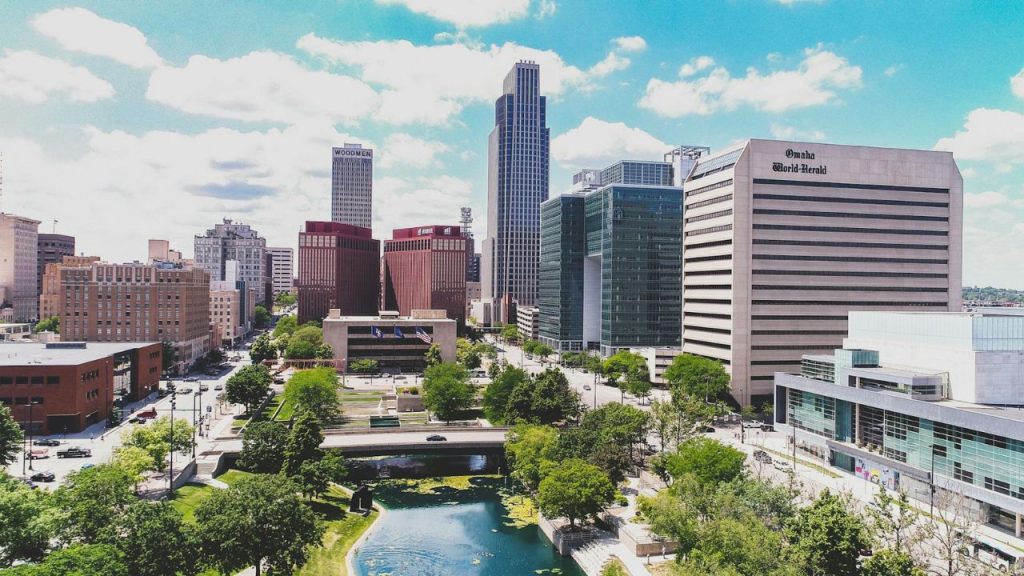
Omaha offers a distinct brand of Midwestern stability backed by a diverse corporate landscape. Financial analysts often refer to the city as a quiet powerhouse, home to multiple Fortune 500 companies that provide high-paying jobs in finance, insurance, and construction. This economic diversity buffers the city against sector-specific crashes, offering a level of security that the volatile tech hubs cannot match.
Demographers note that the city is particularly attractive to young families due to its highly rated school districts and short commute times. The “20-minute city” concept is a reality here, reclaiming hours of the week previously lost to traffic. The cost of living allows for a lifestyle that includes private education and homeownership, benchmarks that are slipping away elsewhere.
This city is defined by a historic market district, a pragmatic business culture, and a friendly social fabric.
The tradeoff is a perceived lack of geographic variety. Travel writers note that the city is far from mountains or oceans, which can feel isolating for outdoor enthusiasts accustomed to dramatic landscapes. The political climate is conservative, which may not align with all potential transplants.
Grand Rapids, Michigan
Grand Rapids has leveraged its location and healthcare investment to become a magnet for talent in the upper Midwest. Medical industry researchers highlight the “Medical Mile” as a concentrated district of research and clinical facilities that drives the local economy. This sector attracts a diverse, highly educated workforce that supports a vibrant downtown dining and brewery scene.
Climate adaptation researchers also point to Western Michigan as a favorable long-term bet. The proximity to Lake Michigan creates a microclimate that moderates extreme temperatures and provides unlimited freshwater access. The city acts as a gateway to the “fresh coast” of beaches and dunes, offering a recreational lifestyle that rivals oceanfront locations without the salt or hurricanes.
The city offers a robust craft beer culture, a focus on design and art, and easy access to lakeshore recreation.
The tradeoff is the heavy cloud cover and lake-effect snow in winter. Meteorologists confirm that the region sees significantly less sun than the national average during the colder months. Additionally, the housing market has tightened significantly, with inventory struggles mirroring national trends, though at a lower absolute price point.
Kansas City, Missouri
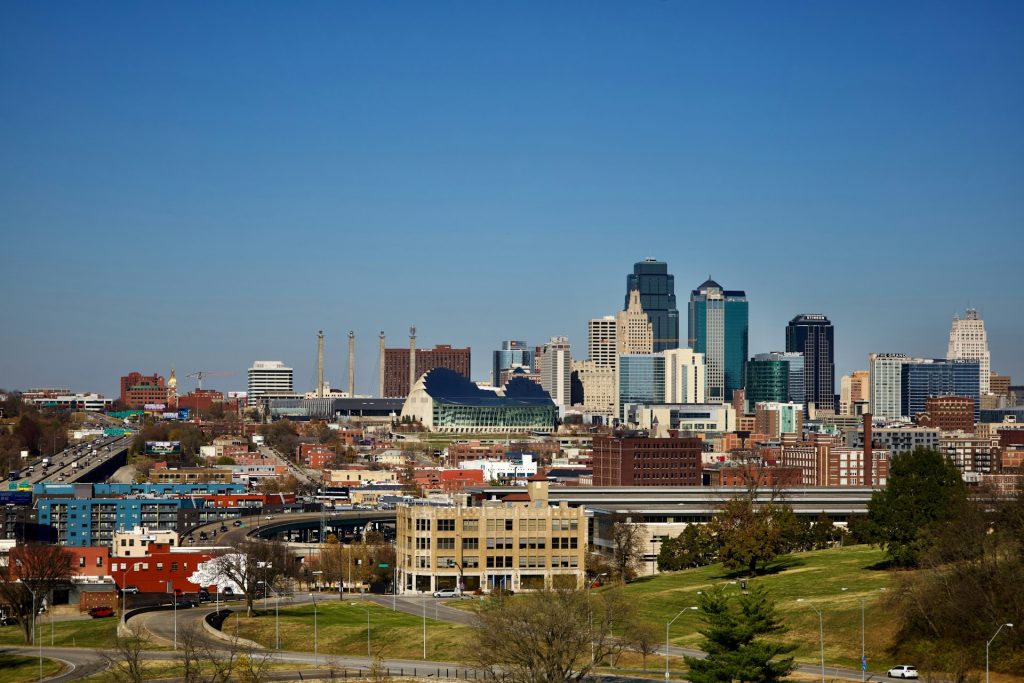
Kansas City appeals to movers seeking a balance of big-city amenities and heartland affordability. Urban planners praise the city’s recent investment in a streetcar line and downtown revitalization, which has breathed new life into the historic core. This infrastructure connects residents to jazz districts, barbecue institutions, and arts venues that have deep cultural significance.
Economic development officials note that the city serves as a logistics and engineering hub, providing steady employment. The bi-state geography offers options for living in dense urban neighborhoods or sprawling suburban districts with distinct tax implications. It represents a “middle path” between the chaos of the megacity and the quiet of the small town.
This metro is known for its fountains, boulevards, and a deep-seated culinary tradition.
The tradeoff involves navigating a city that remains heavily car-dependent outside the immediate downtown core. Transit advocates note that the sprawl requires significant driving for most daily tasks. The summer climate is hot and humid, and the region is located in an area prone to severe thunderstorms.
Source
https://tulsaremote.com/
https://www.buffaloniagara.org/business-climate
Home
https://www.alleghenyinstitute.org/
Best Places in America
https://www.investinwork.org/