11 U.S. Lakes Women Choose When They Want Kayaking Without Crowds

Outdoor recreation planners and female travel safety experts observe a significant shift in how women select kayaking destinations. While major recreational reservoirs attract heavy motorized traffic and party crowds wilderness analysts note that female paddlers increasingly prioritize acoustic tranquility and safe navigation over easily accessible resort waters. Hydrologists and environmental psychologists confirm that the absence of motorized wake and the reduction of engine noise drastically lower stress levels allowing for a more restorative outdoor experience.
Marine biologists and park rangers emphasize that these specific low traffic lakes offer structural advantages that go beyond mere scenery. The topography of these protected basins often features natural windbreaks shallow inlets and strict local ordinances that ban gas powered engines. State wildlife officials explain that navigating these pristine environments requires less defensive paddling giving women the freedom to focus entirely on wildlife observation and the physical rhythm of the water.
Lake Crescent In Washington
Park rangers at Olympic National Park highlight Lake Crescent as a premier destination for paddlers seeking absolute quiet. The strict prohibition of personal watercraft and the enforcement of no wake zones ensure that the pristine waters remain undisturbed by heavy motorized traffic. Environmental psychologists note that the immense depth and clarity of the water create a mirrored surface that naturally promotes stress reduction.
For solo female travelers the predictable water conditions offer a significant safety advantage. Hydrologists explain that the steep glacial carved walls protect the lake from unpredictable crosswinds creating a glassy environment ideal for uninterrupted paddling. Women frequently choose this location because the strict management of the park fosters a respectful atmosphere allowing for deep immersion in the old growth forest surroundings.
Lake Jocassee In South Carolina
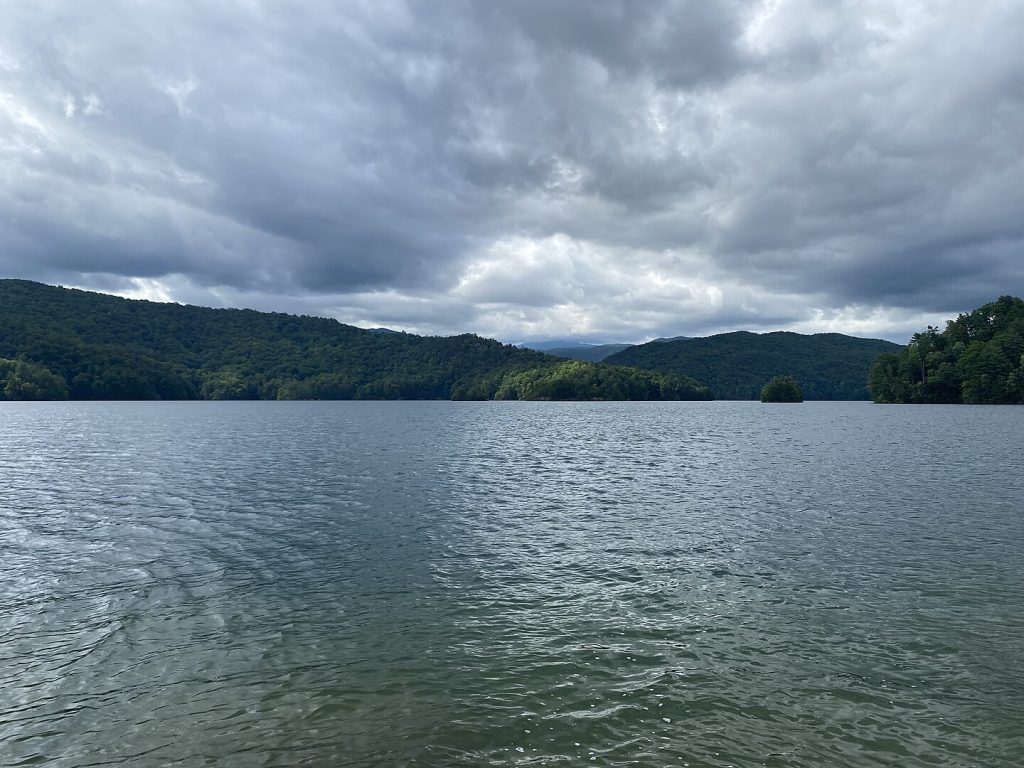
State park officials and outdoor recreation planners consider Lake Jocassee a vital sanctuary for non motorized boating in the Blue Ridge Mountains. The lake is fed by clean mountain springs and features numerous cascading waterfalls that are only accessible by water. Eco tourism guides point out that the lack of extensive shoreline development naturally restricts the volume of day trippers keeping the hidden coves remarkably empty even during peak summer months.
Safety instructors emphasize that the clear visibility of the water provides a sense of security for solo kayakers navigating the rocky inlets. The rugged topography surrounding the basin acts as a physical barrier to large crowds ensuring that those who make the effort to launch a kayak are rewarded with profound solitude. Biologists monitoring the area add that the undisturbed shorelines create an ideal environment for wildlife observation offering paddlers a rare chance to connect with nature without the disruption of loud engines.
Waldo Lake In Oregon
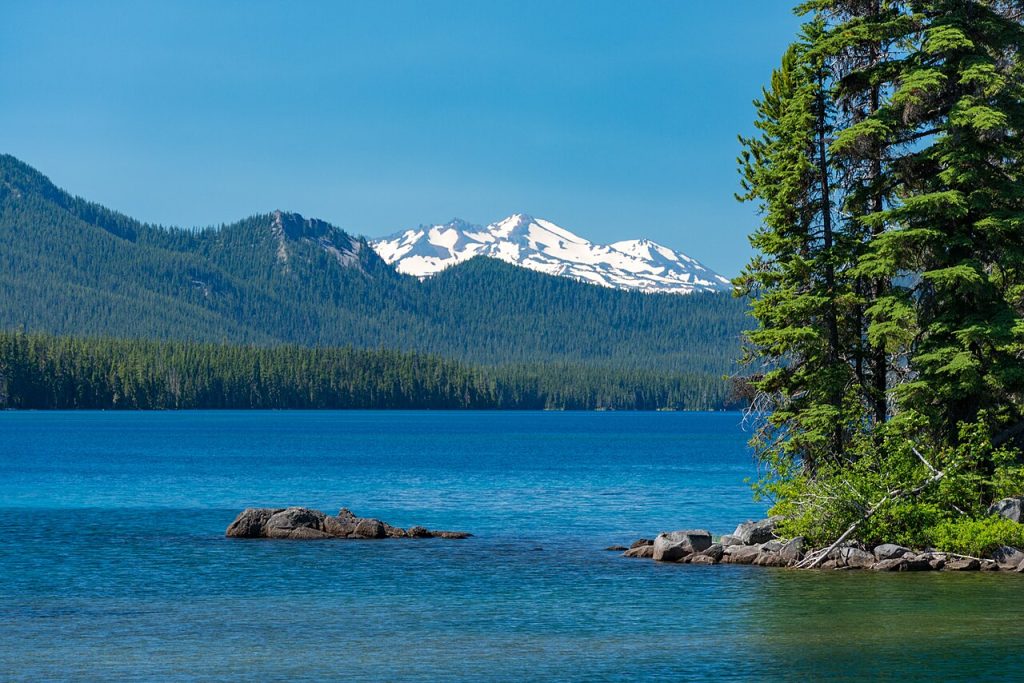
Forestry management experts and freshwater ecologists rank Waldo Lake among the purest bodies of water on the planet. The absolute ban on gas powered motors implemented by local authorities guarantees an acoustic tranquility that is increasingly rare in public recreation areas. Environmental scientists explain that the lack of agricultural runoff and motorized pollution allows the water to maintain visibility depths exceeding one hundred feet.
Outdoor survival instructors recommend this high elevation lake for women who prioritize a pristine and unpolluted environment for their outdoor excursions. The absence of mechanical noise allows paddlers to hear the wind through the surrounding pine forests creating a deeply restorative auditory experience. Wilderness guides note that the stringent regulations attract a specific demographic of mindful recreationists resulting in a secure and respectful community on the water.
String Lake In Wyoming
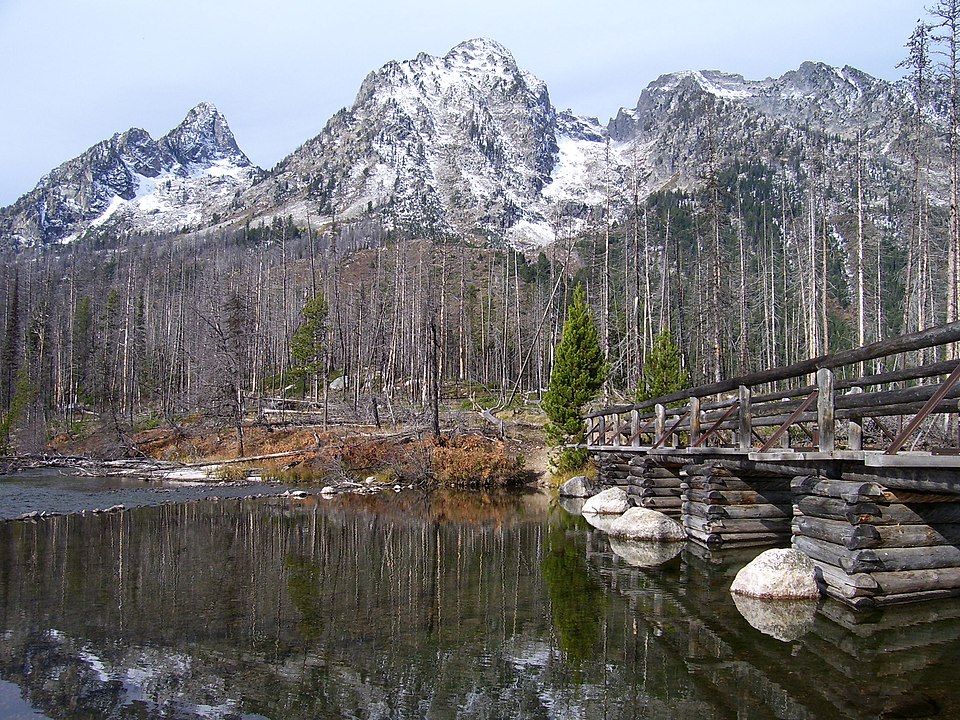
Backcountry guides and National Park Service rescue coordinators frequently direct solo female paddlers to String Lake in Grand Teton National Park. The shallow depth of the water prevents the formation of large waves and keeps the temperature significantly warmer than neighboring glacial lakes. Geologists explain that the narrow shape of the basin creates a sheltered channel that shields kayakers from the intense high altitude winds that routinely disrupt larger bodies of water.
The immediate proximity to well maintained trails and ranger stations offers a comforting layer of infrastructure for those traveling alone. Wildlife biologists value the area for its diverse riparian habitat allowing kayakers to safely observe moose and waterfowl from a distance. The combination of spectacular mountain views and exceptionally manageable water conditions makes this an ideal destination for women seeking a serene wilderness experience without the anxiety of deep water navigation.
Lake Ouachita In Arkansas
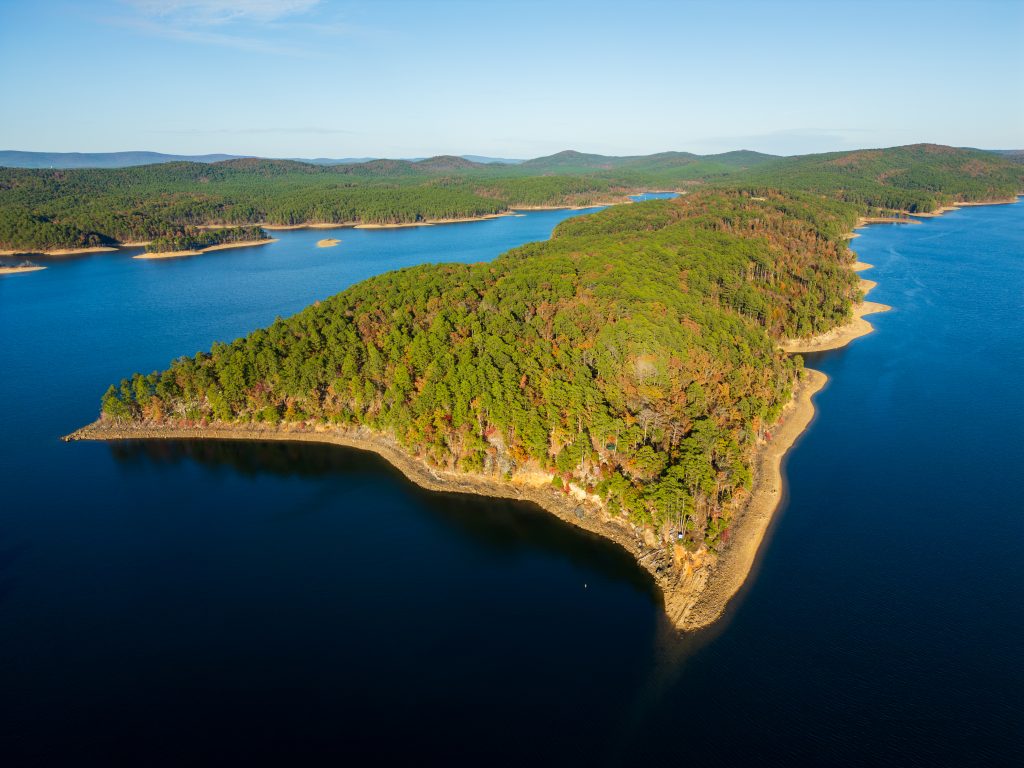
State wildlife officials and natural resource managers describe Lake Ouachita as a hidden gem for paddlers who want vast space without the chaotic energy of typical resort lakes. Spanning thousands of acres the lake features hundreds of uninhabited islands that break up the open water and provide natural windbreaks. Forestry experts note that the shoreline is entirely protected by the Ouachita National Forest completely preventing private residential development.
Kayak touring professionals highlight the geo float trail as a uniquely educational and safe route for solo exploration. The sheer scale of the lake allows women to easily paddle away from the main boat launches and find complete isolation within minutes. Marine safety officers add that the exceptionally clean water and the lack of submerged commercial hazards make navigation straightforward and highly secure for independent adventurers.
Sylvan Lake In South Dakota
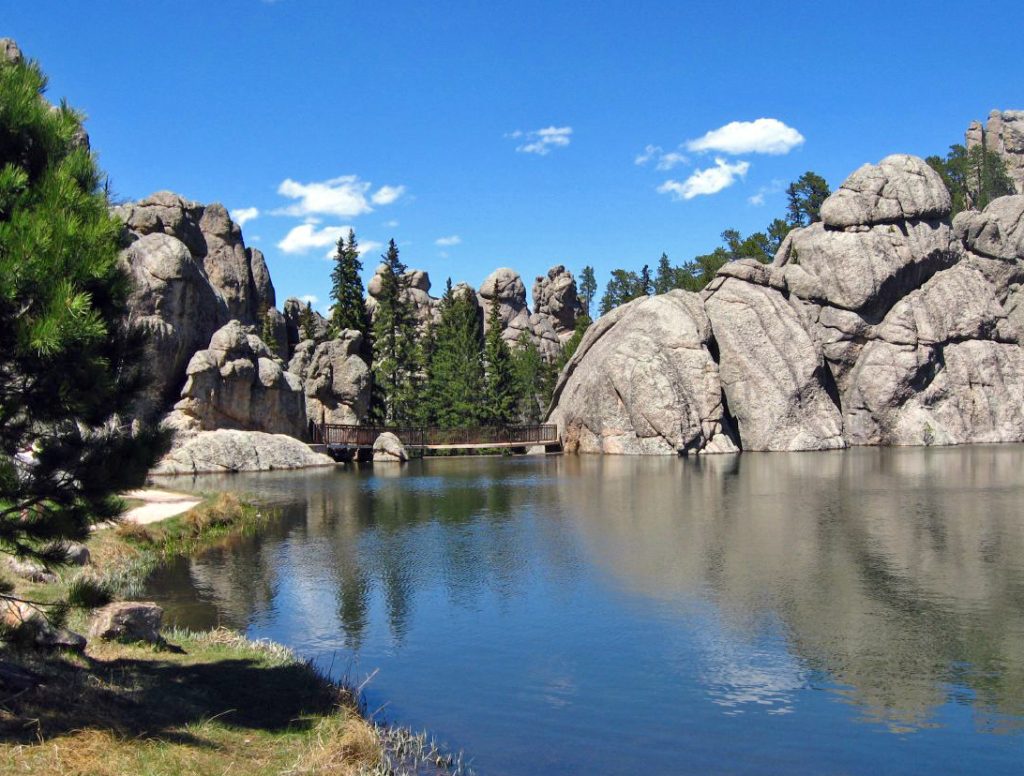
Geological surveyors and Custer State Park administrators emphasize the unique structural advantages of Sylvan Lake for flatwater paddling. The lake is entirely enclosed by massive granite boulders which block the wind and create a striking fortress like environment. Recreation experts point out that the small size of the lake completely precludes the use of motorized speedboats ensuring a calm and predictable surface at all hours.
The visual drama of the rock formations attracts a mindful crowd of nature enthusiasts rather than thrill seekers. Park rangers observe that the enclosed geography creates excellent acoustics allowing paddlers to hear birds and gentle ripples echoing off the granite walls. Women seeking a majestic yet highly contained environment often select this location because the physical boundaries provide a strong sense of safety and intimacy within the vast Black Hills landscape.
Fontana Lake In North Carolina
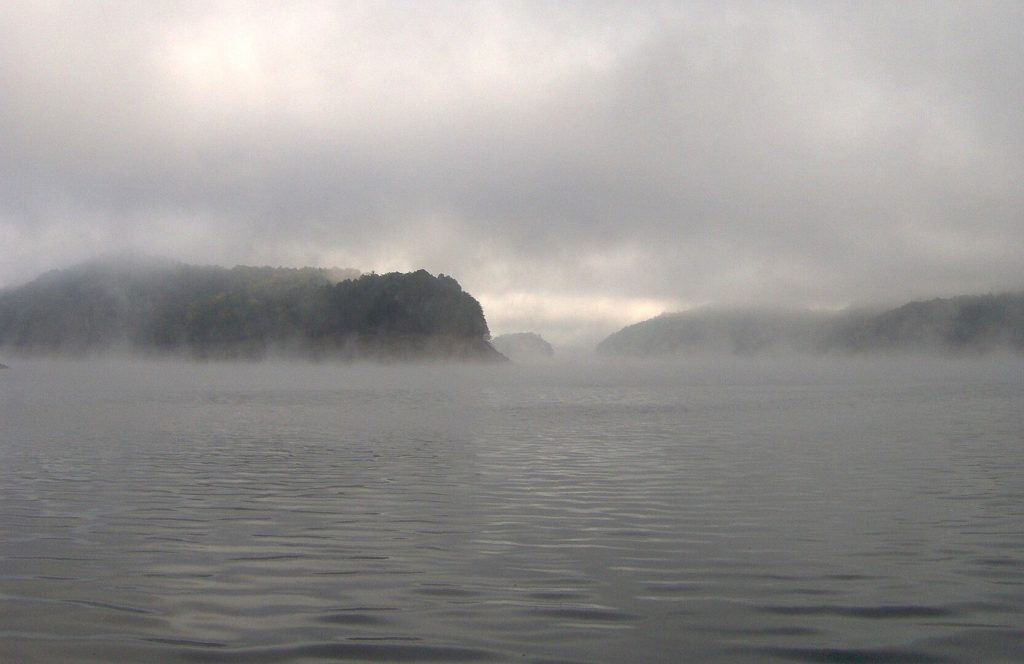
Appalachian history scholars and regional geographers map Fontana Lake as one of the most secluded waterways in the American Southeast. Bordering the Great Smoky Mountains National Park the lake features steep forested banks that severely limit road access and commercial infrastructure. Tourism economists explain that this lack of easy accessibility naturally suppresses visitor density keeping the sprawling fingers of the lake incredibly quiet.
Wilderness guides praise the northern shoreline where paddlers can explore remote inlets that disappear into the untouched national park territory. The deep cold waters are closely monitored by environmental agencies ensuring a pristine habitat for eagles and river otters. For women looking to escape the crowded tourist hubs of the surrounding region the dark emerald waters of Fontana offer a vast and unbothered sanctuary.
Priest Lake In Idaho
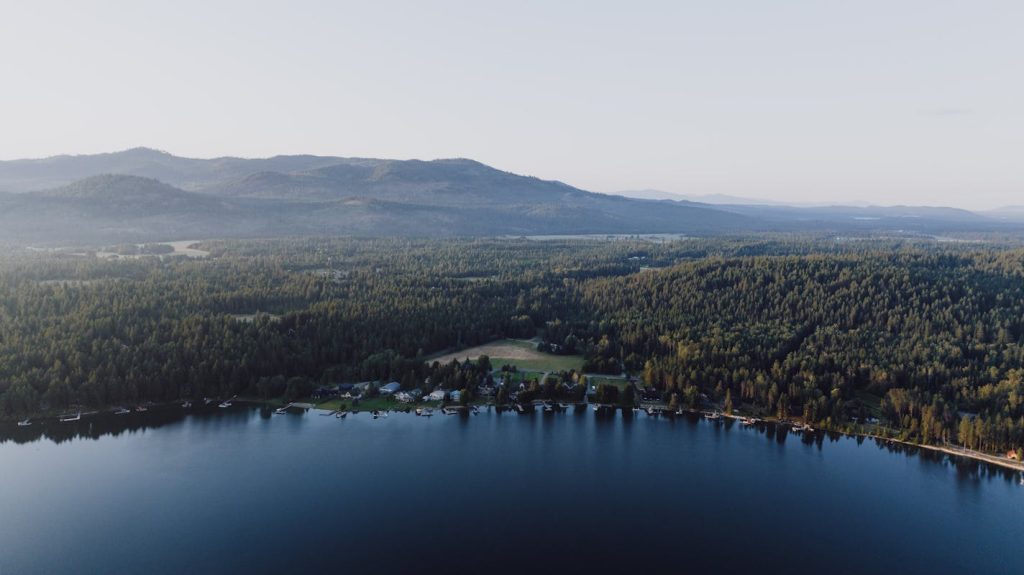
Northern Idaho conservationists and marine safety instructors advocate for Priest Lake due to its pristine water quality and distinct zoning regulations. The northernmost section known as the Thorofare is a shallow winding channel that connects the main lake to the highly restricted Upper Priest Lake. State park officials manage this upper area as a no wake zone specifically designed to protect the delicate shoreline ecosystems from erosion.
Navigational experts note that this natural division creates a perfect haven for kayakers who want to leave heavy boat traffic behind. The dense cedar forests lining the banks provide excellent shade and a profound sense of enclosure. Female paddlers frequently highlight the clear sandy bottoms and the respectful boating culture enforced by local authorities as key factors that make this destination feel secure and profoundly peaceful.
Lake Kushaqua In New York
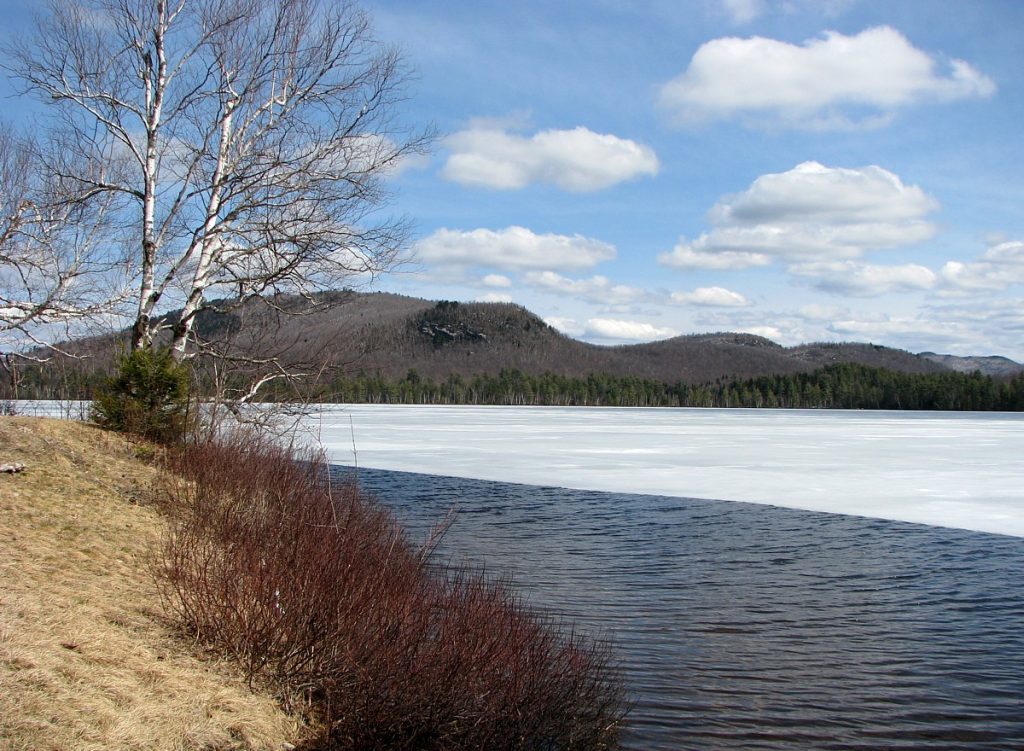
Adirondack wilderness guides and environmental planners recognize Lake Kushaqua for its complex topography which naturally absorbs sound and hides other visitors. The meandering shoreline is filled with narrow inlets and secluded marshes that offer infinite opportunities for exploration. Ornithologists point out that the quiet shallow sections are prime nesting grounds for loons and herons requiring a stealthy approach that only a kayak can provide.
State conservation officers maintain strict oversight of the area to preserve its wild character and prevent overcrowding at the launch sites. The remote location in the northern Adirondacks deters casual day trippers leaving the water mostly to dedicated paddlers. Women navigating these waters appreciate the feeling of deep immersion in the boreal forest where the irregular shape of the lake guarantees that solitude is always just around the next bend.
Moosehead Lake In Maine
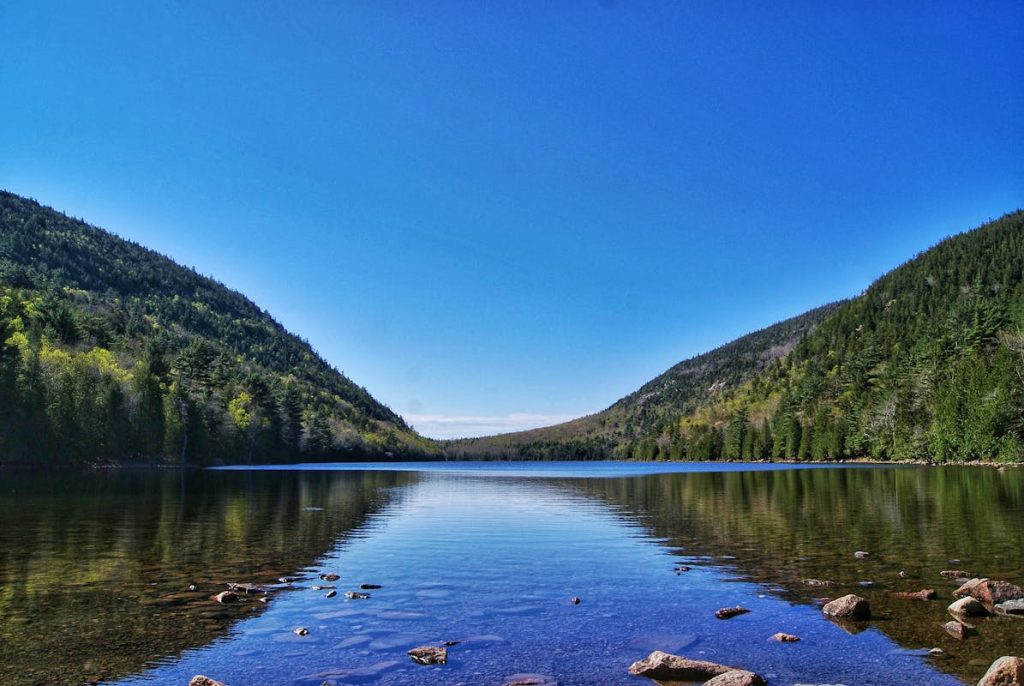
Registered Maine Guides and regional wildlife biologists view Moosehead Lake as a massive wilderness resource where finding isolation is simply a matter of scale. While the lake is the largest in the state its immense size dilutes human presence to a remarkable degree. Navigational experts suggest that paddlers stick to the protected eastern coves where the wind is minimal and the water remains flat.
The local economy heavily prioritizes eco tourism meaning that the prevailing culture on the water respects non motorized recreation. Forestry officials manage the surrounding timberlands to ensure the views remain unbroken by modern development. Female kayakers often report that the sheer expansiveness of the water combined with the high likelihood of spotting a moose feeding near the shore creates an empowering and deeply memorable solo adventure.
Mono Lake In California
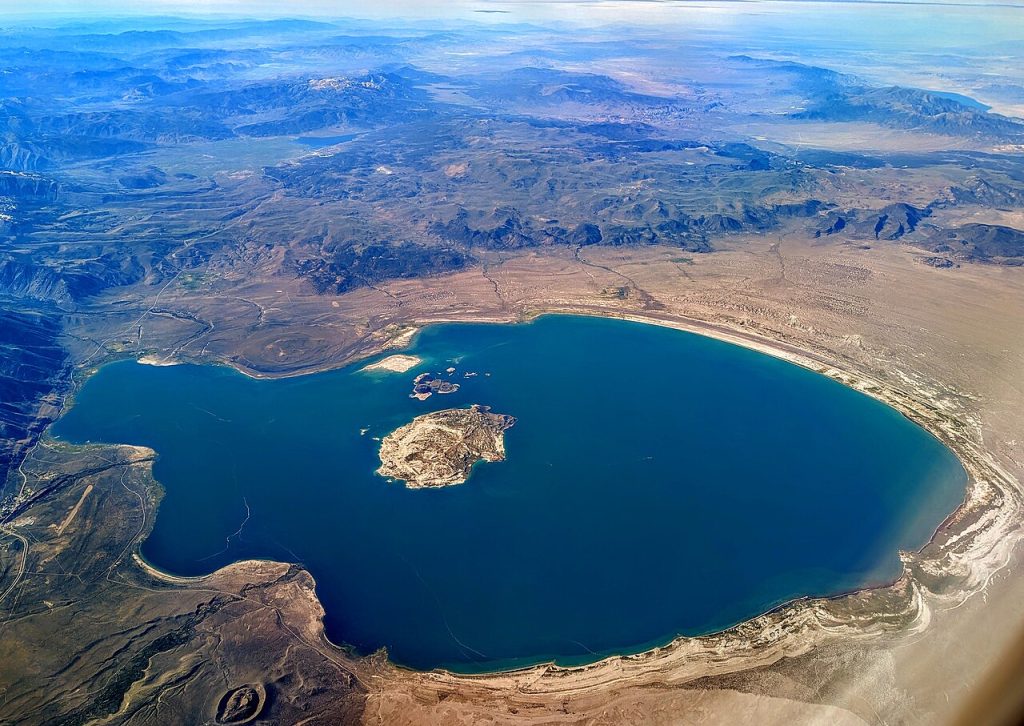
Desert ecologists and aquatic biologists describe Mono Lake as a specialized environment that naturally repels traditional recreational boating. The highly alkaline and saline water deters swimming and fishing leaving the surface entirely to specialized wildlife and dedicated paddlers. Conservationists note that the famous tufa towers provide a surreal and protective maze for kayakers to navigate.
Safety instructors emphasize that the dense water increases buoyancy making paddling physically easier and highly stable. The specialized nature of the destination attracts a quiet demographic of photographers and bird watchers who prioritize observation over recreation. Women seeking an otherworldly landscape find that the stark beauty of the eastern Sierra Nevada combined with the absolute stillness of the ancient lake offers an unmatched sense of calm and solitary reflection.