11 US Destinations That Don’t Bother Hiding Their Safety Problems
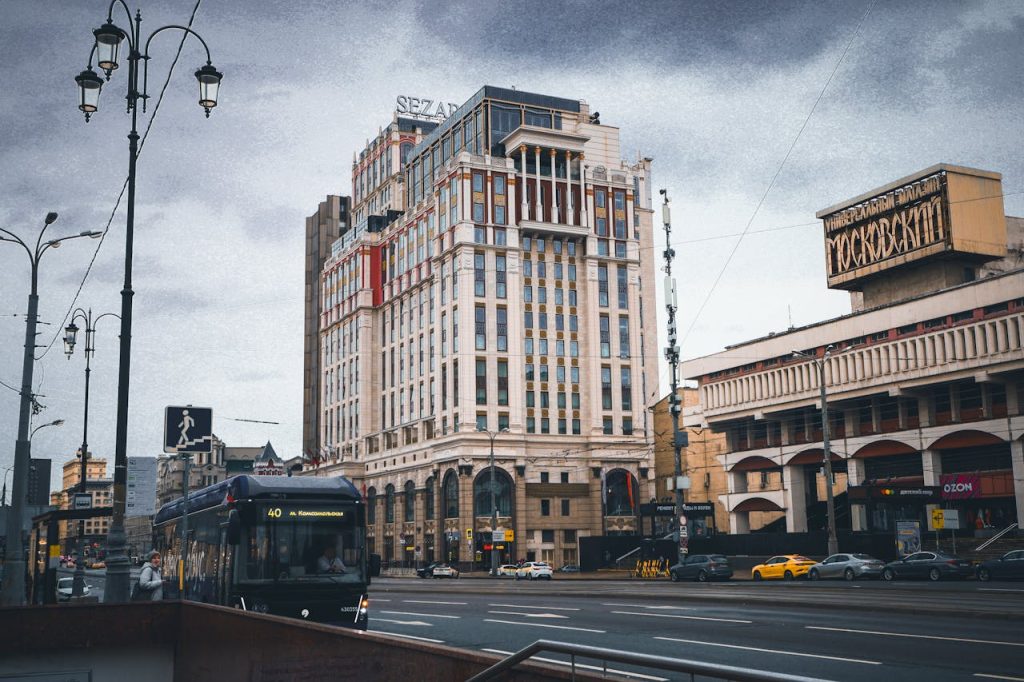
Some destinations are blunt about safety risks, and the honesty reshapes a trip before it begins. Extra screening at hotel doors, restricted zones, and official notices are not side notes; they set the pace of each day. The draw can still be real, tied to culture, history, family, or work, but every plan carries tradeoffs that stay visible. Smart itineraries rely on current local guidance, conservative timing, and backup routes, with restraint treated as a skill, not a defeat. It is travel with guardrails: fewer late nights, fewer impulsive detours, and more attention to what is changing right now.
Haiti
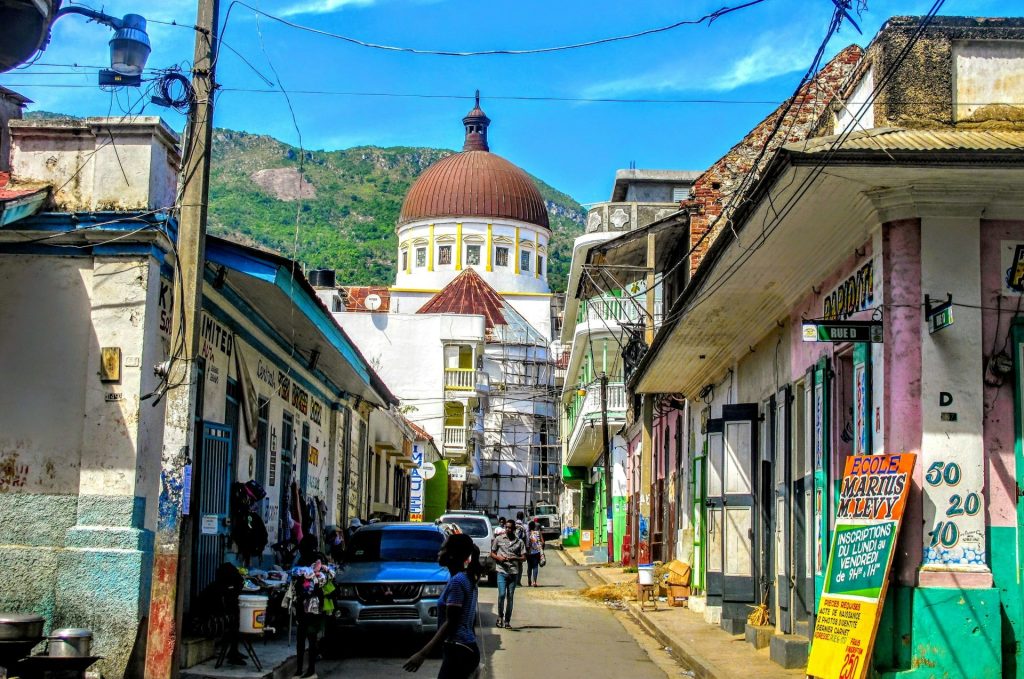
Haiti’s challenges are not hidden, and visitors often feel the constraints fast. Stays tend to center on properties with controlled access, predictable transport, and daytime schedules that avoid unnecessary exposure. Because services and conditions can change quickly, plans work best when they are confirmed in advance, kept flexible, and tied to trusted local coordination. The culture and spirit remain powerful, yet the rhythm of a visit is shaped by caution, limited spontaneity, and a steady focus on what is workable that day. Even short drives are chosen for reliability, with backups ready if a road or service closes.
Venezuela
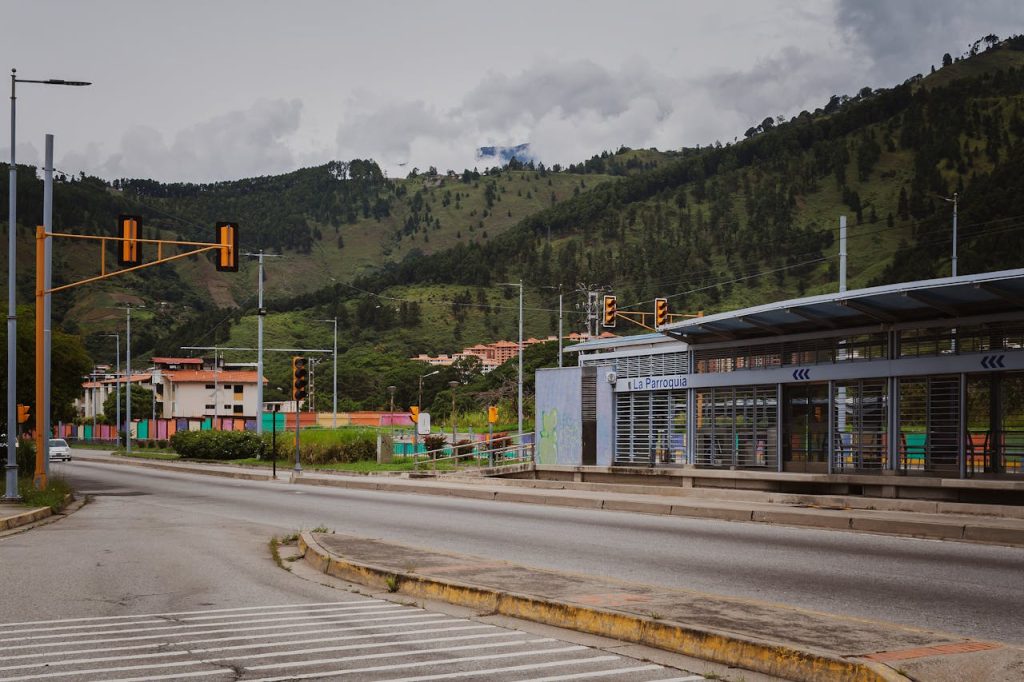
Venezuela’s risks are discussed openly in many advisories, and practical realities reinforce the message. In larger cities, travelers often keep movements simple, use arranged rides, and lean on trusted contacts for real-time judgment about neighborhoods and timing. Basic logistics can add friction, from payments and connectivity to uneven access to services, so a minor delay can expand into a lost day. The country’s landscapes and cultural life still attract interest, but successful trips are usually conservative, low-profile, and built around flexible plans. Documents stay close, nights end early, and contingencies are standard.
Libya
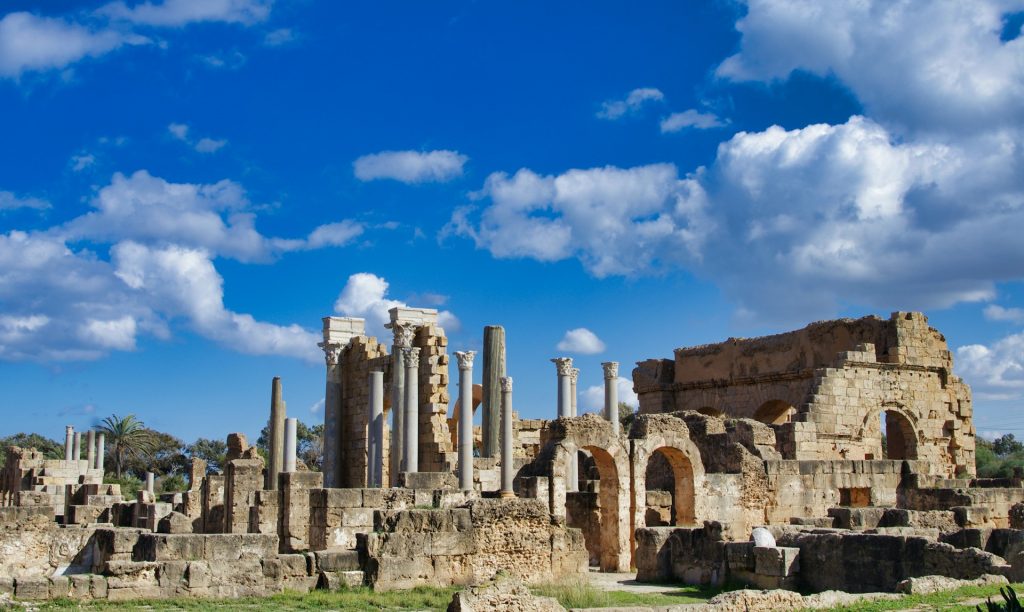
Libya is widely described as a destination where security conditions can be unpredictable, and the warnings tend to be direct. Even when a location appears calm, access can depend on shifting permissions, road conditions, and checkpoints that change without notice. That uncertainty makes typical tourism planning unreliable, since schedules, transport, and outside help may not function like they do in steadier places. The country’s history and landscapes are extraordinary, but for most visitors the safer choice is to wait for clearer stability rather than force an itinerary. Many choose nearby alternatives for desert and Roman-era sites.
Yemen
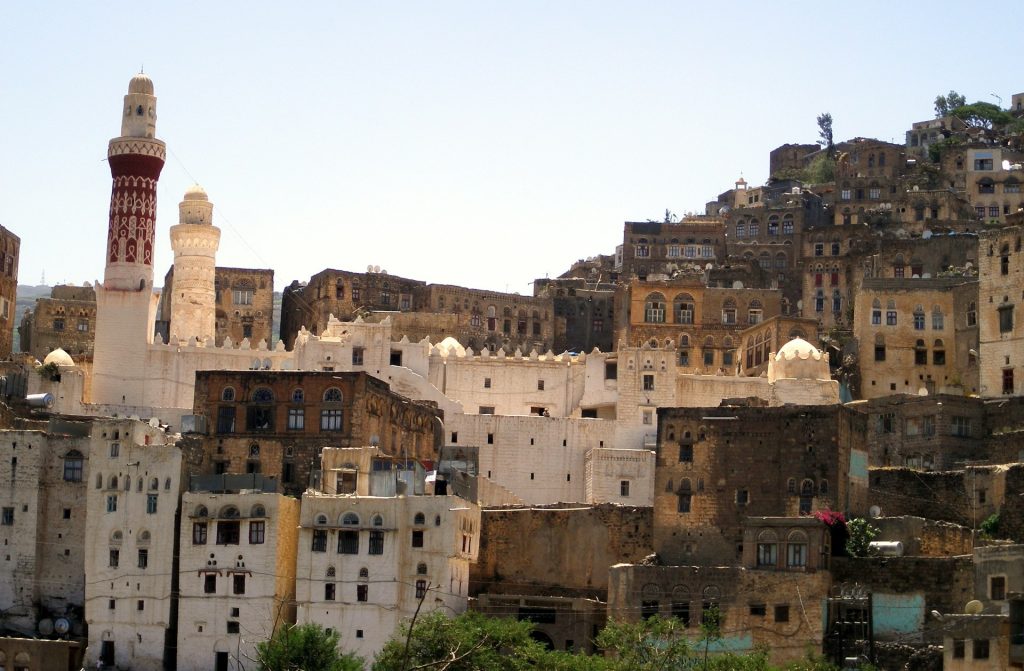
Yemen is often presented as a place where the risks are explicit and the safety margin is thin. Infrastructure disruptions and regional instability can affect roads, medical access, and basic services, sometimes with little warning. Trips that happen at all are usually tied to essential reasons and rely on trusted networks, tightly managed movement, and layered backups. Even then, plans remain narrow and conservative, because conditions can shift faster than a traveler can adapt. The country’s heritage is immense, but the present-day reality keeps caution at the center of every decision. Timing matters more than curiosity.
Iraq
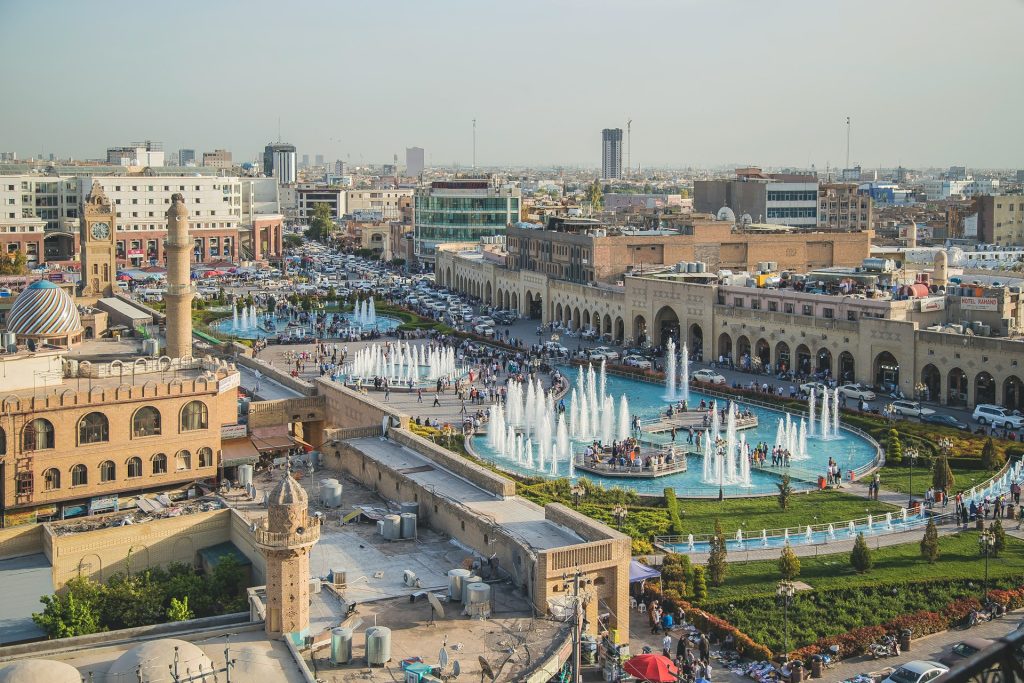
Iraq can feel like two realities at once: rich cultural depth alongside security measures that shape how people move. Across some areas, checkpoints, controlled zones, and localized rules influence routes and timing, and conditions can vary sharply from one district to the next. Visits that go well are typically built around credible local partners, conservative scheduling, and plans that can be tightened quickly if the situation changes. The rewards can be meaningful, but the trip often feels procedural, with judgment and restraint guiding the day more than spontaneity. Daylight movement and simple routes reduce avoidable complications.
Russia
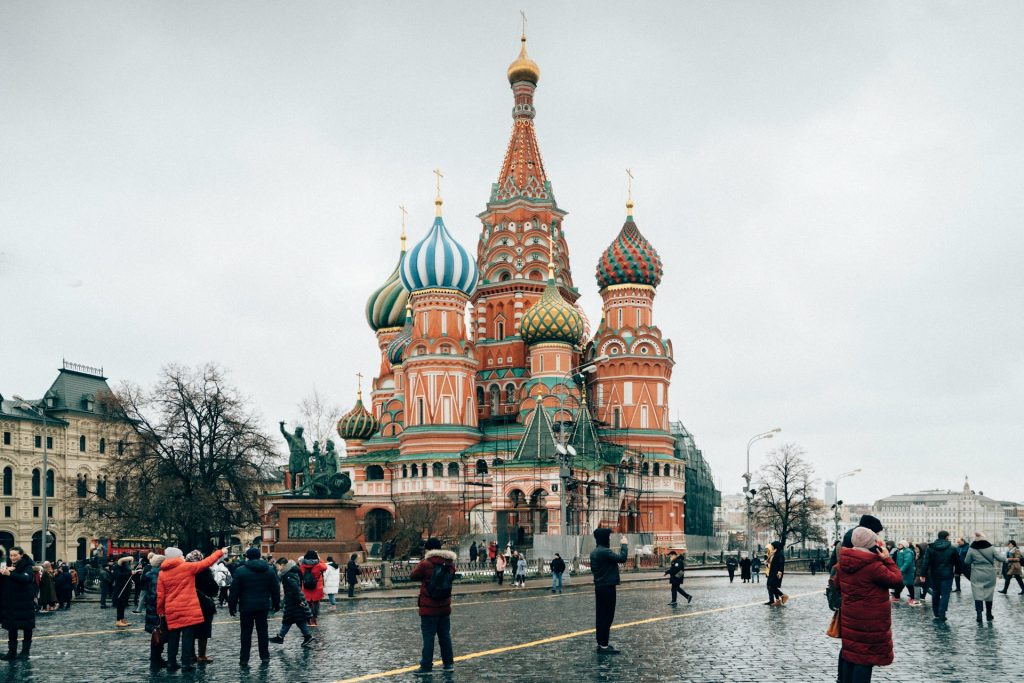
Russia is often flagged for legal and administrative risk that can feel hard to predict from the outside. Even when major cities appear orderly, travelers may face sudden policy shifts, uneven enforcement, or practical constraints that complicate routine problems. That pushes visits toward conservative choices: straightforward itineraries, careful documentation, and fewer situations that could be misread. Cultural institutions and city life can still be compelling, but the background risk changes the tone, keeping people cautious, low-profile, and ready to adjust quickly. Payments and communications are planned as contingencies.
Burma (Myanmar)

Myanmar’s situation can be fluid, with unrest and regional conflict affecting where travel is practical. Visitors may encounter checkpoints, sudden rule changes, and uneven infrastructure, especially outside major hubs. Medical access and transport reliability can drop quickly beyond core corridors, so the cost of a mistake rises. Trips that proceed tend to stay narrowly routed, guided by frequent local updates, dependable drivers, and conservative timing. The country’s temples and landscapes remain striking, but the experience is often defined by caution and constant recalibration rather than open wandering.
Ukraine
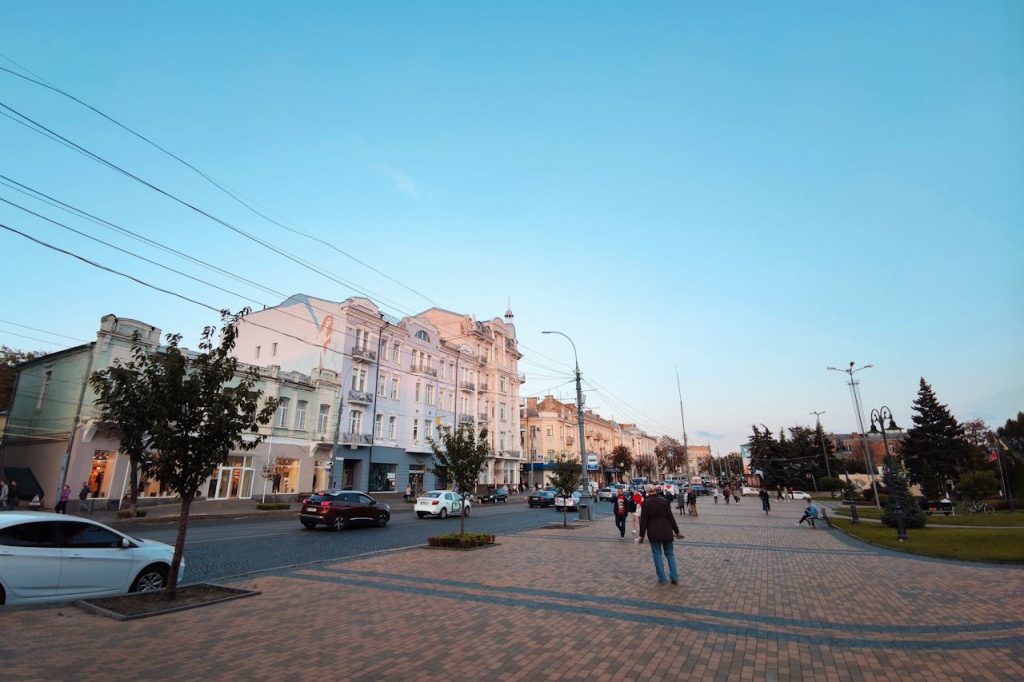
Ukraine’s reality is shaped by an ongoing war, and that context sets the rhythm of daily life even far from front lines. Air alerts, infrastructure strain, and transport changes can interrupt plans without much notice, so schedules are built with flexibility and limits. Many visits are purpose-driven, with cultural stops planned around safety procedures, shortened hours, and the need to pause when conditions shift. The country’s resilience is visible and moving, but travel there is defined by seriousness, planning discipline, and respect for the constraints people live with every day. Calm moments can change quickly.
Iran
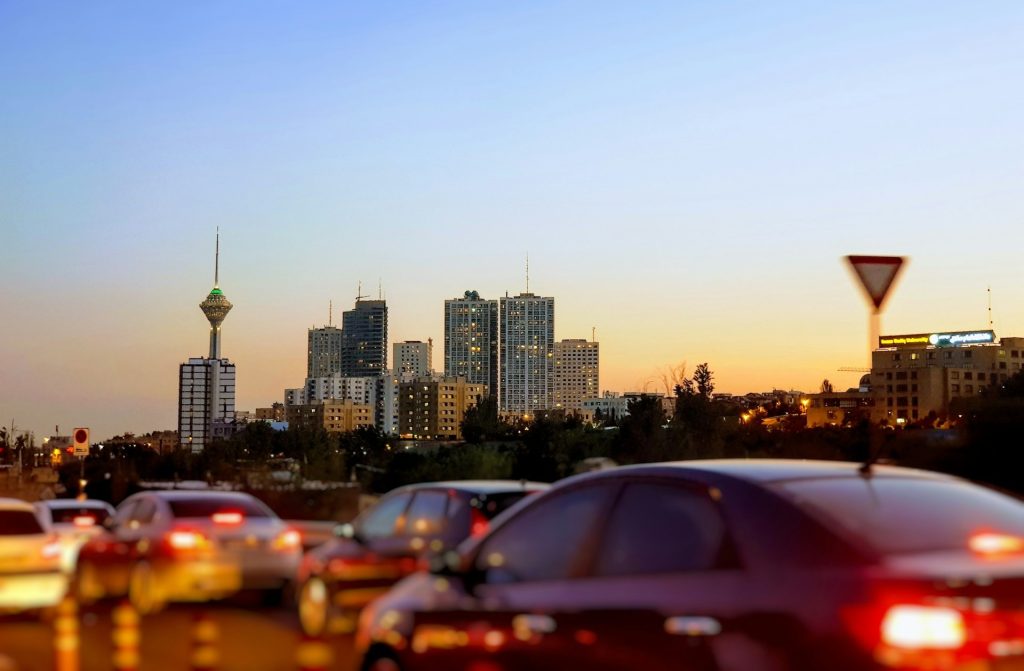
Iran is often described as a place where legal risk and limited consular support can raise the stakes of misunderstandings. Even when hospitality is warm and cultural sites are extraordinary, visitors may face strict rules, shifting regional tensions, and disruptions that affect movement and flights. Trips that go smoothly tend to be tightly organized, documentation-heavy, and guided by trusted local advice about what is appropriate, where, and when. The result is an experience with real depth, but one that rewards restraint, careful planning, and a conservative approach to schedules and public visibility.
Somalia
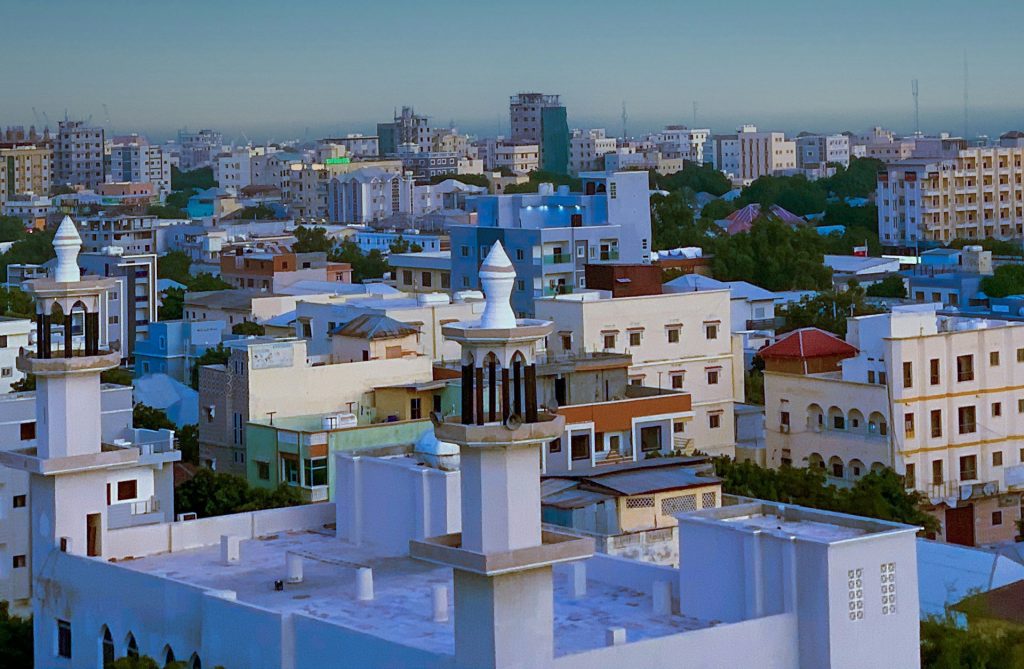
Somalia is widely treated as a destination where multiple risks overlap and emergency support can be limited. That lack of a reliable safety net changes the entire travel equation, since transport, lodging, and even short errands may require security arrangements beyond typical tourism. Conditions can vary sharply by area and shift quickly, so reliable local information becomes the primary tool for decision-making. Coastal beauty and cultural interest exist, but for most travelers the practical reality is that postponement is the safer option until stability and support improve. Nearby countries offer easier logistics for similar landscapes.
Sudan
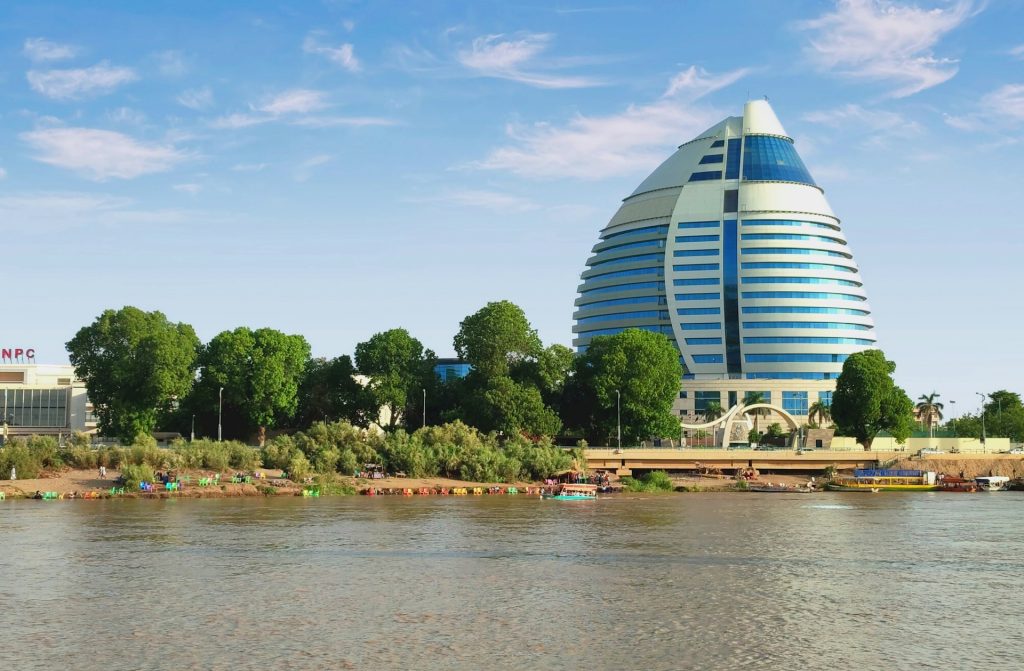
Sudan’s challenges are often described in plain terms, with unrest and service disruptions affecting predictability. When conditions tighten, airports, roads, and communications can change quickly, turning a fixed itinerary into daily reassessment. Outside support may be limited, and routine needs like cash access, transport, and medical care can become harder to secure. The country’s Nile-region history is remarkable, but access depends heavily on timing and credible local updates. For many, the most responsible plan is to wait for greater stability so travel can be shaped by curiosity rather than constraint.