11 US Destinations That Feel Empty Because Tourism Has Actually Dropped
Some destinations feel oddly empty right now, not because the season is wrong, but because demand has softened. Flights were trimmed, cruise schedules shifted, and international travel patterns changed, leaving famous streets with more room to breathe. In some places the slowdown follows a disruptive local event; in others it is tied to higher prices, tighter access, or a weaker overseas market. The upside is subtle: easier reservations, calmer museums, and conversations that are not rushed. Quiet can reveal a place’s real volume.
West Maui, Hawaii
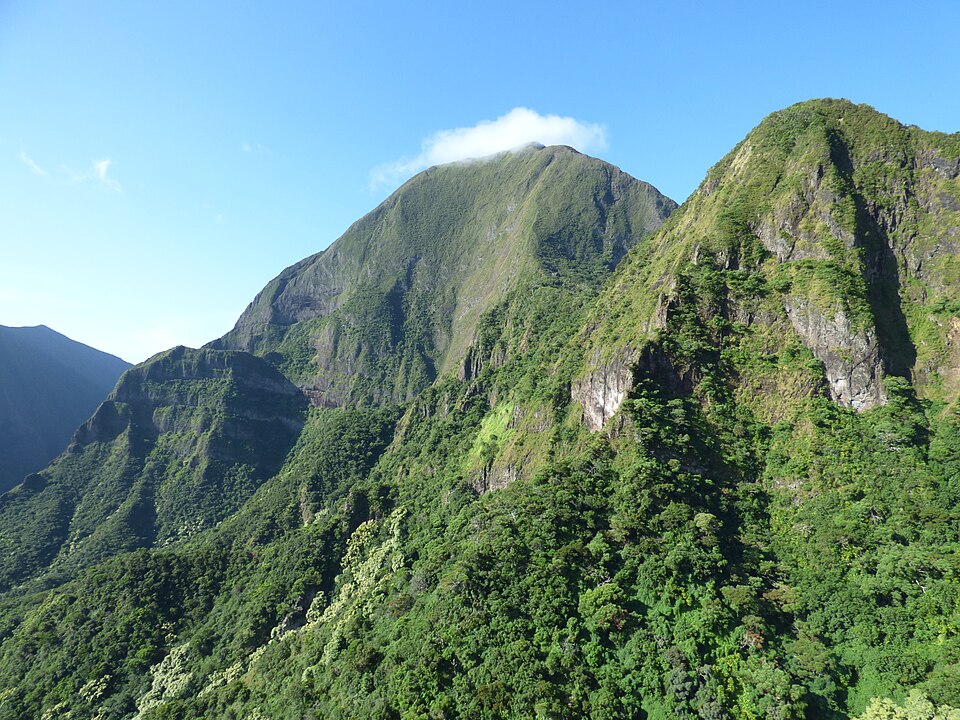
West Maui feels quieter than many expect, with more open beach parking, shorter waits at casual lunch counters, and less pressure on shoreline walks in Kapalua and Napili when the sun first hits the water. After the 2023 wildfires, visitor volumes stayed noticeably lower than pre-fire patterns, and many travelers redirected plans while communities rebuilt, staffing steadied, and some tours returned in stages. The calm shows up in small details: easier dinner bookings, fewer sold-out snorkel slots, and mornings that sound more like wind and waves than a steady stream of vans.
Waikiki, Oahu
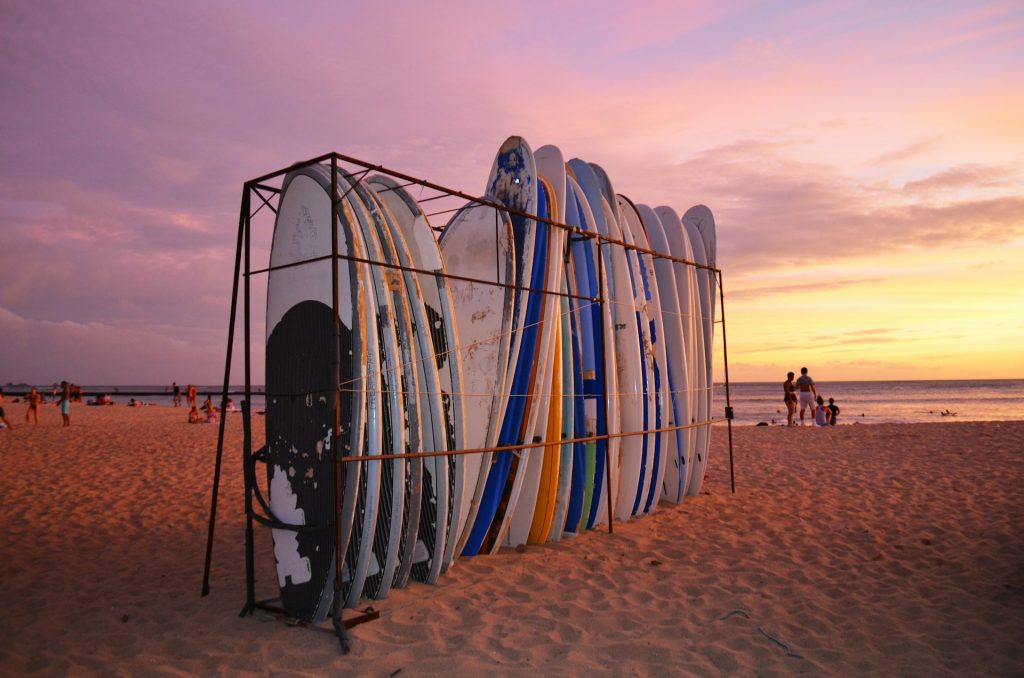
Waikiki still has its sunset glow, but some weeks feel less compressed, especially midweek around Kalakaua Avenue, the retail blocks, and the busiest beach entrances near the main crossings. Visitor totals have remained below 2019 levels, and the mix has shifted as international travel has not fully returned, leaving fewer large-group waves at once. That change alters the street tempo: fewer tour clusters, more open tables at 6 p.m., fewer packed hotel elevators, and a shoreline that fits an unhurried swim, a surf lesson, and a long walk with room for pause.
San Francisco, California
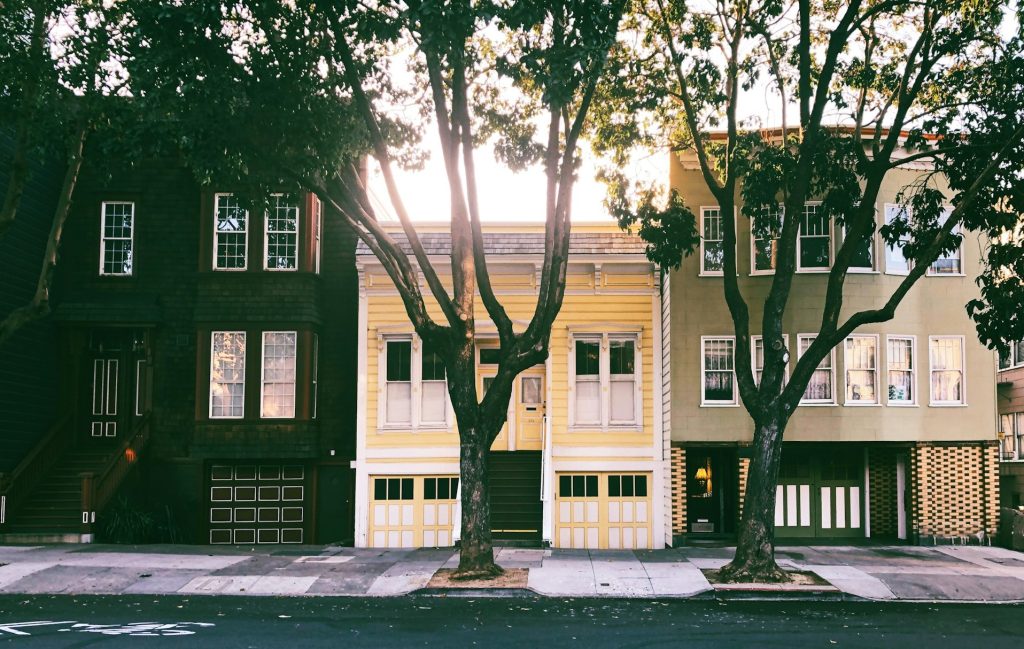
San Francisco can feel unusually spacious in areas that once pulsed with visitor traffic, with calmer hotel lobbies, lighter sidewalks near Union Square, and more empty café seats even when the weather is perfect. Lodging demand has stayed below 2019 levels, which softens the downtown soundtrack and leaves more lunch reservations available without much notice. Neighborhood life still hums in the Mission and North Beach, but the pressure valve is looser, making museums, waterfront strolls, and cable car rides feel less hurried and less crowded at the edges.
Las Vegas, Nevada
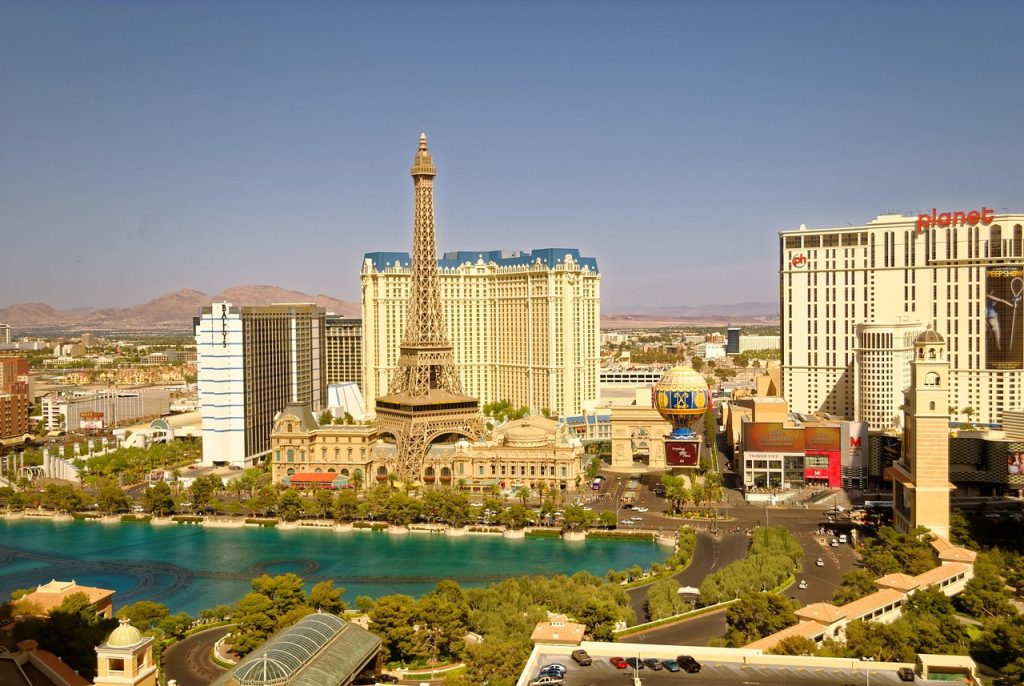
Las Vegas is built for constant motion, which makes a slowdown hard to miss: shorter check-in lines, more open dining times, and quieter stretches of Strip sidewalk between the big resorts where crowds usually bunch. Recent year-over-year drops in visitor volume have left midweek feeling less packed, with a softer international flow and more deal-hunting behavior shaping demand. The city still lights up, but popular casinos can feel calmer, show tickets are easier to find at short notice, and some hotels lean harder on last-minute pricing during weeks that once ran hot.
Los Angeles, California
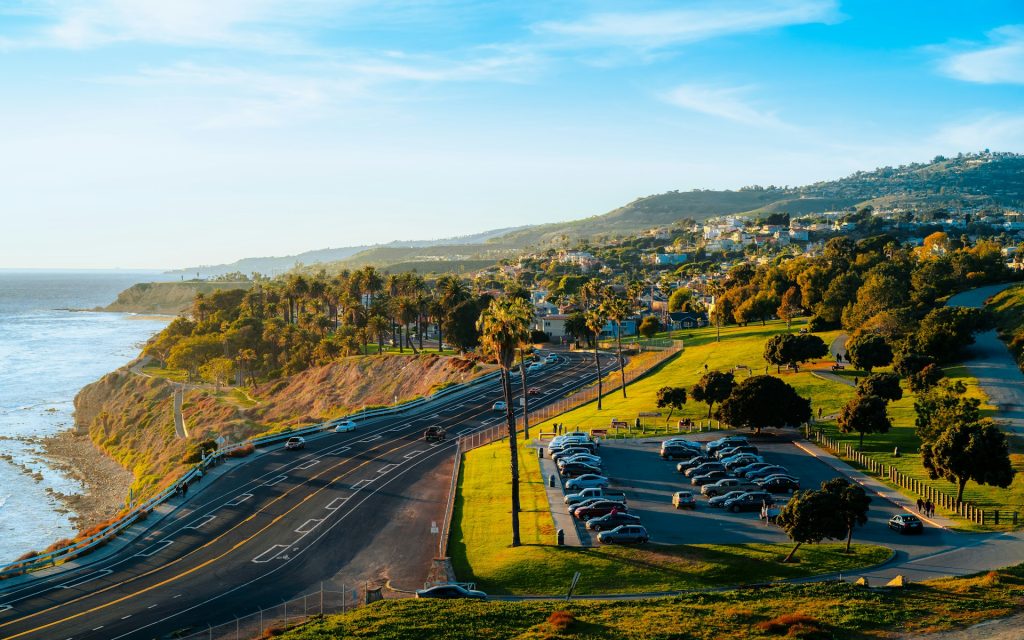
Los Angeles can feel oddly roomy in some of its most visited zones when international travel softens, from museum entrances to shopping corridors that rely on overseas spending and group tours. When overseas arrivals dip, the change shows up as fewer big tour groups moving as a block, more open restaurant tables in key districts, and quieter weekday afternoons at iconic viewpoints that used to feel packed by noon. The city stays busy, but the gaps are noticeable in the places that depend most on visitors, especially outside summer holidays and major event weeks.
New York City, New York
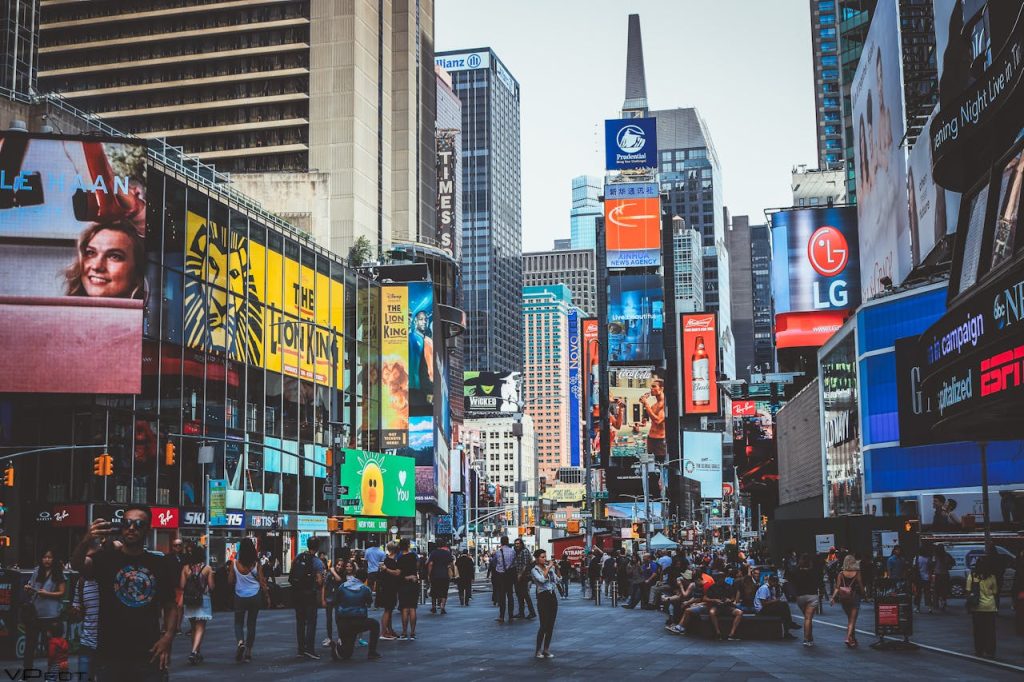
New York City never stops moving, yet a dip in overseas arrivals can be felt in museum time slots, Midtown hotel lounges, and observation decks that once filled quickly in ordinary weeks. When the mix shifts, the streets stay loud, but midweek can feel a touch looser, with more walk-in tables and slightly calmer daytime queues. The city still has its rush-hour edge, yet there can be more elbow room around major sights before evening theater crowds tighten things again, and that extra space changes the mood more than people expect.
Orlando, Florida
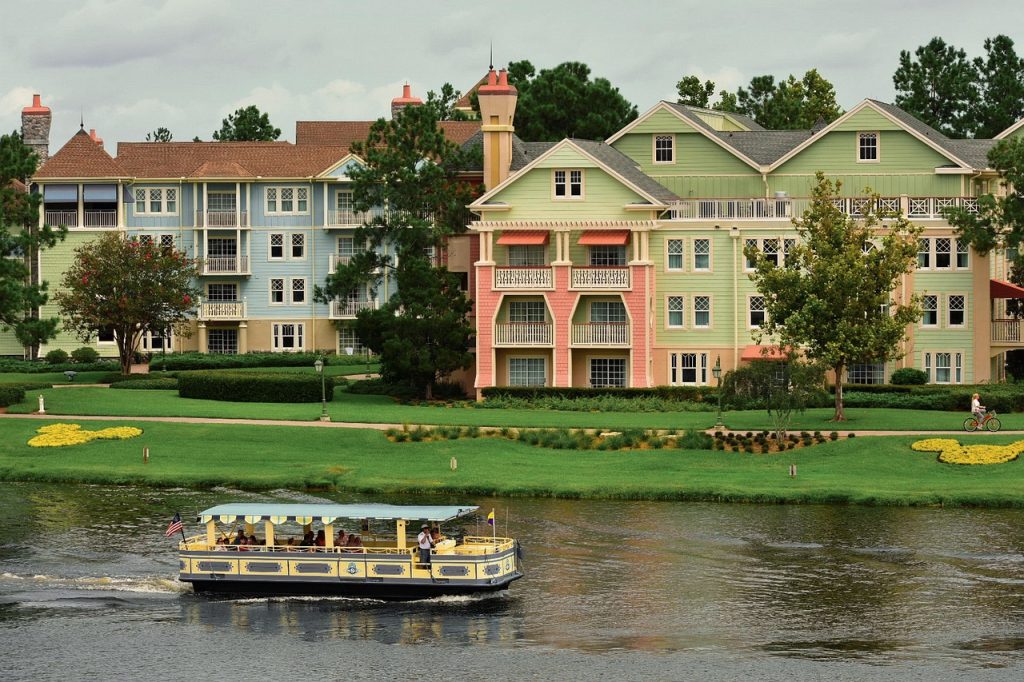
Orlando still draws huge domestic crowds, but a tourism dip shows up in the margins: smoother resort check-ins, more availability on shoulder weekdays, and less pressure on dining windows near the parks and I-Drive. When international visitation softens, the change matters because overseas guests tend to stay longer and spread spending across hotels, outlets, and tours. With fewer long-stay visitors, the region can feel less like a constant surge, with shorter airport lines, easier rental cars, more open seats on some shuttles, and a better chance of booking dinner without planning it days ahead.
New Orleans, Louisiana
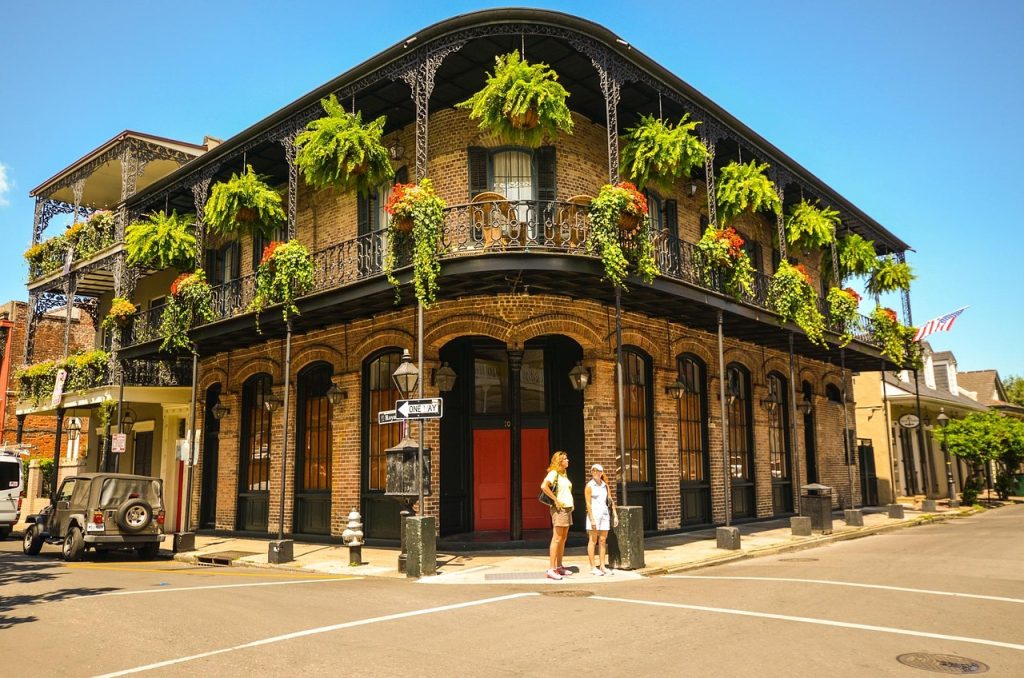
New Orleans carries its music and glow year-round, but a tourism dip shows up quickly in hotel corridors, restaurant wait times, and the ease of finding a table near the Quarter on weeknights. When occupancy softens outside peak weekends and festival bursts, the payoff is a calmer pace: slower streetcar rides, more room in courtyards, and evenings where jazz clubs and late suppers feel less like a squeeze. The riverfront reads quieter, the sidewalks feel more breathable, and the city’s charm comes through in small rhythms instead of crowd energy.
Bermuda
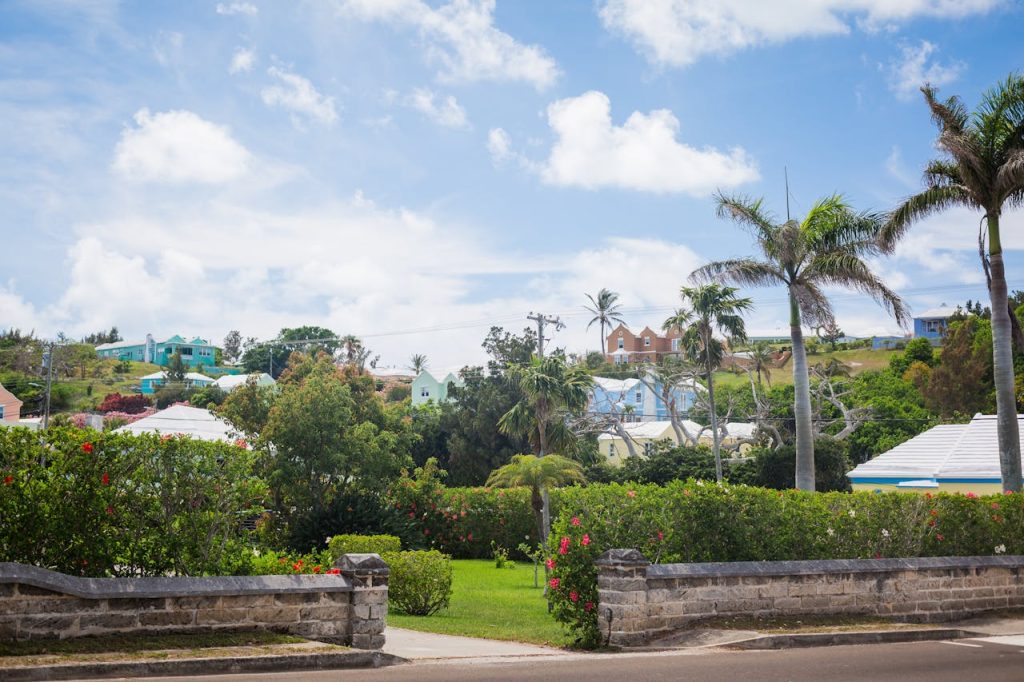
Bermuda’s stillness often reads as luxury, but fewer cruise calls can change the island’s pulse in a way that is hard to miss, especially on weekdays that once had multiple ship arrivals. When ships do not dock, Hamilton and Dockyard can feel quiet in the middle of the day, excursion desks move slower, and shops get longer gaps between foot traffic. The upside is an easier island cadence: beaches feel more open in the morning, dinner reservations come with less strategy, and the day has room for a long walk, a slow coffee, and an earlier seat to watch the light fade over the water.
Bar Harbor, Maine
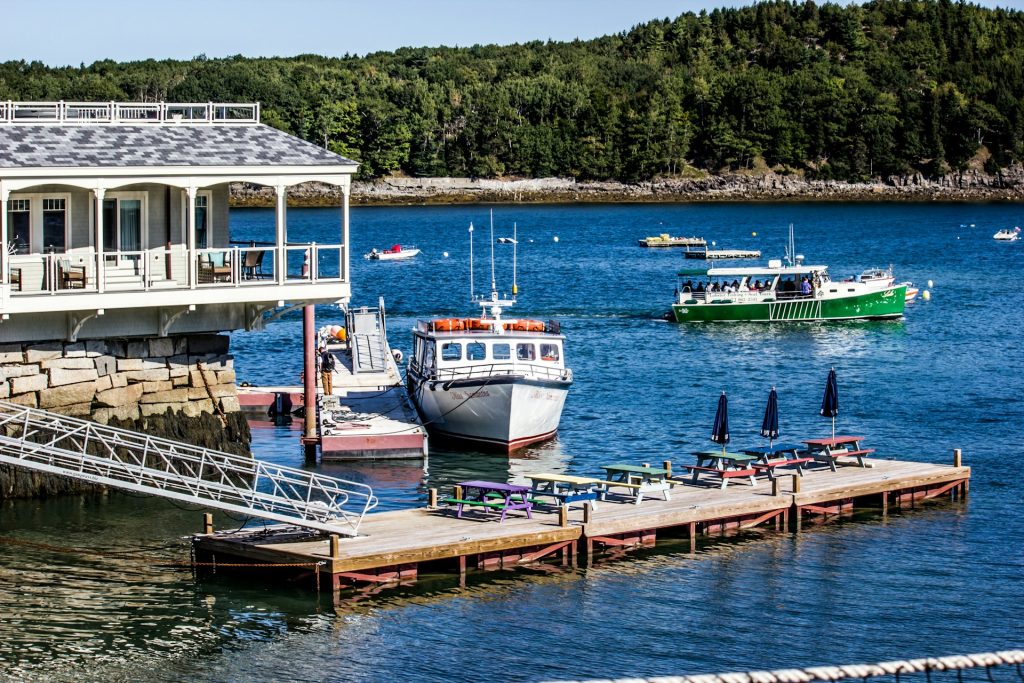
Bar Harbor’s quiet can feel striking on days that used to be defined by cruise surges, with sidewalks that stay browsable, shorter tender lines, and cafés that do not fill all at once by late morning. Limits on daily cruise passenger disembarkations have reduced the size of ship-day waves, which changes the town’s entire tempo. The result is a calmer Acadia gateway: easier lobster-roll queues, slightly less tense parking, more room on Shore Path, and a waterfront that reads more like working harbor than conveyor belt, especially when the tide is in and the air smells like pine.
Reykjavik And Iceland’s South Coast
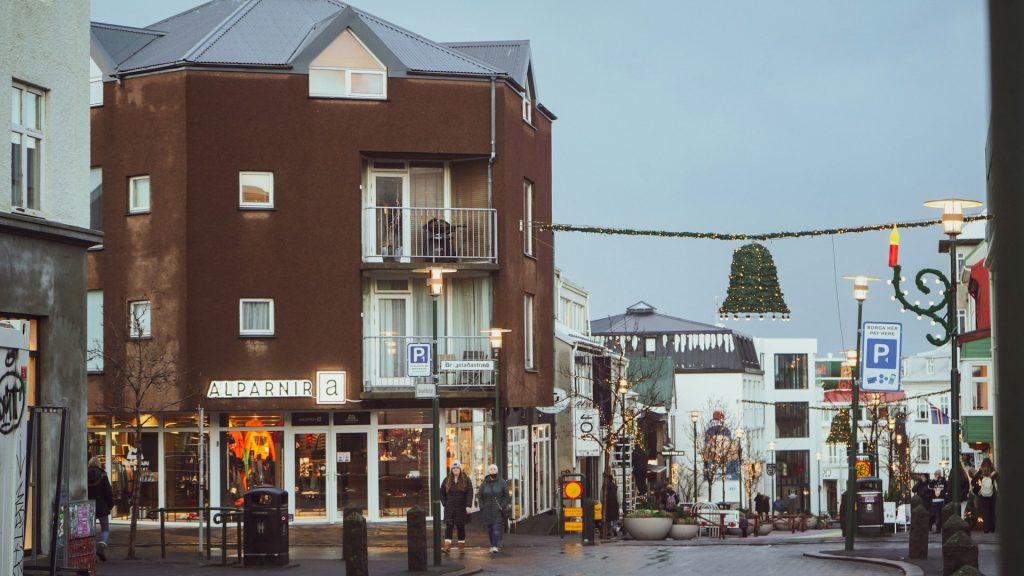
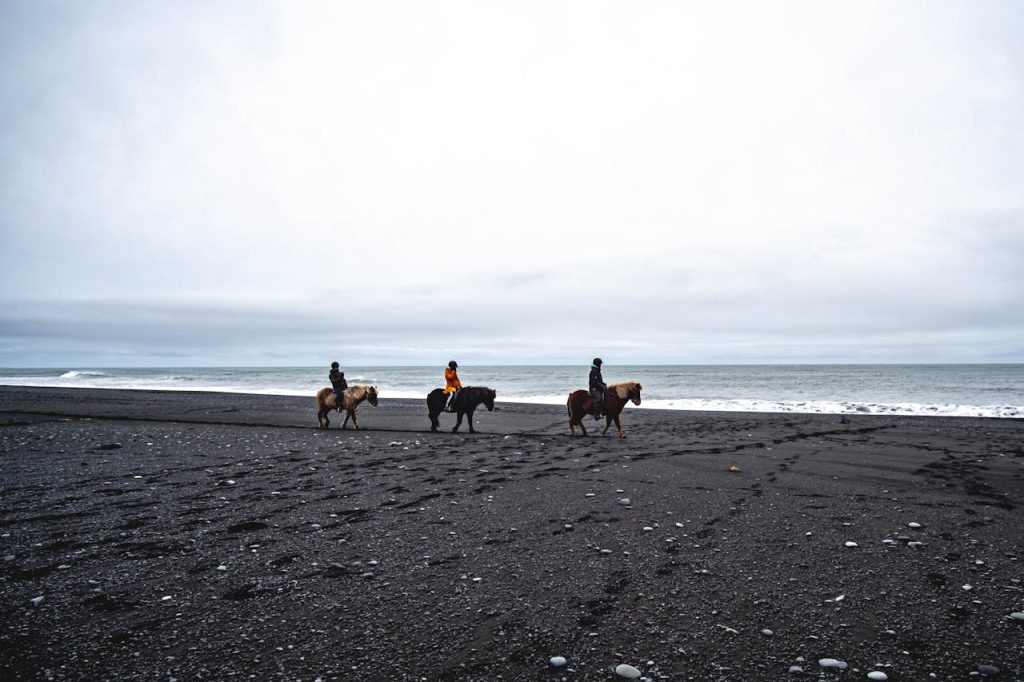
Reykjavik and the South Coast can feel less bottlenecked than peak years, with fewer tour buses clustering at once and more room in cafés when winter daylight is short and the wind pushes people indoors. When arrivals soften even a little, it shows up at popular stops that used to jam at midday, and the landscape feels bigger because the pauses are longer. The roads between towns feel calmer, viewpoints offer more space to linger, and evenings in Reykjavik have an easier rhythm, with warmer tables available and less jostling on the main shopping streets after a cold, bright walk.