11 Ways Social Media Has Ruined Certain Destinations
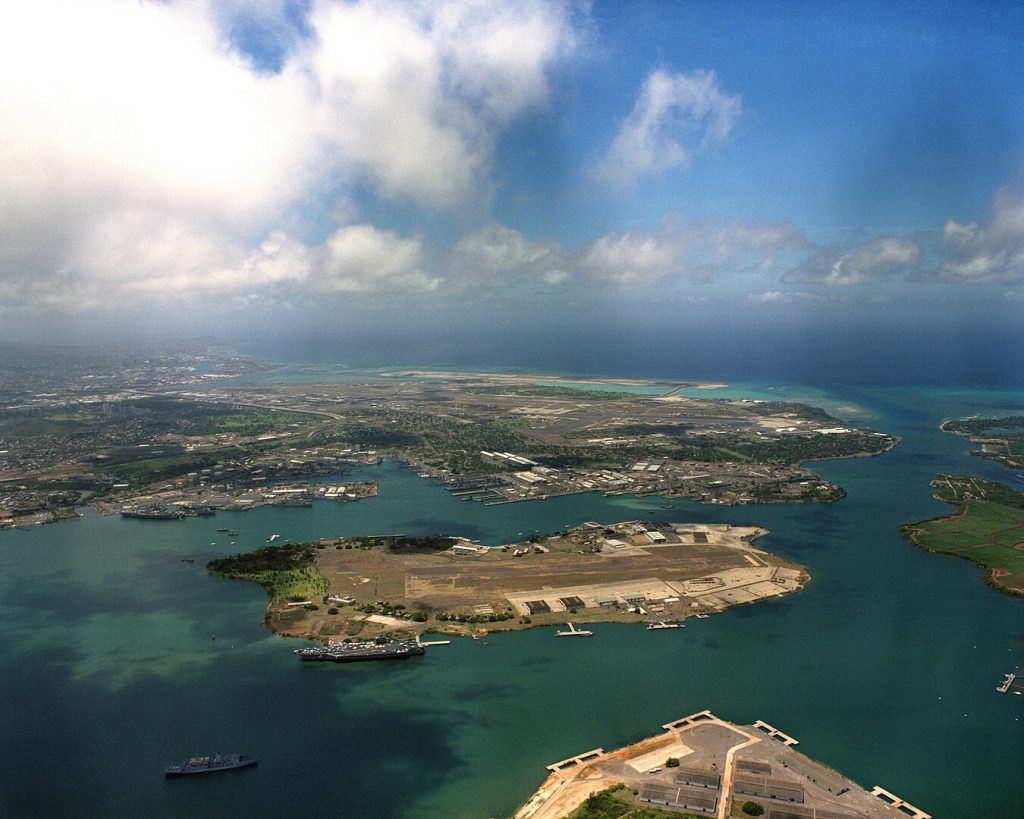
Travel once relied on guidebooks, word of mouth, and patient discovery, but social media reshaped how destinations gain fame. A single viral post can redirect millions of visitors almost overnight, overwhelming places never designed for constant attention. While exposure brings economic benefits, it often erodes authenticity, strains infrastructure, and alters local life. This article examines specific ways social media popularity has changed destinations for the worse. Each example highlights a distinct pattern where online visibility disrupted balance, replacing meaningful experiences with crowd management, environmental damage, or cultural dilution across globally recognizable locations in recent years.
Overcrowding At Scenic Lookouts
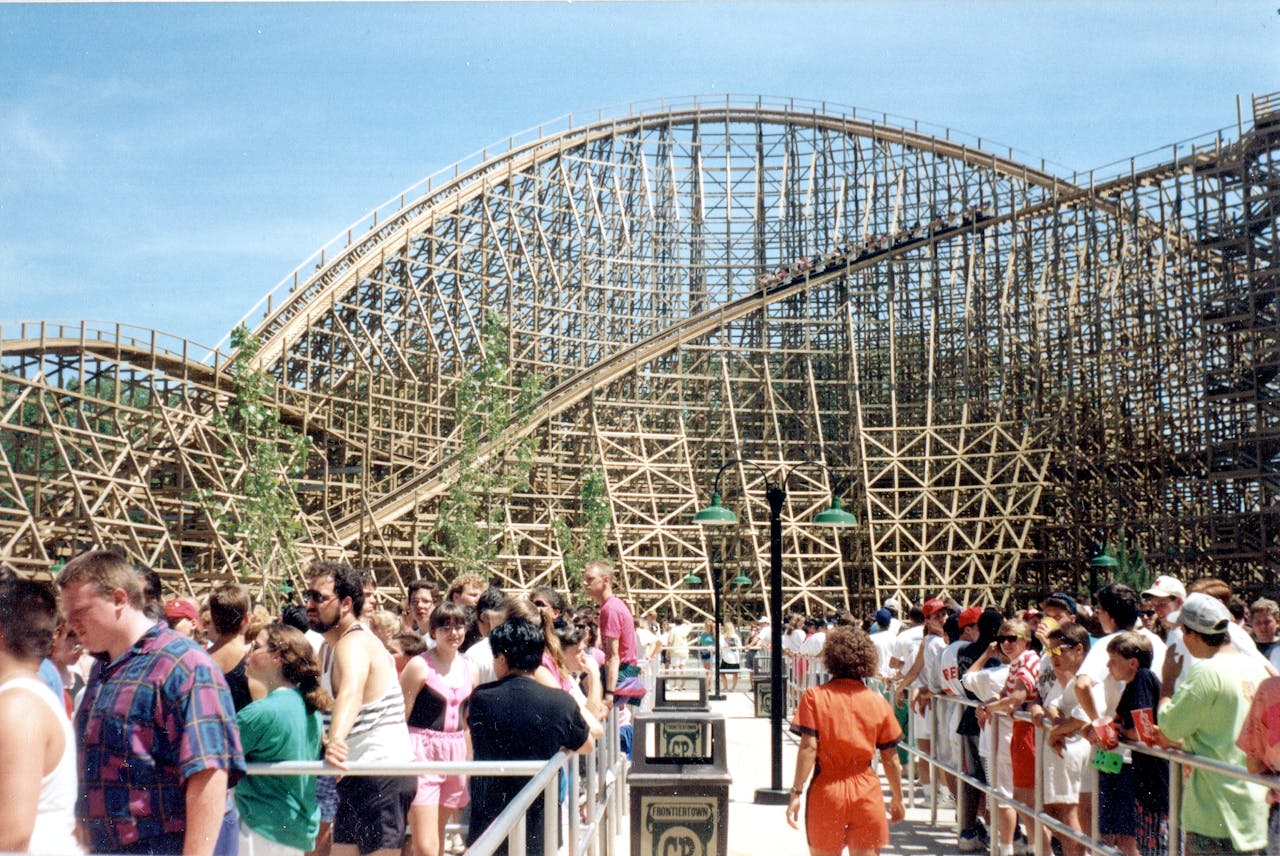
Scenic lookouts once offered quiet reflection, but social media transformed many into congested photo queues. Viral images encourage visitors to replicate identical shots, often ignoring safety barriers or capacity limits. Popular overlooks now experience constant foot traffic, erosion, and litter. Local authorities struggle to manage crowds drawn by hashtags rather than seasonal planning. The experience shifts from appreciation to competition for space. Natural beauty becomes a backdrop for content creation instead of contemplation. As crowds grow, tranquility disappears, diminishing the very appeal that inspired initial visits and altering the atmosphere permanently for residents and travelers alike.
Damage To Fragile Natural Landscapes
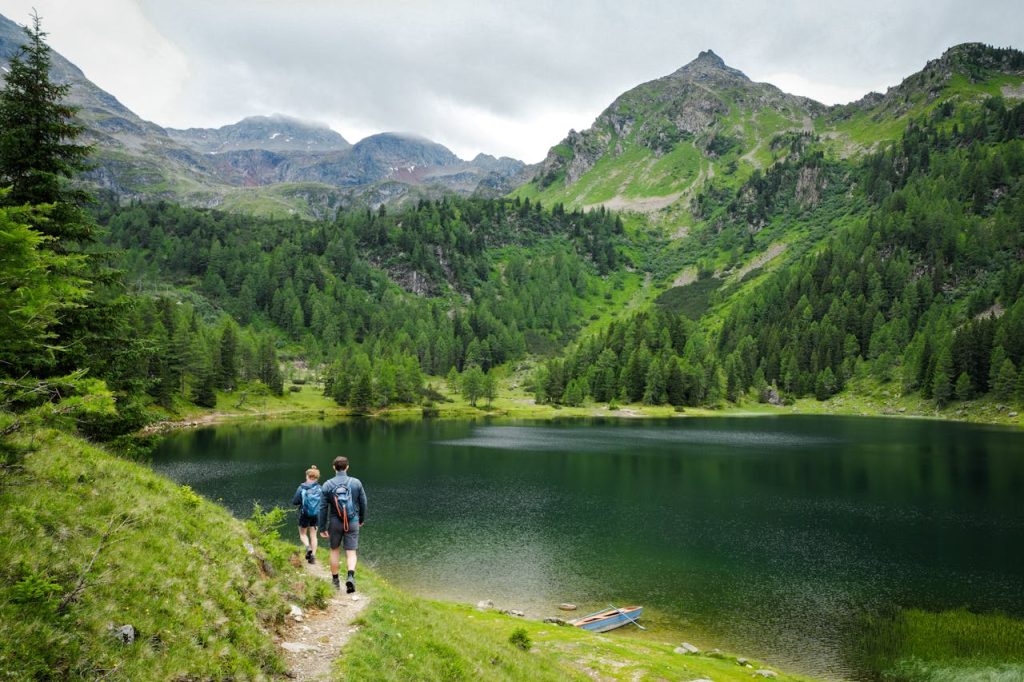
Fragile landscapes suffer when social media drives sudden popularity without education or regulation. Delicate ecosystems like deserts, alpine meadows, and coastal formations experience trampling, illegal trail creation, and habitat loss. Visitors seeking dramatic photos often stray off designated paths. Increased traffic accelerates erosion and disturbs wildlife. Cleanup and restoration costs rise while damage accumulates faster than repairs. What once survived centuries of natural processes can degrade within seasons. Online visibility encourages volume, not stewardship, leaving lasting scars on environments that require careful protection and controlled access to remain intact for future generations.
Loss Of Local Culture
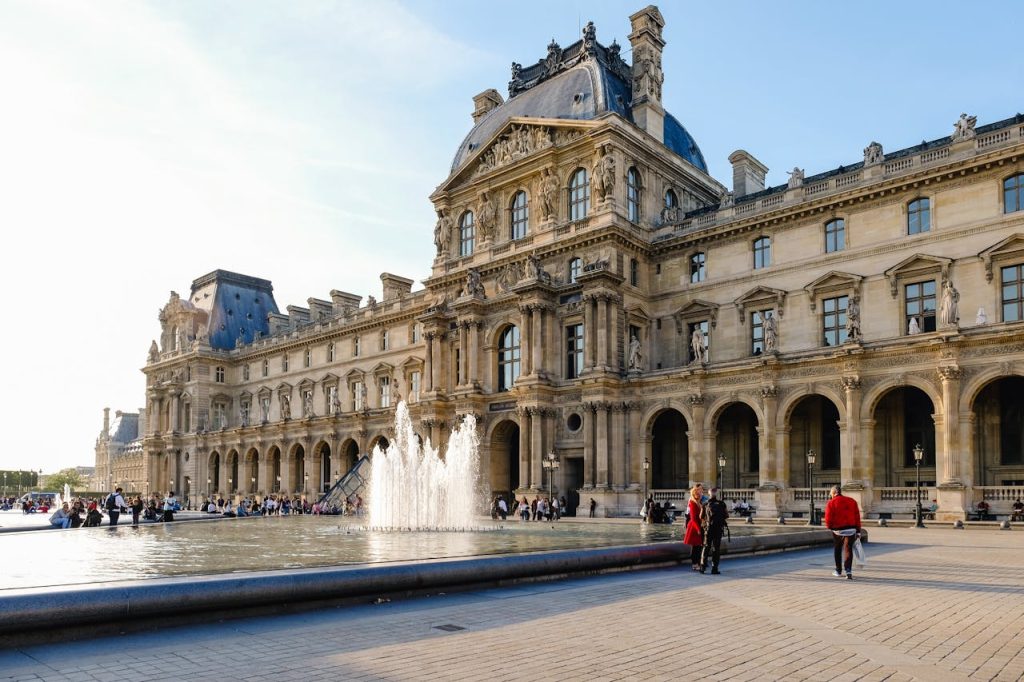
Social media attention often reshapes destinations to meet visitor expectations rather than preserve local culture. Shops replace traditional goods with trend driven souvenirs. Restaurants modify menus for visual appeal instead of heritage recipes. Performances and rituals become scheduled spectacles instead of community practices. Residents adapt livelihoods to tourist demand, slowly diluting identity. As neighborhoods cater to transient audiences, daily life shifts. The destination becomes a stage set rather than a living place. Cultural authenticity erodes as experiences prioritize shareability over substance, altering traditions that once defined the location’s character.
Housing Pressure From Short Term Rentals
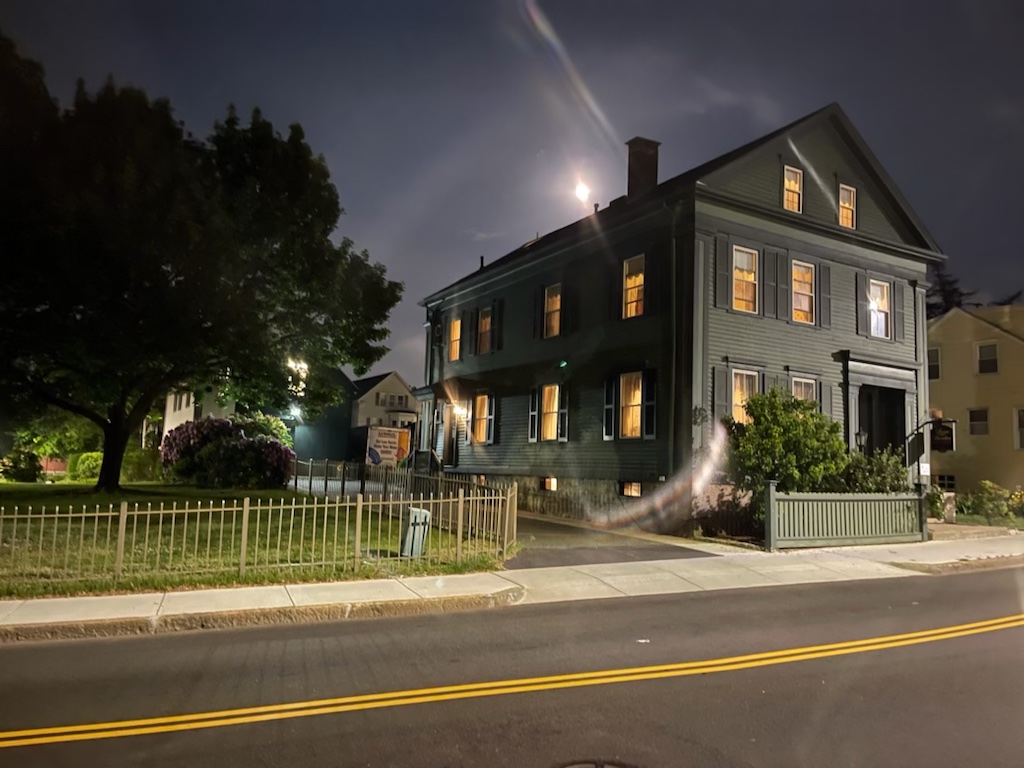
Viral popularity fuels demand for short term rentals, reducing housing availability for residents. Property owners convert long term housing into tourist accommodations for higher returns. Rents rise while local workers struggle to remain nearby. Communities hollow out as permanent residents relocate. Essential services face staffing shortages as housing costs climb. Neighborhood cohesion weakens under constant guest turnover. Social media accelerates this cycle by promoting stays rather than sustainable visitation. What appears as harmless travel inspiration online contributes to housing instability, transforming once livable towns into transient lodging hubs with diminished community life.
Infrastructure Strain
Destinations featured repeatedly online often lack infrastructure to support sudden visitor surges. Roads clog, parking overflows, and public facilities face constant stress. Waste management systems struggle with volume. Emergency services respond more frequently to inexperienced visitors following viral trends. Maintenance budgets stretch thin as wear increases. Local governments scramble to retrofit services never intended for mass tourism. The result is frustration for residents and visitors alike. Social media fame outpaces planning, leaving destinations overwhelmed by popularity that arrives faster than sustainable infrastructure solutions can realistically develop or fund.
Environmental Pollution
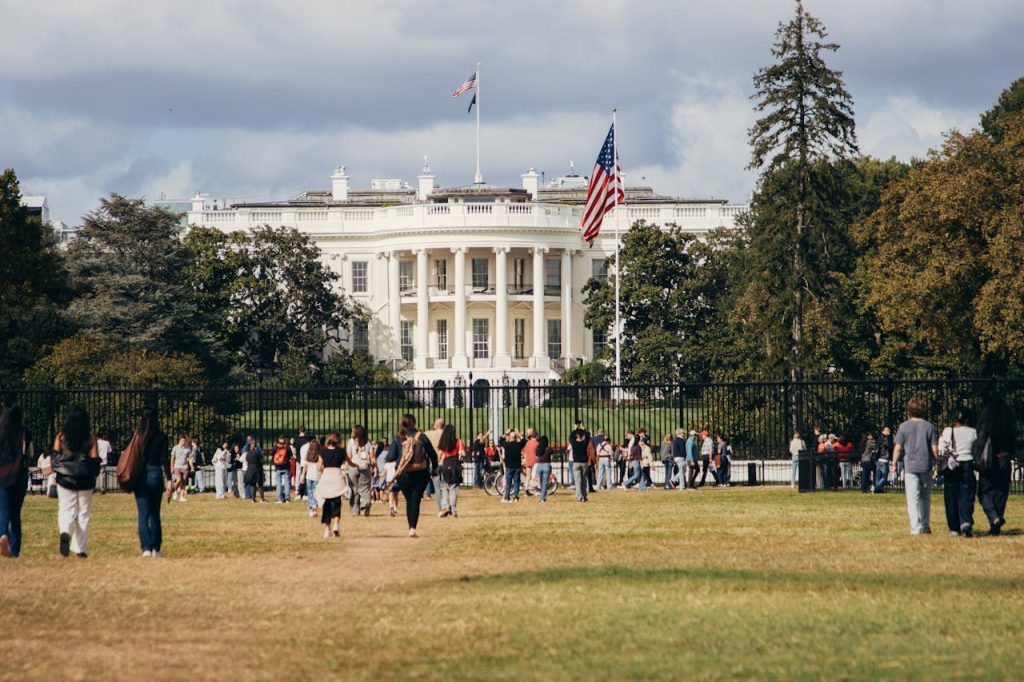
Increased visitation driven by social media brings pollution that alters destination environments. Trash accumulates faster than removal systems manage. Waterways receive sunscreen, plastics, and runoff from overcrowded beaches. Air quality declines near popular viewpoints and access roads. Noise pollution disrupts wildlife and residents. Visitors chasing viral experiences rarely see cumulative impact. Each individual post seems harmless, yet combined behavior overwhelms ecosystems. Pollution becomes normalized as popularity grows. What once felt pristine gradually deteriorates, reducing environmental quality and visitor satisfaction while placing long term recovery burdens on local communities.
Safety Risks From Risky Photo Trends
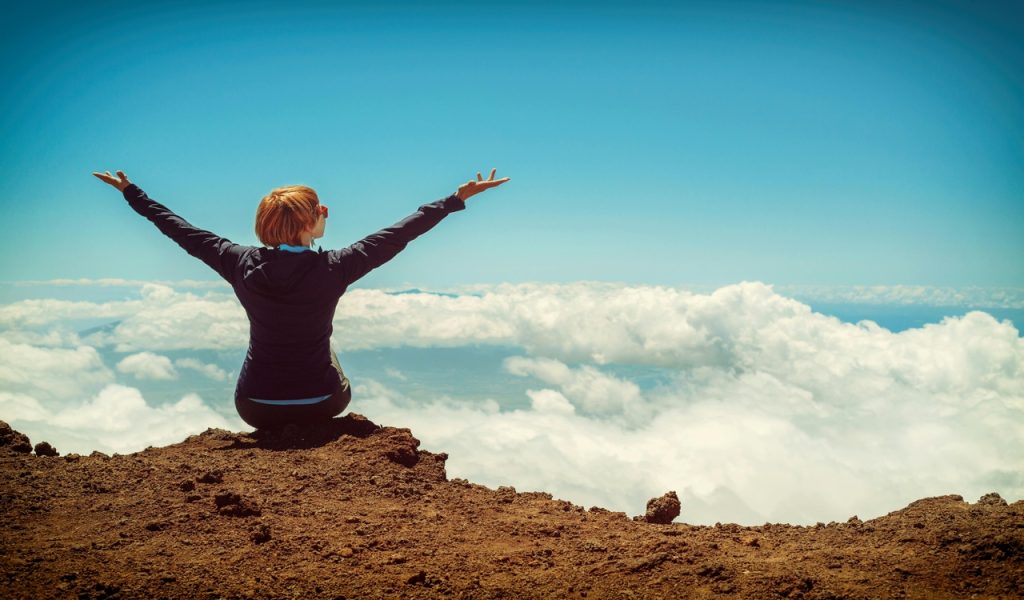
Social media encourages risky behavior when dramatic images gain attention. Visitors climb unstable cliffs, trespass restricted areas, or ignore weather warnings for photographs. Accidents increase as destinations attract thrill seeking visitors unfamiliar with terrain. Rescue operations place strain on local responders. Warning signs lose effectiveness when viral images contradict safety messaging. The pursuit of online validation outweighs caution. Destinations become associated with danger rather than enjoyment. This shift forces authorities to impose stricter rules or closures, reducing access for responsible visitors while addressing preventable risks amplified by online trends.
Seasonal Imbalance
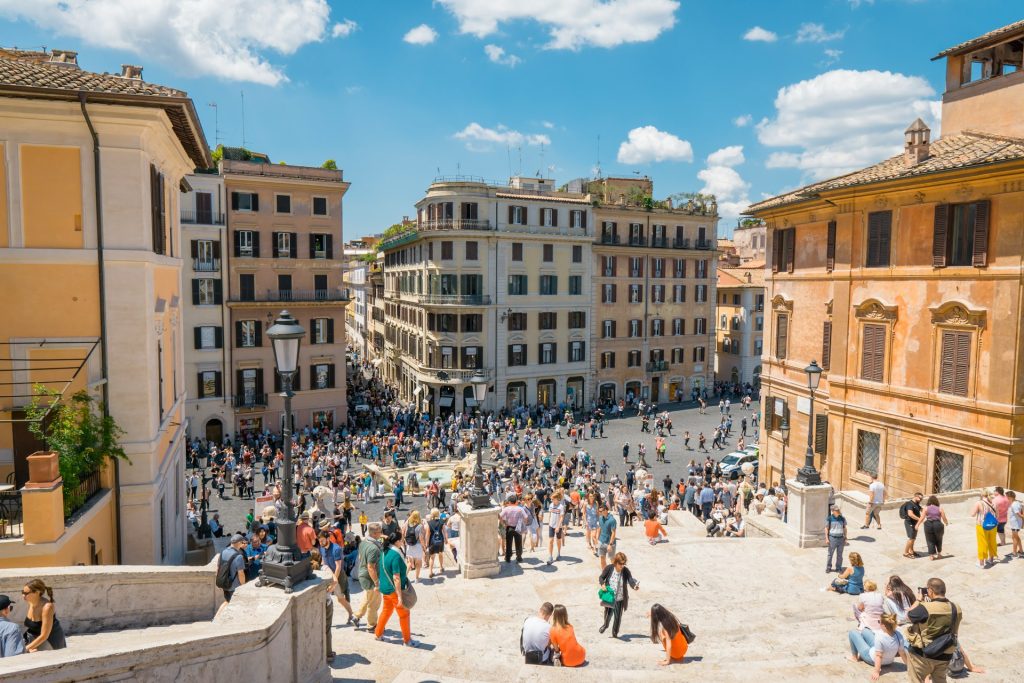
Social media concentrates visitation into narrow windows when destinations appear most photogenic. Peak seasons intensify while off seasons empty further. Communities struggle to support extreme fluctuations in demand. Workers face unstable income cycles. Natural areas receive pressure during sensitive periods like wildlife breeding or snowmelt. Infrastructure sits underused for part of the year, then overwhelmed. Balanced tourism patterns dissolve. Online algorithms reward idealized moments, not sustainability. This imbalance destabilizes local economies and ecosystems, making long term planning difficult while eroding the steady rhythms that once supported both residents and environments.
Commercialization Of Public Spaces
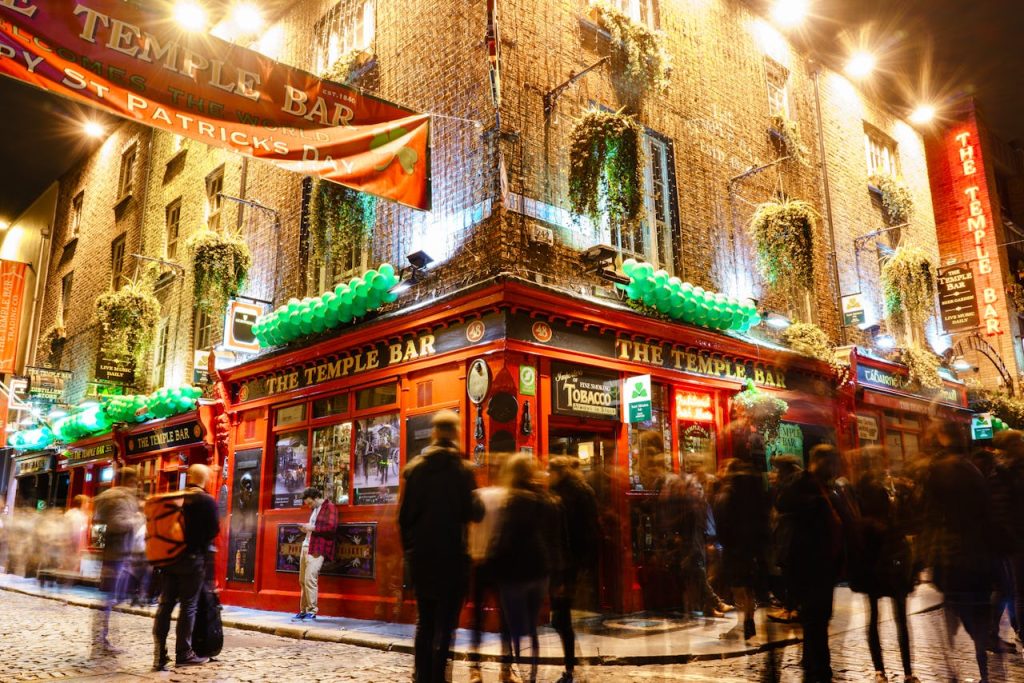
Public spaces transform when social media attention attracts vendors and branded experiences. Parks, plazas, and historic streets fill with pop up stalls, signage, and paid photo installations. Free access feels increasingly commercialized. Local governments permit monetization to manage crowds or fund maintenance. The atmosphere shifts from communal to transactional. Visitors encounter curated backdrops instead of open spaces. Residents lose informal gathering places. What began as organic visibility evolves into controlled consumption, altering how people interact with shared environments and redefining public space as a product rather than a commons.
Unrealistic Expectations
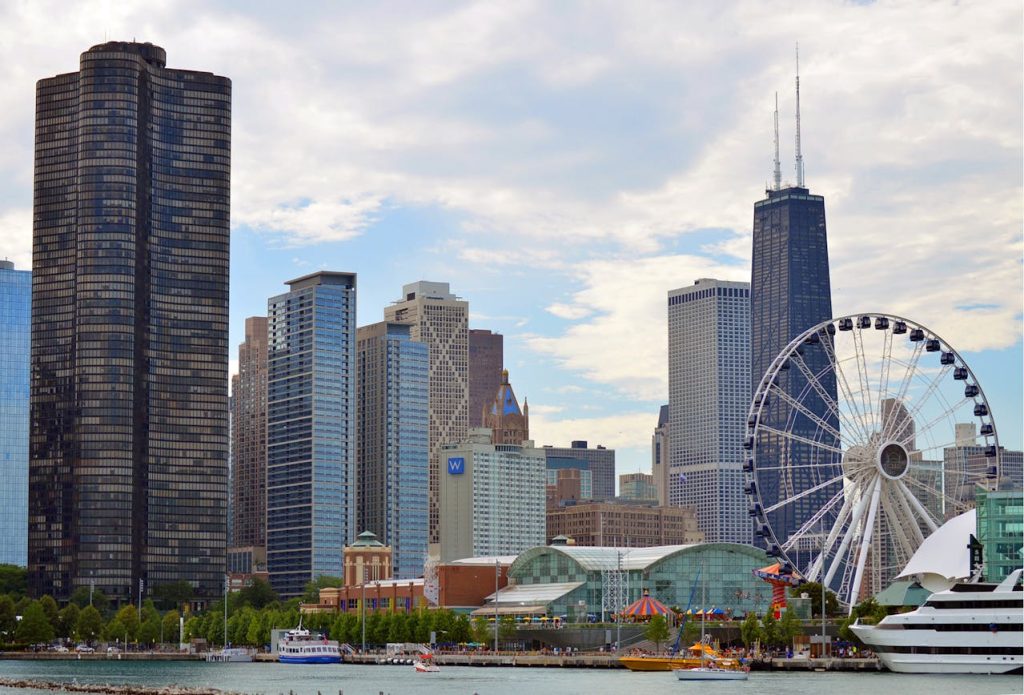
Social media creates polished expectations that destinations rarely meet in reality. Filters, editing, and selective framing hide crowds, weather, and limitations. Visitors arrive anticipating perfection and feel disappointed by normal conditions. Frustration increases when reality conflicts with online portrayals. Negative reviews follow, despite accurate conditions. Local workers manage dissatisfaction caused by misleading impressions. The cycle fuels constant chasing of ideal moments rather than appreciation. Destinations suffer reputational whiplash as viral fame elevates expectations beyond what any real place can sustainably deliver day after day.
Regulatory Backlash
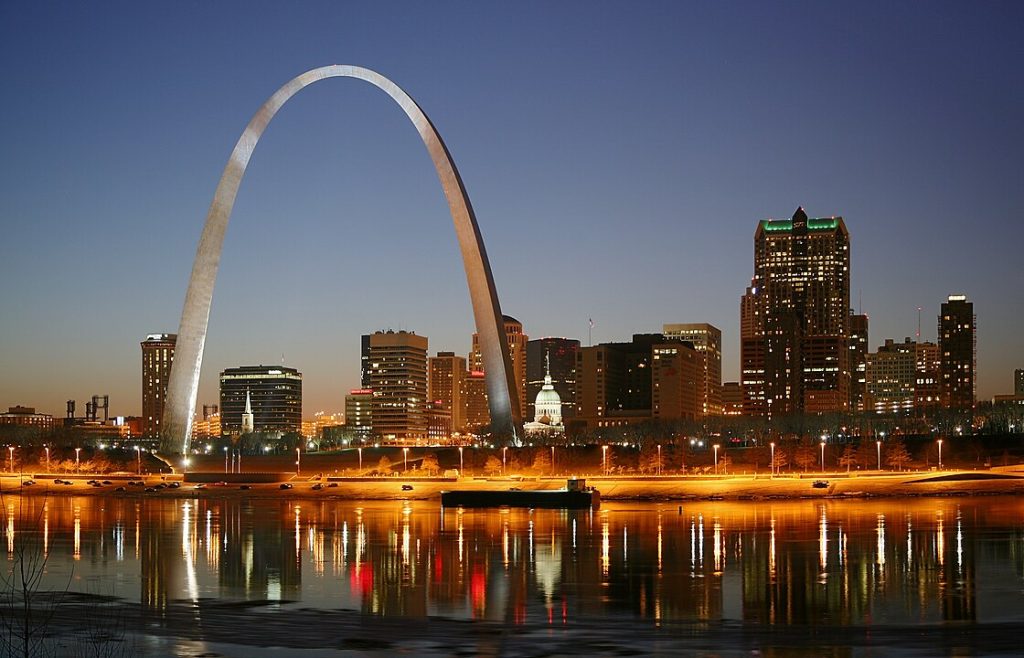
As destinations struggle with social media driven impacts, regulations increase. Authorities introduce permits, reservations, fines, and access limits. While necessary, restrictions change visitor experience and spontaneity. Residents debate tourism benefits versus quality of life. Enforcement costs rise. Some locations close entirely to recover. Social media exposure often triggers these measures, accelerating oversight. Destinations shift from open exploration to managed entry. The backlash reflects a need for control after visibility spirals. What once felt freely accessible becomes regulated terrain shaped by consequences of unchecked online popularity.