12 American Campgrounds Infested With Wildlife Hazards

Wildlife biologists and National Park Service rangers constantly warn that the boundaries between designated campgrounds and wild habitats are porous at best. While many travelers envision a peaceful communion with nature, safety officials report that certain campgrounds serve as hotspots for dangerous human-wildlife conflicts. In these specific locations, animals have become habituated to human presence, viewing tents and coolers not as foreign objects but as potential food sources or territorial impediments.
Park superintendents and field researchers emphasize that the density of wildlife in these areas requires a level of vigilance that goes far beyond standard camping protocols. From aggressive ungulates during rutting season to apex predators patrolling for unsecured calories, the risks are tangible and frequently documented. Understanding the specific biological behaviors of the local fauna allows campers to recognize why these twelve locations are categorized by experts as some of the most biologically active and potentially hazardous sleeping quarters in the country.
Many Glacier Campground In Montana

Grizzly bear management specialists in Glacier National Park frequently cite Many Glacier as one of the most intense zones for bear activity in the lower forty-eight states. The campground sits in a valley bottom rich with huckleberries and serviceberries, creating a natural food corridor that draws bears directly through the tent loops. Rangers often implement hard-sided camping restrictions during peak berry season because the density of grizzlies moving through the brush makes fabric-walled shelter unsafe.
Biologists explain that the bears in this drainage have adapted to navigating around human infrastructure, leading to frequent close encounters that test the nerves of even seasoned outdoorsmen. The dense vegetation surrounding the sites limits sightlines, meaning a camper can inadvertently startle a foraging sow at extremely close range. Strict food storage regulations are enforced with zero tolerance by law enforcement rangers to prevent these powerful animals from obtaining a caloric reward.
Flamingo Campground In Florida
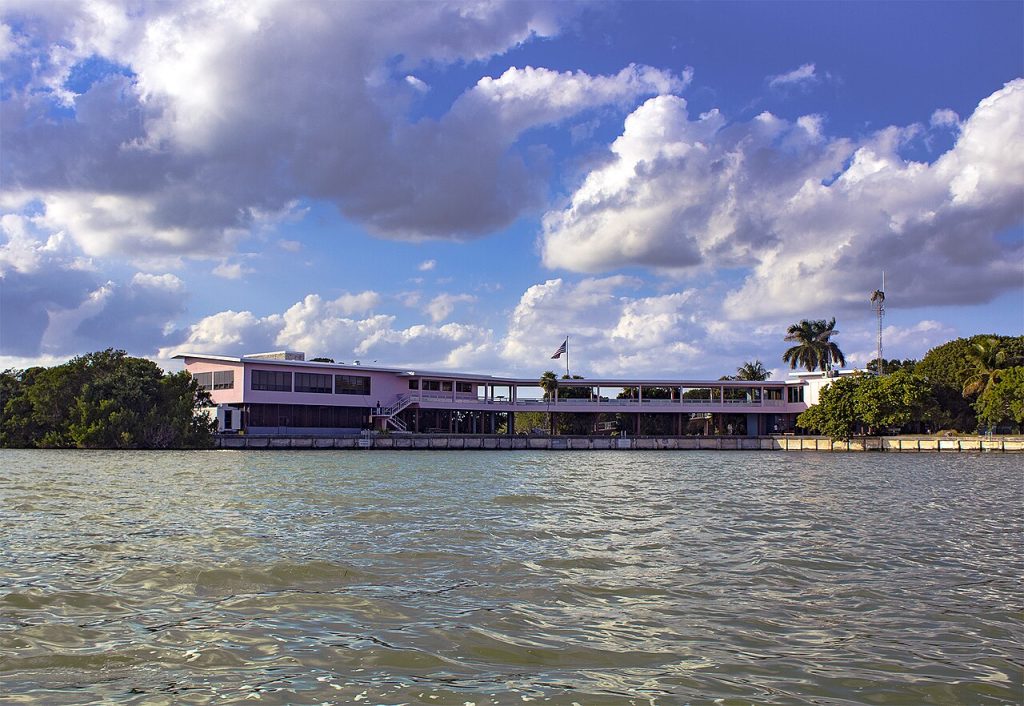
Herpetologists and Everglades National Park officials identify the Flamingo area as a unique intersection where campers face threats from both fresh and saltwater apex predators. Located at the southern tip of the Florida peninsula, the campground is flanked by waters inhabited by American alligators and American crocodiles. Rangers warn that these reptiles often sun themselves on the grassy banks adjacent to the campsites and have been known to wander near tents after dark.
Wildlife experts note that the primary hazard stems from the stealth and camouflage of these animals, which can remain virtually invisible in the murky water or tall sawgrass. The presence of aggressive raccoons also poses a secondary threat, as they are known to raid campsites and attract larger predators looking for an easy meal. Visitors must maintain constant situational awareness near the water’s edge, as attacks can occur with explosive speed.
Brooks Camp Campground In Alaska
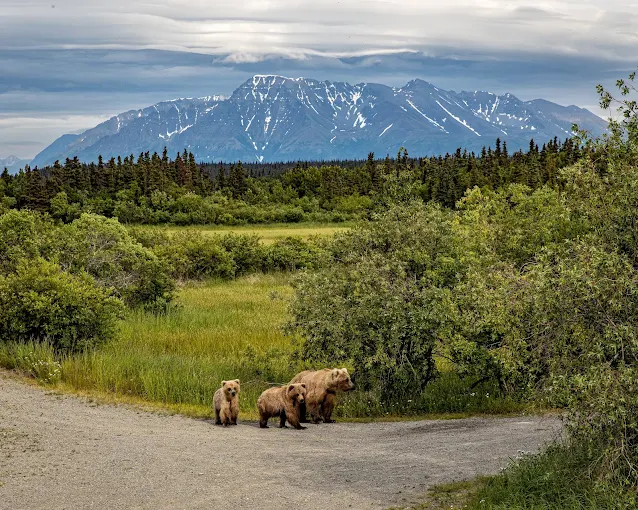
Bear biologists at Katmai National Park manage Brooks Camp as a high-concentration zone for coastal brown bears, particularly during the salmon run. The campground is surrounded by an electrified fence, a necessary fortification to separate sleeping humans from the dozens of bears that patrol the nearby beach and river. Park rangers emphasize that this is one of the few places in the world where humans are essentially caged while the wildlife roams free.
The sheer number of bears in the area means that encounters on the trail leading to the campground are almost guaranteed. Safety instructors teach visitors to yield the right of way immediately, as the bears here are dominant and focused entirely on consuming massive amounts of fish. The electric fence serves as a psychological deterrent for the bears, but maintenance crews must check the voltage constantly to ensure the barrier remains effective against the inquisitive giants.
Assateague Island State Park In Maryland
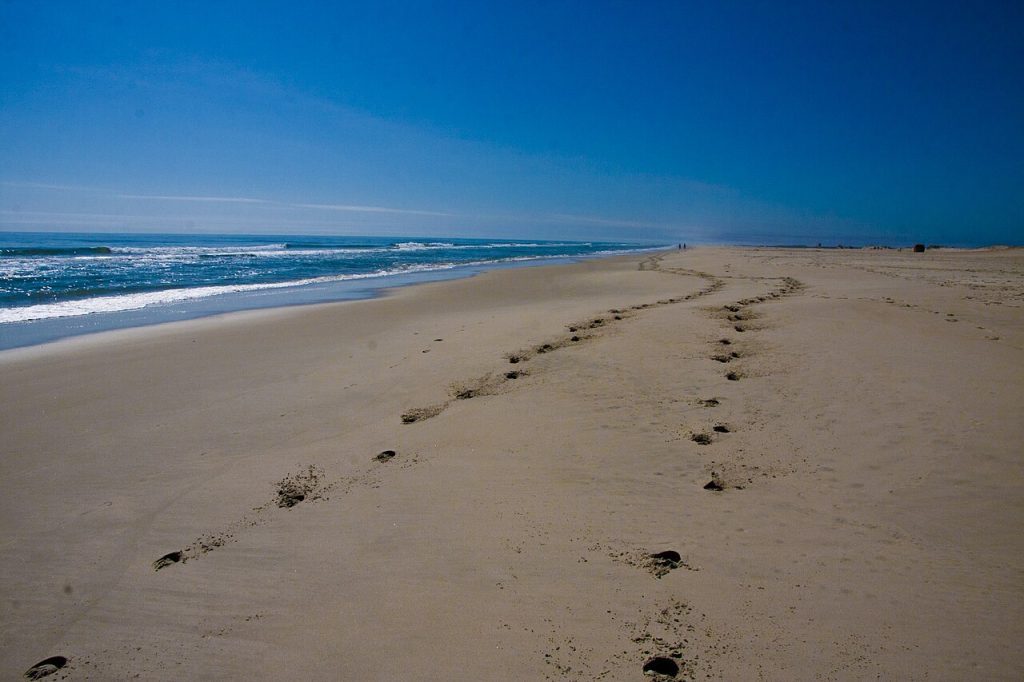
Equine behaviorists and park rangers caution that the famous wild horses of Assateague are far more dangerous than their docile appearance suggests. These feral animals have no fear of humans and frequently invade campsites in search of food, tearing through coolers and mesh tents with their hooves. Veterinary experts report that bites and kicks are common occurrences when visitors attempt to pet or crowd the horses.
The herd dynamics often play out in the middle of the camping loops, with stallions fighting for dominance or mares protecting their foals near picnic tables. Park officials enforce strict distance regulations because a startled horse can inflict serious blunt force trauma in seconds. The habituation of these animals to camp food has created a cycle of aggression that requires constant management by state wildlife personnel.
Mather Campground In Arizona
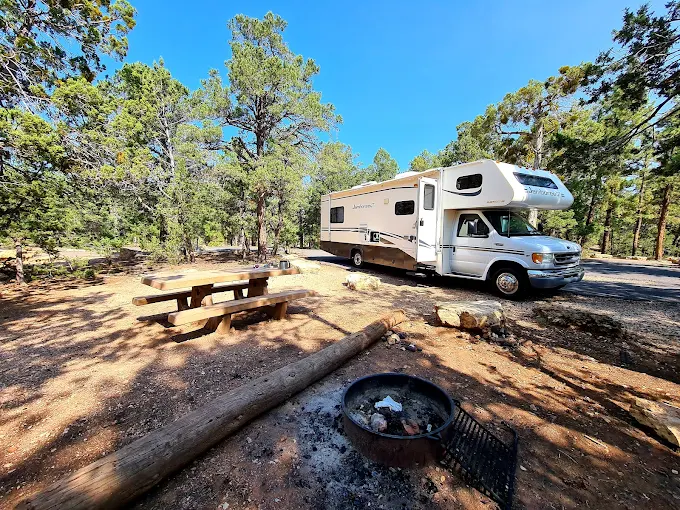
Wildlife managers at Grand Canyon National Park identify the resident elk herd as a primary safety concern for campers on the South Rim. During the fall rut, bull elk become extremely aggressive and unpredictable, often charging vehicles and pedestrians that get too close. Biologists note that the elk have lost their natural wariness of humans and frequently graze and bed down directly within the occupied campsites.
The massive antlers of the bulls pose a lethal threat, while cow elk are known to fiercely defend their calves in the spring, striking out with sharp hooves. Park rangers regularly intervene to separate tourists from the animals, as the elk will dominate the space around water spigots and restrooms. Dehydration often drives the animals to seek water sources within the campground, increasing the frequency of tense interactions.
Cades Cove Campground In Tennessee
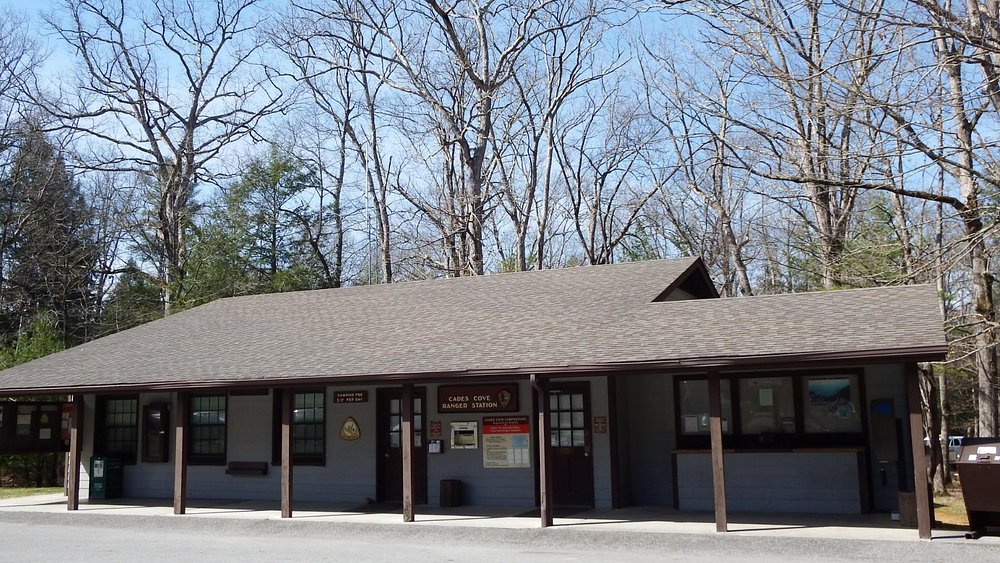
Black bear researchers in the Great Smoky Mountains National Park view Cades Cove as a critical zone for human-bear conflict management. The high density of oak and hickory trees produces a mast crop that attracts bears into the campground in search of acorns and garbage. Wildlife officers report that bears here are masters of opportunism, often snatching food from picnic tables while campers are present.
The history of food conditioning in this valley means that generations of bears have learned to associate the smell of camping gear with sustenance. Biologists utilize tracking collars and aversive conditioning techniques to keep the bears at bay, but the lure of the campground remains strong. Visitors often wake to find bear prints on their vehicles or hear the animals investigating the perimeter of their tents at night.
Upper Pines Campground In California
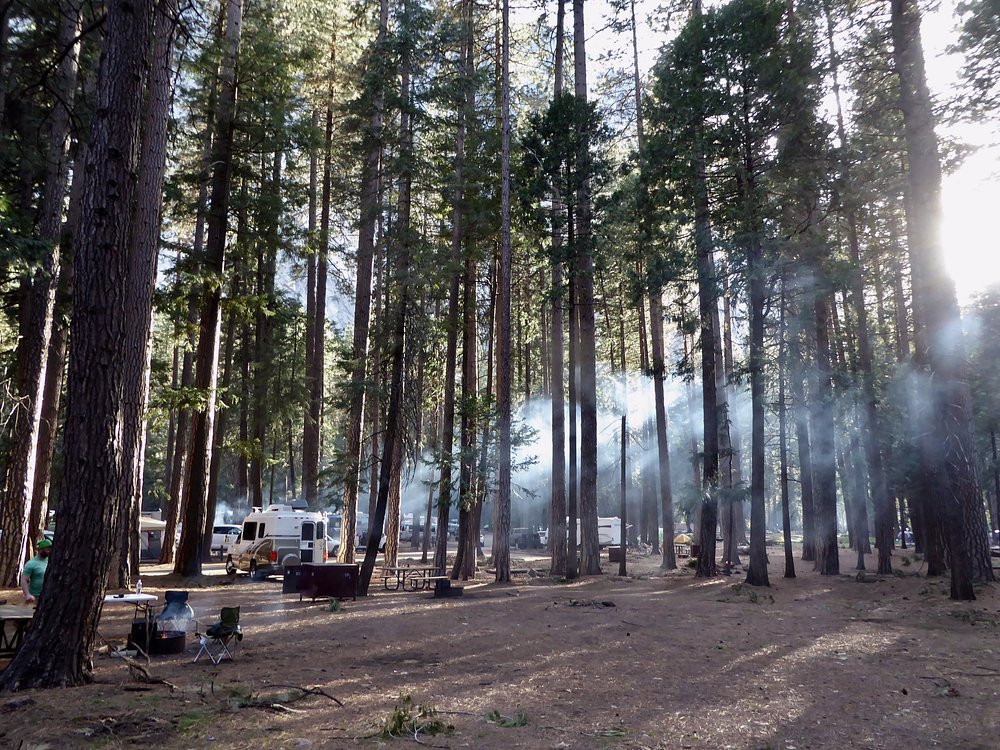
Yosemite National Park wildlife officials have spent decades battling the ingenuity of black bears in the Upper Pines area. The bears here have developed sophisticated methods for breaching vehicles and food lockers, leading to significant property damage. Rangers explain that the high volume of visitors creates a scent plume that draws bears from the surrounding cliffs and valleys into the valley floor.
The chaotic nature of the campground, with thousands of campers, does little to deter the bears, which often walk casually through the loops in broad daylight. Wildlife biologists emphasize that while attacks are rare, the bears are powerful and persistent, capable of peeling open car doors like aluminum cans. Strict adherence to bear box usage is the only defense against these highly intelligent foragers.
Mammoth Campground In Wyoming
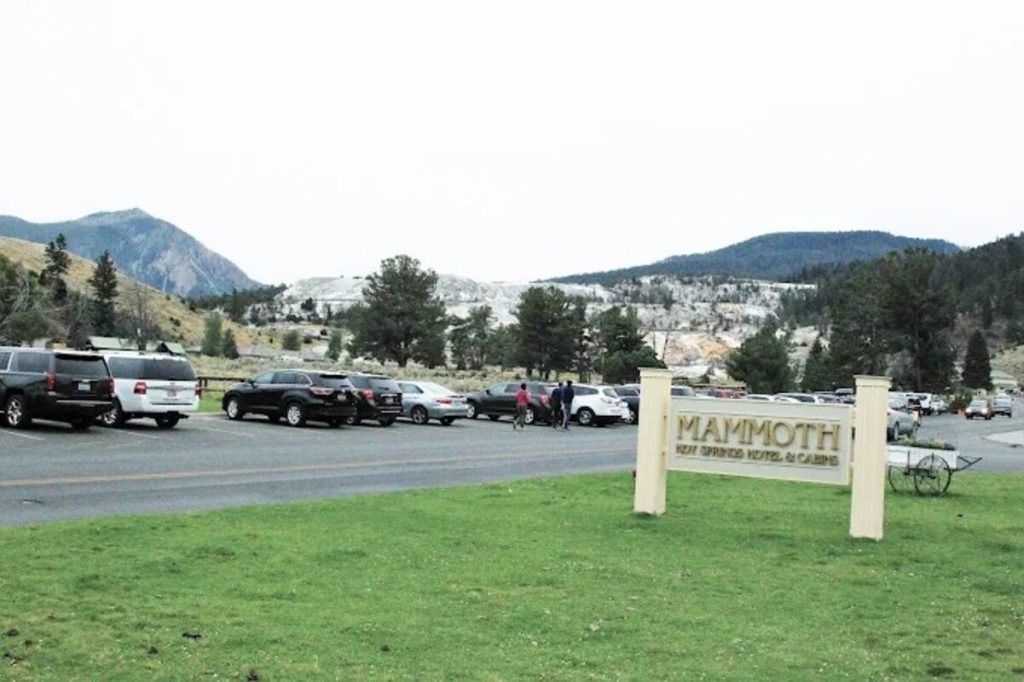
Ungulate biologists in Yellowstone National Park warn that Mammoth Campground is effectively a calving ground and winter range for the local elk herd. During the spring calving season, cow elk hide their newborns in the sagebrush between campsites and will attack anyone who inadvertently approaches. Rangers patrol the loops to ensure that campers maintain a safe distance, but the camouflage of the calves makes this difficult.
In the autumn, the bull elk take over the area, bugling and sparring throughout the night. Safety experts note that the bulls are pumped full of testosterone and will thrash vegetation and camping equipment that obstructs their path. The presence of bison moving through the area adds another layer of hazard, as these two-thousand-pound animals can sprint faster than a human and will charge if agitated.
Chisos Basin Campground In Texas
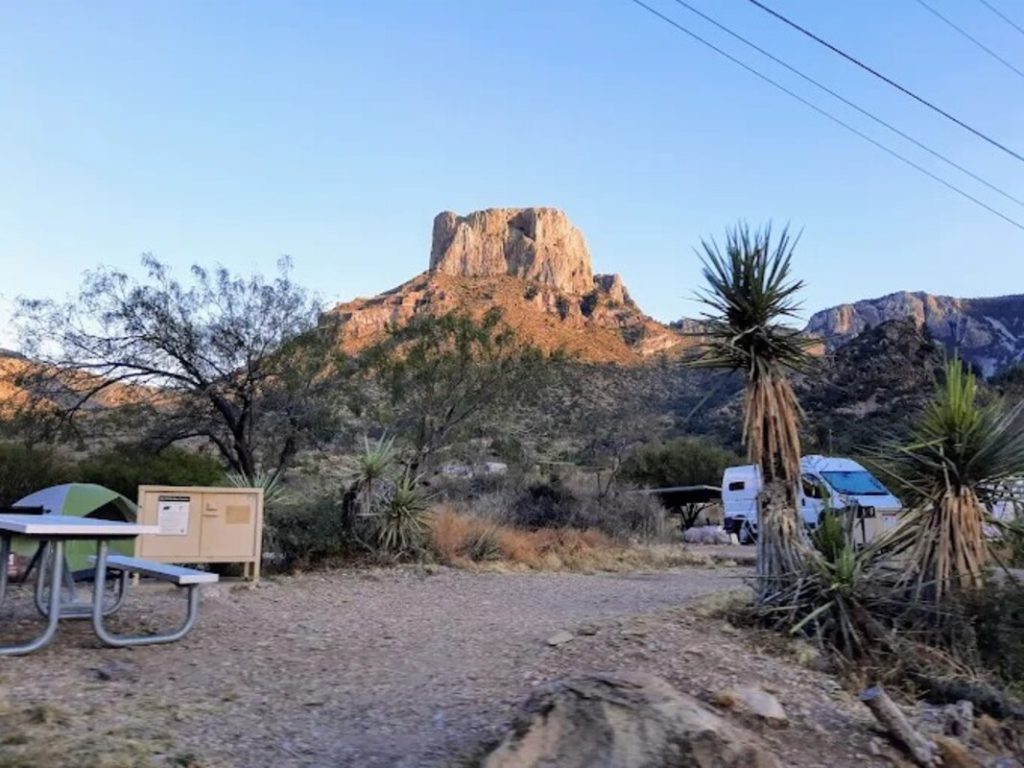
Mountain lion specialists and bear biologists at Big Bend National Park monitor the Chisos Basin closely due to the convergence of predator habitats. The campground sits in a high desert bowl that serves as a prime hunting ground for mountain lions stalking deer and javelina. Park officials post frequent warnings about lion activity, advising campers to keep children close and to avoid hiking alone at dawn or dusk.
The return of the black bear to West Texas has also increased the activity in the campground, with bears investigating the dumpsters and water sources. Wildlife experts explain that the scarcity of water in the desert drives predators into the developed areas where hydration is available. The combination of stealthy feline predators and opportunistic bears requires a high level of vigilance from anyone staying in the basin.
Gros Ventre Campground In Wyoming
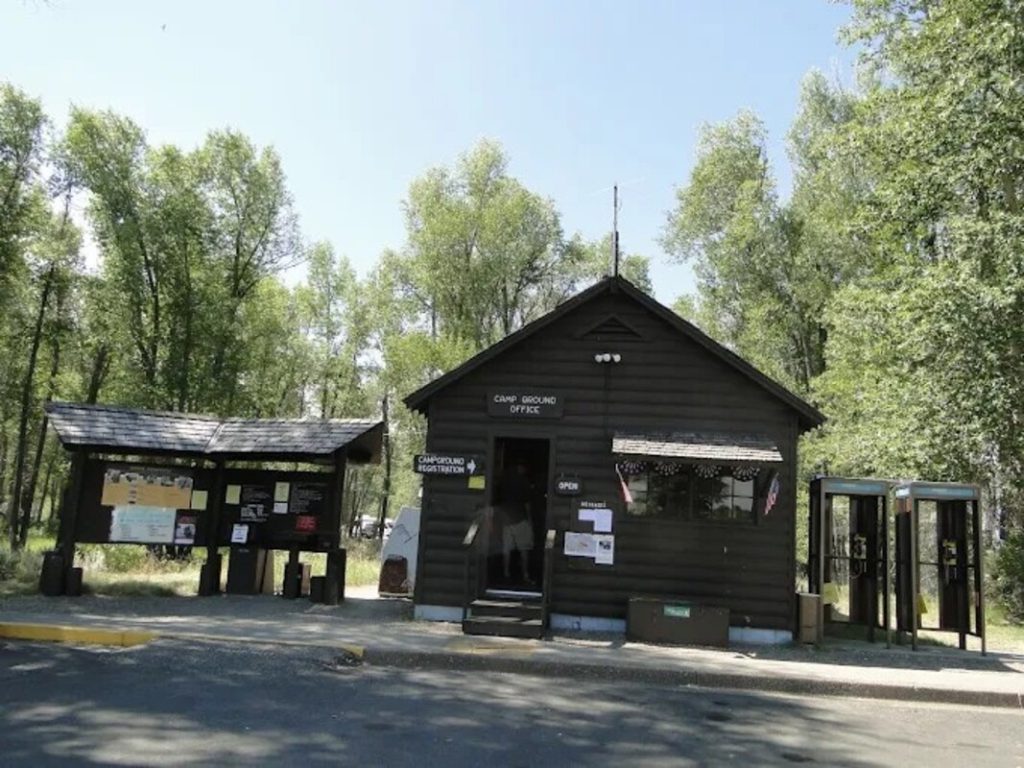
Moose biologists in Grand Teton National Park identify the Gros Ventre River corridor as a prime habitat for the massive Shiras moose. These animals frequently browse the willows and cottonwoods within the campground, towering over tents and vehicles. Wildlife safety officers warn that moose are among the most dangerous animals in the Rockies, particularly when a cow feels her calf is threatened.
A moose will charge with little warning, laying its ears back and striking with its front hooves. Experts note that the density of the brush in the campground can mask the presence of a moose until a camper is dangerously close. The animals often bed down near the restrooms or campsites, creating a blockade that requires rangers to divert traffic until the animal decides to move on.
Cottonwood Campground In California
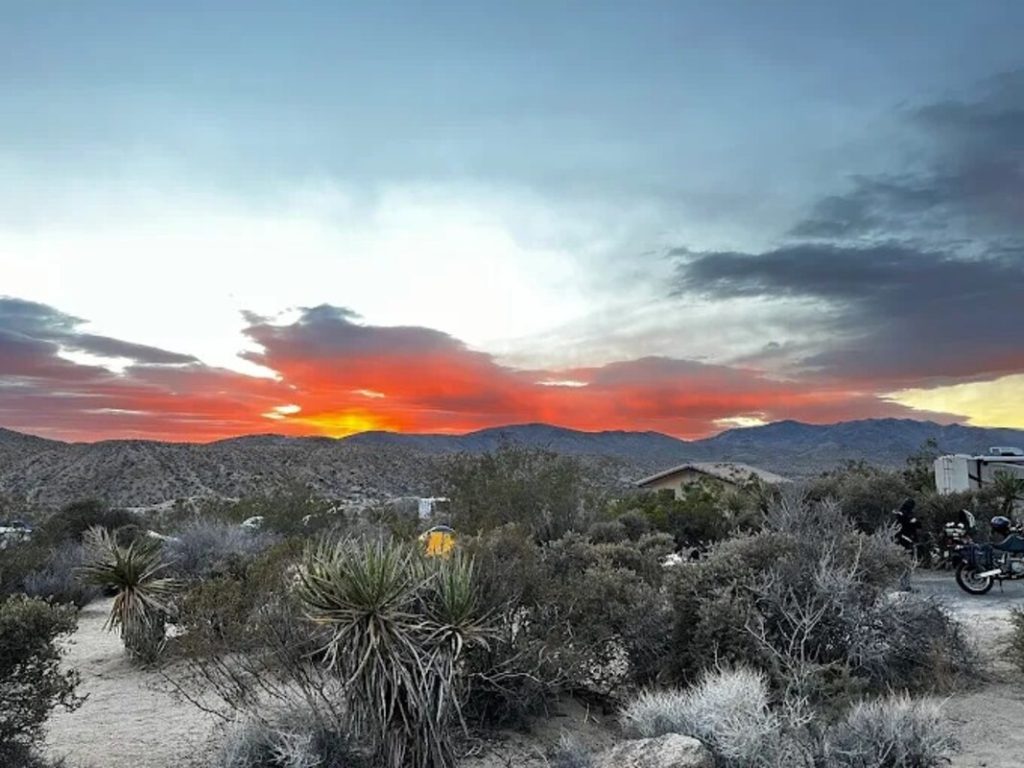
Entomologists and park rangers at Joshua Tree National Park frequently close sections of Cottonwood Campground due to aggressive honey bee activity. In the arid desert environment, bees become desperate for moisture and will swarm around water spigots, condensation on air conditioners, and even sweaty hikers. Safety officials warn that Africanized bees, which are more defensive than European honey bees, are present in the park and can inflict mass stinging events.
Herpetologists also note that the rocky outcrops and sandy washes of the campground are ideal habitats for rattlesnakes, including the aggressive Mojave Green. These vipers often seek shade under tents or picnic tables during the heat of the day. The combination of venomous reptiles and swarming insects creates a dual threat that requires campers to check their surroundings constantly and manage all water sources with extreme care.
Wonder Lake Campground In Alaska
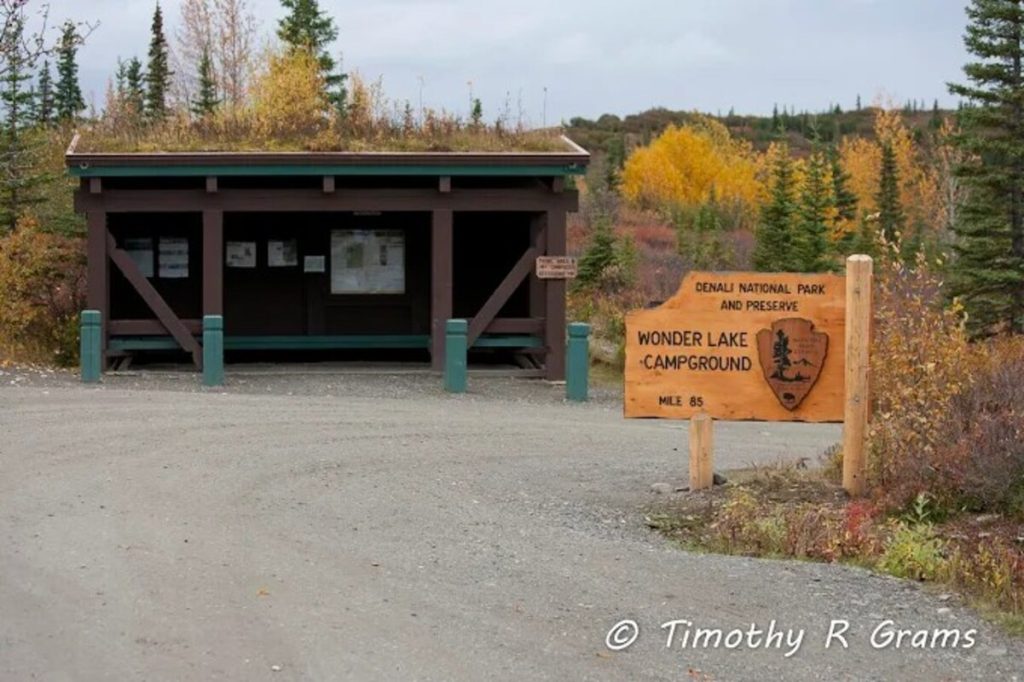
Grizzly bear experts and park rangers in Denali National Park manage Wonder Lake as a primitive campground with zero tolerance for wildlife interference. The campground is located deep in the tundra, miles from the park entrance, placing campers in the middle of prime grizzly habitat. Biologists observe that bears frequently traverse the open ground near the lake, using the area as a travel corridor.
The lack of trees in the tundra means there is nowhere to hide if a bear approaches, forcing campers to rely on proper food storage and bear spray. Park officials emphasize that the mosquitoes in this area can also be a significant hazard, swarming in clouds dense enough to cause respiratory distress in unprepared visitors. The isolation of the site means that help is hours away, making every wildlife interaction a high-stakes scenario.