12 American Destinations Where Off-Season No Longer Exists
Some U.S. destinations used to have a clear off-season, a stretch when rooms were cheaper and streets felt calmer. That rhythm has thinned out. Remote work, year-round festivals, and flexible school breaks keep planes full, while parks and restaurants operate on steady demand. Even when weather turns cooler or hotter, travelers adjust rather than disappear, and popular neighborhoods keep their energy. These places still reward smart timing, but quiet weeks are no longer guaranteed.
New York City, New York
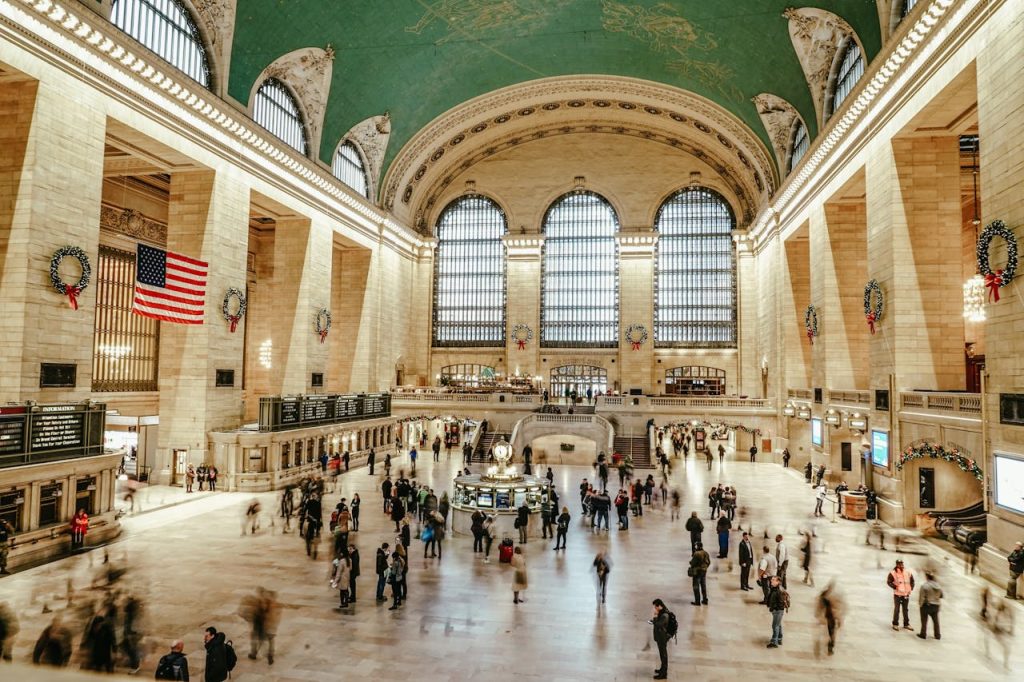
New York City rarely slows because its calendar stacks year-round, with holiday travel flowing straight into January Broadway weekends, winter museum openings, and restaurant buzz. Spring brings graduations, conventions, and school trips; summer adds concerts, ballgames, and rooftop nights; fall arrives with fashion events and marathon energy, so hotel lobbies and popular subway lines stay crowded even when daylight fades early. Quiet, when it shows up, is usually a morning window in Queens, Brooklyn, or uptown, not a dependable off-season that lasts long enough to plan around, and even then it can vanish with one big show weekend.
Miami Beach, Florida
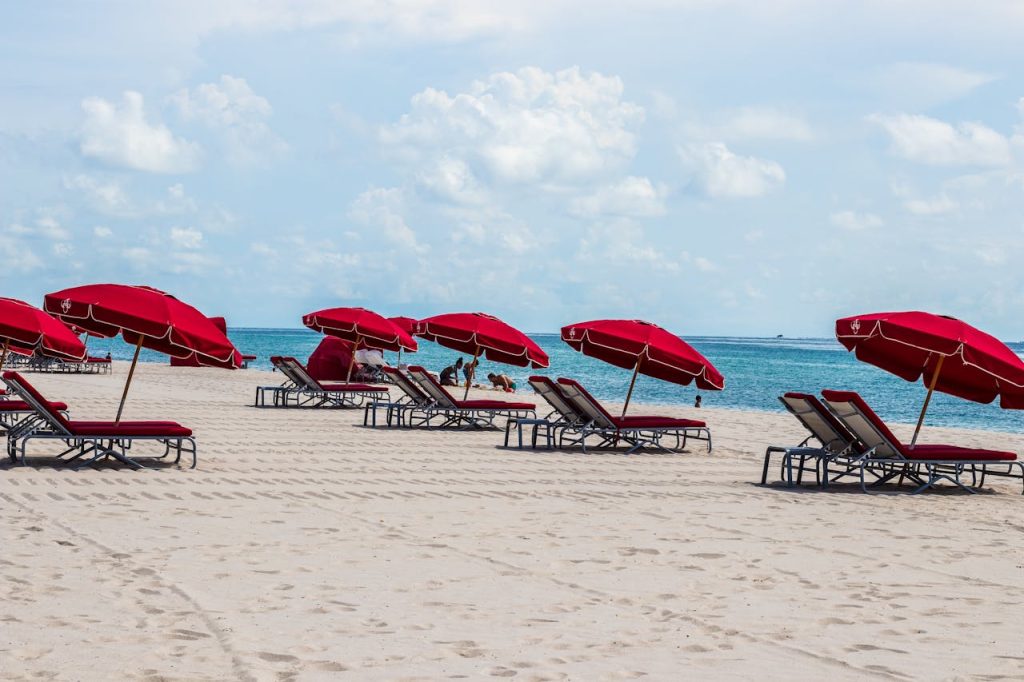
Miami Beach keeps a steady crowd because warm water, nightlife, and a packed events calendar blur the seasons into one long run. Winter snowbirds blend into festival weeks and cruise arrivals, and summer still draws full flights when other coasts cool off, so Ocean Drive and Collins Avenue stay busy with brunch lines, pool decks, and valet queues on regular weekdays. When a major concert or Art Basel week lands, prices jump, but even quiet-looking dates carry enough demand that last-minute rooms and dinner reservations can be harder than expected, and the crowd simply shifts from day to night instead of fading.
Orlando, Florida
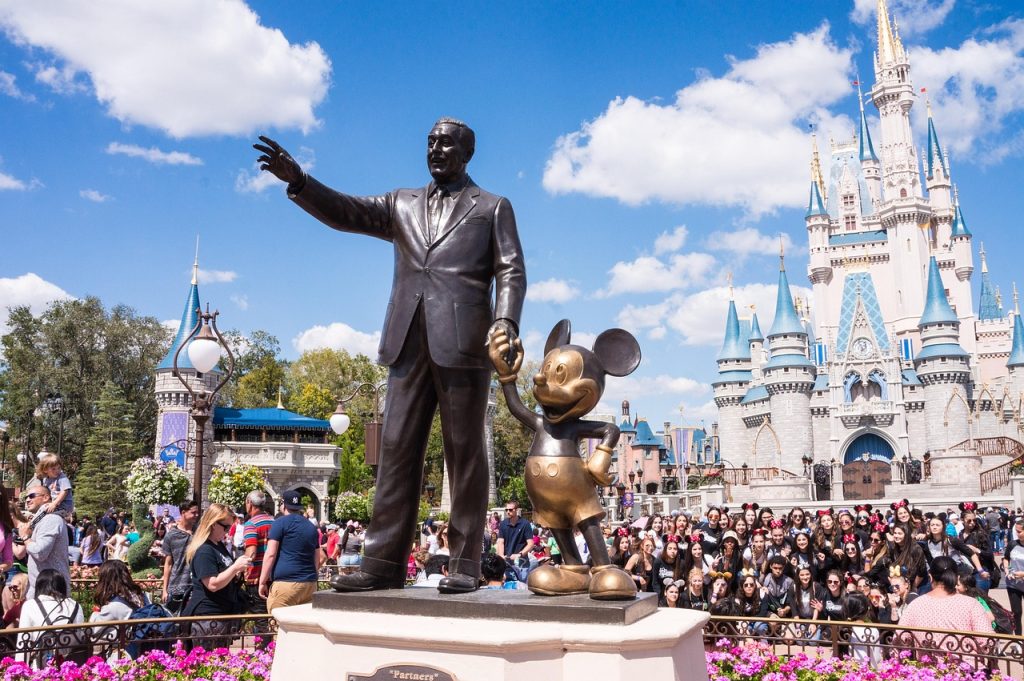
Orlando’s old slow weeks faded as theme parks expanded, conventions multiplied, and family travel spread across many school calendars. Holiday crowds roll into marathon weekends and spring breaks, summer stays busy, and fall is filled by Halloween events and food festivals that start early and run long, so the flow rarely pauses. Even rainy stretches get absorbed by indoor rides, outlet malls, and resort pools, and hotels book around meetings and youth sports, which keeps restaurant waits, shuttle lines, and parking garages active well beyond the classic peak, with dining slots and rides needing plans earlier than families expect.
Las Vegas, Nevada
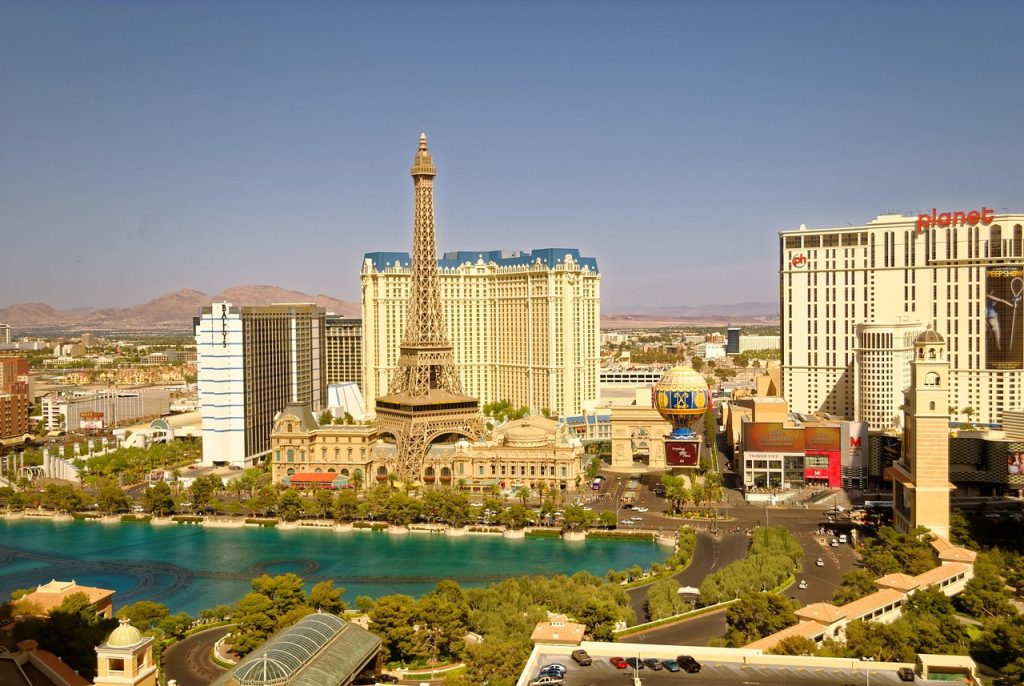
Las Vegas stays busy because it sells reasons to arrive, not seasons, with conventions, sports weekends, residencies, and food trips stacked across the year. Summer heat slows daytime wandering, but it does not thin the Strip, since casinos and arenas keep people inside, then pull them back out after dark for shows, late dinners, and packed lobby bars. Rates swing and midweek deals appear, yet check-in lines stay long, sidewalks fill with badges and celebration groups, and ride-share surges plus hard-to-get reservations show how rarely the city eases, even on a Tuesday, with cabanas and dinner seatings booked earlier than the ads suggest.
Nashville, Tennessee
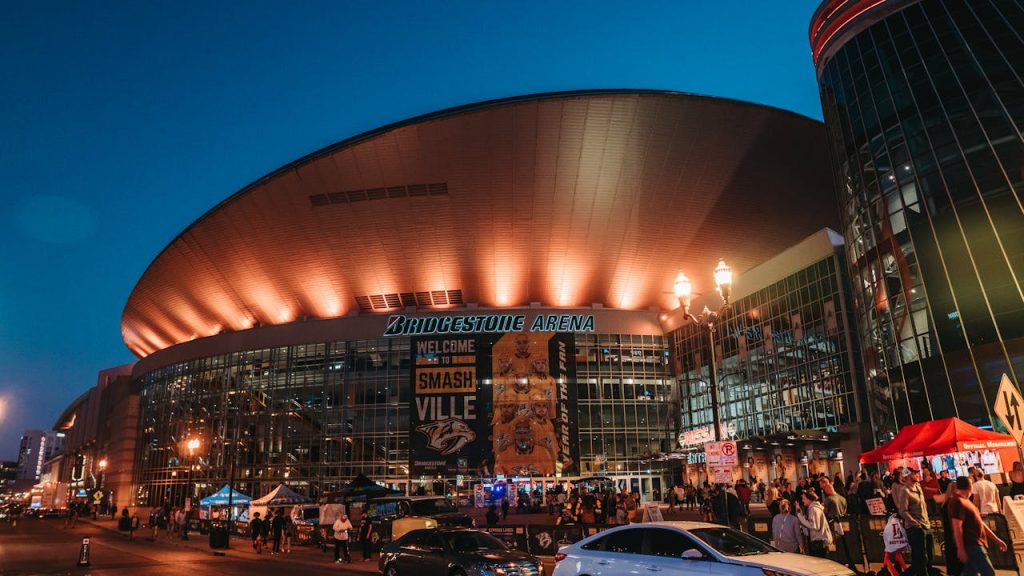
Nashville’s crowds rarely break because live music, celebration trips, and sports weekends keep demand steady across the year. Spring and fall used to be the sweet spot, but now every season brings a draw, from festivals and football to holiday bar pop-ups and arena shows that fill hotels on short notice. Lower Broadway stays packed late, brunch waits show up midweek, and neighborhood honky-tonks and songwriter rounds feel the spillover when a big game overlaps a headline concert, so quieter months are more rumor than reality in most years, with ride-share surges and dinner reservations behaving like a holiday weekend.
Austin, Texas
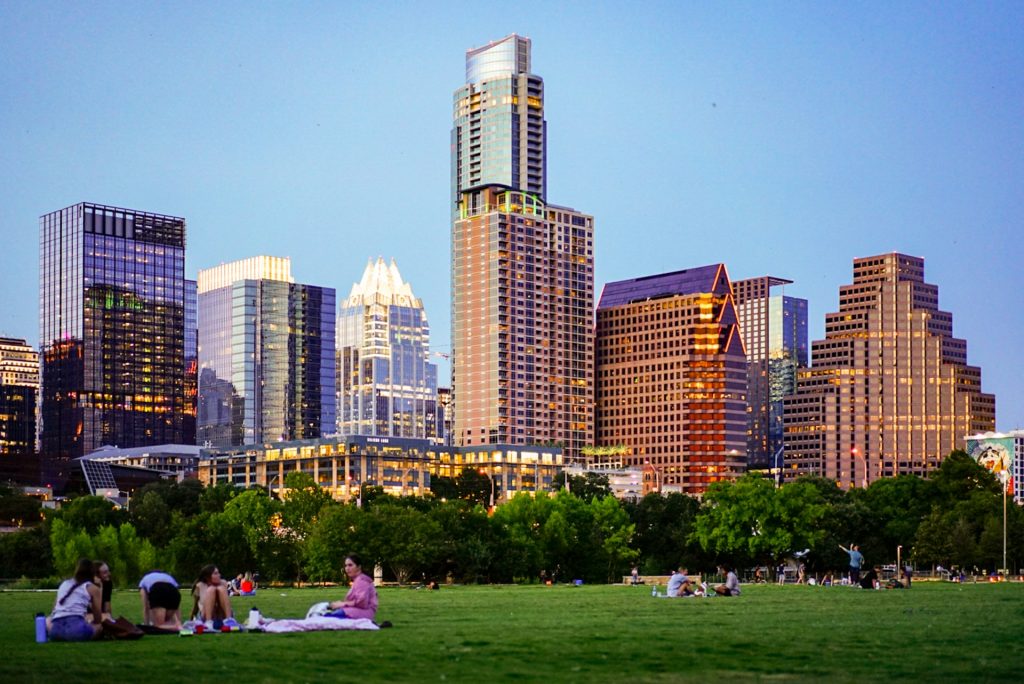
Austin stays full because its identity is built on events, and the calendar leaves few clean gaps. South by Southwest and ACL are the spikes, but spring wildflower trips, lake weekends, and a steady stream of tech meetups keep flights and hotels tight. Even in the hottest months, the city shifts into the evening with patios, live music, and food trucks, and weekdays can feel busy when a conference checks in, Barton Springs turns into a meeting point, and popular barbecue lines start forming before noon, turning a random Tuesday into a planned day, with dinner reservations and bridge traffic behaving like the weekend.
Charleston, South Carolina
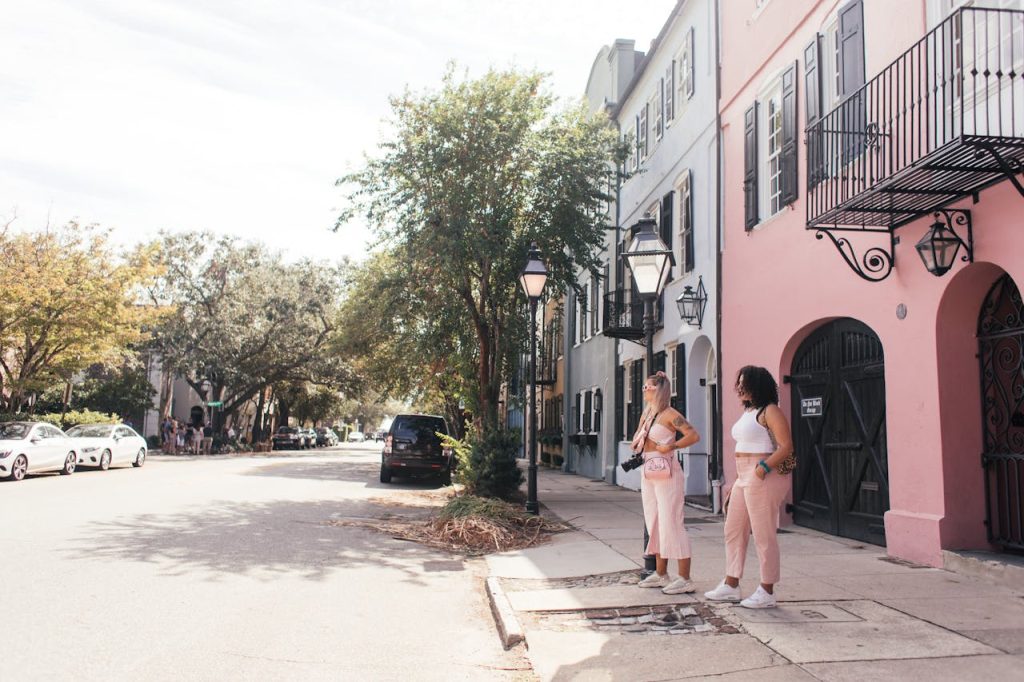
Charleston’s slow months have shrunk as travelers chase mild weather, coastal scenery, and a food scene that keeps weekend plans coming. Spring gardens and fall walks still spike demand, yet weddings, holiday décor, and constant restaurant buzz keep occupancy high in the compact historic district, where tour groups and carriage routes converge. King Street shopping, waterfront strolls, and nearby beaches keep streets and reservations moving, parking can fill early, and the city feels calmer only for brief weekday mornings before patios, galleries, and evening cruises bring the crowds back fast.
San Diego, California
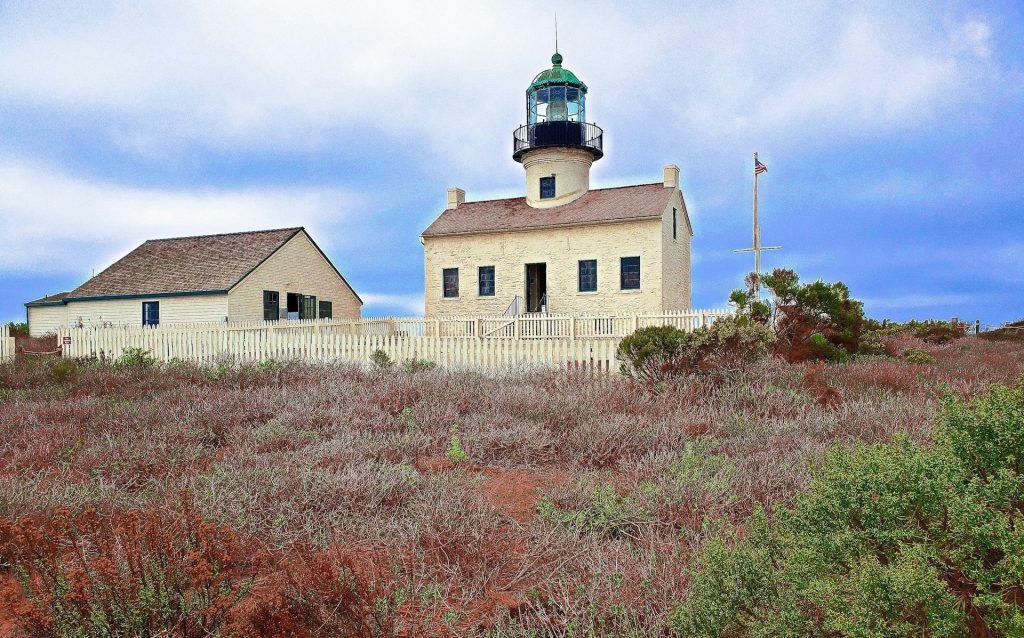
San Diego rarely gets an off-season because the weather stays inviting and the city mixes beaches with Balboa Park, museums, and family draws. Summer is the obvious rush, but winter still brings visitors for whale watching, outdoor dining, and mild coastal days that keep patios open and harbor tours running. Conventions and waterfront events keep hotels active downtown, while La Jolla and the beach towns stay lively with surfers, brunch waits, and sunset walkers, so even a random week can feel planned once parking lots fill and dinner lines start, and the crowd simply shifts neighborhoods instead of thinning out.
Scottsdale, Arizona
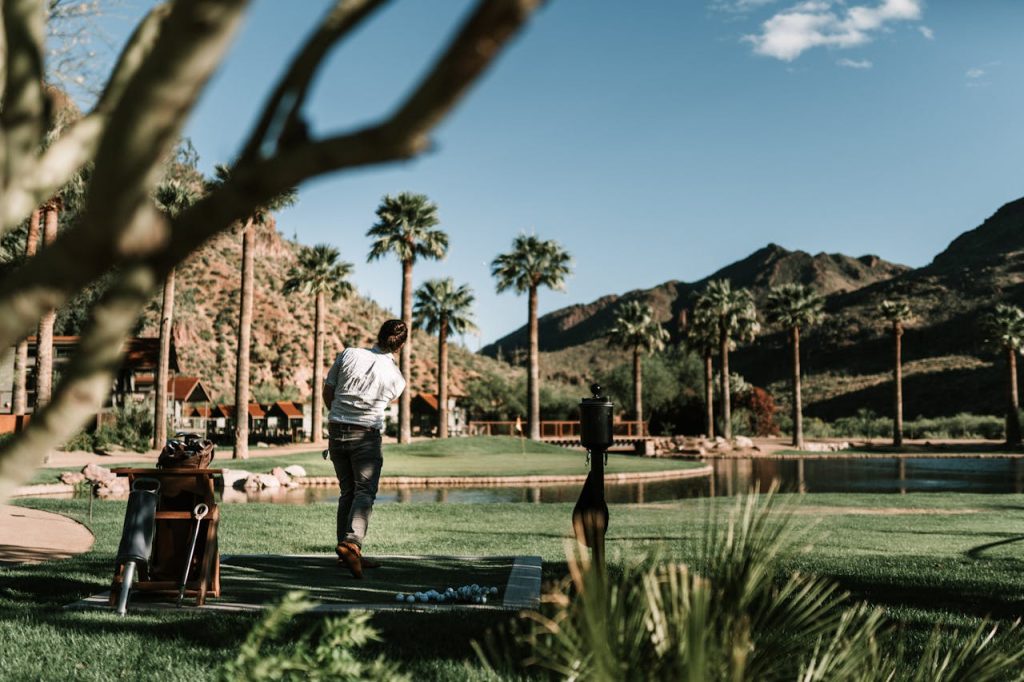
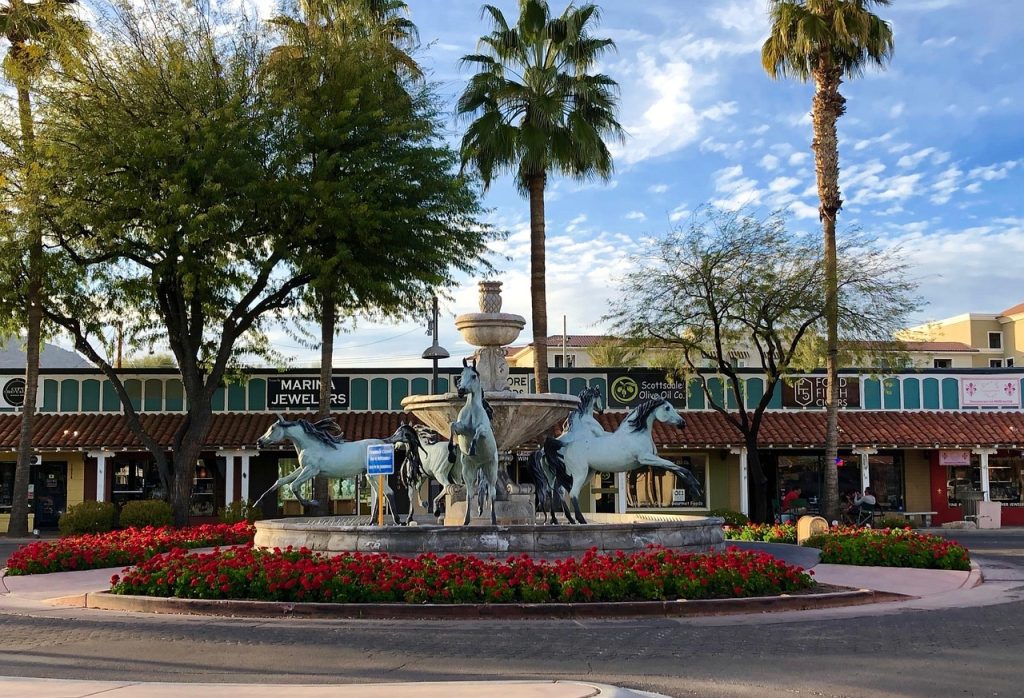
Scottsdale’s quiet stretch blurred as golf, spas, and desert hikes started pulling visitors in every month. Winter remains the classic high, yet spring training, art fairs, and food festivals keep momentum rolling, and summer stays active on resort deals, pool culture, and early-morning trail plans. Tee times and spa slots fill quickly around long weekends, and many visitors pair Scottsdale with Phoenix concerts or sports, which keeps restaurants busy; popular patios book out, and sunrise trailhead parking tightens before 7 a.m. on weekends that once felt open. Heat changes the schedule, not the demand.
Jackson Hole, Wyoming
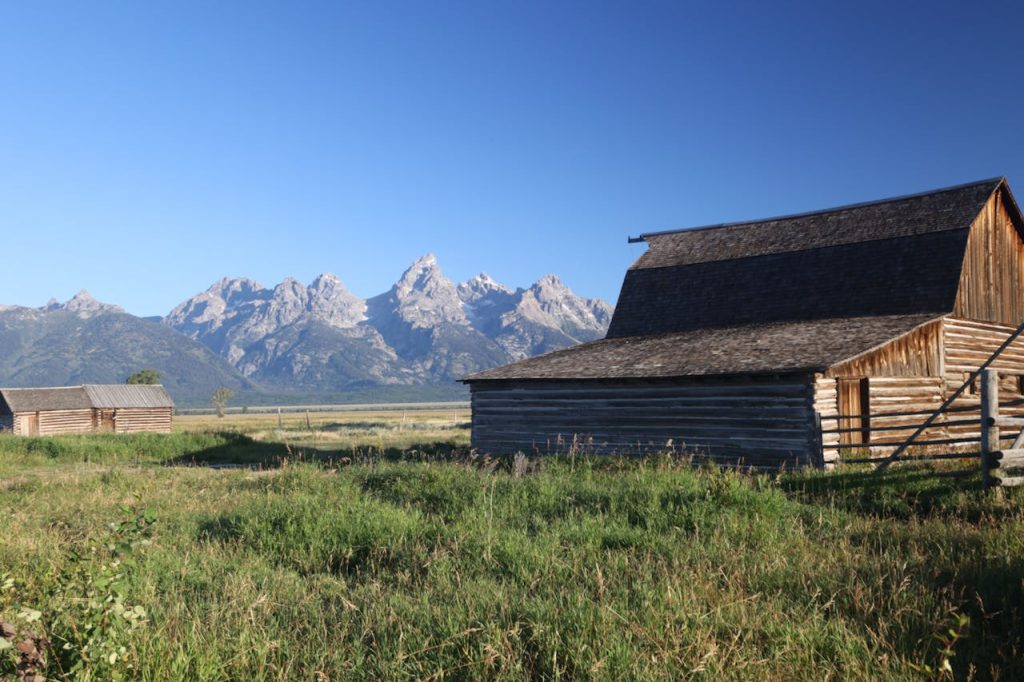
Jackson Hole’s gaps between ski season and summer trails have narrowed as travelers plan around mountain views in every shoulder month. Ski crowds run into spring break, summer brings national park traffic for Grand Teton and Yellowstone day trips, and fall’s golden aspens draw photographers who book early for crisp light. Lodging is limited, so even in-between weeks feel busy, and the town’s small size makes every surge obvious, from packed scenic pullouts and full rafting shuttles to dinner waits that start before sunset, making calm feel more like a short window than a season on most good-weather days.
Maui, Hawai‘i
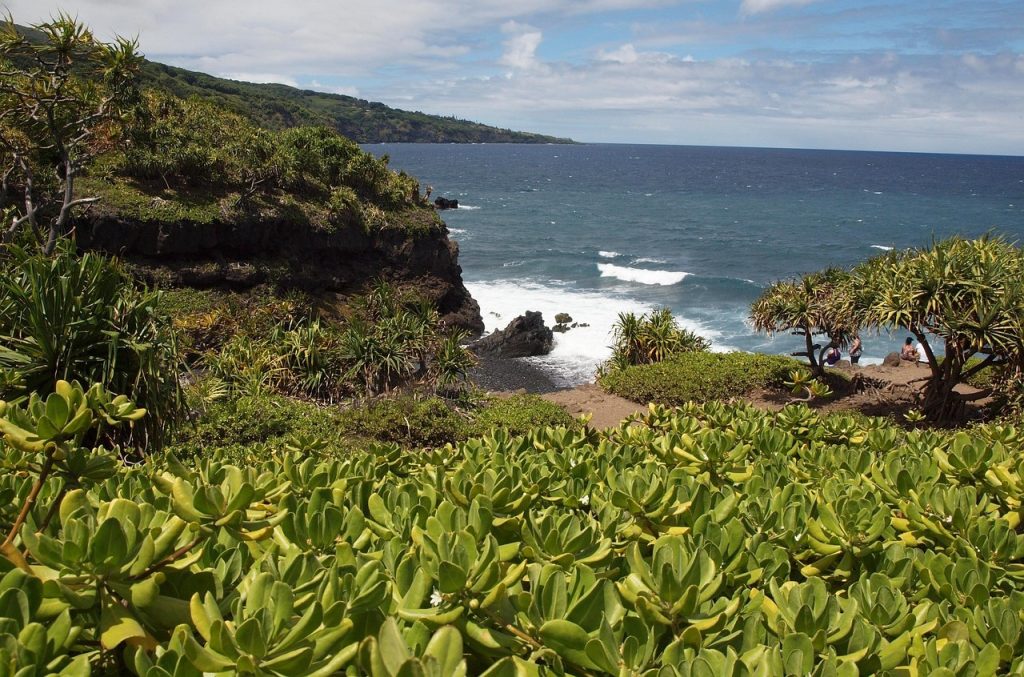
Maui keeps a steady crowd because the appeal is dependable: beaches, ocean views, and resorts that run smoothly in every season. Winter adds whale watching and holiday travel, then spring and summer fill with family trips and weddings, and long stays blur the months into one continuous wave. The Road to Hana, Haleakal? sunrise reservations, and popular snorkeling bays book far ahead, and even weekdays feel active in Kihei and Wailea, where boat ramps, food trucks, and dinner tables keep turning with little pause, so shoulder season exists mostly on paper, especially when a holiday weekend stretches into the workweek.
Moab, Utah
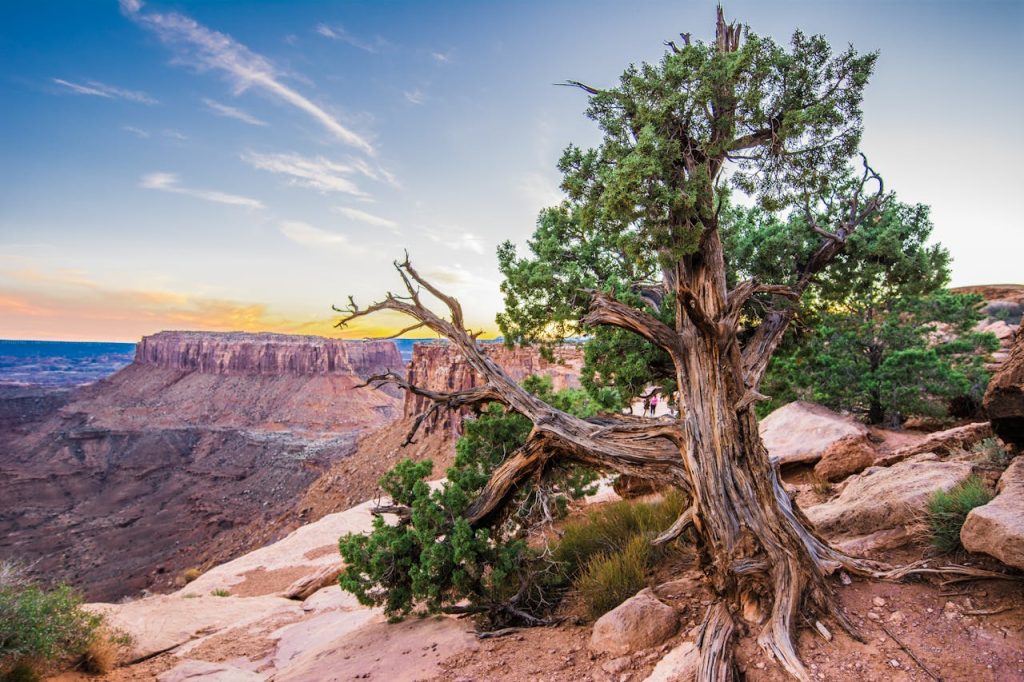
Moab’s off-season faded as outdoor travel spread beyond summer, and visitors started chasing red-rock scenery whenever temperatures feel right. Spring and fall bring heavy traffic for Arches and Canyonlands, but winter weekends now draw hikers, photographers, and mountain bikers looking for clear skies and quieter trails. Lodging is limited, so small surges fill rooms fast, trailhead parking tightens early, and guided drives plus river trips keep rolling whenever conditions cooperate, making the town’s busy weekends feel bigger than it looks on a map, with sunrise crowds showing up even in cooler months.