12 Cities Where Christmas Tourism Is Declining
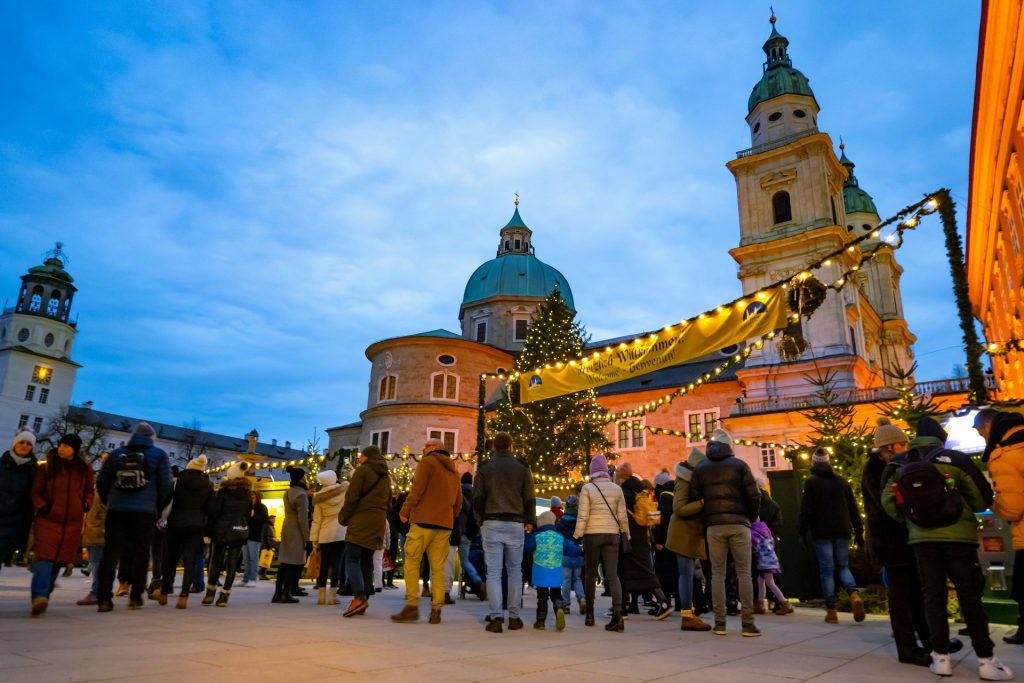
Christmas travel used to follow a simple script: headline markets, famous light streets, and one busy week that everyone aimed for. In a growing number of cities, that peak is softening. Costs are higher, crowd tolerance is lower, and some destinations are nudging visitors toward smaller, slower experiences instead of one packed corridor. Tourism has not disappeared. It is reshaping into shorter stays, earlier-in-the-month trips, and neighborhood-focused plans that feel more livable for residents and more comfortable for guests, too.
New York City, United States
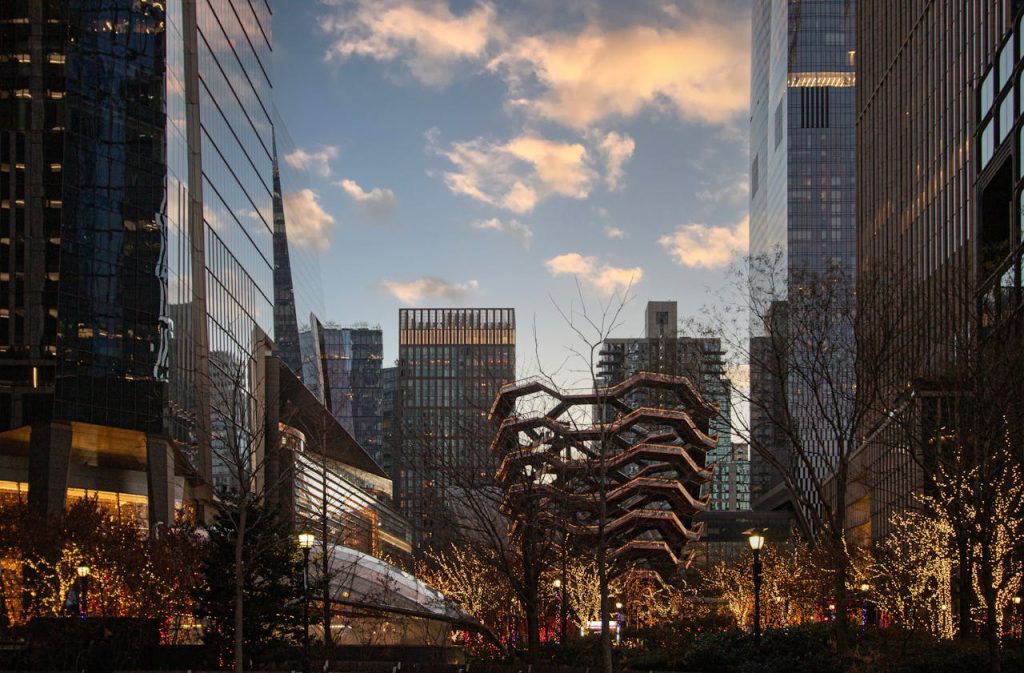
New York still looks electric in December, but the old ritual of flying in for a Midtown lights sprint is thinning as prices rise and the famous blocks feel harder to enjoy at walking speed. Timed tickets, security lanes, and shoulder-to-shoulder sidewalks around Rockefeller and Fifth Avenue turn simple plans into logistics, so many travelers shorten stays or choose other winter cities that feel less effortful. The holiday mood has not vanished, it has migrated to calmer neighborhoods, museum evenings, and smaller markets where a warm drink and a quiet street can still feel like the season, not a contest.
London, England
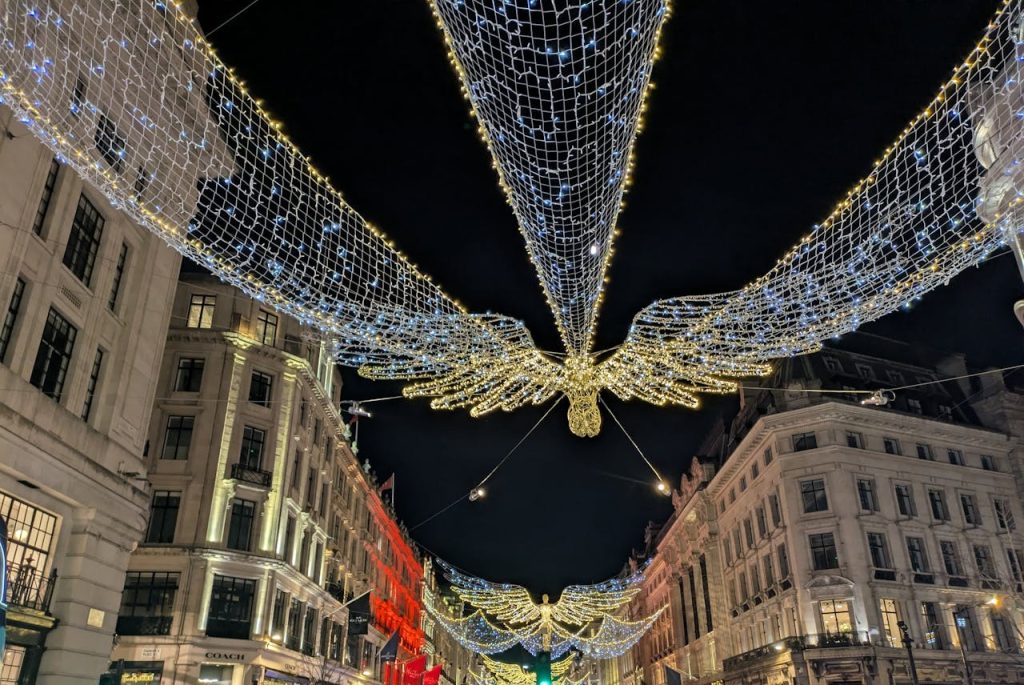
London’s Christmas shine is still there, yet the center now feels less like a once-a-year pilgrimage and more like a crowded shopping run with theater seats and dining times locked weeks ahead. Oxford Street, Covent Garden, and the big light routes can be so busy that visitors opt for day trips, earlier hours, or quieter borough stays, which reduces the classic late-night surge in the core. Meanwhile the city’s best seasonal moments are shifting to neighborhoods, riverside walks, and pub nights where the mood is warm and unforced, and the lights feel like background, not the whole plan anymore.
Paris, France
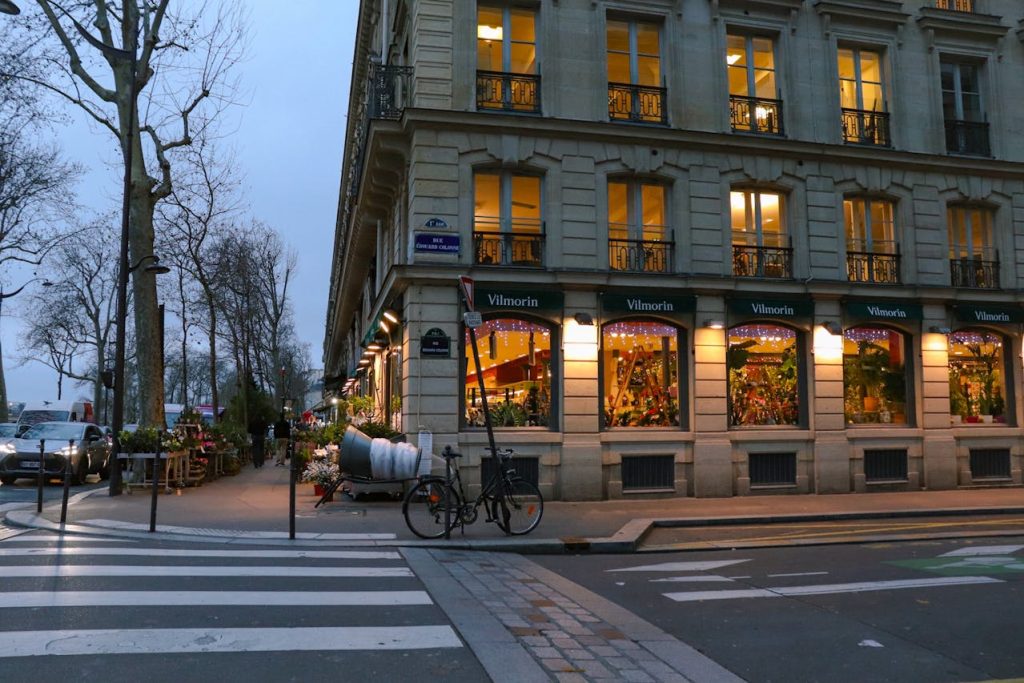
Paris still dresses up for December, but more travelers are skipping the big-boulevard checklist because the season can feel pricey, tightly booked, and crowded in the same predictable pockets. Instead of building trips around Champs-Élysées displays and headline department stores, many now come for quieter winter pleasures such as long lunches, museum hours, and neighborhood walks that do not require reservations to be enjoyable. The result is a softer Christmas peak: fewer visitors chasing one perfect photo route, and more people spreading across the city in small, slow evenings that feel genuinely Parisian.
Vienna, Austria
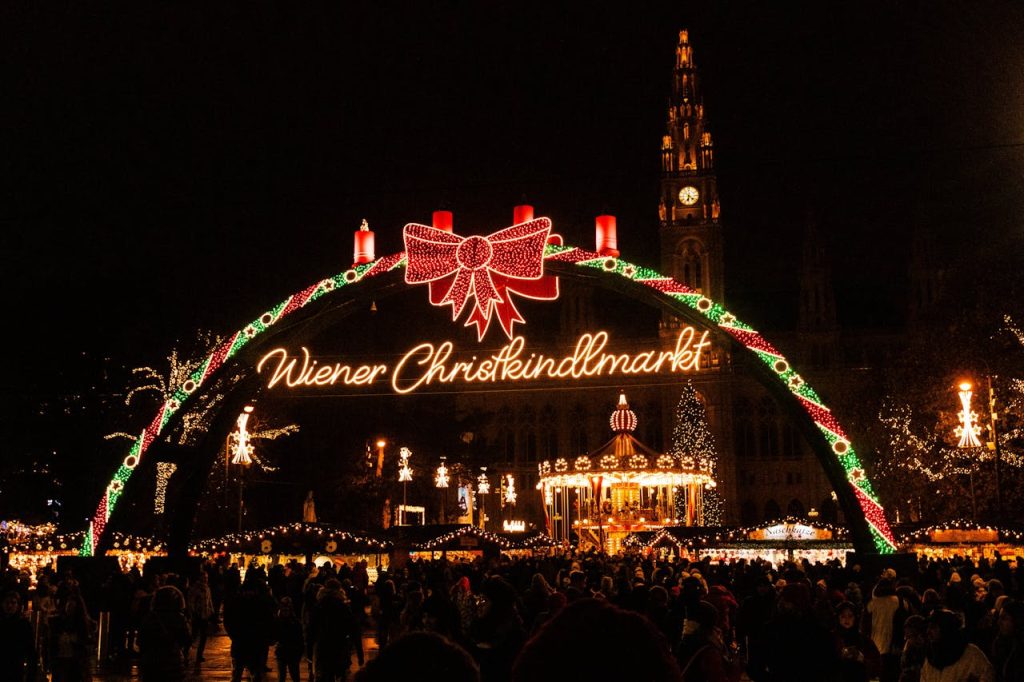
Vienna’s markets remain beautiful, yet the heaviest Christmas tourism is losing some momentum as crowd fatigue grows and the most famous squares start to feel like one long line for a mug and a photo. Visitors who once planned full weekends around Rathausplatz and the cathedral now shift to smaller neighborhood markets, weekday afternoons, or even different cities, which takes pressure off the headline loop. Vienna still wins on atmosphere, but the season feels more local, with coffeehouses, concerts, and quieter streets carrying the charm when the market circuit is no longer the only reason to come.
Prague, Czech Republic
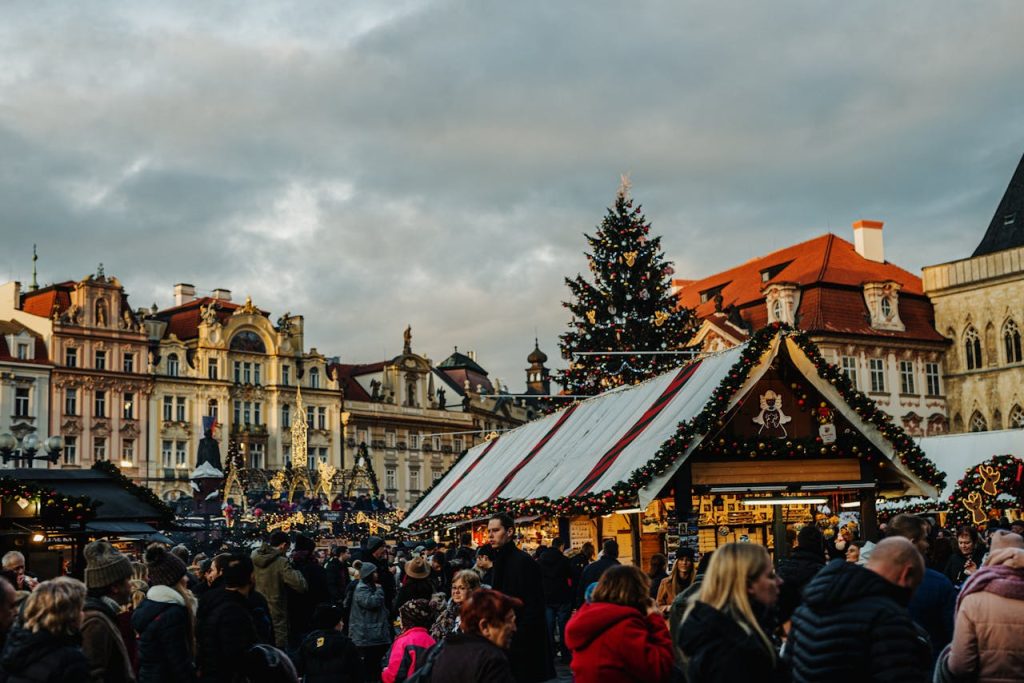
Prague’s Old Town still glows in December, but the classic Christmas rush is thinning as visitors grow less patient with tight lanes, packed squares, and prime-time crowding that leaves little room to linger. Many now visit in early winter but plan around off-peak hours, stay across the river, and treat the main market as a quick stop rather than the center of the trip, which changes the feel of the season. The city’s winter magic is becoming quieter and more dispersed, with café evenings, riverside walks, and small neighborhoods doing the work that one crowded square used to do, night after night.
Bruges, Belgium
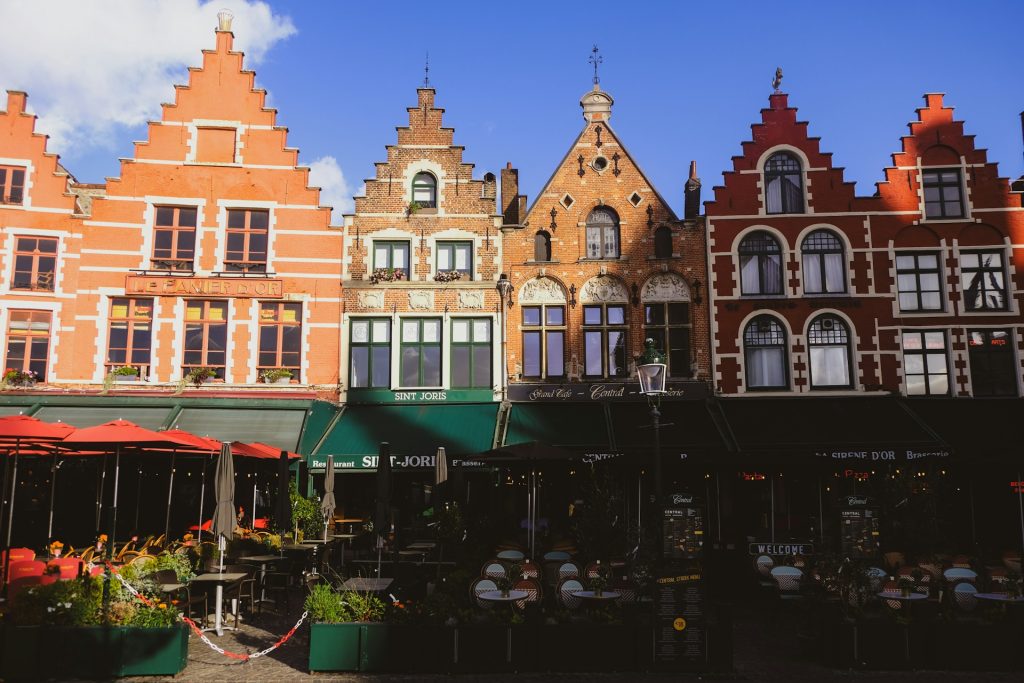
Bruges sells a storybook December, yet the historic center has felt so saturated in recent years that more travelers are opting out of peak weeks and choosing calmer bases in Ghent or the coast. Day-trip waves still arrive, but shorter stays and earlier starts are more common, and the canal-photo loop does not hold visitors for entire evenings once restaurants and lanes get tightly packed. When the crowds thin, Bruges is at its best, so a quieter pattern is emerging: weekday mornings, slow museum visits, and long café breaks that make the city feel lived-in instead of staged for cameras again.
Strasbourg, France
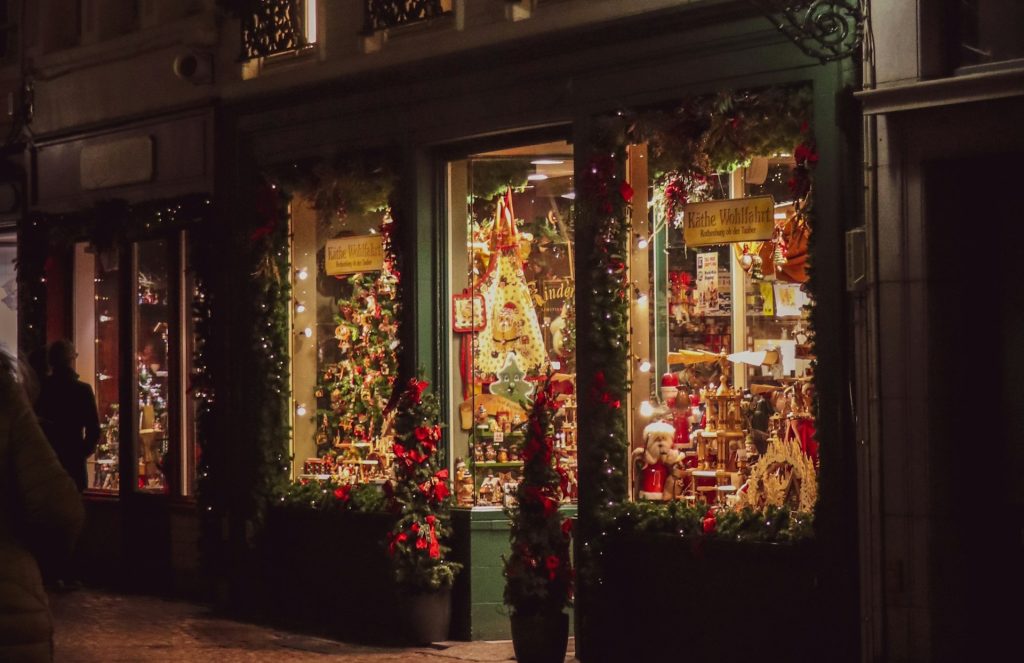
Strasbourg’s markets are iconic, but the peak-week experience has become so crowded and expensive that some travelers now treat it as a daytime visit rather than a full holiday stay. That shift takes weight off the evenings, when the narrow lanes around the cathedral used to be packed until late, and it spreads demand to smaller Alsatian towns with similar charm and fewer pinch points. Strasbourg still feels festive, yet the city’s Christmas tourism is settling into a slower, more regional rhythm, with weekday afternoons, longer meals, and less pressure to chase every square at once each night.
Rovaniemi, Finland
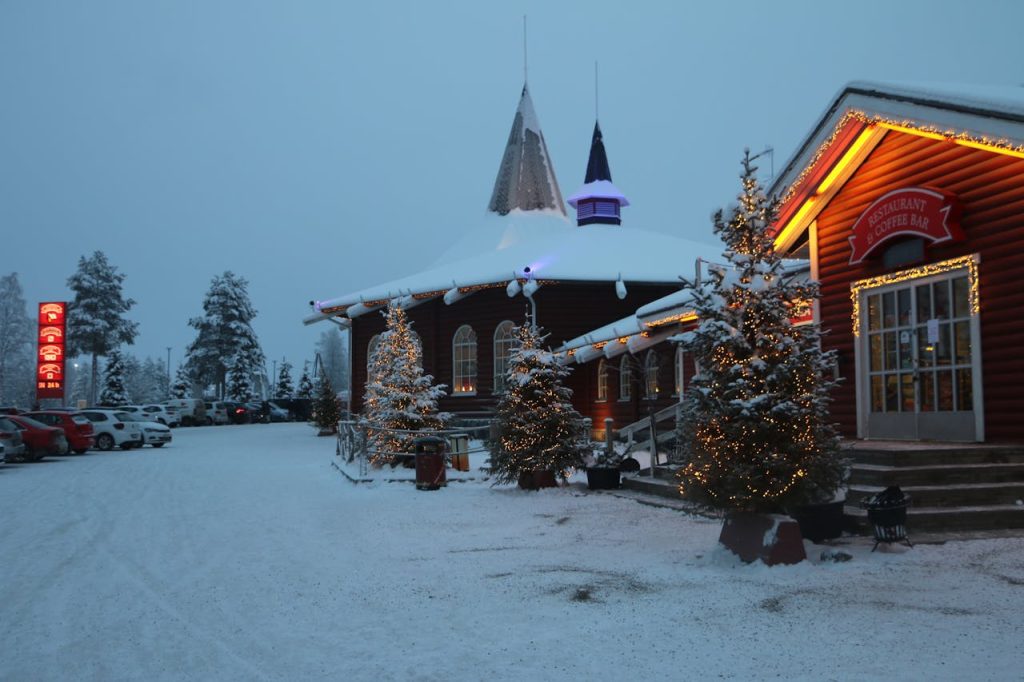
Rovaniemi’s Santa-season fame is intact, but the travel pattern is changing as visitors grow wary of peak-week queues, high-priced add-ons, and itineraries that feel tightly timed from bus drop-off to photo slot. More families now book shorter stays, split time between Lapland towns, or travel earlier in the season, which spreads demand and leaves some December dates less frantic than the hype suggests. The Arctic still feels special, yet the draw is shifting from staged stops to quieter experiences like sauna evenings, forest walks, and clear-sky nights, which do not depend on one crowded village.
Salzburg, Austria
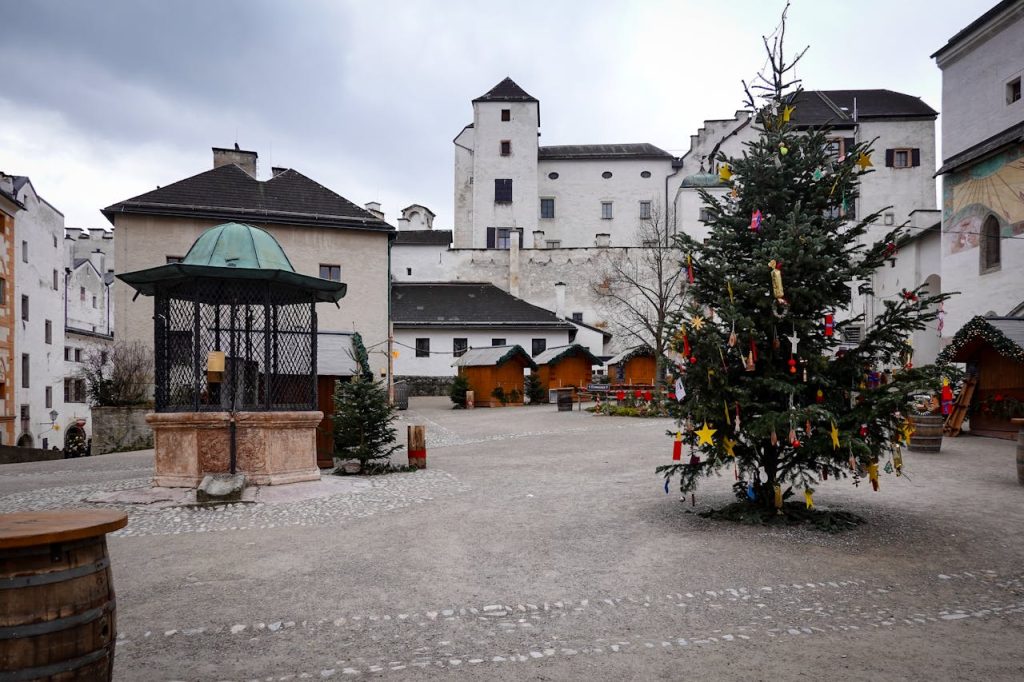
Salzburg’s December core is gorgeous, yet the narrow old-town streets can bottleneck so easily that more travelers now avoid the busiest weekends and keep visits shorter, especially around prime dinner hours. Instead of centering the trip on one market square, many lean on daytime walks, café breaks, and concerts, then sleep outside the tight center, which reduces the classic evening crush. Salzburg still carries music and winter light, but the tourism peak is softening into a calmer shape, where the best moments happen in courtyards, along the river, and in warm rooms, not in packed lanes at all.
Nuremberg, Germany
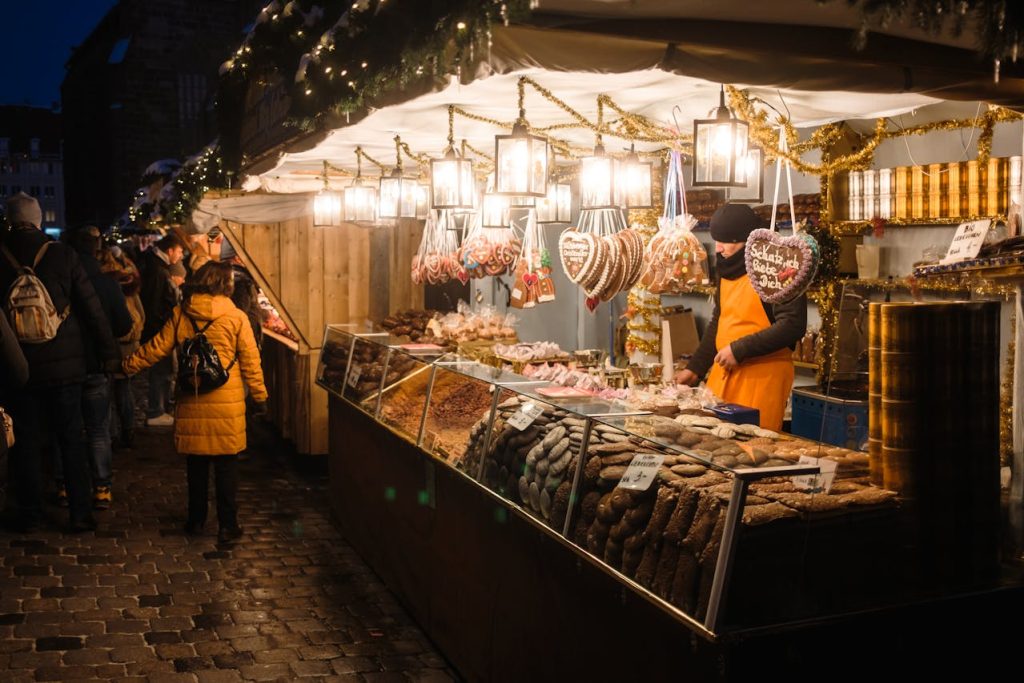
Nuremberg’s Christkindlesmarkt remains a headline, but more visitors now approach it with caution because the peak experience can feel crowded, pricey, and rushed, with little space to browse slowly. That pushes travel into regional patterns: day trips from Munich, short overnights, and visits to smaller Franconian markets that offer similar stalls without the same crush at every corner. Nuremberg still delivers atmosphere, yet the Christmas-tourism wave is less singular than it was, as travelers trade one big night in the main square for a slower loop of museums, local dinners, and quieter neighborhoods.
Copenhagen, Denmark
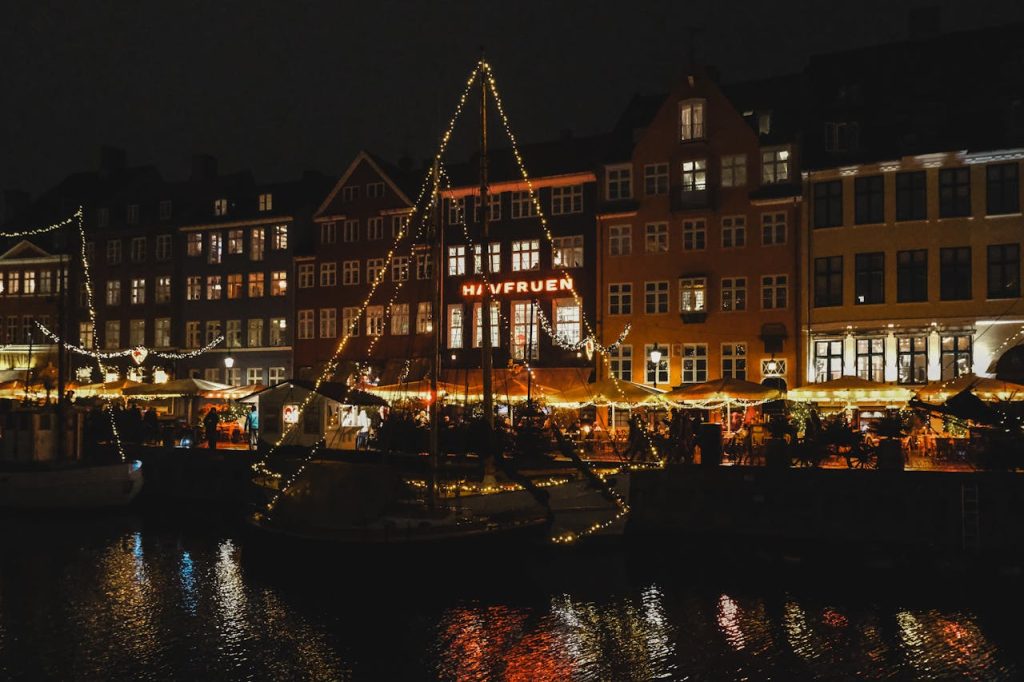
Copenhagen’s winter appeal is strong, but Christmas tourism is losing some of its old spike as visitors rethink the cost of a short city break during the priciest weeks of the year. Tivoli and the central shopping streets still draw crowds, yet more trips are shifting to early December, weekday travel, or combined itineraries that include quieter Danish towns, which thins the classic peak. The city still feels cozy, but the season is becoming less about one big holiday rush and more about small rituals: candlelit cafés, harbor walks, and long dinners that do not need a headline event to feel special.
Quebec City, Canada
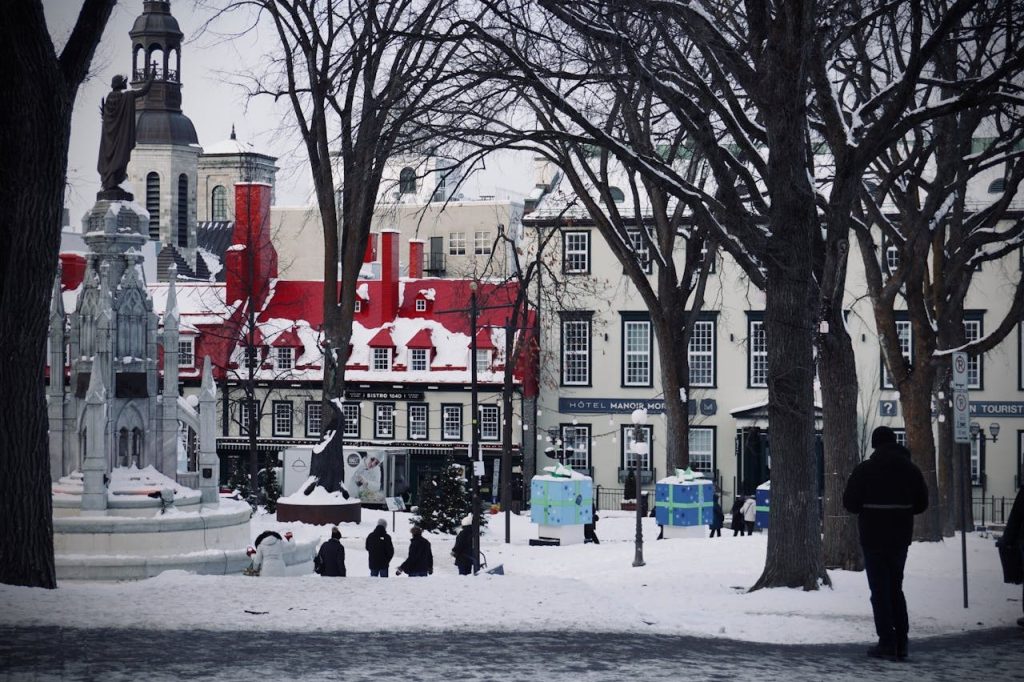
Quebec City can look like a perfect Christmas postcard, yet winter tourism is becoming less concentrated as travelers spread trips across longer winter windows instead of crowding a single holiday week. Weather swings and high peak pricing encourage shorter stays, more regional drive-ins, and more midweek visits from nearby provinces, which makes the Old Town feel lively without always feeling jammed. The charm still holds, but it shows up differently now: quieter mornings on the Dufferin Terrace, warm bistros in the evening, and a slower pace that feels closer to local winter life than to a festival rush.