12 Classic American Roadside Foods That Are Quietly Disappearing
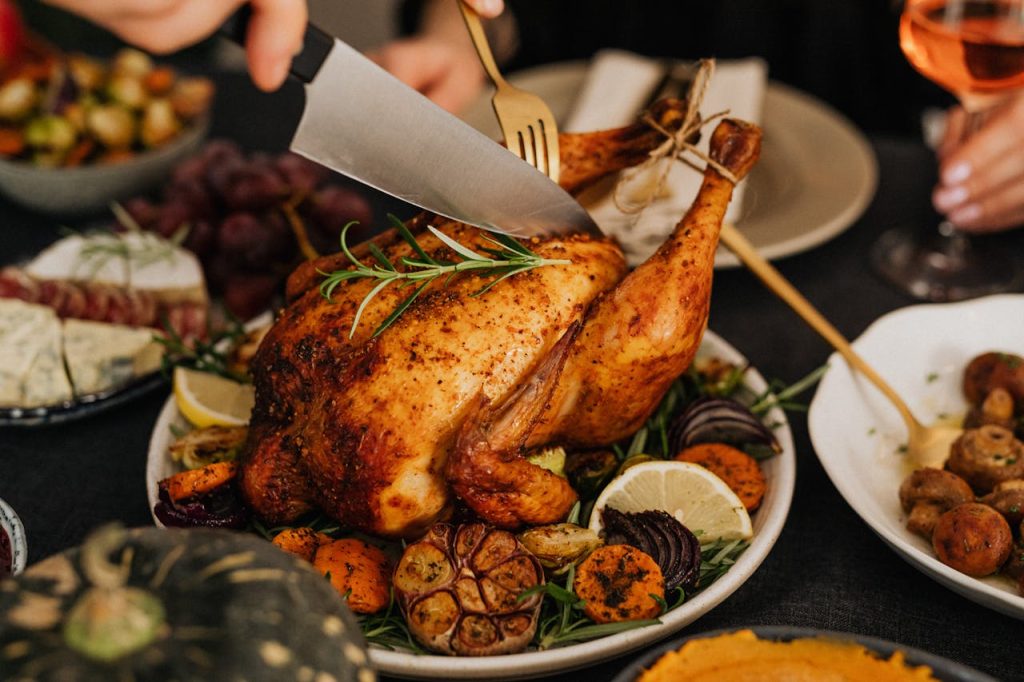
There was a time when the best meals came with uncertainty built in: a blinking sign, a gravel lot, and food cooked by someone who knew the road as well as the recipe. American roadside food grew out of long drives, family labor, and local habits that never aimed to scale or standardize. These dishes were practical, filling, and deeply tied to place. As travel patterns change and small operators step away, many of these foods are not banned or replaced overnight. They simply stop being made, quietly slipping off menus and into memory, leaving behind flavors that once defined entire stretches of highway.
Hand-Dipped Corn Dogs
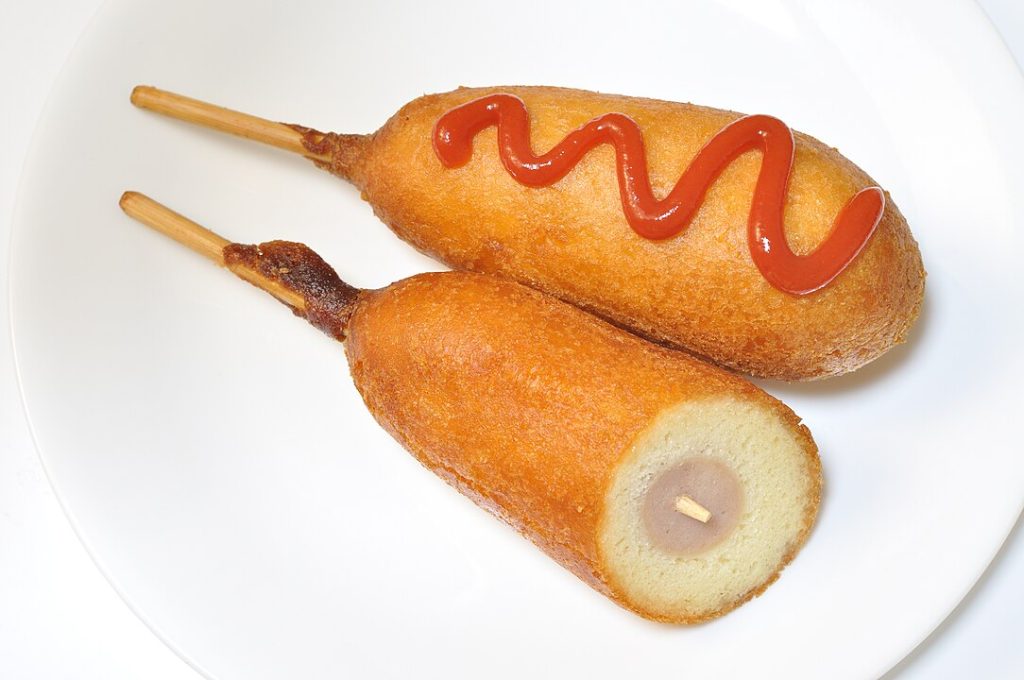
Somewhere near a fairground-adjacent highway, the corn dog once meant a paper boat, a hand-dipped batter, and that warm fry smell that followed people back to the car. More stands now rely on frozen versions that stack neatly and cook fast, but they skip the crackly shell and uneven ridges that prove a real dip, plus the faint sweetness in the batter that balanced the salt. The last holdouts are seasonal, cash-only trailers where the cook turns each stick by feel and pulls it the moment the crust sets, and when the trailer is sold, the recipe often leaves with the family and never returns. The best ones still snap, then soften.
Hot Roast Beef Sandwiches With Gravy
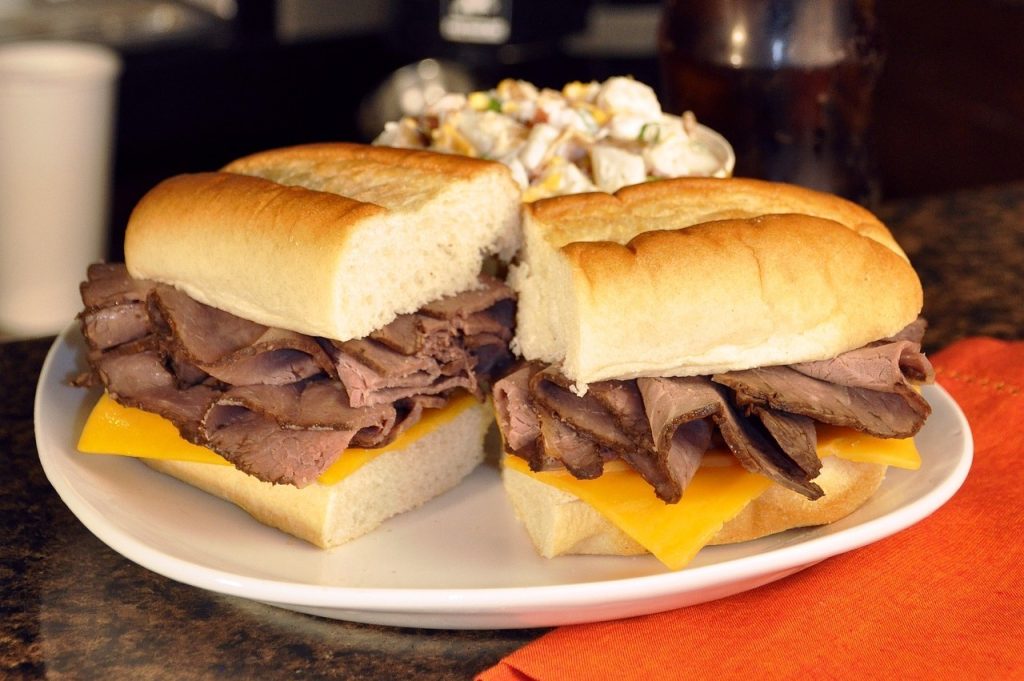
At older highway cafés, the comfort order was sliced roast beef on soft white bread, flooded with peppery gravy and served with mashed potatoes that could steady a long day. It is fading because it asks for time, space, and attention, and it does not fit a menu built around quick tickets and shorter hours, especially when staffing is thin and prep has to be predictable. Good gravy needs drippings and patient simmering, so when cooks retire or kitchens shrink, this plate disappears, and the diner loses that slow, generous feeling that once made an ordinary stop feel like a break. It was built for lingering, not rushing back to the interstate.
Fried Fruit Pies From the Warmer
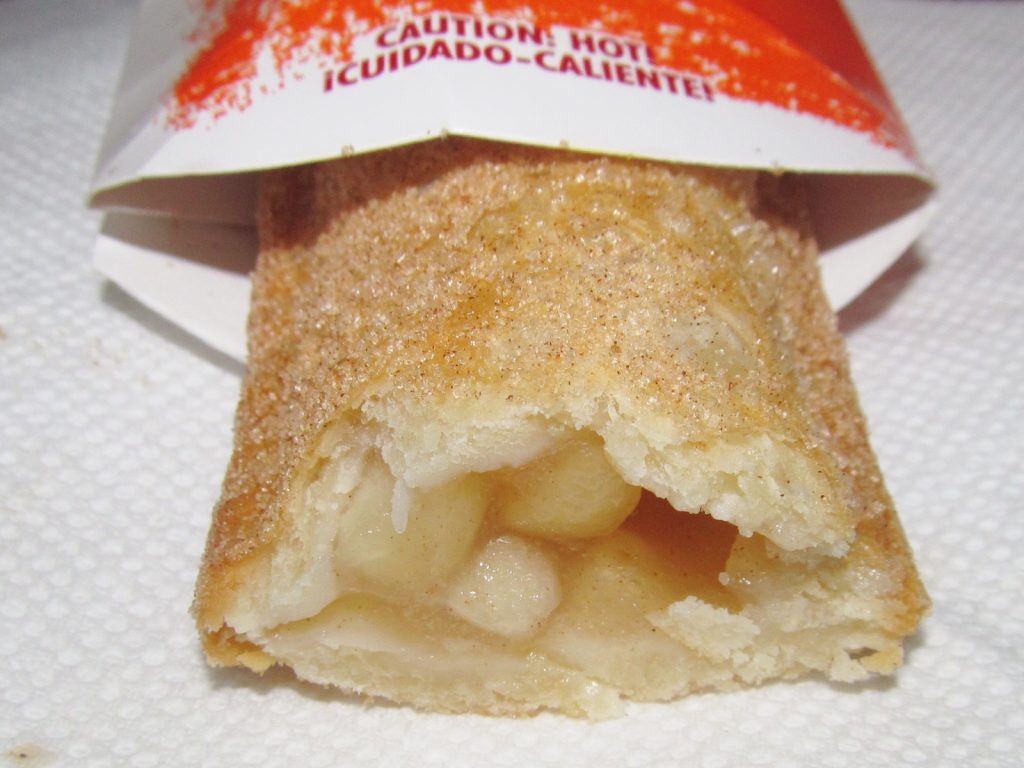
Gas-station counters once kept fried apple or peach pies in a small warmer, the crust blistered, the filling almost too hot to bite, and the wrapper slightly oily in the best way. Many stops have shifted to packaged pastries with longer shelf life and simpler safety checks, which is practical, but it trades crunch and steam for something tidy and uniform. The older pies were crimped by hand and meant to crackle, then turn jammy at the center, and without that texture the snack becomes forgettable instead of a tiny reward for pulling off the road. A good pie left crumbs on the shirt and zero regrets.
Chili Dogs From Mom-and-Pop Drive-Ins
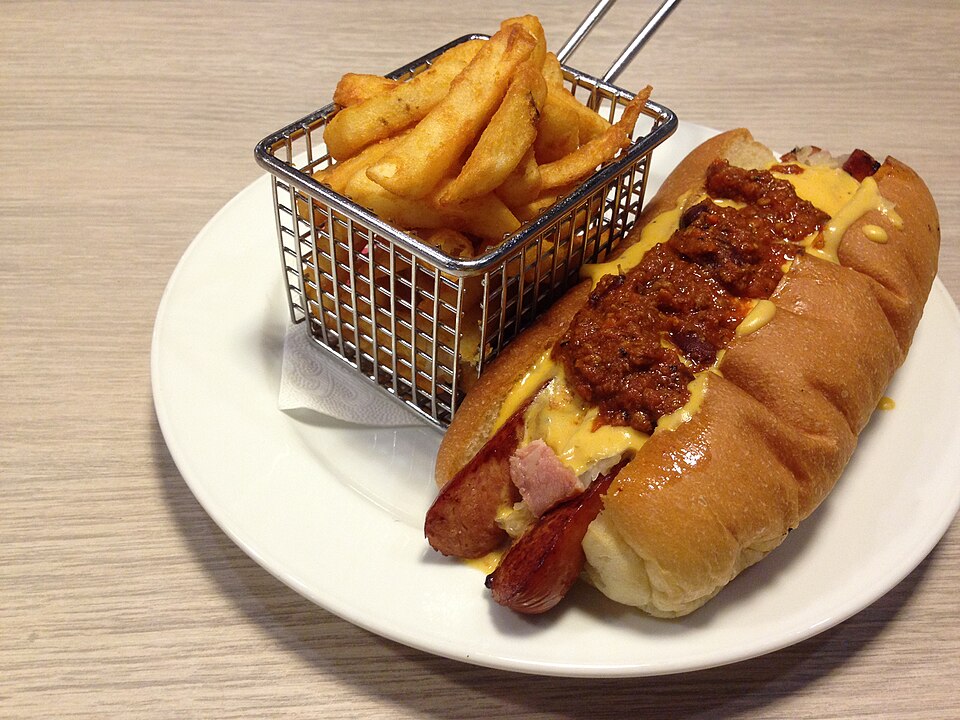
The chili dog used to be local language, not a generic topping, with each town’s pot leaning smoky, cumin-heavy, or bright with a small splash of vinegar that cut through the richness. Small drive-ins that stirred chili all morning are thinning out as staffing gets harder and bulk suppliers take over, so the dog stays but the chili turns standardized, sweeter, and less personal. When the sauce tastes the same everywhere, the stop loses its fingerprint, and regulars notice because their order no longer carries the place, only the heat and the bun. The loss is quiet, but it changes the whole stop.
Boiled Peanuts on the Shoulder
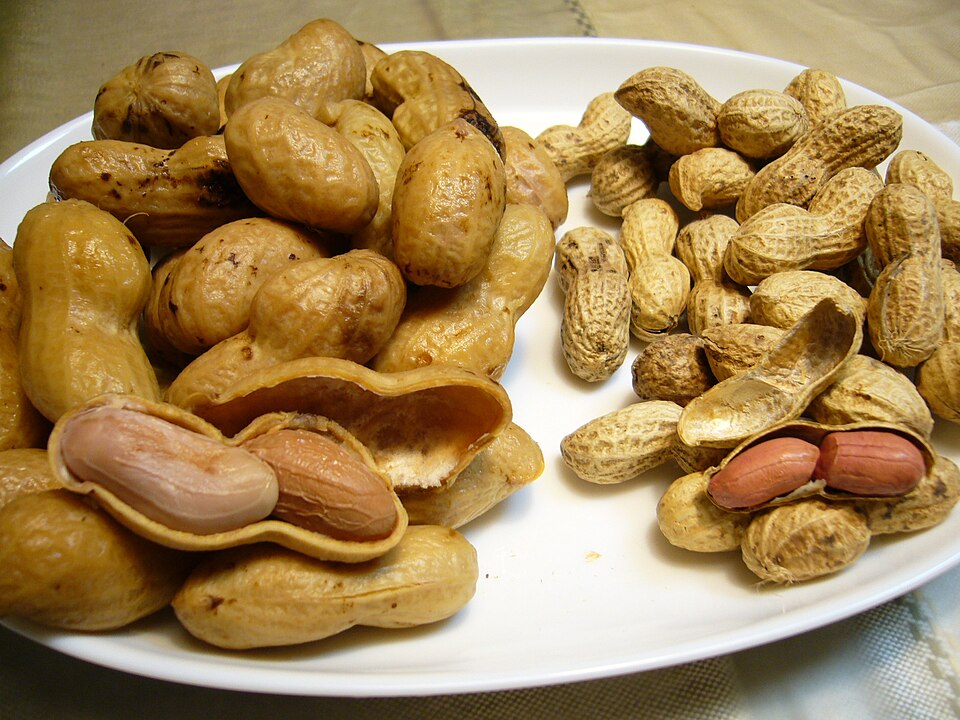
In the South, boiled peanuts were a roadside ritual: a hand-lettered sign, a cooler, and a brown paper bag that steamed on the passenger seat for the next 20 miles. As permitting tightens and fewer families want to stand outside all day, those informal shoulder stops are easier to lose, even though the snack belongs to that exact landscape of pines, humidity, and slow traffic. Convenience stores sell boiled peanuts now, but the batches are often firmer and lightly seasoned for consistency, not that fresh, messy comfort that left salty broth on the fingers and made long drives feel calmer. People remember the pause as much as the taste.
Breaded Pork Tenderloin Bigger Than the Bun
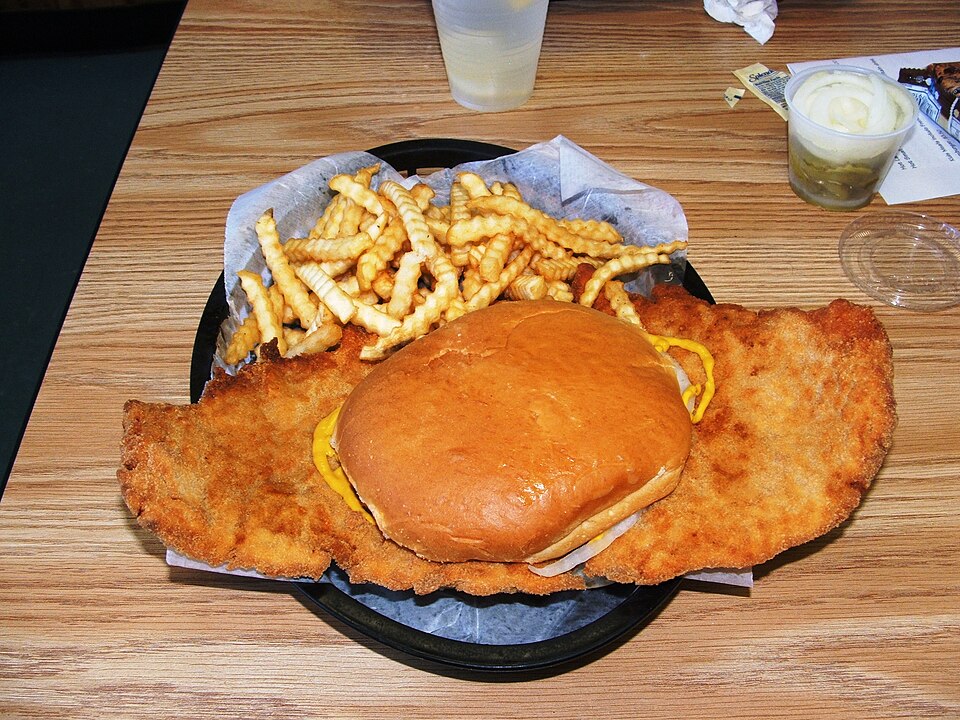
The breaded pork tenderloin sandwich is Midwest pride: a wide, pounded cutlet fried crisp and perched on a bun that looks comically undersized, with pickles and onions trying to keep up. It is fading because the prep is messy, the portion size fights today’s cost math, and modernized menus prefer items that look tidy and travel well, even if they taste less like the region. Shrinking the cutlet or dropping it entirely changes the joke and the brag at once, turning a regional icon into an ordinary fried sandwich that could be from anywhere off any exit. It was never subtle, and that was exactly why it mattered.
Loose Meat Sandwiches at Counter Stools
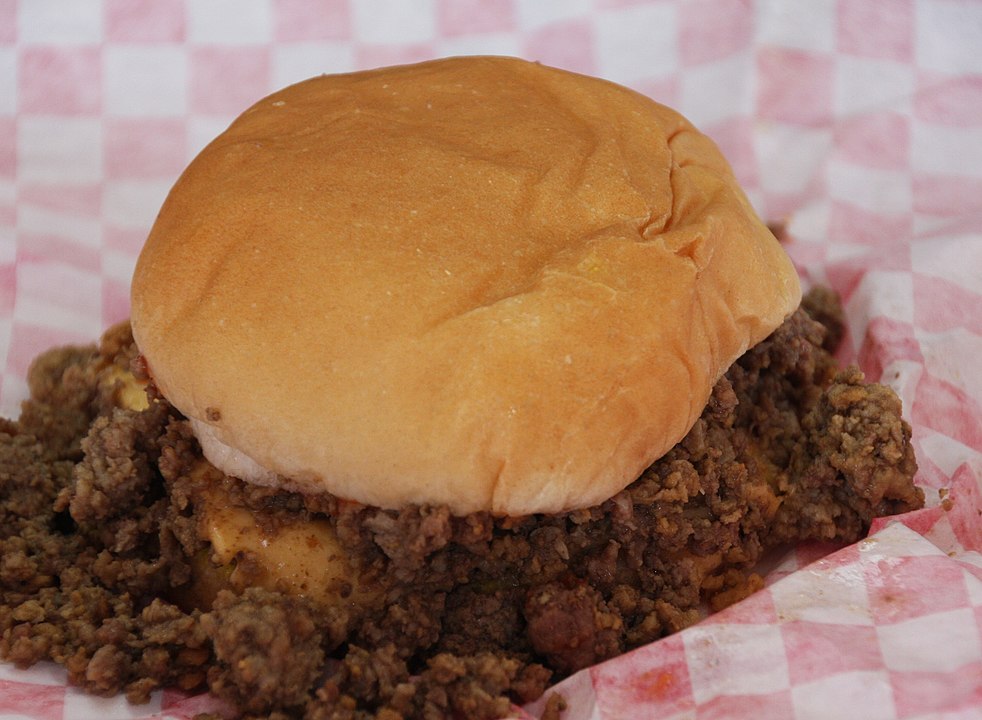
Loose meat sandwiches ask for patience: finely crumbled beef steamed on a griddle, then scooped onto a soft bun that barely contains it, with mustard and pickles doing the heavy lifting. They belong to counter stools, paper napkins, and quick talk with the cook, not delivery bags, so outside a few Midwest holdouts they get replaced by burgers that photograph better and travel without falling apart. The crumbly bite is the charm, yet it is hard to explain on a menu board, and once the griddle cools for good, the habit tends to vanish with the owner who knew exactly how moist to keep the meat. It is comfort food that refuses to be polished.
Pickled Sausages in the Jar
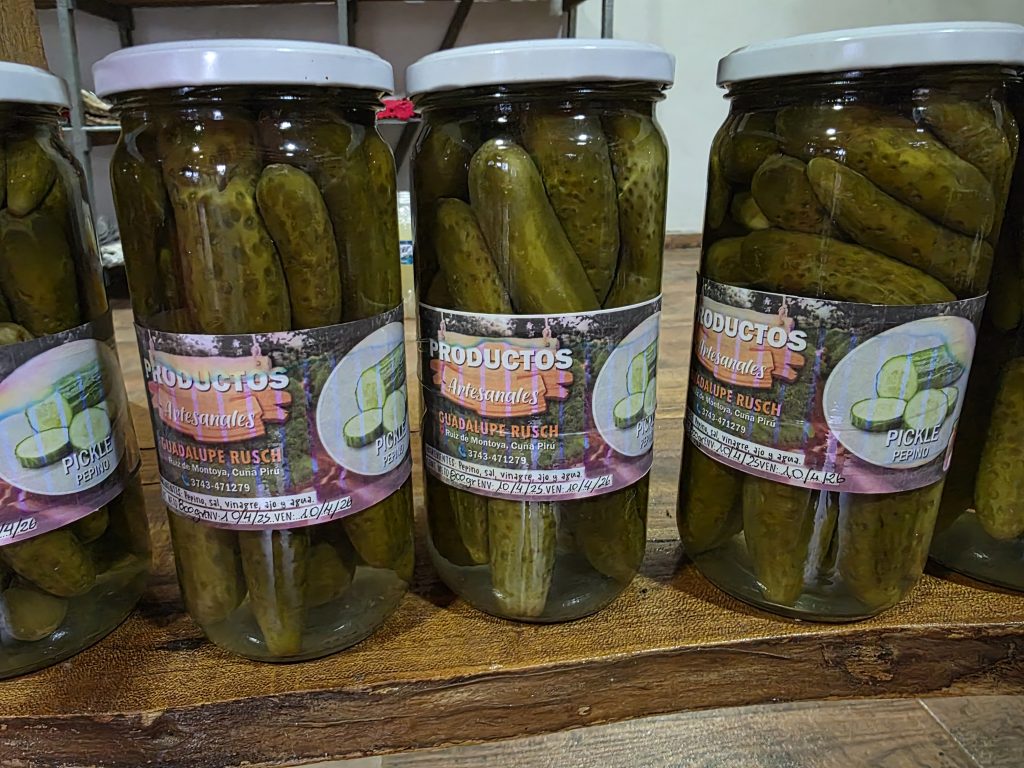
The jar of pickled sausages by the register was bright, vinegar-sharp, and oddly reassuring on a late-night fuel stop when everything else felt too sweet or too soft. Those jars show up less as stores get more corporate and product lists become uniform, and the snack, if it survives, is more likely to be shrink-wrapped in a cooler beside energy drinks and candy. Without the jar, the little ritual disappears too, the tongs, the brine smell, the moment of choosing, and a quirky roadside tradition turns into just another packaged item with no story attached. The flavor survives in pockets, but the vibe is slipping away.
Scratch-Made Limeade at Citrus Stands
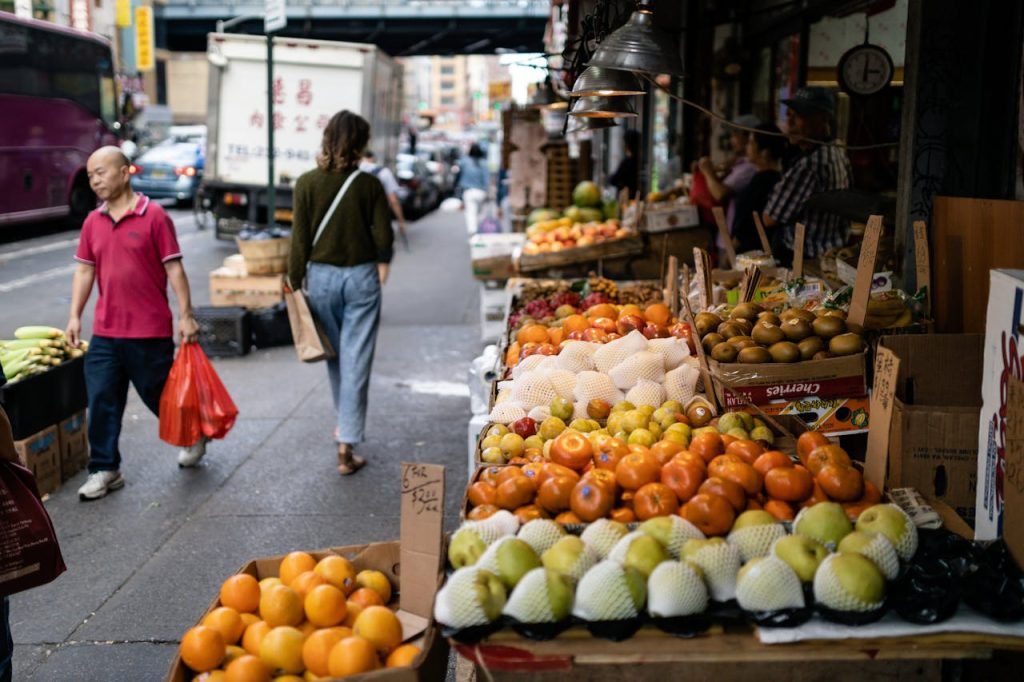
Roadside citrus stands once treated limeade like a signature: fresh limes, a little pulp, and enough sugar to balance the bite, poured over ice in a tall cup that sweated in the heat. Pre-mixed lemonades push it out because they are easier to stock and quicker to serve when a line forms at noon, even if the flavor lands flatter and the aroma feels faint. Real limeade tastes alive and smells like the grove down the road, so when syrup replaces it, the stand still sells a cold drink but loses that immediate sense of place that used to wake up tired travelers. When it is fresh, the tartness feels like sunlight.
Chicken-Fried Steak With Cream Gravy
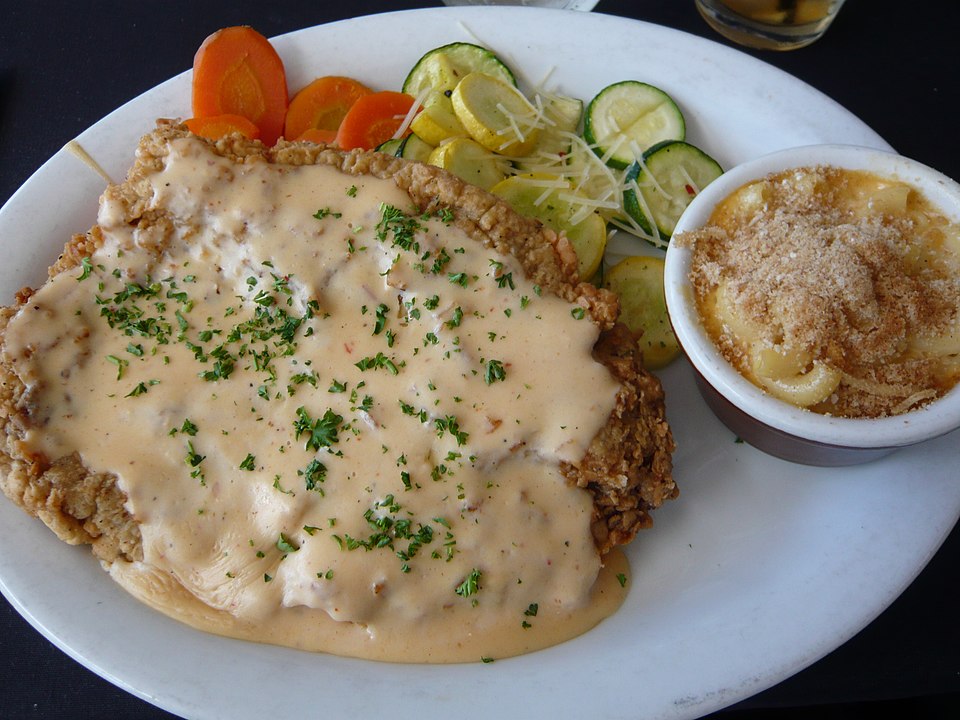
Chicken-fried steak is diner craft: tougher cuts made tender by pounding, then breaded, fried, and covered with cream gravy that turns crisp edges into comfort. Oil costs, labor pressure, and smaller fry stations work against it, and the gravy adds another pot that needs care, so many roadside kitchens quietly retire the dish in favor of simpler plates. When it disappears, it is often replaced by a basic chicken sandwich, and a whole kind of meal leaves with it, the one that asked for a fork, patience, and a slow cup of coffee while weather shifted outside. It is hard to replace that kind of satisfying heft.
Fountain Root Beer and Birch Beer
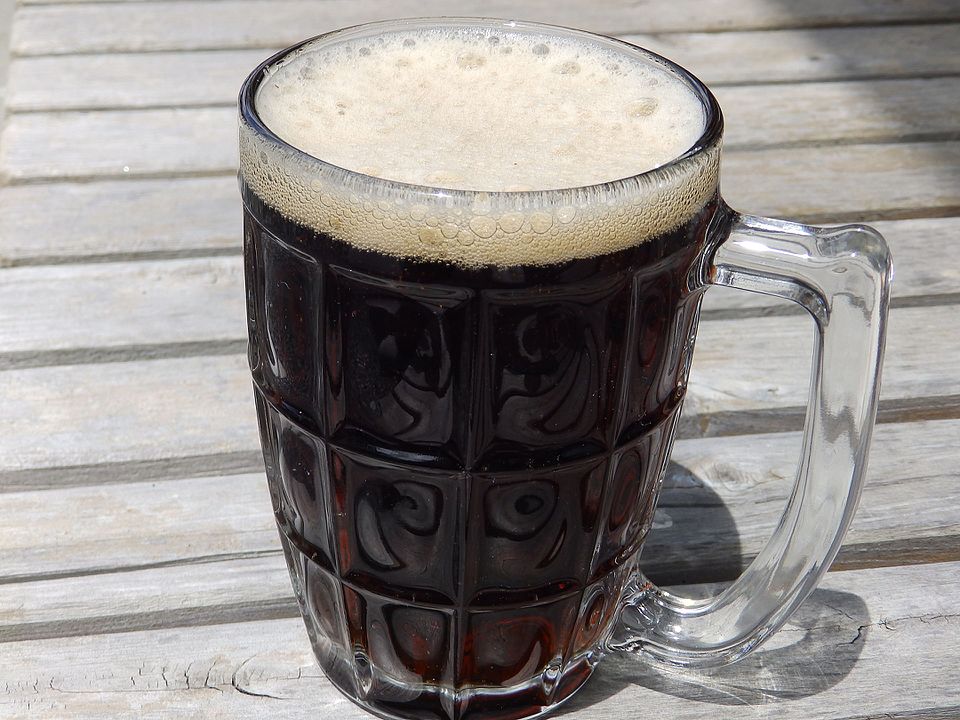
A cold mug of fountain root beer, or birch beer in certain regions, used to be a reason to stop, especially when the foam rose high and the glass came frosted. As soda fountains vanish and self-serve machines replace staff, that small treat fades, even though bottles are everywhere and technically easier, because upkeep and training are no longer priorities. The fountain pour feels different, colder, softer, and more alive, and it turned a quick stop into a reward that paired naturally with fries and a booth seat before the road pulled everyone back outside. Even the clink of ice felt like part of the ritual.
Slice-of-the-Day Pies From the Diner Case
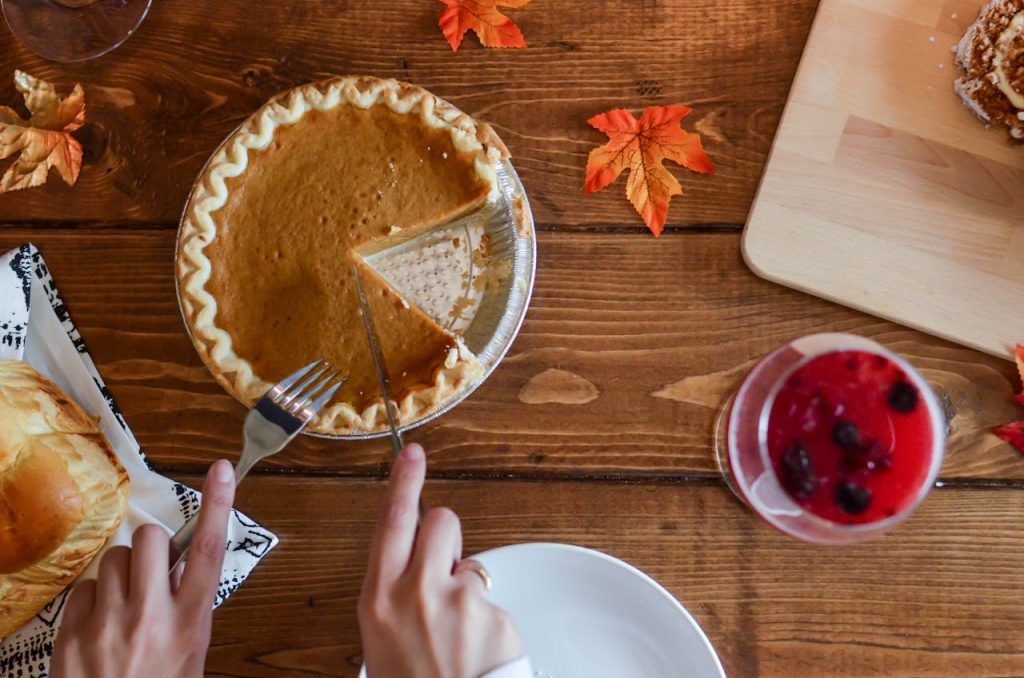
The rotating pie case was a diner’s quiet pride: coconut cream one day, chocolate meringue the next, then buttermilk or sour cherry when someone’s recipe won the week. As kitchens downsize and staffing thins, many diners buy pre-portioned pies or drop pie for cookies and brownies that require less time and less skill, and the glass case becomes decoration instead of a promise. When the case goes empty, the room loses its sweet signal to linger, because a warm slice and a refill in the afternoon once gave long drives their second wind and made strangers feel briefly at home. The pie case was a quiet invitation to stay five more minutes