12 Destinations Where Airbnb Has Decimated Local Housing Markets
In many popular destinations, housing pressure shows up in small, human ways: a neighbor who cannot renew a lease, teachers commuting from farther away, a corner shop losing its regulars. Short-term rentals can bring income, but when too many homes shift from long-term living to nightly stays, supply tightens and prices rise. The places visitors love still look beautiful, yet the daily life that gives them soul becomes harder to keep. Local governments respond with caps, permits, and fines, often playing catch-up to demand.
Barcelona, Spain
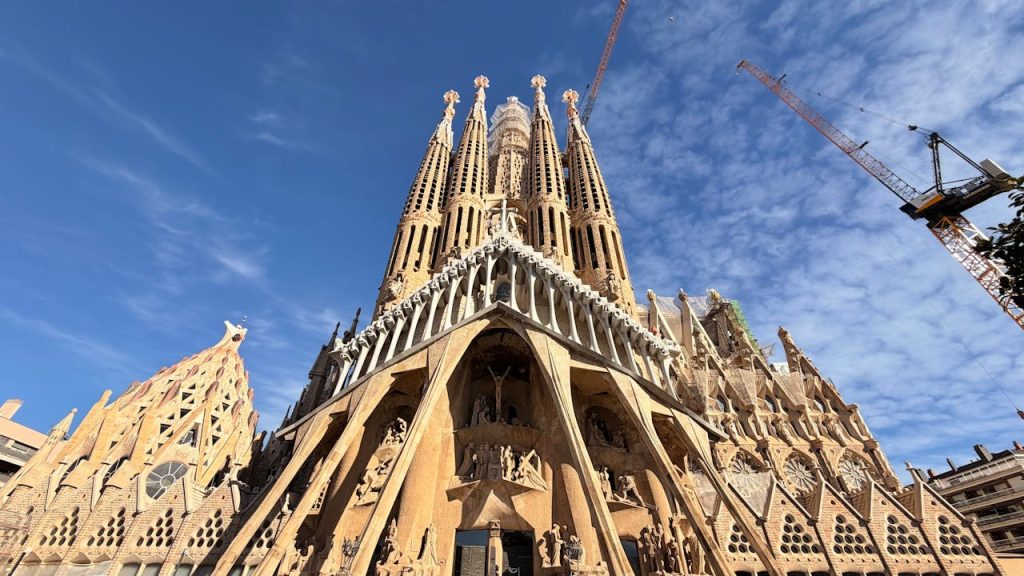
Barcelona’s older neighborhoods reveal the short-term rental squeeze in plain sight: homes that once held long-term tenants now rotate through weekend stays, and owners can often earn more by selling nights than by offering steady leases. As those units leave the local pool, rents rise, turnover speeds up, and essential workers look farther out for stability. The city keeps tightening permits and enforcement, yet the center can still feel more like a reservation system than a community, especially on streets built for daily routines, not constant check-ins. When stairwells become quiet between guests, the loss is social as much as financial.
Lisbon, Portugal
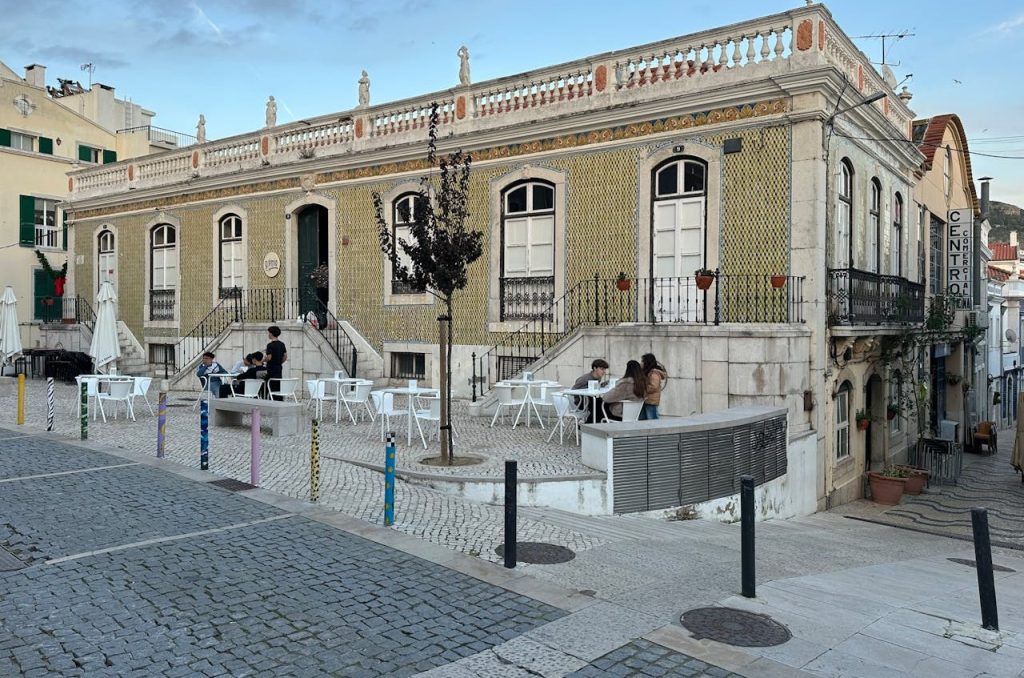
Lisbon’s hills and tiled facades mask a housing market that has been stretched by tourism-led demand. In neighborhoods like Alfama and Bairro Alto, more apartments have shifted to short stays, and long leases become harder to find at prices that match local salaries. The result is a steady outward drift of residents, with young workers and families pushed toward the edges while the historic core fills with visitors. New rules have tried to slow conversions, but scarcity still shapes daily life, from roommate overload to longer commutes and constant uncertainty at renewal time. Even a modest rent jump can decide who gets to stay.
Venice, Italy
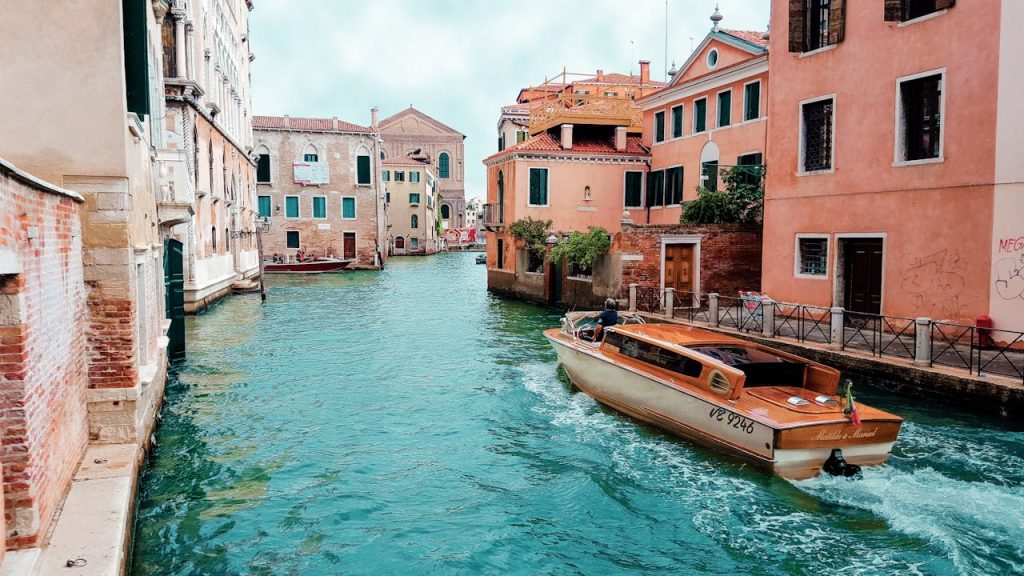
Venice has a limited stock of homes and a constant stream of visitors, so each conversion matters. When apartments become short-term rentals, the city loses more than square footage; it loses neighbors who keep schools open, support small grocers, and sustain everyday care networks. Many workers end up commuting from the mainland, and the resident population keeps thinning in the areas tourists most want to sleep. Venice has explored tighter limits and tougher oversight, but the deeper issue is fragility: a city can feel full all day and still feel empty where real life should be at night. In winter, it is sharper.
Florence, Italy
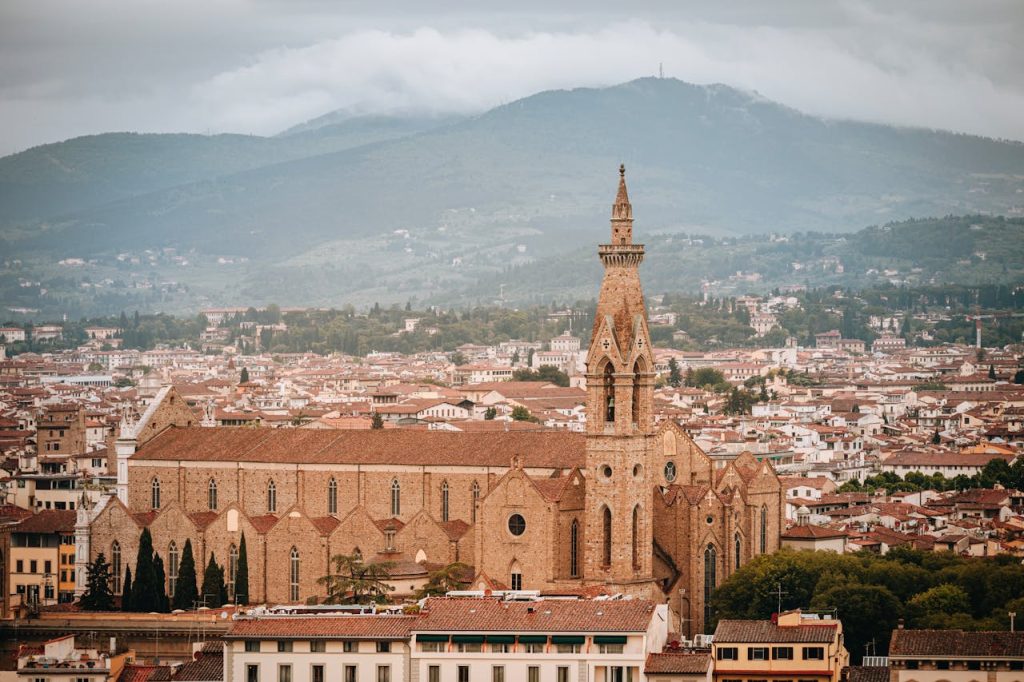
Florence’s historic center is compact, and nightly pricing can outperform long-term rent with ease. As more homes flip to visitor use near the Duomo and the Arno, locals face fewer choices and steeper bids for what remains, while students and service workers compete for shrinking inventory. The city has taken visible steps, including stricter controls around self-check-in practices, signaling that constant turnover is changing how buildings function. What gets lost is continuity: familiar faces in courtyards, predictable leases, and the small trust that makes a dense center feel like a neighborhood, not a corridor.
Amsterdam, Netherlands
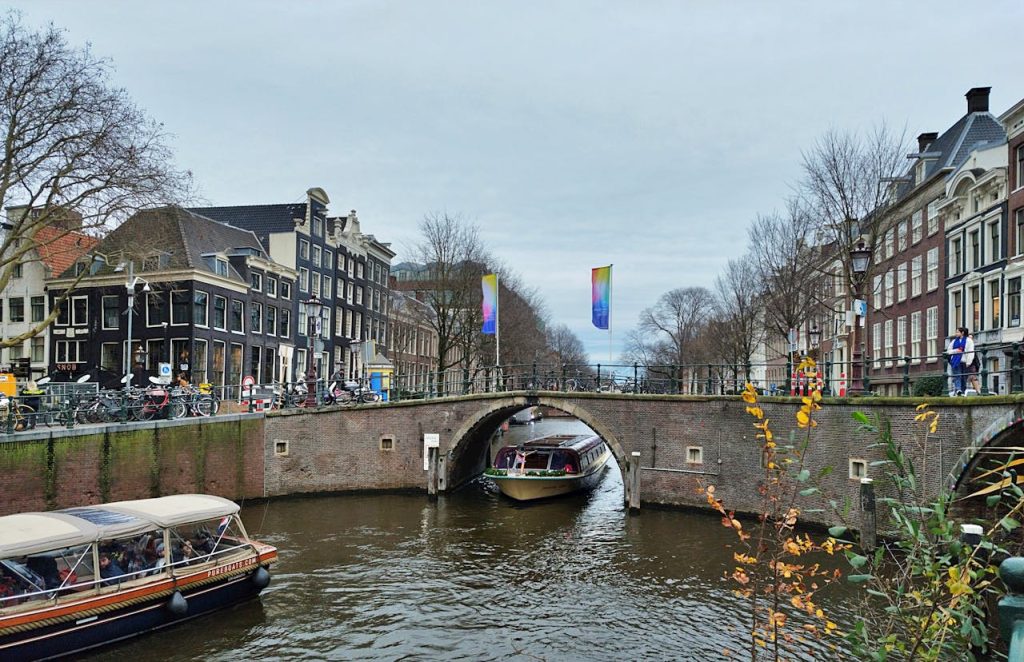
Amsterdam has some of Europe’s better-known limits on short-term rentals, yet pressure persists. Whole homes that would normally house residents can earn premium rates for weekends and holidays, and that math keeps pulling supply out of the long-term market, especially near the canals and central districts. Caps and registration requirements help, but enforcement faces a familiar problem: demand moves faster than oversight, and professional operators look for gaps. The result is a market that feels permanently tight, where a single vacant apartment can trigger a rush of applicants and a quick jump in monthly rent.
Edinburgh, Scotland
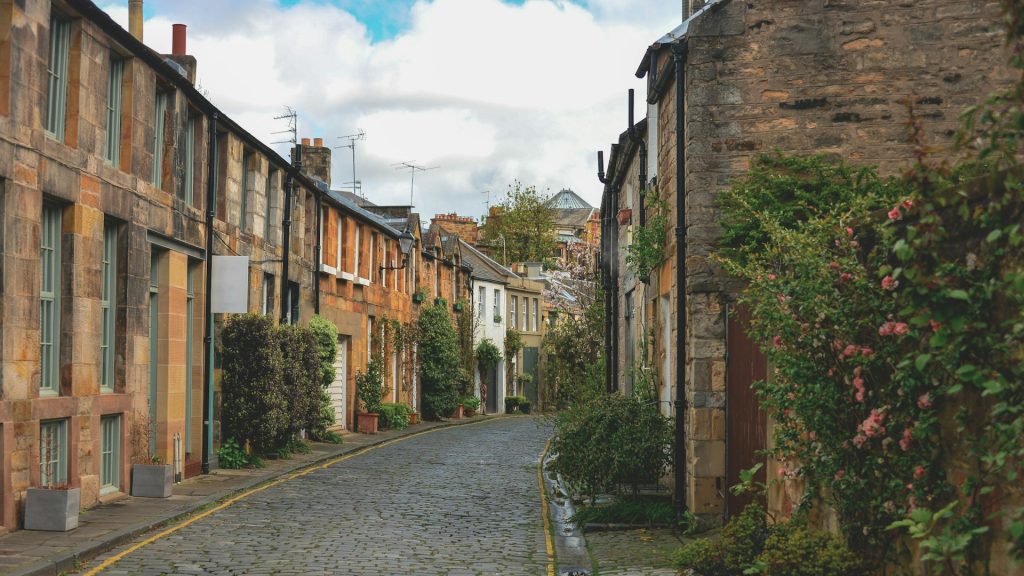
Edinburgh’s housing tension spikes around the festival season, when short stays can pay for the year in weeks. In the Old Town and nearby neighborhoods, flats that once housed residents may sit reserved for peak months, then return to the market at higher prices, resetting expectations for landlords and renters alike. Licensing rules add oversight, but they do not erase the seasonal incentive that encourages churn. The impact shows up in practical ways: students searching earlier, workers commuting farther, and longtime tenants feeling that August is no longer just busy, it is a turning point for what their neighborhood can afford to be.
Prague, Czechia
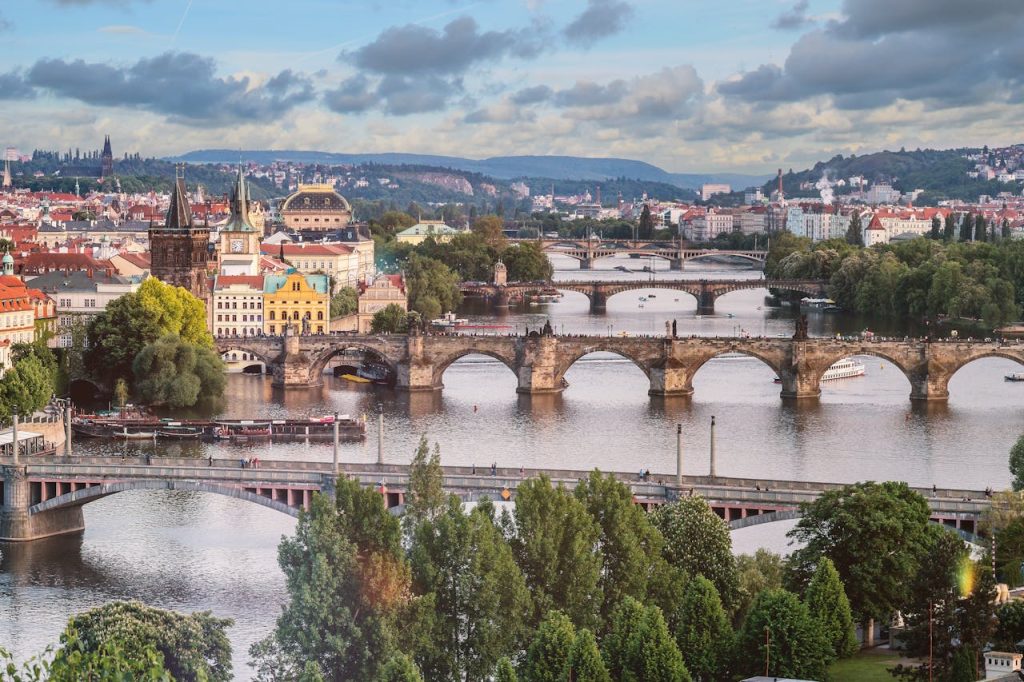
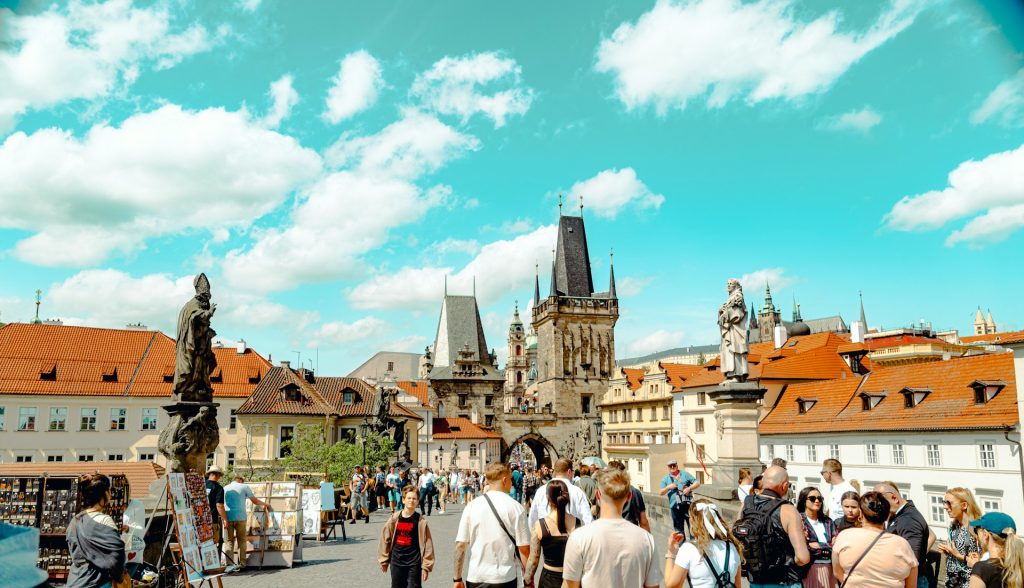
Prague’s postcard center has seen a steady shift toward visitor-focused housing, especially in Prague 1. When buildings tilt toward short-term stays, the change is visible: fewer nameplates, more key handoffs, and a retail mix that caters to foot traffic instead of residents. That housing drain tightens supply for locals and lifts rents in the areas best connected to jobs and transit. City officials have argued that limited platform data makes it harder to enforce rules at scale, and residents feel the lag. The city can look lively all day, yet still lose the quiet, rooted continuity that keeps a neighborhood humane after dark.
Reykjavík, Iceland
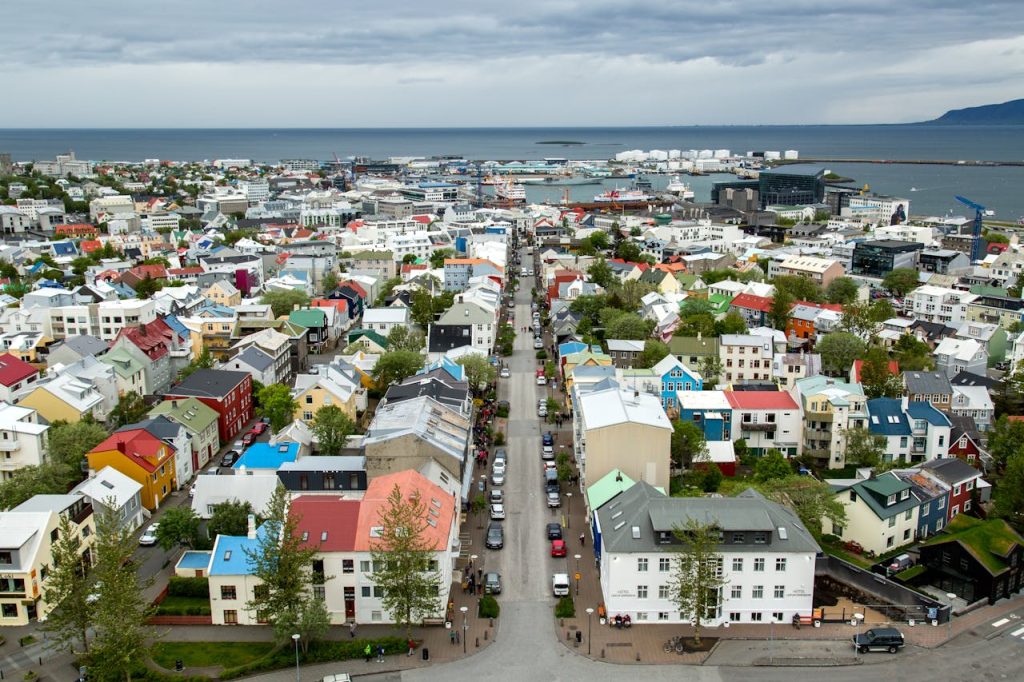
Reykjavík runs on a small housing base, so even a few thousand units shifting use can ripple fast. As short-term rentals expanded, competition for long-term apartments intensified, and prices moved beyond what many local incomes could comfortably absorb. Iceland has adjusted rules to limit how residential homes can be used for frequent tourist letting, aiming to keep more units in the long-term pool and reduce full-time conversions. In a compact capital, the stress shows up quickly: crowded flatshares, delayed move-outs, and a sense that housing stability is becoming a privilege rather than a baseline for working life.
New Orleans, Louisiana
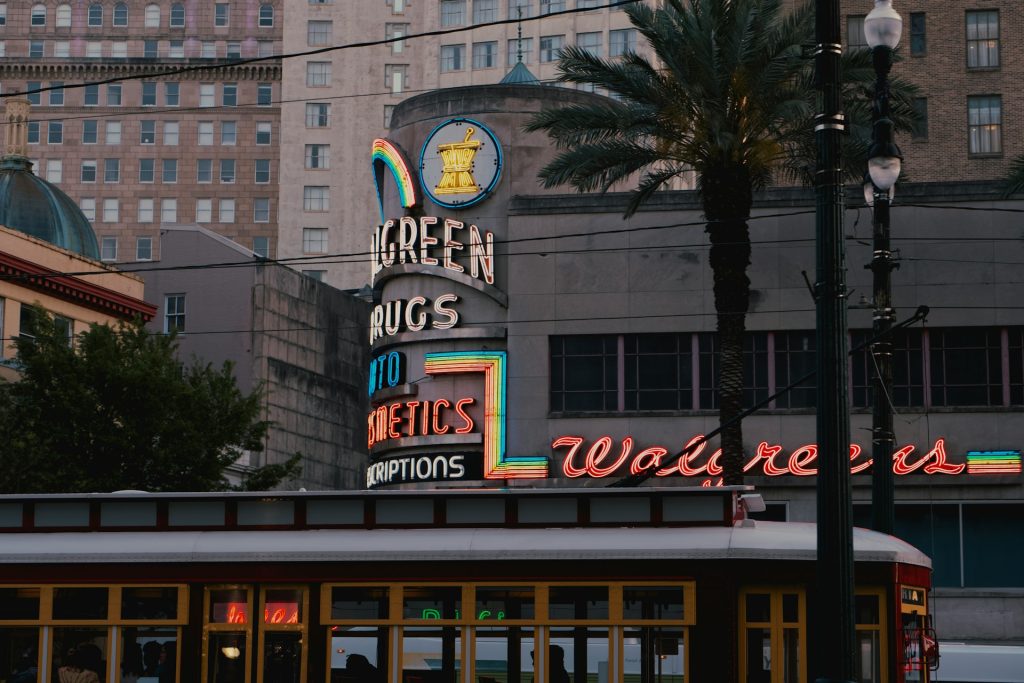
In New Orleans, short-term rentals intersect with a tight housing market shaped by tourism and limited supply. When homes become visitor stays, blocks can lose steady neighbors, and long-term options shrink for the workers who keep the city running, from cooks to nurses to musicians. The city has strengthened permit rules and pushed platforms toward verification, trying to steer activity toward compliant listings and away from residential overload. Still, the effect can feel intimate: porch conversations fade, familiar faces rotate out, and communities built on presence become harder to hold together, one converted double at a time.
Mexico City, Mexico
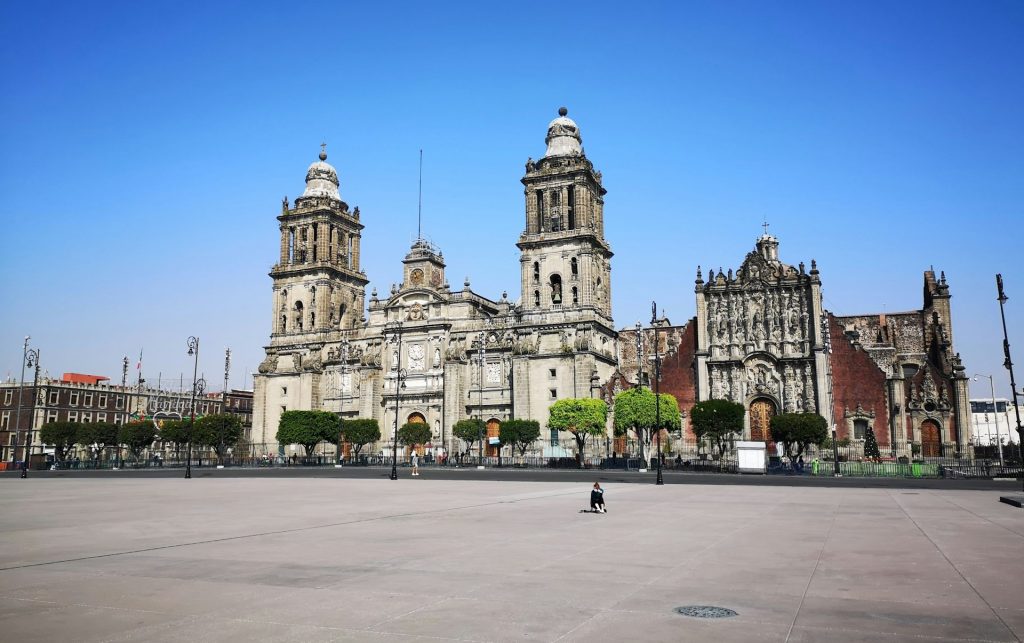
Mexico City’s most fashionable neighborhoods have become global magnets, and short-term rentals amplified the surge. As more apartments shifted to nightly stays in areas like Roma and Condesa, long-term renters faced tighter supply and sharper increases, while small businesses adjusted to a customer base that changes every week. The backlash has included protests and policy pushes to add limits and improve oversight, but demand stays intense. The cultural cost is subtle but real: when leases vanish, local networks thin, and a place known for street-level life can start to feel curated for visitors rather than anchored by residents.
Maui, Hawaii

Maui’s housing market is constrained by geography, high building costs, and a large visitor economy, so supply is precious. When condos and homes are used primarily for short stays, the long-term pool tightens, and workers in hospitality, healthcare, and schools often face rents that do not match island wages. After the 2023 Lahaina fire, the question of where residents can live gained new urgency, and county leaders advanced plans to reduce short-term rentals in some apartment-zoned areas. The hope is straightforward: more homes available year-round, so recovery includes stability, not just rebuilding walls.
Paris, France

Paris requires registration and caps for short-term rentals, yet pressure persists in high-demand districts. When apartments are tuned for nightly turnover, the city loses long-term housing in the neighborhoods where jobs, transit, and schools are easiest to reach. Enforcement can remove some listings, but the incentive remains, and scarcity keeps nudging prices upward for stable leases. The change is also social: fewer children in courtyards, fewer regulars in corner cafés, and more buildings that feel like they host a rotating audience rather than a settled community, even when the street looks timeless.