12 Destinations Where Fall Travel Feels More Authentic
Fall travel has a different honesty. Heat loosens, crowds thin, and places slide back into their own routines instead of the version built for peak demand. Markets shift to harvest colors, restaurants stop feeling like triage, and guides have time for real context rather than rushed scripts. In many regions, weather stays friendly well into Sept. and Oct., but the mood grows calmer and more grounded. The reward is not just quieter streets. It is a sense that a destination is being lived in, not displayed.
Kyoto, Japan
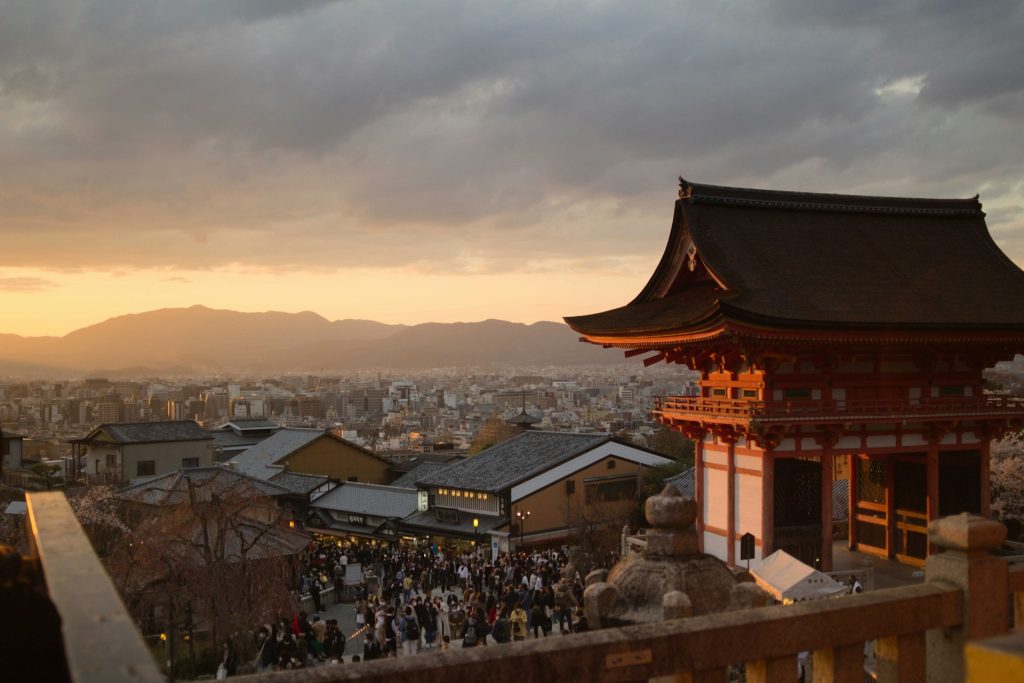
Kyoto in fall feels deliberate. Maples glow around temple courtyards and canal paths, yet the deeper pull is the return of everyday rhythm: tea shops serving warm sweets, craft lanes less crowded, and evening walks that do not feel hurried. Cooler air suits long temple circuits in Arashiyama and Higashiyama, while small neighborhood festivals and market stalls keep the city anchored in local life. Without summer humidity, details sharpen: incense drifting near gates, stone steps underfoot, raked gravel in gardens, and the steady cadence of trains carrying commuters past the same shrines visitors pause to admire.
Oaxaca City, Mexico
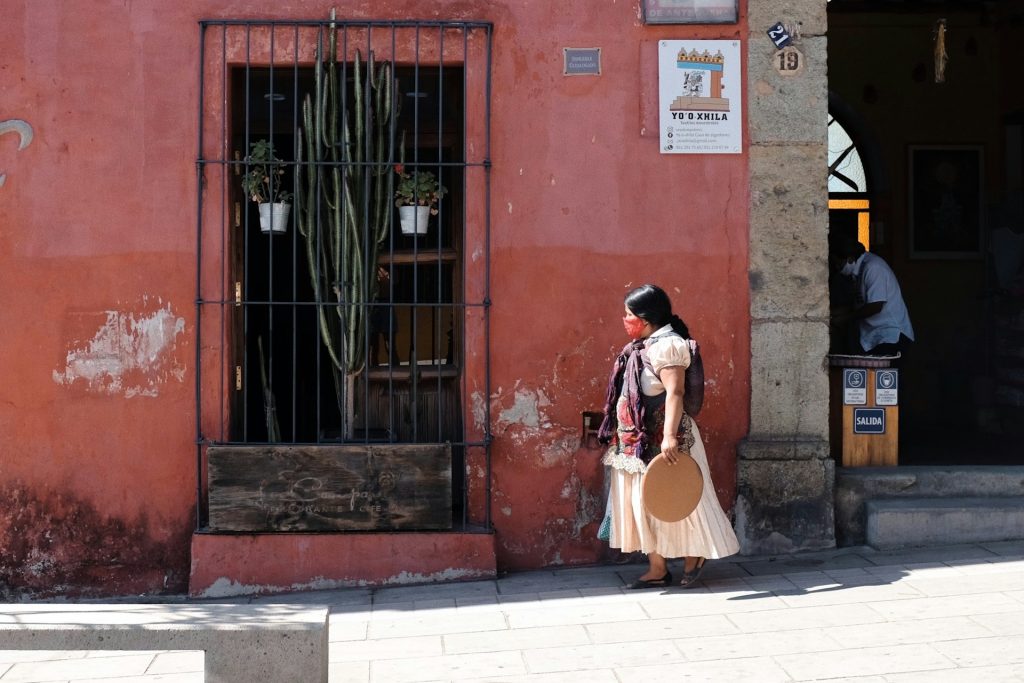
Oaxaca in fall trades heavy heat for clear days and a stronger sense of local cadence. Markets brim with squash blossoms, cacao, and mole ingredients, and mezcal tasting feels more grounded when distilleries are not overwhelmed by peak crowds. Around late Oct. and early Nov., Día de Muertos preparations shape the city with marigolds, pan de muerto, and cemetery visits tied to family memory, not performance. Even outside the holiday window, evenings invite long meals and street music, while nearby villages keep weaving, clay, and food traditions visible in workshops that run on routine rather than tourist urgency.
Charleston, South Carolina
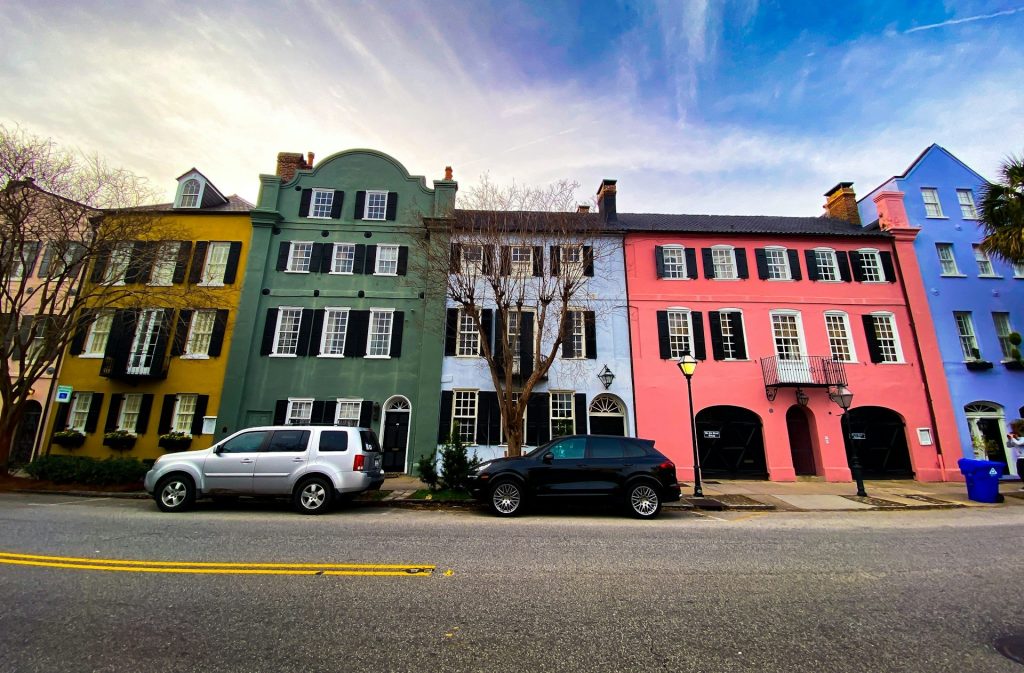
Charleston in fall feels like the city finally gets its breath back. Humidity drops, walking becomes pleasant, and restaurant tables that were scarce in midsummer become attainable without weeks of planning. Softer light flatters pastel facades, ironwork, and waterfront views, and the pace slows enough for porches, gardens, and quiet side streets to matter. With fewer tour groups, local history sits closer to the surface, from Gullah Geechee heritage to cemetery paths and harbor stories told without a script. The charm reads less like a performance and more like daily life continuing, with food and conversation setting the tone.
Tuscany, Italy
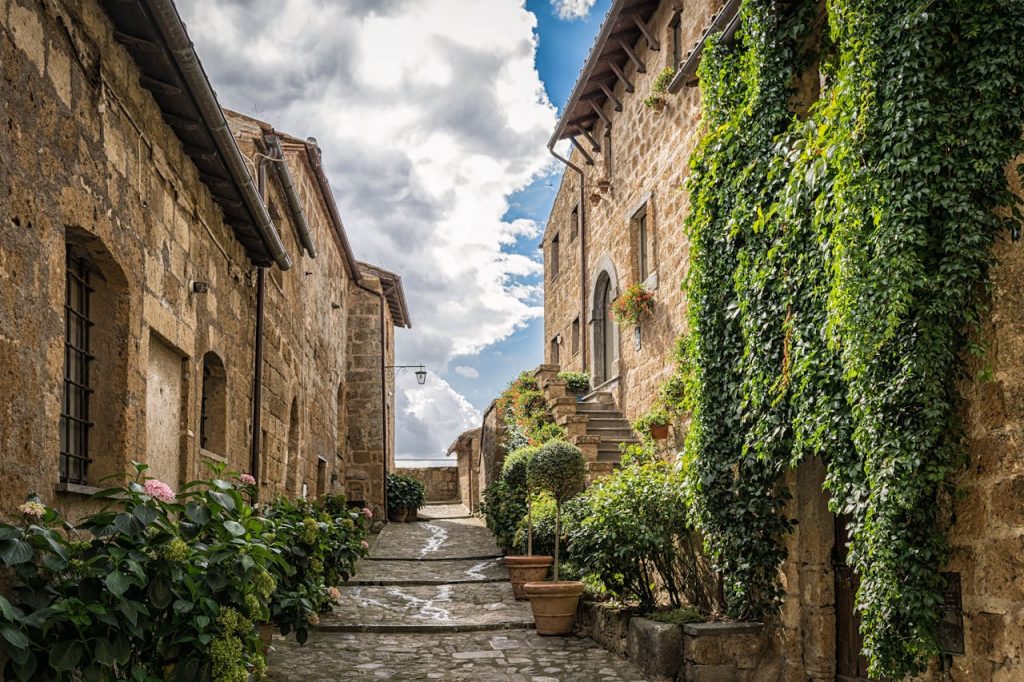
Tuscany in fall is powered by work that matters. Vineyards move into harvest, olive groves fill with gathering, and small towns feel lived-in again once summer traffic thins. Days stay mild enough for hill walks and market mornings, but evenings lean toward fireplaces, simple wine bars, and long tables where locals linger. Festivals tied to wine, truffles, and chestnuts make the region feel grounded, and the landscape shifts from bright greens to ochres and golds that match the slower pace. It becomes easier to visit a village, meet a producer, and stay long enough to understand why meals here are treated as time well spent.
Edinburgh, Scotland
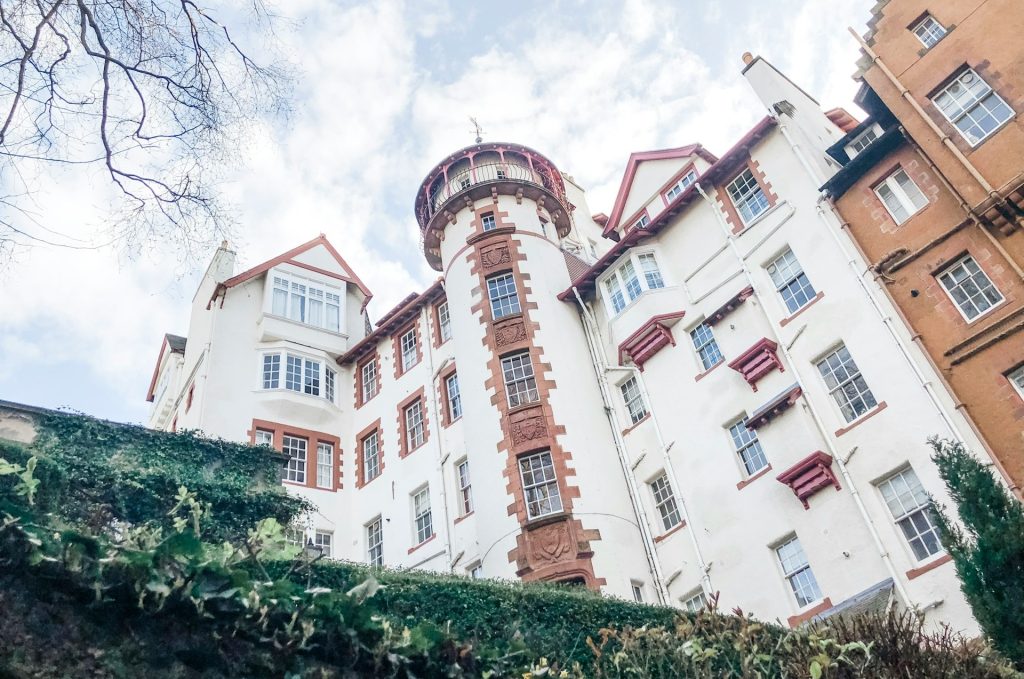
Edinburgh after Aug. is a different city. Once the festival crowds fade, the Old Town regains its everyday rhythm: students return, pubs feel less packed, and quiet mornings let footsteps echo on stone. Fall weather suits long climbs to Arthur’s Seat and Calton Hill, and the city’s bookish side resurfaces in museums, libraries, and cafés without the pressure of packed schedules. Light turns dramatic across the castle skyline, and chilly evenings make whisky tastings and warm soups feel like part of place, not an add-on. The city becomes less about spectacle and more about texture, conversation, and steady routines.
Quebec City, Canada
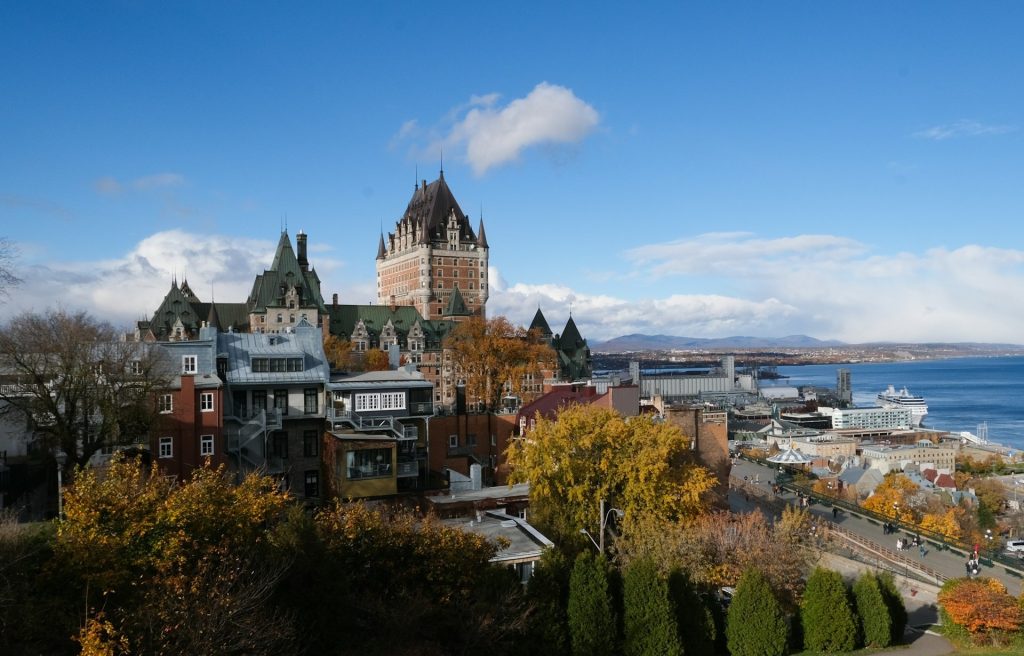
Quebec City in fall leans into what it already does well: walkable streets, deep food culture, and scenery that improves as leaves turn. Cooler air makes the walled city feel inviting, and bakeries and markets become the center of the day, not quick stops between attractions. Autumn colors sharpen views along the St. Lawrence, and Lower Town side streets feel less compressed, giving time to notice slate roofs, carved doors, and small courtyards. With summer cruise volume reduced, the city feels more like a living Francophone community, with local schedules, school-day energy, and long dinners that stretch without rushing to beat crowds.
Marrakech, Morocco
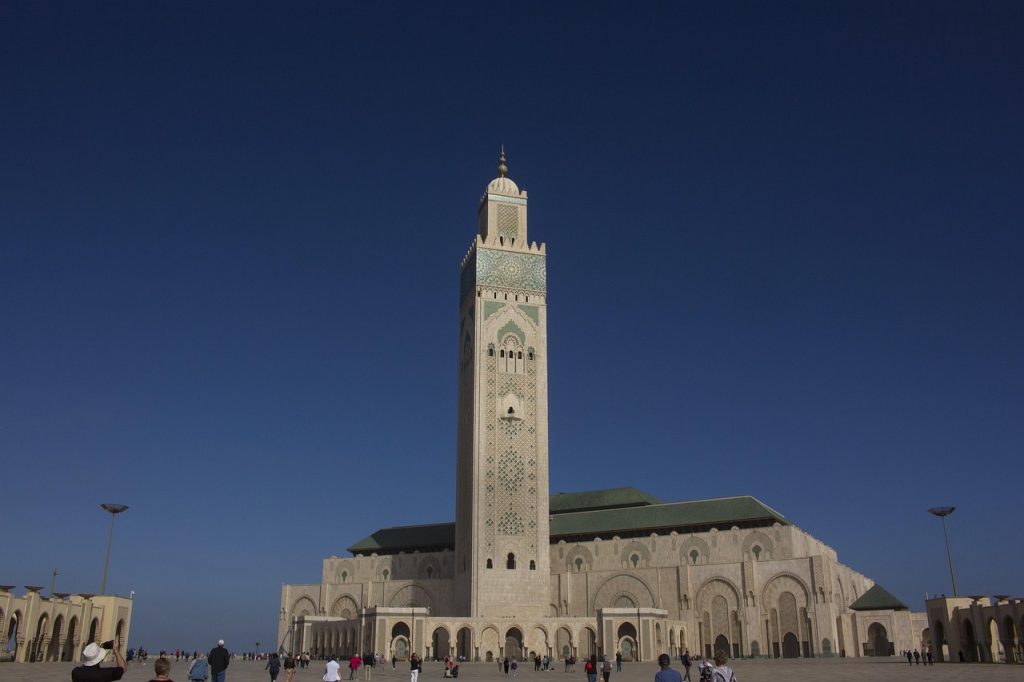
Marrakech in fall becomes more comfortable and more real because heat stops dictating every move. Days are warm but manageable, which makes wandering the medina, visiting gardens, and taking day trips feel less like endurance. As the season shifts, nightly food stalls in Jemaa el-Fnaa regain their pull, and conversations in cafés and riads stretch longer. Craft streets and spice lanes feel less hurried, and hammam visits become part of a steady routine rather than a break from heat. The city keeps its intensity, but the improved pace allows attention to settle on detail: tilework, orange blossom scent, and the quiet skill behind everyday trade.
Patagonia, Argentina And Chile
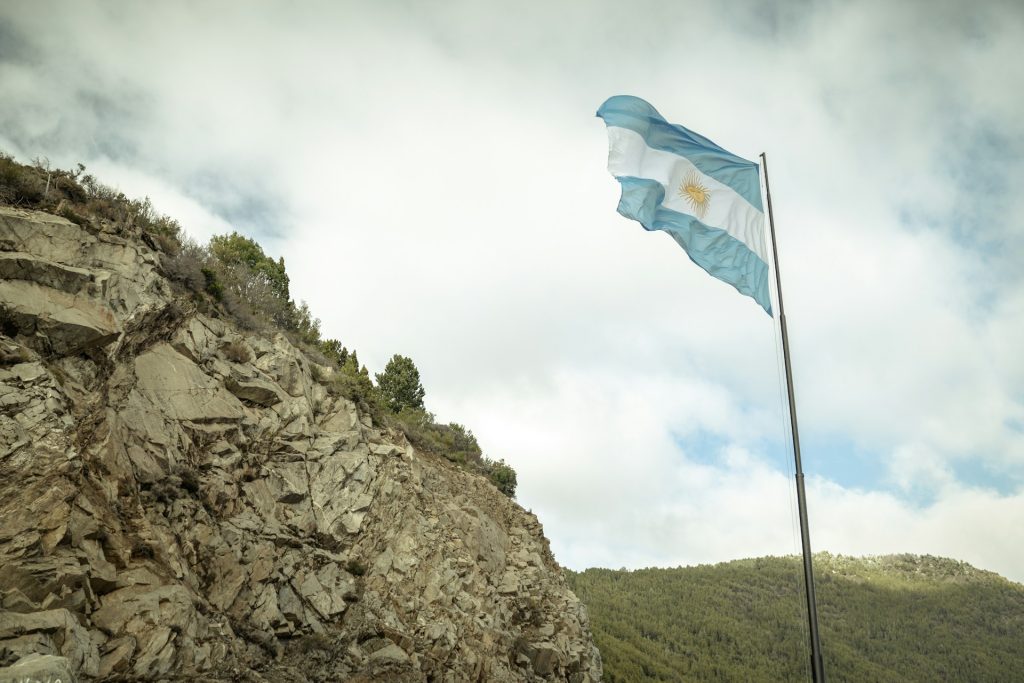
Patagonia in fall feels raw in the best sense, with clearer space and weather that changes the mood by the hour. As summer crowds thin, trails and viewpoints regain room, and the landscape turns more dramatic under sharper light and cooler air, without buses stacking at the same pullouts. In towns like El Chaltén and around Torres del Paine gateways, local routines become visible again, from gear shops to simple cafés that stop running at full tilt. The season rewards patience: wind breaks, sudden sun, and long views that feel earned. It becomes less about checking highlights and more about being present with mountains, water, and distance.
New Orleans, Louisiana
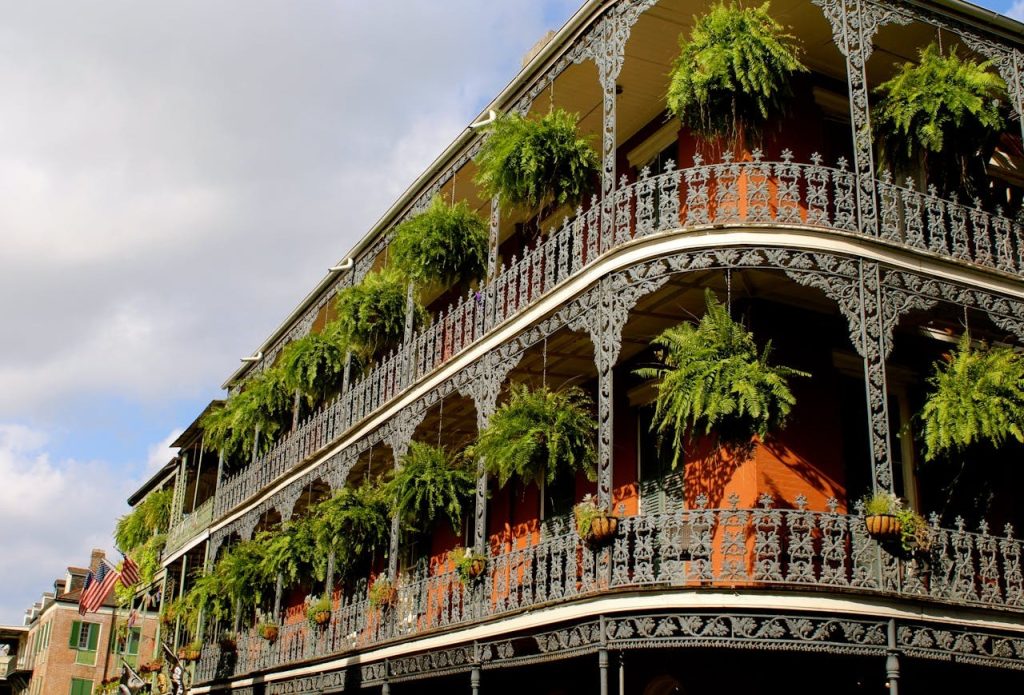
New Orleans in fall feels like the city returns to its own tempo. Heat loosens, doors stay open longer, and music carries more easily through the French Quarter, Marigny, and down neighborhood blocks. Festivals and football weekends bring energy, but the city becomes more walkable and more comfortable, with better odds of dining reservations and less fatigue between stops. Fall also favors food culture: gumbo season, oyster season, and slow evenings that stretch with jazz sets and conversation. It is a time when everyday joy feels accessible, not crowded out, and when the city’s sense of place comes through in small moments, not just big nights.
The Peloponnese, Greece
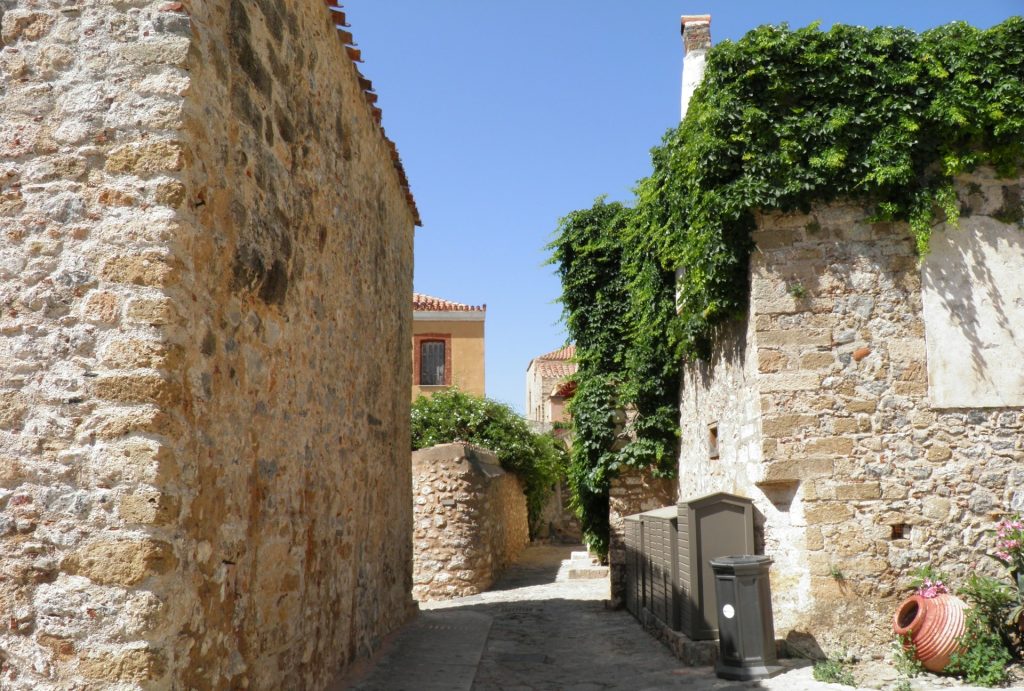
The Peloponnese in fall feels like Greece without the loudest summer layer. Coastal towns stay warm enough for swims, but roads and tavernas quiet down as island crowds drift away. Harvest season shows up in olive presses, markets, and village meals, and ancient sites like Mycenae, Epidaurus, and Olympia become easier to experience without midday gridlock. The region’s mix of beaches, mountains, and stone villages works best when time is flexible, and fall gives that flexibility back. It becomes possible to stop for roadside figs, linger over a late lunch, and drive scenic routes without racing ferry schedules or competing for every table.
Transylvania, Romania
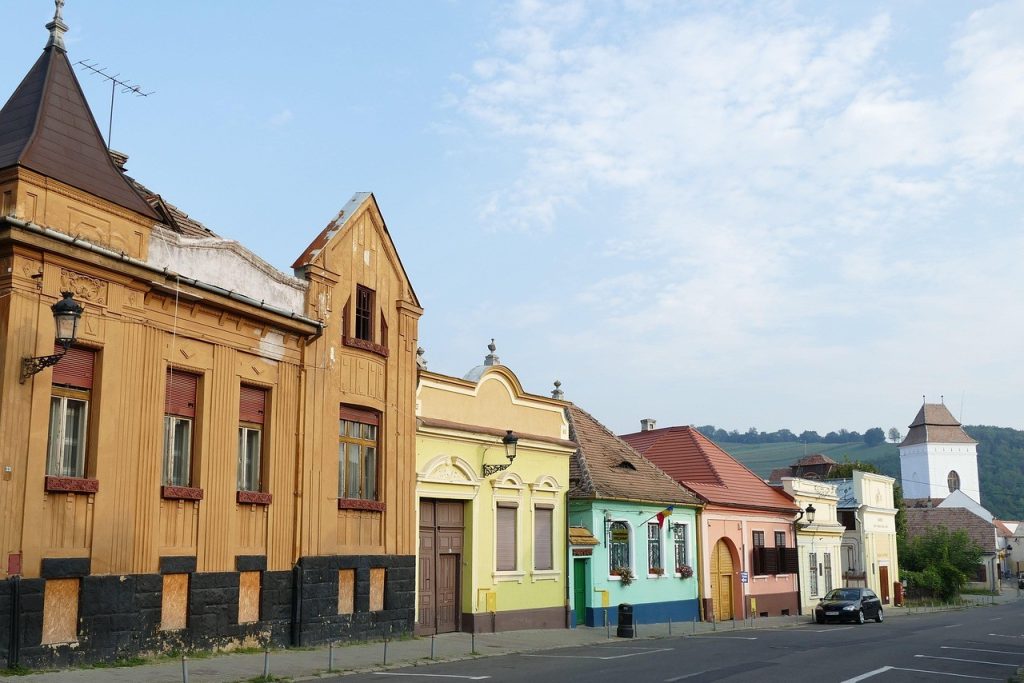
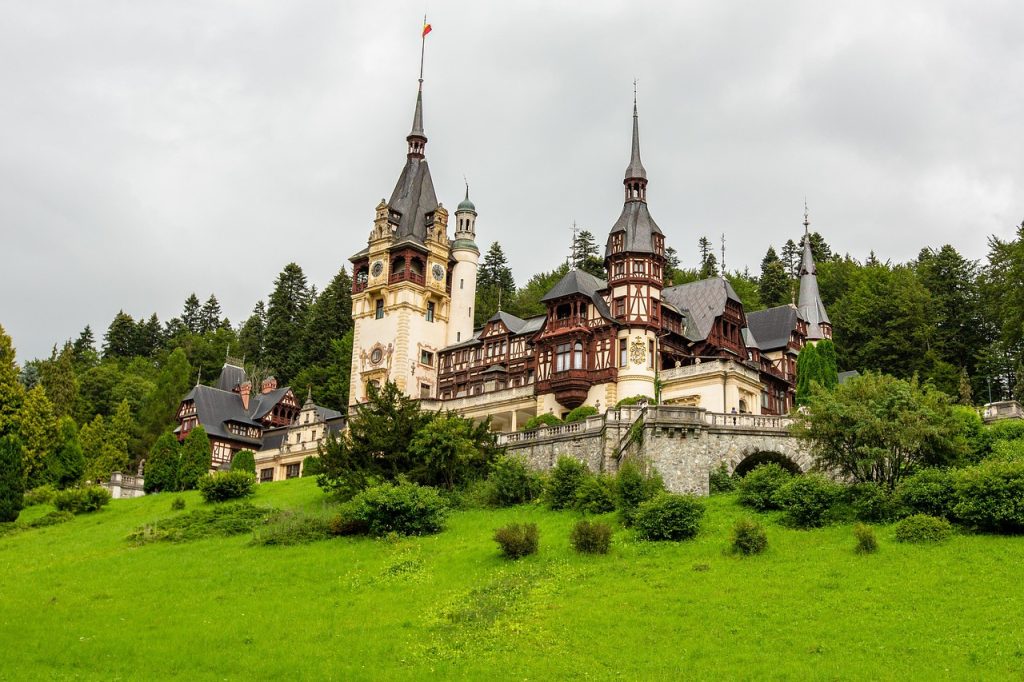
Transylvania in fall offers atmosphere that comes from daily life, not from legend marketing. Forests turn copper and gold, villages settle into harvest routines, and fortified churches and hill towns feel quieter and more reflective. Markets bring apples, honey, and hearty breads, while cool evenings suit slow drives through valleys where mist hangs over fields and haystacks dot the view. In cities like Bra?ov and Sibiu, café life becomes cozy rather than crowded, and day trips to castles and mountain trails become easier to plan without peak-season pressure. The region feels authentic because it is not performing; it is simply moving through its season.
The Finger Lakes, New York
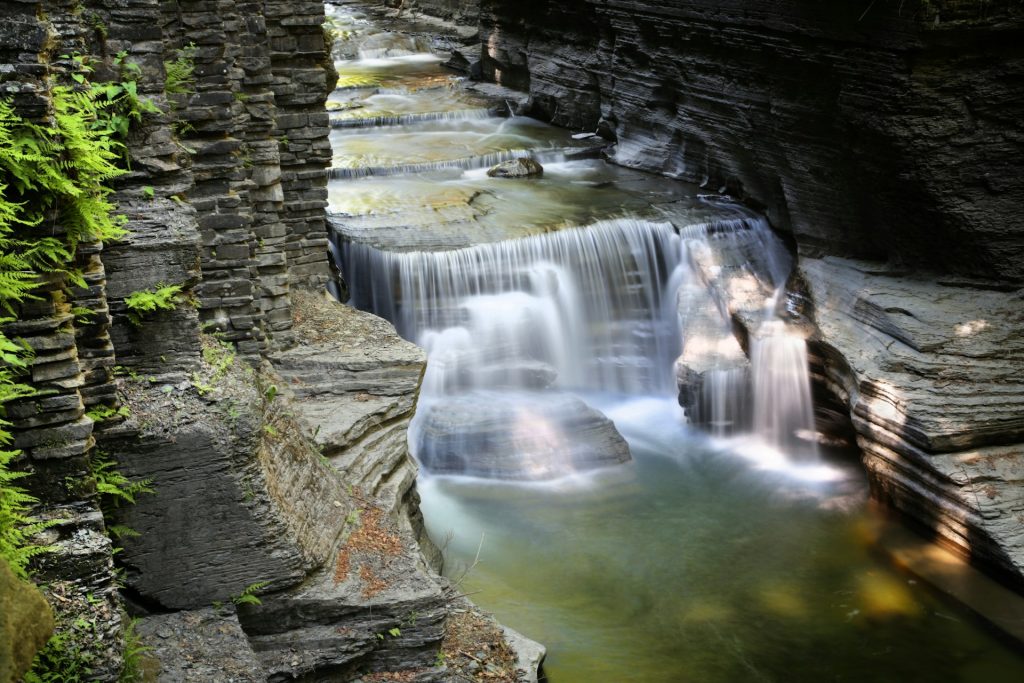
The Finger Lakes in fall feel honest because the season is built around real work and real gatherings. Vineyards move into harvest mode, tasting rooms slow down, and small towns lean into farmers markets, cider donuts, and lakefront walks beneath turning trees. The roads are calmer, the water stays still, and the region’s food culture becomes the main event, from cheese shops to small wineries that finally have time to talk. Without summer traffic, trails and overlooks feel spacious, and days become rhythmic: mornings by the lake, afternoons in vineyards, and evenings that end early in a way that feels restful rather than cut short.