12 Floating Villages Around the World Still Alive with Local Life
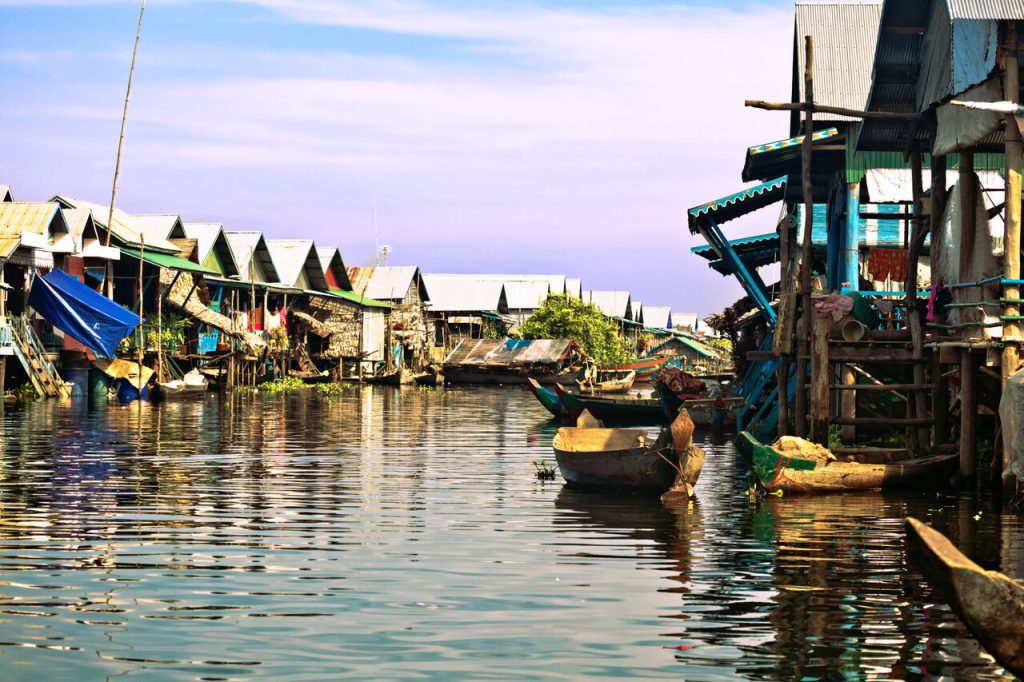
Life on water isn’t just a postcard scene in some parts of the world; it’s a living culture. Floating villages, built on lakes, rivers, and coastal bays, are home to entire communities that adapt to shifting tides and seasons with astonishing ingenuity. From stilted bamboo homes to boat based markets, these places show how people can thrive amid water’s challenges and beauty. Here are 12 floating villages around the world where you can still see authentic life unfolding, far beyond tourist gloss.
1. Kampong Phluk, Cambodia
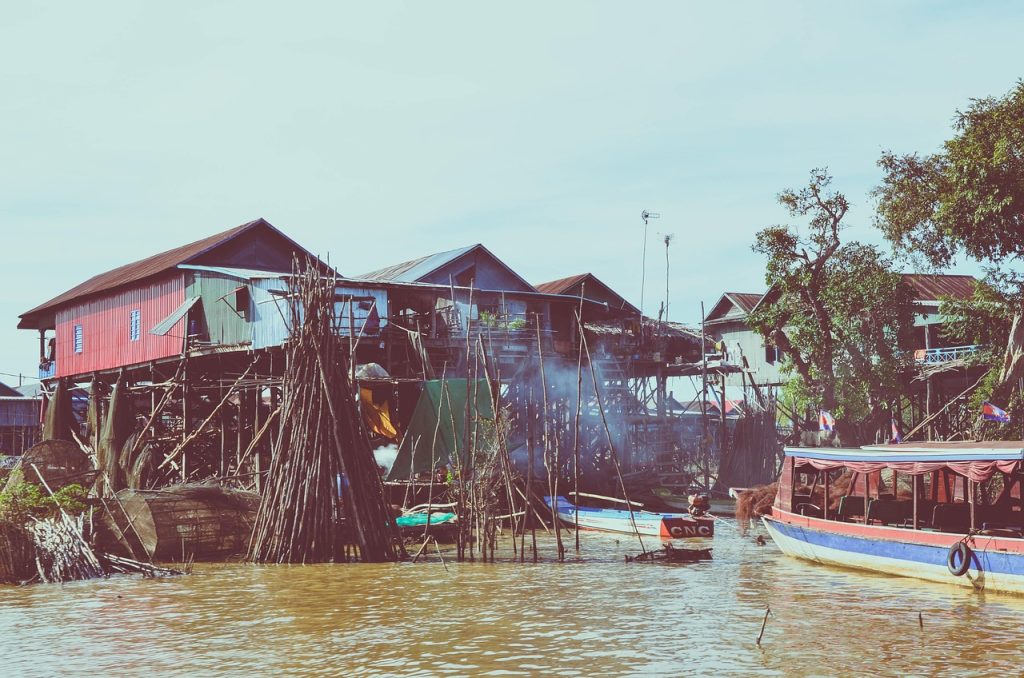
On the edge of Tonle Sap Lake, Kampong Phluk rises and falls with the water levels. During the dry season, you’ll see tall stilt houses perched high above dusty pathways; in the wet season, the same streets turn into canals navigated by small boats. The village is largely self sufficient, with families relying on fishing and seasonal farming. Visiting gives you a glimpse of daily resilience; children rowing to school, floating pigpens, and locals adapting constantly to nature’s rhythm. It’s one of the few places where life shifts completely with the lake itself.
2. Inle Lake, Myanmar
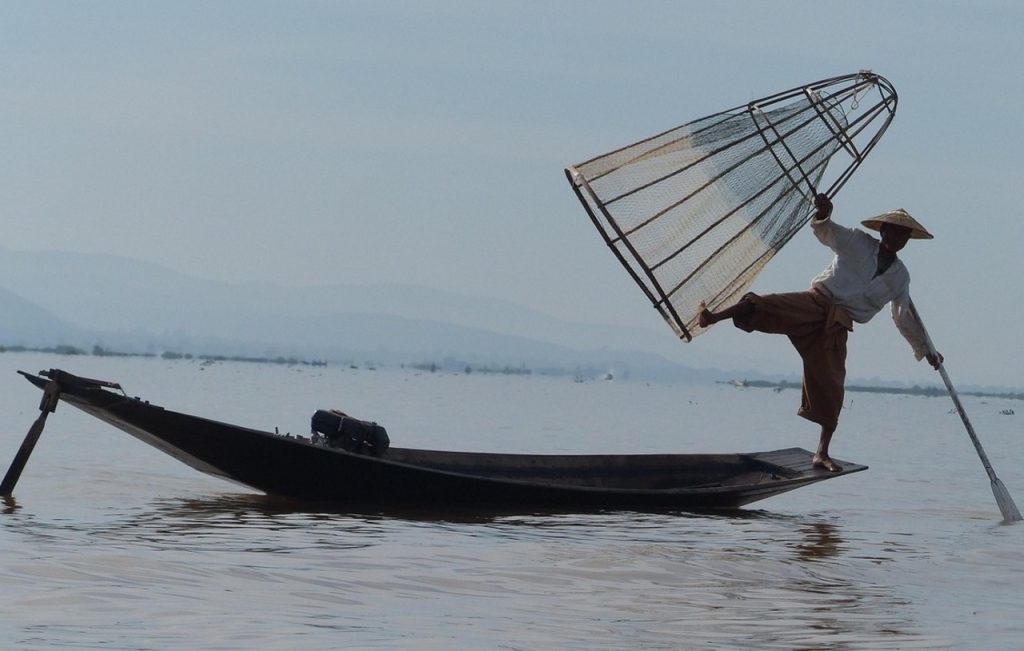
Inle Lake’s floating villages are a masterpiece of human adaptation. Houses rest on stilts, and farmers tend to floating gardens built from water hyacinths and silt. You’ll see fishermen balancing on one leg while rowing with the other, a technique unique to the Intha people. The villages here are not just homes but living ecosystems, with markets, temples, and schools all floating together. Even as tourism grows, the local rhythm early morning fishing, weaving, and trading remains deeply tied to the lake’s quiet, steady pulse.
3. Ganvie, Benin
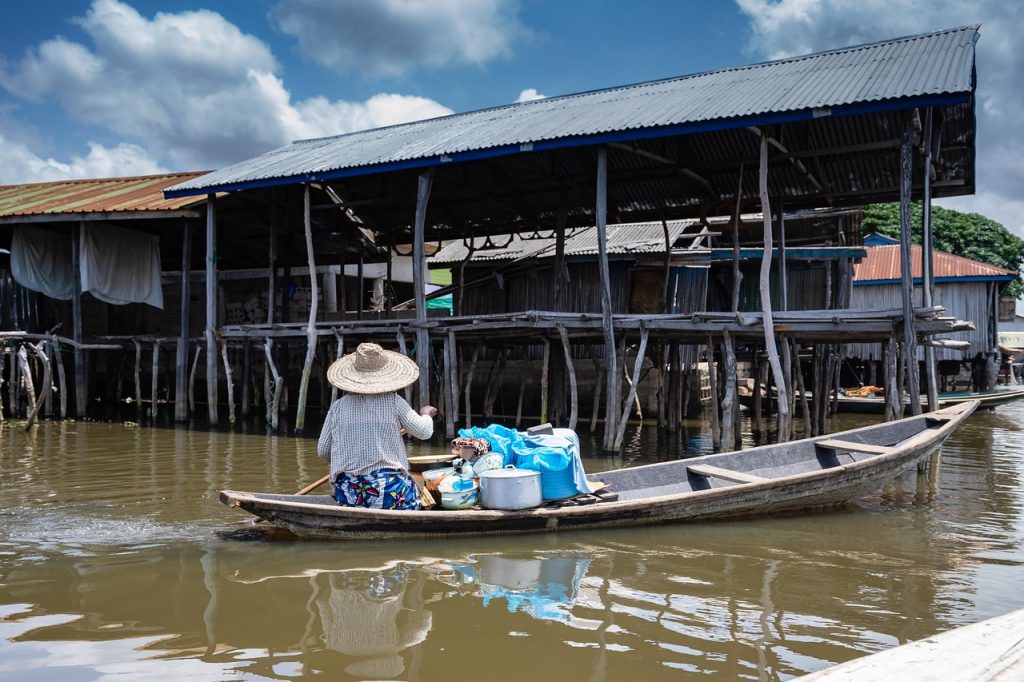
Ganvie is often called the “Venice of Africa,” but that doesn’t capture its authenticity. Built centuries ago by the Tofinu people escaping slave traders, it remains one of the world’s largest lake villages. Around 20,000 people live entirely on water, commuting by canoe and trading at floating markets. Houses made of bamboo and palm rest on wooden stilts that seem to merge with the lagoon. Despite modern influences, Ganvie keeps its unique balance between tradition, faith, and survival-proof that water can protect as much as it challenges.
4. Ha Long Bay Floating Villages, Vietnam
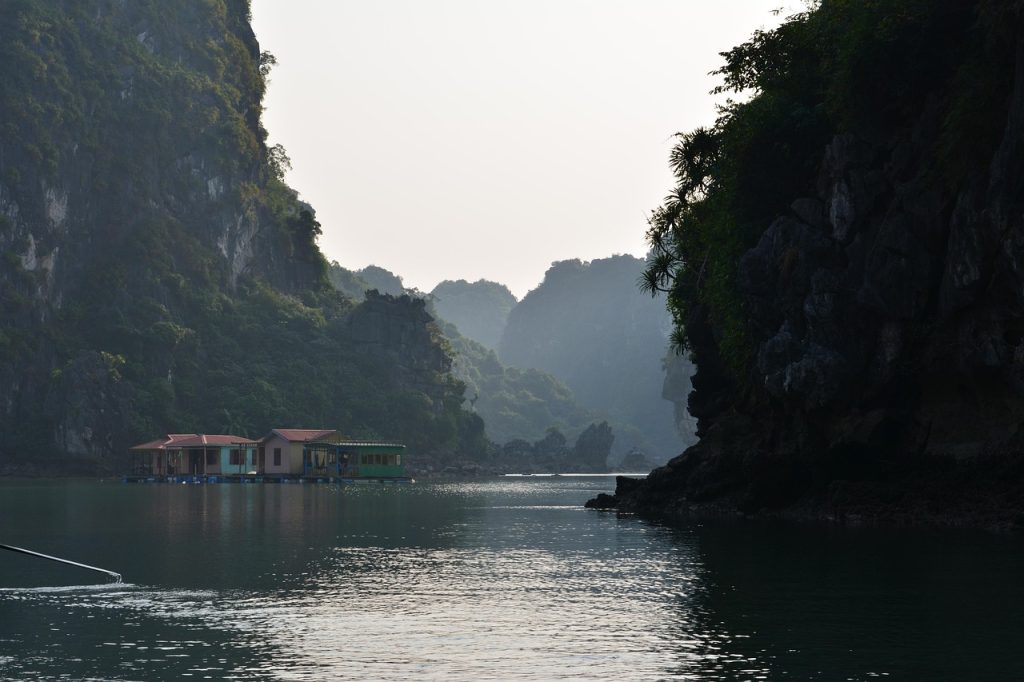
Set among limestone karsts, Ha Long Bay’s floating villages are home to fishing families who’ve lived on the bay for generations. Villages like Cua Van and Vung Vieng consist of floating homes, schools, and fish farms, all moored together in clusters. While tourism has brought change, many locals still depend on the bay’s ecosystem for sustenance. Watching fishermen mend nets or children paddle to floating classrooms shows how seamlessly life unfolds on the water. These villages offer a quieter, more human side of Ha Long Bay beyond its postcard views.
5. Loktak Lake, India
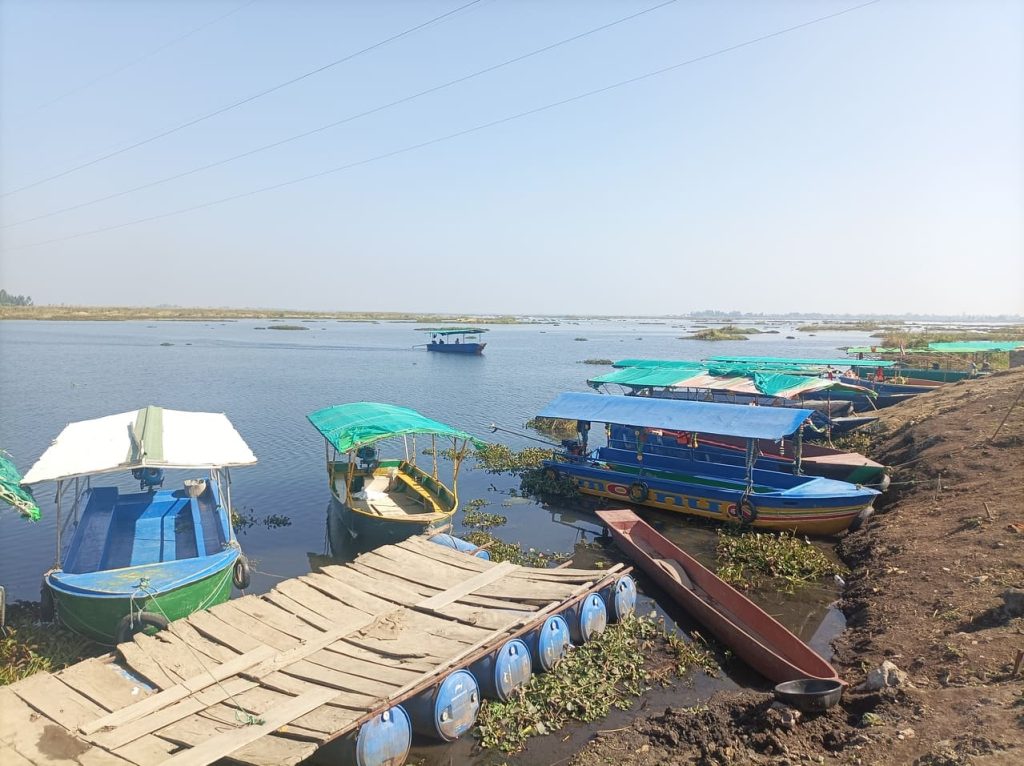
Loktak Lake in Manipur is famous for its phumdis floating masses of vegetation that support entire communities. Fishermen build their homes atop these shifting islands, adjusting constantly as the water levels rise and fall. The lake sustains both people and wildlife, including the rare Sangai deer found on the Keibul Lamjao National Park, the world’s only floating sanctuary. Life here blends resilience with respect for nature, where every home and livelihood depends on the fragile balance of the lake’s ecosystem.
6. Uros Islands, Peru
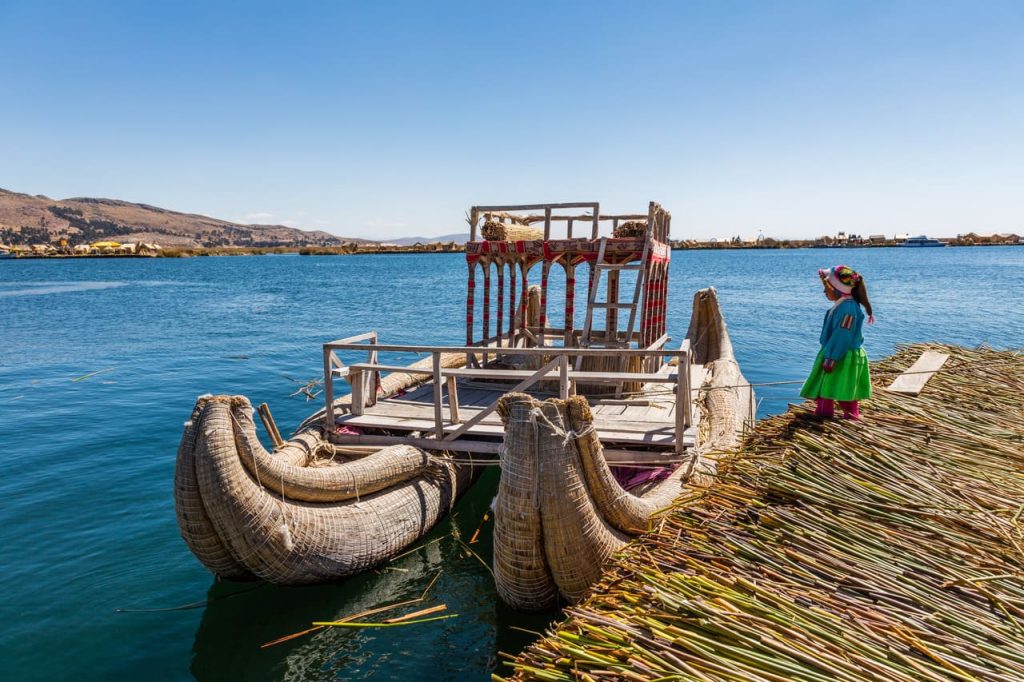
On Lake Titicaca, the Uros people have lived on man made reed islands for centuries. The islands, constructed from layers of totora reeds, must be rebuilt regularly as the lower layers rot. Life here is entirely self contained schools, homes, and watchtowers all float together. Visitors can learn how the reeds are woven into boats and furniture, reflecting a culture shaped by both creativity and necessity. Despite modern pressures, the Uros maintain a lifestyle that honors the lake and their ancestors’ ingenuity.
7. Tonle Sap Floating Villages, Cambodia
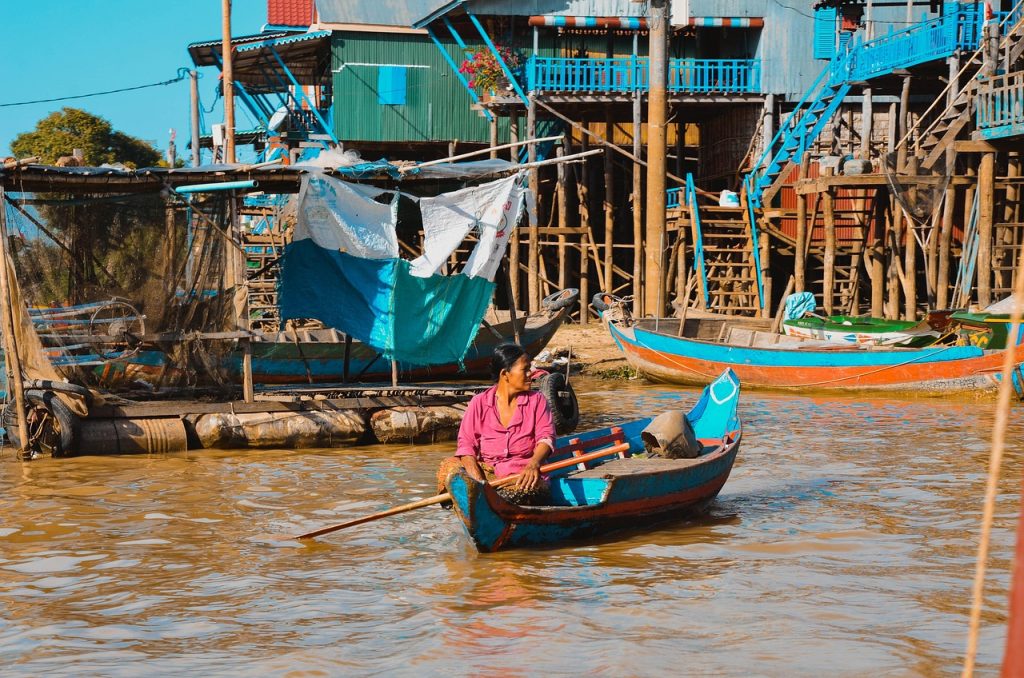
Beyond Kampong Phluk, Tonle Sap hosts other floating communities like Chong Khneas and Kampong Khleang. These villages rise directly from the lake, moving and expanding with the flood cycles. Families live aboard boats or stilt houses, trading fresh fish and vegetables from floating markets. The dynamic water levels dictate almost every aspect of life, from when children attend school to when families migrate closer to shore. Visiting reveals a rare balance between adaptation and persistence, where survival depends on reading the water’s mood.
8. Ko Panyi, Thailand
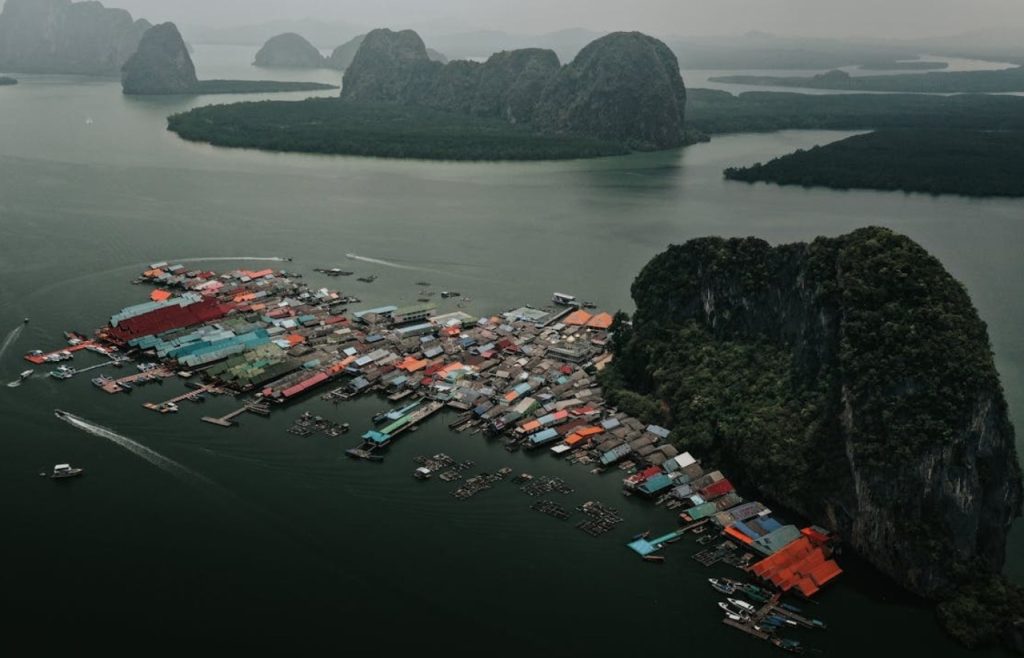
Ko Panyi sits at the base of a limestone cliff in Phang Nga Bay, built entirely on stilts over the sea. Founded by Muslim fishermen in the 18th century, it’s famous for its floating soccer field made from old wood and plastic. The village remains close knit, with families depending on fishing and small trade. Despite modern tourism, its authenticity endures you can walk narrow wooden walkways lined with homes, shops, and a mosque, all suspended over the water. It’s a vivid reminder of how community adapts to geography.
9. Makoko, Nigeria
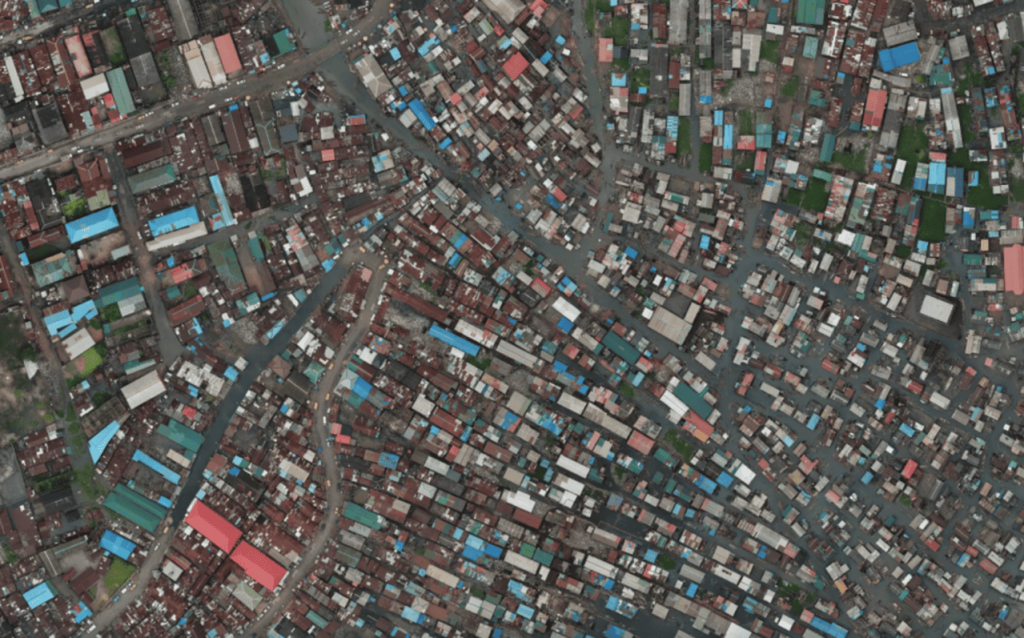
Makoko floats on the edge of Lagos, a sprawling settlement often called the “Venice of Africa,” though its reality is far rougher. Built on wooden stilts in a lagoon, it houses tens of thousands of people who fish, trade, and build their lives in challenging conditions. Despite government neglect, the community endures through cooperation and innovation, including floating schools designed by local architects. Life here is raw, complex, and deeply human; a striking example of resilience amid rapid urban expansion.
10. Tai O, Hong Kong
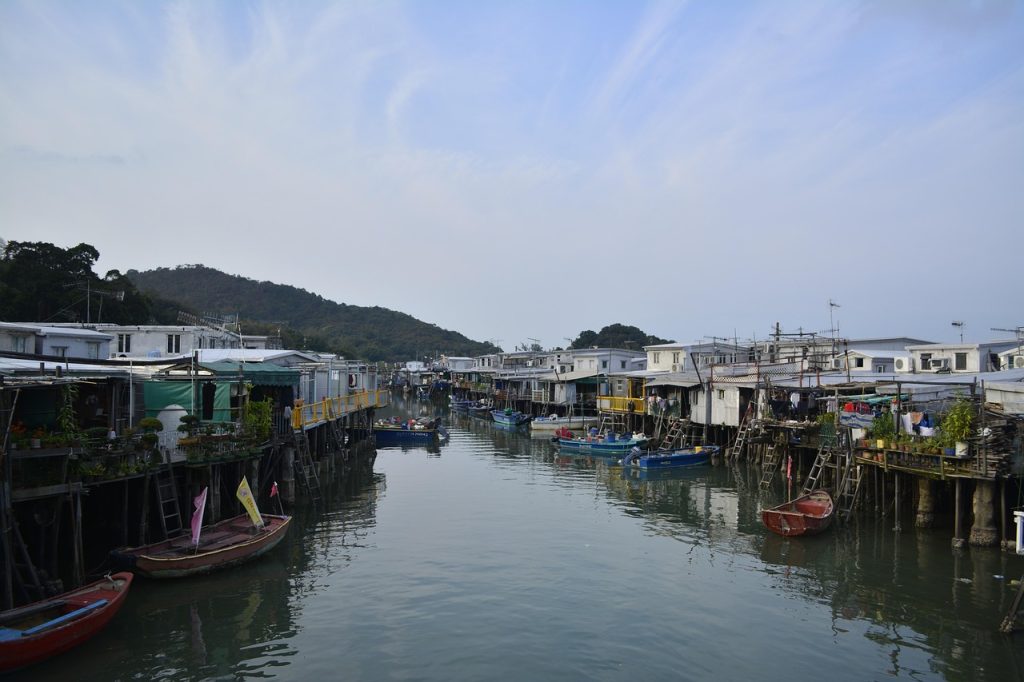
Tai O, a fishing village on Lantau Island, is known for its stilt houses built above tidal flats. Once a thriving hub for salt production and fishing, it now balances local life with tourism. Fishermen still haul in fresh catches while visitors explore narrow bridges and seafood stalls. The stilt homes, connected by walkways, create a web of wooden passageways that sway with the tide. Tai O holds onto its maritime roots even as the city around it transforms into one of the world’s densest urban centers.
11. Aberdeen Harbour, Hong Kong
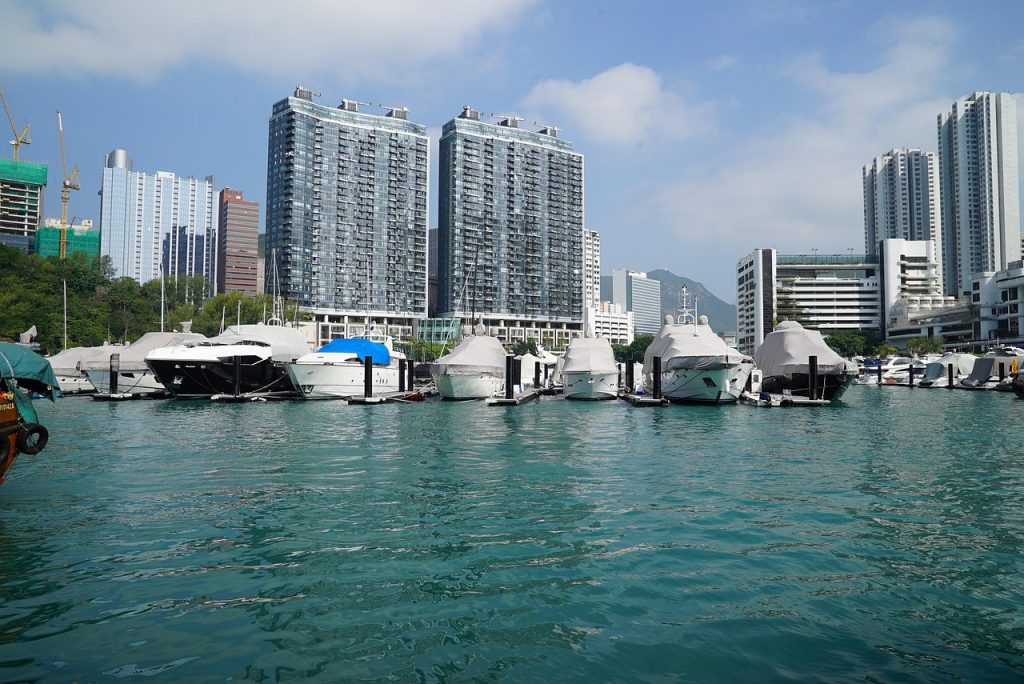
Before skyscrapers filled the skyline, Aberdeen Harbour was home to thousands living on boats. Though fewer families remain, a traditional fishing community still survives, with houseboats and seafood restaurants floating side by side. The sampan rides through the harbor reveal a piece of Hong Kong’s maritime past that hasn’t entirely disappeared. While the city grew upward, these floating homes remind you of a time when the sea was both livelihood and neighborhood, and when families built entire lives on the water’s rhythm.
12. Si Phan Don, Laos
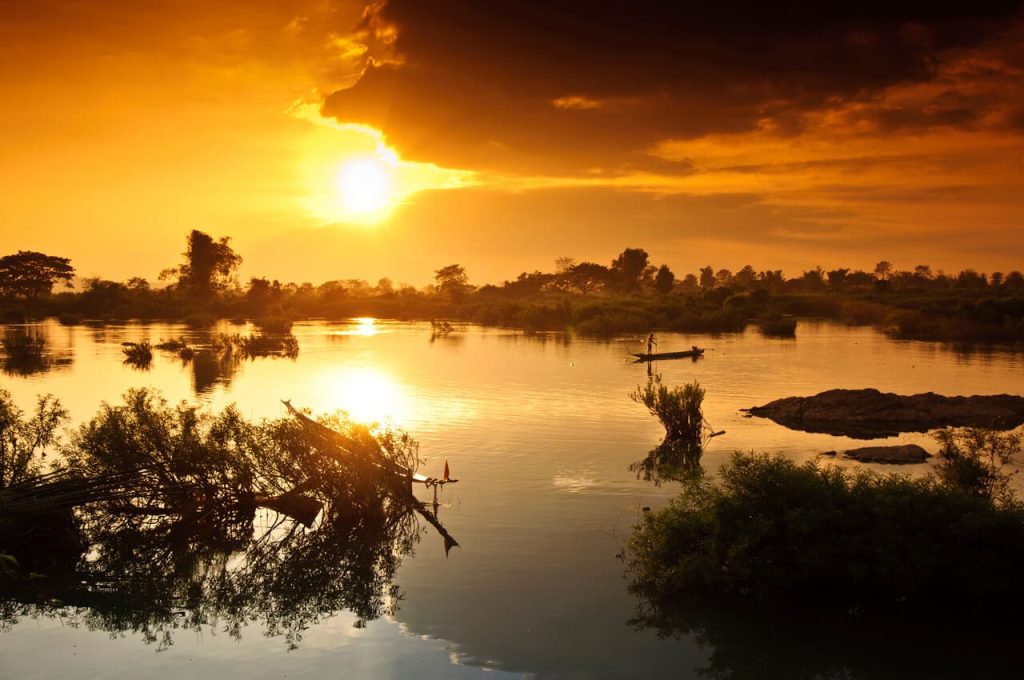
Si Phan Don, or the “Four Thousand Islands,” sits on the Mekong River near the Cambodian border. During high water, some of its small islands turn into floating habitats where fishing families live seasonally. Wooden boats, makeshift bamboo rafts, and floating nets define daily life. The pace is slow, the air humid, and the scenery tranquil. While not as built up as other floating communities, Si Phan Don still shows how people adapt to a river that gives and takes, shaping a simple but enduring way of life.