12 Mountain Chalets Chilled With Chimney Chokes
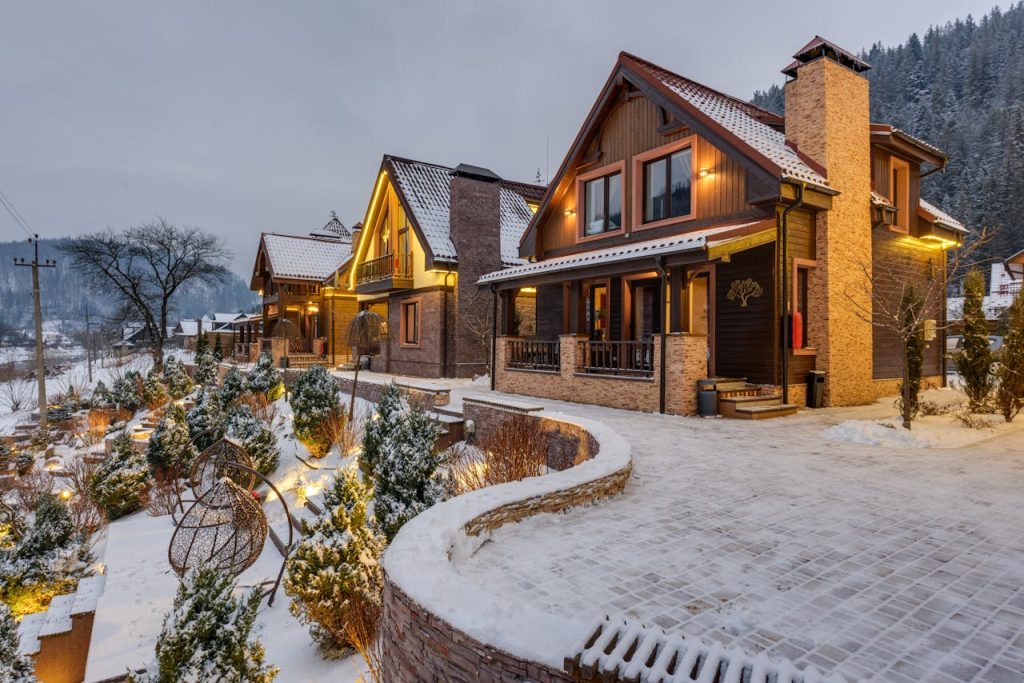
A mountain chalet earns its charm when snow hushes the trees, boots dry by the door, and the hearth sets the room’s steady tempo. In that glow, everything feels simple, like winter has been politely negotiated. The best nights carry a faint scent of pine and clean woodsmoke, nothing more.
Draft is the hidden bargain. Snow can pack a cap, wind can flip the pull, damp wood can smolder, and creosote can tighten the flue after too many low burns. When smoke hesitates, the right move is calm and practical: pause the fire, air the space, check alarms, and lean on backup heat until the chimney draws clean again, without pushing luck.
Snowbound A-Frame In Mount Hood, Oregon
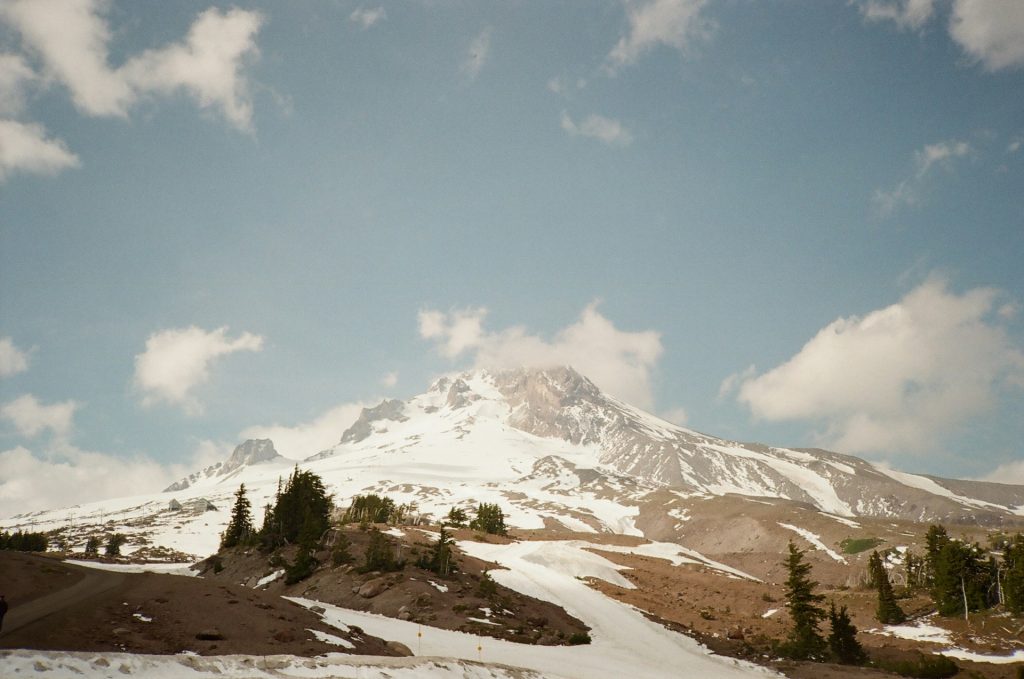
Mount Hood storms can pile wet snow high enough to rim a chimney cap or pack a spark arrestor, quietly narrowing the exit. Near Government Camp, roof slides and wind drifts can change a clear flue between breakfast and dusk, even in a well-kept A-frame.
When that path tightens, flames go lazy and a light haze may linger after the door is cracked. Hosts who know the rhythm check rooflines after big dumps, avoid long smoldering burns, and keep wood truly dry under cover. If roll-out repeats, they stop, ventilate, and switch to backup heat until the cap is cleared and the draft feels steady again. Simple care wins before night settles in.
Log Chalet In Jackson Hole, Wyoming
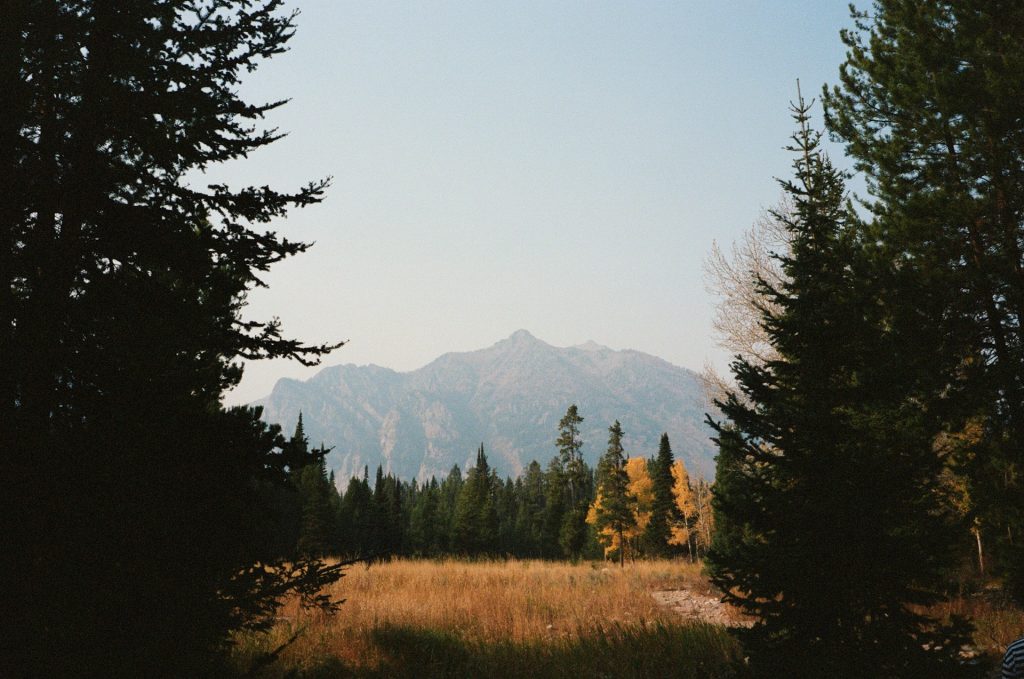
Jackson Hole timber chalets look built for big fires, yet altitude and fast-moving fronts can make draft feel fickle. Pressure shifts and valley gusts expose any flue that is slightly narrowed by soot or creosote, especially after weeks of short evening burns.
The clues are blunt: smoke spilling at start-up, a fire that will not catch cleanly, or a stale soot note that clings to sweaters. Good caretakers sweep midseason during heavy use, burn hotter and shorter, and avoid running big exhaust fans that pull against the chimney. If the draw still hesitates, they pause the fire and let backup heat carry the night, no arguments.
Lake Tahoe Ridge Chalet, California-Nevada
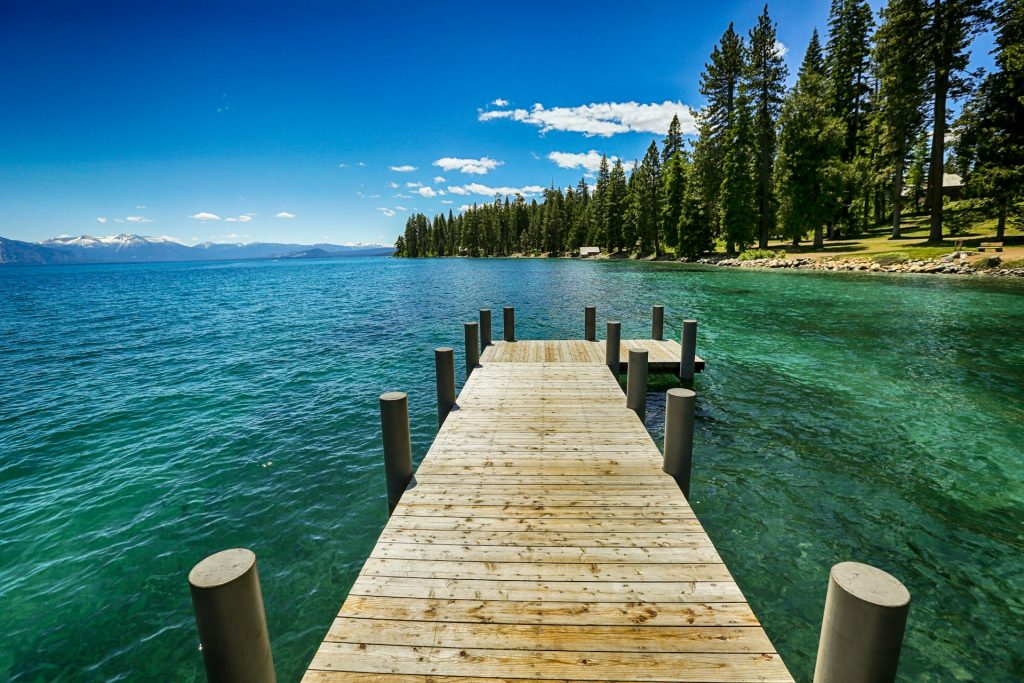
Tahoe ridge chalets ride warm afternoons and cold nights, a pattern that tempts low, slow fires that leave damp creosote behind. When temperatures drop again, that residue can harden and tighten the flue, making the first evening burn feel oddly reluctant.
Wind adds pressure games. A leeward gust can press against the cap and turn a borderline draft into smoke that lingers. Hosts keep wood under cover, run steadier burns, and make sure the damper moves freely. They check caps after snow and needle fall. If odor hangs past the first minutes, they stop, ventilate, and schedule a sweep before relying on the hearth again for real warmth.
Aspen Ski-In Chalet, Colorado
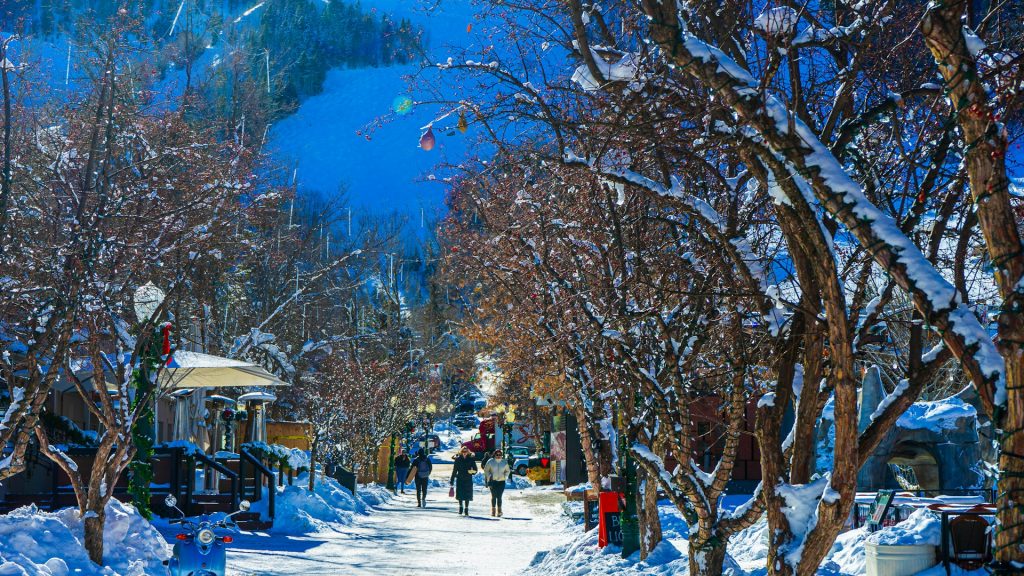
Aspen ski-in chalets are often tightly sealed to hold heat, which can magnify indoor pressure shifts once a fireplace runs hard. After a powder day, nonstop burns meet gusty storms, and an iced cap or a quick downdraft can make smoke curl back into the room.
Staff watch for tells: a flame that stalls, smoke that hugs the ceiling, or an odor that clings to scarves. They avoid running big exhaust fans, crack a window briefly to balance air, then stop the burn if roll-out repeats. Backup heat carries the night while caps get checked and flues get cleaned. Routine sweeping keeps the hearth dependable when guests return late and cold.
White Mountains Cabin-Chalet, New Hampshire
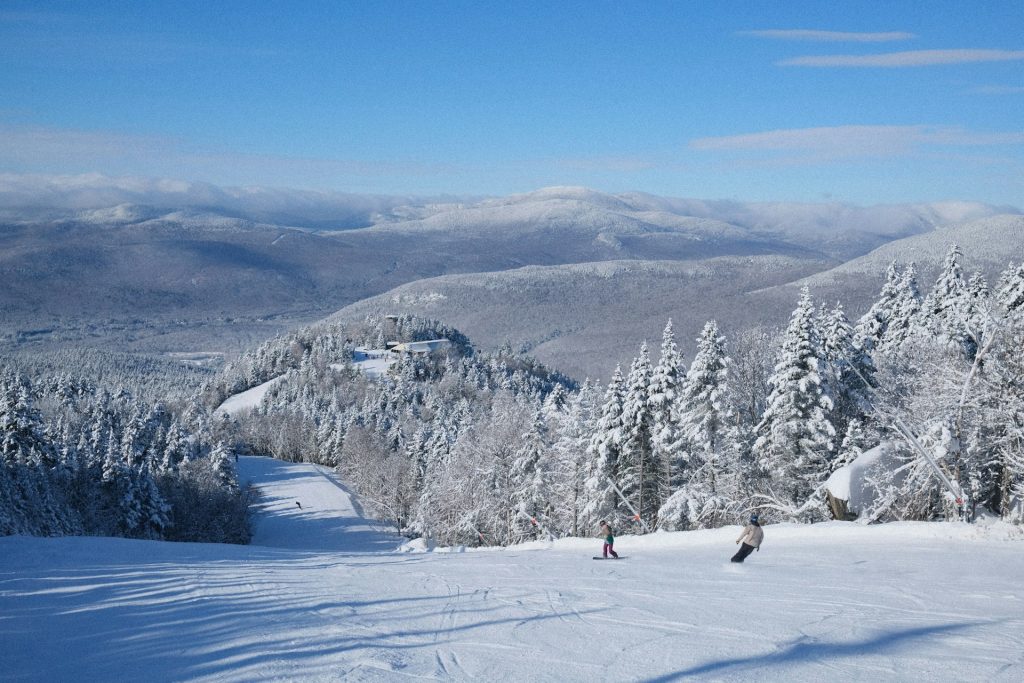
In New Hampshire’s White Mountains, wet snow followed by deep freeze can turn chimney tops into ice-rimmed bottlenecks overnight. Even a thin ring can narrow the exit and soften draft, so smoke lingers longer than it should in a room that is otherwise warm and quiet.
Older stone chimneys add charm, but they need sound liners, tight mortar, and regular inspection when weekend fires stack up. Hosts who stock truly dry wood and post simple rules prevent most issues. If smoke puffs back or the smell will not clear, they pause the fireplace, air the space, and book a sweep instead of improvising. Caps and screens get cleared after storms.
Smoky Mountains Chalet, Tennessee
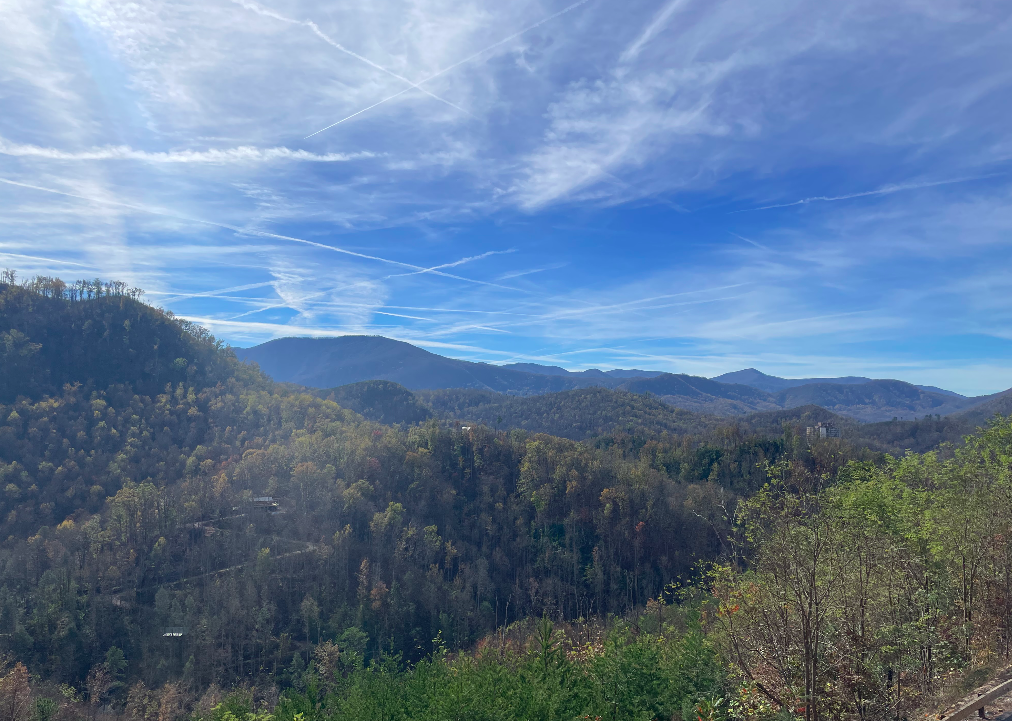
Smoky Mountains chalets often sit in humid hollows where cool air pools and fog hangs low. Damp conditions can keep firewood from drying fully, and long, low burns lay creosote quickly, tightening the flue in a way that sneaks up over a few weekends.
The first signs are quiet: dark staining near the damper, ash that puffs when the door shifts, and an odor that refuses to leave. Owners who respond early schedule a sweep, improve covered wood storage, and stop using the fireplace until draft is steady. A brief window crack can balance air in tight rooms, and cleaner burns bring back that fresh cabin feel before the next rainy spell.
Big Sky Timber Chalet, Montana
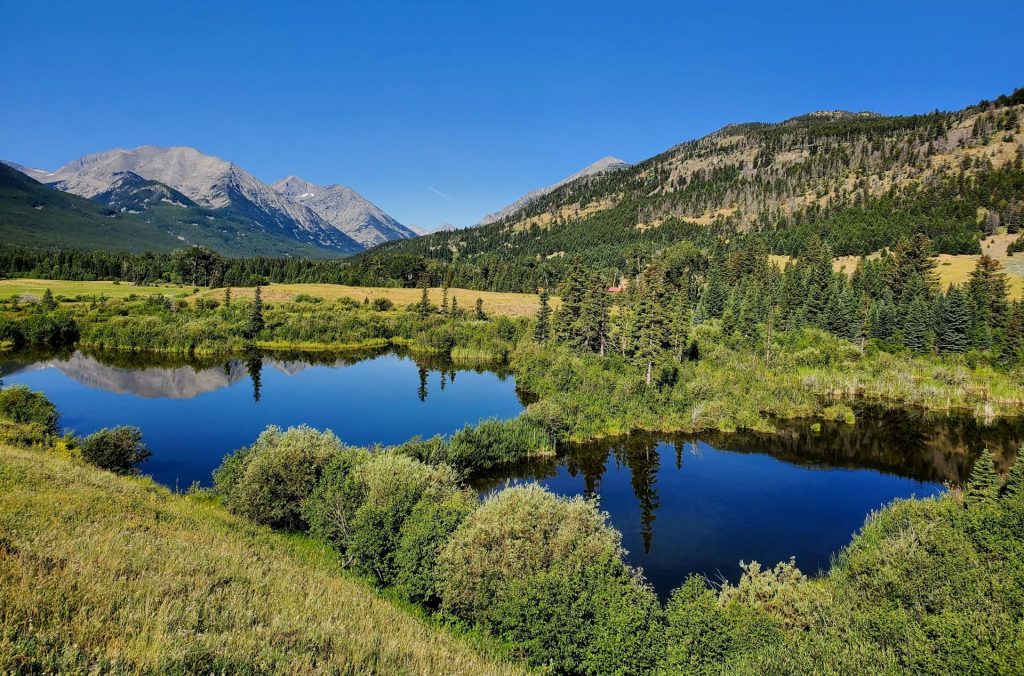
Big Sky chalets are built for deep winter, yet blizzards can bury chimney caps and pinch airflow in hours. Wind-packed snow can clog screens, and draft drops right when everyone expects the room to settle into that steady, quiet heat after a long day outside.
When the flue starves, smoke can creep into loft spaces and the fireplace turns into constant adjusting. Mountain crews treat roof checks as storm readiness, clearing caps after heavy snowfall and watching for repeat roll-out. Dry fuel and hotter burns help, but persistent issues trigger a pro inspection before the next storm cycle arrives. Backup heat keeps the mood intact.
Adirondack Lakeside Chalet, New York
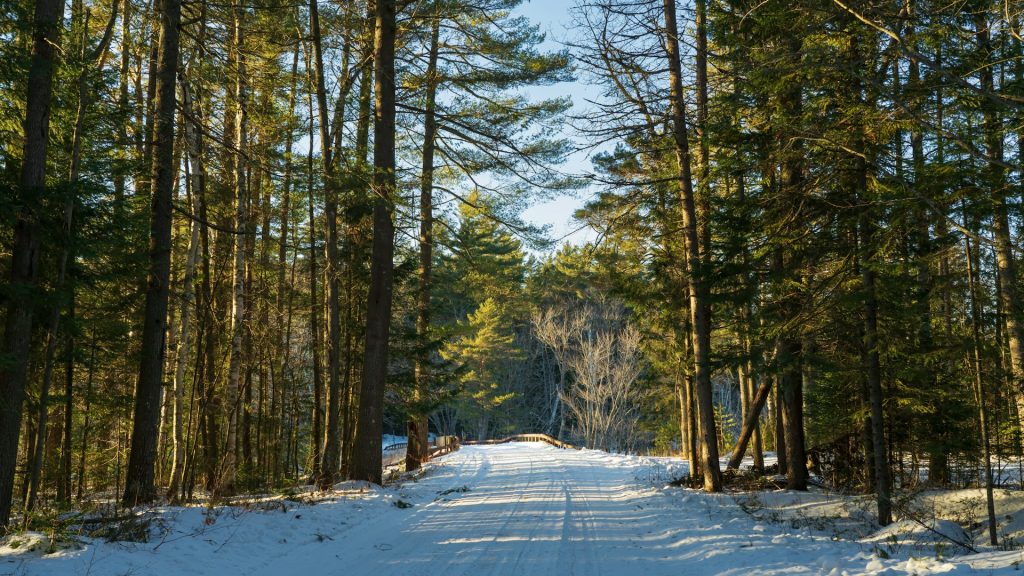
An Adirondack lakeside chalet sells quiet: frozen shoreline light, pine silhouettes, and a hearth meant to run clean. Shoulder-season wood can be deceptively damp, and slow fires lay down thick creosote that tightens older flues without any single dramatic moment.
Symptoms arrive subtly. The start feels hesitant, smoke hangs instead of rising, and soot appears faster than usual on the firebox face. Hosts who sweep on schedule and favor shorter, hotter burns avoid the creeping pinch. When signs show up, they pause the fireplace, air the space, and book service early, keeping the cabin air crisp enough to match the lake at dawn.
Telluride Box Canyon Chalet, Colorado
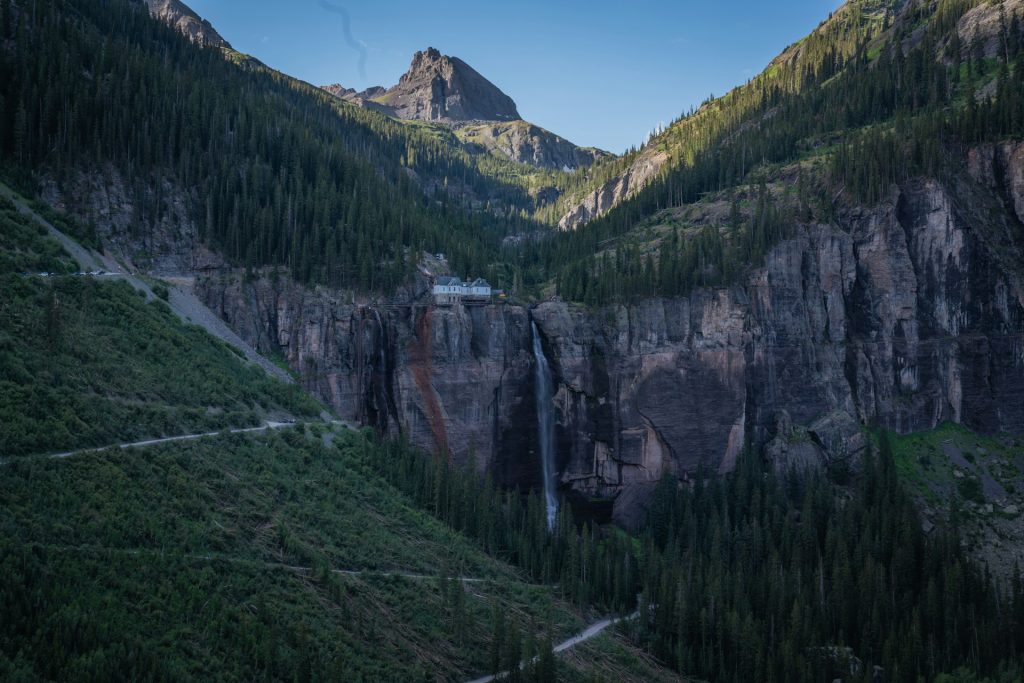
Telluride’s steep walls can turn wind into turbulence, with gusts that ricochet and change direction quickly. In Box Canyon, airflow can flip at roof height, and a chimney that behaved at noon may struggle after dark, especially if soot has narrowed the flue. Strong exhaust fans can pull against the draw.
Smoke pushback feels sudden, yet the fix is usually basic airflow. Caretakers keep caps clear, avoid long smoldering burns, and crack a window briefly to balance air. If trouble repeats, they stop the fire and bring in a pro to clear buildup and check draft, so the hearth returns to clean, quiet heat even on gusty nights.
Taos High-Desert Adobe Chalet, New Mexico
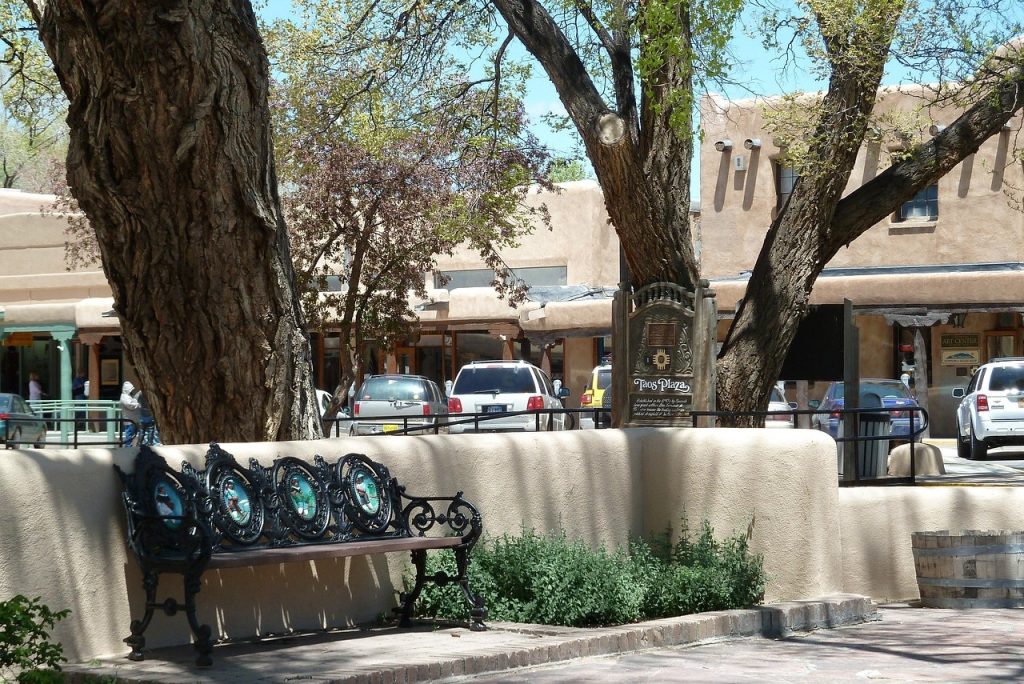
Taos high-desert chalets mix bright sun with sharp night cold, and wind can swing from calm to insistent fast. Adobe homes often seal tightly, so a slightly narrowed flue magnifies pressure shifts and makes smoke linger even when the fire looks healthy.
Local habits keep things smooth: well-seasoned piñon, cleaner, hotter burns, and routine sweeping to limit residue. If draft feels weak, hosts crack a window briefly, stop the burn if roll-out repeats, and schedule service before relying on the kiva again. The payoff is steady heat that feels effortless, matching the clear air outside. Vents stay open, and the room stays clear. No smoky fuss.
Wasatch Canyon Chalet, Utah
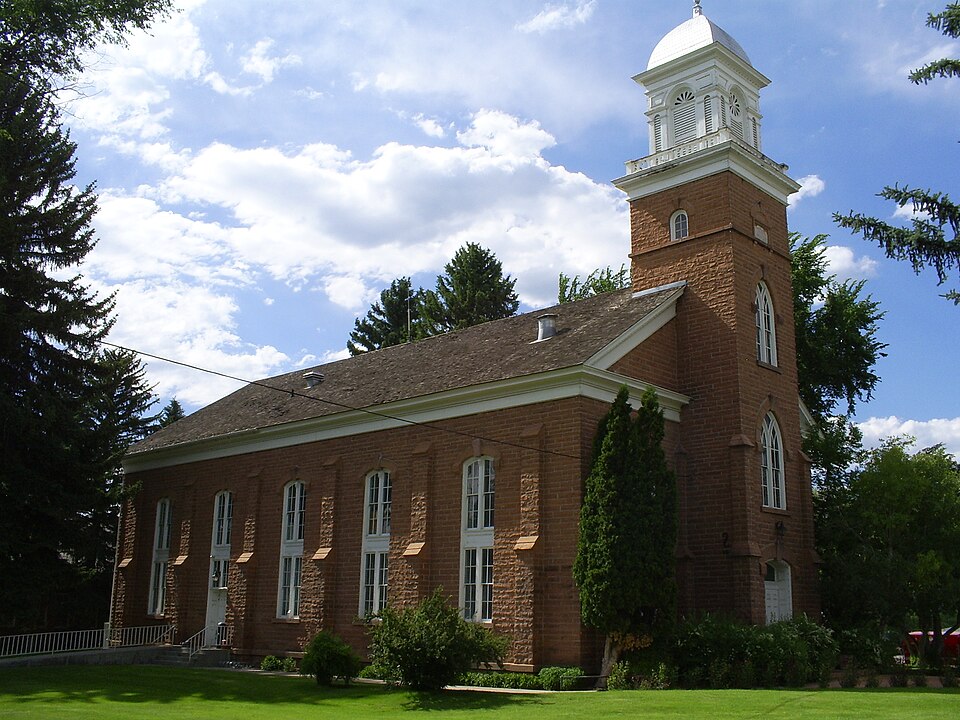
Wasatch canyon chalets face quick storms and sharp temperature swings that can crust ice around caps after sunset. Short, frequent fires, common in rentals, leave sticky creosote that narrows the passage even when the firebox looks clean and the room feels warm.
Smart hosts treat fireplaces as systems: scheduled sweeping, post-storm cap checks, and working carbon monoxide alarms. If smoke puffs back during lighting or the flame seems starved of air, they stop, ventilate, and call for service instead of experimenting. Backup heat keeps the stay comfortable while the draft path gets cleared and the chimney returns to a steady pull.
Lake Superior North Shore Chalet, Minnesota
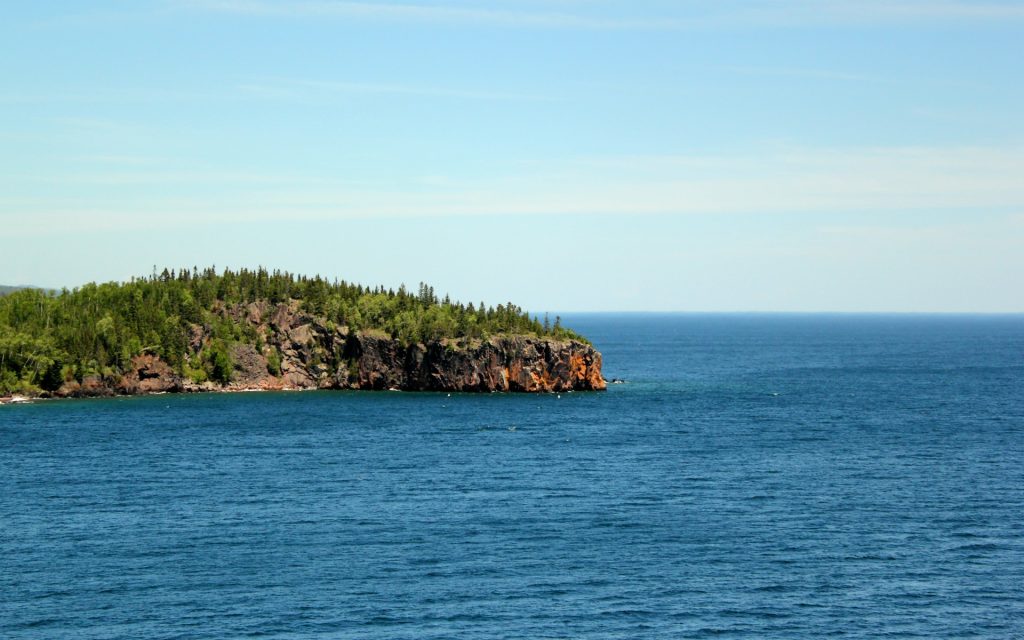
On the Lake Superior North Shore, wind off the water can howl hard enough to flip draft, especially when a chimney cap is rimmed with ice. Spray, freeze-thaw cycles, and blowing snow can narrow the exit, and cold air can sit in the flue like a plug at start-up.
Owners stay ahead with sturdy caps, regular cleaning, and clear backup heat plans because shoreline weather changes fast. They light fires patiently, sometimes balancing air with a window crack. When a fire struggles, pros check for ice, nesting debris, or buildup before anyone tries again. Once the flue is open, the hearth becomes simple, and the only roar left is lake wind outside.