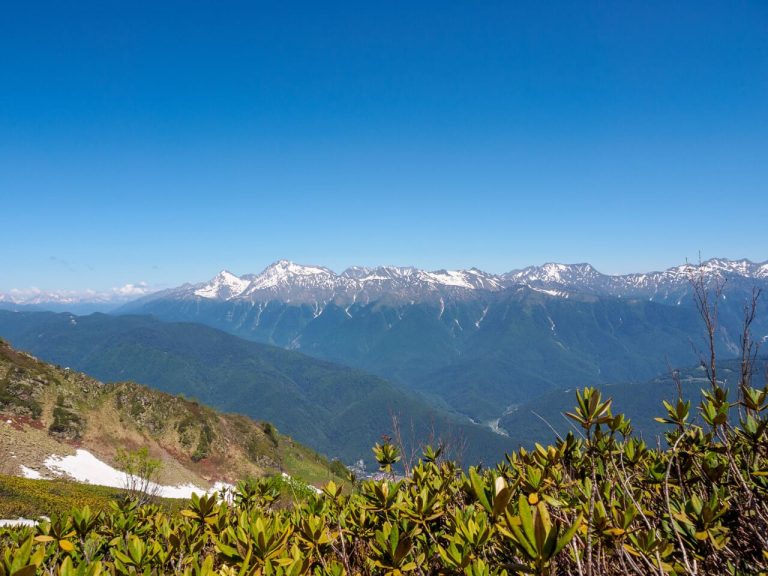
12 Snowmobile Trails Treacherous With Tree Trunks
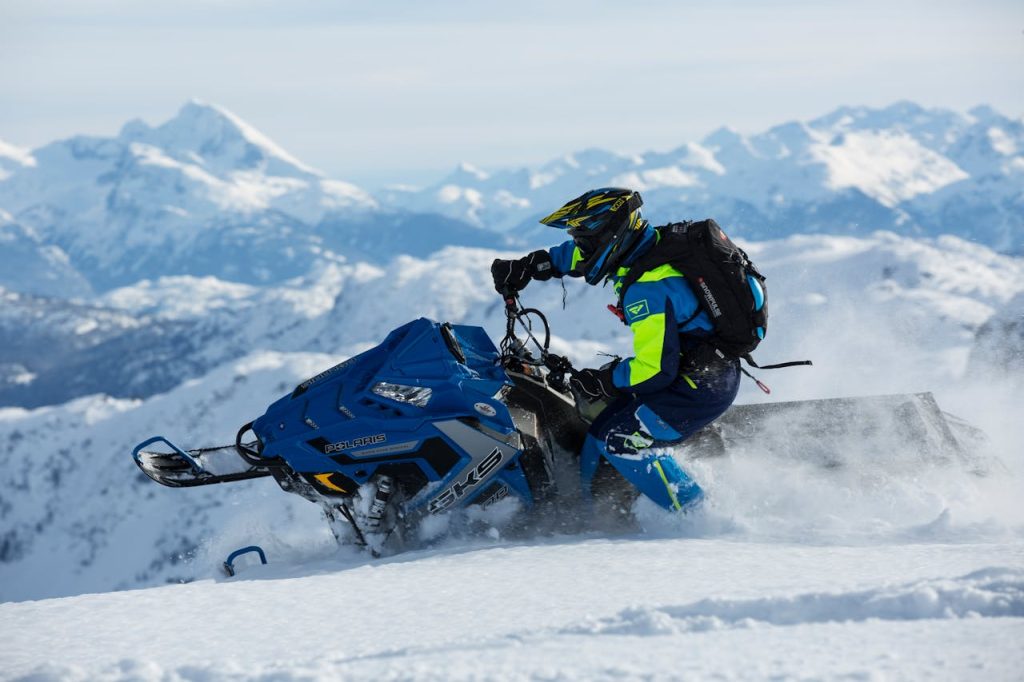
Snowmobile trails through timber can look calm at first: a groomed ribbon, soft engine noise, and trunks lining turns like quiet rails.
Then the forest shifts. Wind lays a blowdown across a familiar straightaway, and new powder flattens contrast until bark shows late. On routes that cut through working woods, short log ends can sit near the packed edge after maintenance, half-buried like punctuation in white.
Clubs groom and mark hard, yet storms keep rewriting the margins. These routes are loved for long winter miles and a hushed feel after dusk, and respected for how quickly one hidden trunk can demand a slower rhythm.
Maine ITS Near The Forks
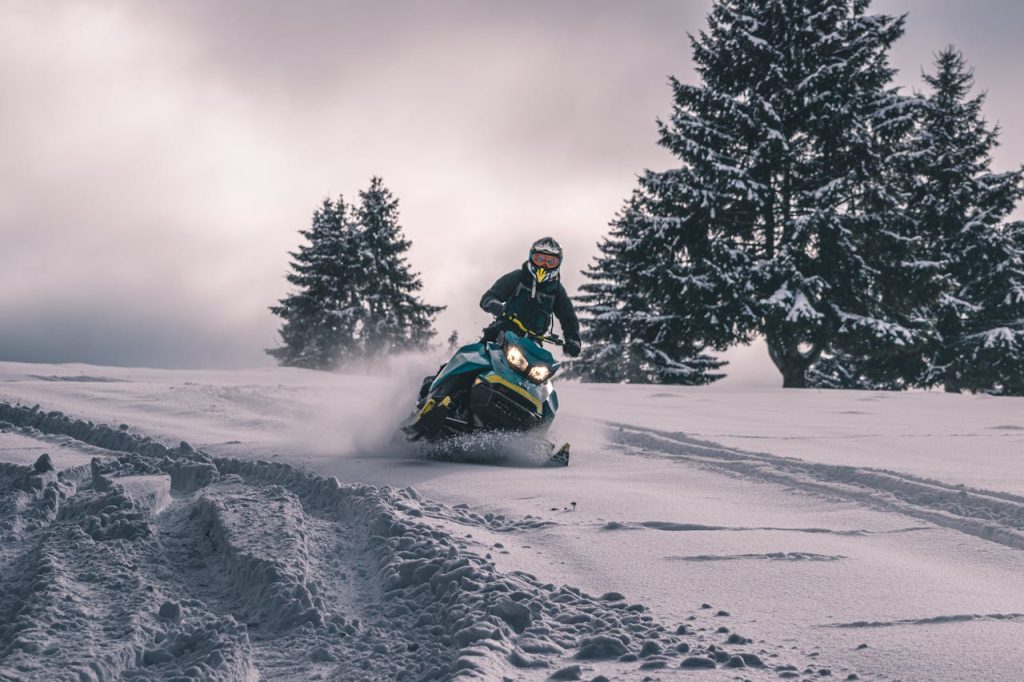
Near The Forks, a trail can move from busy junctions to deep timber roads in minutes, with river valleys that funnel wind and sharpen drift lines. Even familiar corners feel different after one night of gusts.
In shaded lanes, fresh blowdowns can settle close to the corridor, and cut rounds from trail work may sit near the edge, dark against powder. Snowbanks also rise quickly, so a small slide off the packed line can end at bark instead of soft snow.
The surface may be groomed and fast, but the shoulders change between passes. Steady throttle, wider spacing, and a centered line keep surprises manageable before the next rise.
Tug Hill Trails Near Brantingham
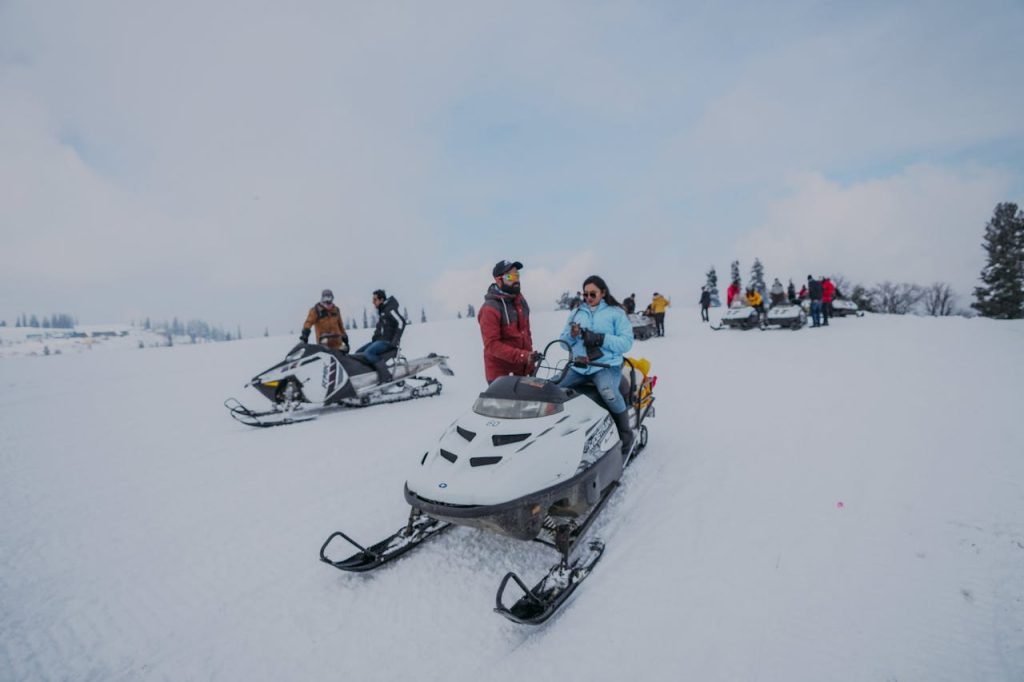
Near Brantingham on Tug Hill, lake-effect snow builds tall banks that turn the corridor into a white trench, especially when dusk flattens the light. Open stretches invite speed, then the woods squeeze tight.
Hardwood lanes kink quickly, and a trunk dropped by wind can lie near the packed track where corners naturally drift wide. Plowed pull-offs and side roads sometimes leave short log ends close to the line, half-hidden under fresh fluff.
Clubs clear what they can, but storms keep adding new wood. The smoothest runs come from reading the next bend early and holding a disciplined, inside line through churned snow at night.
Michigan U.P. Trail 8
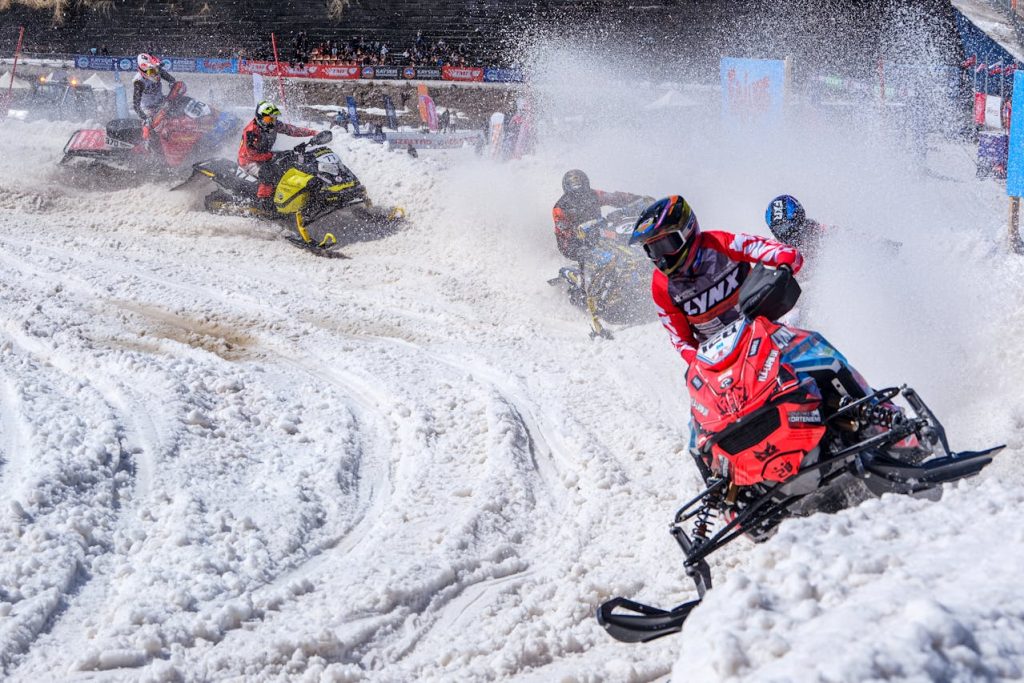
Trail 8 in Michigan’s Upper Peninsula links long winter miles through pine and cedar, where rolling rises shorten sightlines and shade mutes contrast. On colder nights, the corridor can feel like a tunnel of headlight glow.
A wind-thrown aspen can appear beyond a crest, and trimmed log ends along the shoulder can hide under light powder after grooming. Cutovers and storms also shift the snowpack at the margins, so a safe corner one day may be tight the next.
Condition reports help, but control matters more. Calm inputs, earlier braking, and extra spacing turn a fast connector into a predictable ride even when traffic is heavy.
Three Lakes and Brule River Trails, Wisconsin
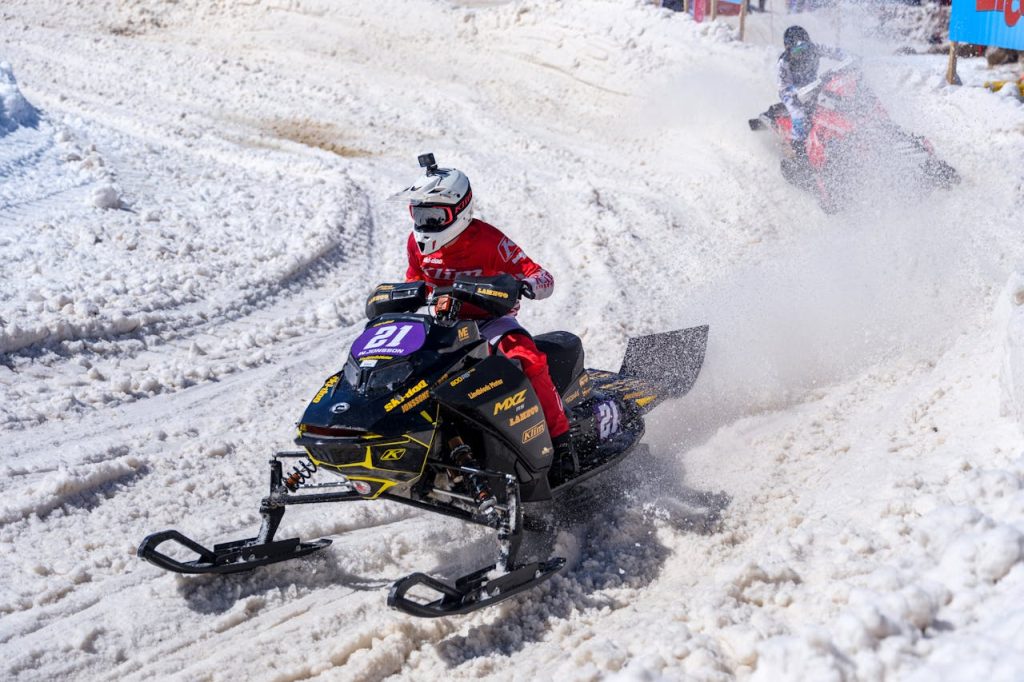
On Wisconsin’s Northwoods routes near Three Lakes and the Brule River, fresh corduroy can make the forest feel welcoming, almost effortless. Night grooming leaves clean grooves that tempt speed, even when the canopy tightens.
Snowbanks stack high, corners kink between trunks, and a thick limb or log end can sit near the edge where a wide line naturally lands. New powder hides bark tone, while low sun throws long shadows that erase depth in dips.
Grooming smooths the track, not the surprises. Riders who scan the shoulders first, keep the line centered, and avoid late steering keep the ride composed and calm in tight timber.
Vermont VAST Mountain Routes
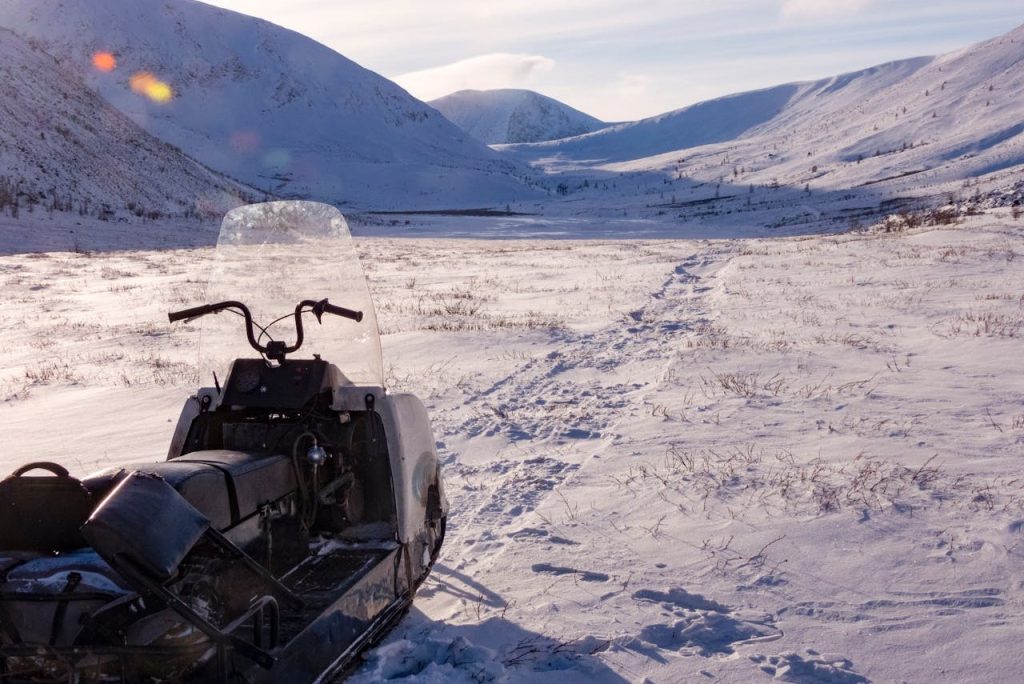
Vermont’s VAST corridors often slip from open farmland into spruce and maple lanes where turns tighten as elevation rises and the light thins. Cold air pools in hollows, shoulder room stays limited between stakes, and landowner corridors can feel pinched often.
Heavy snow loads can snap softwood tops, dropping trunk sections beside the trail between grooming runs. Stumps along the shoulder can also vanish under thin powder, and a small drift wide can end at wood instead of banked snow.
The best days here feel smooth because choices stay conservative. A measured pace, clean corner entry, and a tidy line keep the rhythm calm.
New Hampshire Corridor 19
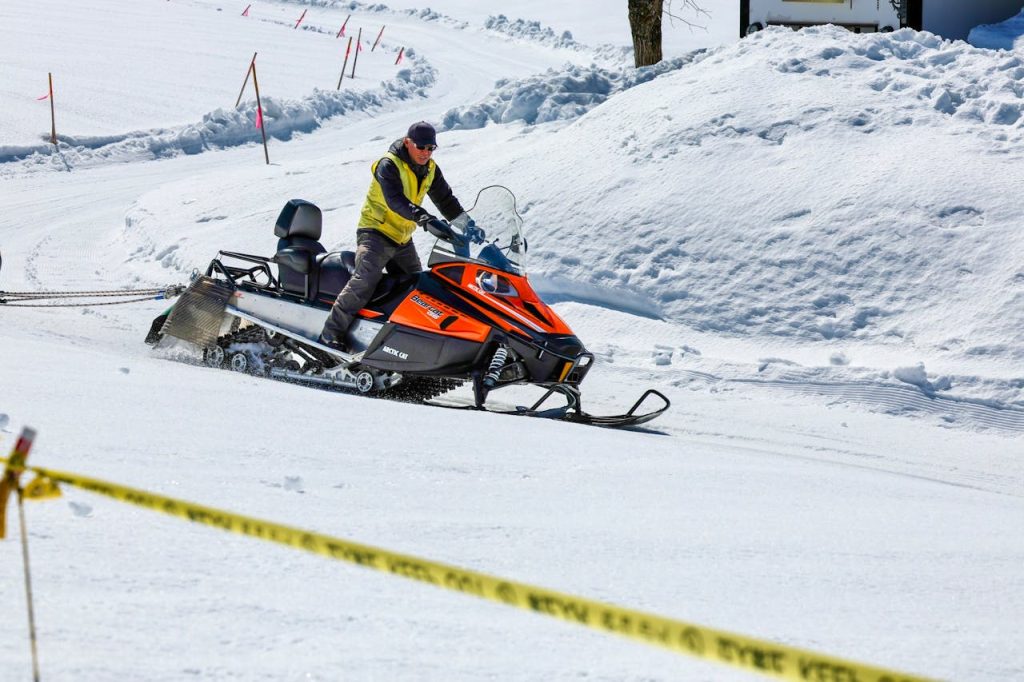
New Hampshire’s Corridor 19 shifts from wider connectors into tight forest lanes where bridges, road crossings, and rollers arrive in quick succession. Snow can look uniform while the shoulders change by the hour, and glare can linger near crossings.
After wind, a blowdown can sit near the packed line, and maintenance cuts can leave log ends close to the shoulder at junctions. Flat light in the mountains makes shadows look identical, which is when bark blends in best.
The most consistent rides come from treating every crest as unknown. Speed tied to visibility, plus centered cornering, keeps the corridor steady and clean.
Allegheny National Forest Loops, Pennsylvania
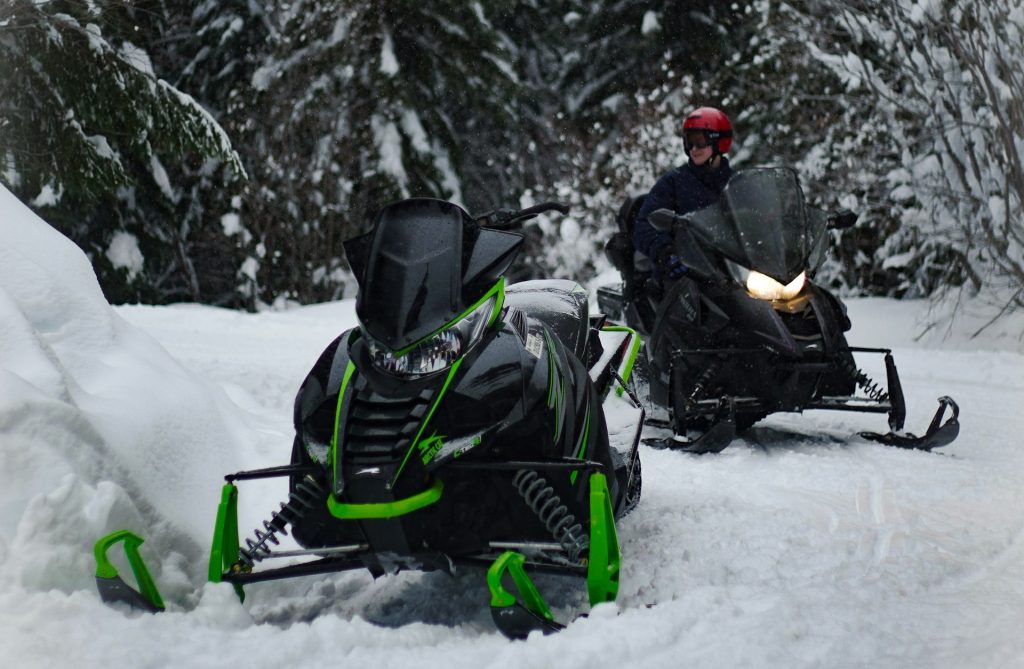
In Pennsylvania’s Allegheny region, groomed loops run through hardwood stands and shared corridors where junctions and access points break the forest quiet. Routes can feel straightforward until the canopy closes and sightlines shrink.
Working woods details show up fast: stacked snow near pull-offs, trimmed log ends near intersections, and windfall that arrives between grooming passes. As daylight fades, bark blends into gray, and the shoulder feels closer than expected in narrow lanes.
A line held inside the stakes keeps room for corrections. Earlier braking, steadier corner arcs, and patient pacing make long miles feel controlled.
Minnesota North Shore State Trail
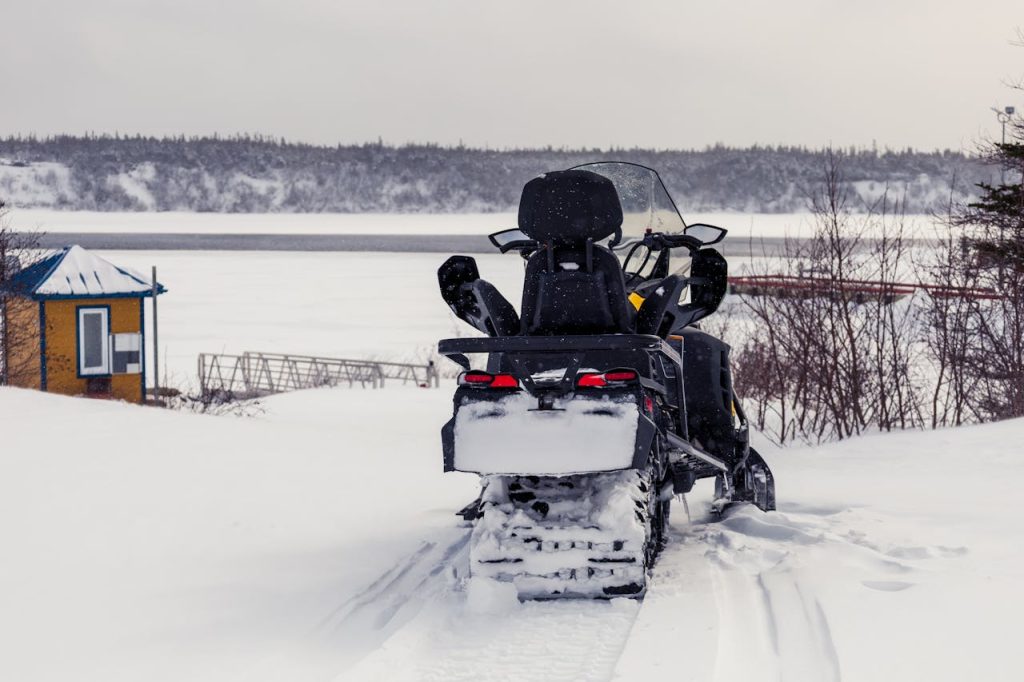
Minnesota’s North Shore corridor runs inland behind Lake Superior through rolling forest, where cold holds firm and storms move through quietly. The trail’s long rhythm can make the woods feel calm, but drifts harden fast after wind.
Remoteness means debris can linger. A snapped birch or spruce trunk may lie half-buried in powder on a shaded straight, and stacked wood near access points can crowd the edge. Flat light after snowfall also hides texture at the shoulders.
The safest rhythm stays simple: steady speed, wide attention, and room to stop early. That approach matches the trail’s quiet, long-distance character most days.
Black Hills Groomed System, South Dakota
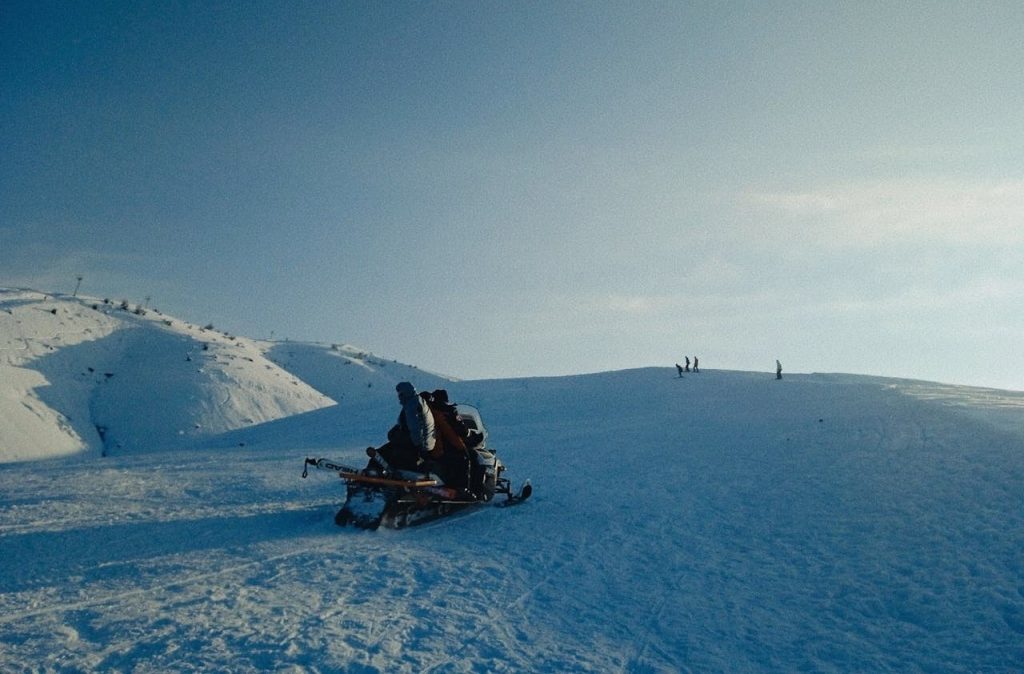
The Black Hills system mixes open meadows with ponderosa corridors that tighten without warning, especially where the trail rolls through darker pockets. Dry air preserves windfall and keeps wood hard-edged.
Wind and heavy snow can drop thick limbs and trunk sections near the marker line, and shade makes bark disappear until it is close. On rolling terrain, headlights crest late, shrinking reaction time at the exact moment a corner asks for precision.
Strong rides here come from saving speed for clear sightlines. In timber, tidy lines, earlier braking, and smooth steering keep the corridor manageable when visibility drops.
Togwotee Pass Trails, Wyoming
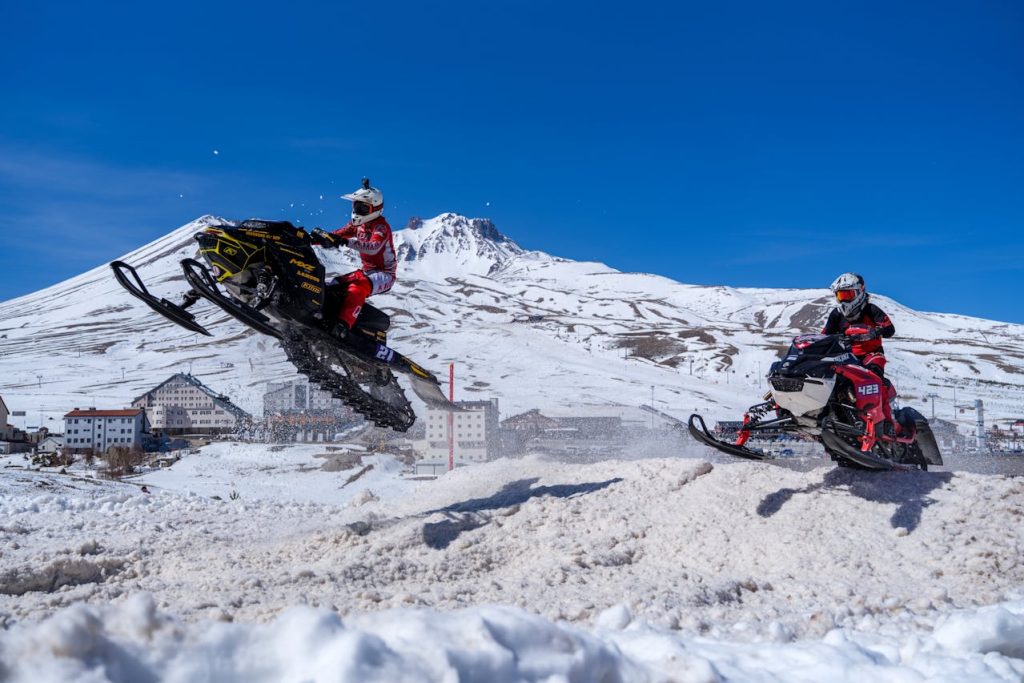
Togwotee Pass riding moves between dense spruce lanes and wide meadows, and the switch can feel sudden when weather turns flat and depth cues vanish. A quick squall can turn tracks into ghost lines, and wind reshapes snow overnight.
In timber, wind can tip trees across connectors, and drifting snow can bury a fallen log until only a dark curve shows near the packed track. Corners tighten on climbs, and the shoulder offers little forgiveness when banks get tall.
A pace matched to visibility keeps decisions simple. Smooth inputs through turns and conservative spacing help the day stay steady when the mountains change mood.
Two Top Loop Near West Yellowstone
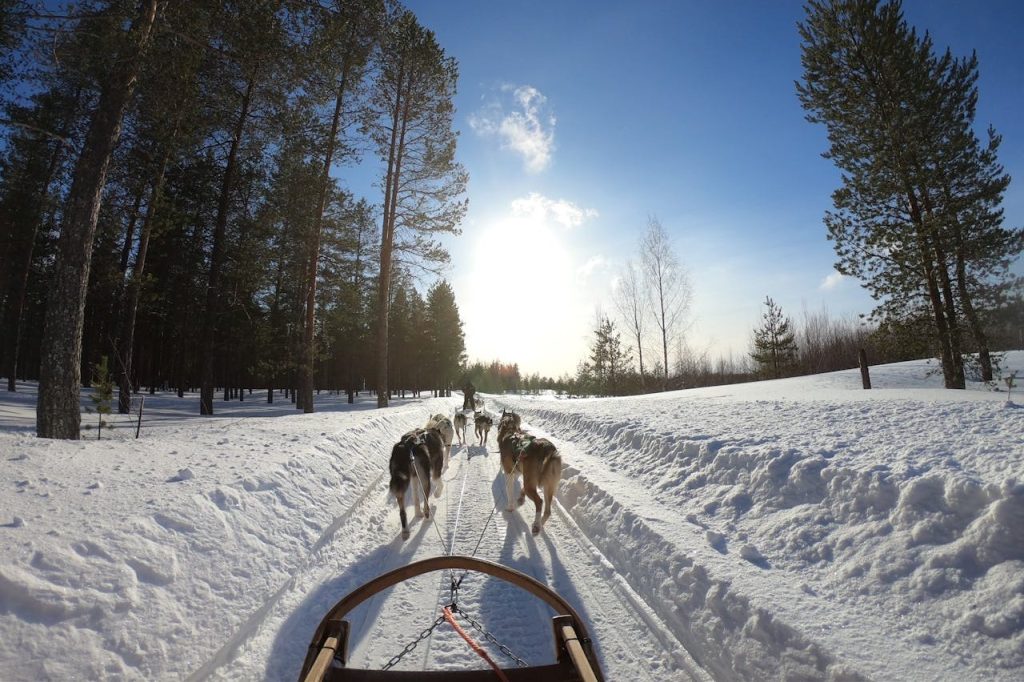
Two Top’s looped riding near West Yellowstone blends climbs, connectors, and tree-lined lanes that can feel like a white hallway when banks rise. On clear days, the scenery invites momentum; in shade, the trail demands restraint.
A downed trunk can sit just off the packed line where corners drift wide, and cut rounds near access points can disappear under fresh powder. Wind also drops new debris between grooming runs, especially after a warm spell followed by a hard freeze.
Clean riding here is about timing: earlier braking, smoother corner arcs, and a centered line. That discipline keeps the loop feeling crisp and controlled.
Seeley Lake-Monture Trail, Montana
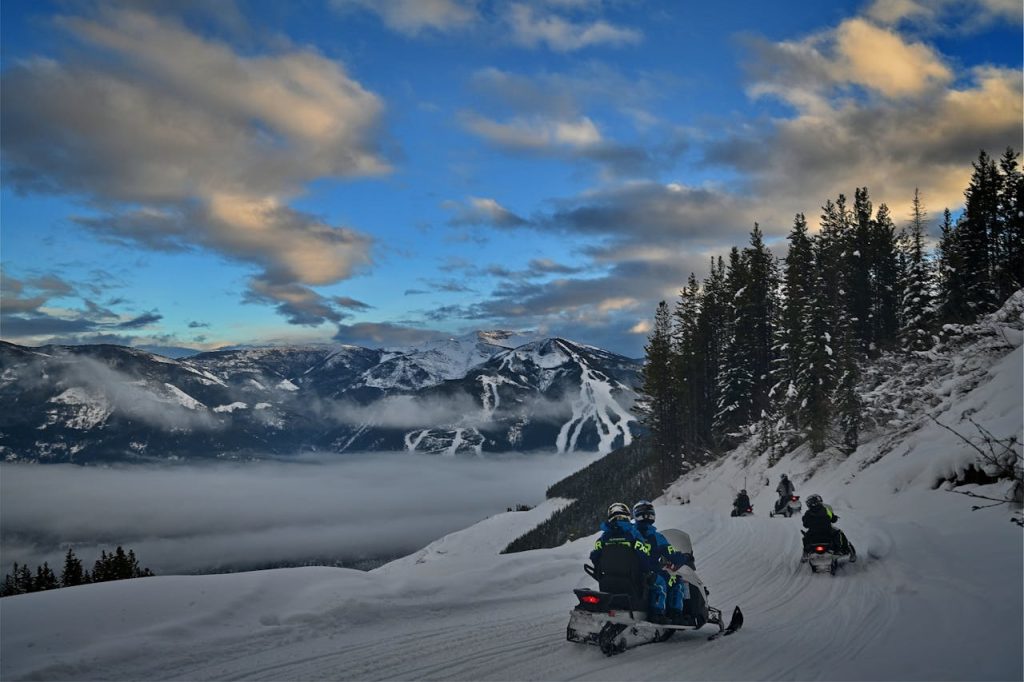
Montana’s Seeley Lake to Monture corridor is known for a gentle grade and steady scenery, which can make speed creep up on a smooth surface. With mixed traffic and long straight segments, attention can drift under the canopy in low light, too.
A trunk can fall across a straight stretch after wind, and cut log ends near pullouts can hide under new snow like dark stains. Because the route feels easy, riders may drift wider in turns, closer to the shoulder where wood waits.
The best runs keep calm habits: generous spacing, eyes kept high, and clean cornering. That steady approach protects the quiet miles the area is known for.