12 Travel Destinations Where Preservation Comes Before Convenience
Places that survive tourism over decades usually set limits before damage becomes obvious. They protect historic streets, reefs, temples, and trails by slowing entry, capping peak demand, and requiring behavior that respects local systems. That can feel inconvenient to travelers used to instant movement and open access, and it changes what a smooth trip looks like.
Yet these destinations are not shutting people out. They are protecting what made people care in the first place. Permits, guided routes, seasonal pauses, and tighter rules signal long-term planning, where heritage and ecology come first, and convenience comes after stewardship.
Bhutan’s High-Value Tourism Model
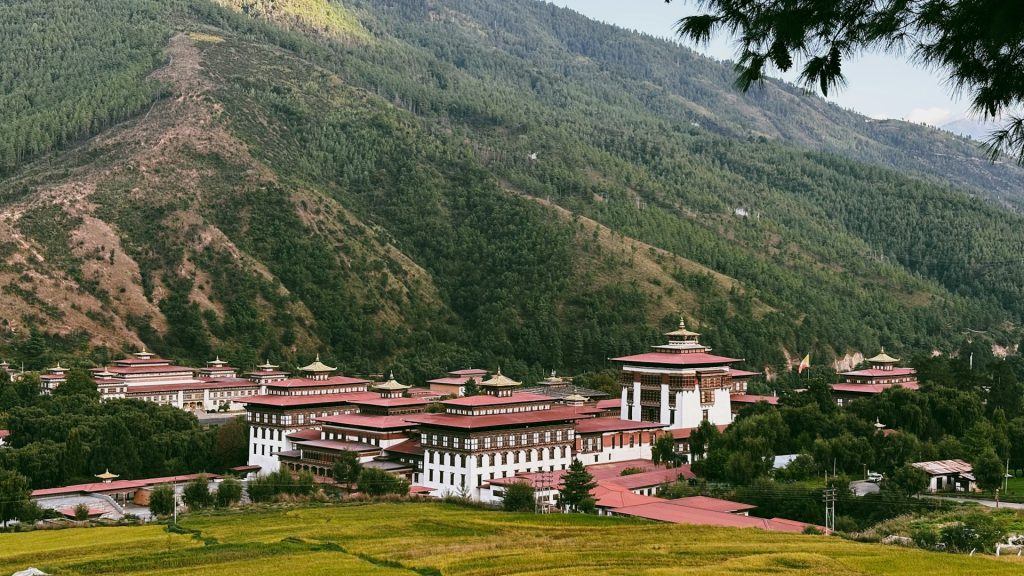
Bhutan keeps tourism intentionally measured through a national model that favors fewer, higher-value visits over mass volume. Its Sustainable Development Fee supports conservation, cultural continuity, and public infrastructure while discouraging rushed travel patterns that can overwhelm small mountain communities and sacred spaces.
The tradeoff is clear: trips require more planning and a stronger budget. But that friction is deliberate. Monasteries, valleys, and festivals face less crowd stress, and local institutions retain more control over tourism pace instead of being pulled by pure visitor numbers year after year in peak months.
Venice’s Managed Entry Push
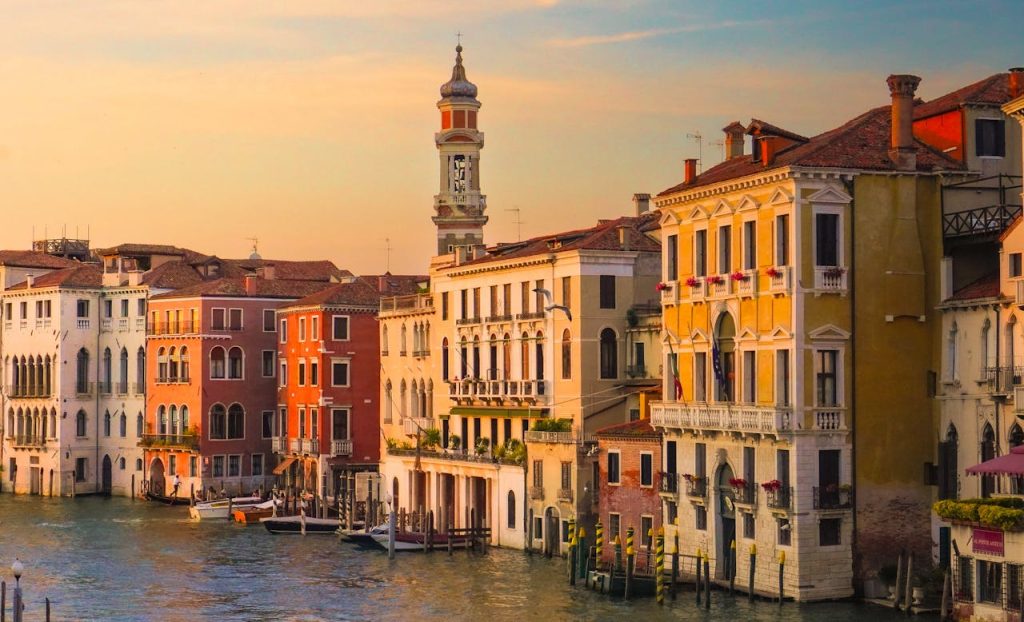
Venice has moved from complaint to control by managing entry on selected peak dates in the historic center. The city’s access-fee system is designed to reduce day-trip surges that can flood narrow calli, strain public transport, and erode daily life for residents in a place built long before modern tourism volume arrived.
For travelers, spontaneity drops and planning matters more. For the city, even a modest barrier can improve flow during pressure periods and protect fragile urban routines. Venice is testing a practical idea: heritage survives longer when limits are active, predictable, and enforced before crowding hits a breaking point.
Machu Picchu’s Structured Circuits
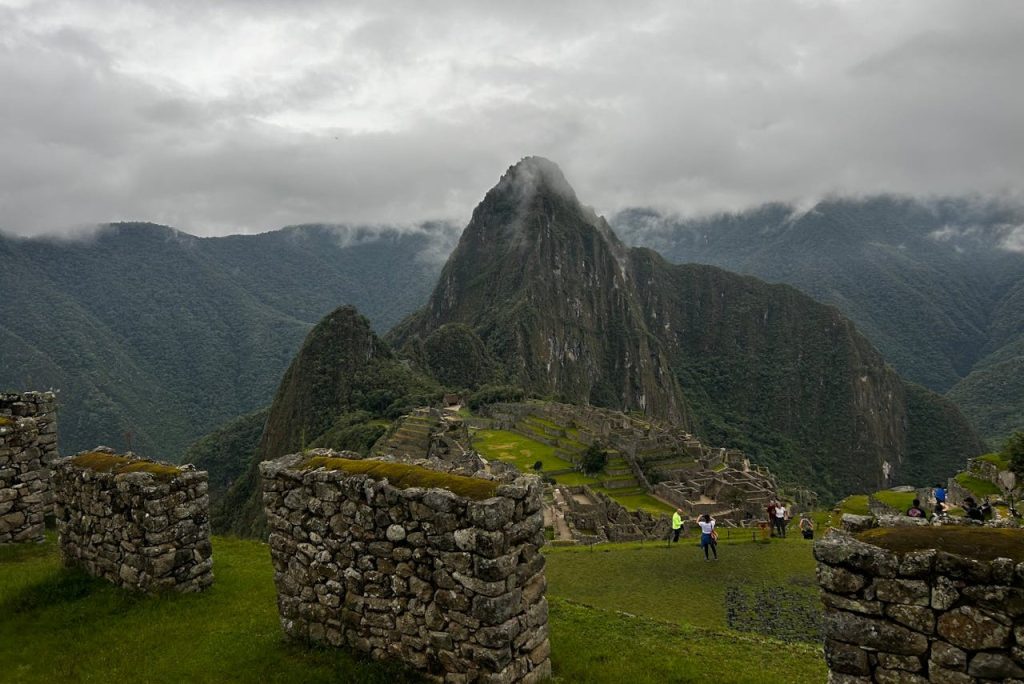
Machu Picchu now relies on structured circuits and timed entries that guide movement through defined routes instead of free roaming. This system spreads foot traffic, reduces bottlenecks, and protects terraces, paths, and stonework from repeated pressure in the same high-demand corridors.
The visit feels more organized and less improvised than in earlier years. Yet that structure supports preservation and safety at a site that cannot absorb unlimited daily wear. Travelers still reach iconic viewpoints, and the archaeological fabric gets a stronger chance to endure through future seasons of heavy demand and tighter weather windows.
Galápagos and the Cost of Access
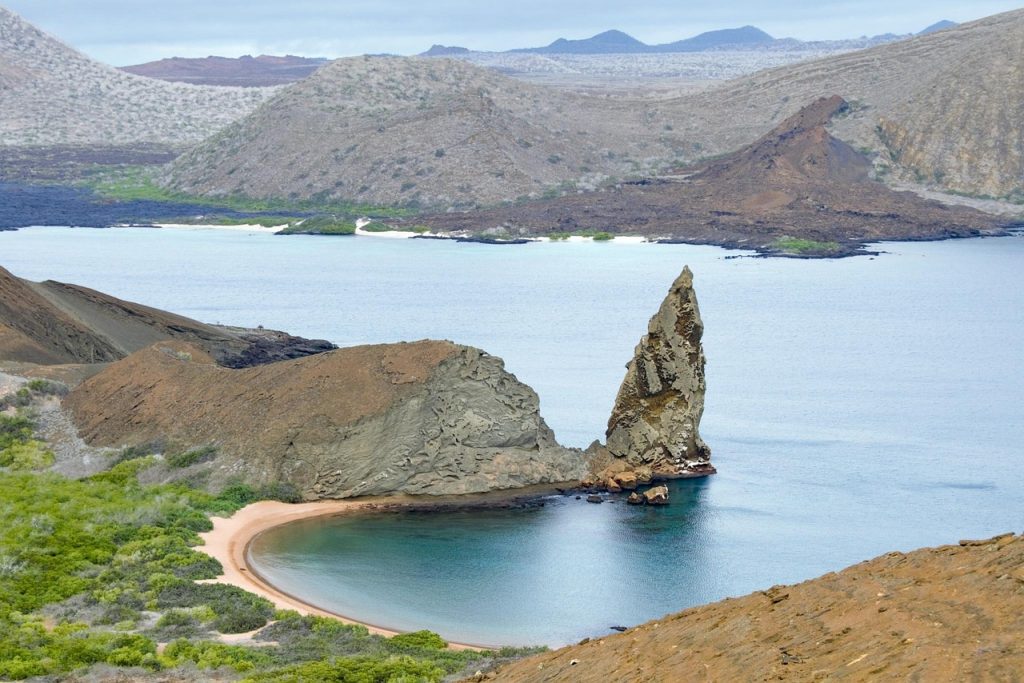
The Galápagos demand more process than a typical island holiday, and that is intentional. Entry controls, regulated routes, and strict protected-area rules are designed to defend habitats where wildlife evolved with limited human disturbance. Conservation fees and oversight support park management.
The experience can feel less flexible for travelers expecting spontaneous movement. But those limits protect the encounters that make the islands exceptional. Tighter conduct standards reduce stress on nesting zones, marine systems, and endemic species that cannot simply move elsewhere when tourism intensity increases each season.
Mount Fuji’s Climber Controls
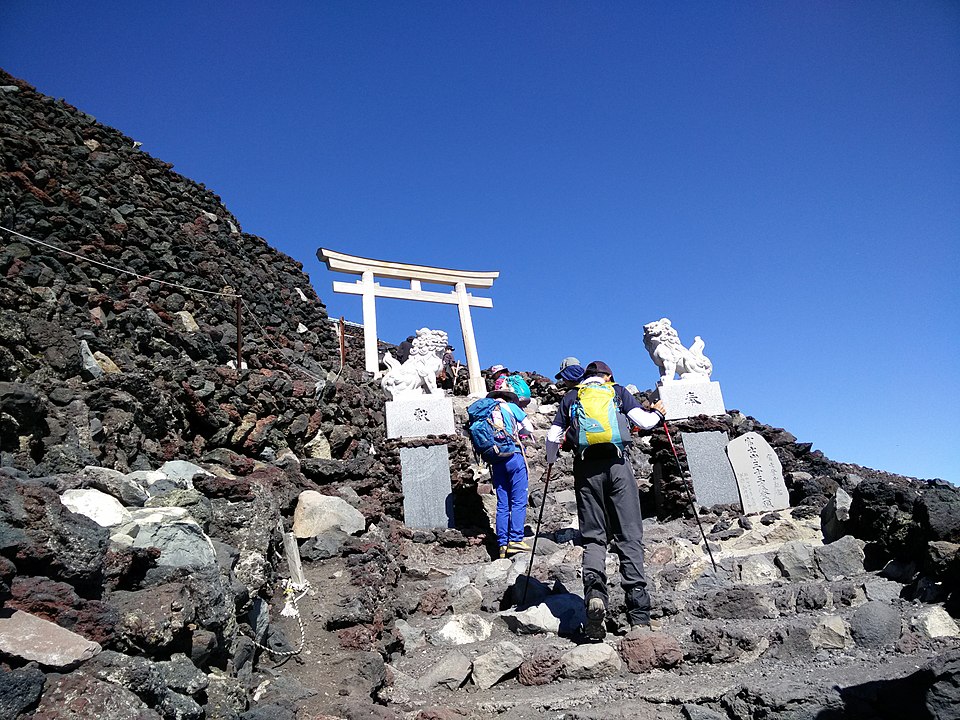
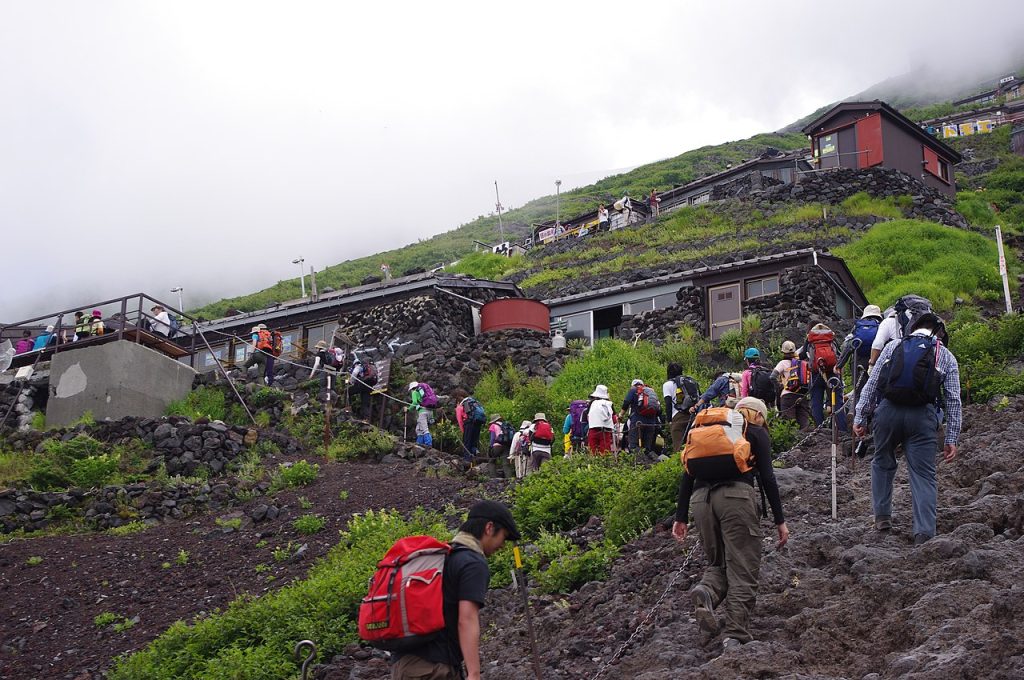
Mount Fuji’s busiest trail corridors now operate with tighter controls, including capped daily entries and mandatory fees in key access areas. Authorities introduced these measures to reduce overcrowding, litter, unsafe pacing, and rescue strain as climbing demand outgrew older systems.
The mountain remains accessible, but the process is less casual than before. Hikers face more planning steps, yet trail conditions and safety margins benefit from that change. Fuji’s policy reset reflects a simple reality: iconic landscapes need managed access when popularity grows faster than support infrastructure can absorb safely each summer.
Faroe Islands and Planned Pauses

The Faroe Islands made preservation visible by temporarily closing selected sites for maintenance while trails and local infrastructure are restored. Instead of hiding repairs in low season and hoping pressure eases, authorities schedule conservation work publicly and limit access during those windows.
That decision can disrupt carefully timed itineraries, but it protects long-term access. Visitors return to safer paths and healthier landscapes, while communities avoid constant strain from uninterrupted foot traffic. The message is direct: a destination that pauses for care is investing in future visits, not reducing its welcome today.
Palau’s Border-Level Conservation Rules
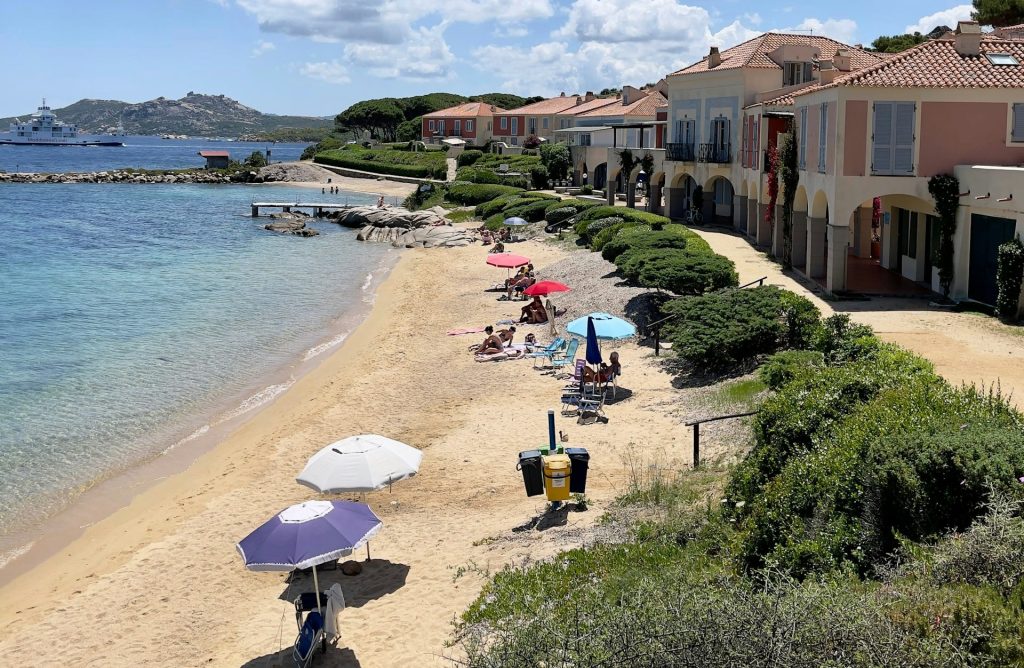
Palau places conservation rules at the border itself. Visitors sign the Palau Pledge during immigration, and national restrictions on reef-toxic sunscreen ingredients support marine protection in daily practice. These are not optional suggestions; they are formal expectations tied to behavior.
Some travelers see extra steps where they expected easy tropical leisure. Palau sees accountability as the price of access to fragile reefs and lagoons. By setting standards early, the country reduces preventable damage and makes preservation part of normal travel conduct, not a personal add-on when convenient or fashionable during peak travel.
Antarctica’s Strict Landing Protocols
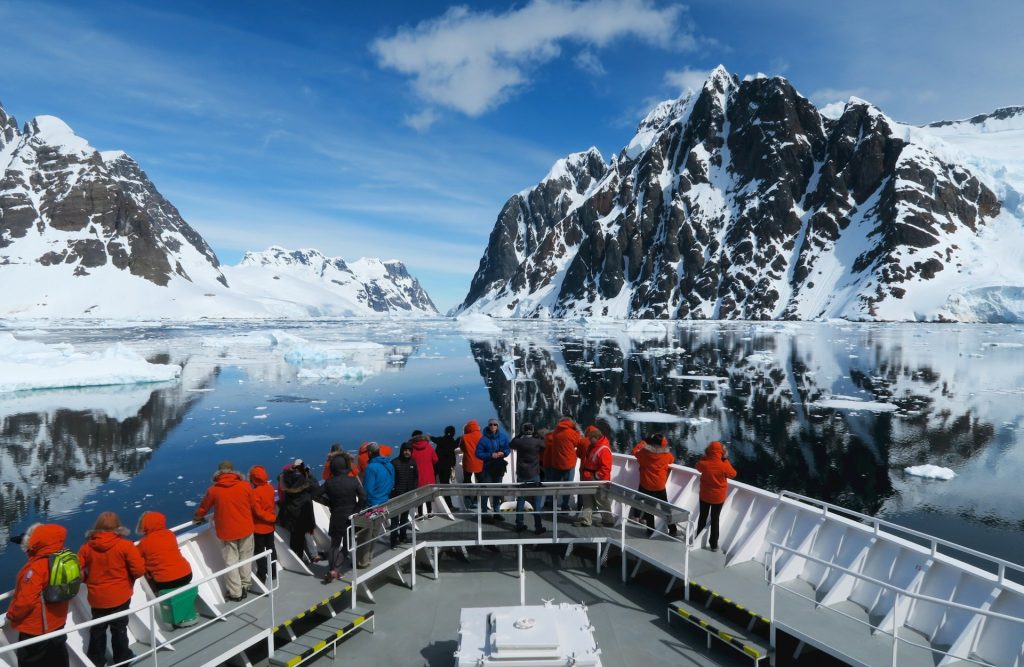
Antarctica is a clear case of preservation before convenience. Visitor landings are tightly managed through expedition protocols that limit numbers ashore at one time, direct group movement, and enforce strict biosecurity measures. These controls reflect the vulnerability of polar ecosystems.
The result is a highly structured experience where freedom is carefully bounded. That can surprise travelers expecting open exploration, yet the rules protect wildlife, breeding grounds, and shoreline integrity across short operating seasons. In Antarctica, restraint is not bureaucracy for its own sake; it is why tourism remains possible.
Arches and Timed Entry Management

Arches National Park has used timed-entry systems in peak periods to spread arrivals and reduce gridlock at gates, viewpoints, and trailheads. The approach responds to a common park problem: sudden demand spikes that overload roads, increase safety risks, and push vehicles toward fragile desert margins.
The reservation step requires planning, and spur-of-the-moment stops are harder. But steadier traffic flow improves safety and reduces pressure on sensitive ground near high-use zones. In a landscape where biological soil crusts and sandstone features are easily damaged, controlled access protects visitor experience and ecological stability.
Hanauma Bay’s Preserve-First Routine
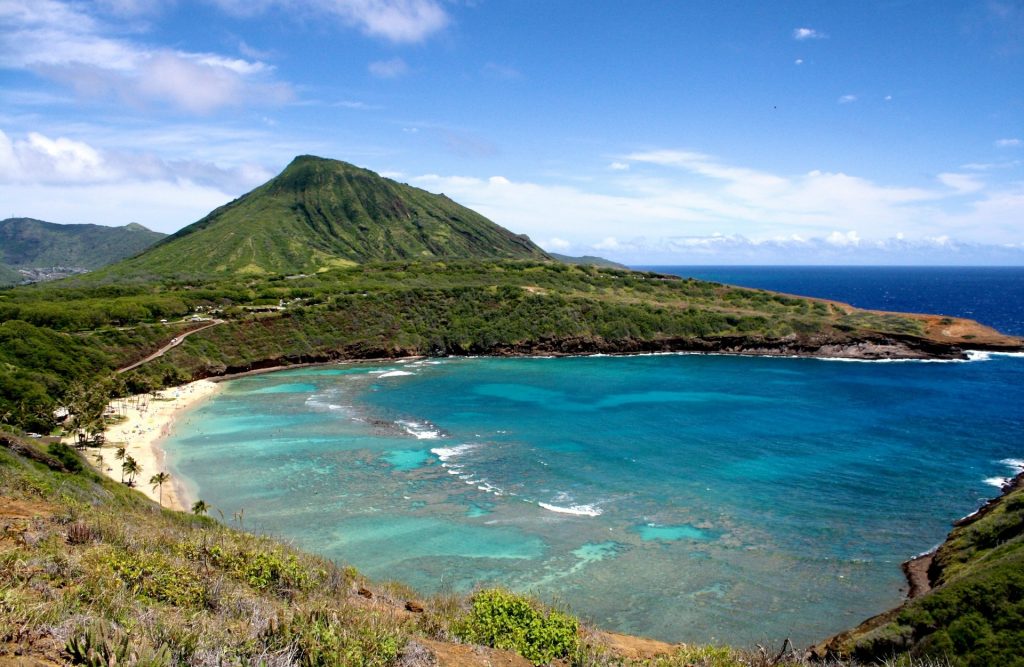
Hanauma Bay is managed as a marine preserve with attendance caps, reservation systems, and scheduled closure periods that allow reef recovery. The model reflects a hard lesson from past overuse: nearshore ecosystems can decline quickly under continuous pressure, even when scenery looks unchanged.
For travelers, access can feel stricter than standard beach culture elsewhere in Hawaii. Yet those limits support healthier marine life, better snorkeling conditions, and less daily stress on the bay’s ecological balance. The preserve approach accepts short-term inconvenience so the reef remains living habitat, not a declining attraction.
Maya Bay’s Seasonal Closures
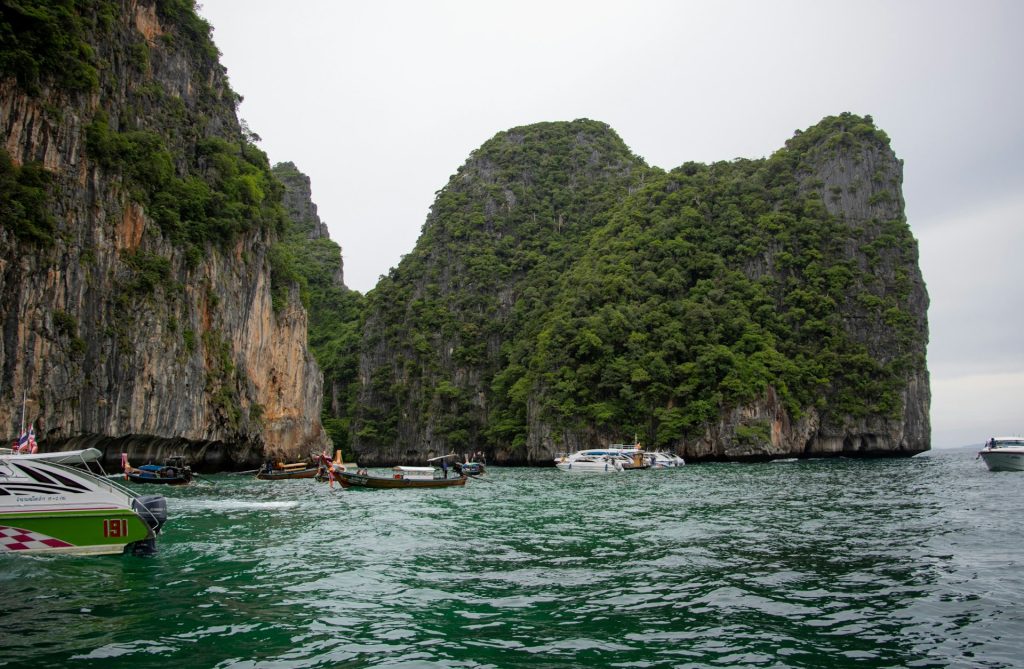
Maya Bay has repeatedly used seasonal closure windows to support rehabilitation and reduce strain on coral and shoreline systems. Authorities treat these pauses as restoration tools, especially in periods when weather and visitor pressure together can accelerate erosion in a confined cove.
That means some travelers arrive and find access temporarily unavailable by policy. The frustration is real, but closure cycles create recovery time that nonstop tourism cannot provide. Maya Bay shows a difficult truth with clarity: iconic places stay iconic only when access is sometimes interrupted on purpose and protection stays routine.
Rapa Nui’s Heritage Protection Framework

Rapa Nui National Park protects one of the world’s most fragile cultural landscapes through controlled entry, marked routes, and site rules that limit wear around ahu platforms and moai. Many core zones require an accredited guide, which keeps movement organized and reduces accidental damage to ceremonial spaces that cannot be rebuilt once harmed.
The approach gives visitors less freedom to wander, but it protects both archaeology and living community memory. By prioritizing stewardship over speed, the island preserves meaning, not just monuments, across busy seasons and rising global interest under increasing tourism pressure.