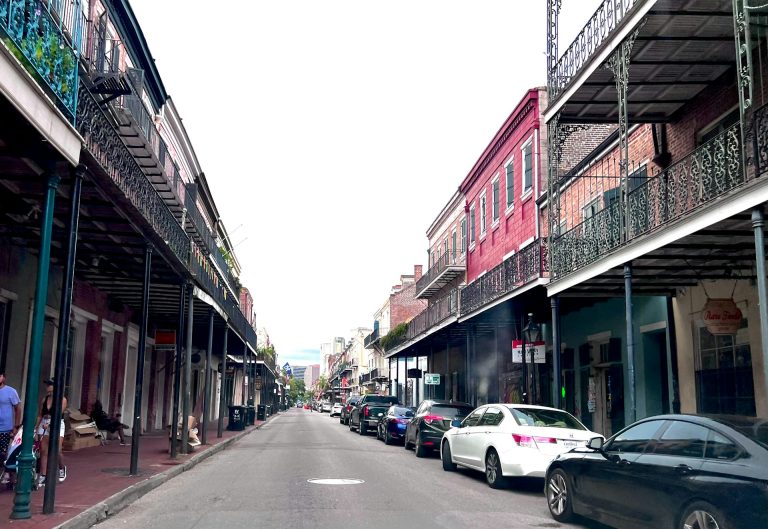
12 U.S. Cities Where Retirees Feel Their Money Goes Further

Retirement budgets are no longer judged by headline prices alone. What matters is whether daily life stays comfortable after groceries, housing, utilities, health appointments, and the occasional dinner out. In many regions, retirees are finding that balance in midsize cities where routines stay manageable and ties stay active.
Recent 2026 ranking work from U.S. News and Investopedia points in the same direction: affordability remains central, but access to care, local connection, and practical mobility matter too. The cities below stand out because residents can keep a full life in motion without every ordinary errand draining the month.
Midland, Michigan

Midland reached the top of the 2026 U.S. News retirement ranking, and that result reflects more than one low-cost statistic. The model weighs affordability, retiree taxes, health care, quality of life, and migration patterns for adults 55 and older, so the city scores as broadly livable for later-life budgets.
On the ground, retirees report a calmer spending rhythm: shorter drives, predictable services, and fewer surprise costs linked to large-metro routines. Money stretches here not because life gets smaller, but because daily needs are easier to meet at steady prices while still leaving room for community events and family visits.
Weirton, West Virginia
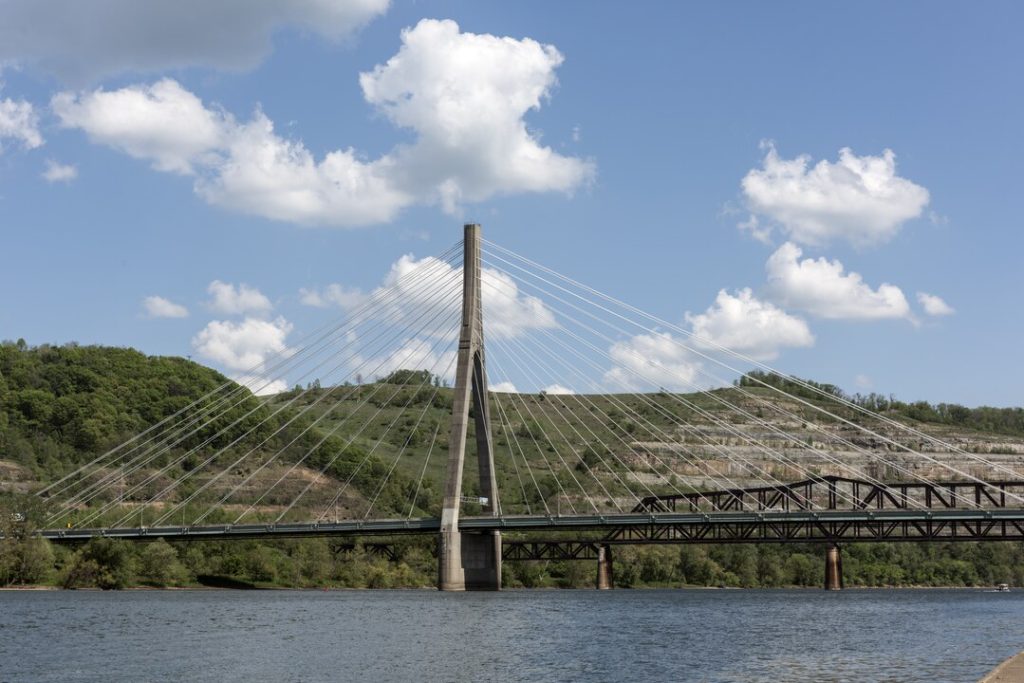
Weirton ranked second in the same 2026 U.S. News release, with strong marks in affordability, retiree taxes, happiness, and quality of life. That mix matters for fixed-income households, because it points to a place where basic costs stay in range while community life remains active rather than isolated or car-heavy.
Residents often notice value through ordinary routines instead of headline bargains. Housing pressure is lower than in many large metros, local errands are straightforward, and social plans can happen without premium pricing at every step. Over time, those smaller savings protect monthly cash flow and reduce financial fatigue.
Homosassa Springs, Florida

Homosassa Springs placed third in U.S. News’ 2026 ranking and also appears on Investopedia’s 2026 top-100 list, where affordability carries the greatest weight in scoring. That overlap suggests the city is not just popular in retirement talk, but workable for households that need predictable monthly math.
The local pattern is simple and financially useful. Daily life leans toward nearby services, outdoor recreation, and social routines that do not demand large recurring spends. When transport, leisure, and basic errands remain manageable in the same week, retirees often feel less pressure to trim meaningful parts of their lifestyle.
The Woodlands, Texas

The Woodlands sits in the U.S. News 2026 top tier, and its placement reflects balanced strengths rather than one dramatic advantage. Retirees value places where care options, daily services, and housing choices coexist without major tradeoffs, and that balance is what the ranking framework is designed to capture.
Budgets often improve through friction reduction. Shorter errands lower fuel and time costs, while nearby amenities reduce the need for high-spend outings just to stay socially engaged. Over a year, those practical efficiencies can preserve discretionary income for travel, grandchildren, hobbies, and preventive health needs.
Spring, Texas
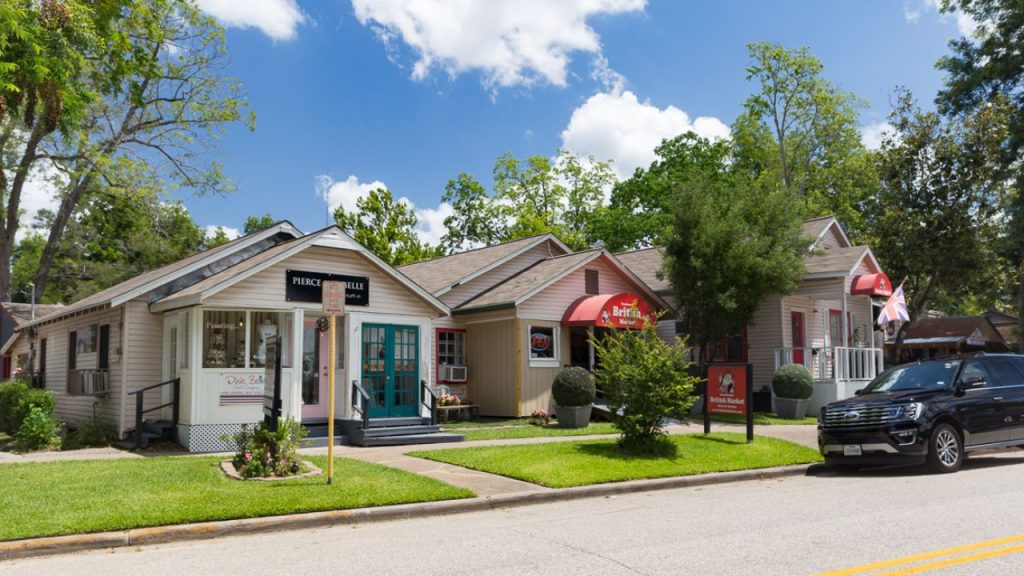
Spring, Texas, ranked fifth by U.S. News for 2026 and is also listed by Investopedia among top retirement cities. That dual recognition matters because the two systems use different datasets but converge on one conclusion: retirees can find a workable cost profile here without giving up access to care and activity.
In day-to-day terms, the advantage is consistency. Housing and routine expenses often stay more manageable than in nearby high-cost cores, and essential services are close enough to limit time-heavy trips. That helps retirees protect cash flow month after month while still maintaining an active calendar and family connection.
Spring Hill, Florida

Spring Hill appears in the U.S. News 2026 top 10, signaling that affordability and quality-of-life factors are moving together. For retirees, that pairing is crucial. Low costs alone do not help if care access is weak or daily logistics are exhausting, and this market scores as a more complete package.
Retirees often describe the benefit as quieter financial control. Essential spending can stay in bounds, and ordinary leisure, from local dining to neighborhood activities, does not immediately break the monthly plan. That breathing room allows savings to support long-term priorities instead of constantly covering routine overages.
Altoona, Pennsylvania
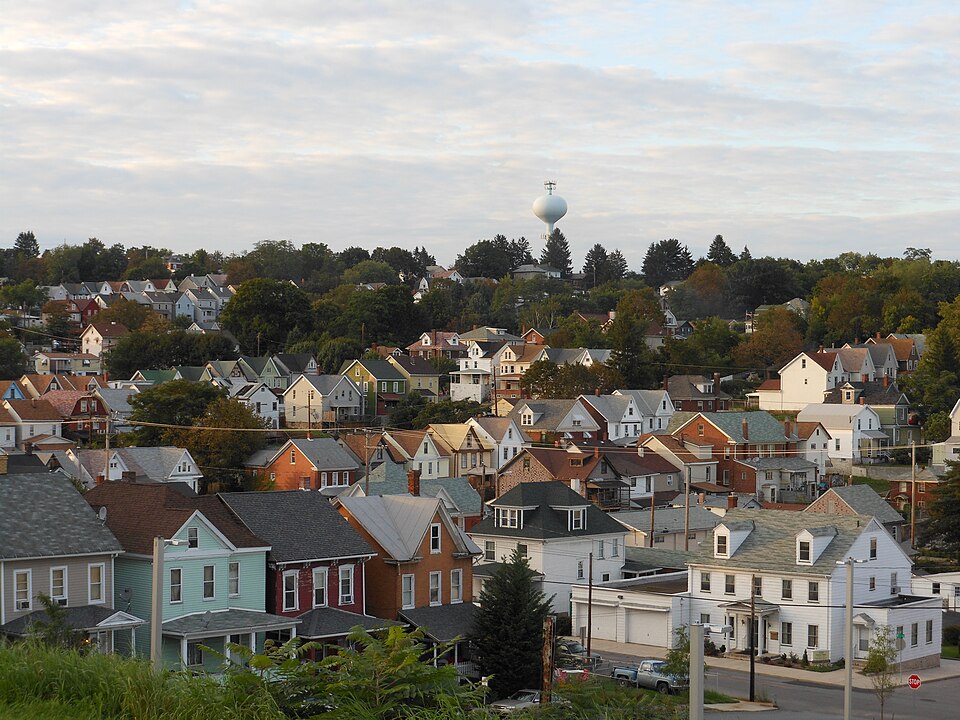
Altoona shows up in both U.S. News’ 2026 top 10 and Investopedia’s 2026 top 100, a useful cross-check for retirees comparing sources. When independent ranking methods keep highlighting the same city, it usually means the value case is broad: costs, care access, and livability are lining up in the right direction.
Local life tends to favor predictable budgeting. Housing choices remain comparatively attainable, and routine services are close enough to avoid expensive time and fuel burn. That lets retirees allocate money with more intention, preserving room for family travel, hobby spending, and the unplanned expenses that inevitably arrive.
Palm Coast, Florida

Palm Coast holds a top-10 spot in U.S. News’ 2026 retirement ranking, and that placement reflects practical economics rather than hype. Retirees need a mix of manageable daily expenses, reasonable service access, and a setting that still supports social and outdoor routines without premium spending.
What stands out here is spending stability. Essentials can remain closer to plan, while leisure choices, walks, community events, and casual dining, feel reachable on a regular schedule. That predictability helps retirees preserve confidence in long-range budgets, not just during one low-expense month, but across full seasons.
Lynchburg, Virginia

Lynchburg rounds out the U.S. News 2026 top 10, and its presence aligns with evidence that many retirees are prioritizing balanced, livable cities over high-profile destinations. The ranking now includes migration patterns for adults 55 and older, so demand trends are built into the outcome, not treated as noise.
For households managing fixed income, the benefit is often practical calm. Regular expenses can be tracked with fewer swings, and community life remains accessible without constant premium pricing. That combination supports a retirement plan that feels durable, even when inflation and health costs pressure other markets.
Knoxville, Tennessee

Knoxville, Tennessee, appears on Investopedia’s 2026 top-100 retirement list, which gives affordability the heaviest weight at 53% of total scoring. That emphasis matters because retirees can enjoy culture and community only when core costs leave room in the budget for participation, mobility, and health spending.
The city’s value proposition is often described as balance: enough urban energy to stay engaged, without the constant price pressure found in larger hubs. Day-to-day costs and logistics tend to be manageable, helping retirees keep routine joy in place while protecting savings for care, family support, and future uncertainty.
Pittsburgh, Pennsylvania

Pittsburgh is another Investopedia 2026 top-100 city, and its inclusion reflects a mix retirees care about: credible health infrastructure, strong community institutions, and costs that can be planned around. It is not the cheapest place in every line item, yet many households find the overall value equation holds.
What makes money go further here is optionality. Retirees can choose neighborhood routines, public events, and local cultural amenities without turning each week into a high-spend schedule. That flexibility allows households to match spending to priorities, preserving both social connection and financial resilience over time.
Des Moines, Iowa

Des Moines appears in Investopedia’s 2026 top 100 and represents the kind of Midwest market many retirees prefer: practical, serviceable, and easier to budget than many coastal alternatives. Because affordability drives over half of Investopedia’s score, inclusion signals real cost advantages, not branding.
Retirees often experience that advantage as steadier monthly planning. Core expenses are easier to project, while local amenities and community routines stay reachable without constant premium pricing. In retirement, that mix matters deeply. A stable budget is not only about saving money, it is about preserving freedom and dignity.