12 Underground U.S. Tunnels Most People Don’t Know Are Open
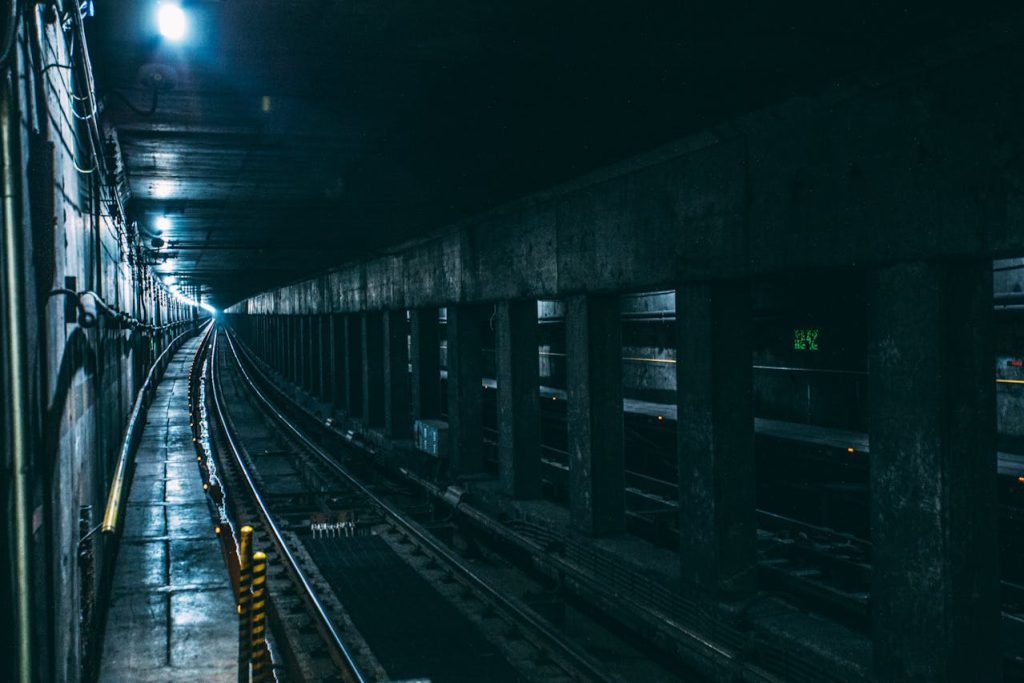
Architectural historians and urban explorers report that beneath the bustling surface of American cities and rural landscapes lies a hidden network of subterranean corridors that remain accessible to the public. While many transit tunnels and utility conduits are strictly off-limits, a distinct category of historic passages, abandoned railway bores, and intentional pedestrian walkways offers a unique perspective on the nation’s infrastructure. Experts say that these tunnels represent more than just physical shortcuts; they are structural time capsules that reflect the engineering ambitions and social histories of the eras in which they were constructed.
Civil engineers and heritage preservationists emphasize that these underground spaces are often forgotten by the general populace despite being legally open for exploration. According to urban planners, the adaptive reuse of these tunnels as recreational trails, art galleries, or historical sites has breathed new life into once-obsolete voids. Navigating these environments requires a different set of senses, as the ambient temperature, acoustic reverberation, and quality of light shift dramatically away from the surface. These twelve underground passages provide a compelling journey into the literal foundations of American history.
The Houston Tunnel System In Texas
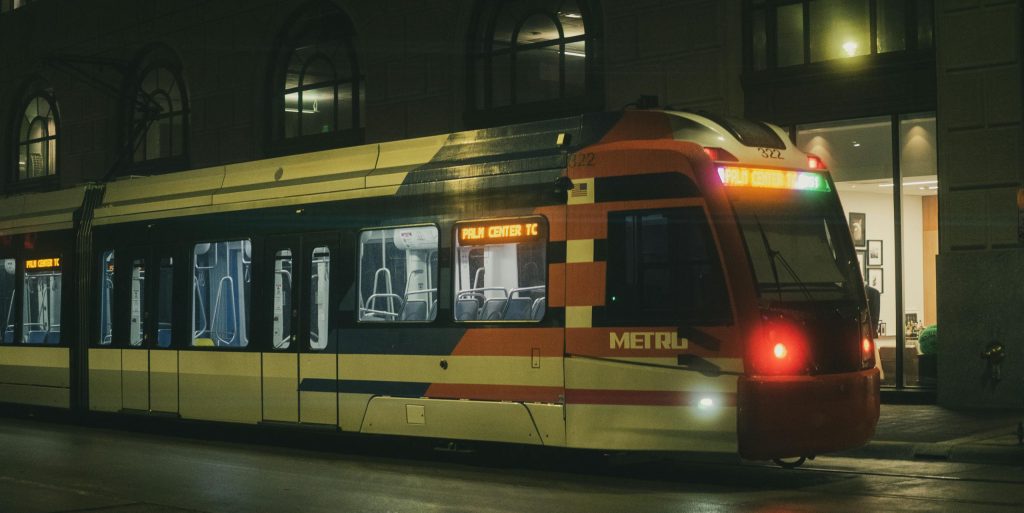
Urban sociologists and city planners identify the Houston Tunnel System as a premier example of subterranean urbanism designed to mitigate extreme surface temperatures. Spanning over six miles and connecting ninety-five city blocks, this climate-controlled labyrinth sits twenty feet below the street level. Experts note that the system was never intended to be a tourist attraction but rather a functional necessity for office workers seeking relief from the intense Texas humidity. Because the tunnels are primarily privately owned and operated, they remain a hidden world to many visitors who stay on the sunny sidewalks above.
Architectural consultants highlight that the system began as a single tunnel between two movie theaters in the 1930s and has since expanded into a sophisticated retail and dining concourse. The network features diverse architectural styles as it passes through the basements of various skyscrapers, from Art Deco foundations to modern glass-and-steel footings. Navigating the system requires careful attention to the specialized signage, as the tunnels only operate during business hours on weekdays. This underground city remains a vital but quiet artery for the downtown core, offering a unique look at how geology and urban necessity intersect.
The Gwinnett Street Tunnel In Georgia
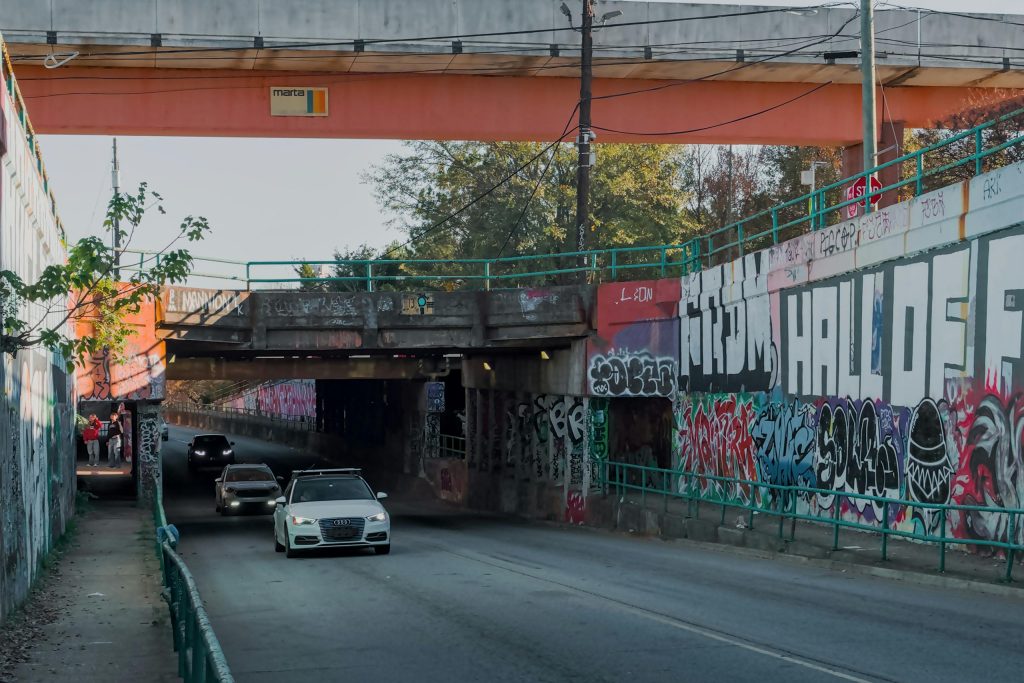
Historical preservationists and Savannah tour guides often point to the Gwinnett Street Tunnel as a mysterious remnant of the city’s industrial past that many locals pass by without a second thought. Located within the boundaries of Forsyth Park, this brick-lined passage was originally constructed to allow pedestrians and horses to pass beneath a busy railway line. Civil engineers emphasize the structural integrity of the vaulted masonry, which has survived the humid coastal climate for over a century. The tunnel remains open as a public walkway, though its entrance is partially obscured by lush southern vegetation and the historic ironwork of the park.
Cultural historians explain that the tunnel once served as a critical connection between the residential squares and the outlying agricultural areas. Standing inside the passage provides a distinct acoustic experience, where the sounds of the modern city are muffled by the thick brick walls. Experts suggest that the preservation of such a small-scale infrastructure project is rare in rapidly developing Southern cities. Visitors who discover the entrance are treated to a cool, shaded environment that feels entirely removed from the picturesque moss-draped oak trees just a few yards away.
The Paw Paw Tunnel In Maryland
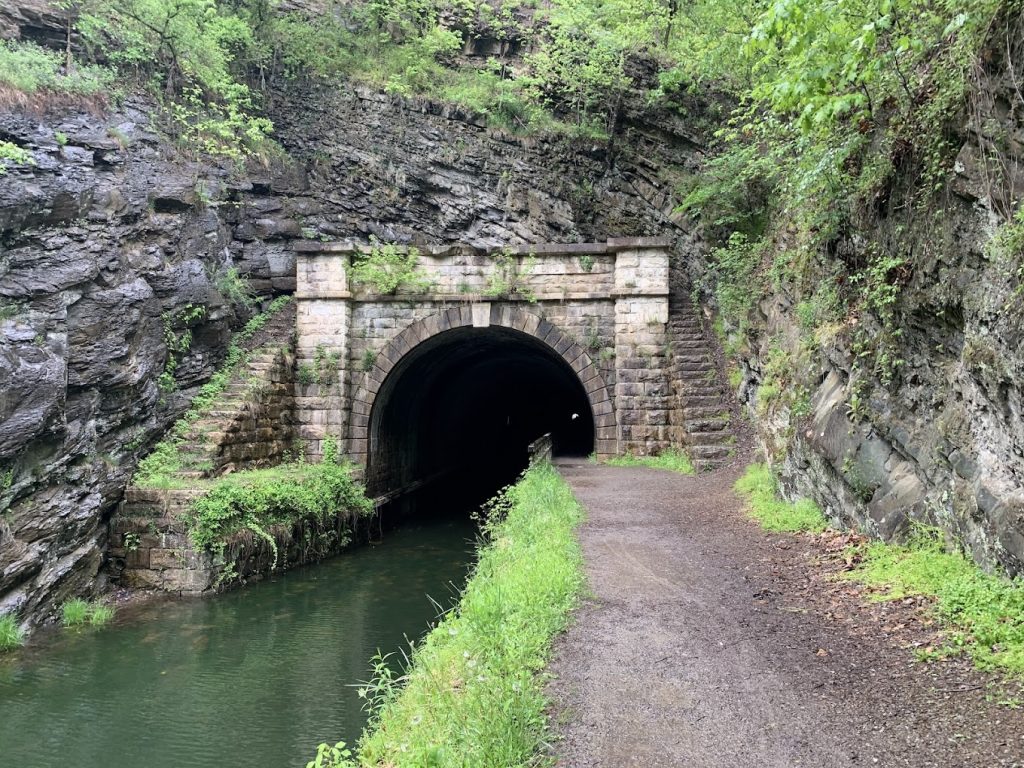
Park rangers and canal historians at the Chesapeake and Ohio Canal National Historical Park recognize the Paw Paw Tunnel as a masterpiece of nineteenth-century engineering. Miners and laborers spent twelve years hand-carving this three-thousand-foot passage through a mountain of shale to allow canal boats to bypass six miles of river bends. Geological experts highlight that the tunnel is lined with over six million bricks to prevent the unstable mountain rock from collapsing. Despite its remote location in western Maryland, the tunnel remains a part of the continuous towpath trail and is open to hikers and cyclists throughout the year.
The interior of the tunnel is characterized by absolute darkness, necessitating the use of high-powered flashlights for anyone making the crossing. National Park Service guides explain that the weep holes in the brickwork still allow mountain spring water to trickle into the canal bed, creating a constant rhythmic dripping sound. The original wooden railing and the soot-stained ceiling from previous boat lanterns provide a visceral connection to the workers who built the canal. It stands as a silent monument to the era of water-driven commerce, offering a damp and cool journey through the heart of the Appalachian landscape.
The Snoqualmie Tunnel In Washington
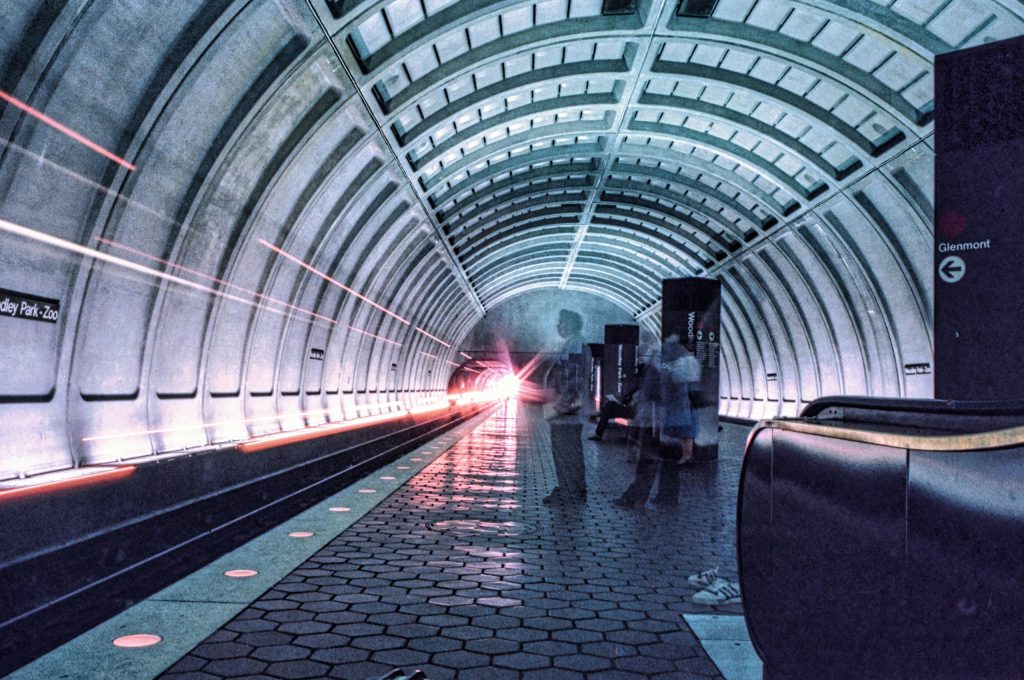
Recreation directors and rails-to-trails advocates identify the Snoqualmie Tunnel as one of the longest and most dramatic converted railway bores in the United States. Located within the Palouse to Cascades State Park Trail, this two-mile-long tunnel was once part of the Chicago, Milwaukee, St. Paul and Pacific Railroad. Civil engineers observe that the tunnel maintains a consistent sixty-degree temperature even when the surrounding mountain peaks are covered in snow. The passage is open from spring through autumn, providing an essential link for long-distance cyclists and hikers traversing the Cascade Range.
Outdoor safety experts emphasize that the tunnel represents a total sensory deprivation experience, as the curve of the mountain prevents any light from reaching the middle section. The constant rush of air through the bore creates a natural wind tunnel effect that can be surprisingly chilly. Geologists note that the concrete-lined walls are a testament to the industrial effort required to conquer the rugged topography of the Pacific Northwest. Travelers often report that emerging into the brilliant mountain light after nearly forty minutes in the darkness is the most memorable part of the journey.
The Atlantic Avenue Tunnel In New York
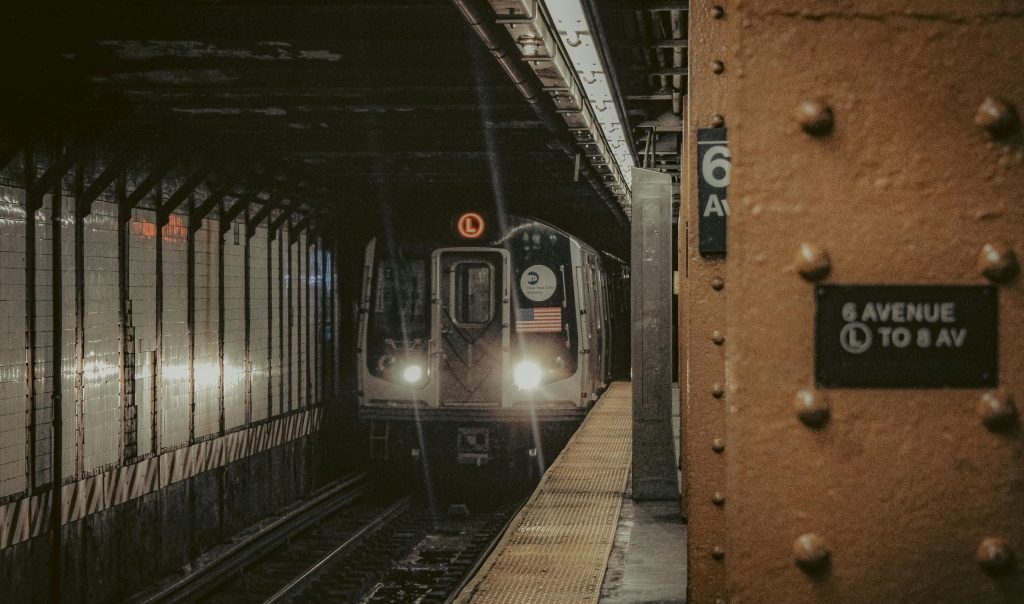
Urban archaeologists and Brooklyn historians celebrate the Atlantic Avenue Tunnel as the oldest subway tunnel in the world, dating back to 1844. Hidden beneath the busy intersection of Atlantic Avenue and Court Street, this half-mile-long passage was originally a sunken railway line designed to eliminate dangerous street-level crossings. Engineering experts highlight the use of cobblestone and heavy timber in its construction, which has remained remarkably intact despite being sealed off for over a century before its rediscovery. While it is not open for casual wandering, authorized historical tours provide regular legal access to the subterranean space.
Cultural curators explain that the tunnel was once a focal point for local legends involving hidden bootlegging operations and lost treasures. The air inside is thick and still, carrying the faint scent of century-old dust and damp stone. Preservationists note that the tunnel provides a rare look at the pre-Civil War infrastructure of New York City, before the era of modern steel and concrete. Standing in the silent, dark chamber while the heavy rumble of modern traffic vibrates through the ceiling is a powerful reminder of the hidden layers of history that define the modern metropolis.
The Cobb Cave In Arkansas
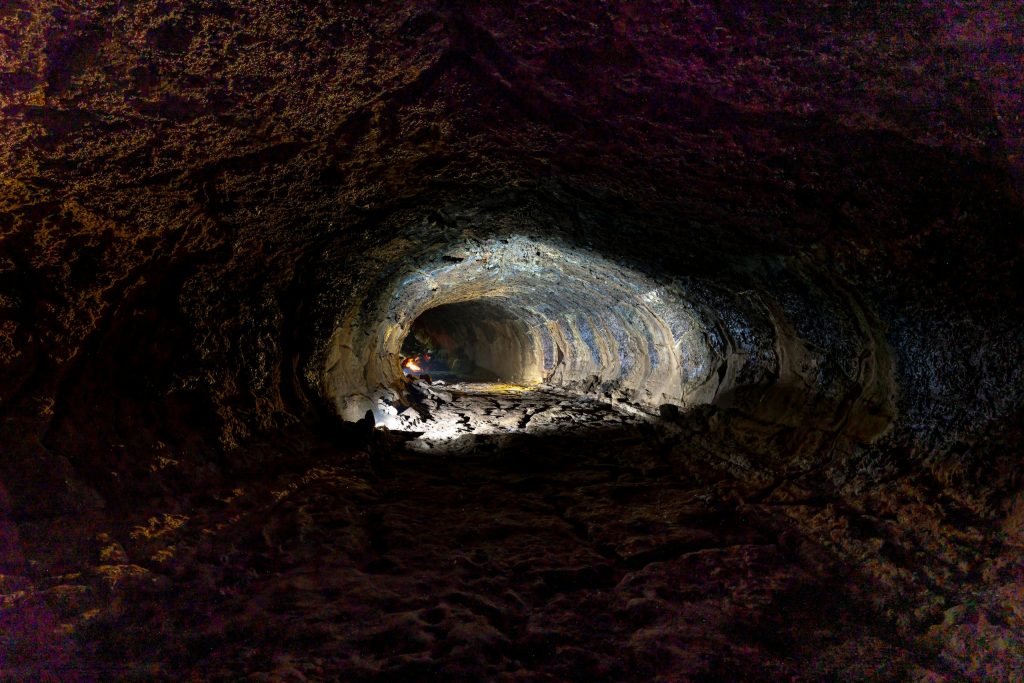
National park rangers and cave specialists at the Buffalo National River recognize Cobb Cave as a massive natural tunnel that has served as a sanctuary for humans for thousands of years. This limestone overhang is so deep and sheltered that it functions effectively as a wide-mouthed tunnel within the Lost Valley. Archaeologists have discovered evidence of Ancestral Puebloan inhabitants who used the space to store corn and perform ceremonies. The passage remains open to the public via a well-maintained trail that winds past waterfalls and sheer bluffs.
Geological experts observe that the tunnel was carved by the relentless movement of water through the porous Ozark limestone. The interior is spacious and cool, offering a natural amphitheater that amplifies the sounds of the surrounding forest. Unlike traditional caves that require crawling, this passage is high and wide, allowing visitors to walk comfortably through the geological heart of the canyon. Experts suggest that the preservation of the site is critical, as the cool, dry environment has kept ancient botanical remains intact for centuries, offering a window into the prehistoric agriculture of the region.
The Rochester Subway Tunnels In New York
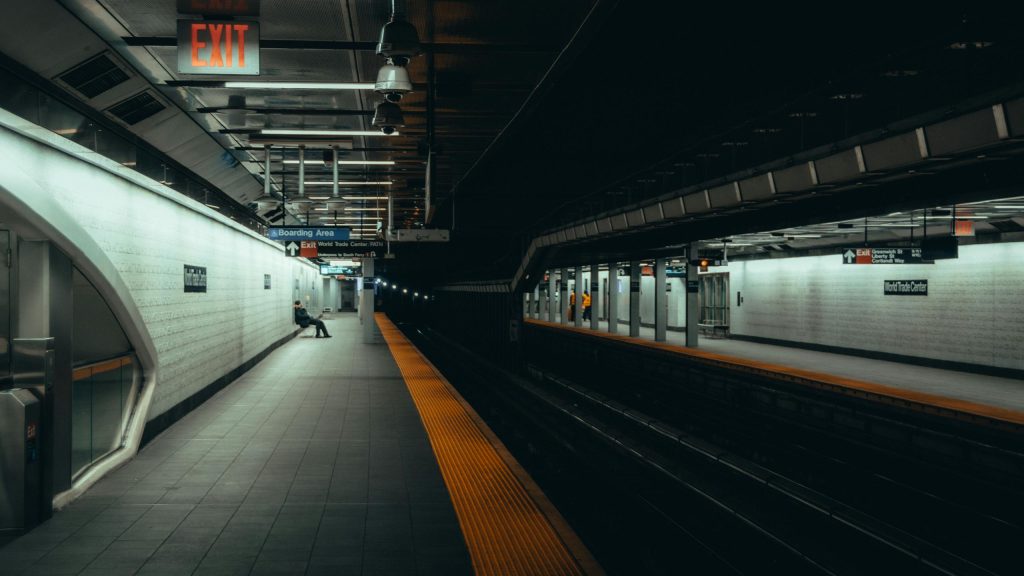
Urban planners and local historians identify the abandoned Rochester Subway as a sprawling underground network that has become an unofficial gallery for public art. Originally built in the 1920s within the bed of the old Erie Canal, the system operated for only thirty years before being decommissioned. Civil engineers emphasize that the massive concrete arches and broad platforms were designed with a sense of civic grandeur that is still visible beneath the modern layers of graffiti. Large sections of the tunnel system remain open and accessible to those who know the entry points near the Broad Street Bridge.
Cultural experts note that the tunnels have evolved into a vital space for the city’s street art community, with nearly every square inch of the walls covered in vibrant murals. The acoustic properties of the underground passages make them a popular spot for local musicians and photographers seeking an industrial aesthetic. While the city has periodically discussed infilling the tunnels, they remain a significant subterranean landmark that reflects the shift from water to rail and finally to the automotive age. Exploring the dark, echoing concourses provides a stark contrast to the quiet streets of the city center above.
The Coburn Park Tunnel In Maine
Local historians and park directors in Skowhegan recognize the Coburn Park Tunnel as a charming and largely forgotten piece of Victorian-era infrastructure. Tucked into the side of a hill within the historic park, this stone-lined passage was designed to allow visitors to move between different levels of the formal gardens without crossing the main carriage paths. Architectural consultants highlight the use of local granite and fieldstone, which blends seamlessly into the natural landscape. The tunnel remains open to the public, though many visitors mistakenly assume it is a storage area or a decorative focal point rather than a functional walkway.
Horticulturalists note that the tunnel creates a microclimate that supports specific mosses and ferns that do not thrive in the sunny areas of the park. Walking through the short, cool passage provides a brief moment of quietude away from the recreational activities of the riverside. Experts say that the design reflects the Victorian obsession with “grotto” aesthetics and the romanticized view of nature. It stands as one of the few remaining examples of small-scale park tunnels in New England, serving as a quiet reminder of a time when the pace of leisure was much slower.
The Indianapolis Catacombs In Indiana
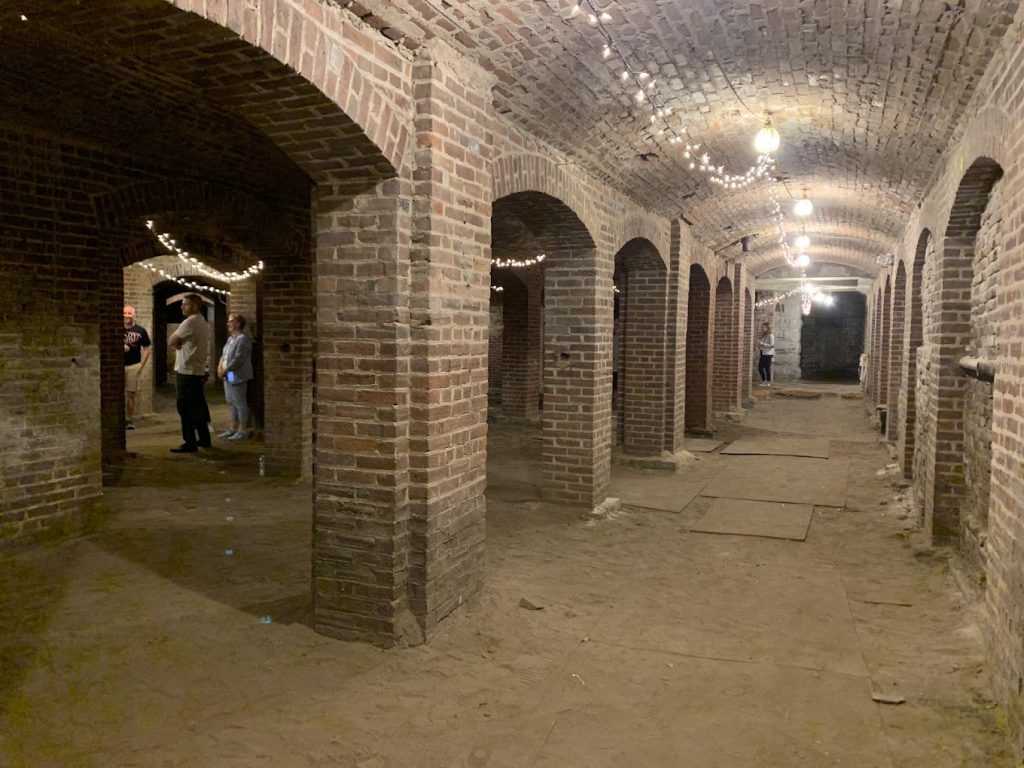
Heritage planners and architectural historians identify the Indianapolis Catacombs as a vast underground expanse that many residents do not realize exists beneath the City Market. This twenty-thousand-square-foot network of brick arches and limestone pillars was originally the basement of the Tomlinson Hall, which burned down in 1958. Civil engineers observe that the foundation was so well-constructed that it remained standing and continues to support the modern plaza above. While the space is not open for daily foot traffic, regular guided tours allow the public to explore the dark, cool ruins legally.
Archaeological experts point out that the catacombs are not burial sites but are instead a remnant of a time before refrigeration, when the underground space was used to store meat and produce for the market. The air remains a constant temperature, and the floor consists of the original dirt and gravel. Standing among the hundreds of brick columns creates a visual pattern that feels infinite in the dim light. Experts suggest that the preservation of these ruins provides a unique subterranean link to the city’s nineteenth-century commercial peak, offering a damp and atmospheric journey into the past.
The Iron Horse Tunnel In South Dakota
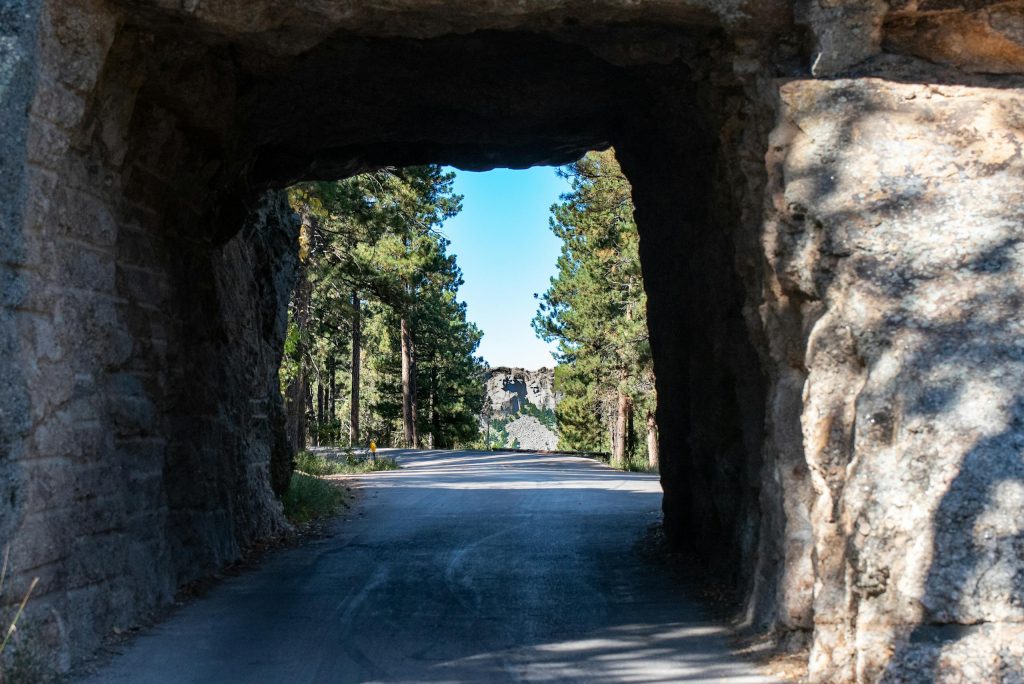
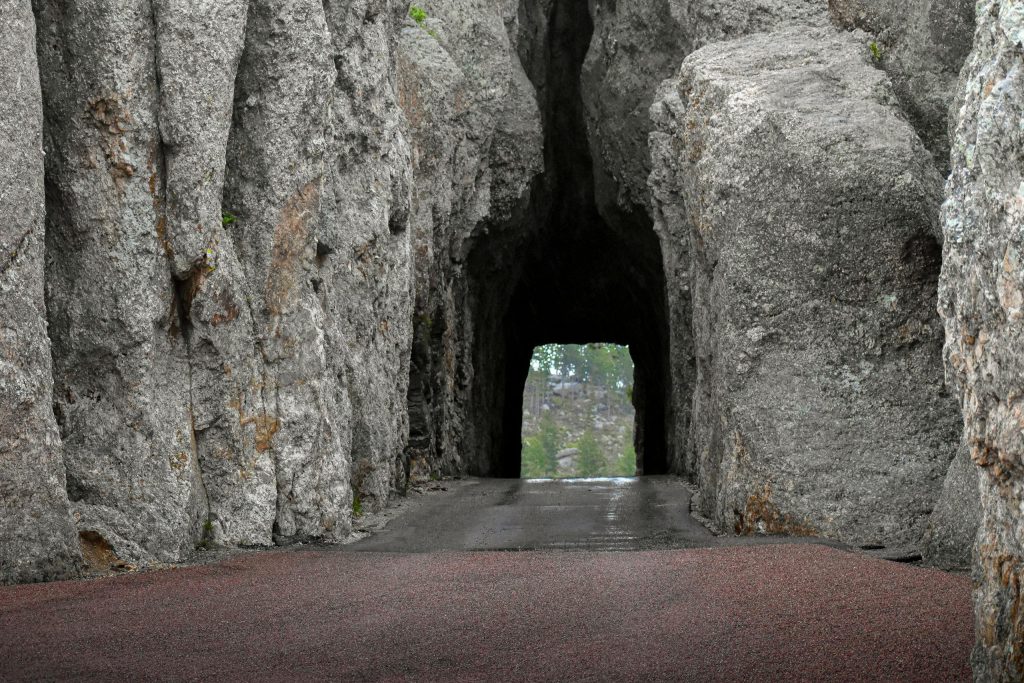
Park rangers and railway enthusiasts in the Black Hills recognize the Iron Horse Tunnel as a rugged and scenic passage located within the Custer State Park. This short, hand-carved bore was part of the Black Hills and Fort Pierre Railroad, which once hauled timber and gold through the mountainous terrain. Geological experts highlight the exposed granite walls, which show the original drill marks and blast scars from the 1880s. The tunnel is now part of a hiking trail, allowing visitors to walk through the same stone that once challenged the early pioneers of the rail industry.
Forestry experts note that the tunnel provides a sheltered habitat for several species of bats that utilize the cool, dark environment for roosting. The passage offers a dramatic frame for the surrounding pine-covered peaks, making it a favorite for landscape photographers. Standing in the middle of the tunnel, one can feel the immense pressure of the surrounding granite and the weight of the history it represents. Experts say that the simplicity of the site, with no modern lights or pavement, preserves the raw and unedited character of the historic mining era.
The Cincinnati Subway Tunnels In Ohio

Urban historians and transportation planners describe the Cincinnati Subway as the most extensive abandoned subway system in the United States. Built in the 1920s but never completed due to funding issues and the Great Depression, the seven miles of tunnels sit silently beneath the city streets. Civil engineers observe that the concrete stations and tracks were fully installed and remain in excellent condition, appearing as though they are simply waiting for a train that will never arrive. Although the city restricts casual entry, specialized historical tours provide the only legal way for the public to enter this vast underground void.
Cultural experts note that the tunnels represent a poignant “what if” in the city’s developmental history. The air inside is remarkably clear and dry, preserving the original signage and ironwork from the early twentieth century. Walking along the silent platforms provides a surreal experience, as the modern world operates just a few feet above the ceiling. Experts suggest that the scale of the unfulfilled project is a powerful reminder of the risks of large-scale infrastructure and the shifting priorities of the American city. It remains a massive, echoing monument to a forgotten future.
The Blue Ridge Tunnel In Virginia

Civil engineers and history enthusiasts identify the Blue Ridge Tunnel as one of the most significant engineering feats of the mid-nineteenth century. Designed by Claudius Crozet and hand-drilled by Irish immigrants and enslaved laborers, the nearly mile-long tunnel was the longest in the world at the time of its completion. Architectural historians emphasize the precision of the work, as the two teams digging from opposite sides met in the middle with less than six inches of error. After decades of abandonment, the tunnel has been restored and opened as a pedestrian trail, allowing the public to walk the dark, wet passage beneath Rockfish Gap.
Wildlife biologists observe that the tunnel has become a unique ecosystem, with mineral deposits forming small stalactites and the damp walls supporting rare cave crickets. The interior is famously wet, with mountain spring water constantly pouring from the ceiling in certain sections, necessitating waterproof gear for any visitor. Experts say that the restoration project has successfully balanced public safety with historical integrity, leaving the raw rock faces and soot-stained brickwork visible. Emerging from the cool, dark interior into the lush Virginia forest provides a visceral sense of the massive scale of the mountain that the tunnel successfully conquered.